RAY PRICE AND THE FUNNY BIKE
Written by The Harley-Davidson Museum
Photos by Josh Kurpius Archival photos courtesy of H-D Museum
Ray Price was a legend in Harley-Davidson circles. His story started, like many do, with a young kid who saw motorcycles, wanted to ride, and eventually made the dream a reality. His first bike was a 1953 K model. The competitive spirit took hold and soon he was racing a 1967 Sportster. Technically minded and mechanically gifted, he modified his own bikes and naturally took to drag racing. He started professionally drag racing in his 30s, created a new class of drag bike, and even received factory sponsorship from Harley-Davidson.
Price is the man behind the first historical “Funny Bike.” Automobile drag racing already had the “Funny Car” class, in which the outer appearance of the vehicle was meant to look loosely like a stock car. But behind the façade was a high-performance, competitive drag machine. The same principle applied to the Funny Bike pioneered by Price.

PRICE IS THE MAN BEHIND THE FIRST HISTORICAL “FUNNY BIKE.” BEHIND THE FAÇADE WAS A HIGH-PERFORMANCE, COMPETITIVE DRAG MACHINE.
“From a distance, Ray's bike looks a lot like a stock Harley Sportster. And close up, you might mistake the fiberglass gas tank for the real thing. You can't see the drag tank tucked underneath, topped off with nitro. You might overlook the special race frame. And only some people will realize that the V-Twin engine has made a few stops between the factory and the strip. Only a careful eye would spot the ported and polished Superglide 74 heads on top of the beefed up Sportster cases.”

This Funny Bike drag racer is the first Price created, and it came to the Harley-Davidson archives in early 2026. It shares features of a stock motorcycle, including a gutted FLH headlamp, decorative Sportster taillight, and a fiberglass shell that resembles a Sportster gas tank but conceals the real aluminum tank filled with nitro. Other features completed the deception, such as the classic banana-style seat, and the stock Sportster engine crankcase hides state-of-the-art performance parts, but the top end is H-D Super Glide cylinder heads.
Price improved the bike over many years. It began with an 80 cubic-inch engine and 4-inch slick (rear tire) and transformed into a racer with a 107 cubic-inch engine and a 14-inch slick. It also utilized a unique two-speed automatic transmission. It is also the first ever drag racing motorcycle with a wheelie bar, a standard component for drag racing motorcycles today.
Price’s best elapsed time on this Funny Bike was 8.39 on a quarter mile at 177 miles per hour in Akron, Ohio in 1978. It could run the entirety of a quarter mile with the front end in the air—a quarter-mile long wheelie.
Broken parts were a common problem, and drag racers had to be prepared with spares. Racers like Ray carried spare equipment with them, but they’re limited to what they could fit in a truck bed or truck of their car. When Ray’s drag motorcycle had trouble, he went to the “Trouble Office” and hoped what he needed was there. If not, his day was over.


RAY PRICE WAS INDUCTED INTO THE AMA HALL OF FAME IN 1993. THROUGH HIS RACING TEAM AND HARLEY-DAVIDSON DEALERSHIP IN, RAY CONTINUED TO SPONSOR RACERS AND INSPIRE THE SPORT OF DRAG RACING.
The “Trouble Office” is a yellow, plastic open-top crate with "TROUBLE OFFICE" spray painted in black. The bottom of the box is lined in a newspaper from News and Observer from Raleigh, NC dated January 23, 1979. The box was used by Ray Price in his early racing days to carry spare parts and tools he might need while at the track including a grease gun, air pressure gauge, spark plugs, rope, carb cleaner, tachometer, electrical wire, and plastic wrap. Damaged handle bars, fenders, clutch plates and piston heads remain, too.


Ray Price was inducted into the AMA Hall of Fame in 1993. He stopped racing after more than 30 years due to a bad accident in 2003, but Ray remained dedicated to competition and innovation. Through his racing team and Harley-Davidson dealership in Raleigh, North Carolina, Ray continued to sponsor racers and inspire the sport of drag racing during his lifetime. He passed away in 2015 at age 78. His legacy continues today, especially through the American Motorcycle Racing Association (AMRA) nitro funny bike class and top fuel drag racing.
EXPERIENCE THE HISTORY OF HARLEY-DAVIDSON
Discover culture and history through stories and exhibits that celebrate expression, camaraderie and love for the sport.
EXPLORE MORE FROM THE ARCHIVES
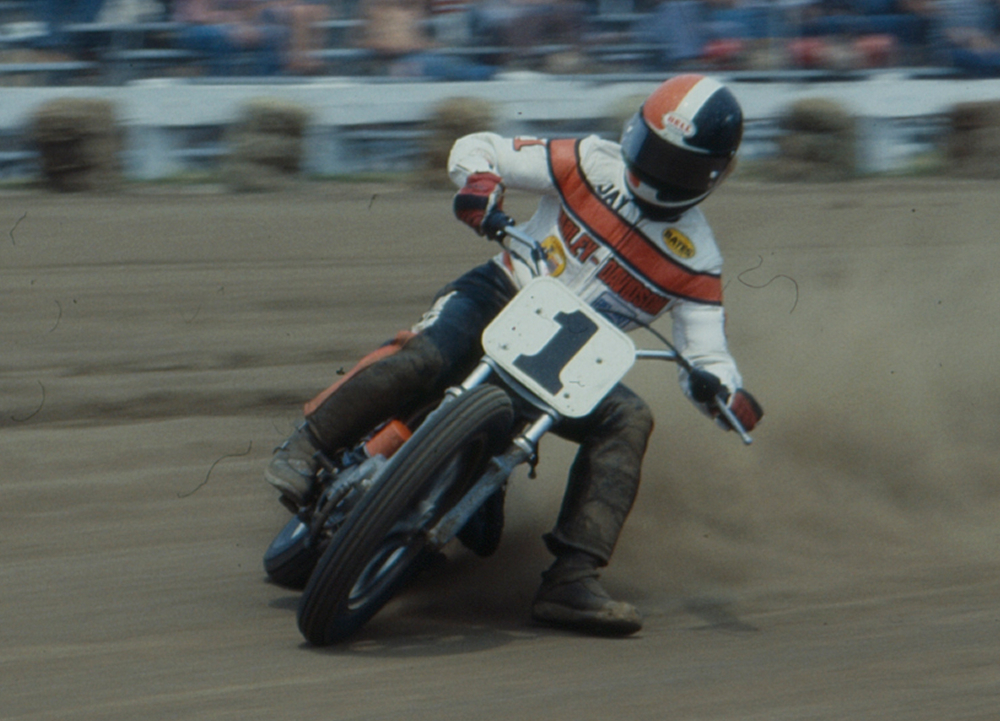
SPRINGSTEEN’S RISE: THE MAKING OF A FLAT TRACK LEGEND
Jay Springsteen overcame early adversity to become one of flat track racing's most successful riders, earning three consecutive Grand National titles and a place among Harley-Davidson legends.
THE EAGLE, THE NUMBER ONE, AND THE RETURN OF THE BAR & SHIELD
How a Bicentennial-era design idea from Willie G. Davidson gave rise to the eagle and modern Bar & Shield that continue to define Harley-Davidson today.
KNIGHTS OF THE HIGHWAY: THE STORY BEHIND MOTORCYCLE CLUB UNIFORMS
From tailored uniforms to patch-covered vests, motorcycle riders have long used what they wear to shape their identity, build community, and challenge public perceptions of the sport.
ROUTE 66: A TESTAMENT TO THE SPIRIT OF THE OPEN ROAD
Route 66 has evolved from a simple stretch of pavement into a defining experience for generations of Harley-Davidson riders.
“MOTORCYCLING IS THE LIFE”: THE LEGACY OF GUSTAF STENMARK
Driven by an obsession with motorcycles, Gustaf Stenmark pushed himself through every race and mile with competitive grit, chasing the limits of endurance on two wheels.
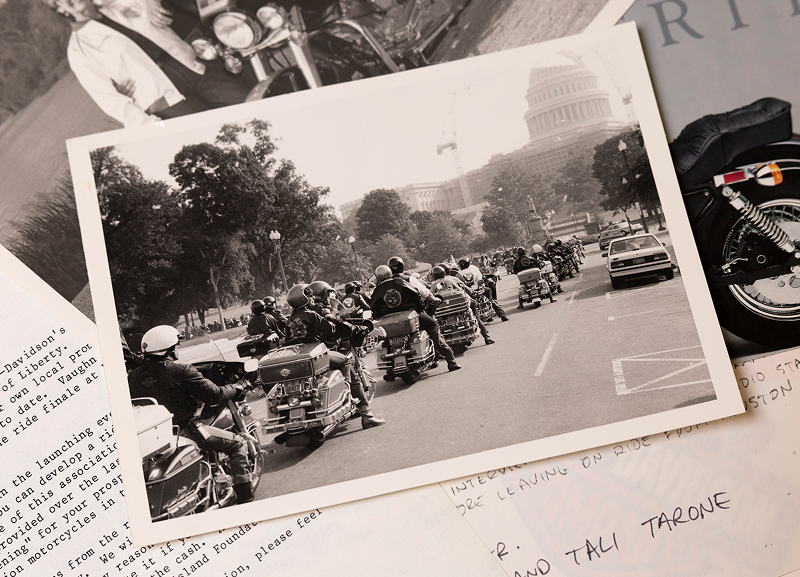
HARLEY-DAVIDSON RIDES FOR LIBERTY
As the Statue of Liberty prepared for her 100th anniversary, Harley‑Davidson riders united coast to coast to celebrate freedom and help restore an American icon.
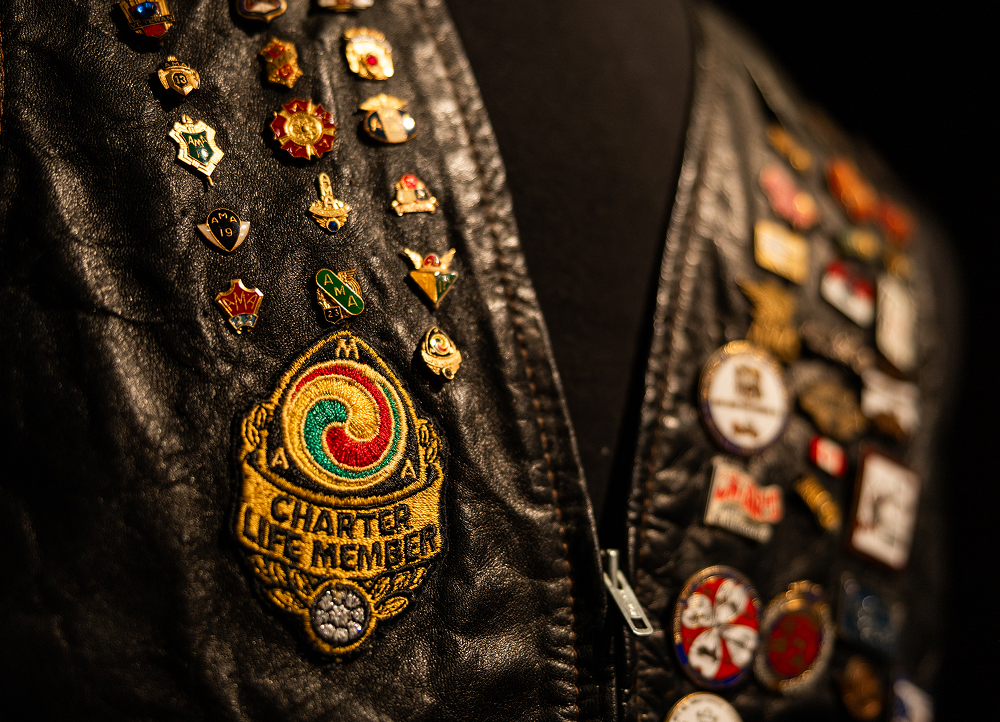
FROM WAISTCOAT TO CUT: THE EVOLUTION OF THE MOTORCYCLE VEST
The vest may have started out as a practical piece of clothing worn by aristocrats and soldiers, but today, it's one of the most iconic symbols of motorcycle culture.
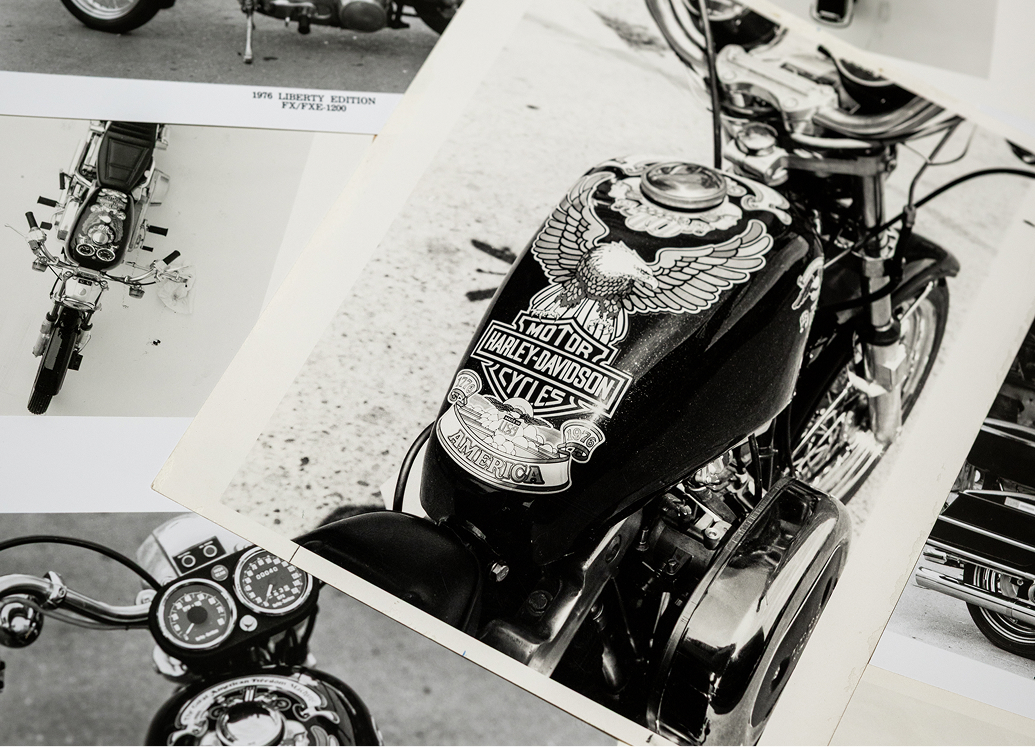
THE '76 BICENTENNIAL EDITION: THE BIRTH OF AN ICON
The 1976 Liberty Edition fused American patriotism with Harley‑Davidson craftsmanship, creating a landmark design that still resonates as a symbol of freedom and identity.
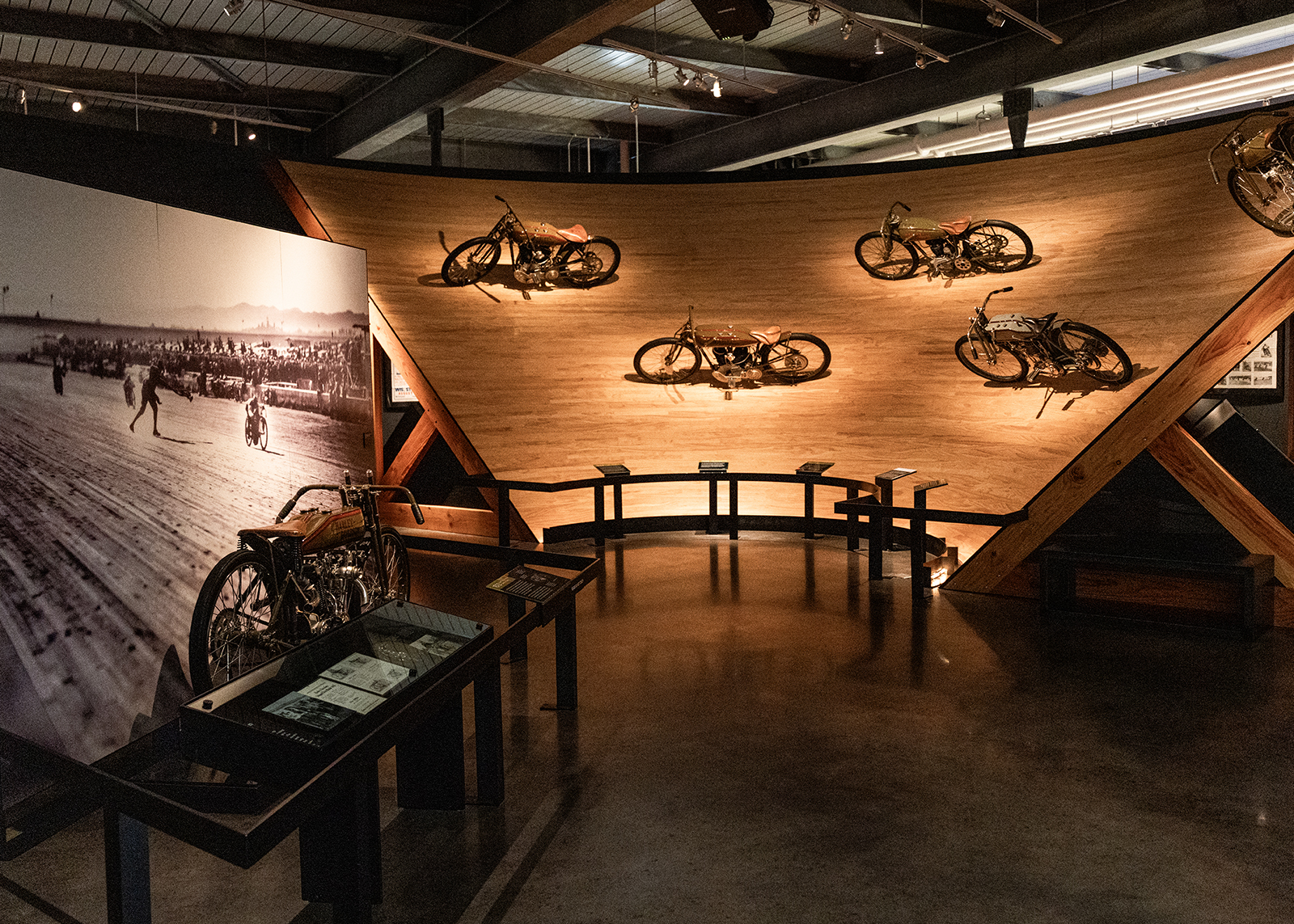
LIFE ON THE MURDERDROME: H-D AND THE SPORT THAT TERRIFIED EVERYONE
Long before racing glory, Harley-Davidson’s uneasy entry into board track competition was lived on the edge by riders like L.E. Bowen.
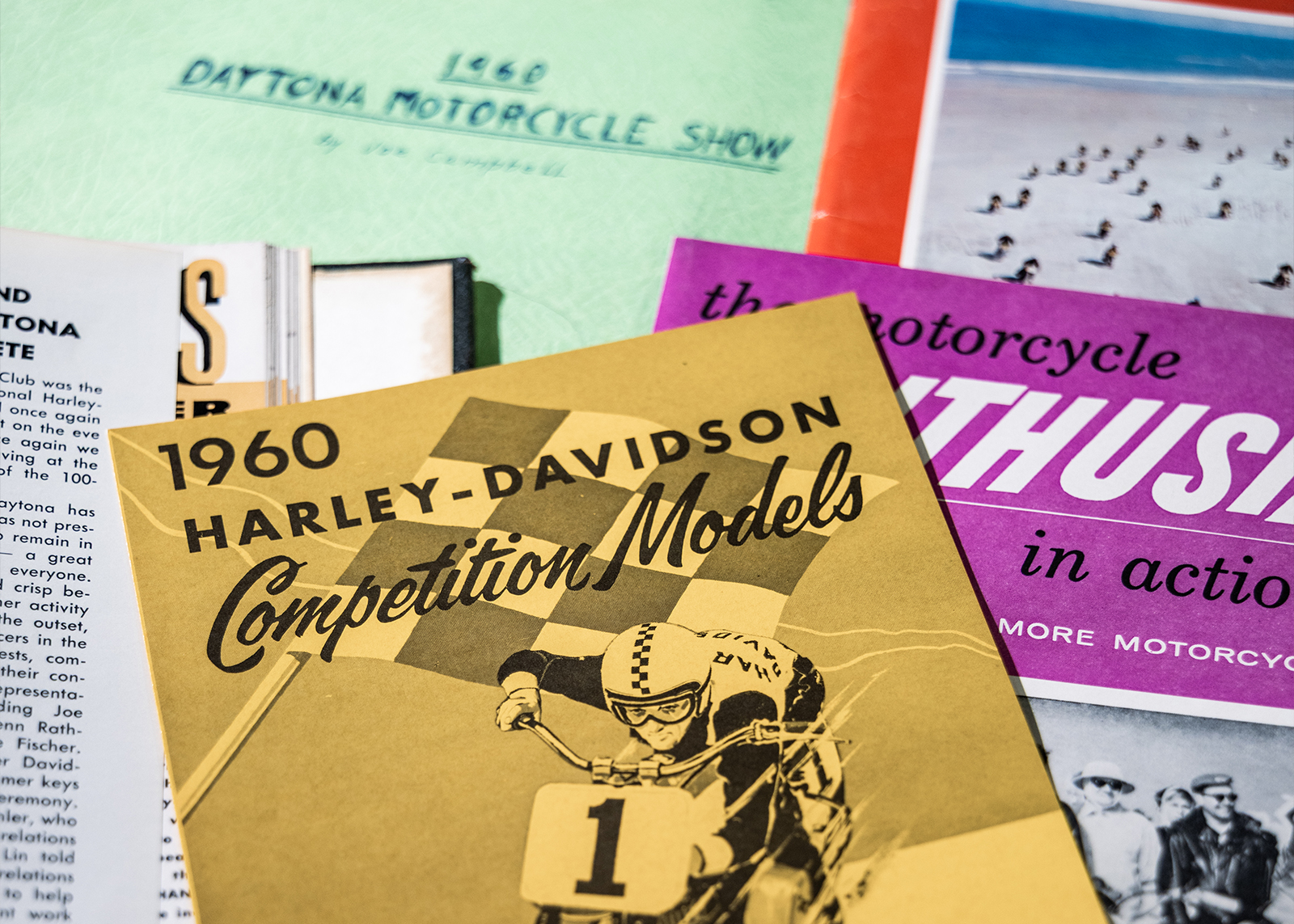
FLASHBACK: STEP INSIDE THE DAYTONA 1960 MOTORCYCLE SHOW
Daytona Bike Week celebrates its 85th year, offering the perfect moment to look back at the rally’s iconic 1960 roots.
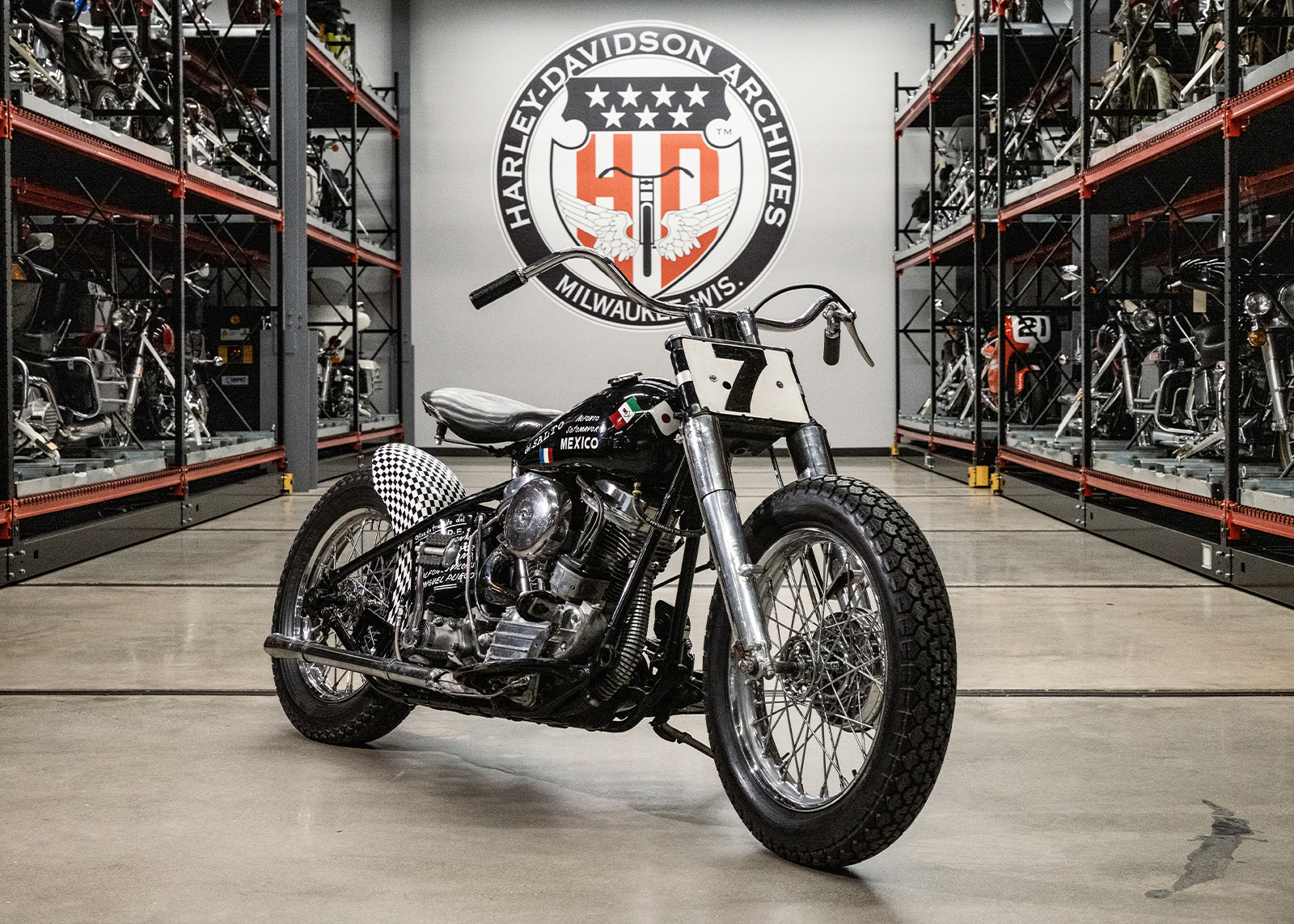
ALFONSO SOTOMAYOR AND MEXICAN STUNT RIDING
Harley-Davidson’s century-long history in Mexico is filled with pioneering riders and legendary stunt performers like Alfonso Sotomayor.
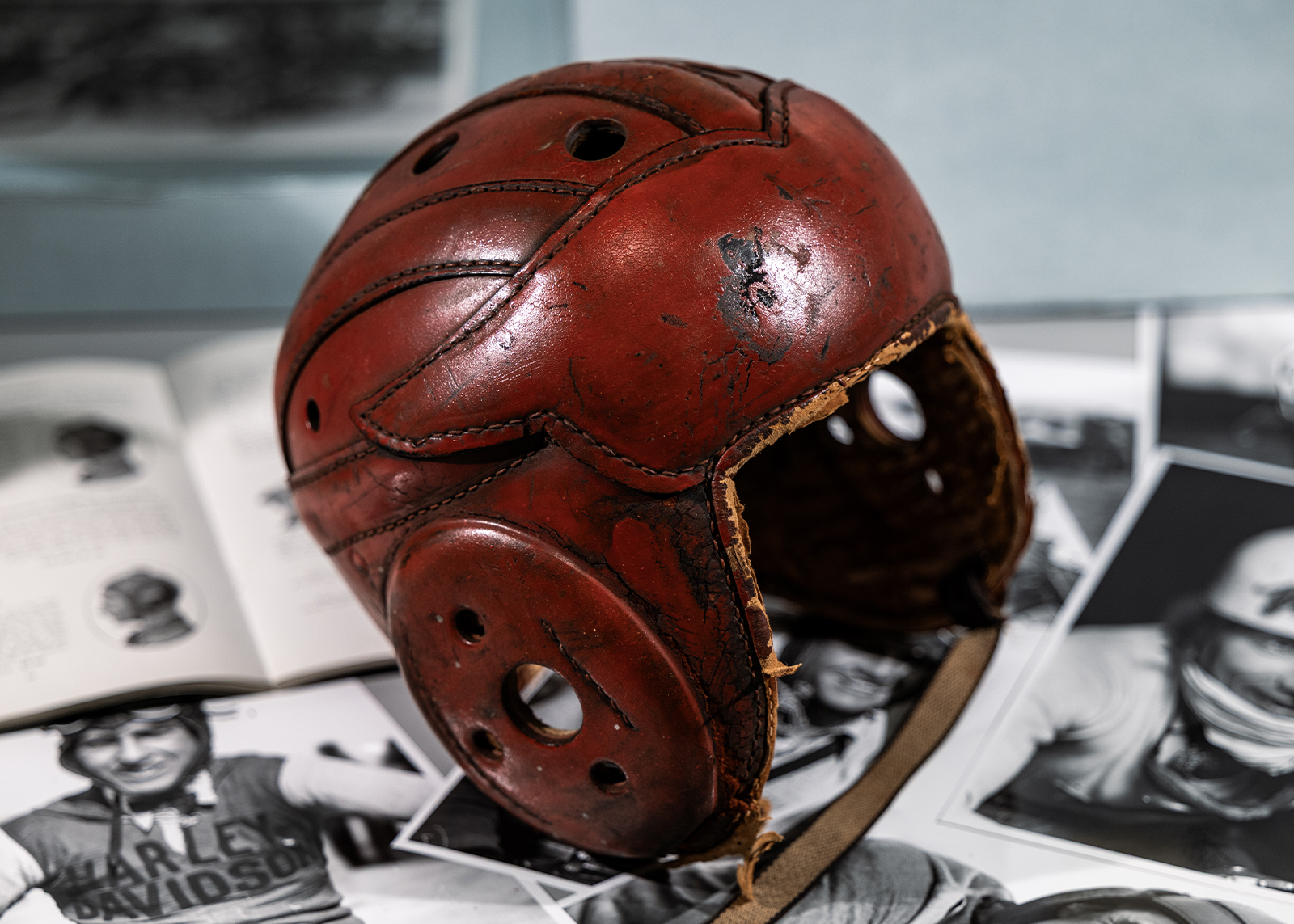
HELMETS THROUGH HISTORY
From humble leather caps to modern safety gear, the evolution of motorcycle helmets balances protection, performance, and pure self-expression.
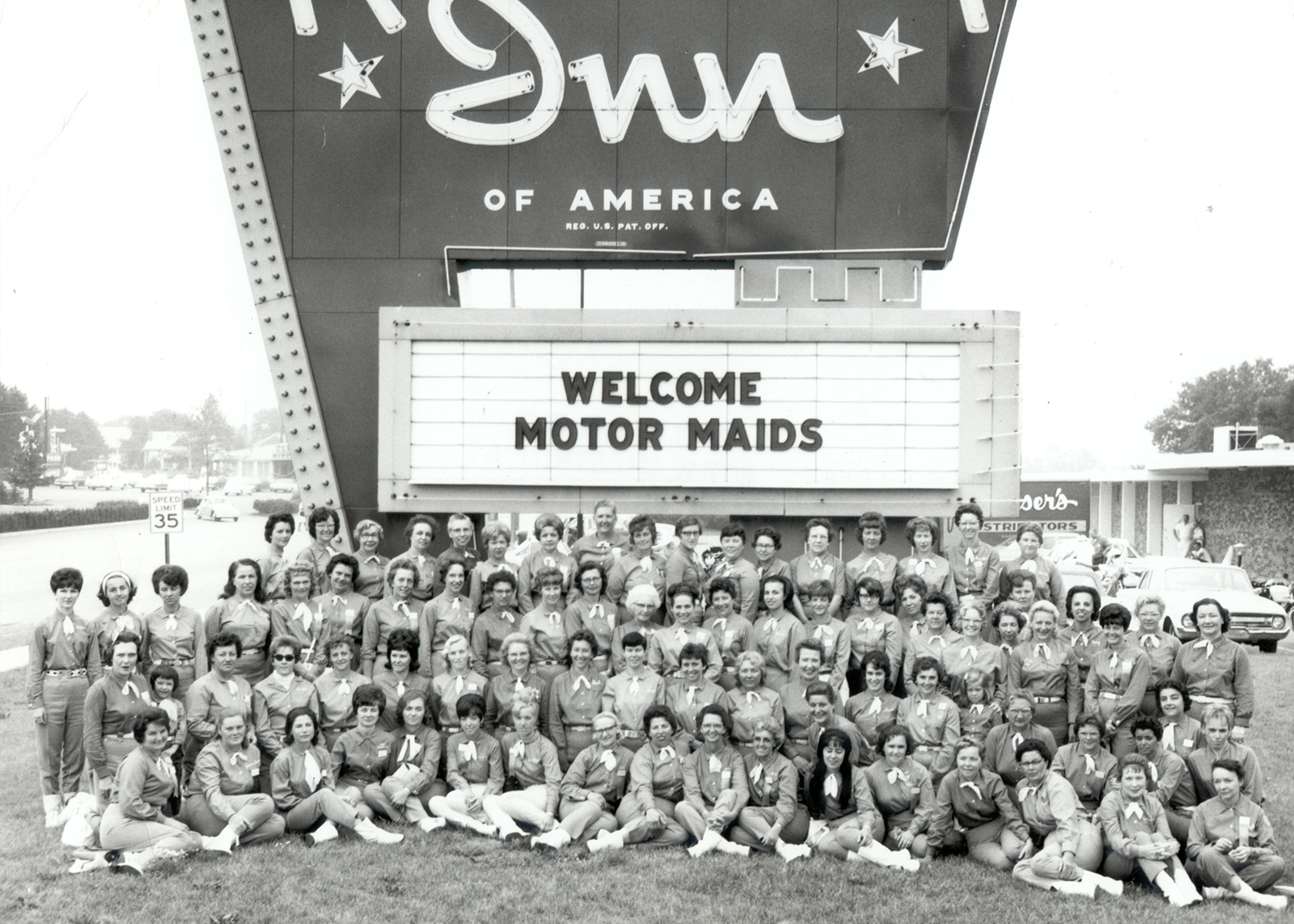
RIDING FORWARD: 85 YEARS OF THE MOTOR MAIDS
Founded in 1940 by pioneers Dorothy “Dot” Robinson and Linda Dugeau, the Motor Maids became the first women’s national motorcycle club.
RIDING THROUGH HISTORY: ELDRED R. HARRINGTON’S HARLEY-DAVIDSON ADVENTURES
Eldred R. Harrington, a prolific Enthusiast writer from 1944–1965, was revisited by Harley-Davidson archives during the Hydra-Glide’s 75th anniversary.
EARLY RIDING WEAR
In the earliest images in the Harley-Davidson archives, riders’ clothing always stands out.
LESLIE “RED” PARKHURST
Parkhurst was a good-natured athlete whose enthusiasm made him a real crowd-pleaser, both on and off the track.
THE WORLD'S FASTEST HARLEY-DAVIDSON
Built for Speed. Born for Glory. The Return of a Legend.