Flashback: Step Inside the Daytona 1960 Motorcycle Show
Written by The Harley-Davidson Museum
Photos by Josh Kurpius Archival photos courtesy of H-D Museum
For one whole week every year, Daytona Beach, Florida plays host to bikers and enthusiasts from all over the world.
To many, it’s equal parts party and pilgrimage. To others, it’s a longstanding tradition that signals the official beginning of the riding season.
And to a few of us, it’s just a real solid excuse to go thaw out on the beach for a week.
But in 2026, the iconic American rally experiences a major milestone: 85 years of bikes on the beach.
To celebrate the momentous occasion, we’re taking a walk through the archives and bringing you a look back on life at Daytona Bike Week, circa 1960.
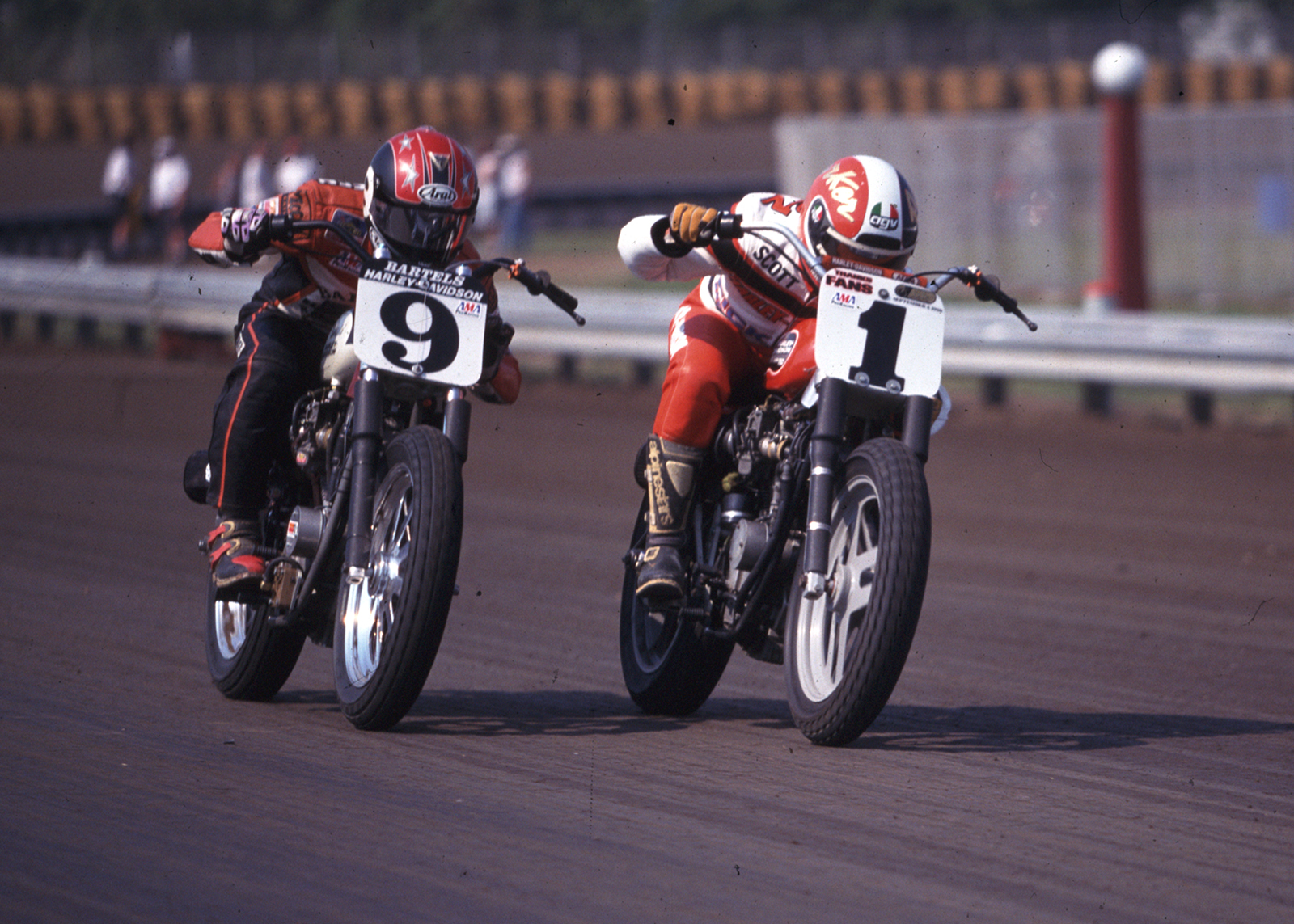
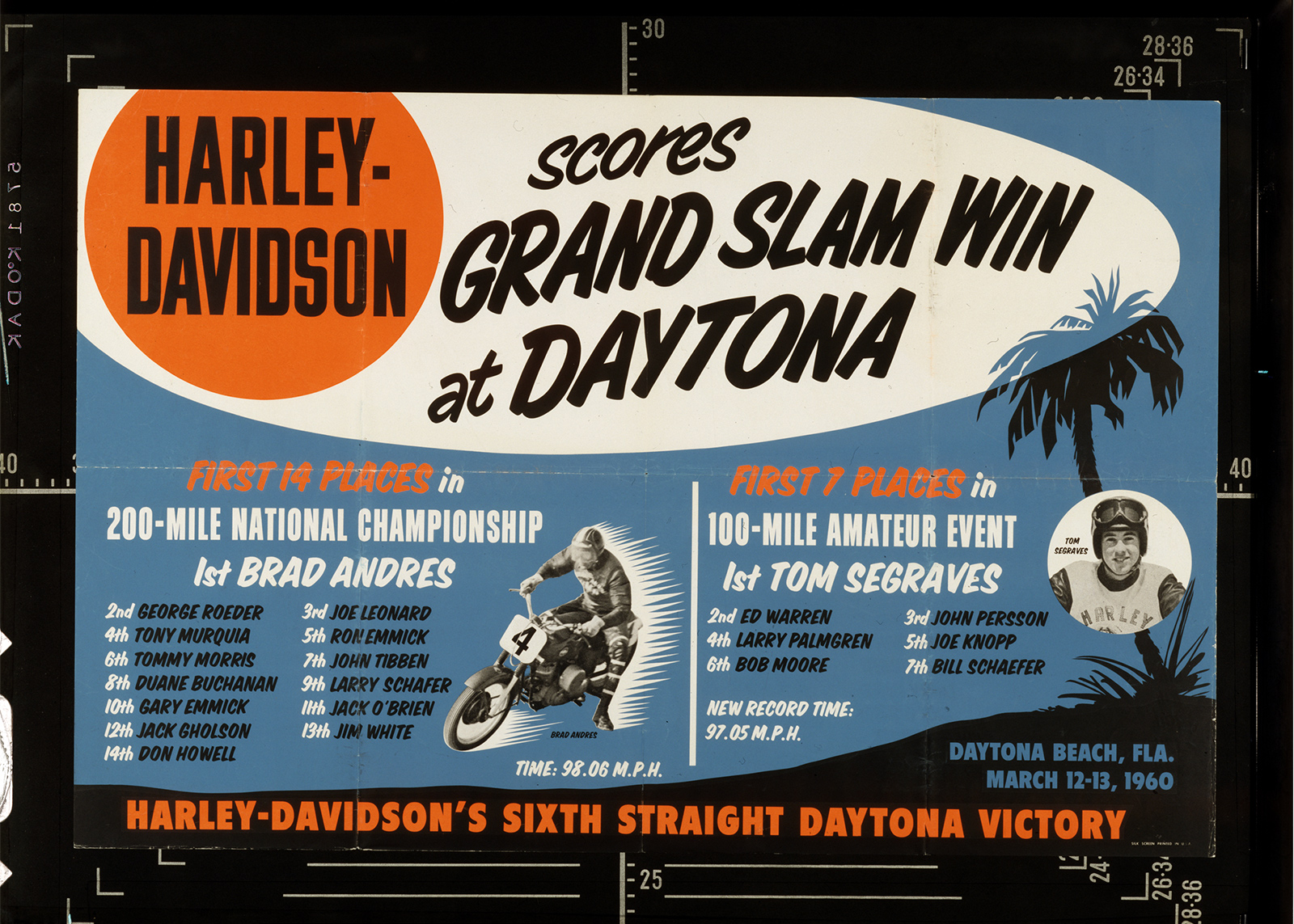
In the history of the Daytona rally, 1960 was a notable year — especially for racing.
Brad Andres took the win in the Daytona 200 aboard a ’52 Harley-Davidson K Model, and the next 13 riders across the line were on Harleys, too. On the amateur side, Harley-Davidson swept the field from first through seventh.
It marked Andres’ third Daytona 200 victory, and amateur champion Tommy Seagraves set a new 100-mile record at 97.05 mph.
It was also the last year the race was run on the beaches of Daytona. The following season, the race left the sand for the brand-new Daytona International Speedway.
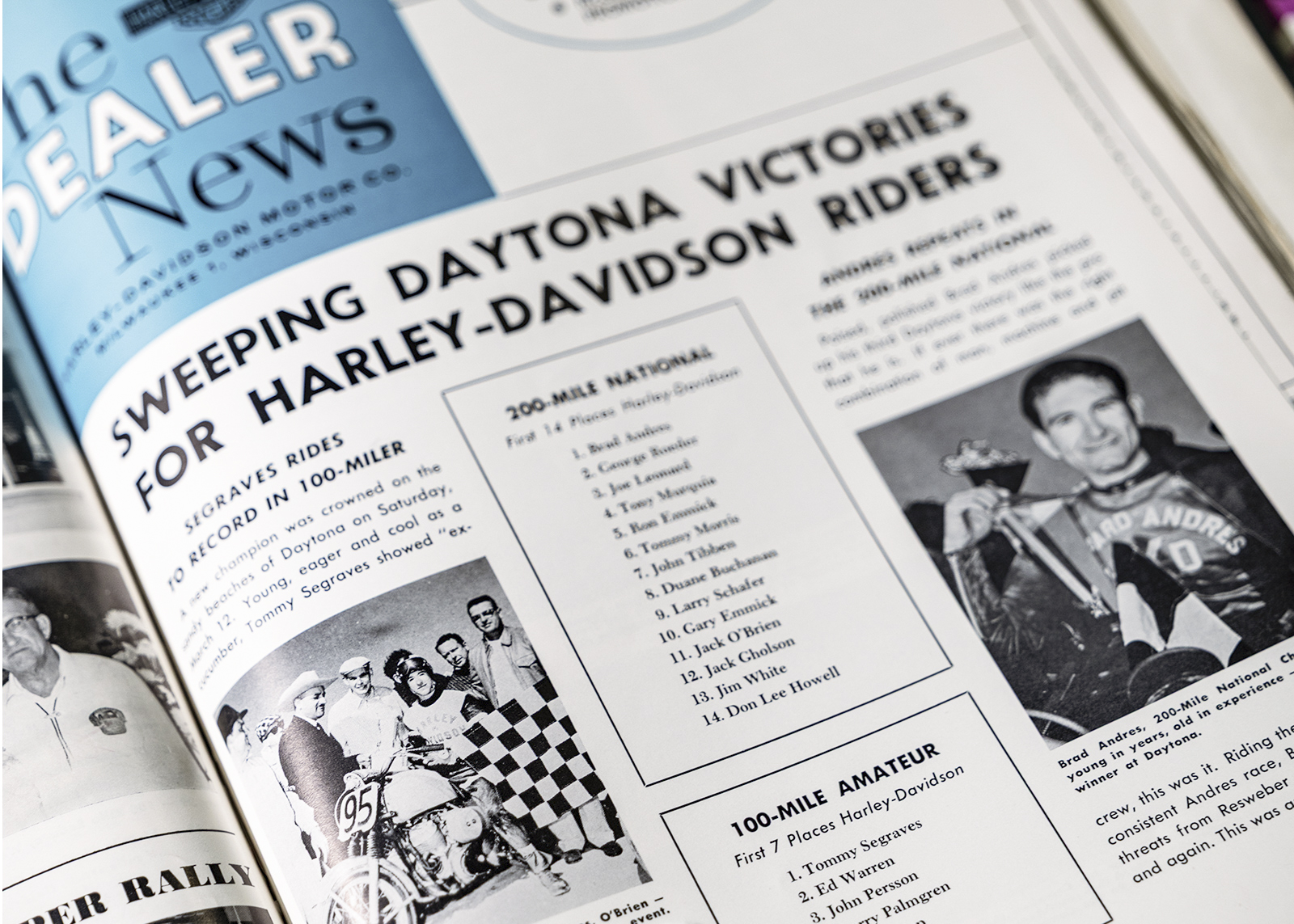
IN THE HISTORY OF THE DAYTONA RALLY, 1960 WAS A NOTABLE YEAR – ESPECIALLY FOR RACING. BRAD ANDRES TOOK THE WIN IN THE DAYTONA 200 ABOARD A ‘52 HARLEY-DAVIDSON K MODEL, AND THE NEXT 13 RIDERS ACROSS THE LINE WERE ON THE HARLEYS, TOO.
But Daytona was more than racing.
A major component was the motorcycle show: an opportunity for motorcycle manufacturers, related brands and organizations to show off new models, parts, and accessories, while connecting with riders, dealers, and fans of the sport.
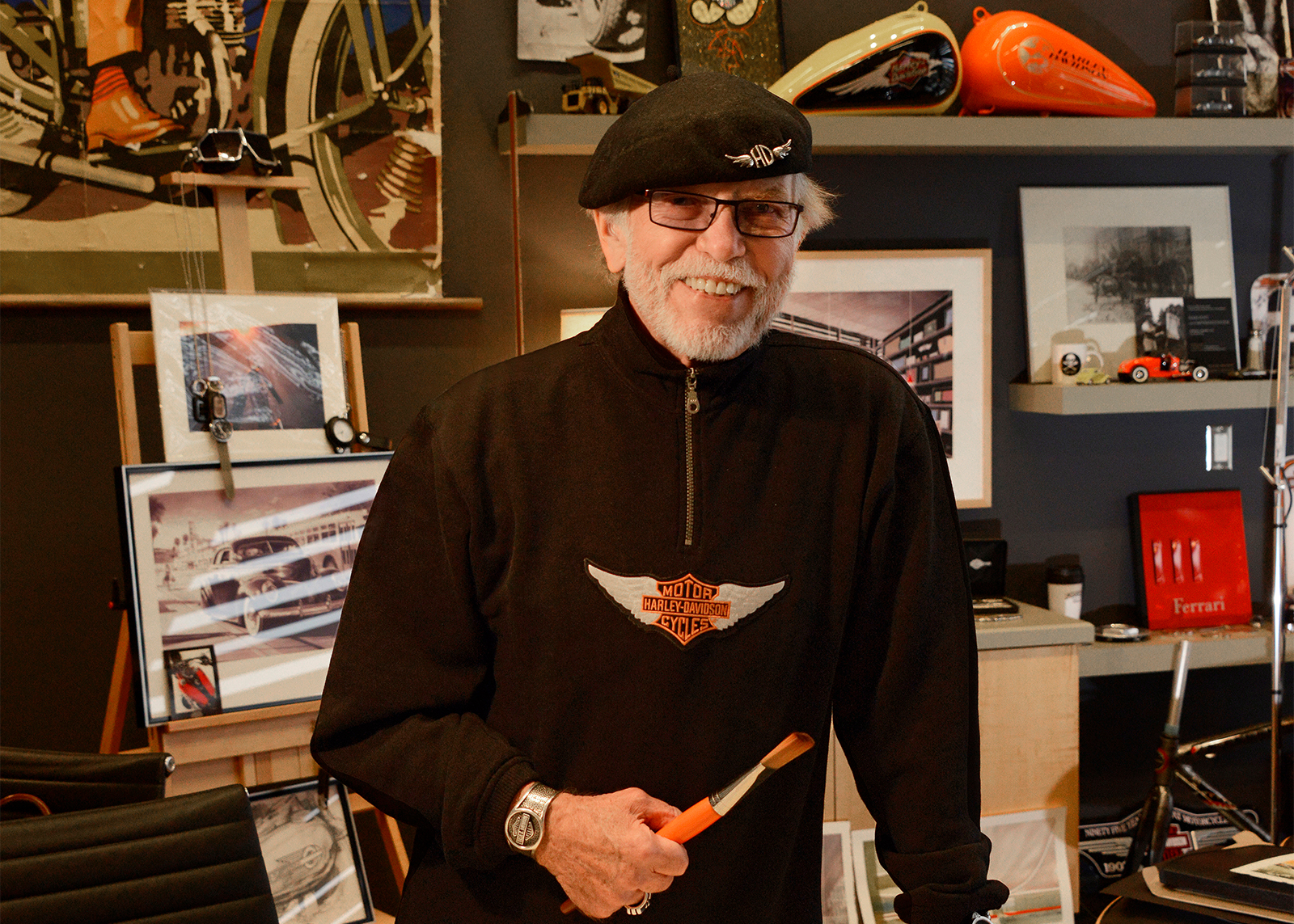
The motorcycle show typically didn’t get as much press coverage as the races, but for 1960 we have an unusually in-depth look at the event thanks to Harley-Davidson Motor Company employee Joe Campbell (pictured right).
Campbell was the Accessory Promotion Manager for Harley-Davidson and a well-known personality in the motorcycling community, where you could frequently catch him promoting the brand at events like Daytona, as well as announcing motorcycle races and emceeing dealer shows, employee gatherings, and even a Motor Maids convention.
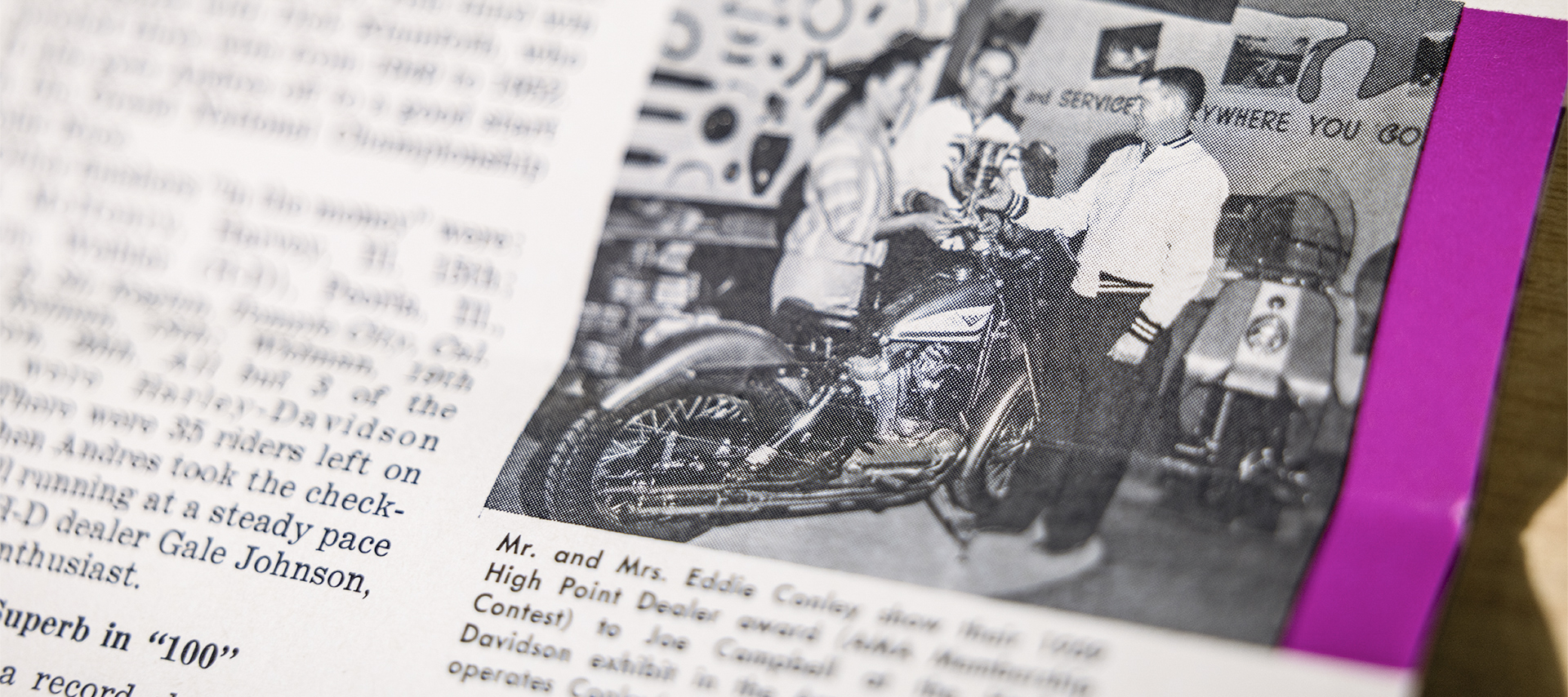
THE DAYTONA MOTORCYCLE SHOW WAS AN OPPORTUNITY FOR MOTORCYCLE MANUFACTURERS, RELATED BRANDS AND ORGANIZATIONS TO SHOW OFF NEW MODELS, PARTS, AND ACCESSORIES, WHILE CONNECTING WITH RIDERS, DEALERS, AND FANS OF THE SPORT.
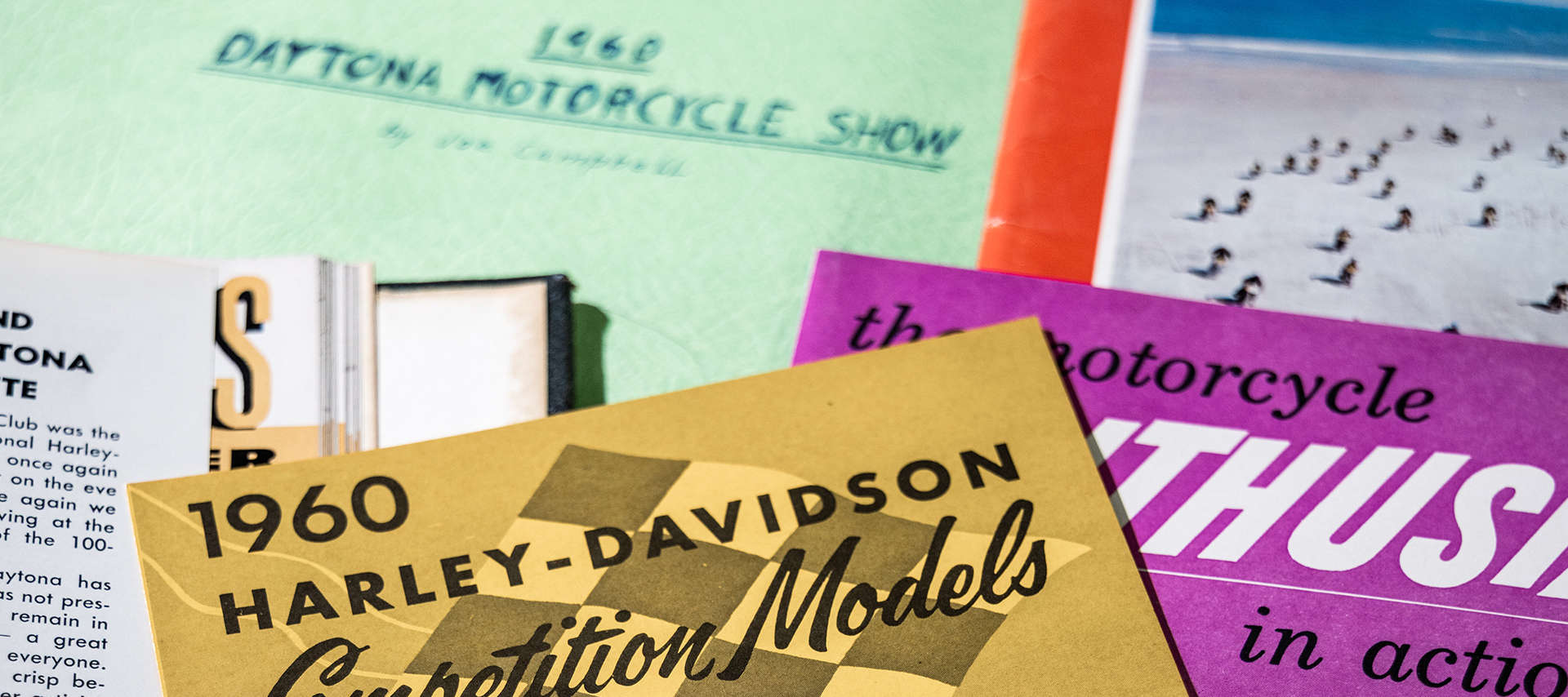
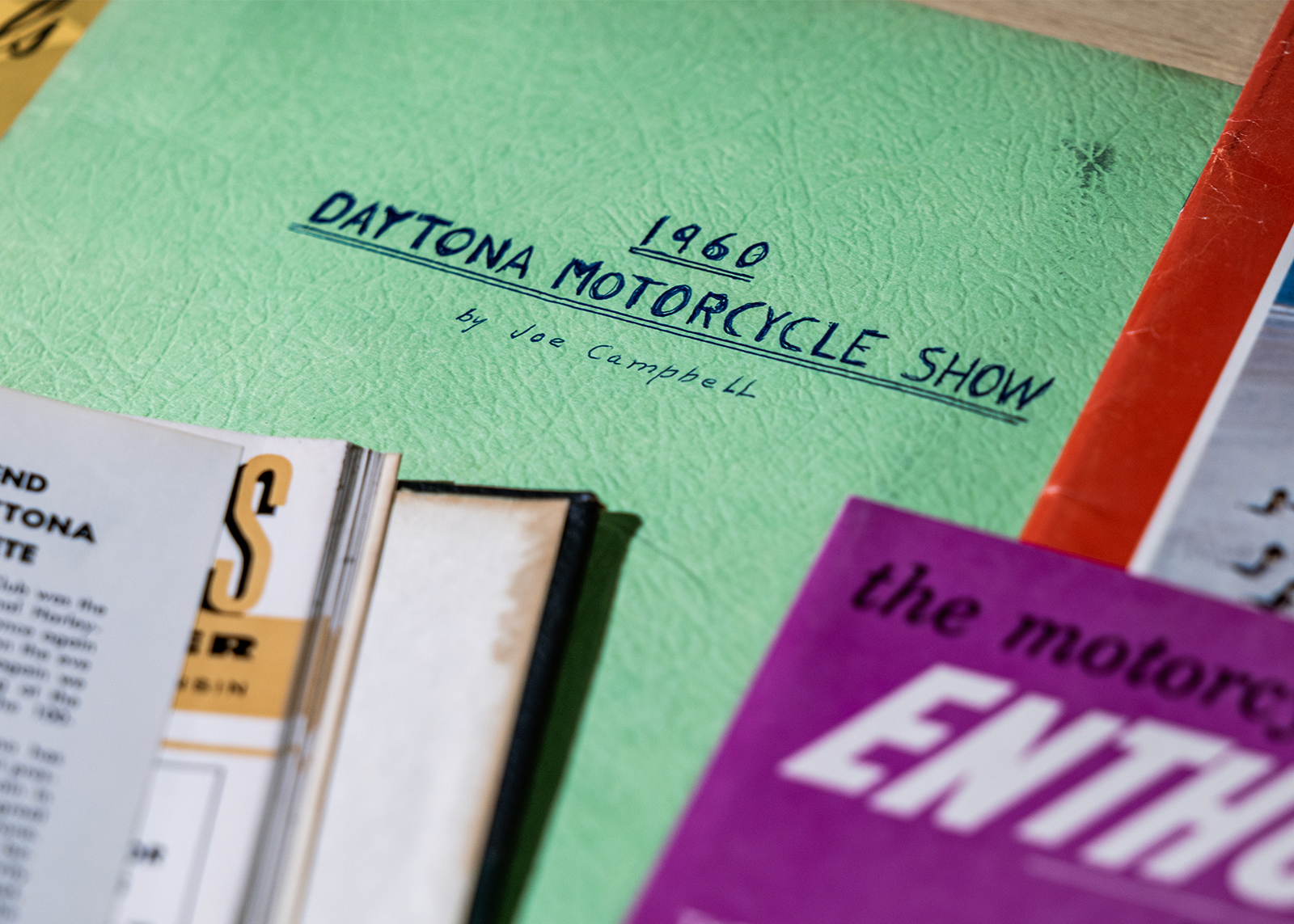
It seems likely that Campbell was in charge of Harley-Davidson's presence at the motorcycle show and after the event in 1960, he submitted a brief but detailed handwritten report, which is still neatly tucked away in the archives here at the Harley-Davidson Museum.
In 1960, the company brought to life the Harley-Davidson Pleasure Center in the Armory, the site of the Daytona Motorcycle Show from March 8-13.
Joe’s report starts with a drawing of the show’s floor layout and placement of vendors, stages, and even the lunch counter where they ate. Harley-Davidson sat front and center at the entrance.
On the following page, he attached photographs of the Harley-Davidson booth with brief descriptions highlighting design features and facts.
The H-D booth included six machines and the main backdrop was a map of the United Sates and photos showcasing Harley-Davidsons on roads all across the country.
Thanks to Joe’s report, we know that both the two-by-four-foot illuminated sign above the booth and the display of H-D oil four-packs below revolved, and that booth visitors loved the free ballpoint pen (apparently, product literature was less of a hit).
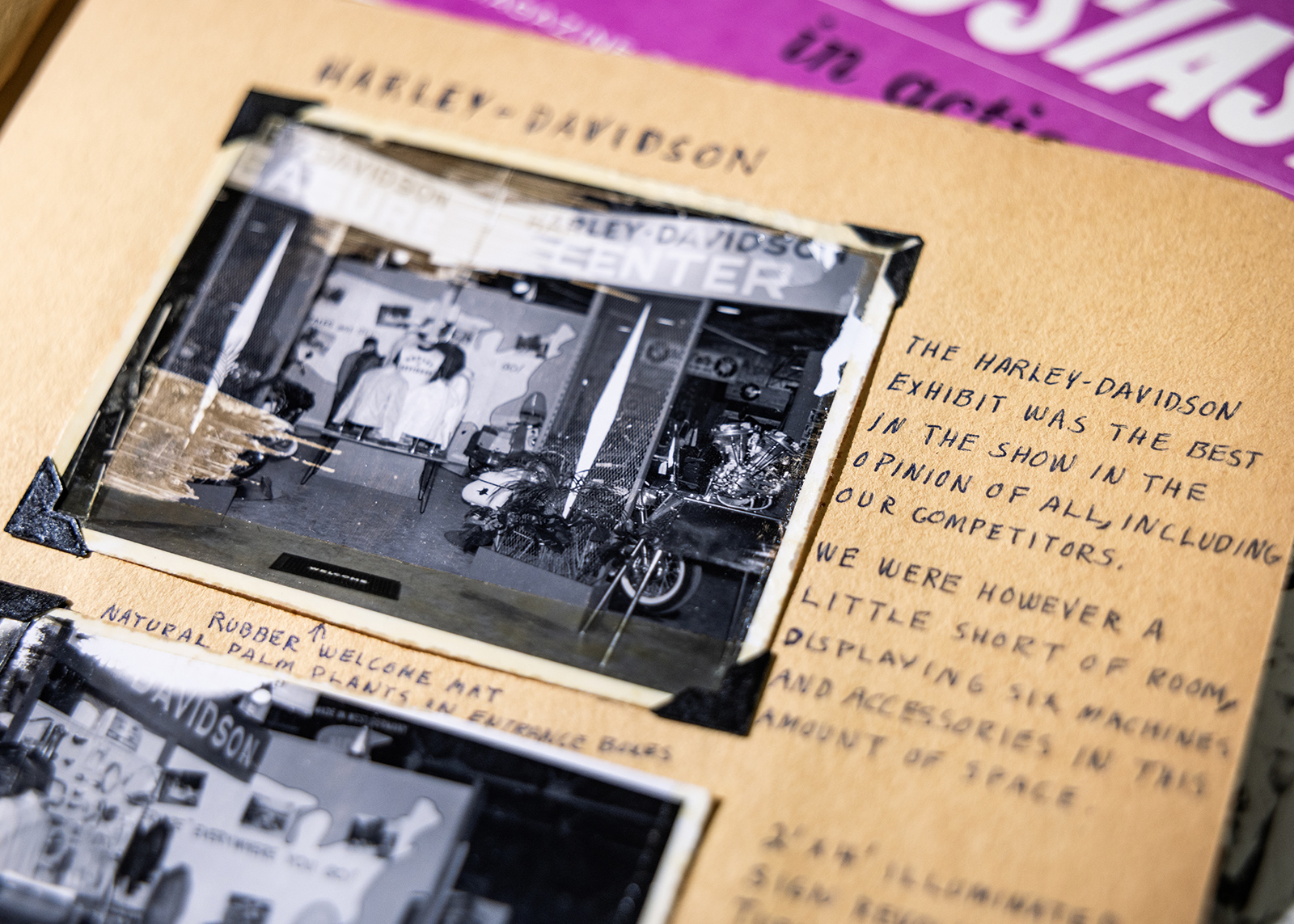

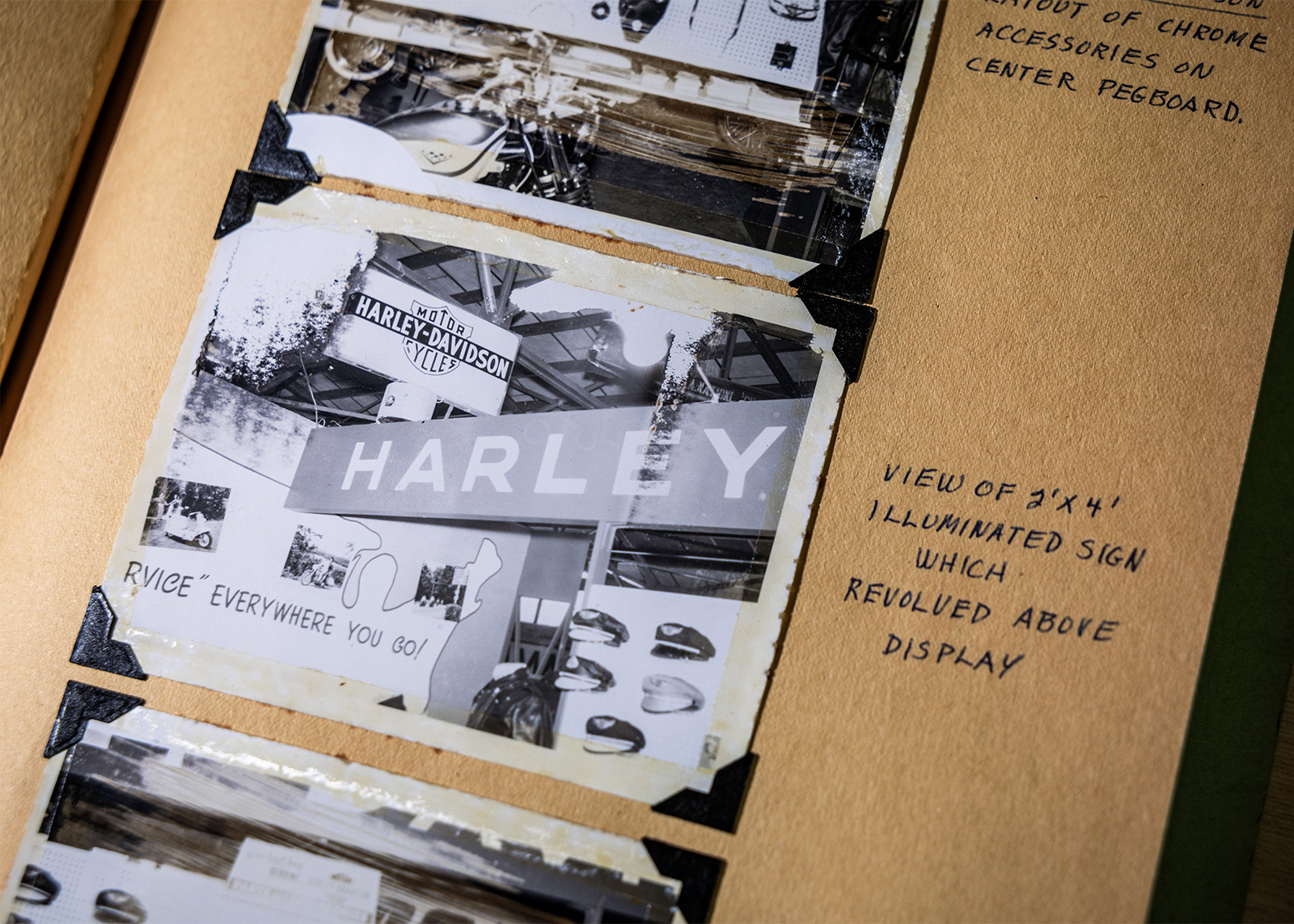

Joe did the same thing with many of the other vendors at the show, including pictures alongside brief write-ups about design features, high-profile reps from the companies behind each booth, and notable attractions.
Cutaways, for example, were a popular display feature for many brands (including H-D).
The remainder of the concise document is handwritten text covering event logistics, as well as reporting on the show’s attendance throughout the week and various activities and promotions.
Starting Monday, it took three company men (and some part-time helpers and an electrician) a day and a half to get everything set up in the Pleasure Center.
Local Daytona Harley-Davidson dealer Tommy Taylor provided much needed assistance, setting up the six display bikes before the show (and purchasing all the accessories on display afterwards, a fact Joe gratefully noted because it saved them a ton of time packing up the exhibit at the end of the show).
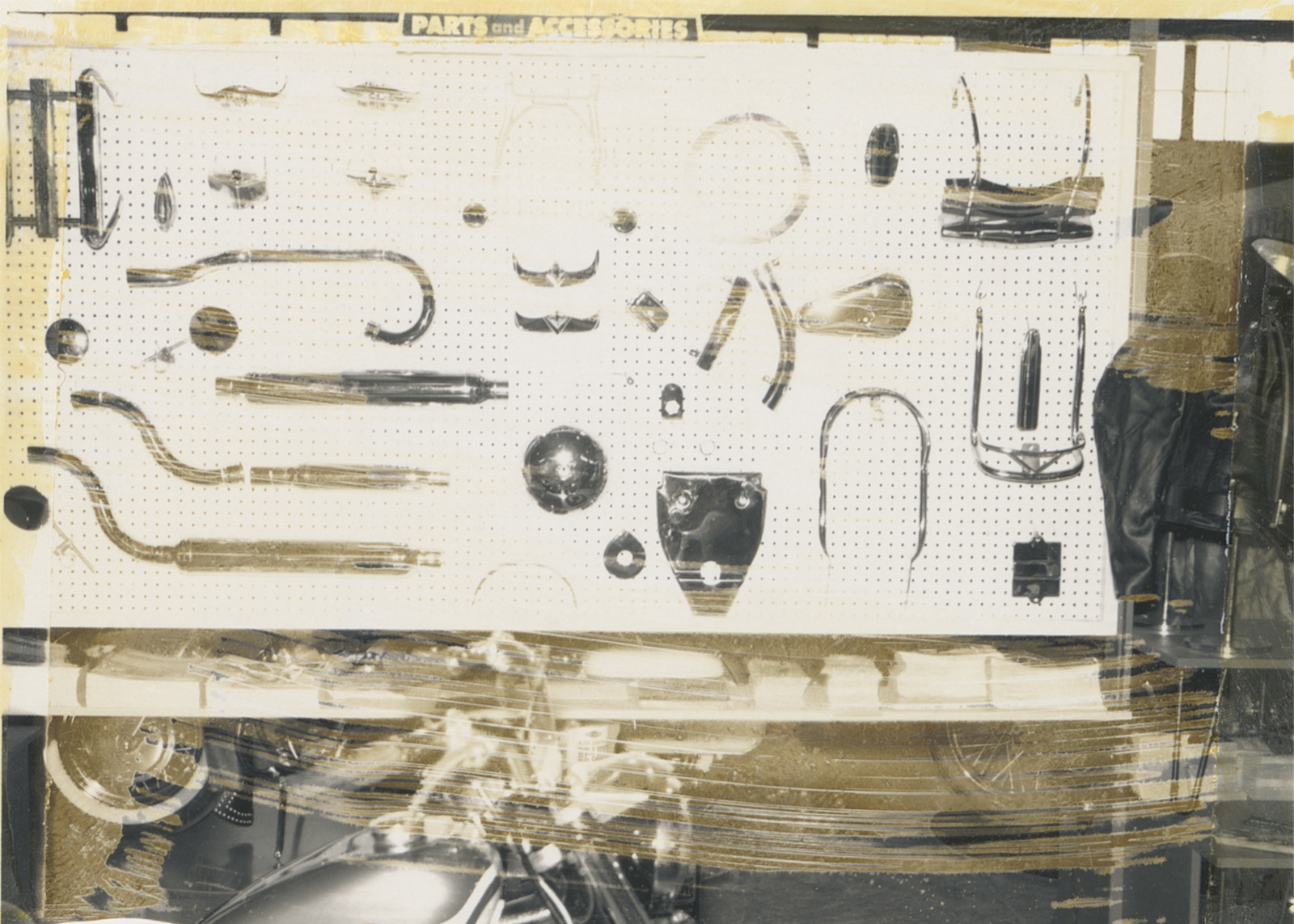
THOUSANDS OF GUESTS PASSED THROUGH OVER THE WEEK, BROWSING PARTS, ACCESSORIES, AND APPAREL, AND TALKING WITH FACTORY FOLKS LIKE DICK O’BRIEN AND GLENN RATHBUN.
The show kicked off to what Joe called a “tremendous crowd” on Tuesday night, March 8.
From Wednesday through Friday the floor stayed busy from 2 p.m. to 10 p.m., and Saturday pushed even later, running from 5 p.m. to 1 a.m. (though Joe noted the midnight-to-one slot was “a waste of time”).
Sunday morning the Armory opened again, but with “practically no lookers,” many exhibitors started breaking down early.
Even so, thousands of guests passed through over the week, browsing parts, accessories, and apparel, talking with factory folks like Dick O’Brien and Glenn Rathbun, and getting an up-close look at the Topper, the Sportster, and the new Birch White and Hi-Fi Red Duo-Glide color combo.
Music was a big part of the atmosphere, too.
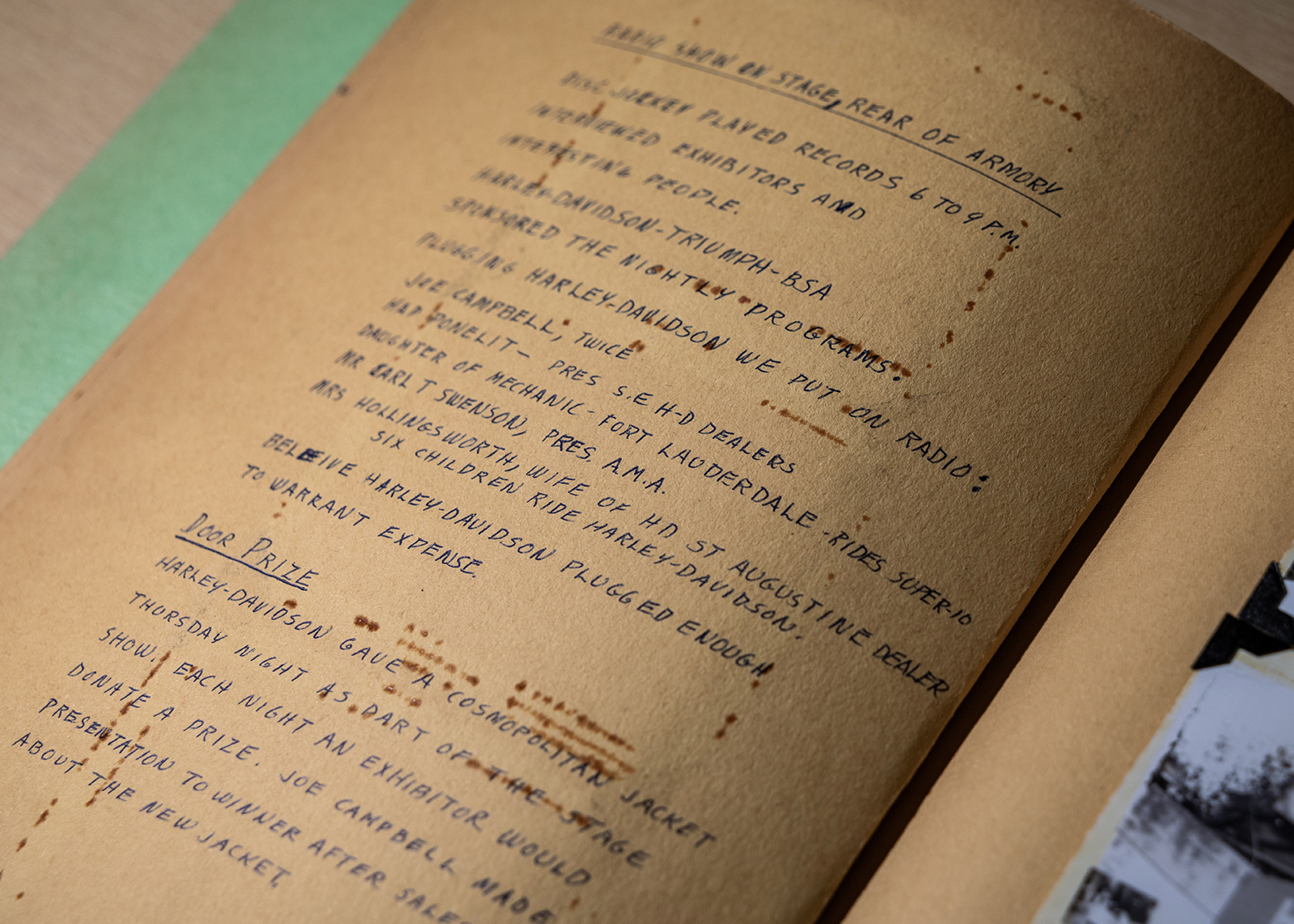
A live radio show broadcast each evening from the stage at the back of the Armory, spinning records from 6 p.m. to 9 p.m. and pulling exhibitors and attendees up for on-air interviews.
Joe put plenty of voices on the mic to boost the Harley-Davidson name, including his own, the president of the American Motorcyclist Association (AMA), and even the wife of a Florida dealer with six kids, all of whom rode Harleys.
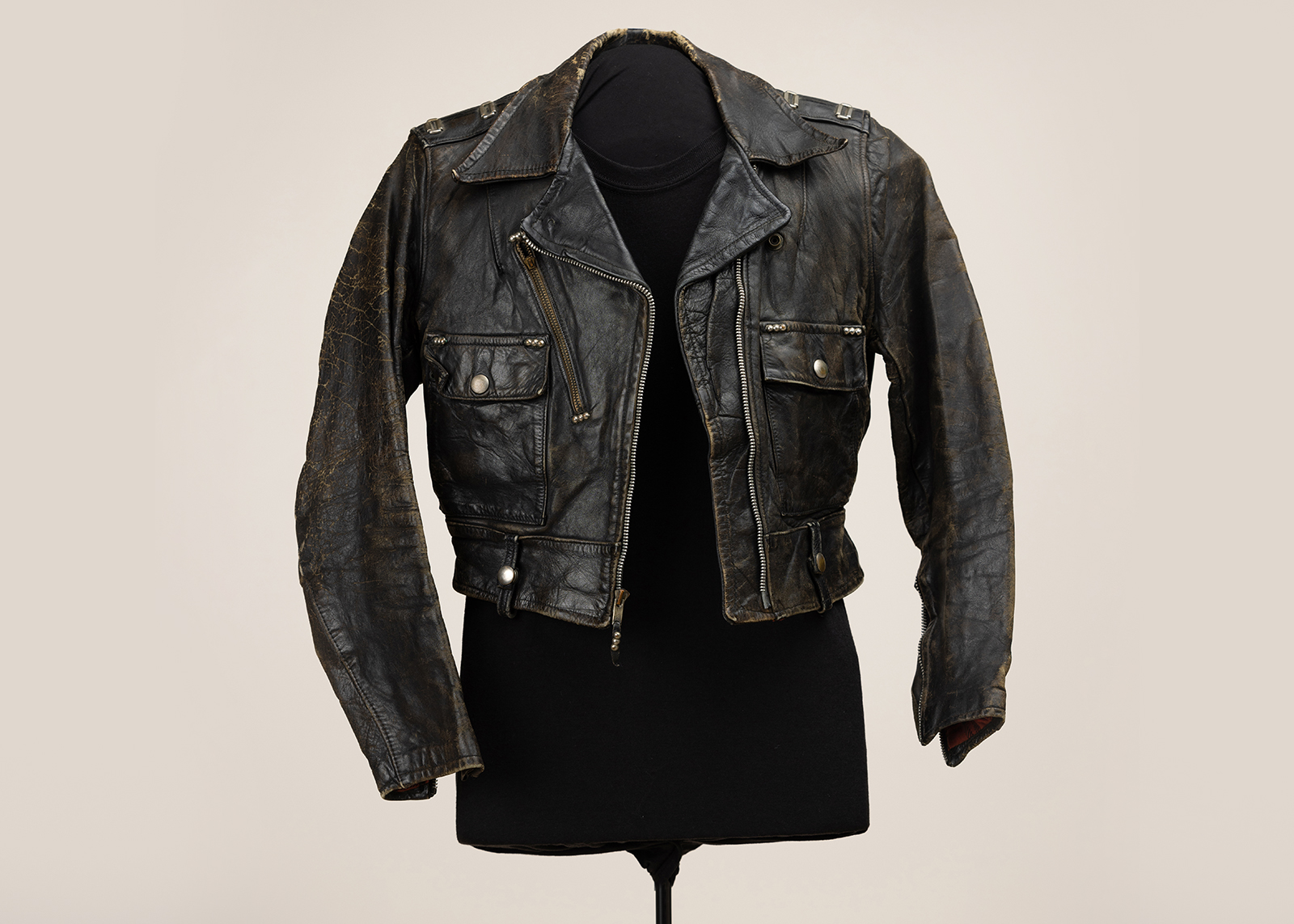
Every night wrapped with a door-prize giveaway from one of the exhibitors. On Thursday, Harley-Davidson contributed a Cosmopolitan Jacket, which was a brand-new product making its debut at the show.
For Joe, all of it was worth the effort. The crowds, the radio exposure, and the giveaways together created exactly the kind of promotional buzz Harley-Davidson was after.
EXPERIENCE THE HISTORY OF HARLEY-DAVIDSON
Discover culture and history through stories and exhibits that celebrate expression, camaraderie and love for the sport.
EXPLORE MORE FROM THE ARCHIVES

RAY PRICE AND THE FUNNY BIKE
Discover the remarkable story of Ray Price, the Harley-Davidson drag racing pioneer whose groundbreaking Funny Bike innovations helped shape the future of motorcycle drag racing.
SPRINGSTEEN’S RISE: THE MAKING OF A FLAT TRACK LEGEND
Jay Springsteen overcame early adversity to become one of flat track racing's most successful riders, earning three consecutive Grand National titles and a place among Harley-Davidson legends.
THE EAGLE, THE NUMBER ONE, AND THE RETURN OF THE BAR & SHIELD
How a Bicentennial-era design idea from Willie G. Davidson gave rise to the eagle and modern Bar & Shield that continue to define Harley-Davidson today.
KNIGHTS OF THE HIGHWAY: THE STORY BEHIND MOTORCYCLE CLUB UNIFORMS
From tailored uniforms to patch-covered vests, motorcycle riders have long used what they wear to shape their identity, build community, and challenge public perceptions of the sport.
ROUTE 66: A TESTAMENT TO THE SPIRIT OF THE OPEN ROAD
Route 66 has evolved from a simple stretch of pavement into a defining experience for generations of Harley-Davidson riders.
“MOTORCYCLING IS THE LIFE”: THE LEGACY OF GUSTAF STENMARK
Driven by an obsession with motorcycles, Gustaf Stenmark pushed himself through every race and mile with competitive grit, chasing the limits of endurance on two wheels.
HARLEY-DAVIDSON RIDES FOR LIBERTY
As the Statue of Liberty prepared for her 100th anniversary, Harley‑Davidson riders united coast to coast to celebrate freedom and help restore an American icon.
FROM WAISTCOAT TO CUT: THE EVOLUTION OF THE MOTORCYCLE VEST
The vest may have started out as a practical piece of clothing worn by aristocrats and soldiers, but today, it's one of the most iconic symbols of motorcycle culture.
THE '76 BICENTENNIAL EDITION: THE BIRTH OF AN ICON
The 1976 Liberty Edition fused American patriotism with Harley‑Davidson craftsmanship, creating a landmark design that still resonates as a symbol of freedom and identity.
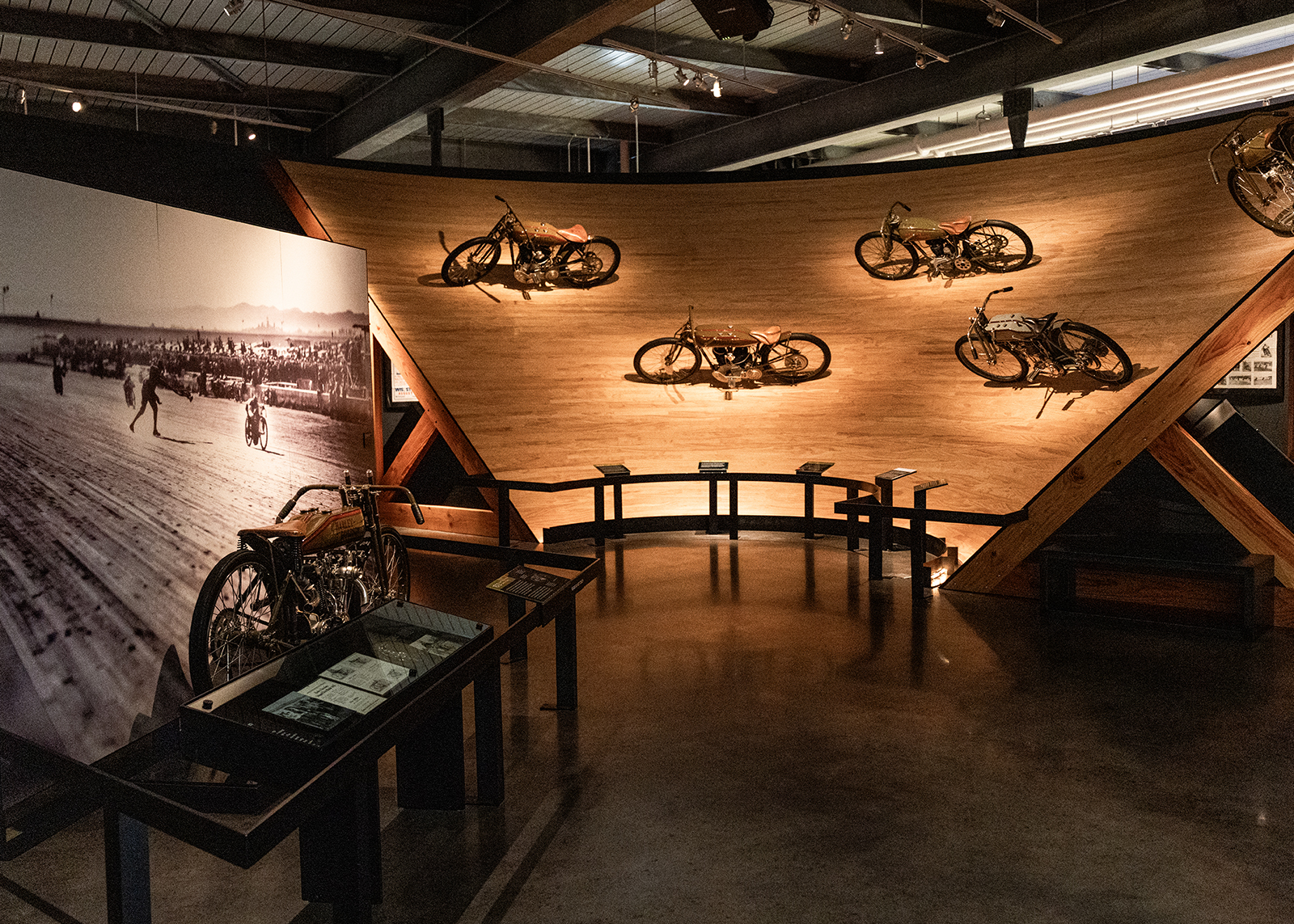
LIFE ON THE MURDERDROME: H-D AND THE SPORT THAT TERRIFIED EVERYONE
Long before racing glory, Harley-Davidson’s uneasy entry into board track competition was lived on the edge by riders like L.E. Bowen.
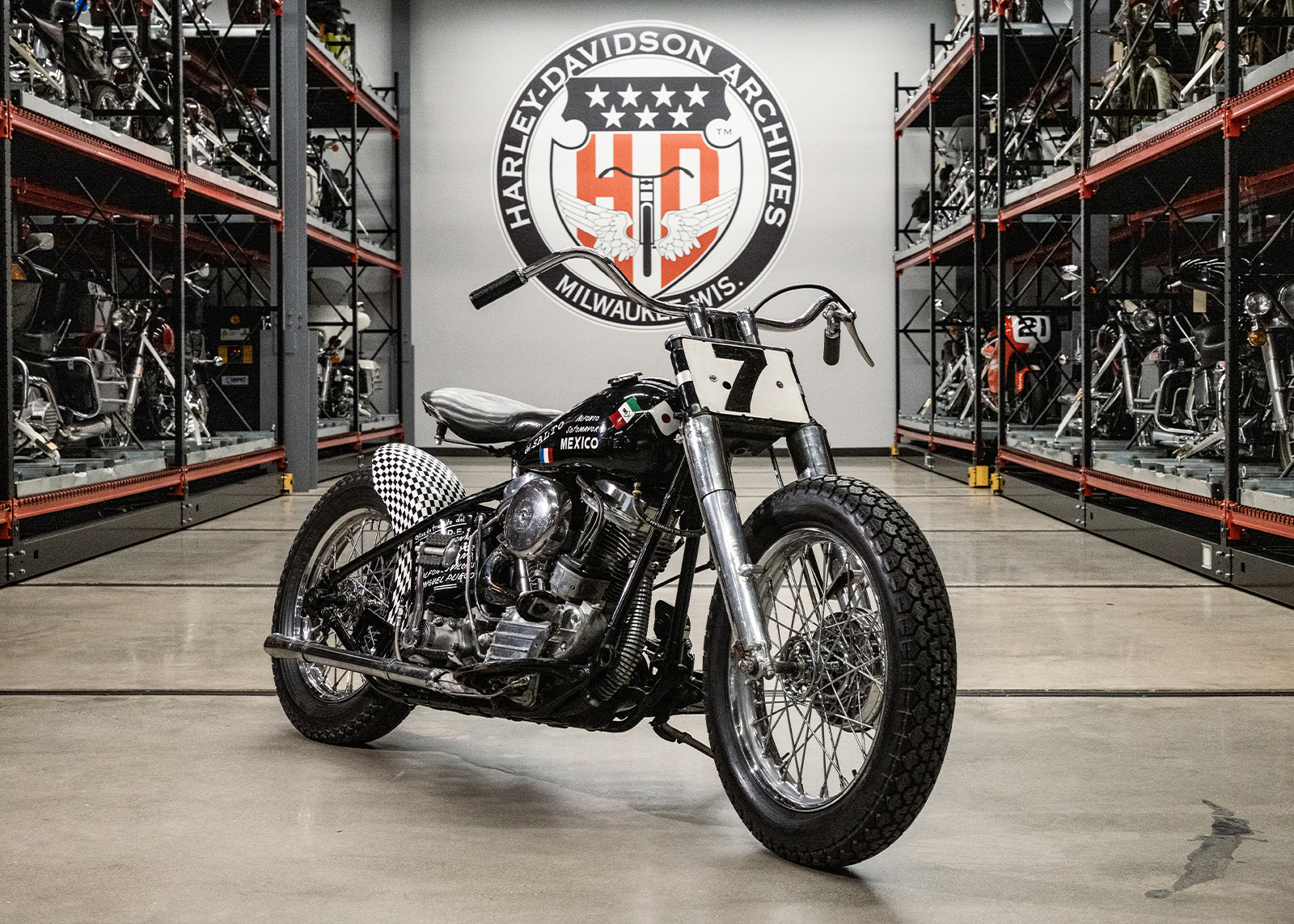
ALFONSO SOTOMAYOR AND MEXICAN STUNT RIDING
Harley-Davidson’s century-long history in Mexico is filled with pioneering riders and legendary stunt performers like Alfonso Sotomayor.
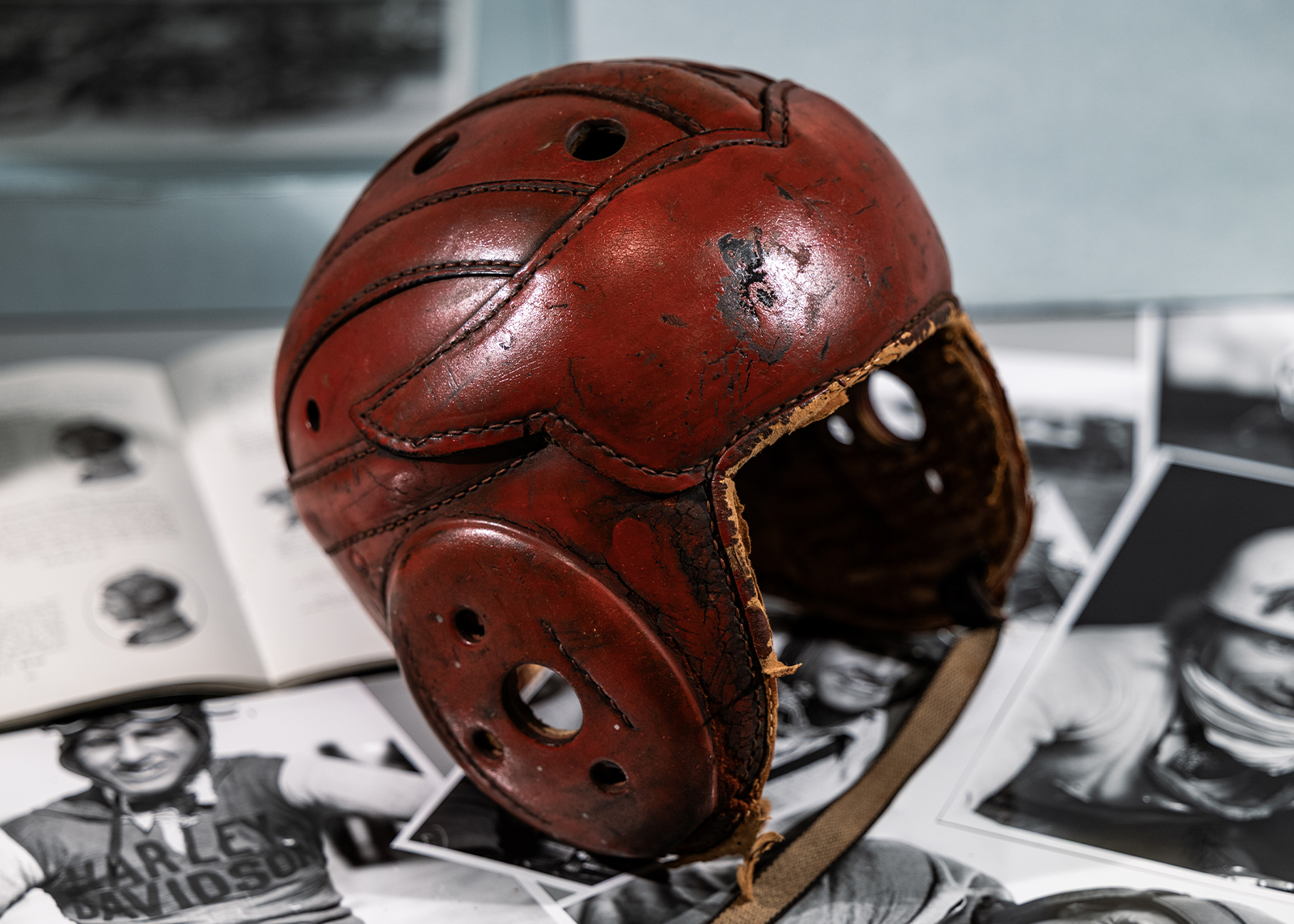
HELMETS THROUGH HISTORY
From humble leather caps to modern safety gear, the evolution of motorcycle helmets balances protection, performance, and pure self-expression.
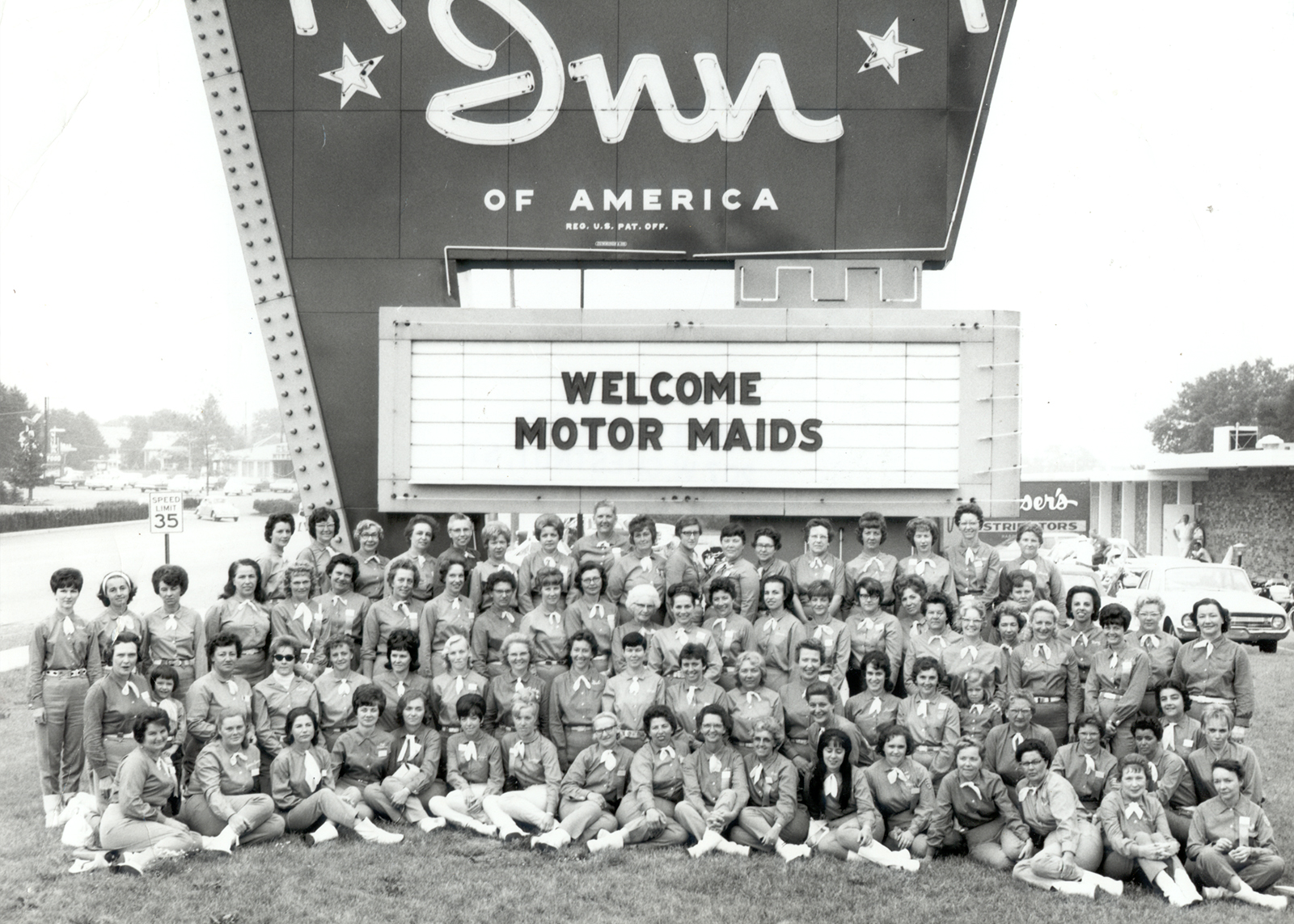
RIDING FORWARD: 85 YEARS OF THE MOTOR MAIDS
Founded in 1940 by pioneers Dorothy “Dot” Robinson and Linda Dugeau, the Motor Maids became the first women’s national motorcycle club.
RIDING THROUGH HISTORY: ELDRED R. HARRINGTON’S HARLEY-DAVIDSON ADVENTURES
Eldred R. Harrington, a prolific Enthusiast writer from 1944–1965, was revisited by Harley-Davidson archives during the Hydra-Glide’s 75th anniversary.
EARLY RIDING WEAR
In the earliest images in the Harley-Davidson archives, riders’ clothing always stands out.
LESLIE “RED” PARKHURST
Parkhurst was a good-natured athlete whose enthusiasm made him a real crowd-pleaser, both on and off the track.
THE WORLD'S FASTEST HARLEY-DAVIDSON
Built for Speed. Born for Glory. The Return of a Legend.