FROM WAISTCOAT TO CUT: THE EVOLUTION OF THE MOTORCYCLE VEST
Written by The Harley-Davidson Museum
Photos by Josh Kurpius Archival photos courtesy of H-D Museum
Who was the first person to lob the arms off a coat and call it a vest? The obvious answer is King Charles II of England on October 7, 1666. (No, really!)
What does Charles’s vest and a motorcycle vest have in common? Not much, actually. His vest — a waistcoat — went under coats. Even after hundreds of years, it remains a popular piece of clothing.
Three-piece suits, anyone?
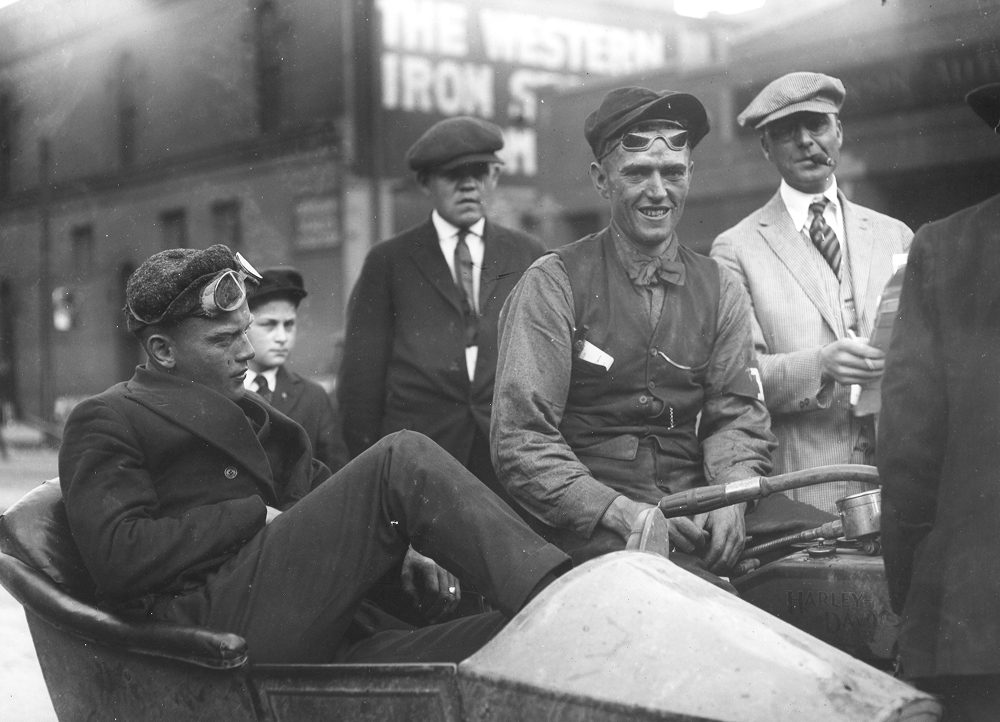
Motorcycle vests, on the other hand, are worn as the top layer. While we call them vests today, just a hundred years ago some sleeveless outerwear went by another name: a jerkin.
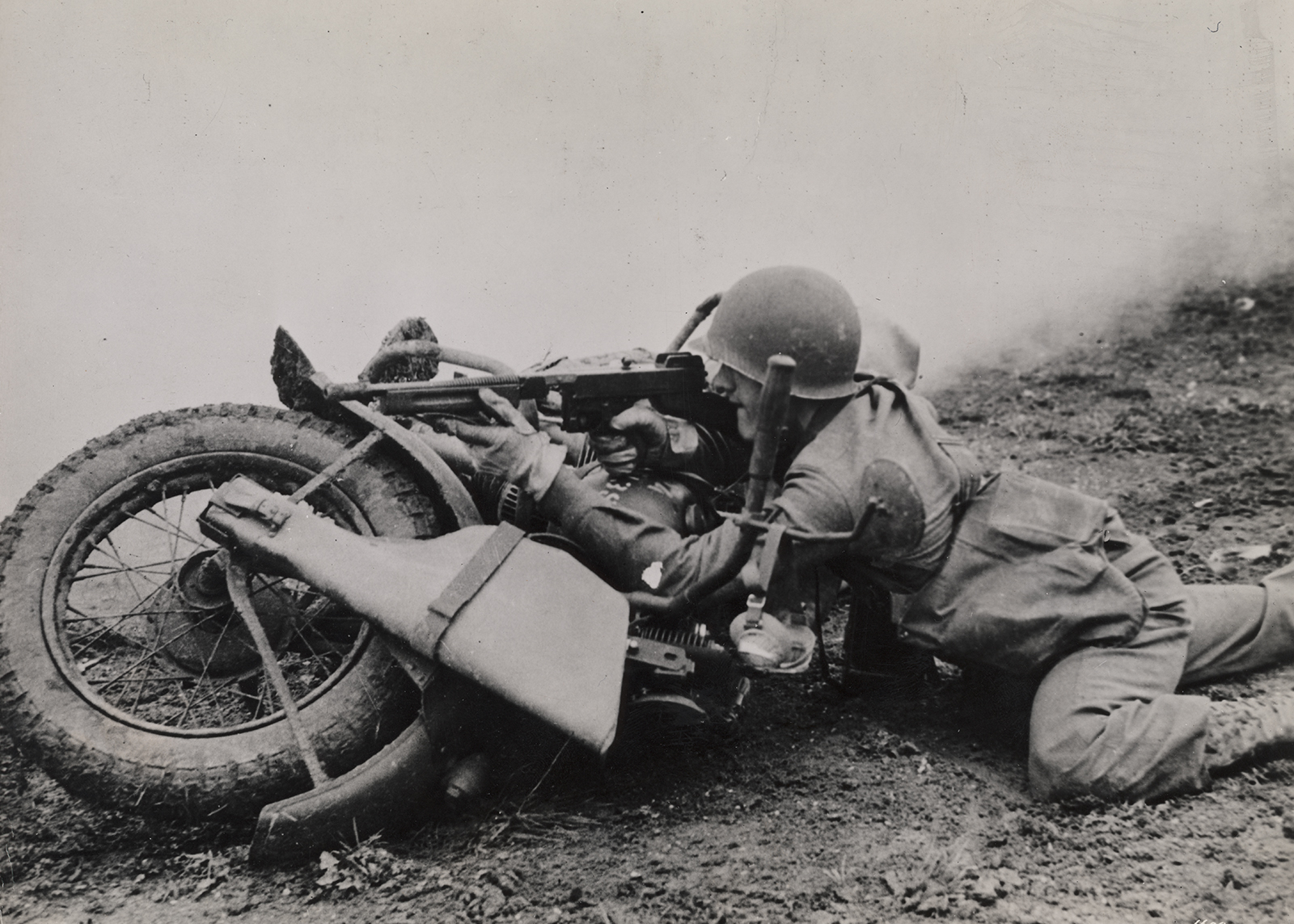
Sleeveless and close fitting, jerkins were worn over full-sleeved garments for added protection. During World War II, British and Commonwealth soldiers — particularly engineers, truck drivers, and motorcycle dispatch riders — wore leather jerkins because they allowed full mobility in the arms while offering protection from the elements.
Luckily for us, the name “jerkin” didn’t stick in American motorcycle culture. But the idea of protection without restriction did.
World War II also inspired something that would prove even more influential to the modern motorcycle vest. American aviators and crews flying missions over Europe and the Pacific personalized their jackets, painting the backs with squadron emblems, mission counts, nose art, and pinups.
The back of a uniform jacket was transformed into a living canvas.
And when thousands of servicemen returned home after the war, they brought that instinct for personalization with them. Motorcycles became an outlet for camaraderie and identity. And the sleeveless jacket became the perfect place to display it.
These decorated vests, known today as “cuts,” carried club colors across the back and helped define post-war American motorcycle culture.
WHEN THOUSANDS OF SERVICEMEN RETURNED HOME AFTER THE WAR, THEY BROUGHT THAT INSTINCT FOR PERSONALIZATION WITH THEM. MOTORCYCLES BECAME AN OUTLET FOR CAMARADERIE AND IDENTITY. AND THE SLEEVELESS JACKET BECAME THE PERFECT PLACE TO DISPLAY IT.
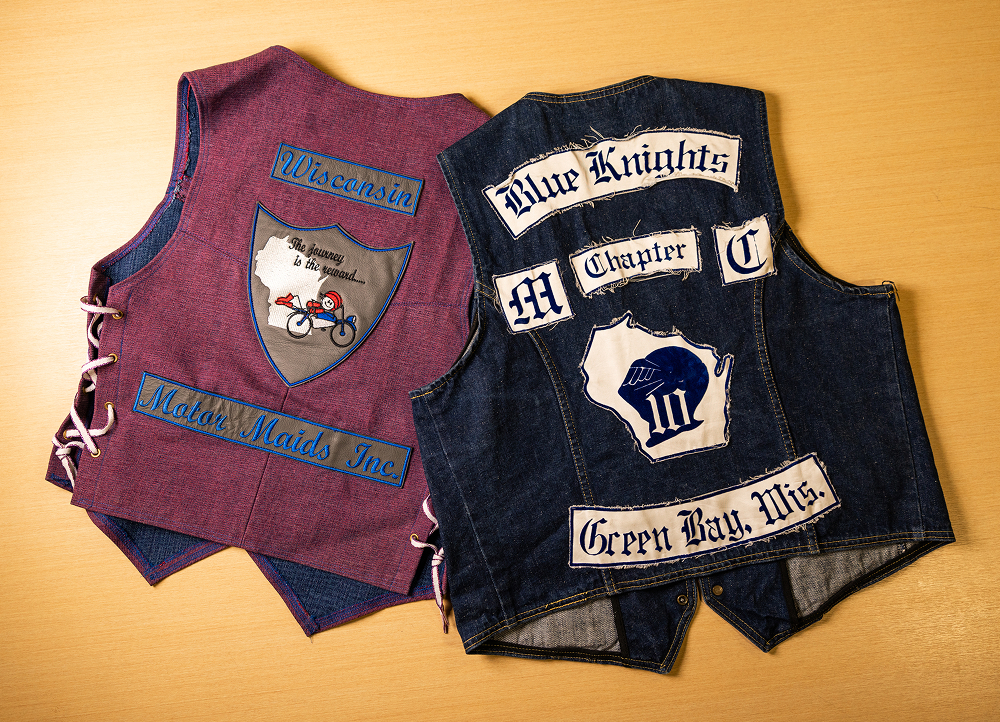
The most common early motorcycle vests weren’t leather, however. They were denim. Denim gained widespread popularity after the war, becoming the go-to clothing for recreation activities. The crooner Bing Crosby had a hand in inventing the Canadian tuxedo after a hunting trip new Vancouver. James Dean sported blue jeans both on film sets and in his everyday life.
Motorcyclists wore blue jeans, too, but also adopted the denim jacket. Denim jackets had the benefit of being more lightweight than leather and could be worn comfortably during the summer months when a leather jacket might be too hot. It was easy for riders to turn jackets into vests, sew their colors to the back, customize them with pins and patches, and have something they could wear by itself in the summer or over leather jackets in the cooler months.
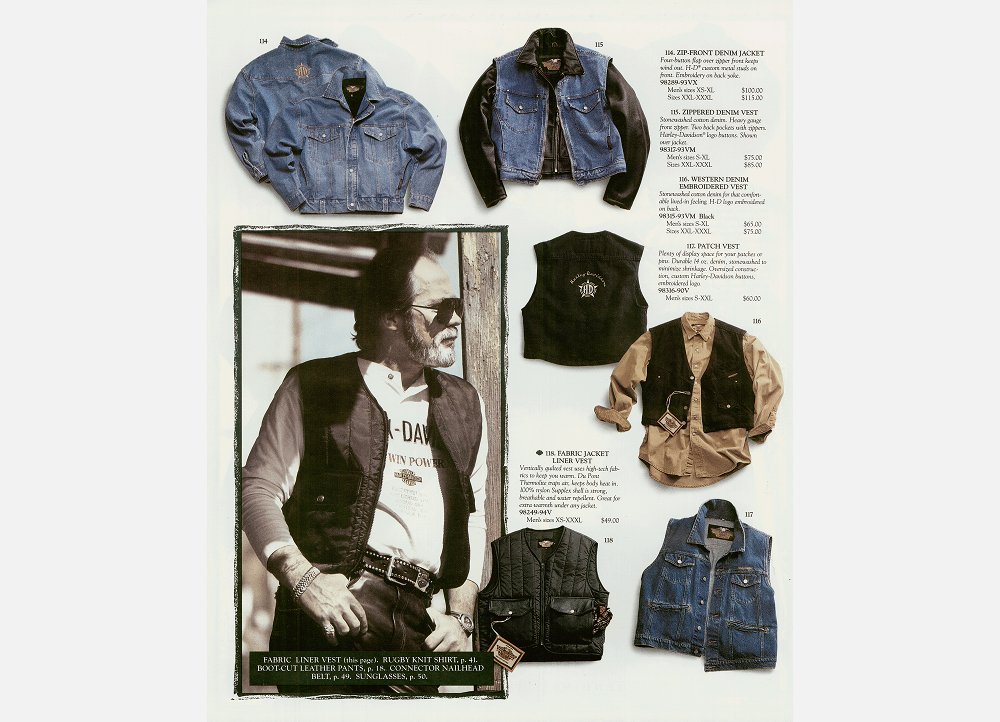
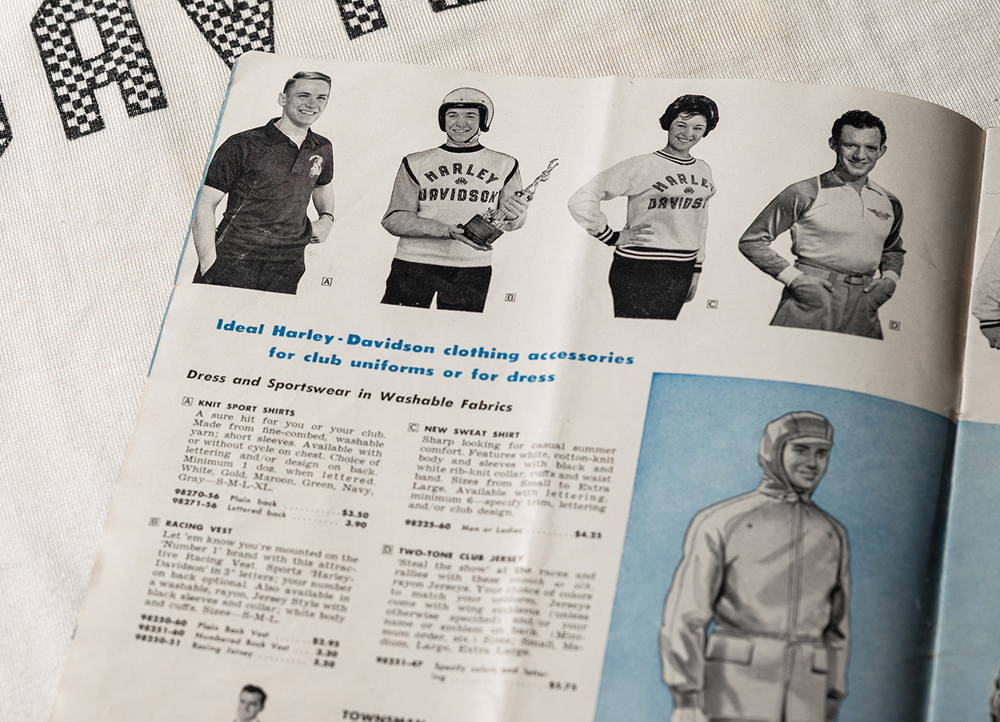
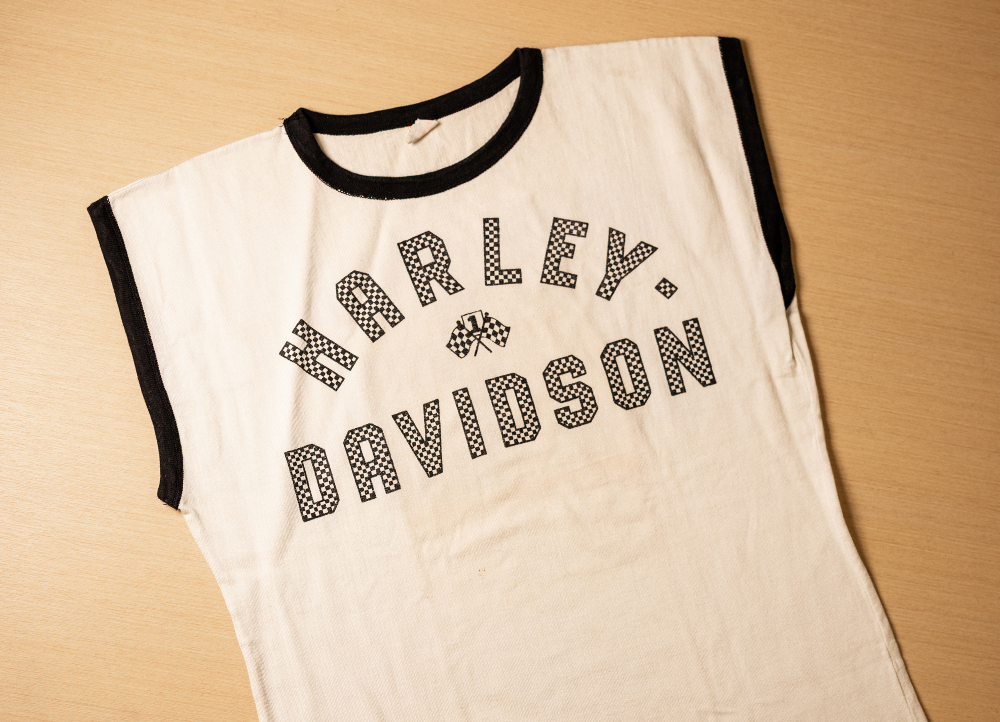
When Harley-Davidson offered its first vest for sale in 1960, however, it bore little resemblance to those early denim vests. Sold specifically to motorcycle racers, it was a black and white rayon (a lightweight, semi-synthetic fabric) with “Harley-Davidson” printed on the front. The company sold this vest — or one much like it — for nearly 16 years.
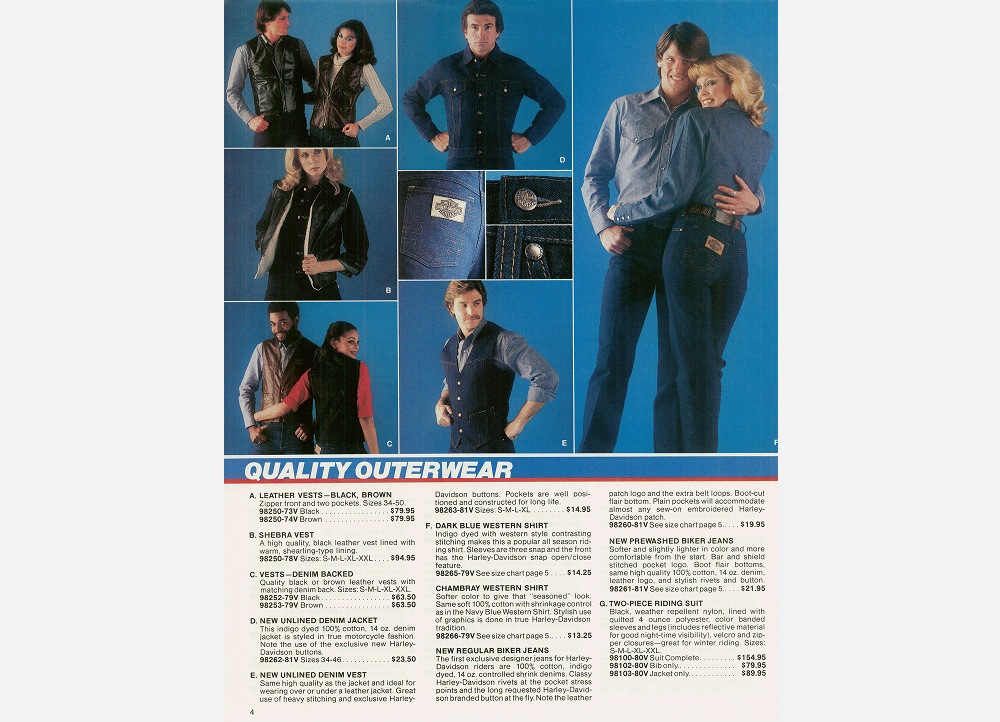
The first Harley-Davidson vest we could really call a motorcycle vest appeared in 1973. According to the catalog, for $31, “You will enjoy wearing one of these black, genuine leather vests. They give you that free and easy feeling — cool man and comfortable. Two pockets, zip front, nylon lined.”
Just like their denim predecessors, people who bought these new Harley-Davidson leather vests quickly made them their own.
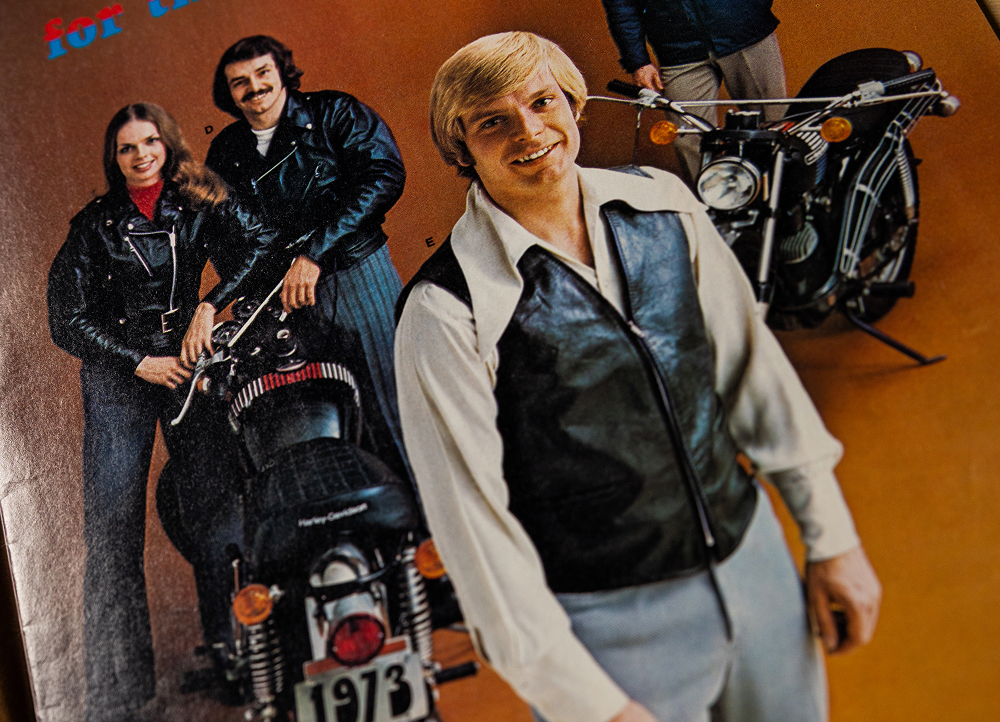
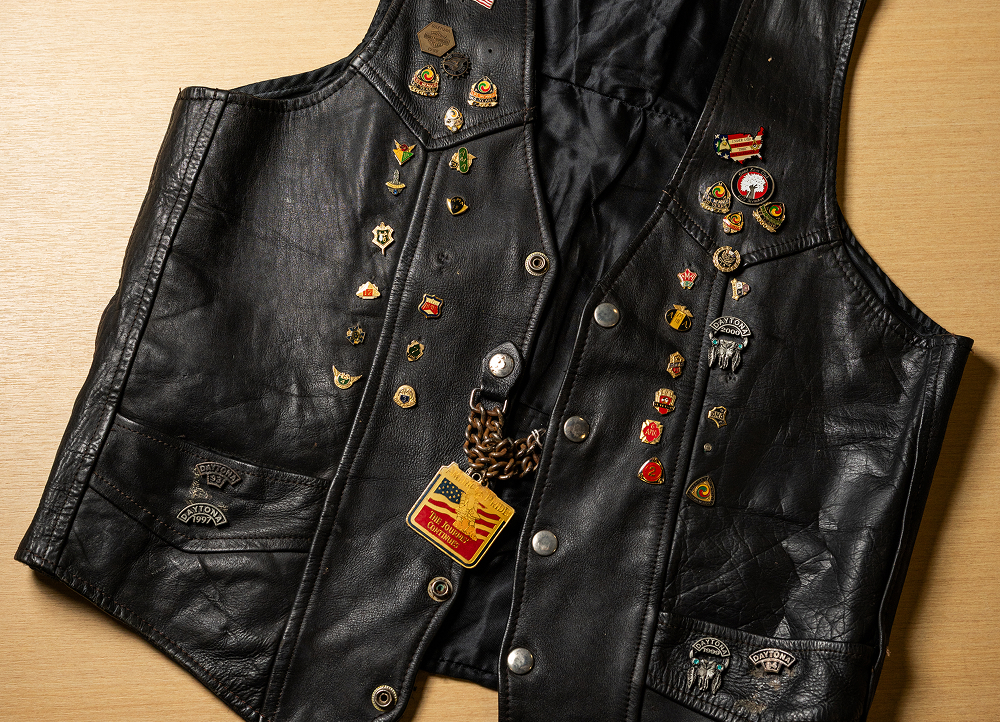
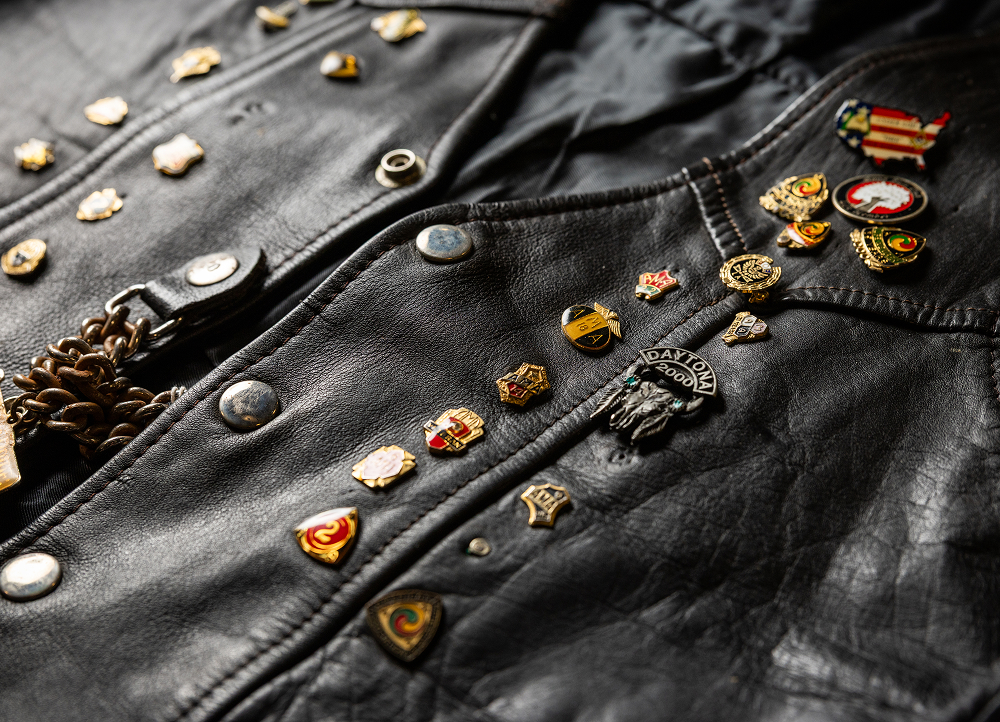
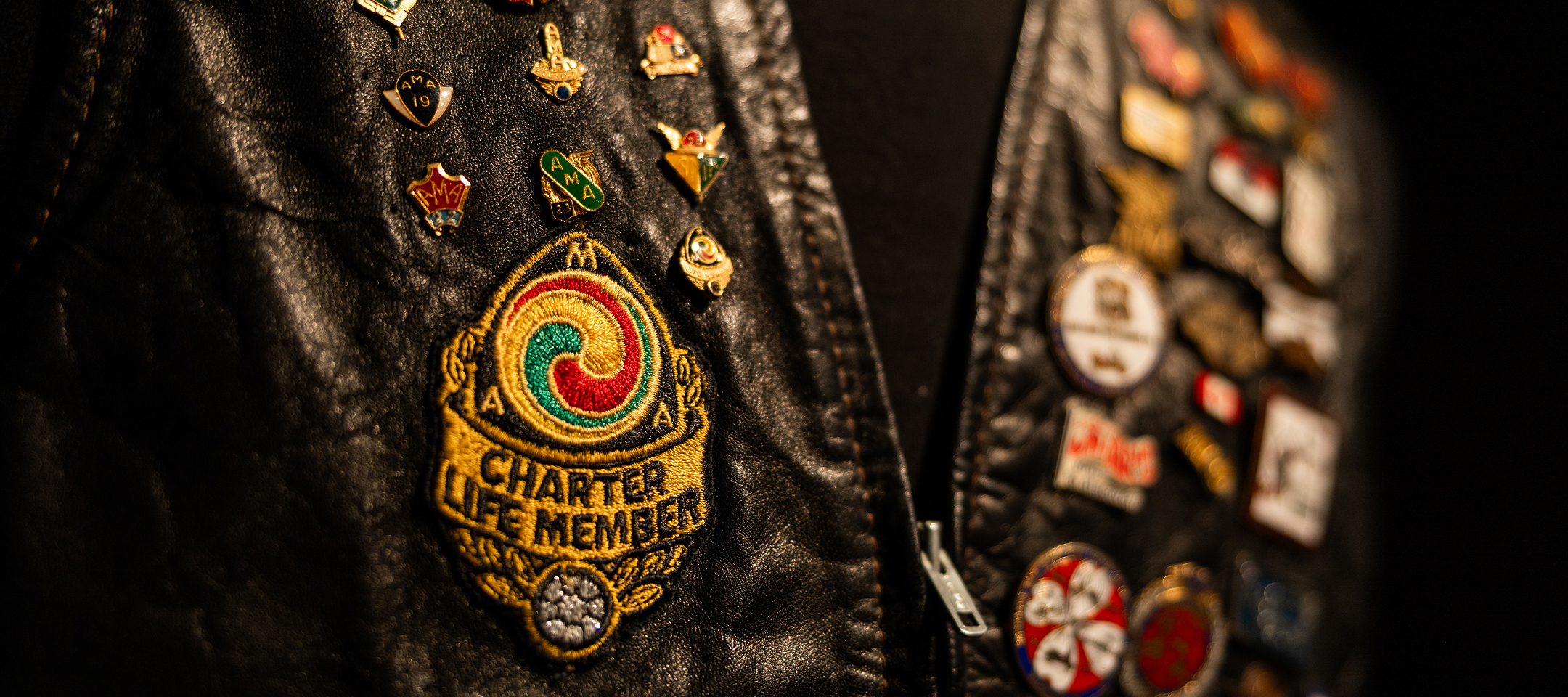
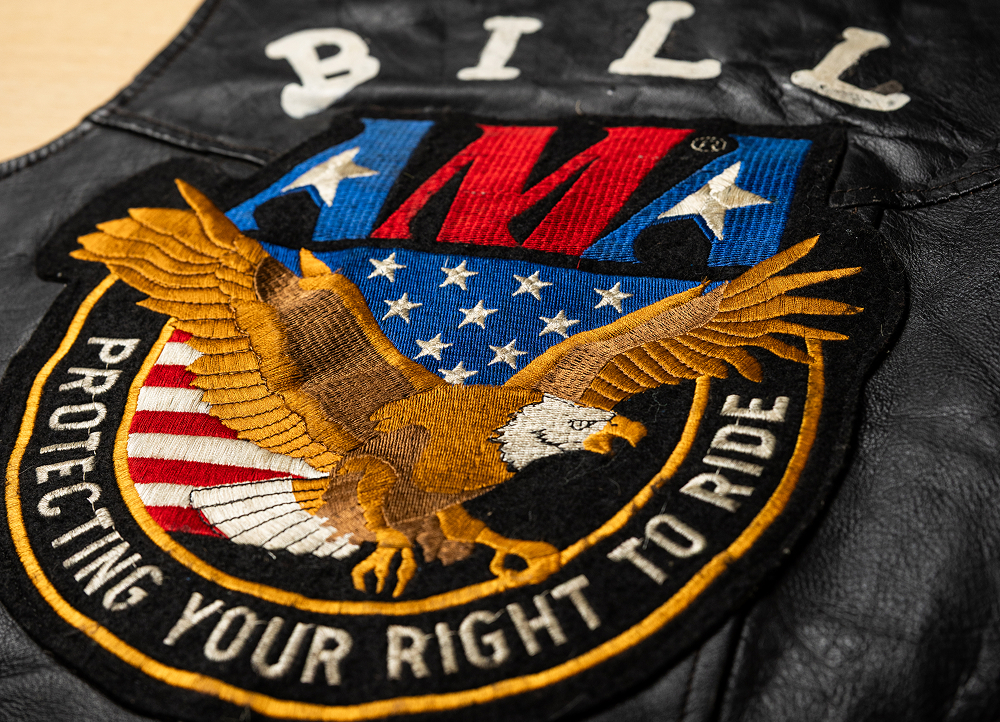
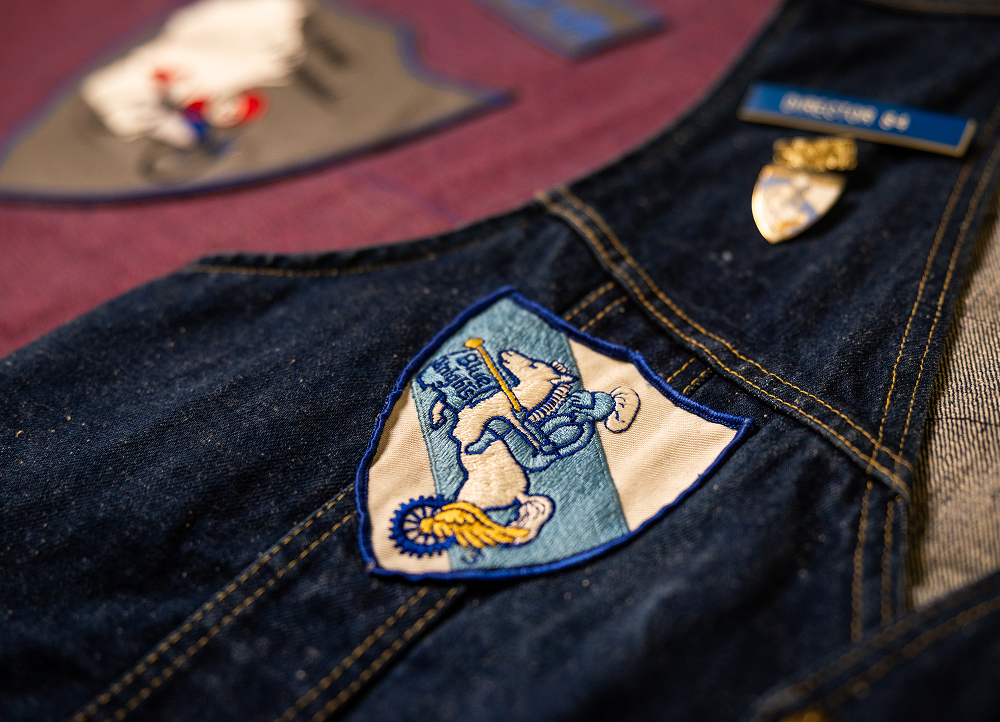
Russ Townsend loved Harley-Davidson’s touring motorcycles. When he suffered an injury that kept him from riding, he spent countless hours attaching a couple thousand rhinestones to his 1973 FLH ElectraGlide. Townsend’s vest — one of the original Harley vests that debuted in 1973 — is decorated with pins and patches celebrating his passion for touring. Think: patches and pins from clubs dedicated to touring motorcycles, rallies for touring motorcycles, and rides just for touring bikes.
Russ’ vest is now part of the Harley-Davidson Archives collection, an honor it shares with other incredible and historic vests. When riders decorate them with patches and pins, it can tell us much about them: from places they went, of course, but also a little insight into their personalities.
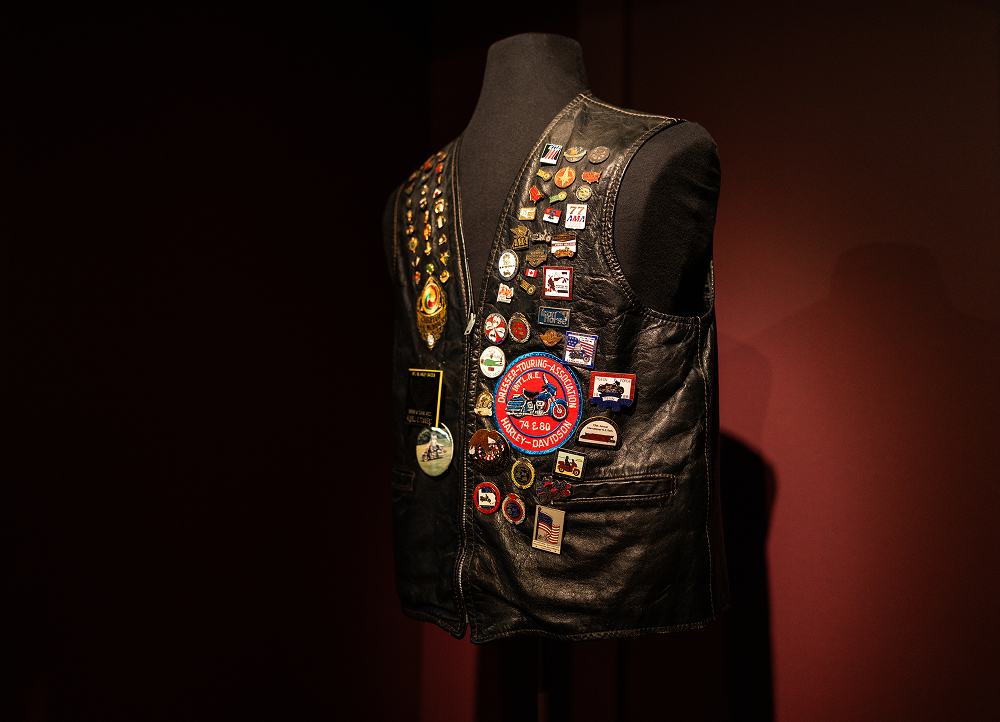
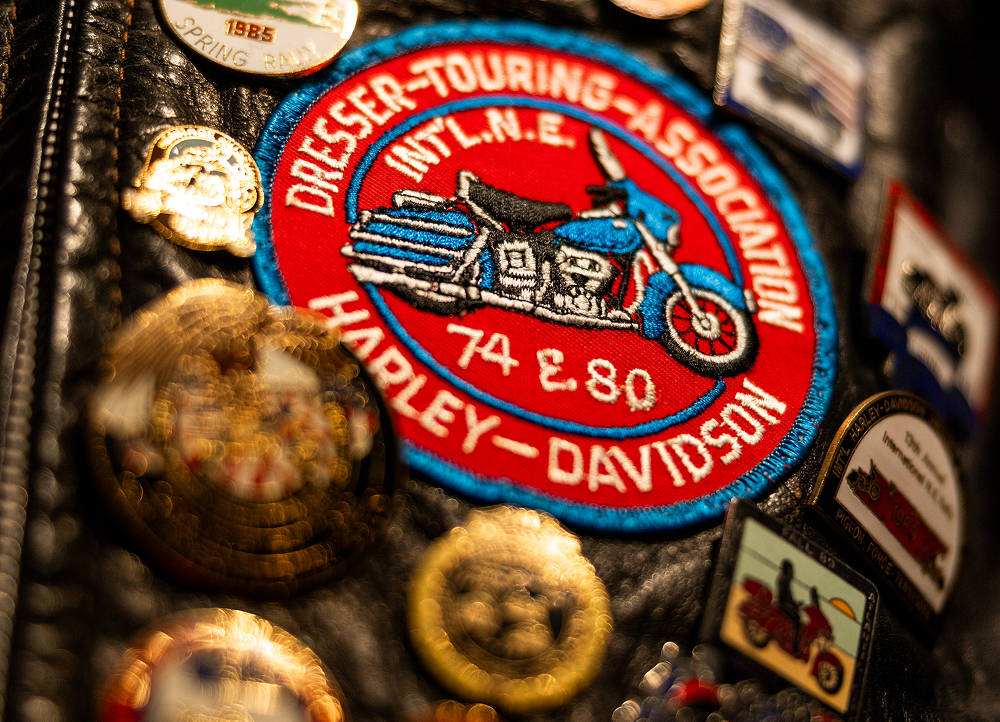
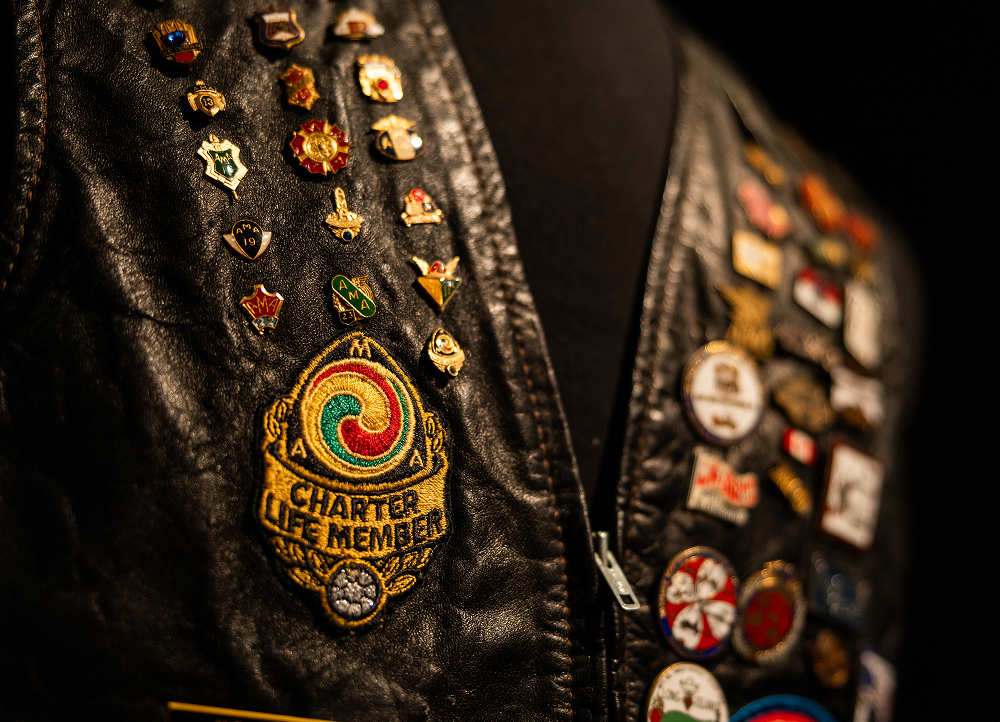
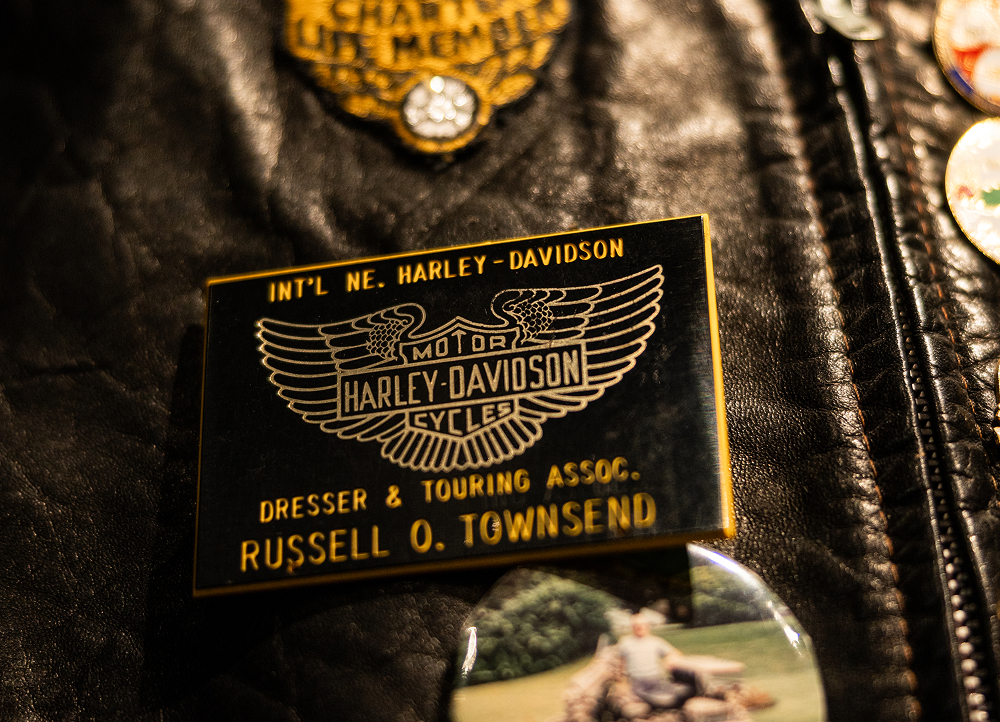
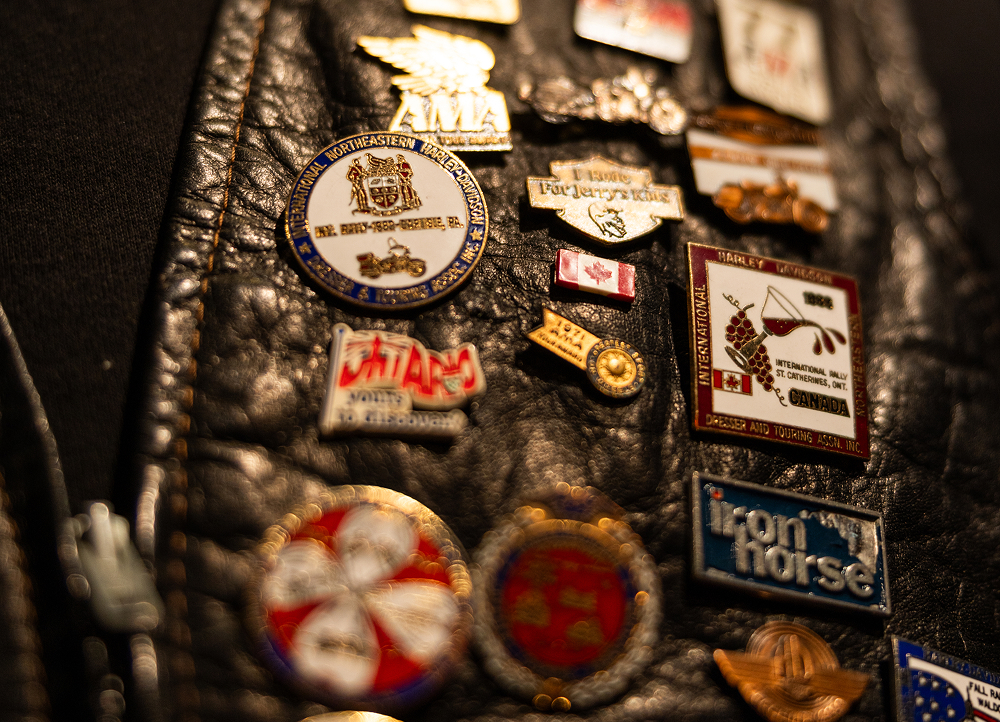
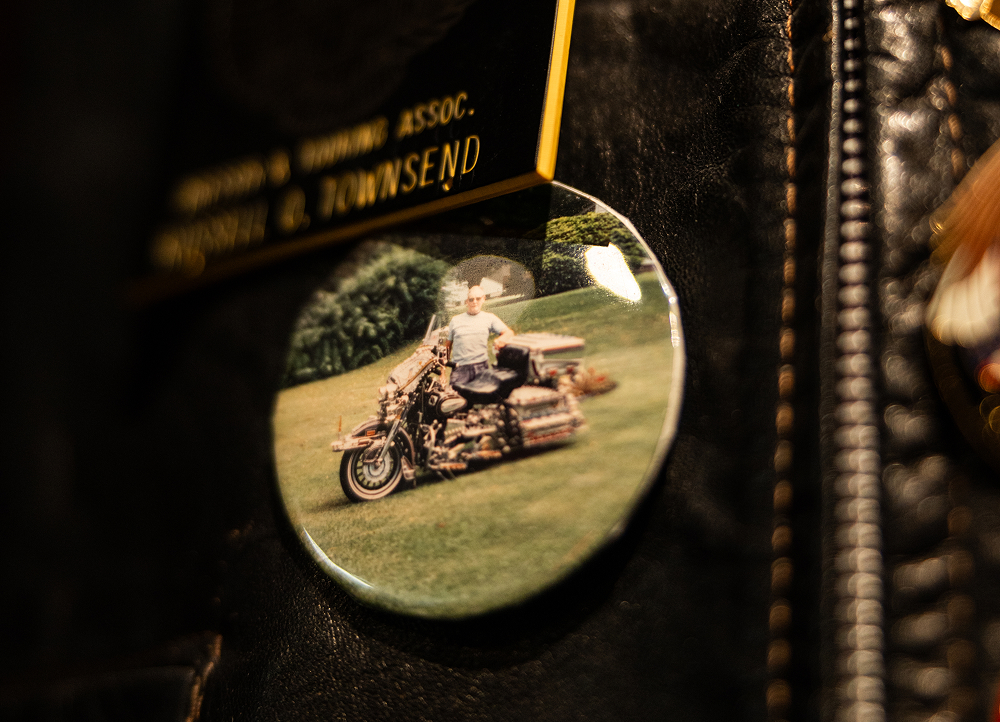
IT WAS EASY FOR RIDERS TO TURN JACKETS INTO VESTS, SEW THEIR COLORS TO THE BACK, CUSTOMIZE THEM WITH PINS AND PATCHES, AND HAVE SOMETHING THEY COULD WEAR BY ITSELF IN THE SUMMER OR OVER LEATHER JACKETS IN THE COOLER MONTHS.
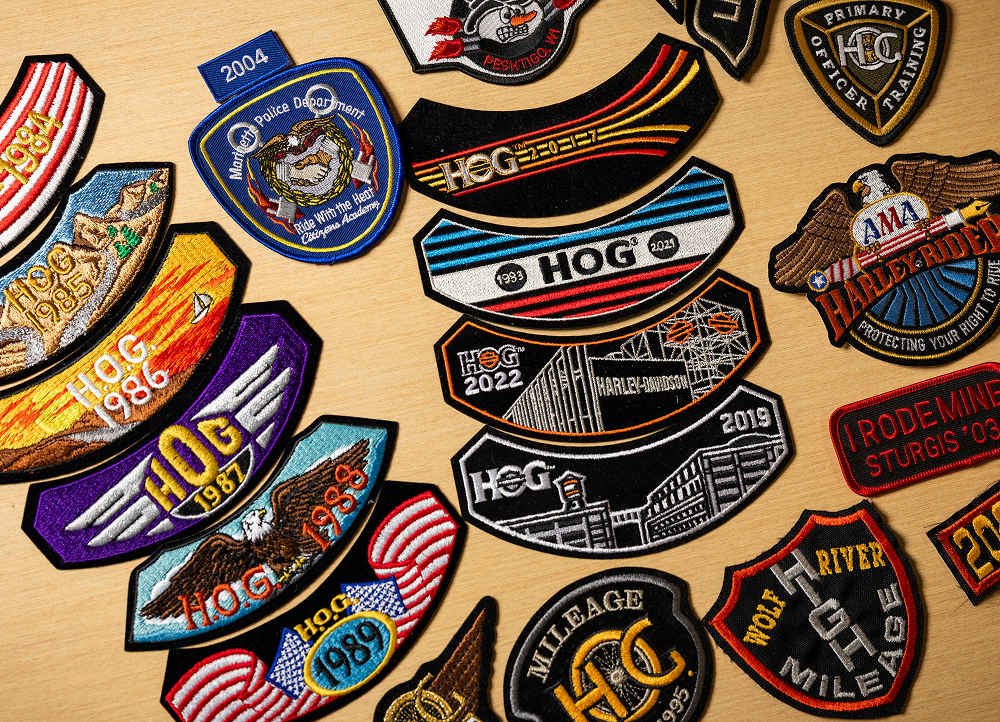
For instance, since 1984, an annual patch has been offered to Harley Owners Group members. With only the front and a back of vest to work with, it might seem difficult to be creative with placement, but you’d be surprised.
A rider named Jim Wagen lined his annual patches down the center of his back in a single vertical column. When he ran out of room, he could have started another row. Instead, he kept stacking them. Before long, the patches formed a tail that stretched nearly to his knees.
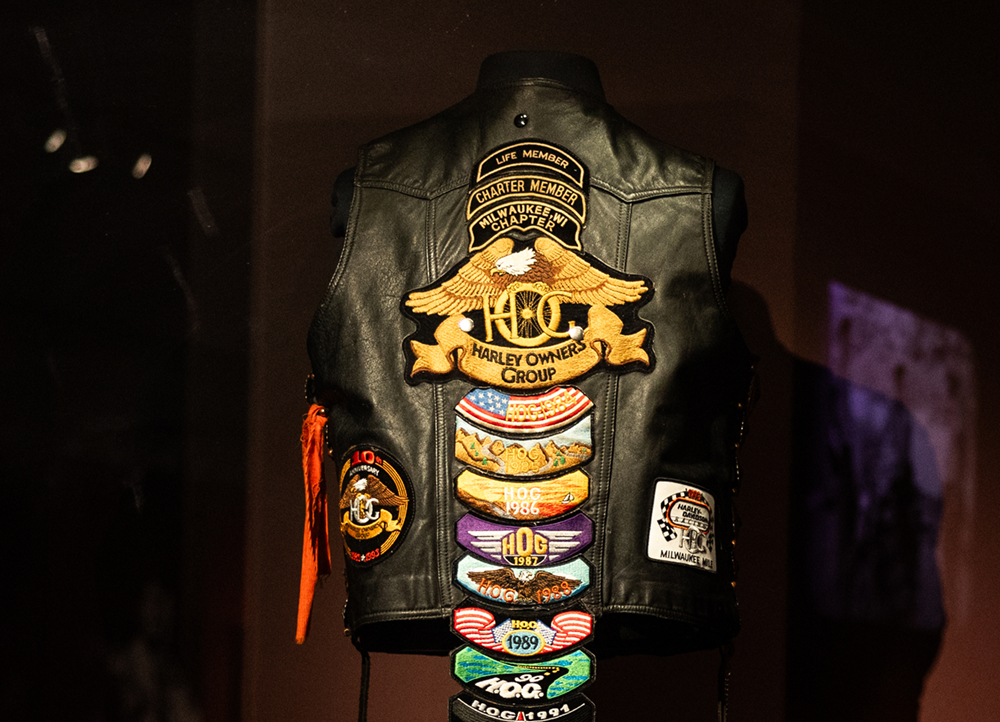
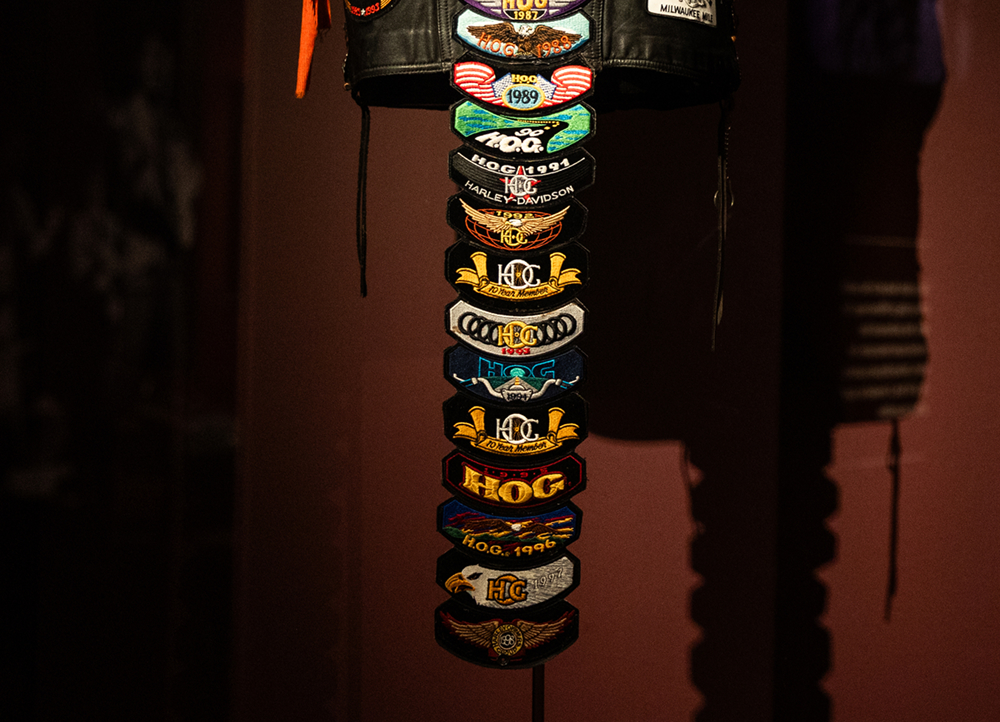
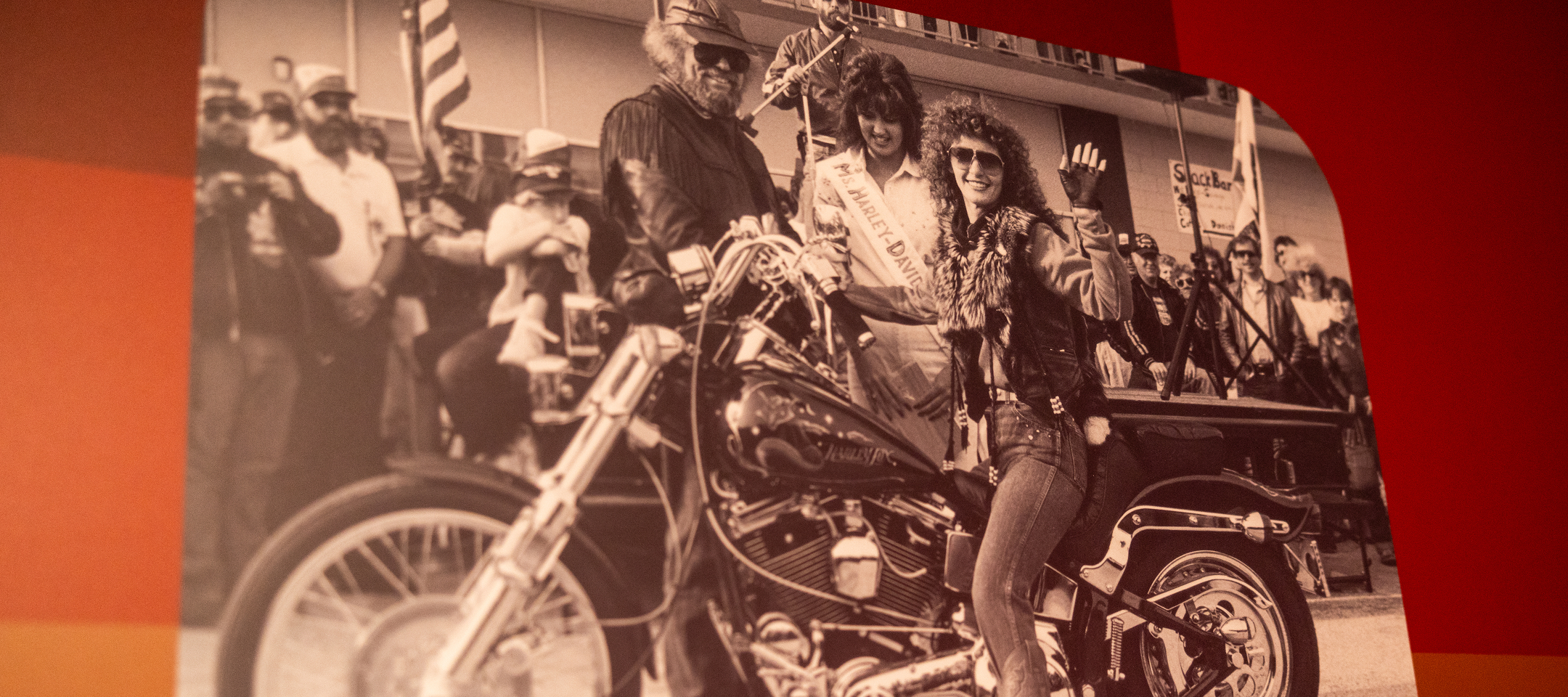
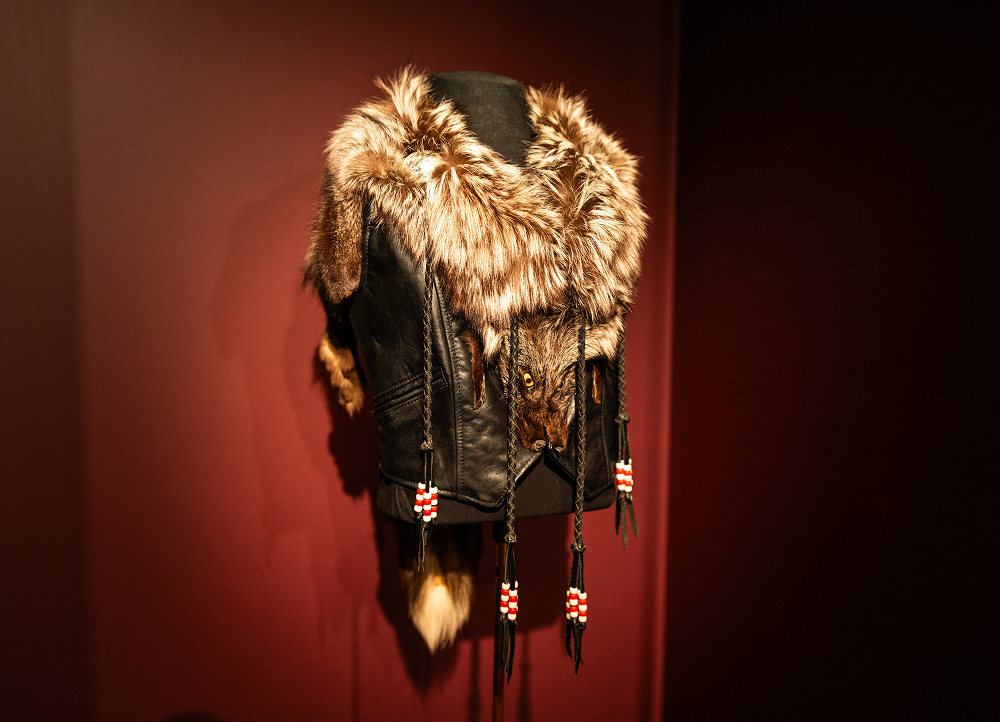
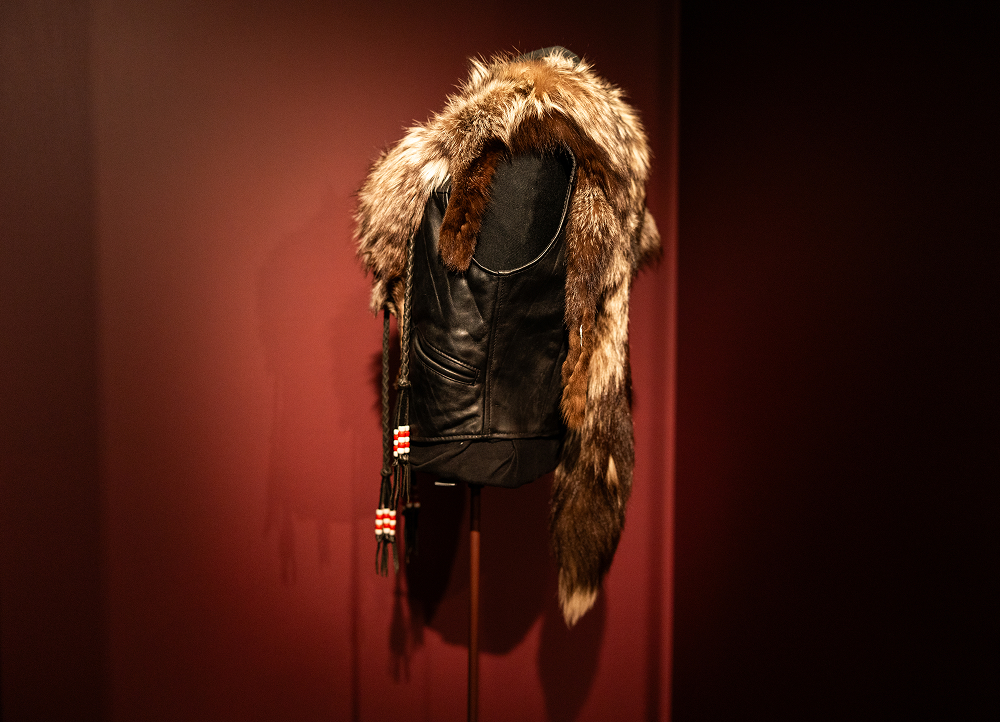
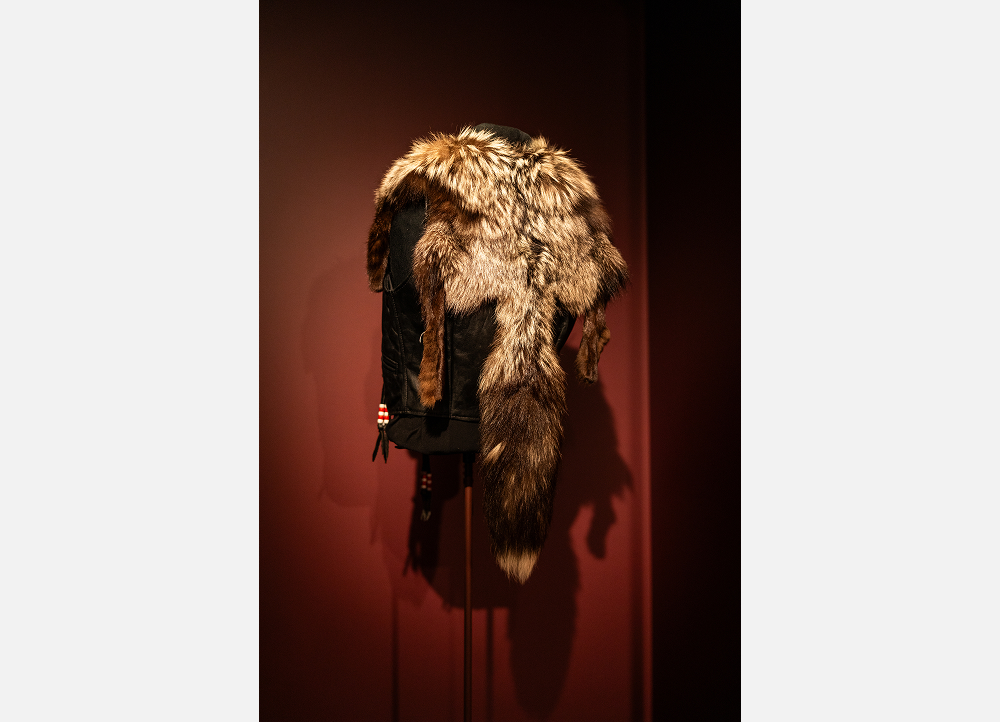
Others really personalized the vest. Gail Anderson rode with an all-women’s riding group in the 1980s called “the Posse.” These women wanted to standout, from their custom bikes to their gear. Anderson designed her custom bike, a 1986 Harley-Davidson FXSTC Softail, naming it the “Harley Fox.” She wanted a vest to match, so she had a leather shop make a one-off vest lined with a full fox pelt.
Whether its history begins in the royal court of Charles II or battlefields of World War II, or somewhere else entirely, the motorcycle vest is iconic. It’s functional, it’s stylish, and it’s personal. You can’t get better than that.
Long live the vest.
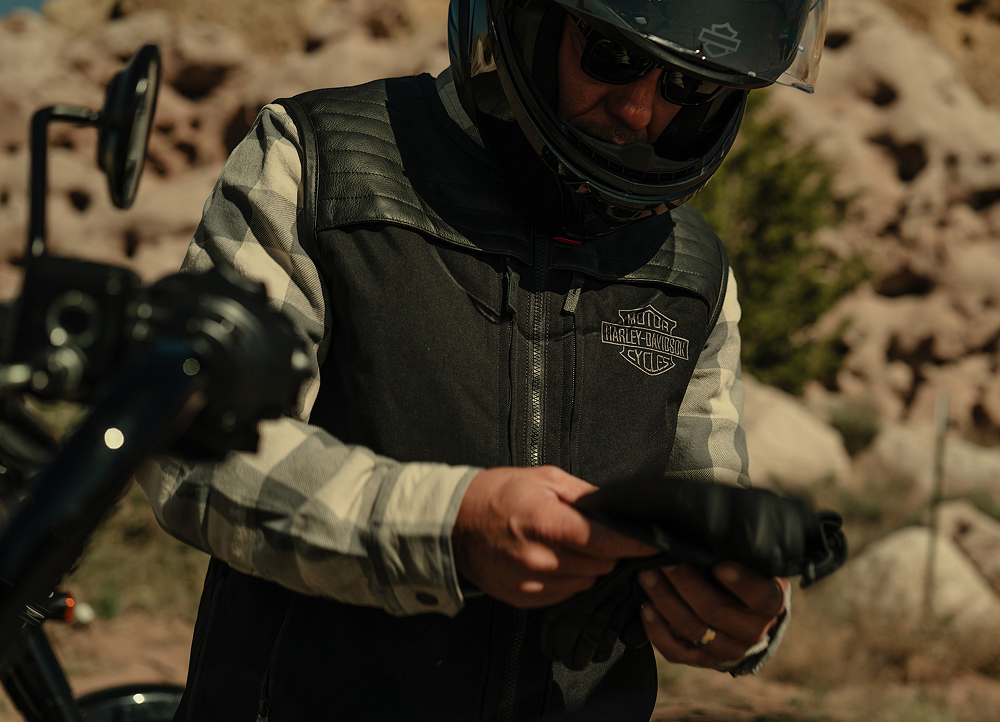
SHOP VESTS
From the road to the rally, every vest is a fresh canvas for a story. Shop men’s and women’s styles and start yours.
EXPERIENCE THE HISTORY OF HARLEY-DAVIDSON
Discover culture and history through stories and exhibits that celebrate expression, camaraderie and love for the sport.
EXPLORE MORE FROM THE ARCHIVES
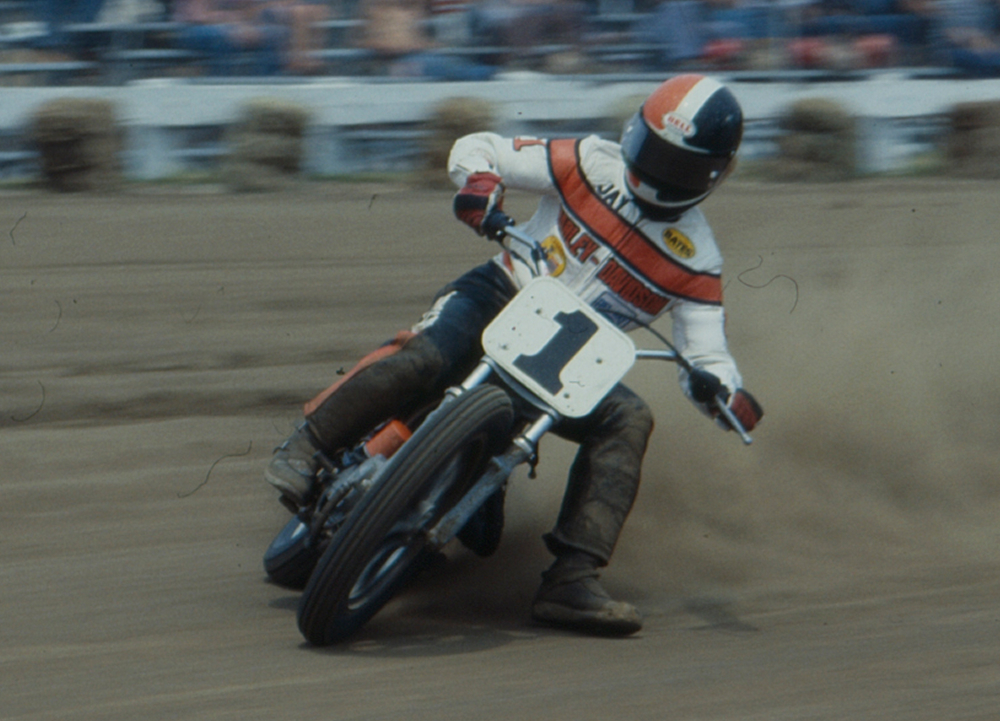
SPRINGSTEEN’S RISE: THE MAKING OF A FLAT TRACK LEGEND
Jay Springsteen overcame early adversity to become one of flat track racing's most successful riders, earning three consecutive Grand National titles and a place among Harley-Davidson legends.
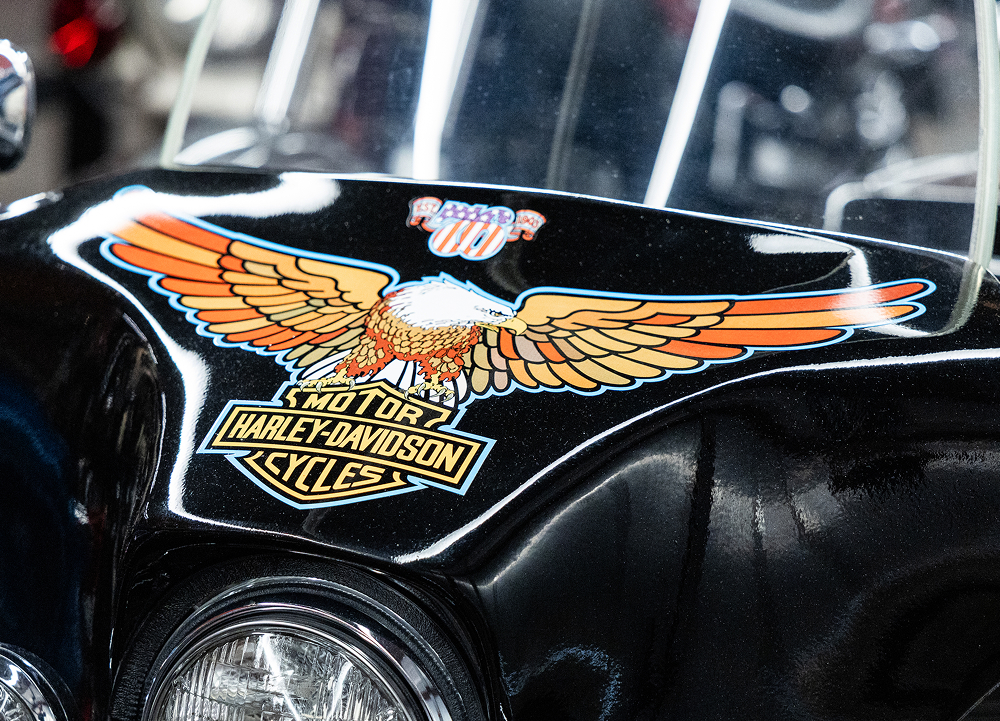
THE EAGLE, THE NUMBER ONE, AND THE RETURN OF THE BAR & SHIELD
How a Bicentennial-era design idea from Willie G. Davidson gave rise to the eagle and modern Bar & Shield that continue to define Harley-Davidson today.
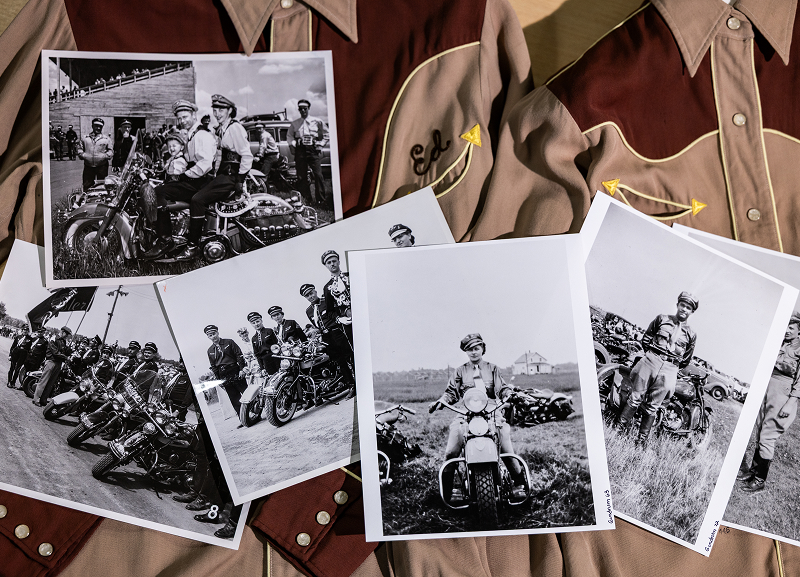
KNIGHTS OF THE HIGHWAY: THE STORY BEHIND MOTORCYCLE CLUB UNIFORMS
From tailored uniforms to patch-covered vests, motorcycle riders have long used what they wear to shape their identity, build community, and challenge public perceptions of the sport.
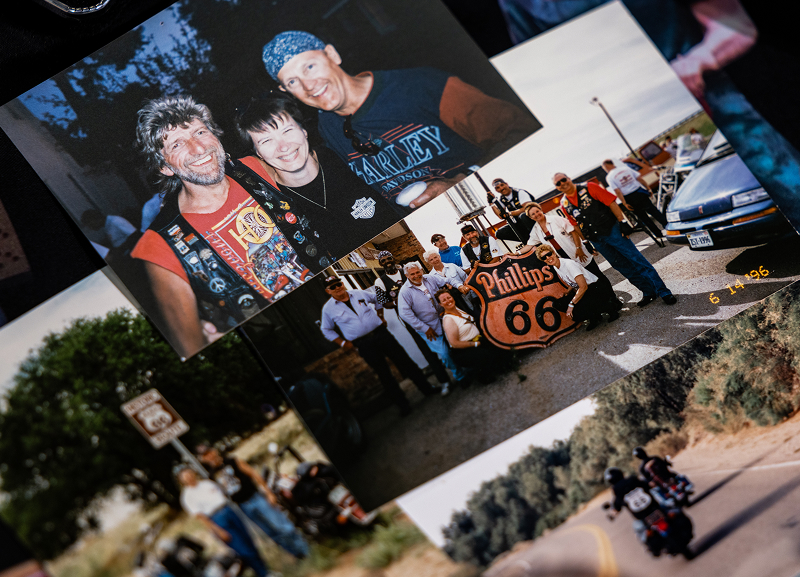
ROUTE 66: A TESTAMENT TO THE SPIRIT OF THE OPEN ROAD
Route 66 has evolved from a simple stretch of pavement into a defining experience for generations of Harley-Davidson riders.
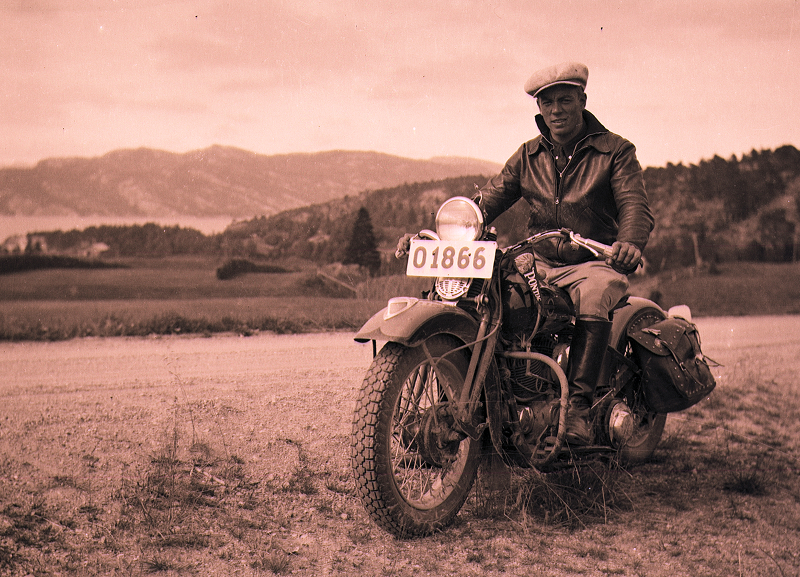
“MOTORCYCLING IS THE LIFE”: THE LEGACY OF GUSTAF STENMARK
Driven by an obsession with motorcycles, Gustaf Stenmark pushed himself through every race and mile with competitive grit, chasing the limits of endurance on two wheels.
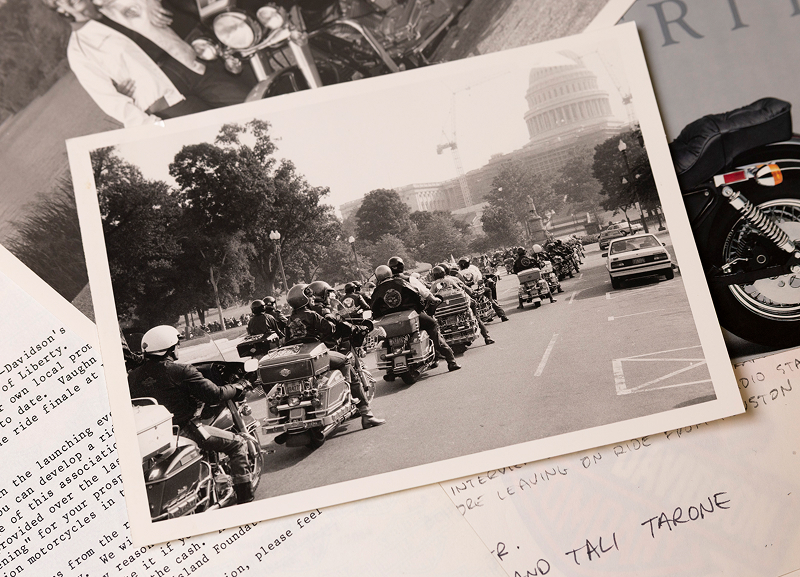
HARLEY-DAVIDSON RIDES FOR LIBERTY
As the Statue of Liberty prepared for her 100th anniversary, Harley‑Davidson riders united coast to coast to celebrate freedom and help restore an American icon.
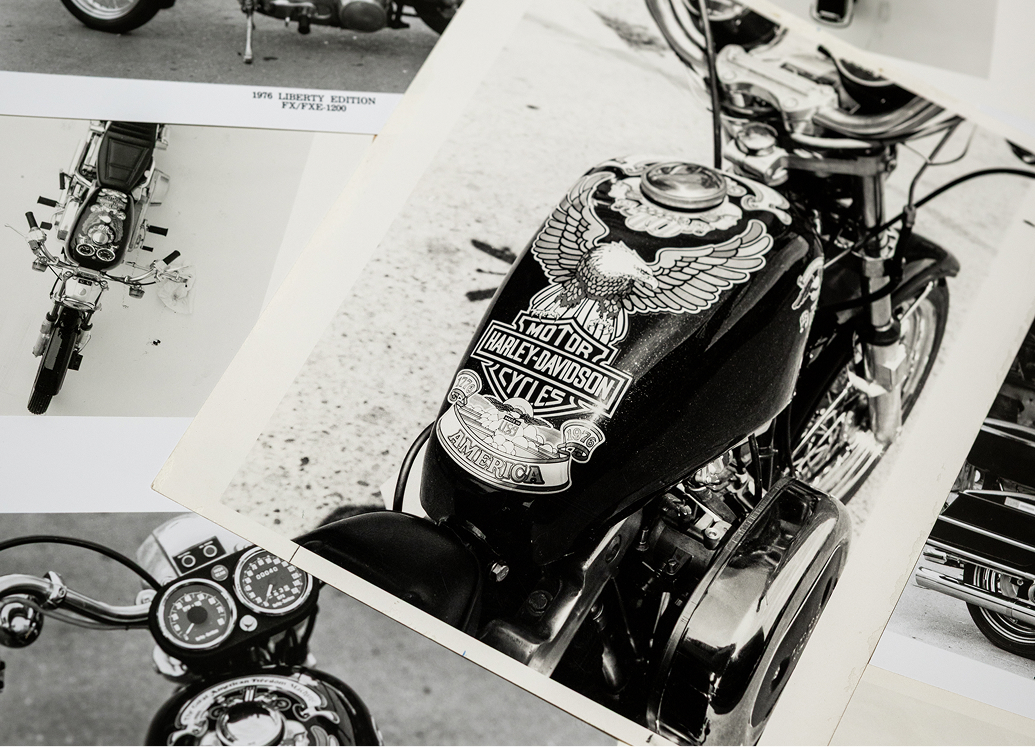
THE '76 BICENTENNIAL EDITION: THE BIRTH OF AN ICON
The 1976 Liberty Edition fused American patriotism with Harley‑Davidson craftsmanship, creating a landmark design that still resonates as a symbol of freedom and identity.
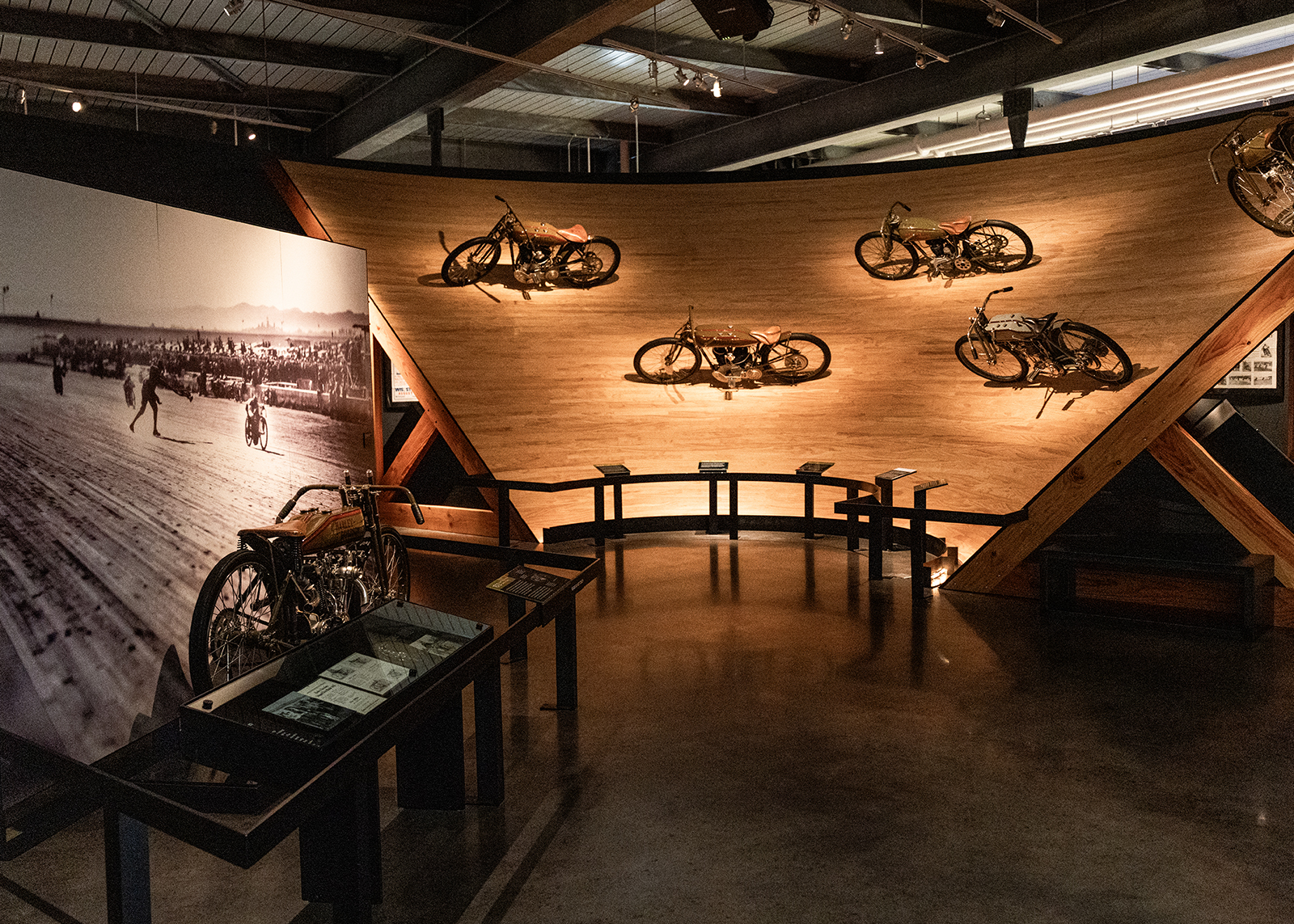
LIFE ON THE MURDERDROME: H-D AND THE SPORT THAT TERRIFIED EVERYONE
Long before racing glory, Harley-Davidson’s uneasy entry into board track competition was lived on the edge by riders like L.E. Bowen.
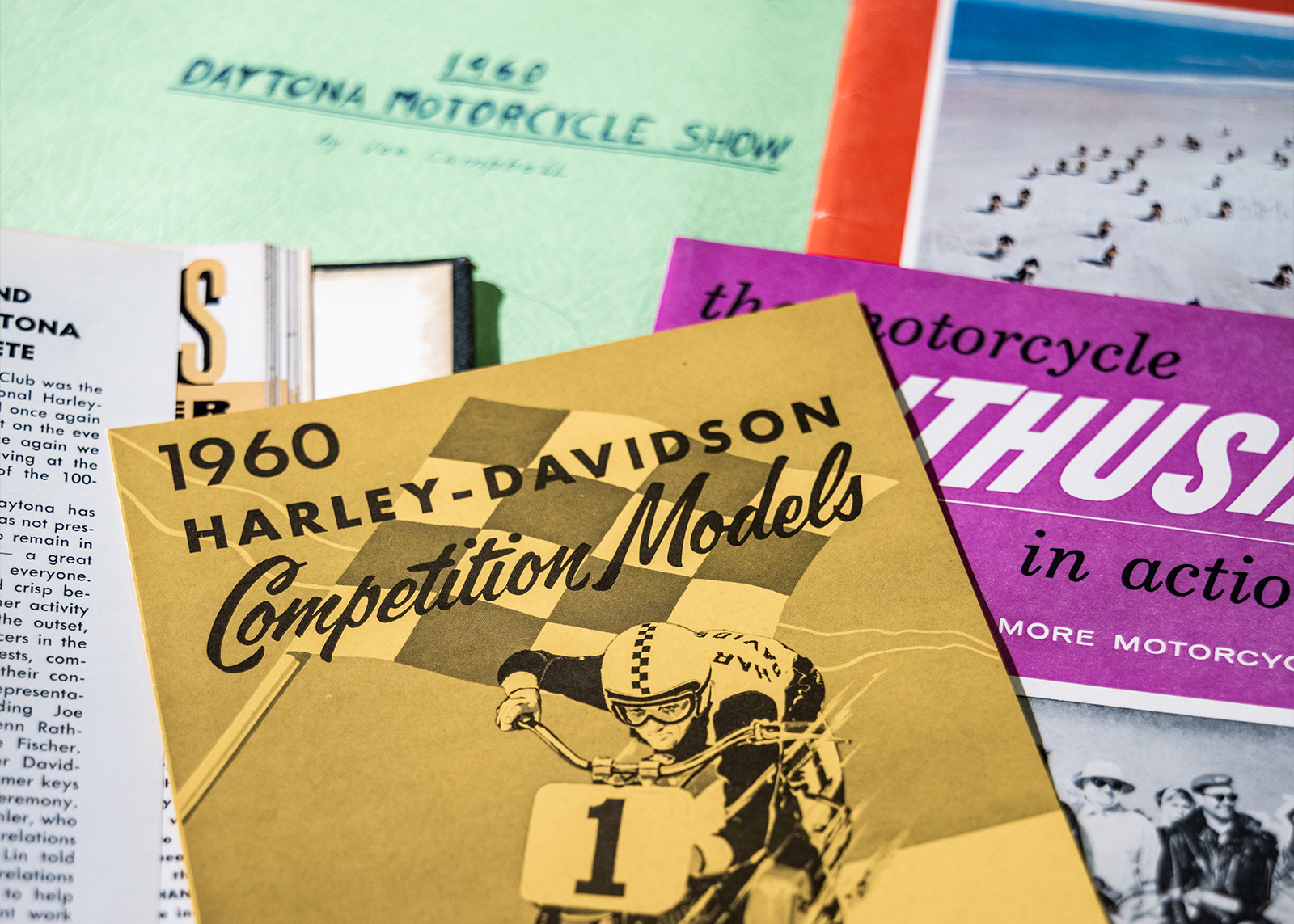
FLASHBACK: STEP INSIDE THE DAYTONA 1960 MOTORCYCLE SHOW
Daytona Bike Week celebrates its 85th year, offering the perfect moment to look back at the rally’s iconic 1960 roots.
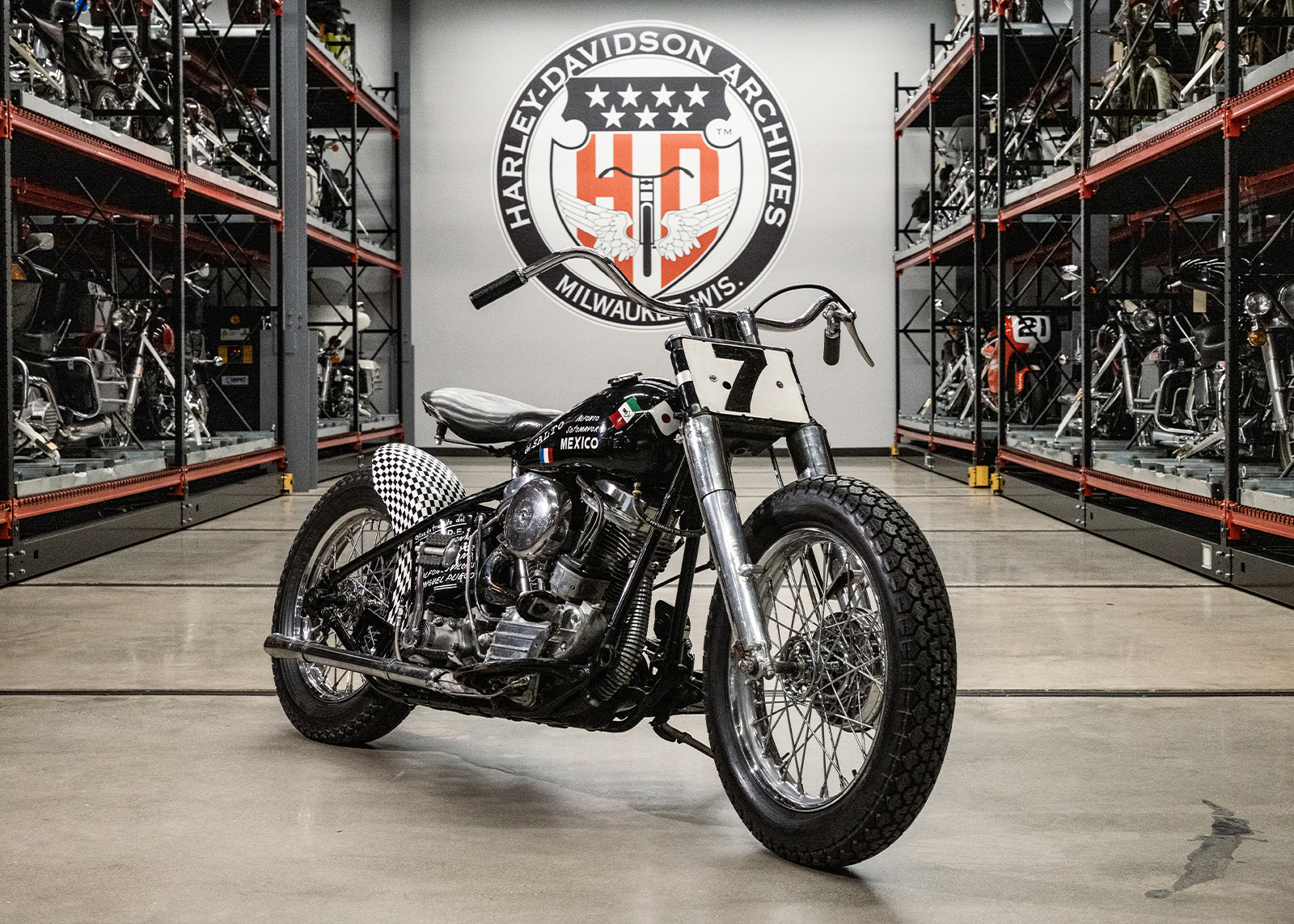
ALFONSO SOTOMAYOR AND MEXICAN STUNT RIDING
Harley-Davidson’s century-long history in Mexico is filled with pioneering riders and legendary stunt performers like Alfonso Sotomayor.
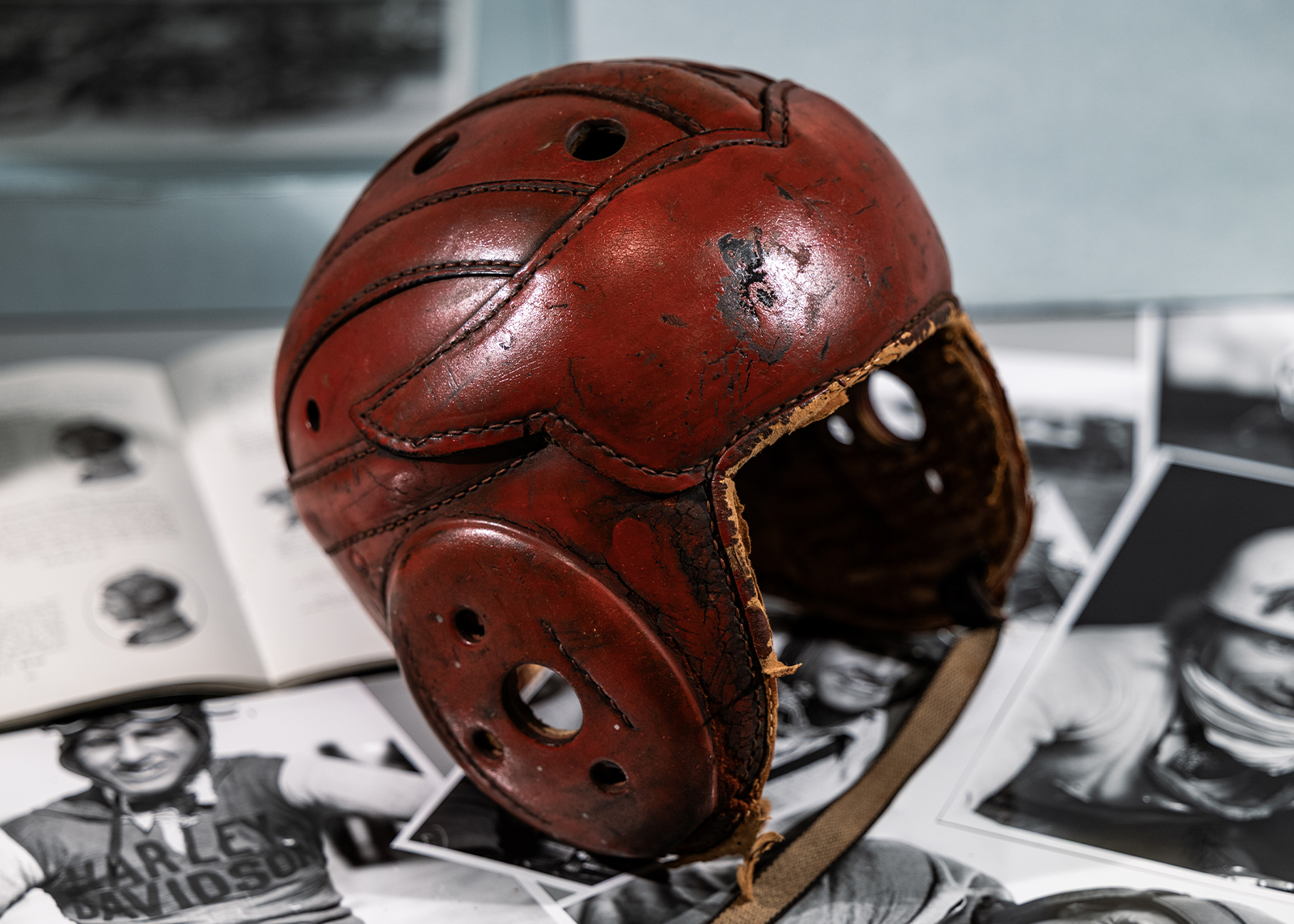
HELMETS THROUGH HISTORY
From humble leather caps to modern safety gear, the evolution of motorcycle helmets balances protection, performance, and pure self-expression.
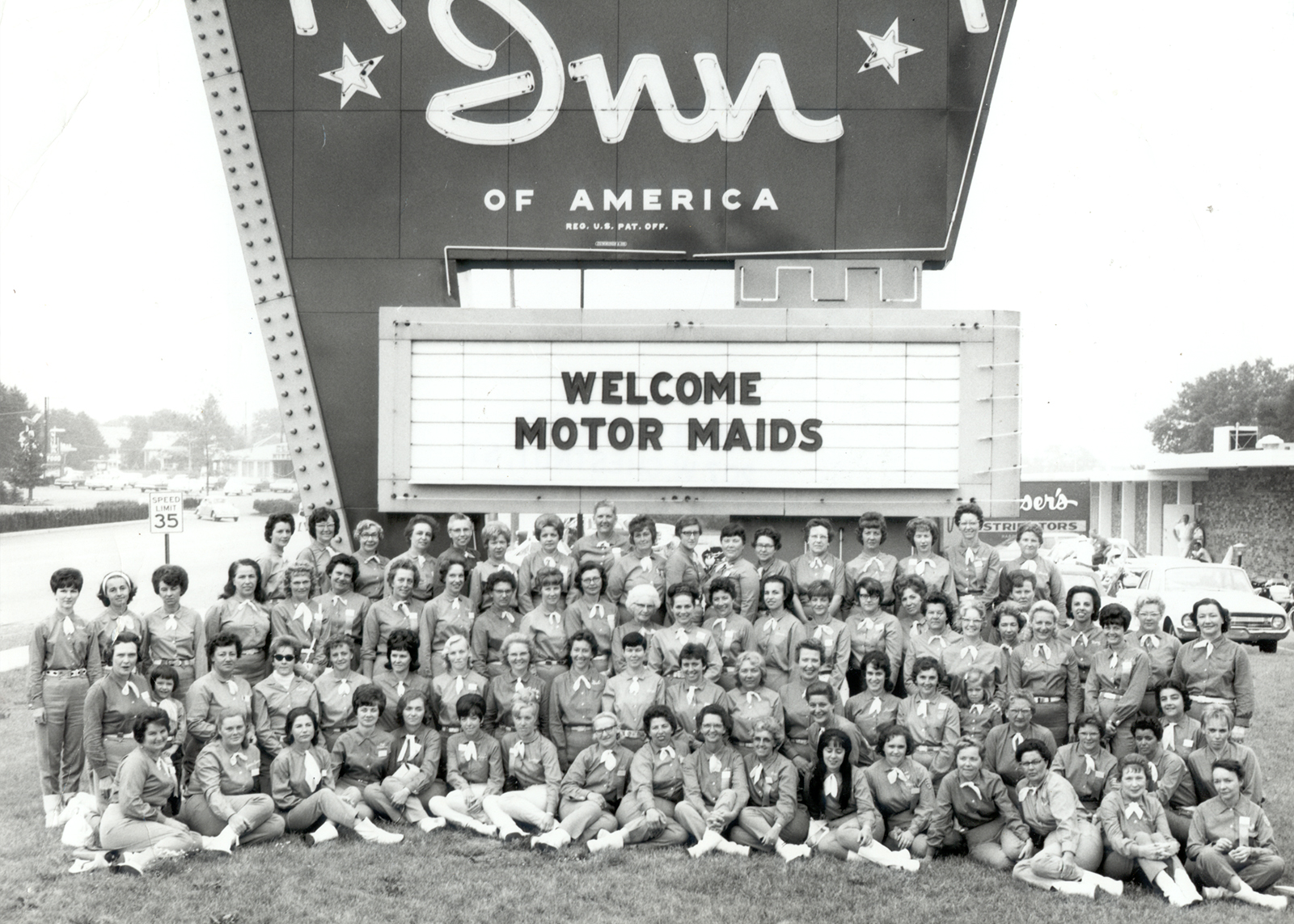
RIDING FORWARD: 85 YEARS OF THE MOTOR MAIDS
Founded in 1940 by pioneers Dorothy “Dot” Robinson and Linda Dugeau, the Motor Maids became the first women’s national motorcycle club.
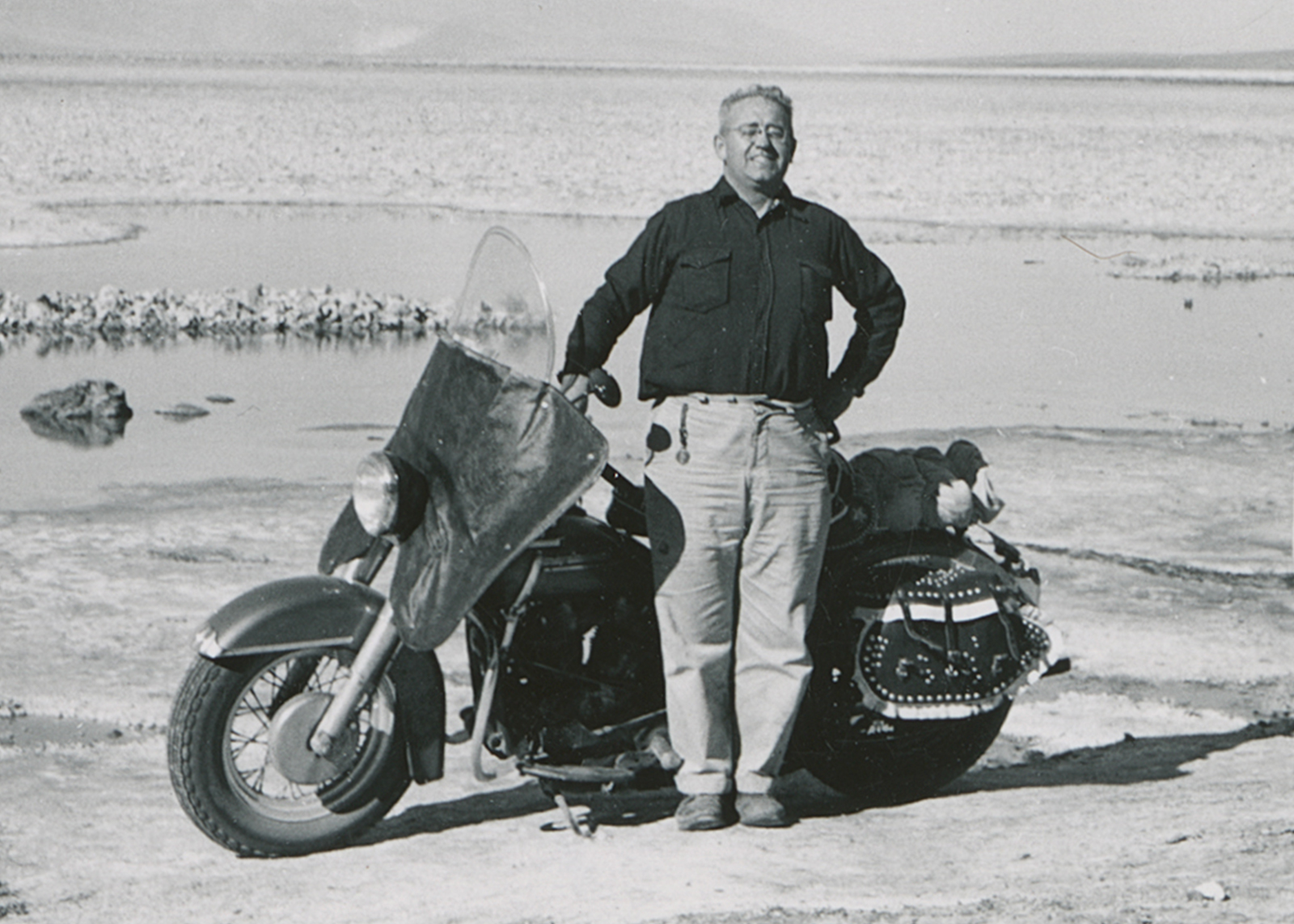
RIDING THROUGH HISTORY: ELDRED R. HARRINGTON’S HARLEY-DAVIDSON ADVENTURES
Eldred R. Harrington, a prolific Enthusiast writer from 1944–1965, was revisited by Harley-Davidson archives during the Hydra-Glide’s 75th anniversary.
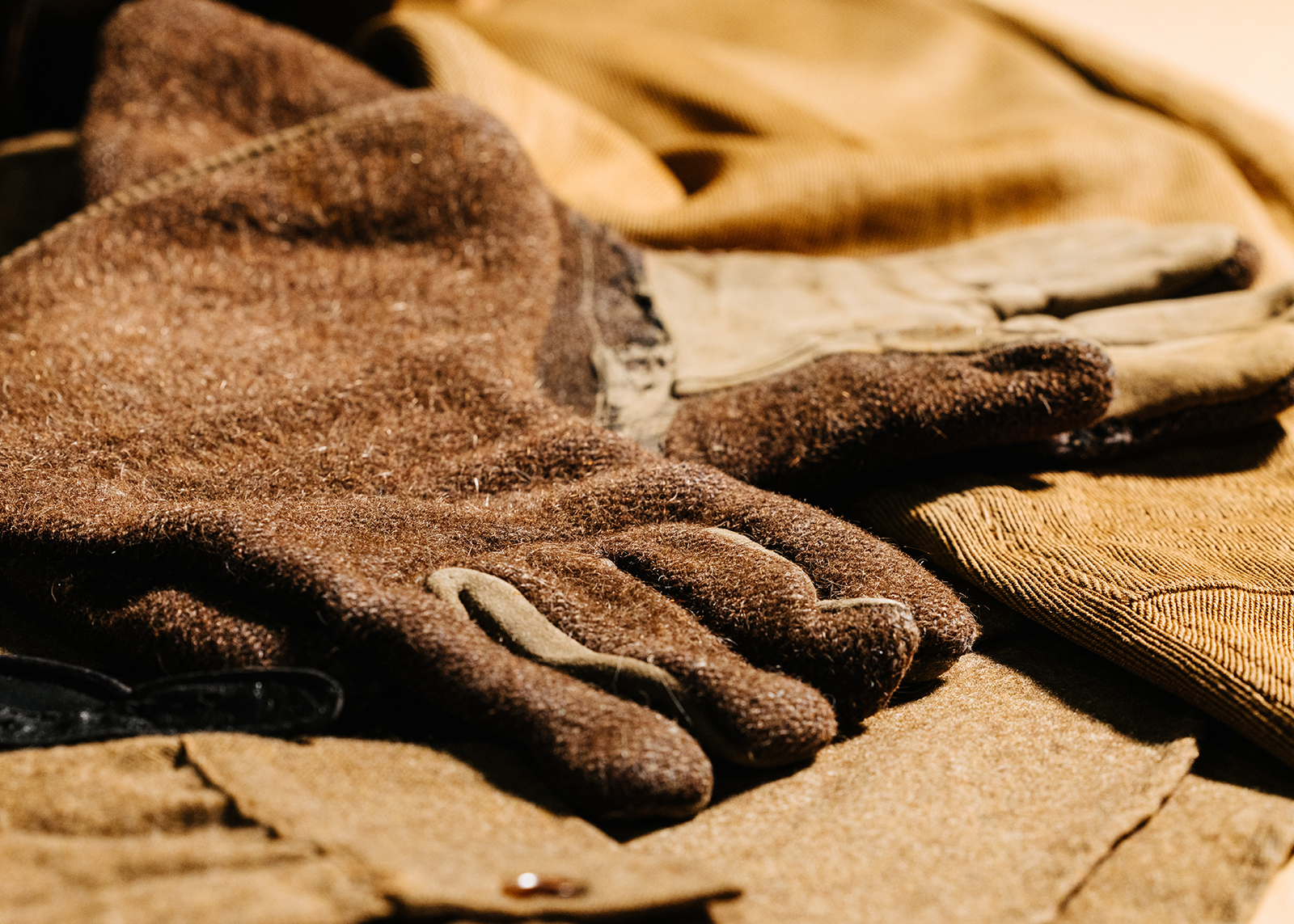
EARLY RIDING WEAR
In the earliest images in the Harley-Davidson archives, riders’ clothing always stands out.
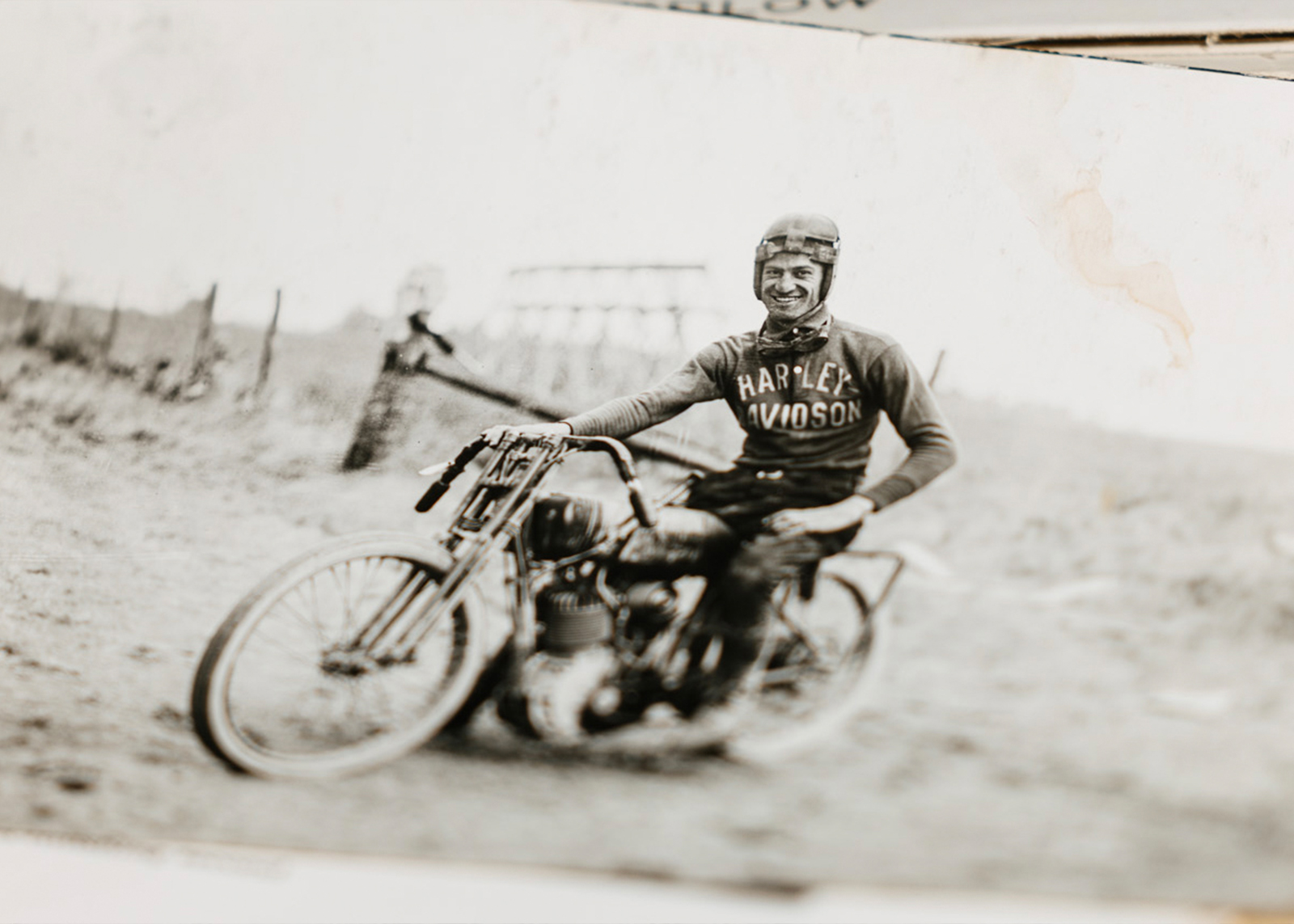
LESLIE “RED” PARKHURST
Parkhurst was a good-natured athlete whose enthusiasm made him a real crowd-pleaser, both on and off the track.
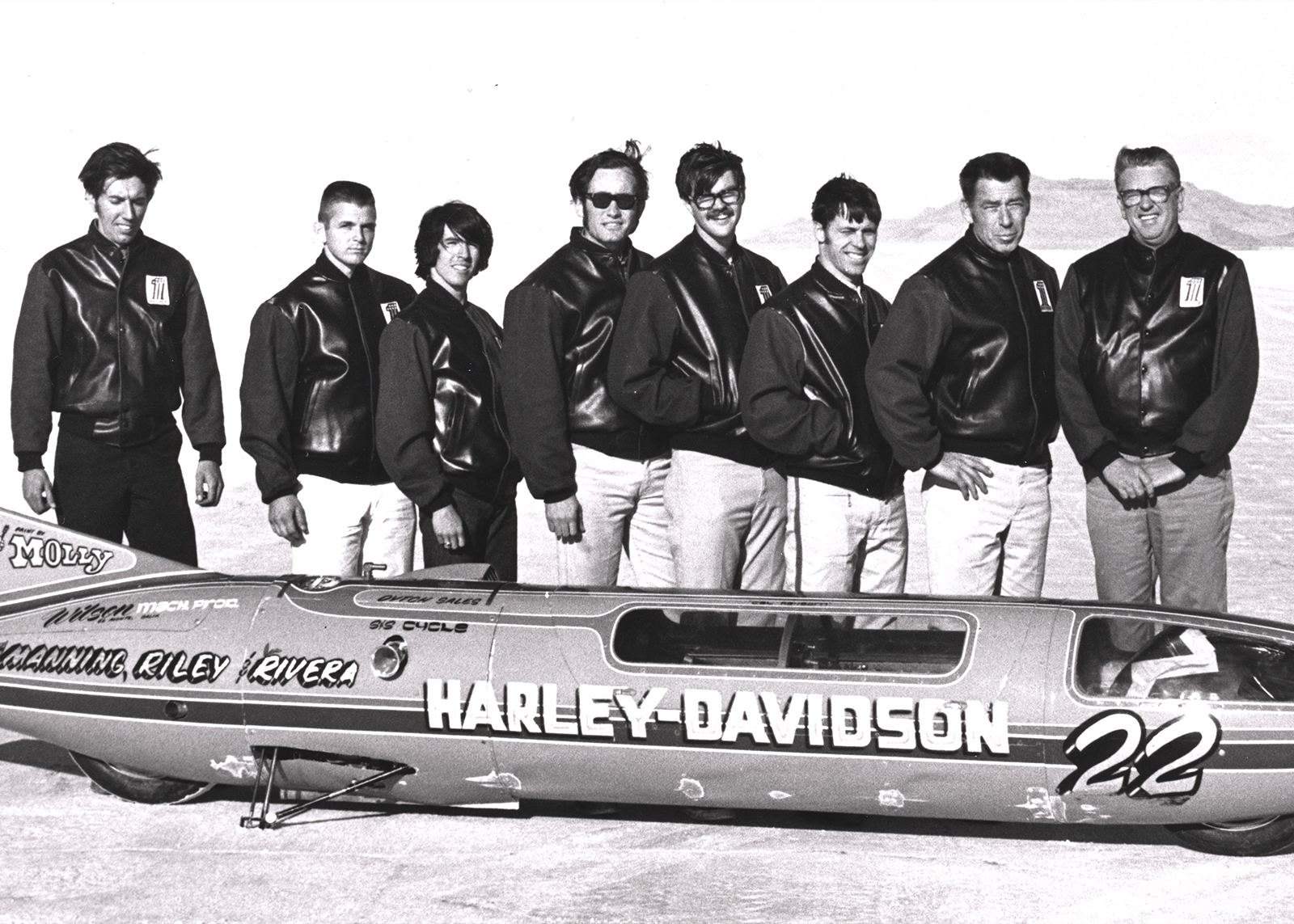
THE WORLD'S FASTEST HARLEY-DAVIDSON
Built for Speed. Born for Glory. The Return of a Legend.