Life on the Murderdrome: H-D and the Sport That Terrified Everyone
Written by The Harley-Davidson Museum
Photos by Josh Kurpius Archival photos courtesy of H-D Museum
Harley-Davidson spent decades earning its legendary racing pedigree, proudly commanding respect wherever we put rubber to the ground.
In the early 1910s, Harley-Davidson’s relationship with motorcycle racing was pretty complicated.
Articles in The Harley-Davidson Dealer (one of the company publications that preceded The Enthusiast) illustrate the company’s largely unfavorable views: racing was costly, dangerous, and offered little benefit to the average rider or the company’s reputation.
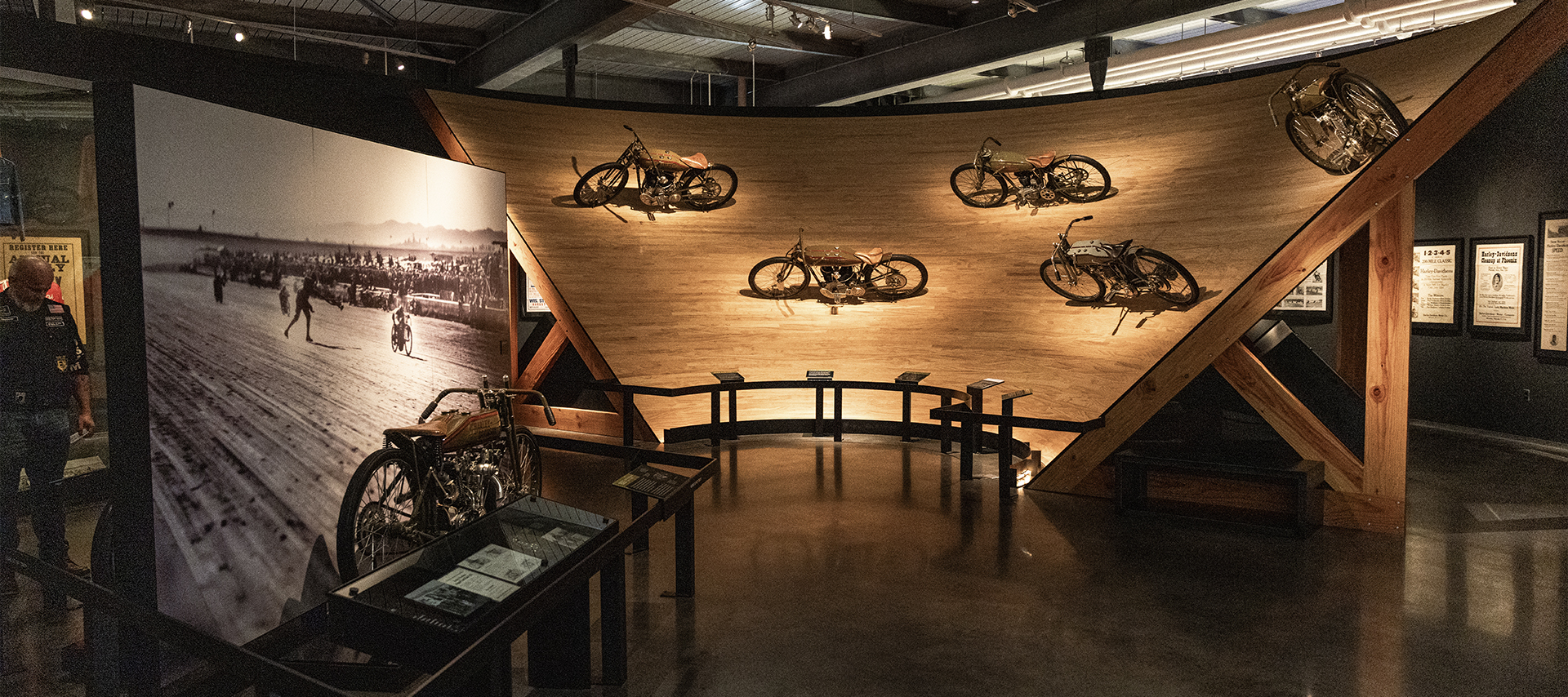
In particular, they disapproved of board track racing. Also known as a motordrome, board tracks were steep, circular, wooden tracks—sometimes called saucers—that allowed riders to go incredibly fast, which also put them at great risk.
Arthur Davidson himself wrote candidly about the risks.
After the fatal Vailsburg Motordrome crash in 1912, Davidson was openly skeptical of board-track racing and worried that the danger, mounting fatalities, and sensational media headlines were turning competition into what he called “poor advertising,” dismissing the tracks themselves as “murderdromes.”
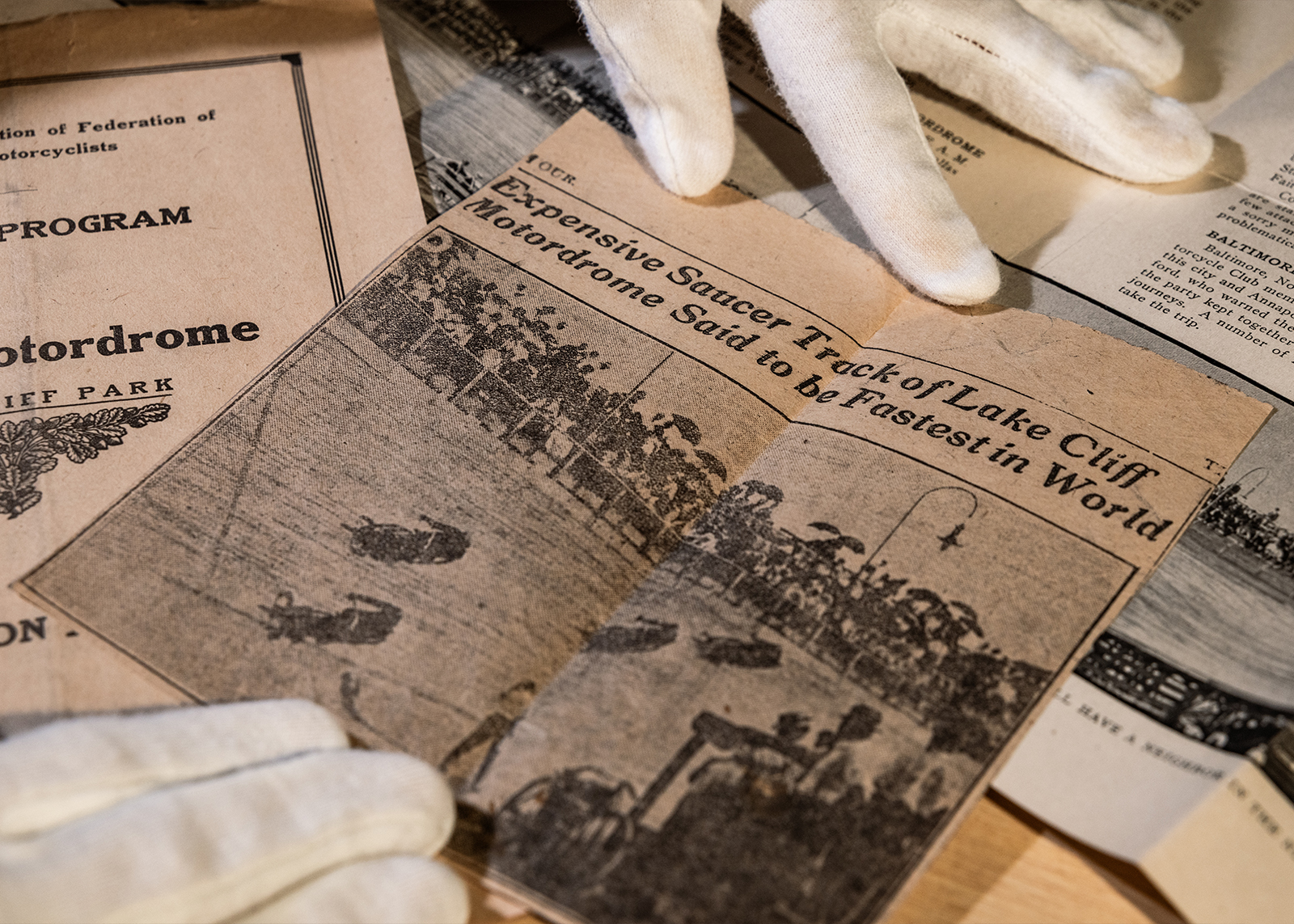
Instead, Harley-Davidson focused on endurance runs and hill climbs—events that tested reliability, durability, and real-world performance.
Even so, the company couldn’t ignore the marketing potential of racing victories and saw the positive impact competitor brands garnered through it. So, even though they weren’t entirely keen on the idea, Harley-Davidson began investigating what the sport could look like for HDMC, hiring engineer Bill Ottaway in 1913 and cautiously launching a race team the following year.
Though board track racing continued through the 1920s—including competition by the Harley-Davidson factory race teams—the golden era of the board track spectacle was pretty much over by the time Harley had officially entered the arena.
HARLEY-DAVIDSON BEGAN INVESTIGATING WHAT BOARD TRACK RACING COULD LOOK LIKE FOR HDMC, HIRING ENGINEER BILL OTTAWAY IN 1913 AND CAUTIOUSLY LAUNCHING A RACE TEAM THE FOLLOWING YEAR.
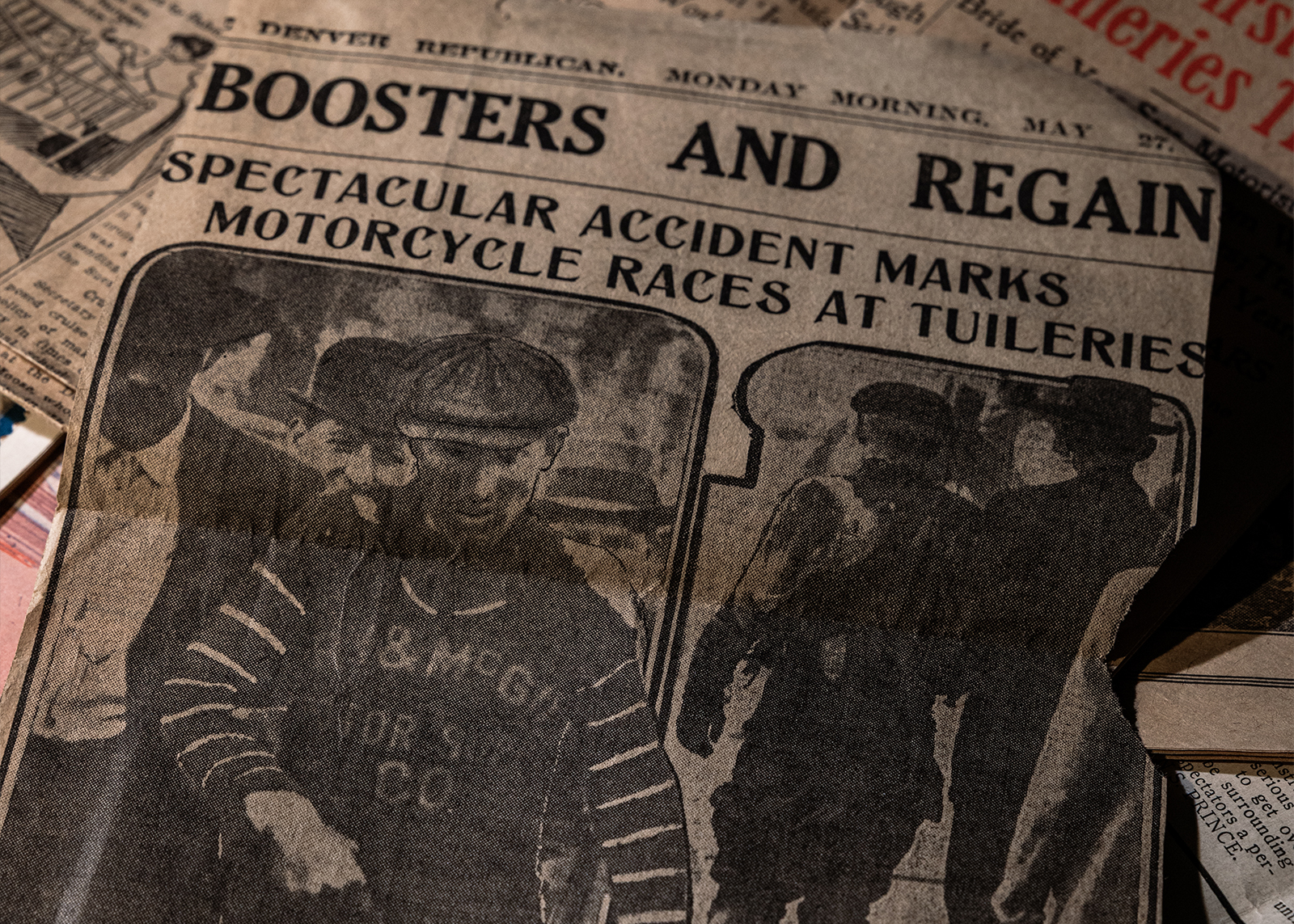
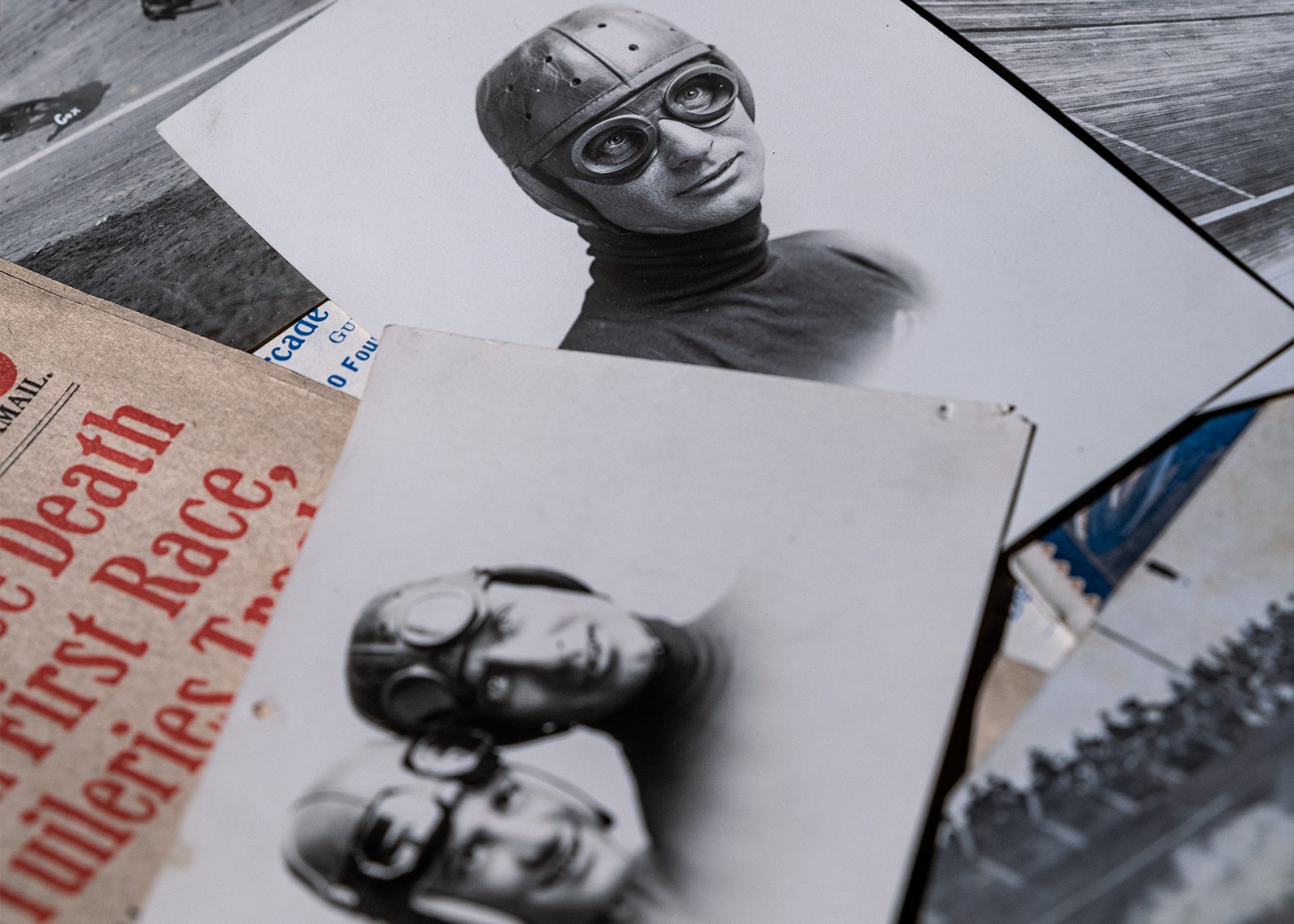
Helping to fill in the gaps for that early period is the Bowen board track archival collection, held in the Harley-Davidson Archives, a gift from Leon Crain in memory of his grandfather Leroy E. Bowen’s motorcycle career. The collection contains photographs, postcards, newspaper clippings, and racing programs that were collected by L.E. Bowen, mostly from 1912 to 1914.
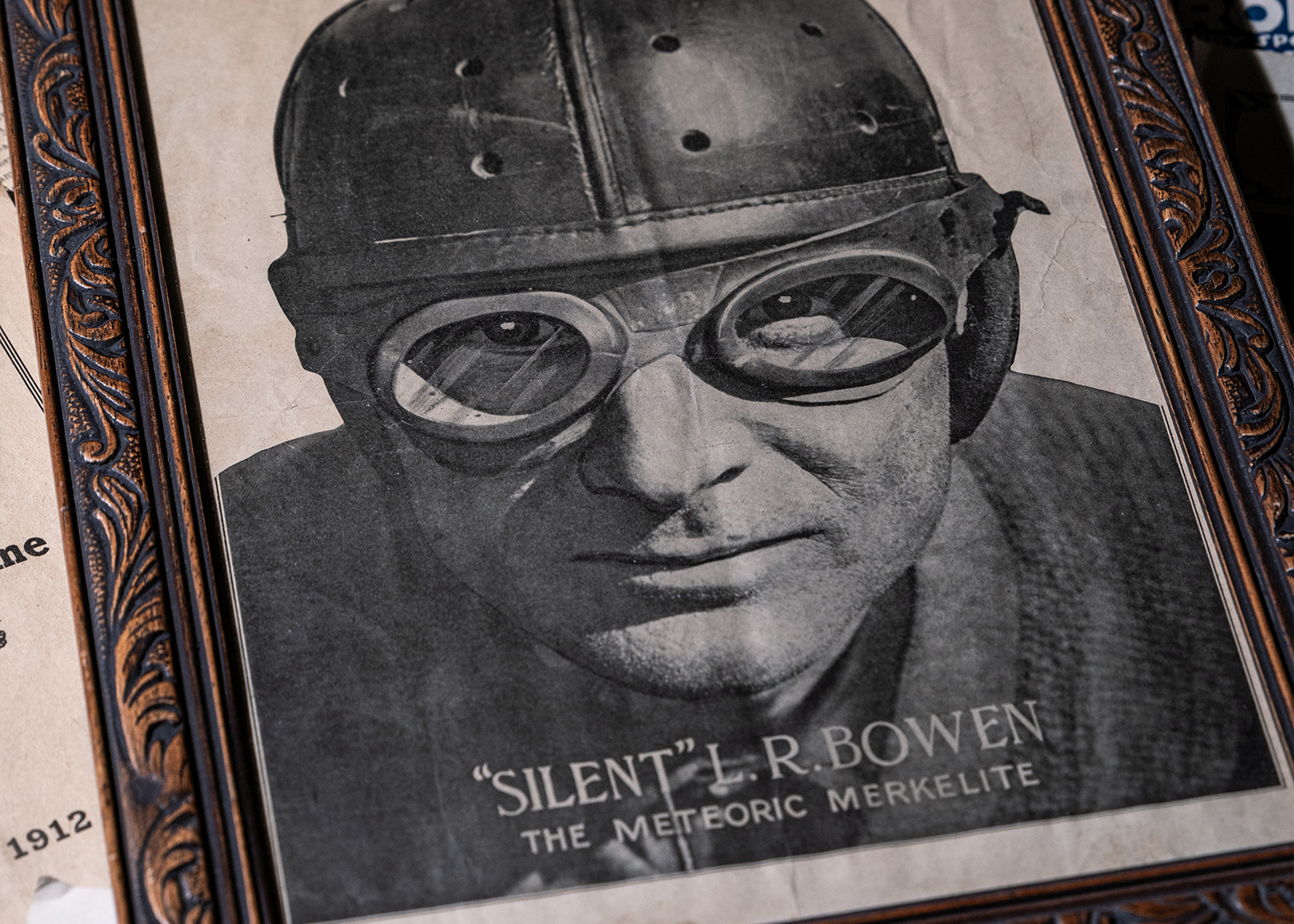
Typically identified simply as Bowen in the press, but also known as Ed or Eddie, L.E. Bowen was a prominent racer of the motordrome era. (The archives team only recently began exploring the collection, but we can find proof that Bowen was racing in 1910, if not earlier.) He rode multiple motorcycles, including a competition or two on Harley-Davidson. Though most of this collection in the H-D archives depicts Bowen on Merkel, another motorcycle brand originally founded in Milwaukee in the early 1900s.
Bowen was a regular competitor at major board tracks around the U.S., including well-known venues like Tuileries Park motordrome in Denver, as well as the motordromes in Milwaukee and Minneapolis-St. Paul. He even raced in the much-anticipated opening of the Lake Cliff Park motordrome in Dallas, Texas.
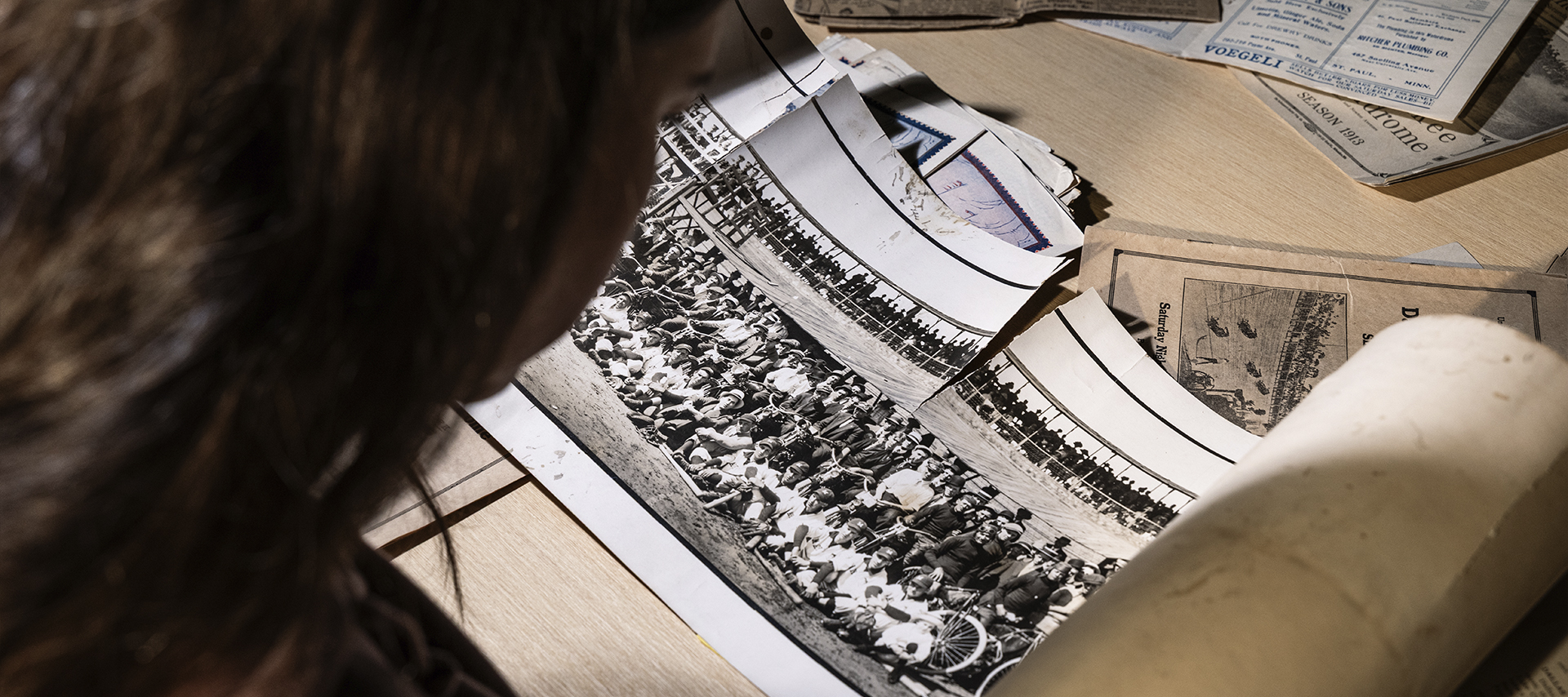
Brittle and damaged, one of the stars of the Bowen collection is a large panoramic photo taken at the Tuileries Motordrome in Denver on June 2, 1912. The board track in the background, the photo features motorcycles and their racers, as well as two baseball teams—the board track infield featured a baseball diamond, and it wasn’t unusual for a day at the track to include both racing and a baseball game.
Race reports from trade publications like Motorcycling magazine describe Bowen as a fierce contender, frequently battling for first place in thrilling, neck-and-neck finishes. His bio in the Twin City Motordrome programs calls out his former dirt track racing career and identifies him as the “former board track motorcycle champion of Colorado.”
IN THE ANNALS OF MOTORCYCLING HISTORY, BOWEN STANDS OUT AS A RIDER WHO EMBRACED THE THRILL OF SPEED IN THE SPORT’S FORMATIVE AND MOST DANGEROUS YEARS, ALONGSIDE SOME OF THE BIGGEST NAMES IN BOARD TRACK RACING
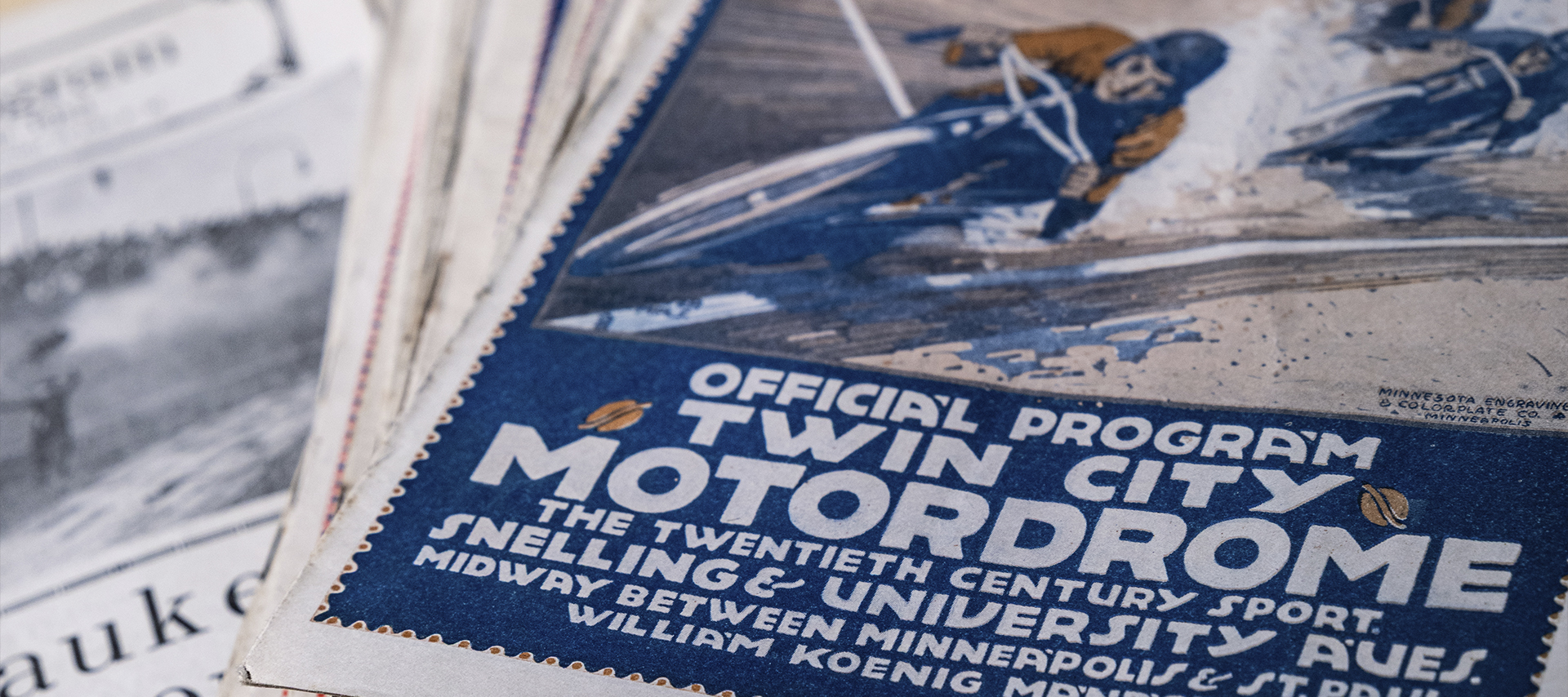
This press coverage of Bowen’s career reflects the rivalry and innovation of early American motorcycle racing. What Bowen’s archive depicts is intense interest and passion for the sport, as well as respect and camaraderie among competitors. Bowen’s souvenir race programs include handwritten notes of race finish standings and timings, often for every race on the slate. The motorcycle clippings cover racers and tracks all over the country—he enjoyed following his colleagues, even when he was injured and not racing.
His collection certainly sheds light on the dangers of the sport. “Riders who are face to face with death nightly” boasts the cover of the Twin City Motordrome programs. Many of the clippings saved by Bowen cover crashes and injuries, showcasing the era’s sensational headlines and even some dramatic diagrams. The collection also includes his own published first-person account of being thrown from his bike during a race in 1912.
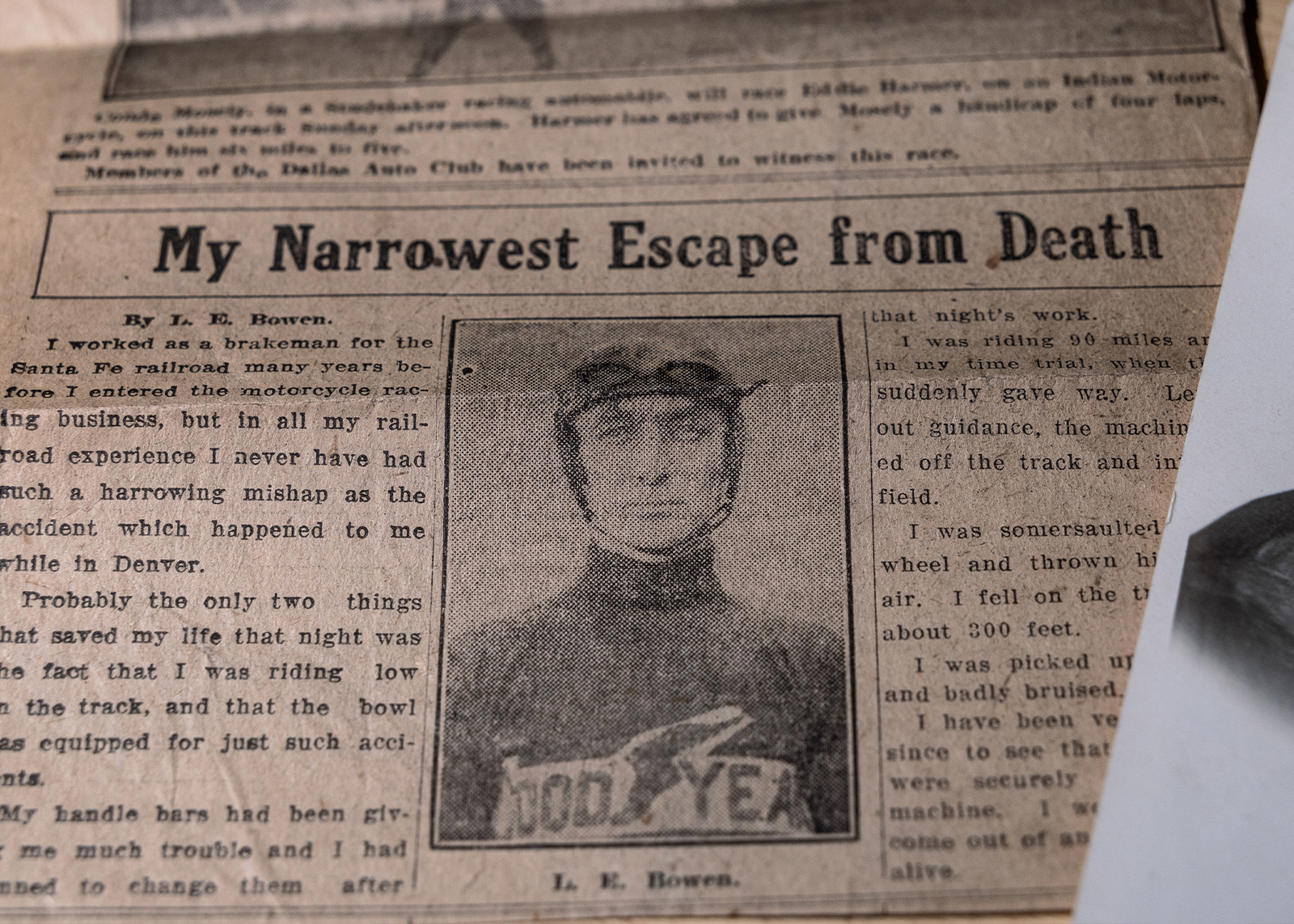
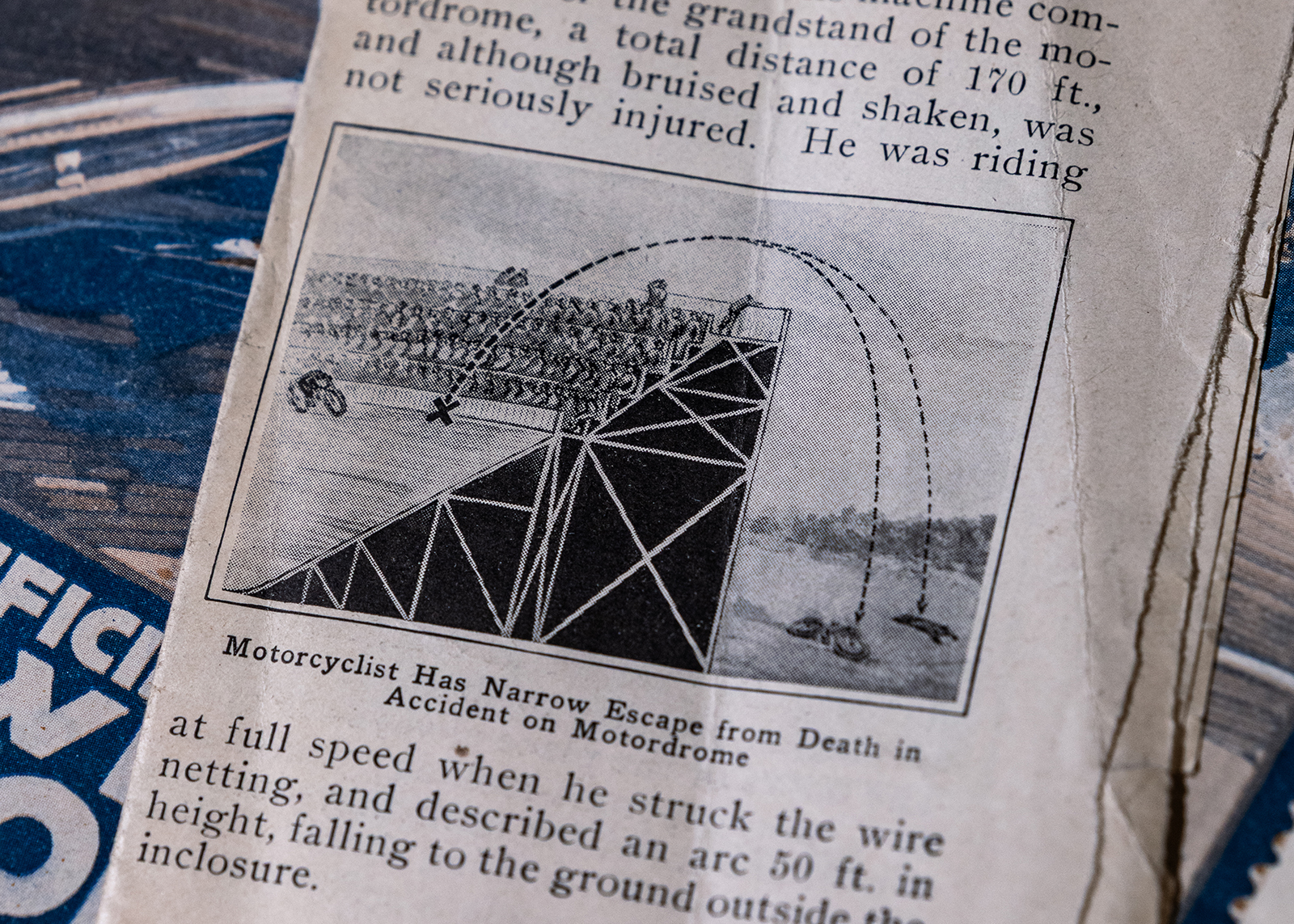
In the annals of motorcycling history, Bowen stands out as a rider who embraced the thrill of speed in the sport’s formative and most dangerous years, alongside some of the biggest names in board track racing (and beyond), from Maldwyn Jones to Glenn “Slivers” Boyd, and H-D racing legend and fellow Denver speedster Red Parkhurst.
His archival collection offers a brief but in-depth and personal look at the “murderdrome” era, giving context to when Harley-Davidson racing, and some of its stars, took root.
Posters, trophies, video, photographs and motorcycles—on and around the track—tell the story of Harley-Davidson’s eventual entry into (and dominance of) motorcycle racing.
EXPERIENCE THE HISTORY OF HARLEY-DAVIDSON
Discover culture and history through stories and exhibits that celebrate expression, camaraderie and love for the sport.
EXPLORE MORE FROM THE ARCHIVES

RAY PRICE AND THE FUNNY BIKE
Discover the remarkable story of Ray Price, the Harley-Davidson drag racing pioneer whose groundbreaking Funny Bike innovations helped shape the future of motorcycle drag racing.
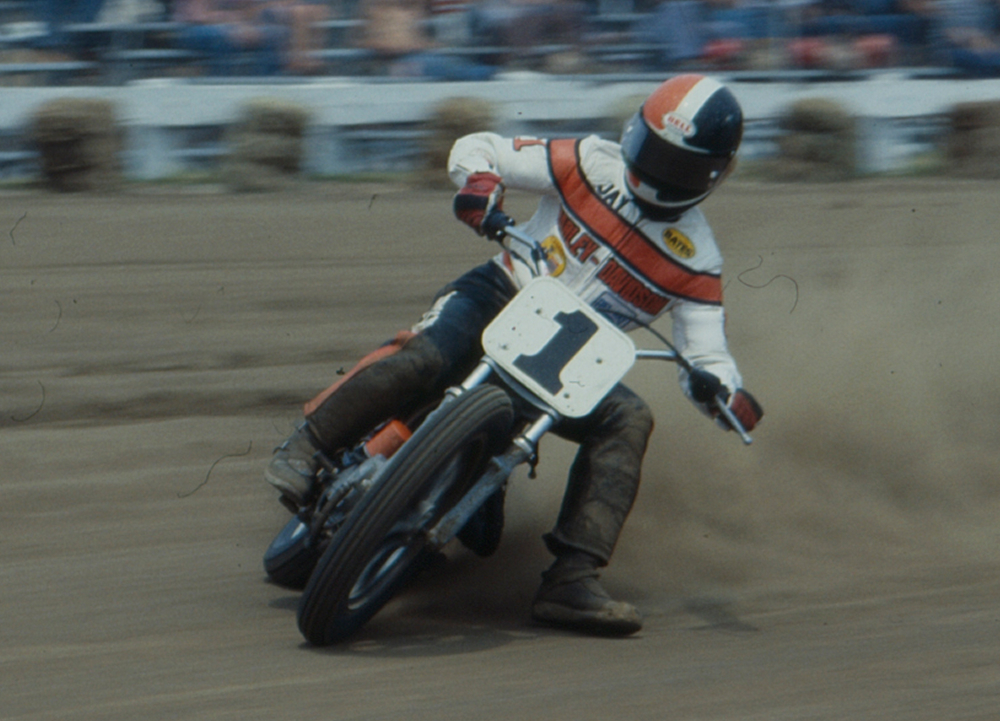
SPRINGSTEEN’S RISE: THE MAKING OF A FLAT TRACK LEGEND
Jay Springsteen overcame early adversity to become one of flat track racing's most successful riders, earning three consecutive Grand National titles and a place among Harley-Davidson legends.
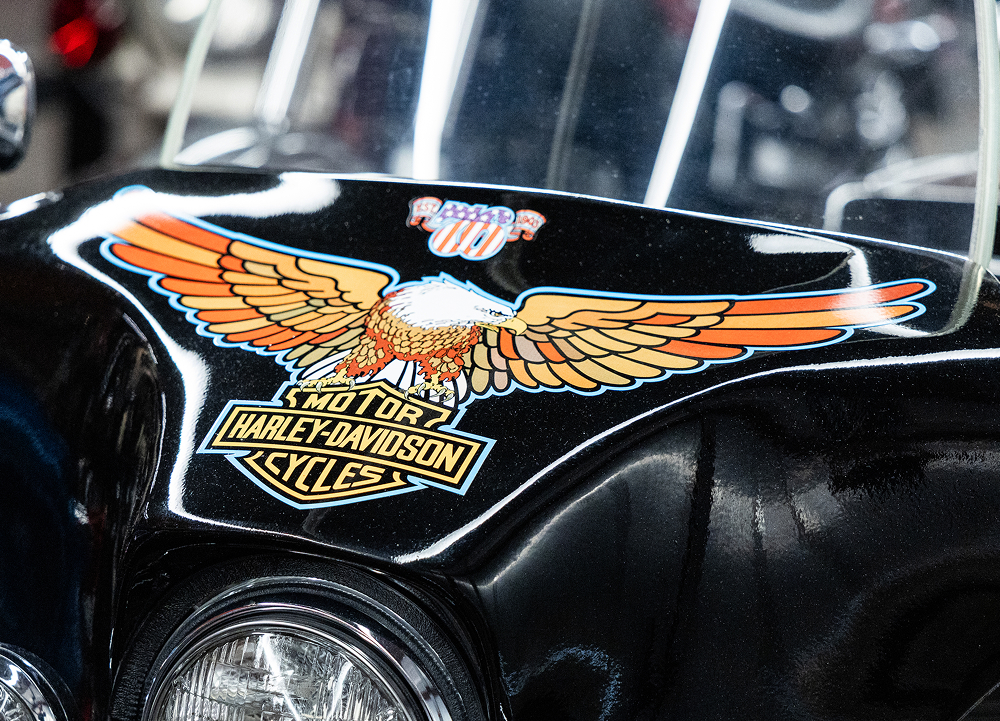
THE EAGLE, THE NUMBER ONE, AND THE RETURN OF THE BAR & SHIELD
How a Bicentennial-era design idea from Willie G. Davidson gave rise to the eagle and modern Bar & Shield that continue to define Harley-Davidson today.
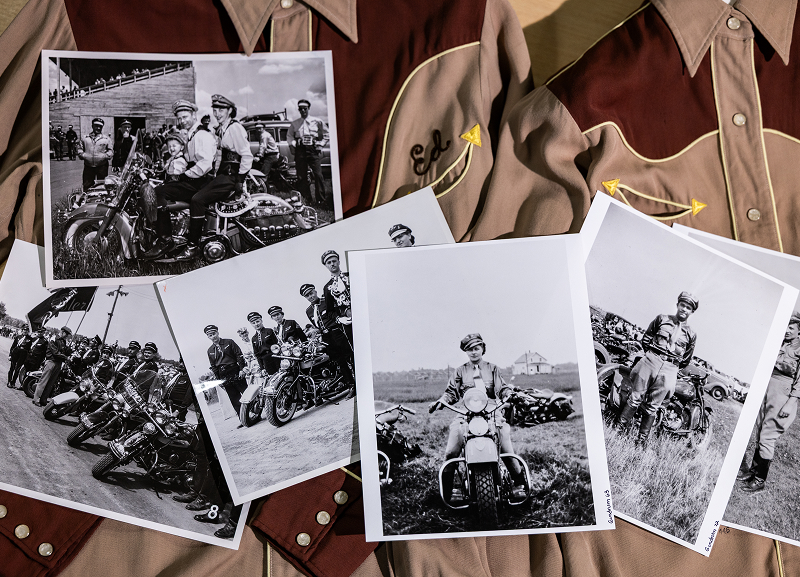
KNIGHTS OF THE HIGHWAY: THE STORY BEHIND MOTORCYCLE CLUB UNIFORMS
From tailored uniforms to patch-covered vests, motorcycle riders have long used what they wear to shape their identity, build community, and challenge public perceptions of the sport.
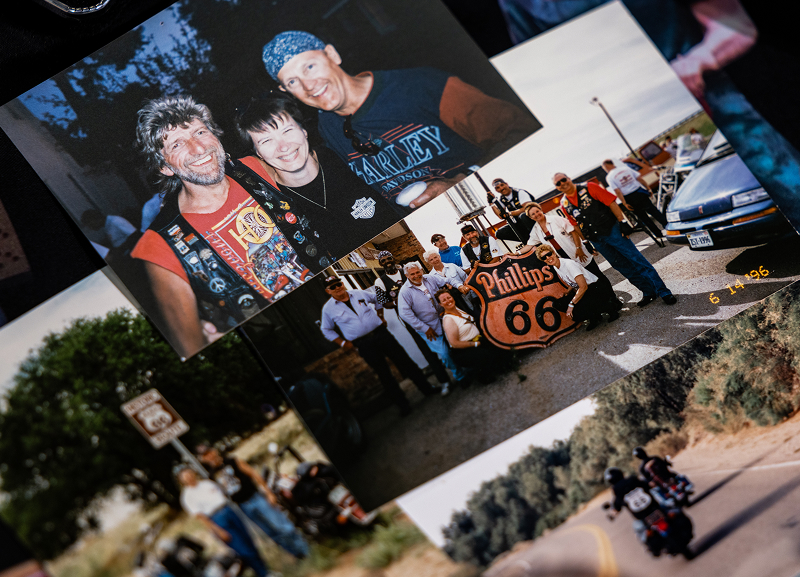
ROUTE 66: A TESTAMENT TO THE SPIRIT OF THE OPEN ROAD
Route 66 has evolved from a simple stretch of pavement into a defining experience for generations of Harley-Davidson riders.
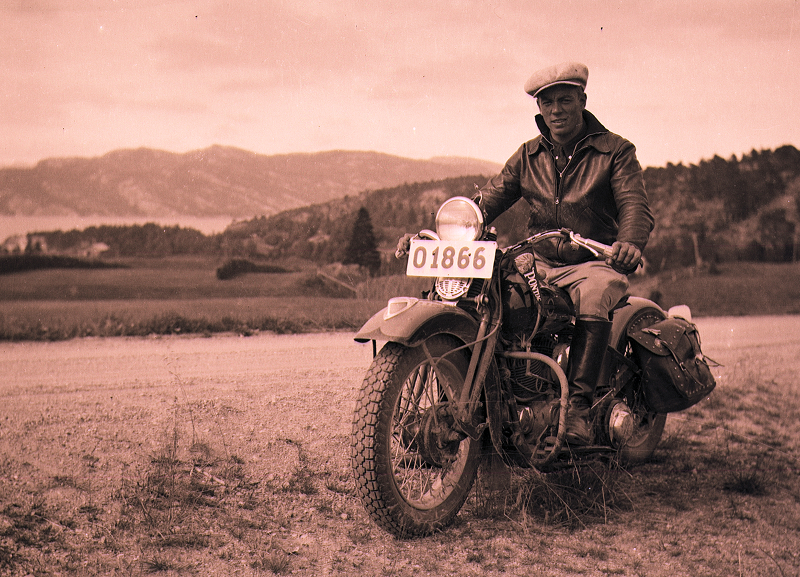
“MOTORCYCLING IS THE LIFE”: THE LEGACY OF GUSTAF STENMARK
Driven by an obsession with motorcycles, Gustaf Stenmark pushed himself through every race and mile with competitive grit, chasing the limits of endurance on two wheels.
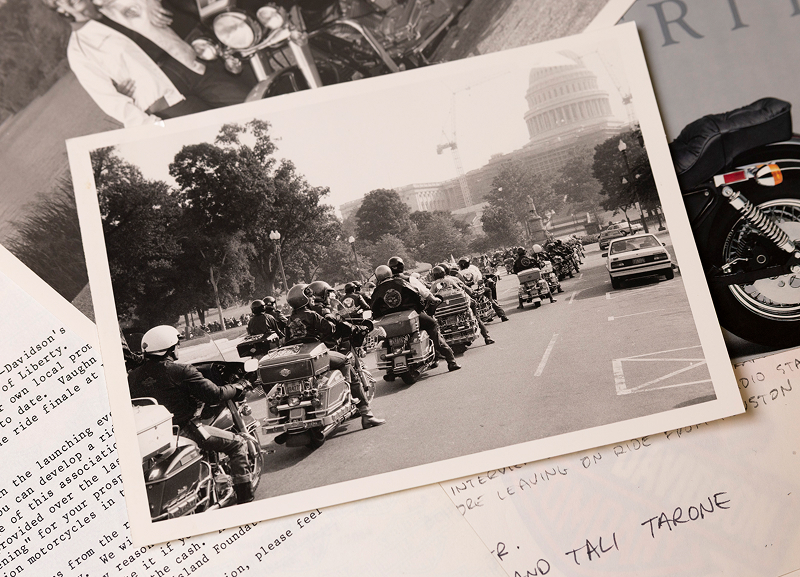
HARLEY-DAVIDSON RIDES FOR LIBERTY
As the Statue of Liberty prepared for her 100th anniversary, Harley‑Davidson riders united coast to coast to celebrate freedom and help restore an American icon.
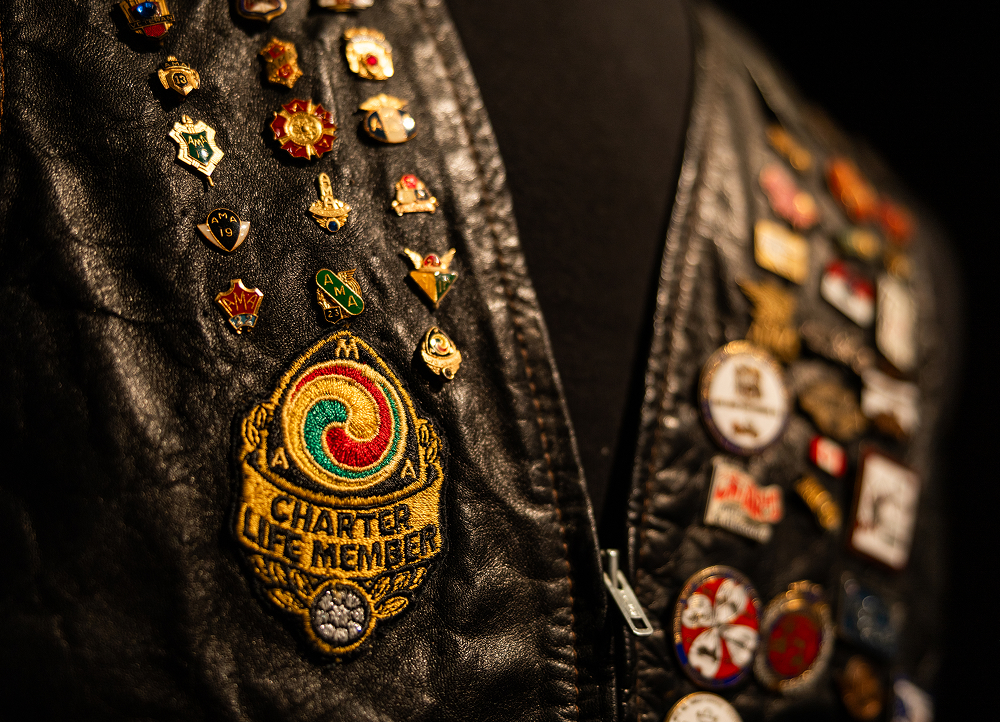
FROM WAISTCOAT TO CUT: THE EVOLUTION OF THE MOTORCYCLE VEST
The vest may have started out as a practical piece of clothing worn by aristocrats and soldiers, but today, it's one of the most iconic symbols of motorcycle culture.
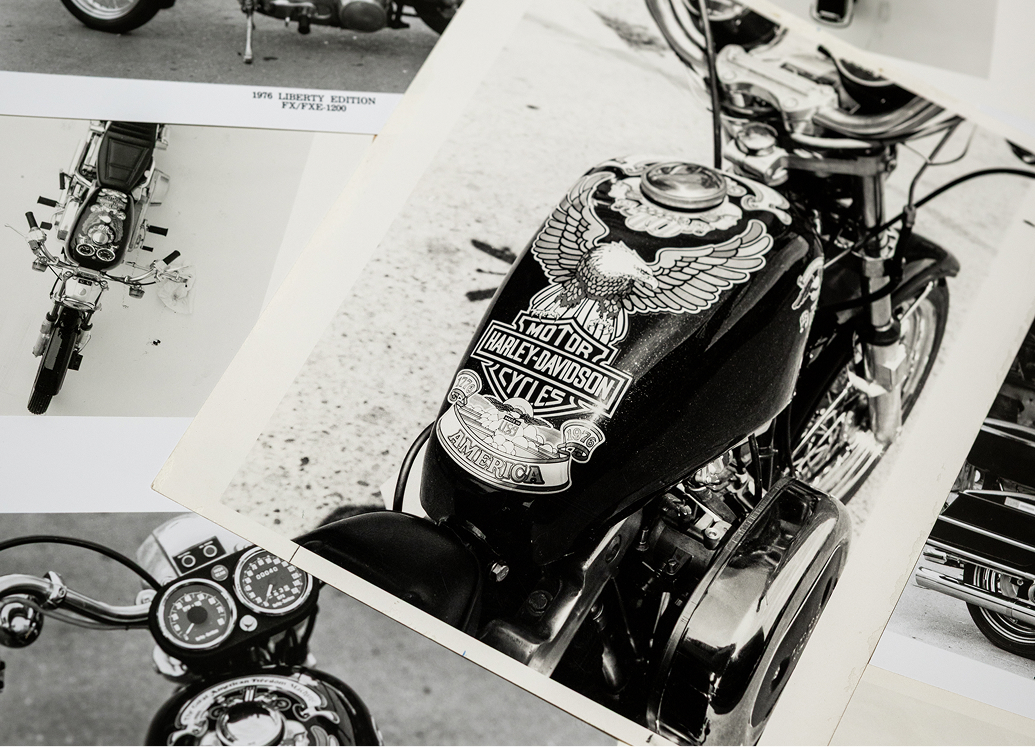
THE '76 BICENTENNIAL EDITION: THE BIRTH OF AN ICON
The 1976 Liberty Edition fused American patriotism with Harley‑Davidson craftsmanship, creating a landmark design that still resonates as a symbol of freedom and identity.
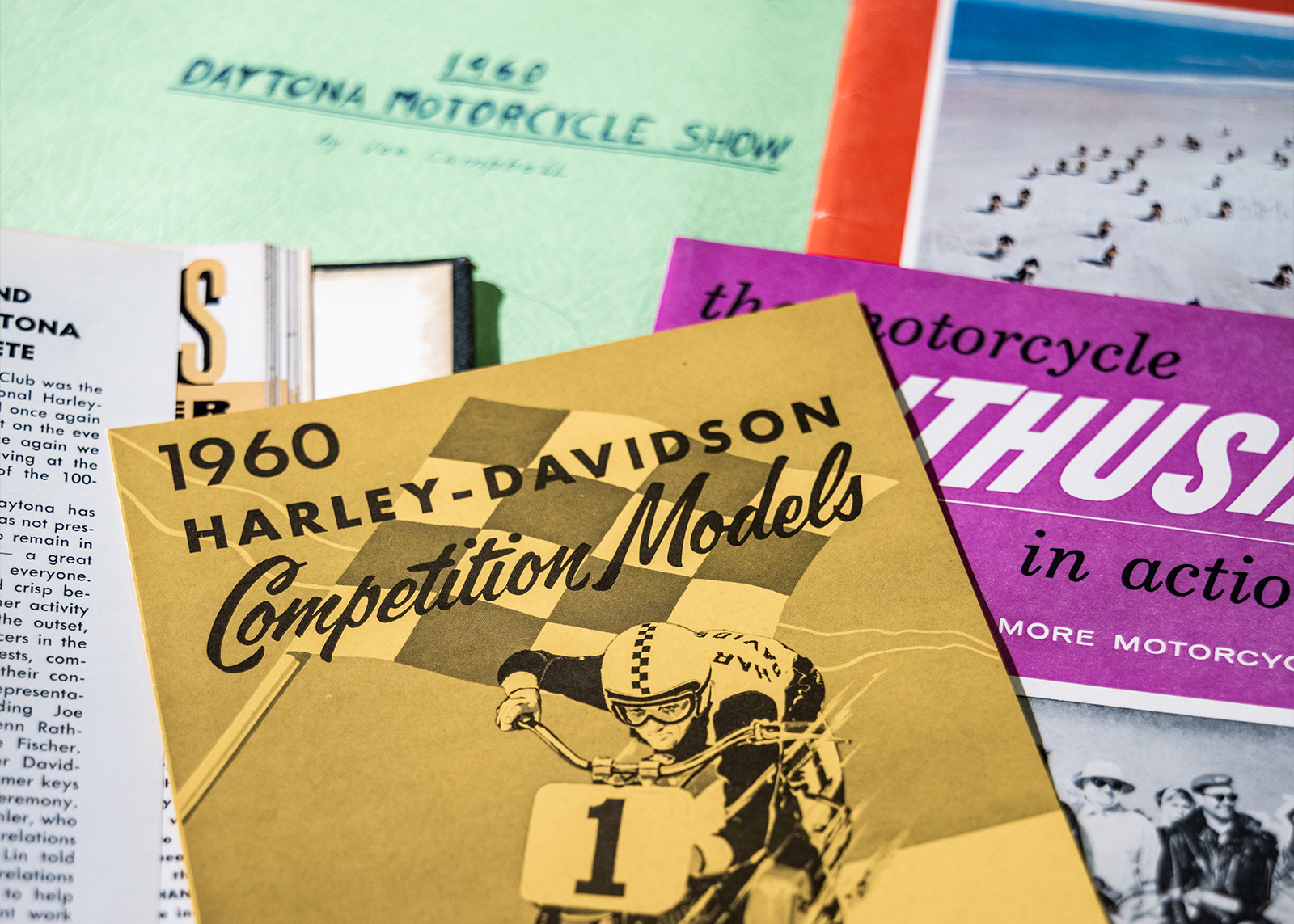
FLASHBACK: STEP INSIDE THE DAYTONA 1960 MOTORCYCLE SHOW
Daytona Bike Week celebrates its 85th year, offering the perfect moment to look back at the rally’s iconic 1960 roots.
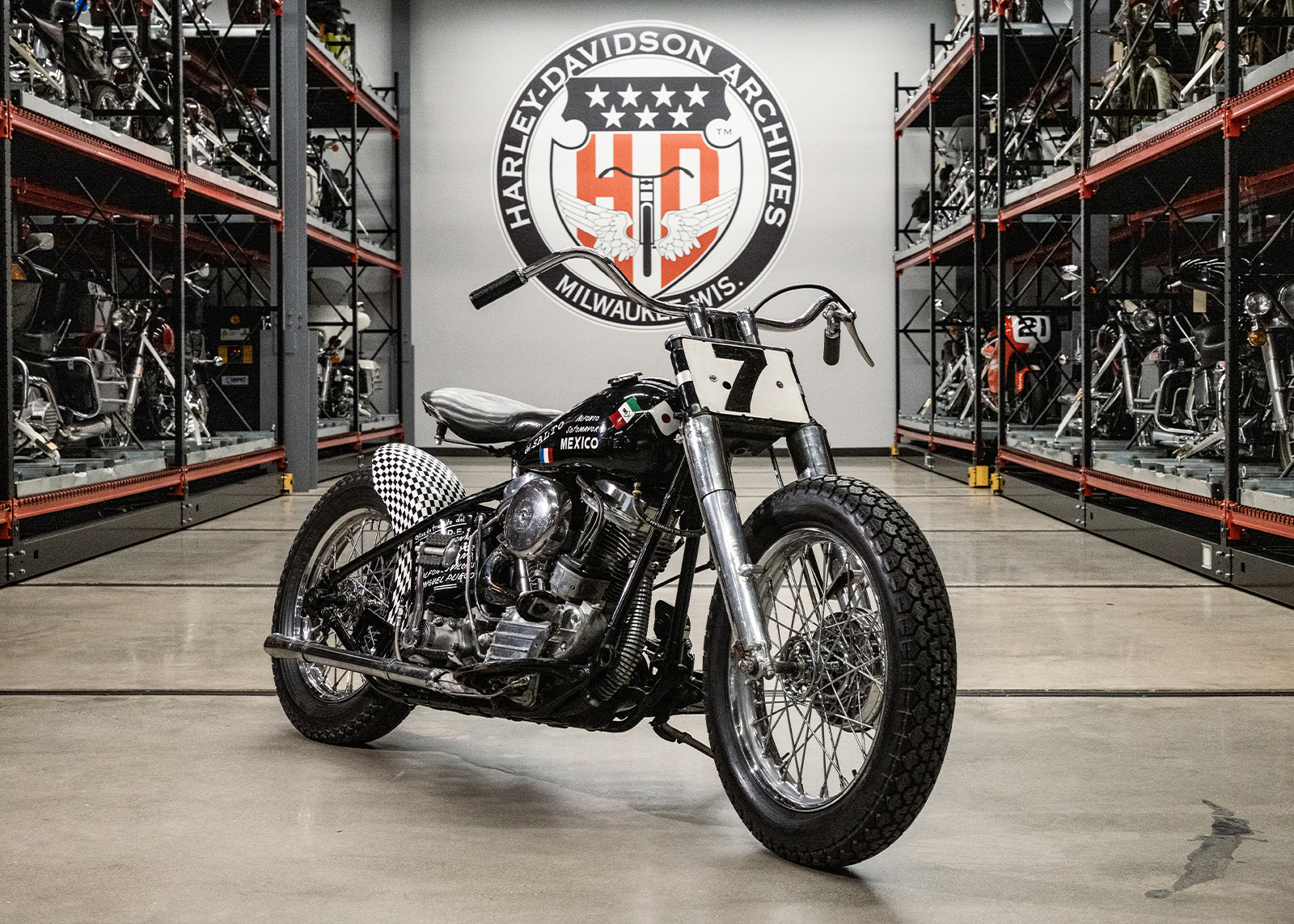
ALFONSO SOTOMAYOR AND MEXICAN STUNT RIDING
Harley-Davidson’s century-long history in Mexico is filled with pioneering riders and legendary stunt performers like Alfonso Sotomayor.
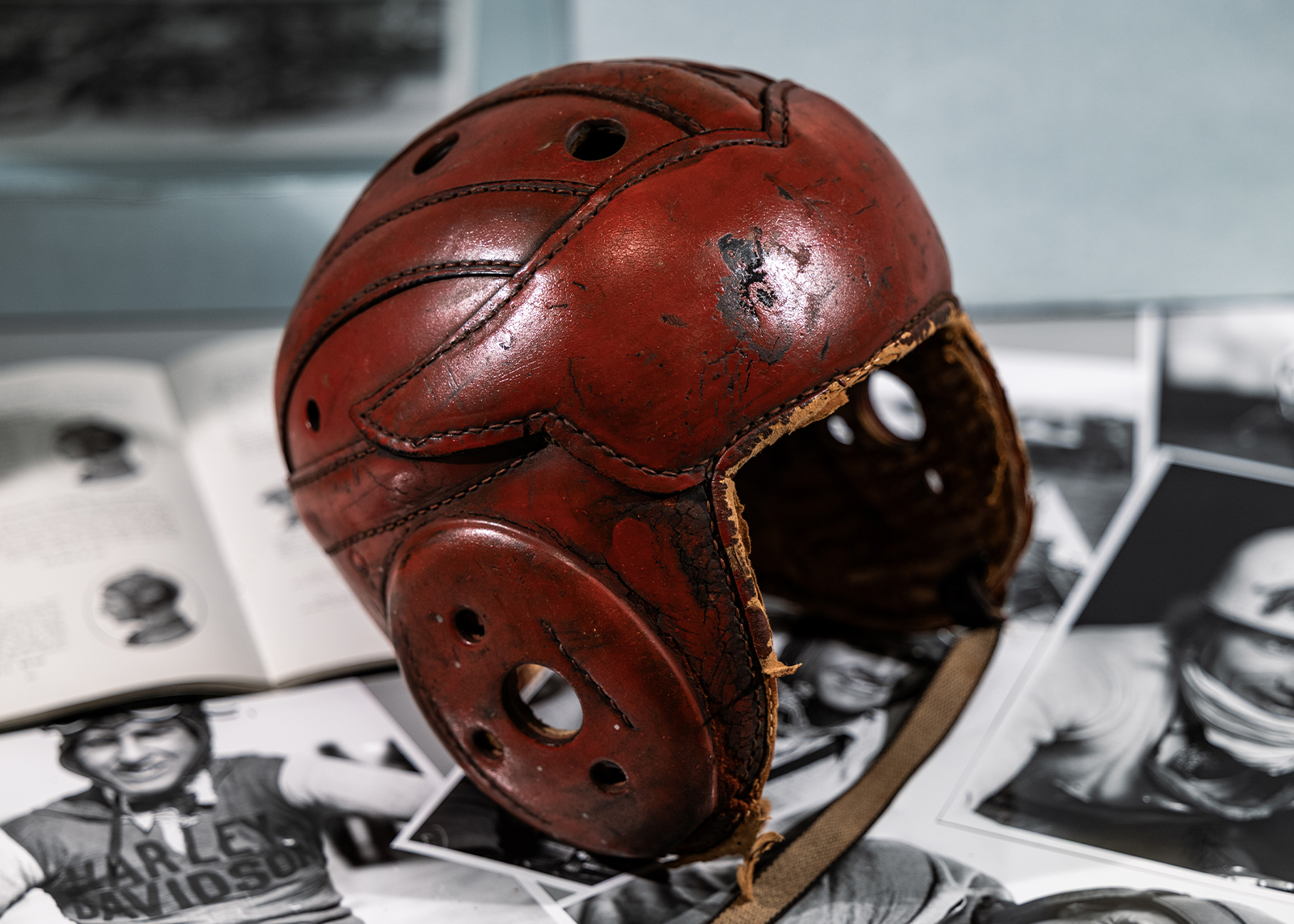
HELMETS THROUGH HISTORY
From humble leather caps to modern safety gear, the evolution of motorcycle helmets balances protection, performance, and pure self-expression.
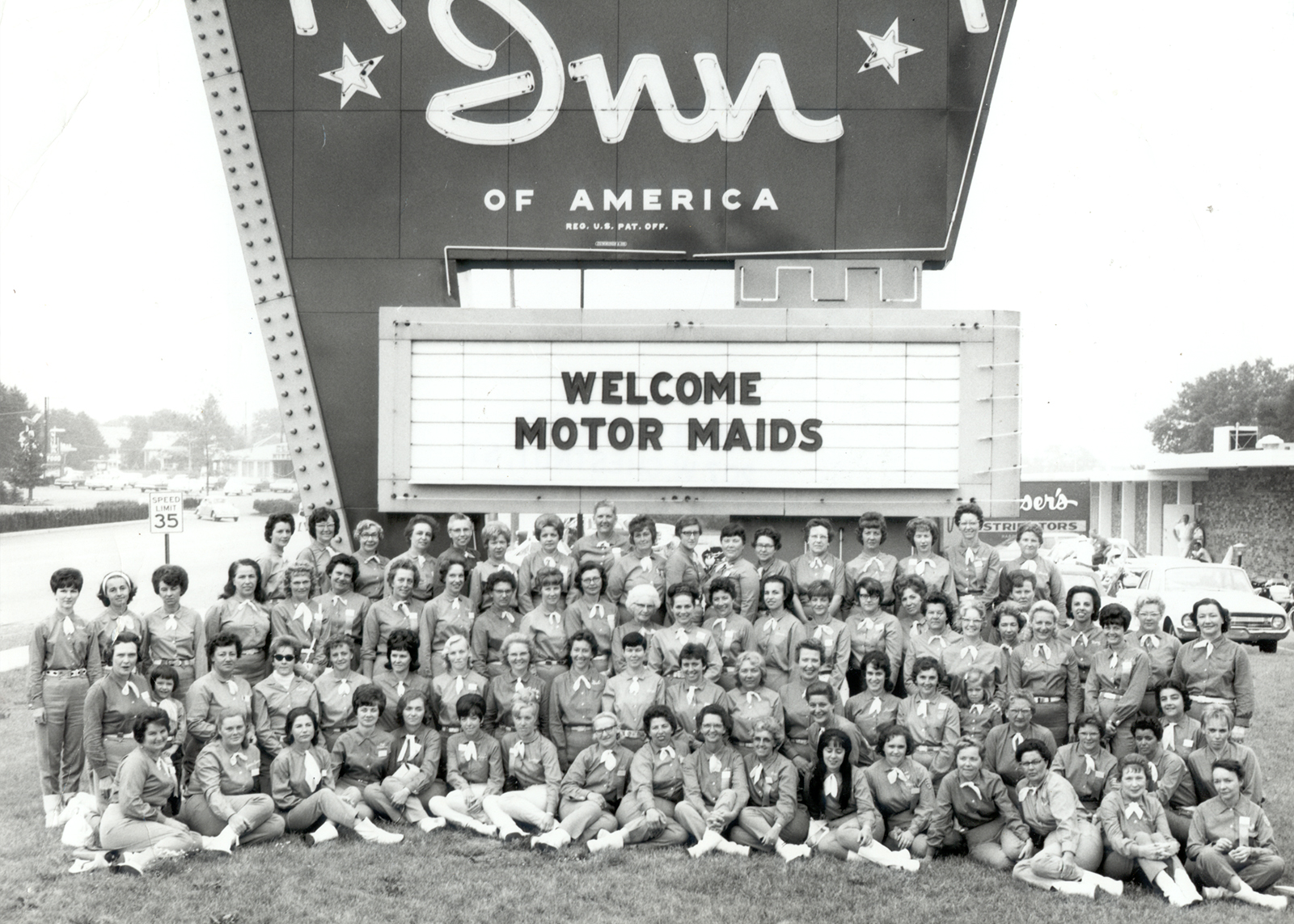
RIDING FORWARD: 85 YEARS OF THE MOTOR MAIDS
Founded in 1940 by pioneers Dorothy “Dot” Robinson and Linda Dugeau, the Motor Maids became the first women’s national motorcycle club.
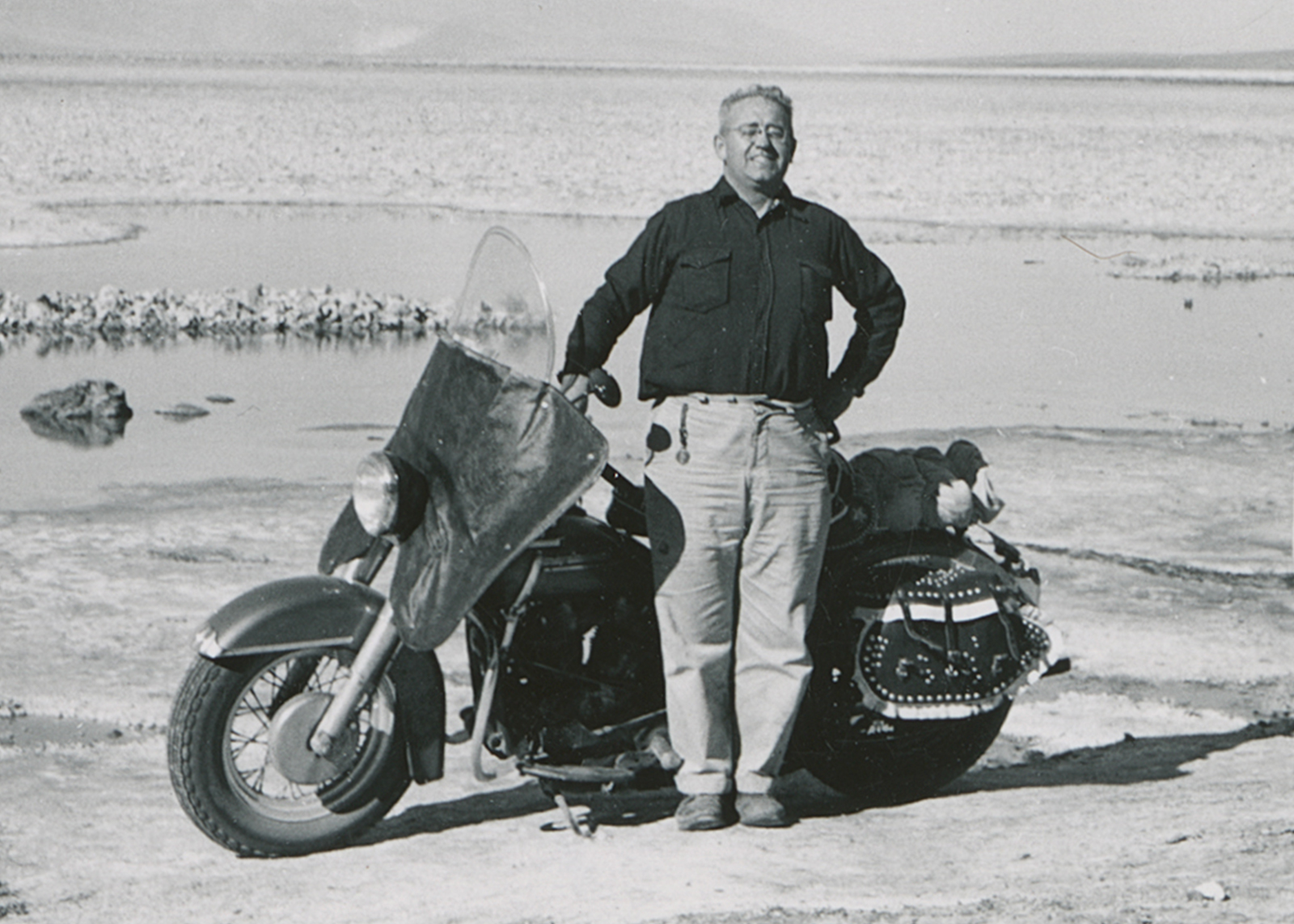
RIDING THROUGH HISTORY: ELDRED R. HARRINGTON’S HARLEY-DAVIDSON ADVENTURES
Eldred R. Harrington, a prolific Enthusiast writer from 1944–1965, was revisited by Harley-Davidson archives during the Hydra-Glide’s 75th anniversary.
EARLY RIDING WEAR
In the earliest images in the Harley-Davidson archives, riders’ clothing always stands out.
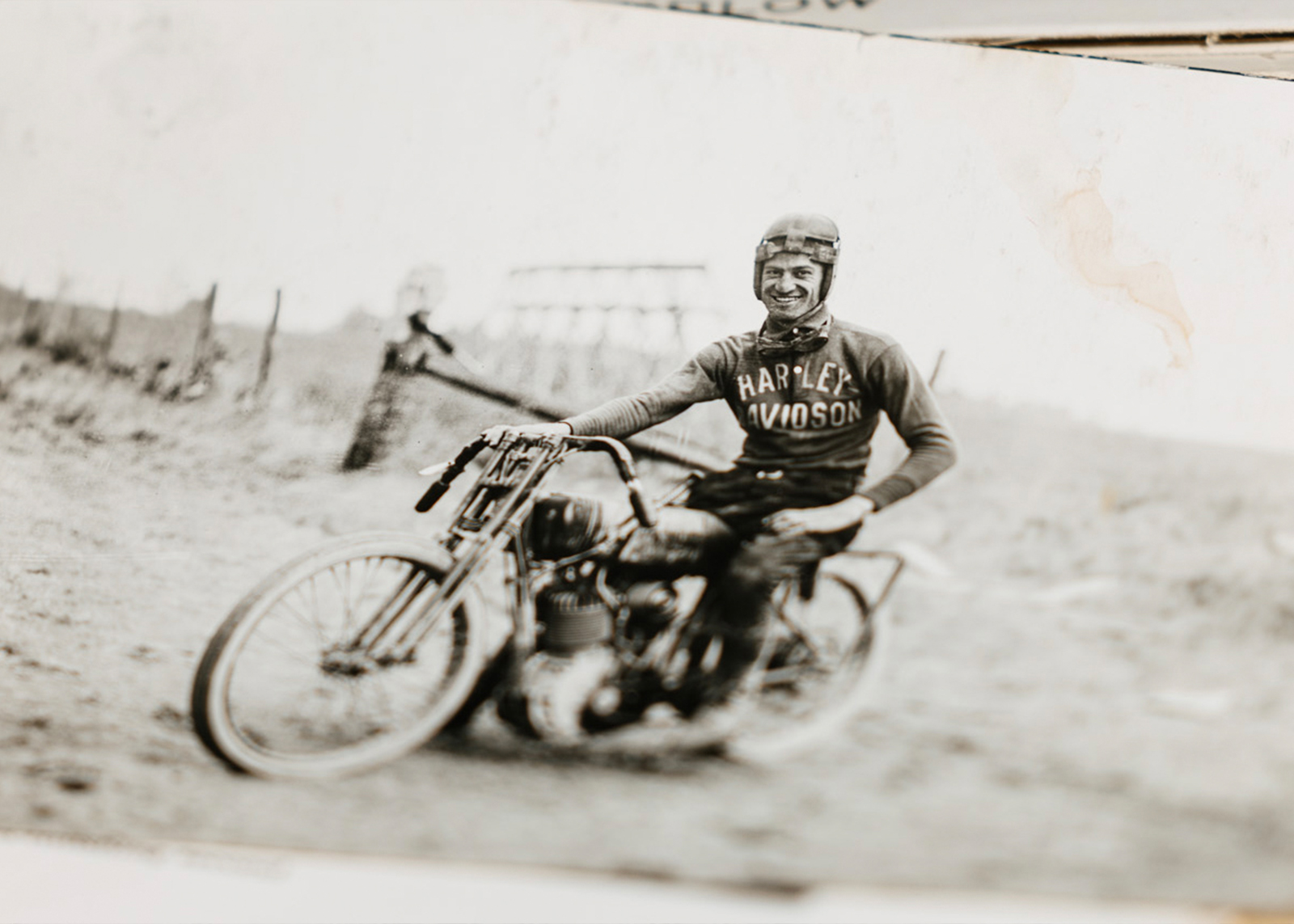
LESLIE “RED” PARKHURST
Parkhurst was a good-natured athlete whose enthusiasm made him a real crowd-pleaser, both on and off the track.
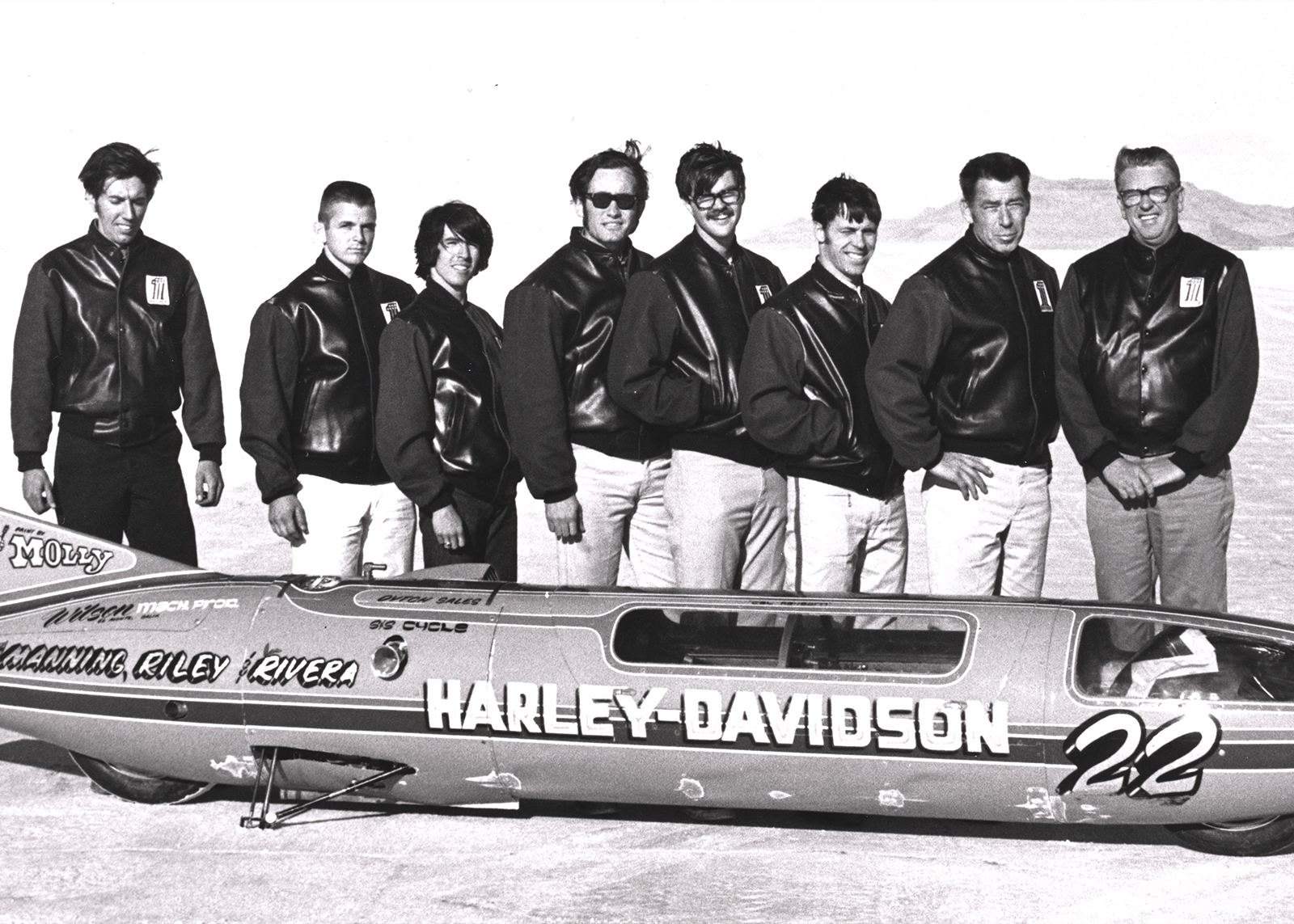
THE WORLD'S FASTEST HARLEY-DAVIDSON
Built for Speed. Born for Glory. The Return of a Legend.