HARLEY-DAVIDSON HISTORY: THE SPRINT STORY
Written by The Harley-Davidson Museum
Photos by Josh Kurpius Archival photos courtesy of H-D Museum
It’s the late 1950s, and the wave of prosperity was going strong in postwar America. The economy was roaring, suburbs were expanding, and the nation's first Baby Boomers were now young adults with freedom and adventure in their minds. For this new generation of aspiring riders, lightweight and middleweight motorcycles offered an affordable gateway to the open road, creating a rapidly growing market that Harley-Davidson recognized as a gap in its current motorcycle lineup.
The company offered small-displacement lightweight models on one end and Sportster and Big Twin motorcycles on the other, but little for riders seeking an affordable “middle” weight machine. European and emerging Japanese manufacturers were gaining strength in the American market, and Harley-Davidson dealers were increasingly requesting a motorcycle that could compete in this segment.
Harley-Davidson spent several years attempting to develop its own in-between motorcycle through projects ranging from proposed singles and twins to experimental prototypes. These efforts were ultimately abandoned because projected tooling costs, weight targets, retail pricing, and development timelines made it difficult to compete successfully with imported motorcycles. Following extensive research into foreign manufacturers and a fact-finding tour of Europe, Harley-Davidson established a 50-percent partnership with the Italian firm Aermacchi. Management viewed the arrangement as more than an import program; it was a strategic effort to provide dealers with a competitive middleweight motorcycle while supporting the company’s long-term international growth plans.

The first result of that partnership was the 1961 Model C Sprint. It was powered by a horizontally mounted 250cc four-stroke single-cylinder engine and paired with a four-speed transmission. It featured distinctive styling, including a large 4-gallon fuel tank finished in Calypso Red and White. The Sprint was also known for several design features that were unconventional to Harley-Davidsons of the day. Its single-strut frame eliminated the front down-tubes, the kickstand was mounted on the right side, and the kickstarter was located on the left. The shift lever was positioned on the right side of the transmission, like the Sportsters of the day, but configured in a GP or reverse shift pattern (1Up, 3 Down). Despite these quirks, the Sprint earned a reputation for responsive handling, approachable performance, and excellent balance due to its low center of gravity.


THE SPRINT EARNED A REPUTATION FOR RESPONSIVE HANDLING, APPROACHABLE PERFORMANCE, AND EXCELLENT BALANCE DUE TO ITS LOW CENTER OF GRAVITY.
In 1962, Harley-Davidson expanded its middleweight lineup by launching the model H, a dual-purpose companion to the Sprint C. With a smaller 2.6-gallon teardrop fuel tank, high-mounted exhaust, and three-horsepower advantage, the H projected a more spirited personality while retaining the Sprint's everyday practicality. Yet despite its performance-oriented image, the Sprint C remained the cornerstone, consistently leading production and serving as the foundation of Harley-Davidson's middleweight motorcycle program throughout the 1960s.


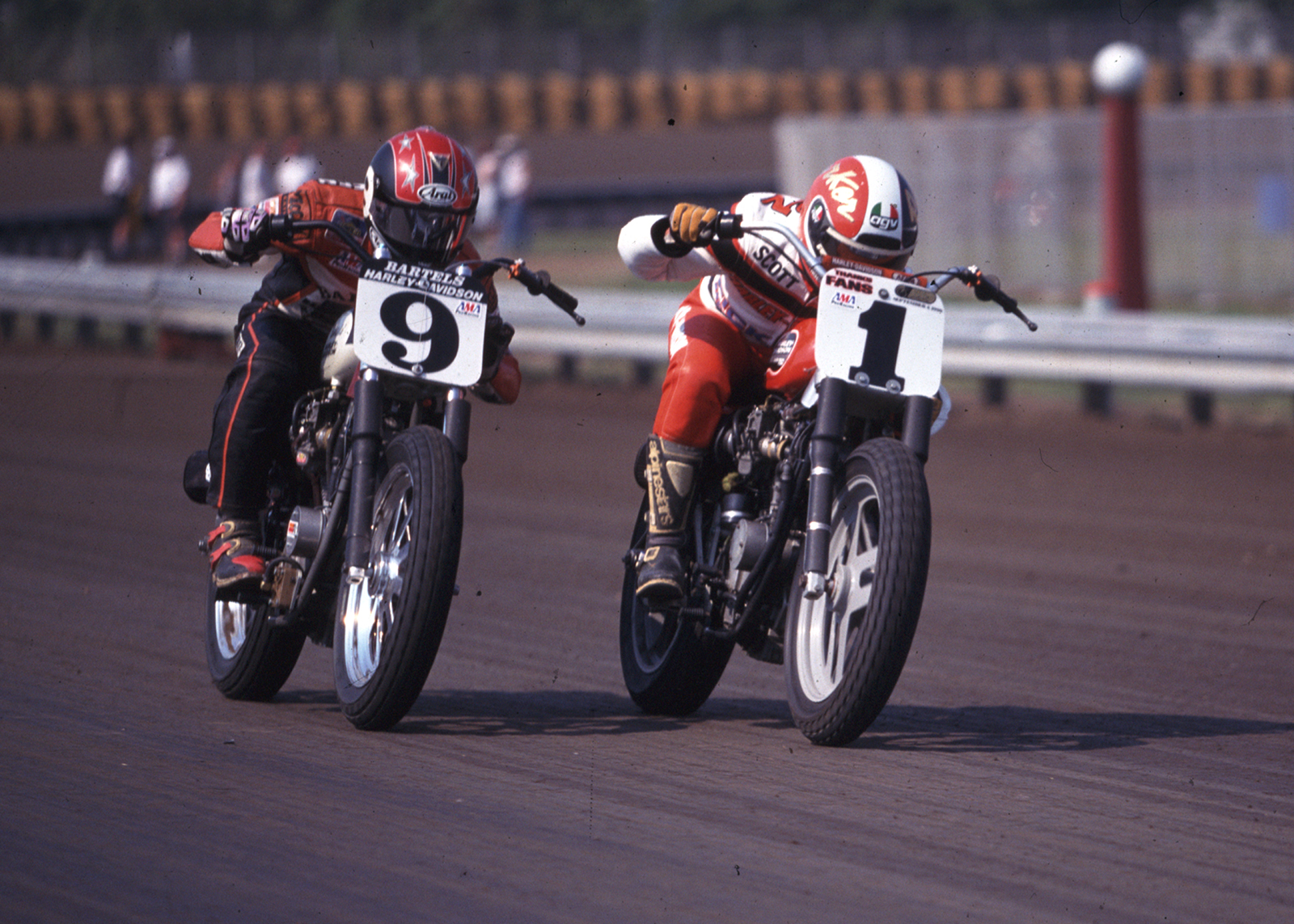
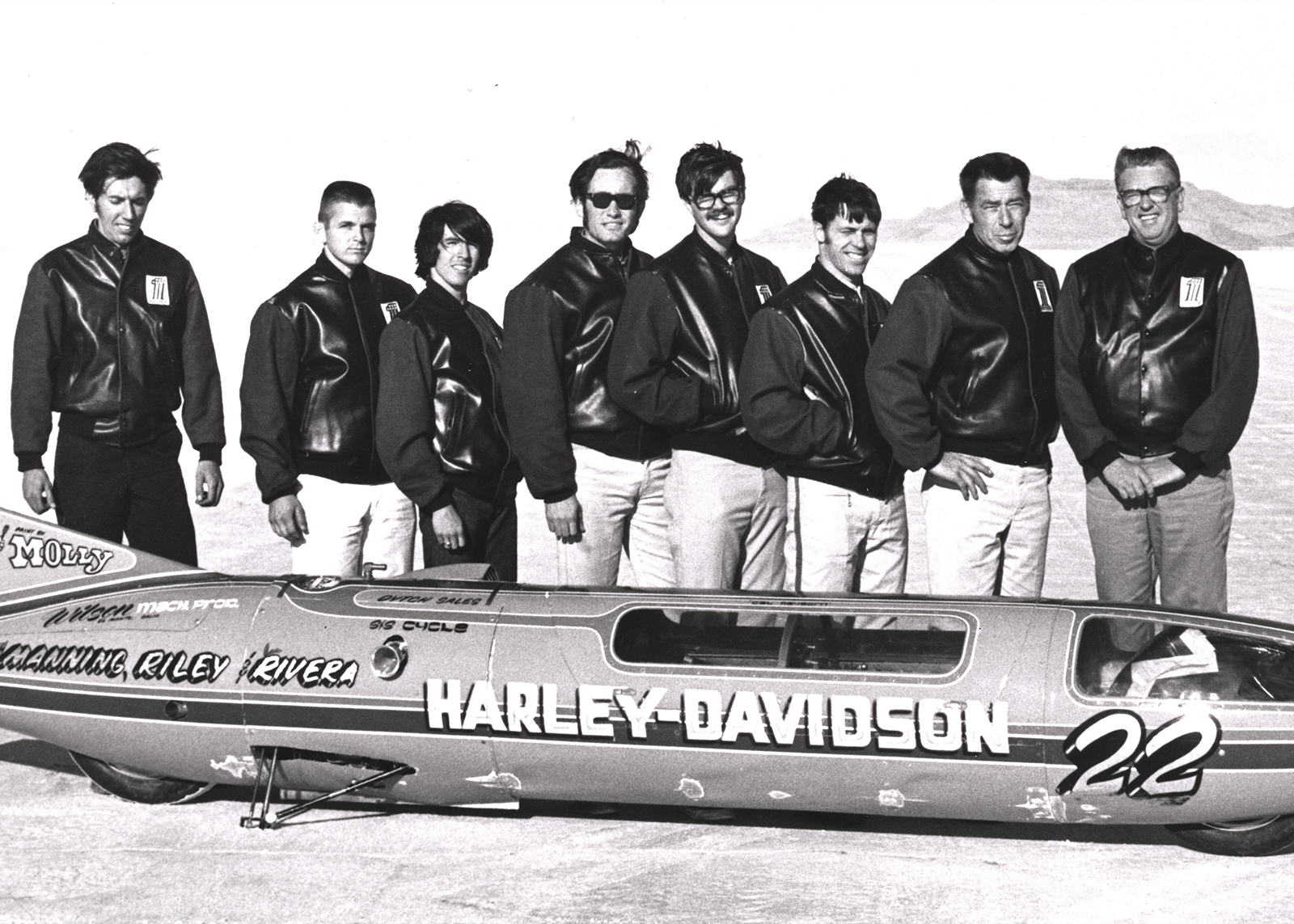
In 1964, competition helped establish the Sprint’s credibility when Harley-Davidson introduced the higher-performance Sprint CR for dirt-track and road-racing competition. That same year a CR-powered streamliner set a 156 mph land-speed record at Bonneville, a mark that was raised to 177 mph in 1965. Building on the CR's success, Harley-Davidson expanded its competition lineup with the scrambler-oriented Sprint CRS and later the Sprint ERS, reinforcing the platform’s growing reputation in racing and performance.


THE SPRING BROUGHT THOUSANDS OF NEW RIDERS INTO MOTORCYCLING AND BECAME BOTH A BUSINESS SOLUTION AND A SYMBOL OF INNOVATION.
Enthusiasm for motorcycling continued to grow in the second half of the 1960s for the next generation of riders, and Harley-Davidson embraced it with the introduction of the Sprint SS in 1967. A designation many gearheads recognized from earlier in the decade, as "SS" had become synonymous with performance in the American muscle car era. Applying that same enhanced formula to the Sprint lineup, the SS transformed the company's middleweight offering into a toned machine, appealing to a new generation of riders drawn to speed and agility. The strategy proved successful. Production quickly shifted toward the SS, and Harley-Davidson reinforced its commitment to the performance market in 1969 with the introduction of the larger-displacement 350 SS.
As the 1960s gave way to the 1970s, Harley-Davidson continued to adapt to changing rider tastes with the introduction of the Sprint SX in 1971. Borrowing its mechanical foundation from the 350 SS, the SX was tailored to fit into the enduro riding craze, featuring knobby tires, high-mounted fenders, scrambler-style handlebars, and an upswept exhaust. By leveraging an existing platform, Harley-Davidson was able to capitalize on the rapidly growing off-road market without the expense of developing an entirely new motorcycle, extending the Sprint family's appeal to riders who wanted adventure beyond the pavement.


A major redesign in 1973 brought a double-downtube frame, electric start, and turn signals to the platform. While the updates modernized the Sprint, they also added 60 pounds of weight at a time when competing manufacturers were rapidly redefining expectations for performance and value. The following year marked the end of an era as Harley-Davidson retired the Sprint and its horizontal 350cc engine, closing the chapter on a motorcycle that had introduced a generation of riders to the brand. Although the company continued to offer the SS and SX on smaller displacement two-stroke models for another few years, Harley-Davidson decided to exit the lightweight market in 1978 and concentrate on its growing Sportster and Big Twin platforms. In a fitting final chapter, the Sprint left behind a design legacy that lived on in the FXE Super Glide’s teardrop fuel tank for another decade: an elongated version first seen on the 1962 Model H.
The Sprint’s significance extends far beyond its years in production. It brought thousands of new riders into motorcycling and demonstrated Harley-Davidson's willingness to adapt in a rapidly changing market. Born from dealer feedback and growing competitive pressure, the Sprint became both a business solution and a symbol of innovation. For Harley-Davidson, the Sprint was not merely filling a gap in the company’s lineup, it was building a bridge to the future.
EXPERIENCE THE HISTORY OF HARLEY-DAVIDSON
Discover culture and history through stories and exhibits that celebrate expression, camaraderie and love for the sport.
EXPLORE MORE FROM THE ARCHIVES

RAY PRICE AND THE FUNNY BIKE
Discover the remarkable story of Ray Price, the Harley-Davidson drag racing pioneer whose groundbreaking Funny Bike innovations helped shape the future of motorcycle drag racing.
SPRINGSTEEN’S RISE: THE MAKING OF A FLAT TRACK LEGEND
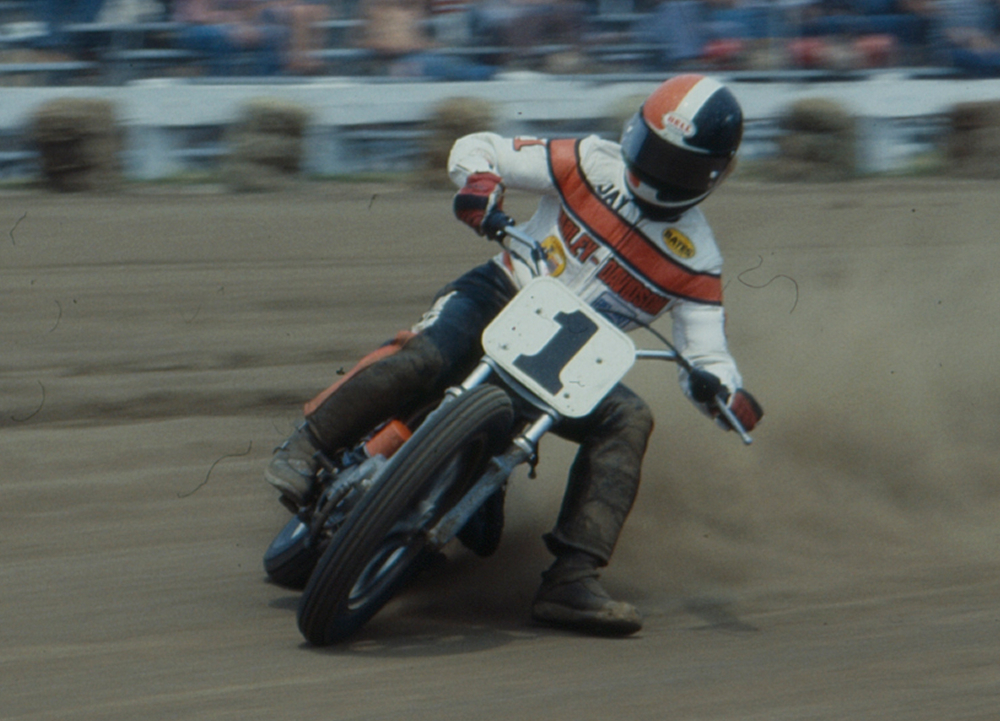
Jay Springsteen overcame early adversity to become one of flat track racing's most successful riders, earning three consecutive Grand National titles and a place among Harley-Davidson legends.
THE EAGLE, THE NUMBER ONE, AND THE RETURN OF THE BAR & SHIELD
How a Bicentennial-era design idea from Willie G. Davidson gave rise to the eagle and modern Bar & Shield that continue to define Harley-Davidson today.
KNIGHTS OF THE HIGHWAY: THE STORY BEHIND MOTORCYCLE CLUB UNIFORMS
From tailored uniforms to patch-covered vests, motorcycle riders have long used what they wear to shape their identity, build community, and challenge public perceptions of the sport.
ROUTE 66: A TESTAMENT TO THE SPIRIT OF THE OPEN ROAD
Route 66 has evolved from a simple stretch of pavement into a defining experience for generations of Harley-Davidson riders.
“MOTORCYCLING IS THE LIFE”: THE LEGACY OF GUSTAF STENMARK
Driven by an obsession with motorcycles, Gustaf Stenmark pushed himself through every race and mile with competitive grit, chasing the limits of endurance on two wheels.
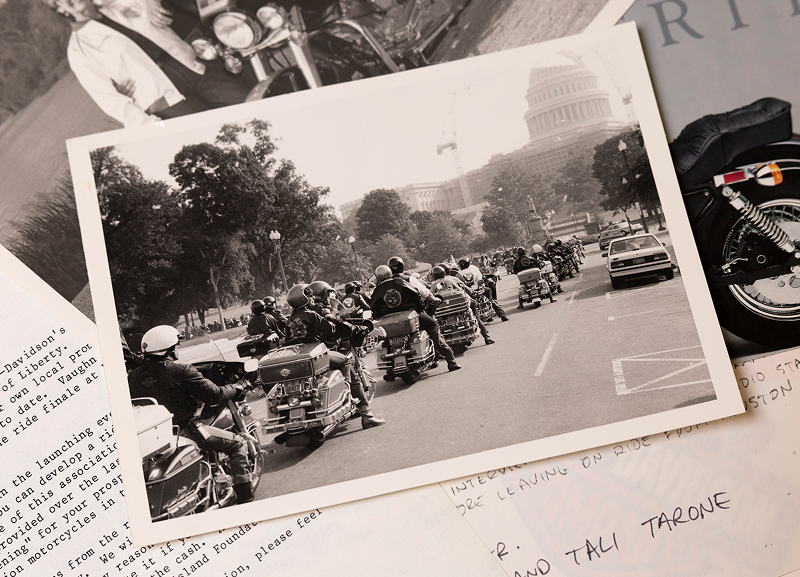
HARLEY-DAVIDSON RIDES FOR LIBERTY
As the Statue of Liberty prepared for her 100th anniversary, Harley‑Davidson riders united coast to coast to celebrate freedom and help restore an American icon.
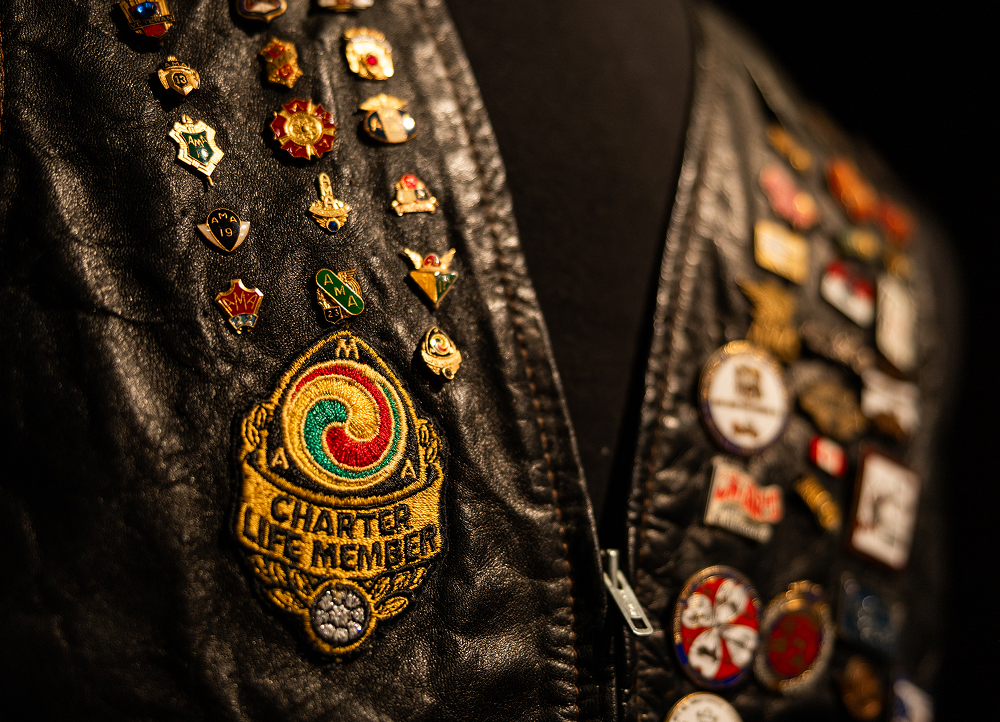
FROM WAISTCOAT TO CUT: THE EVOLUTION OF THE MOTORCYCLE VEST
The vest may have started out as a practical piece of clothing worn by aristocrats and soldiers, but today, it's one of the most iconic symbols of motorcycle culture.
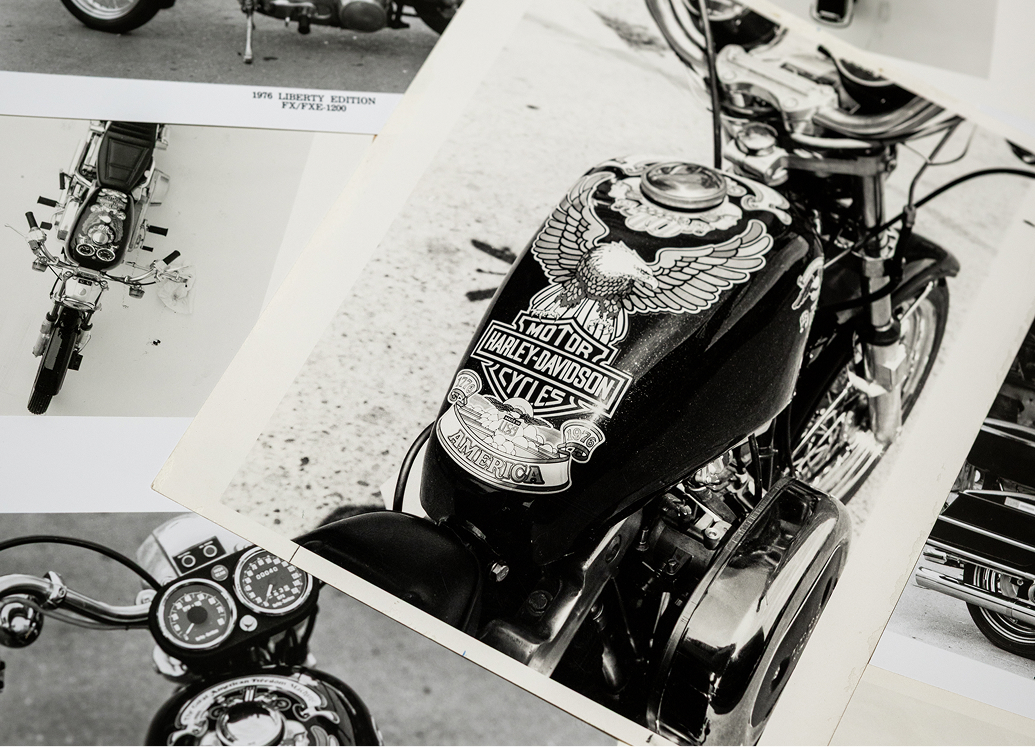
THE '76 BICENTENNIAL EDITION: THE BIRTH OF AN ICON
The 1976 Liberty Edition fused American patriotism with Harley‑Davidson craftsmanship, creating a landmark design that still resonates as a symbol of freedom and identity.
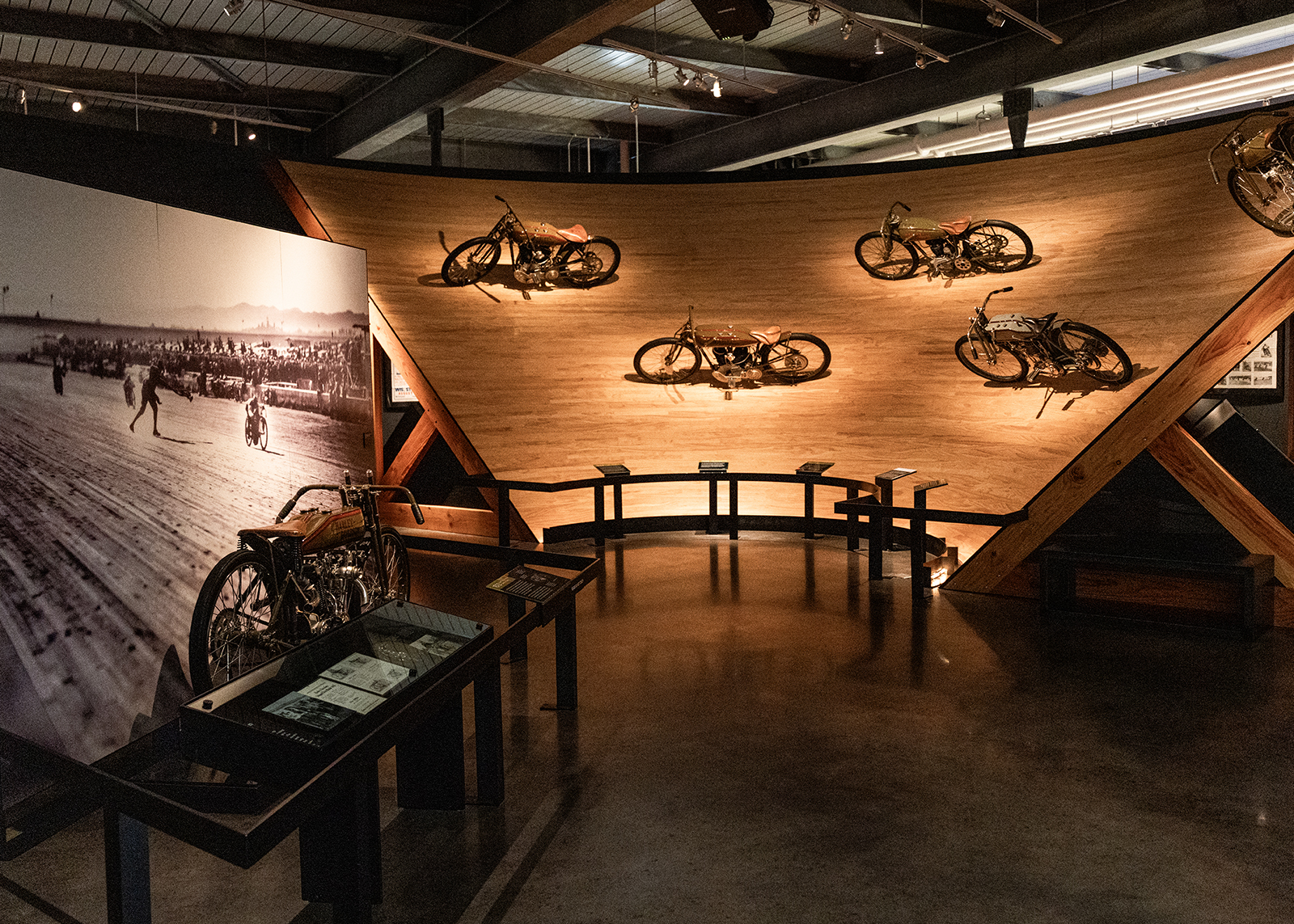
LIFE ON THE MURDERDROME: H-D AND THE SPORT THAT TERRIFIED EVERYONE
Long before racing glory, Harley-Davidson’s uneasy entry into board track competition was lived on the edge by riders like L.E. Bowen.
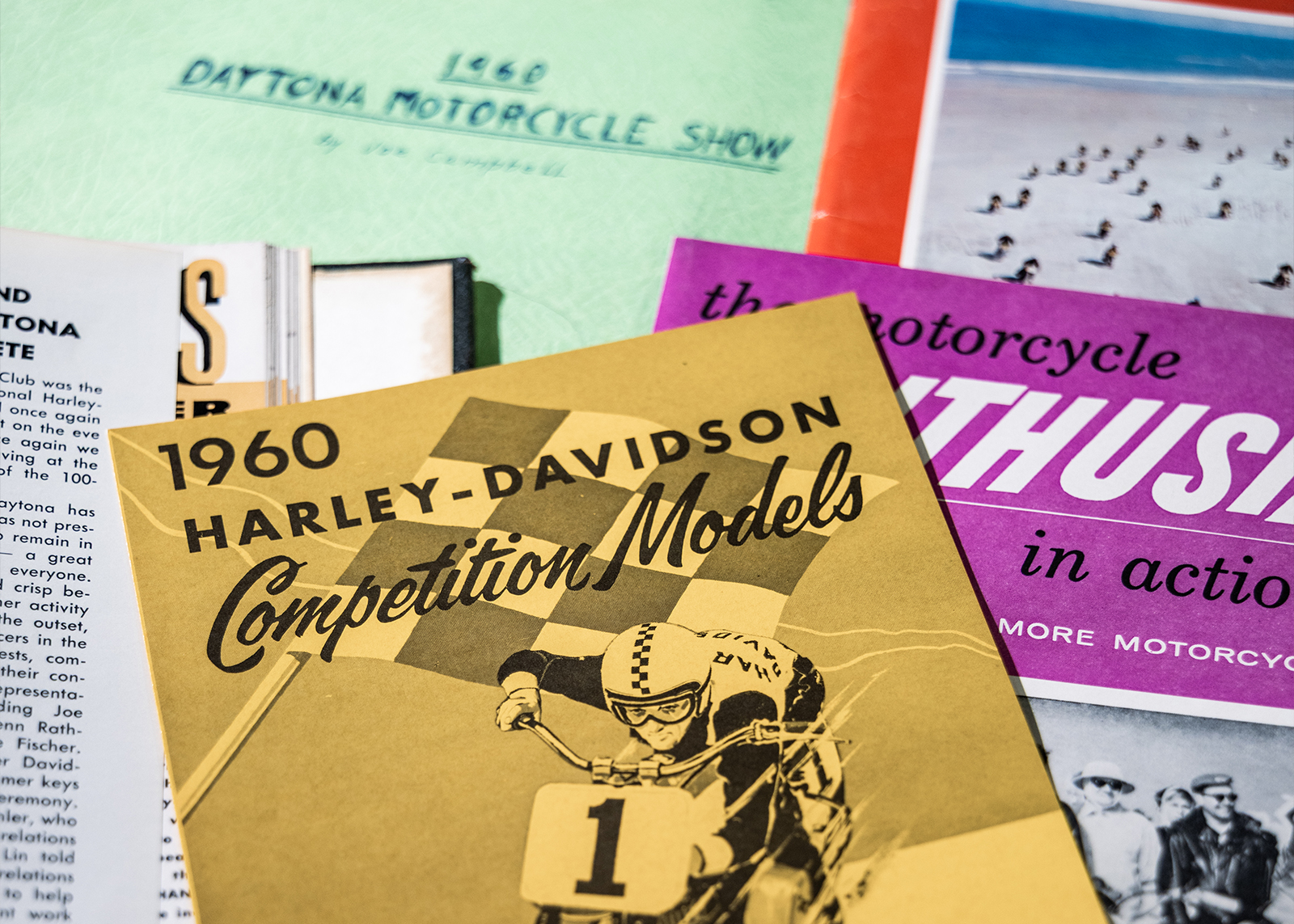
FLASHBACK: STEP INSIDE THE DAYTONA 1960 MOTORCYCLE SHOW
Daytona Bike Week celebrates its 85th year, offering the perfect moment to look back at the rally’s iconic 1960 roots.
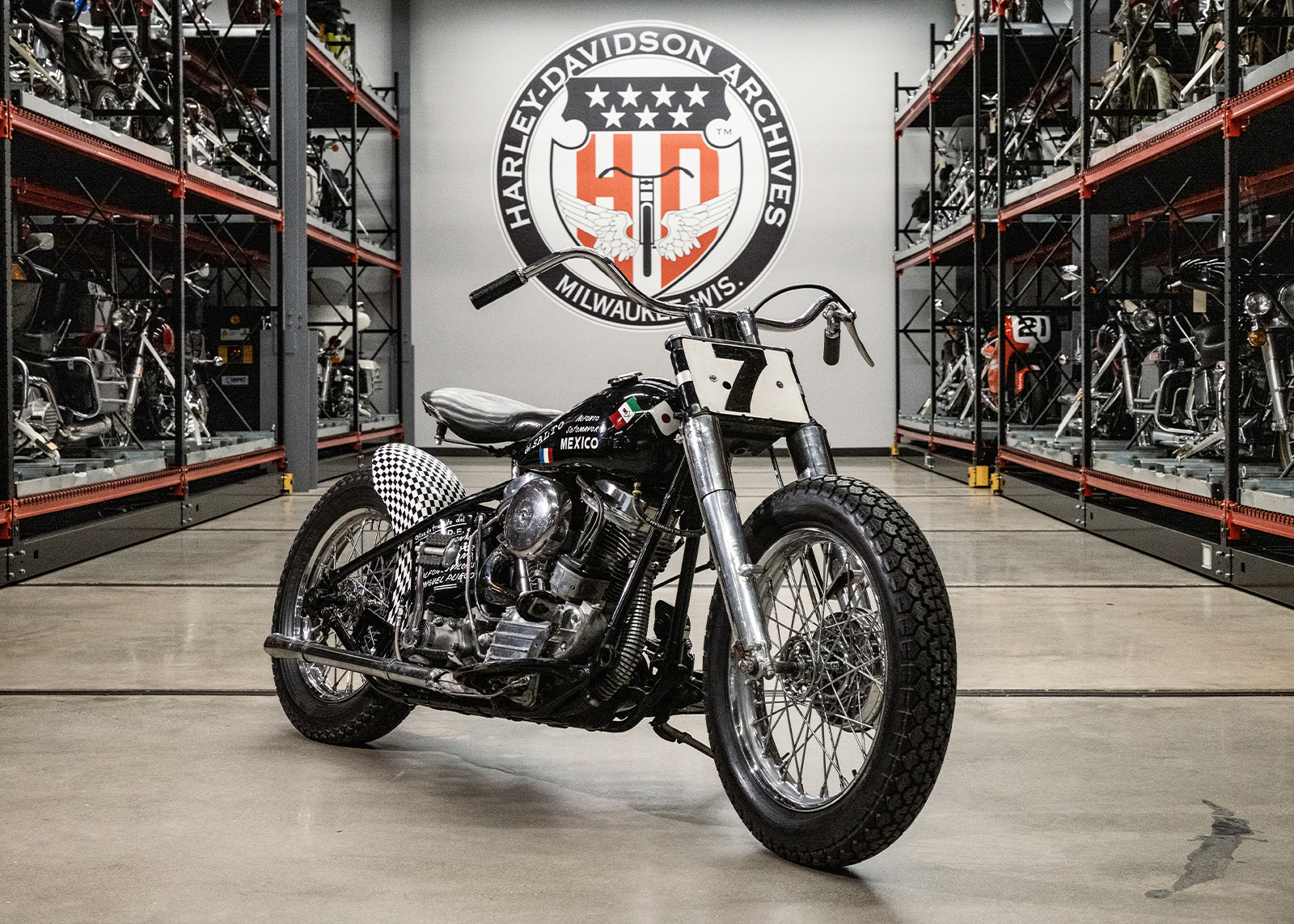
ALFONSO SOTOMAYOR AND MEXICAN STUNT RIDING
Harley-Davidson’s century-long history in Mexico is filled with pioneering riders and legendary stunt performers like Alfonso Sotomayor.
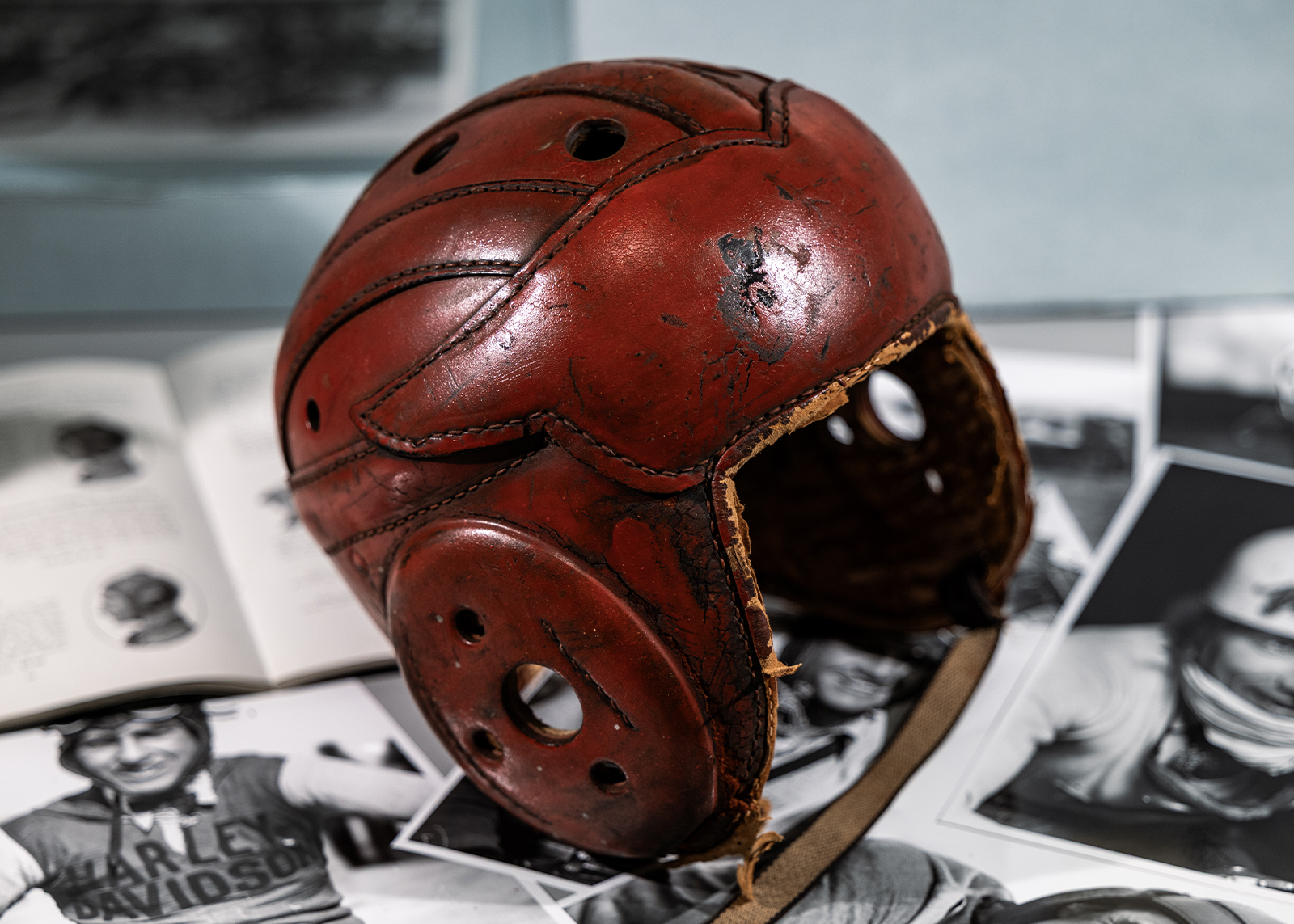
HELMETS THROUGH HISTORY
From humble leather caps to modern safety gear, the evolution of motorcycle helmets balances protection, performance, and pure self-expression.
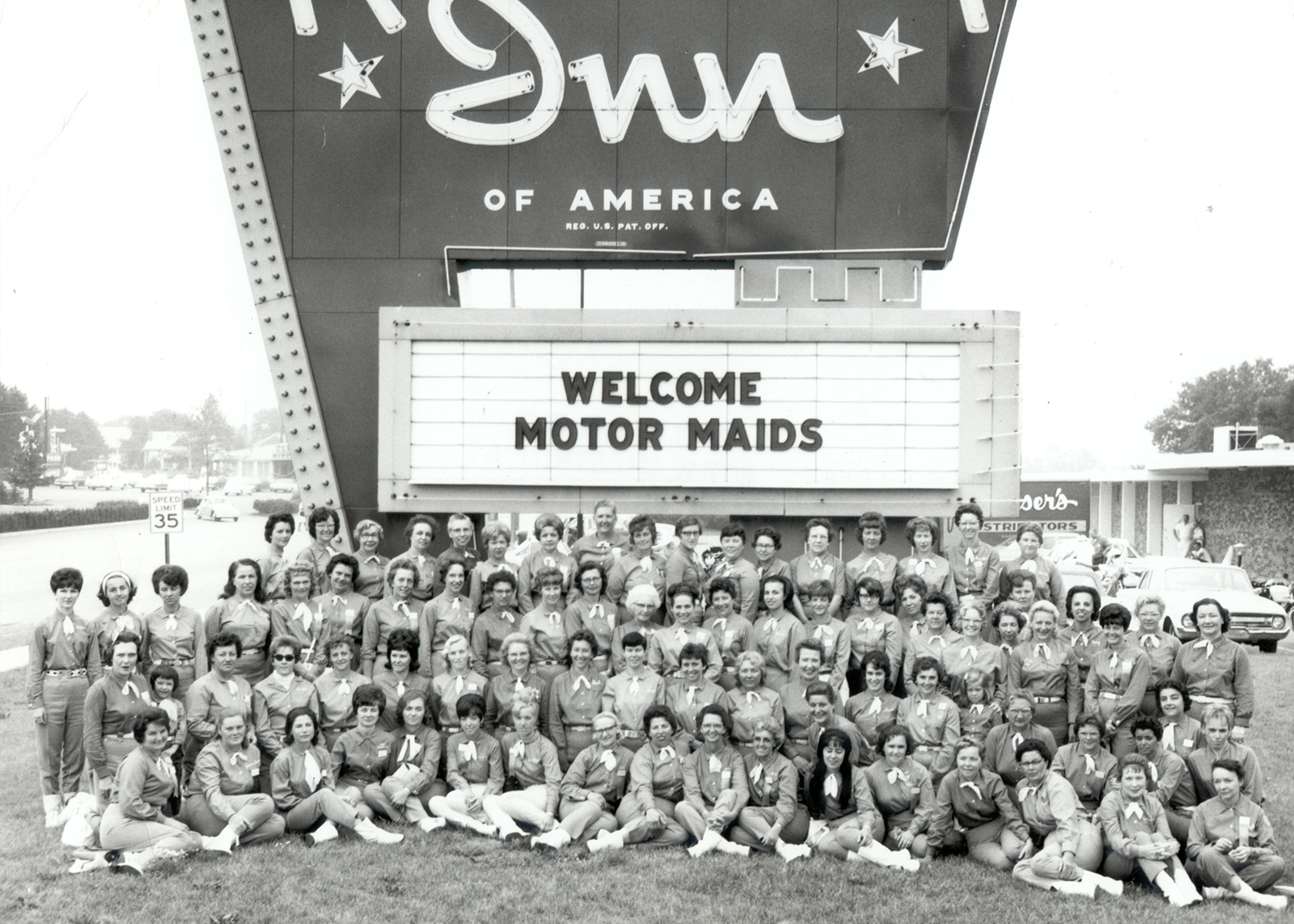
RIDING FORWARD: 85 YEARS OF THE MOTOR MAIDS
Founded in 1940 by pioneers Dorothy “Dot” Robinson and Linda Dugeau, the Motor Maids became the first women’s national motorcycle club.
RIDING THROUGH HISTORY: ELDRED R. HARRINGTON’S HARLEY-DAVIDSON ADVENTURES
Eldred R. Harrington, a prolific Enthusiast writer from 1944–1965, was revisited by Harley-Davidson archives during the Hydra-Glide’s 75th anniversary.
EARLY RIDING WEAR
In the earliest images in the Harley-Davidson archives, riders’ clothing always stands out.
LESLIE “RED” PARKHURST
Parkhurst was a good-natured athlete whose enthusiasm made him a real crowd-pleaser, both on and off the track.
THE WORLD'S FASTEST HARLEY-DAVIDSON
Built for Speed. Born for Glory. The Return of a Legend.