HELMETS THROUGH HISTORY
Written by The Harley-Davidson Museum
Photos by Josh Kurpius Archival photos courtesy of H-D Museum
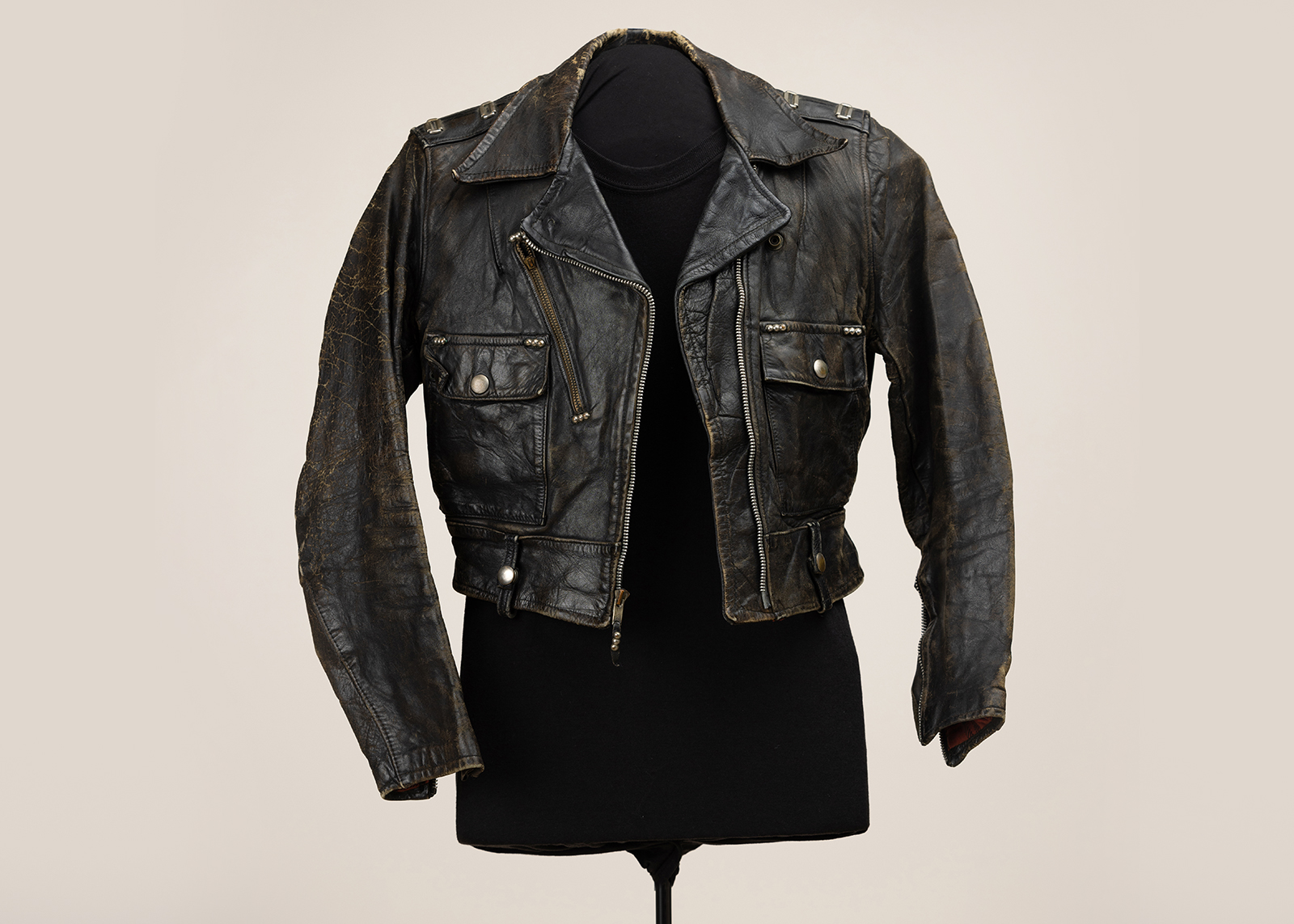
For much of their history, motorcycle helmets have been as much about self-expression as protection—and the earliest helmets didn’t provide much of the latter.
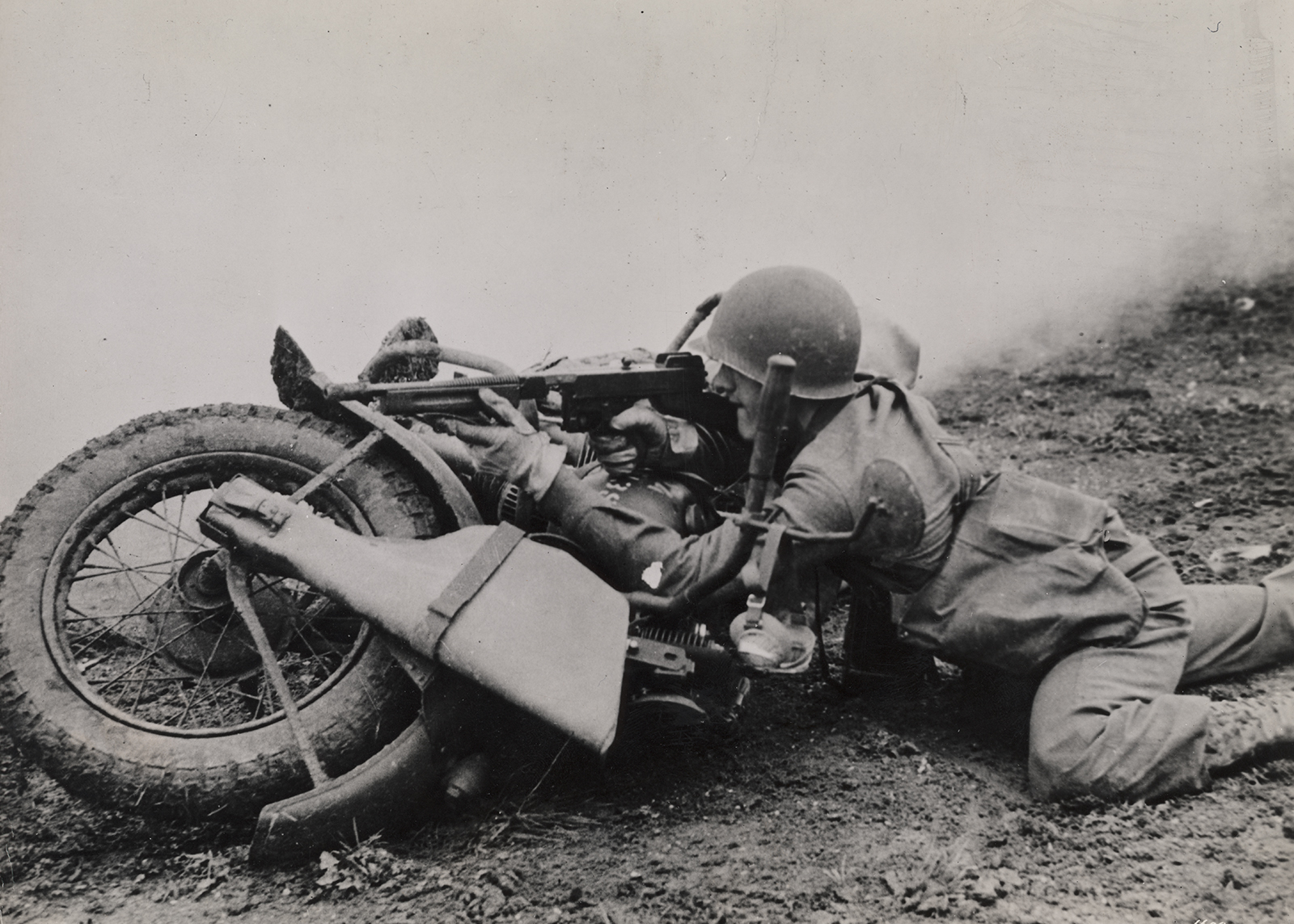
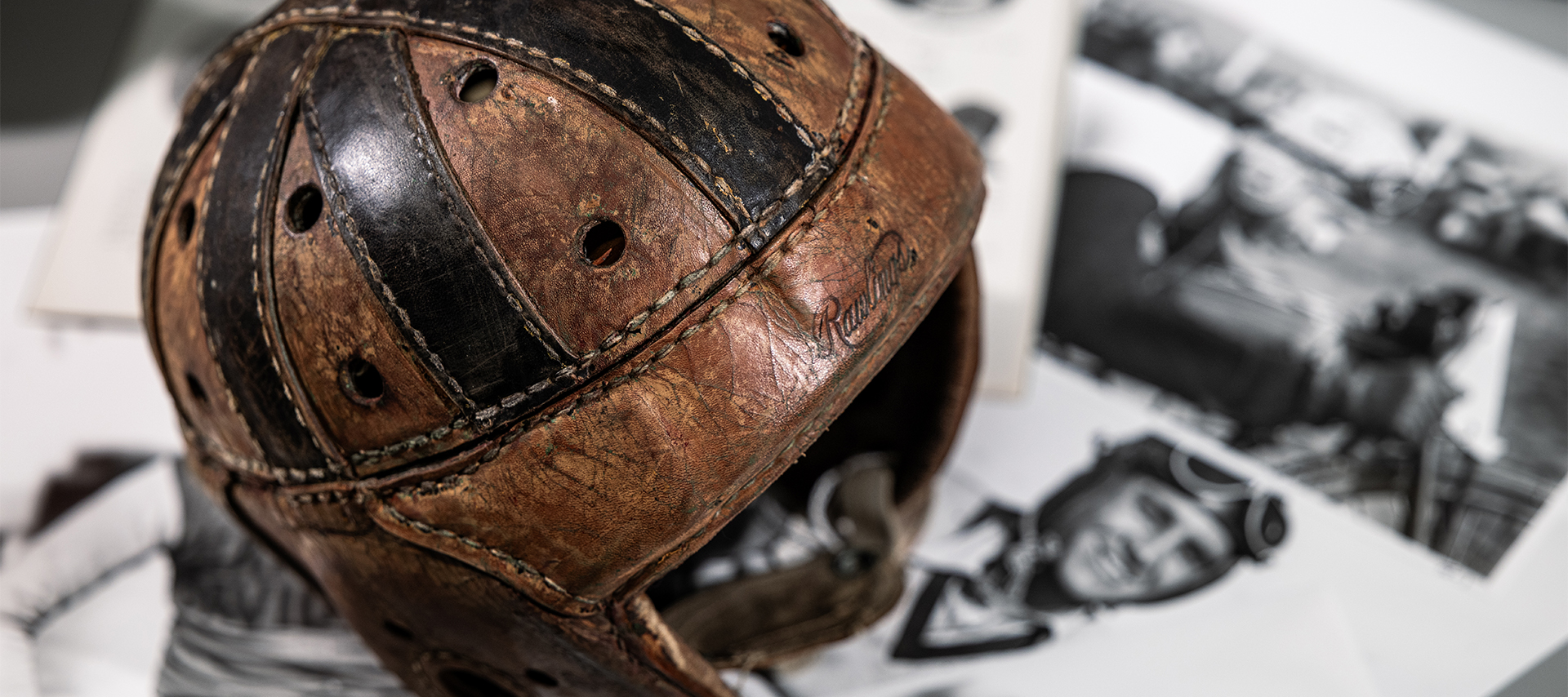
Back when football players wore soft leather helmets, motorcycles were just starting to dot the American countryside and city streets. Speeds were lower and there was no traffic density. Those first motorcycle “helmets” were made of thin leather or cloth, and primarily succeeded in keeping the wearer’s hair in place.
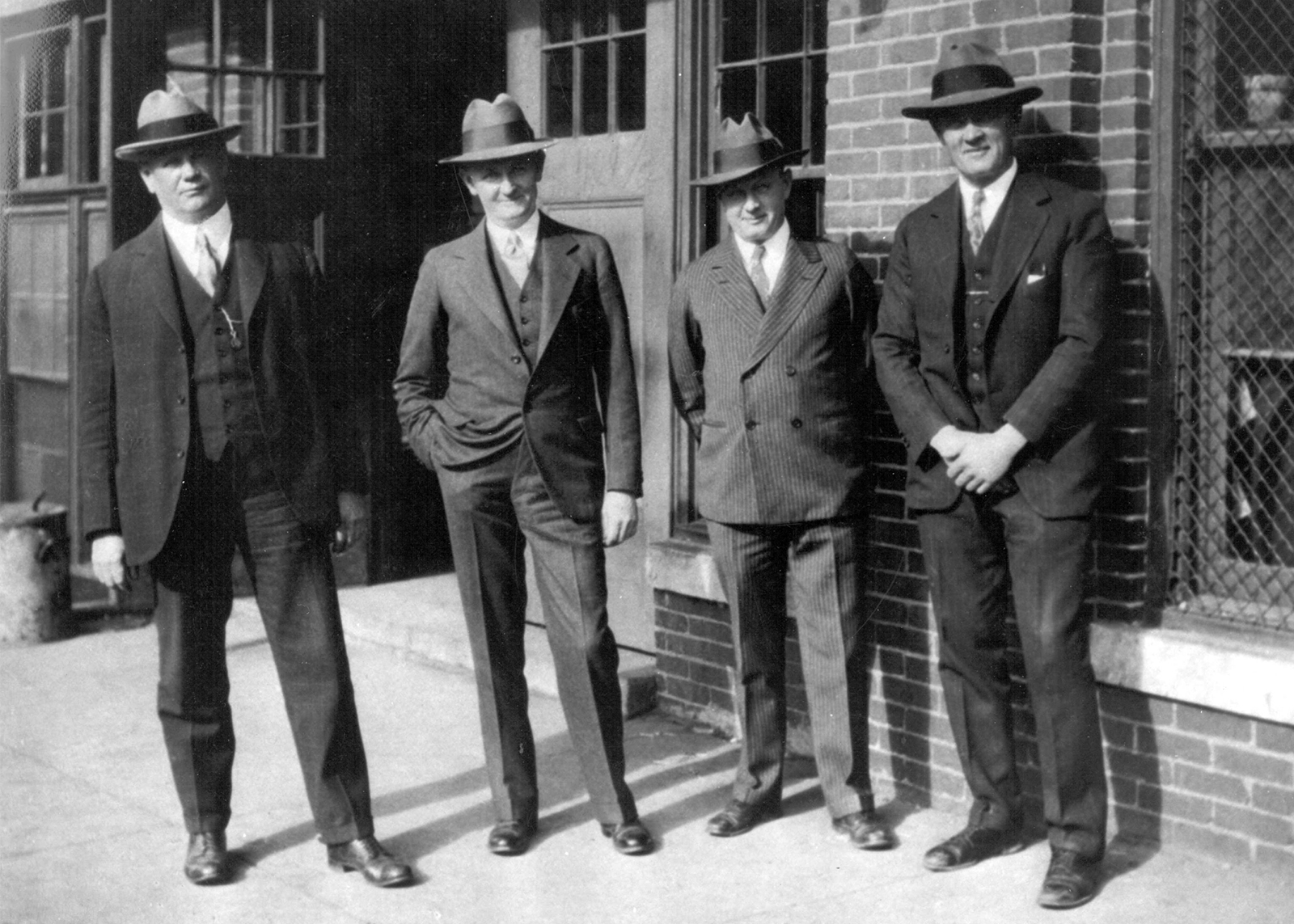
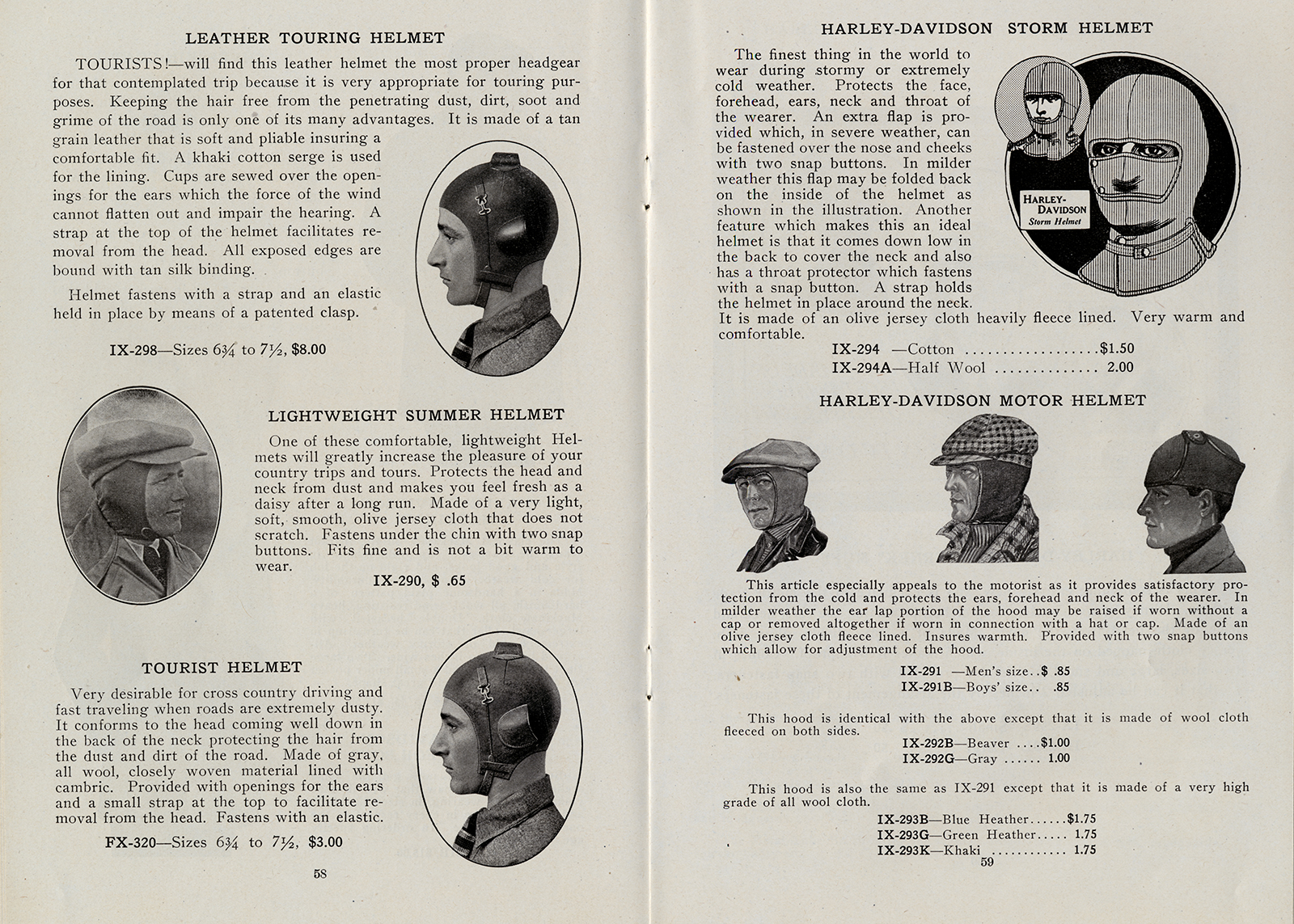
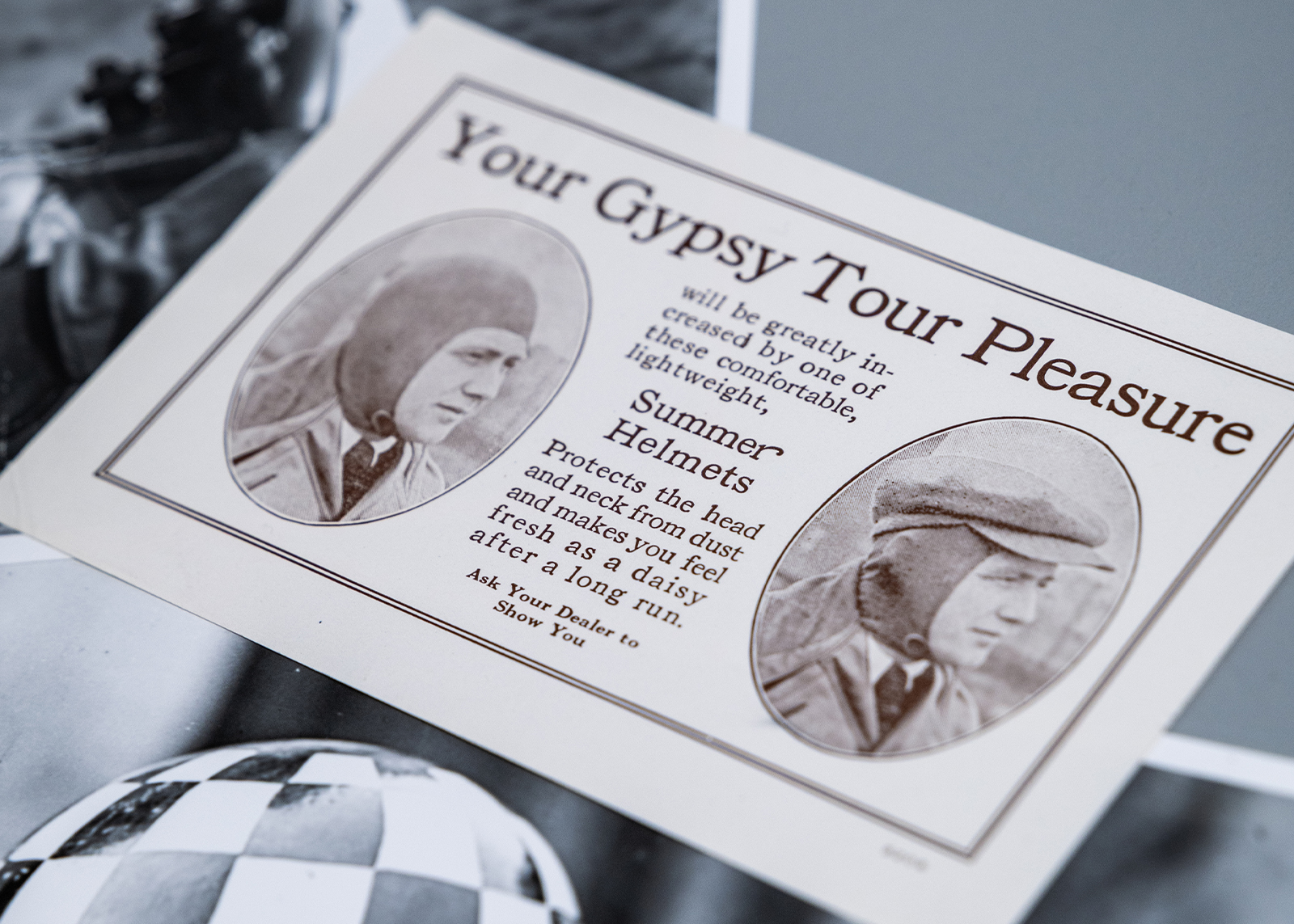
Through the 1910s, several different and distinct headwear items could be purchased from the Harley-Davidson Accessories catalog, each with a different purpose. Among them were the "Heather Jumbo Knit Cap" (75 cents), the "Aeroplane Cap" ($1.50), as well as a unique piece called the "Tourist Hood" ($2.50), an item meant for "cross country driving and fast traveling" that was to keep dust and dirt out of one's hair.
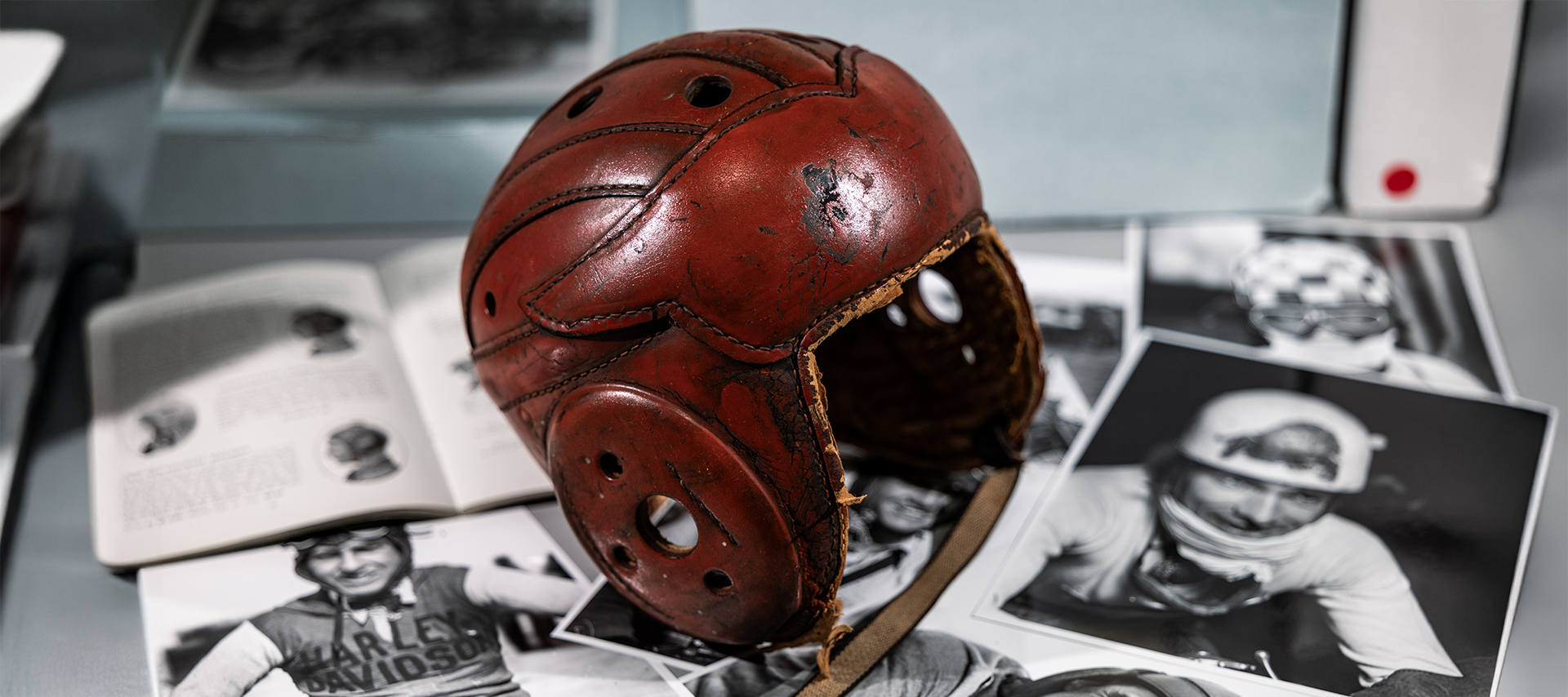
For many of the early years, fur-lined soft helmets were offered for cold weather riding, and a version of a leather football-style helmet was sold, though they were mostly used by racers.
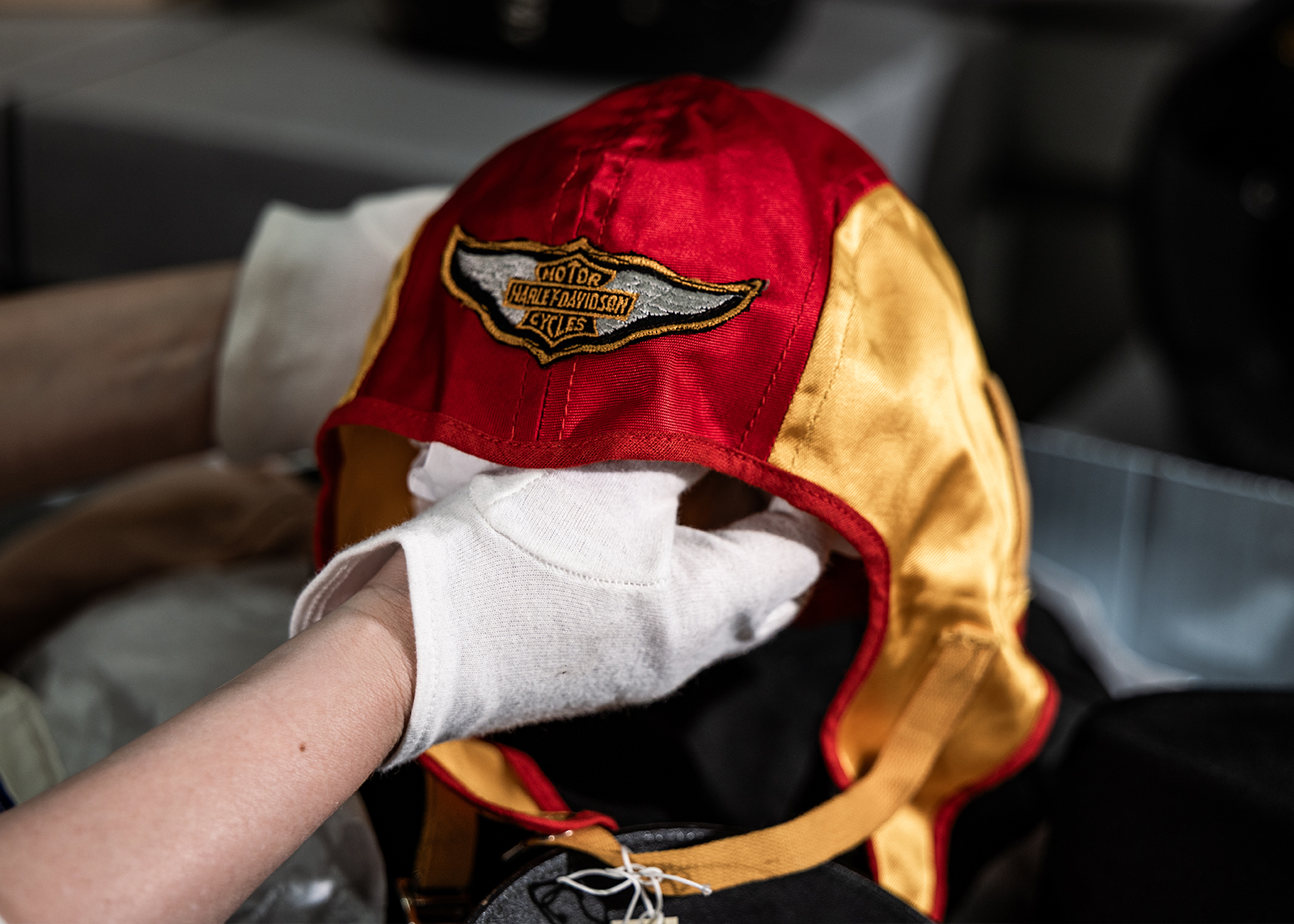
Some of the "helmets" that became popular with riders in the 1930s and 40s were little more than satin skullcaps that were stylishly colored and patterned, with the tried and true Bar & Shield logo on the front. And, of course, there was the classic motorcycle cap that became synonymous with riders, the kind that Marlon Brando wore in "The Wild One." Caps of that style were available for many years from Harley-Davidson ("Classy Caps" in the 1937 accessory catalog), and later versions were available with the "winged wheel" logo, winged Bar & Shield and many other emblems.
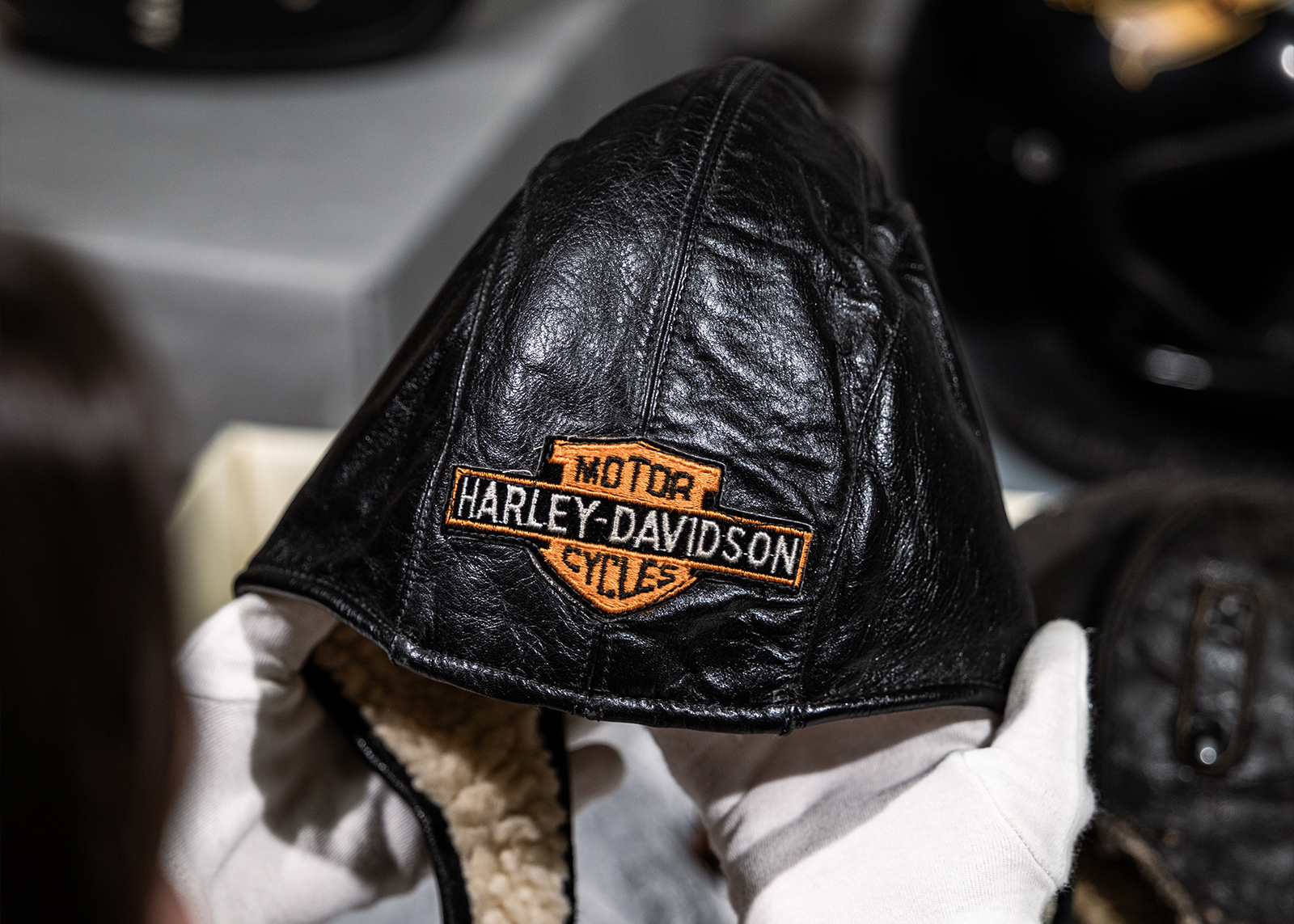
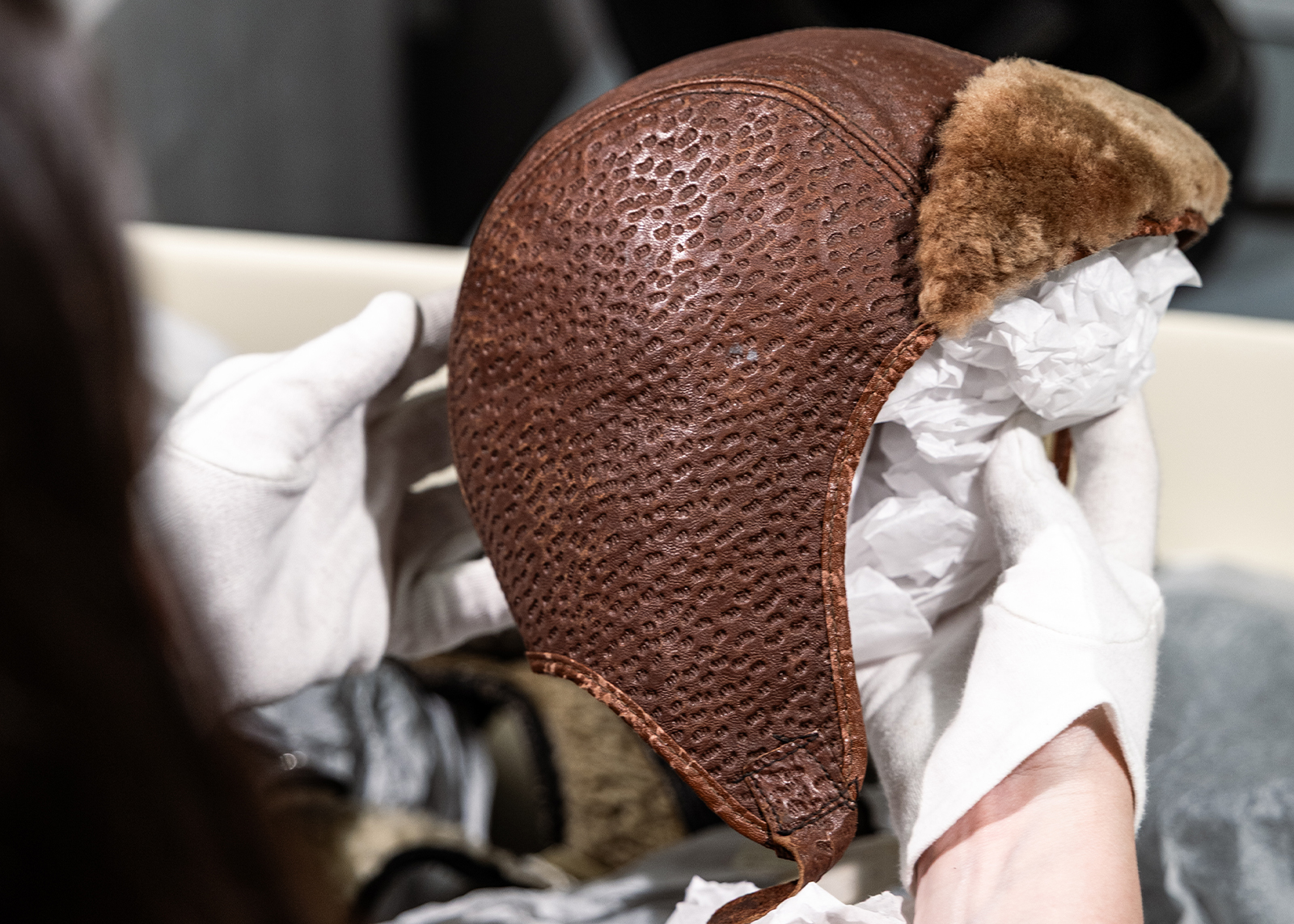
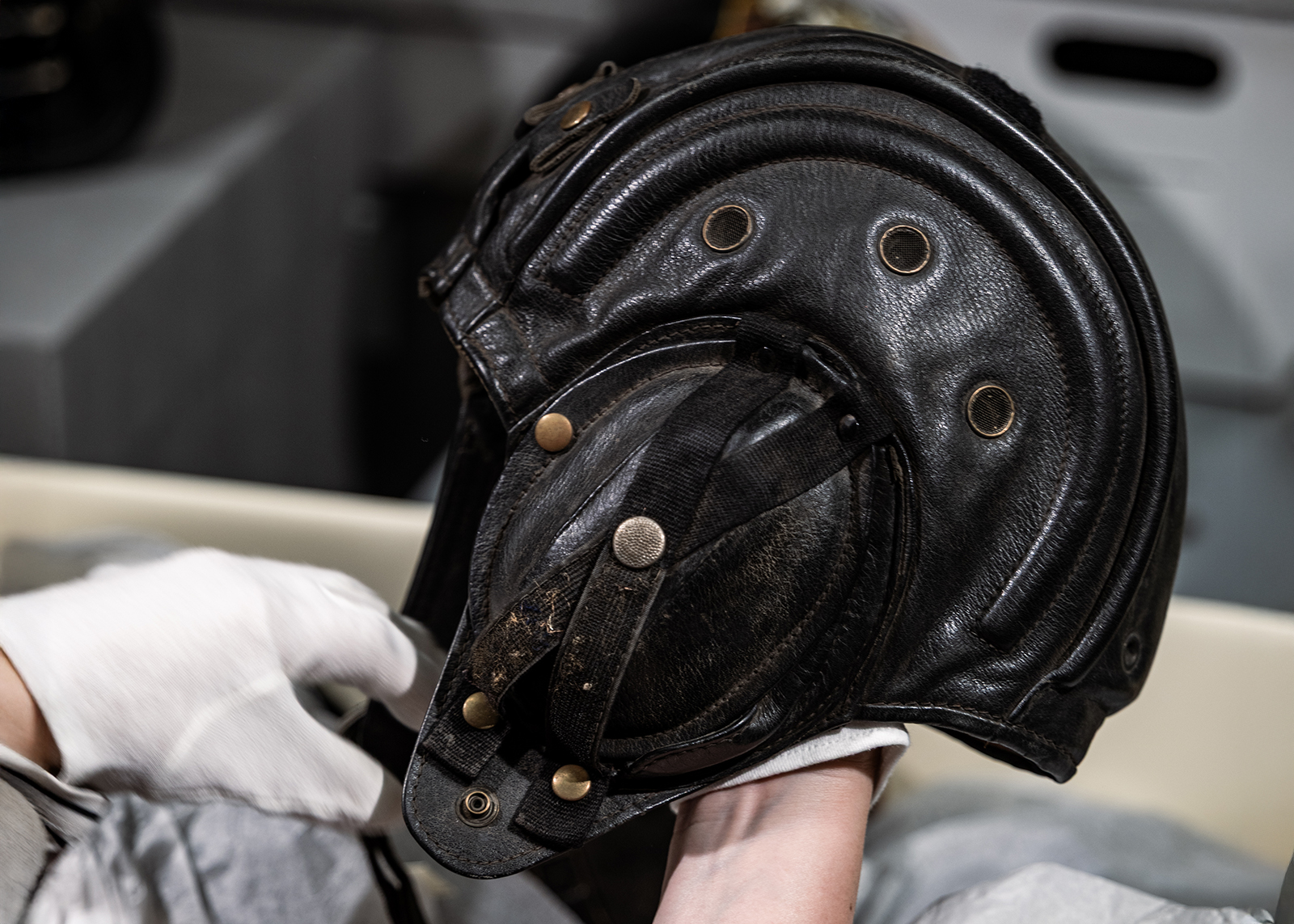
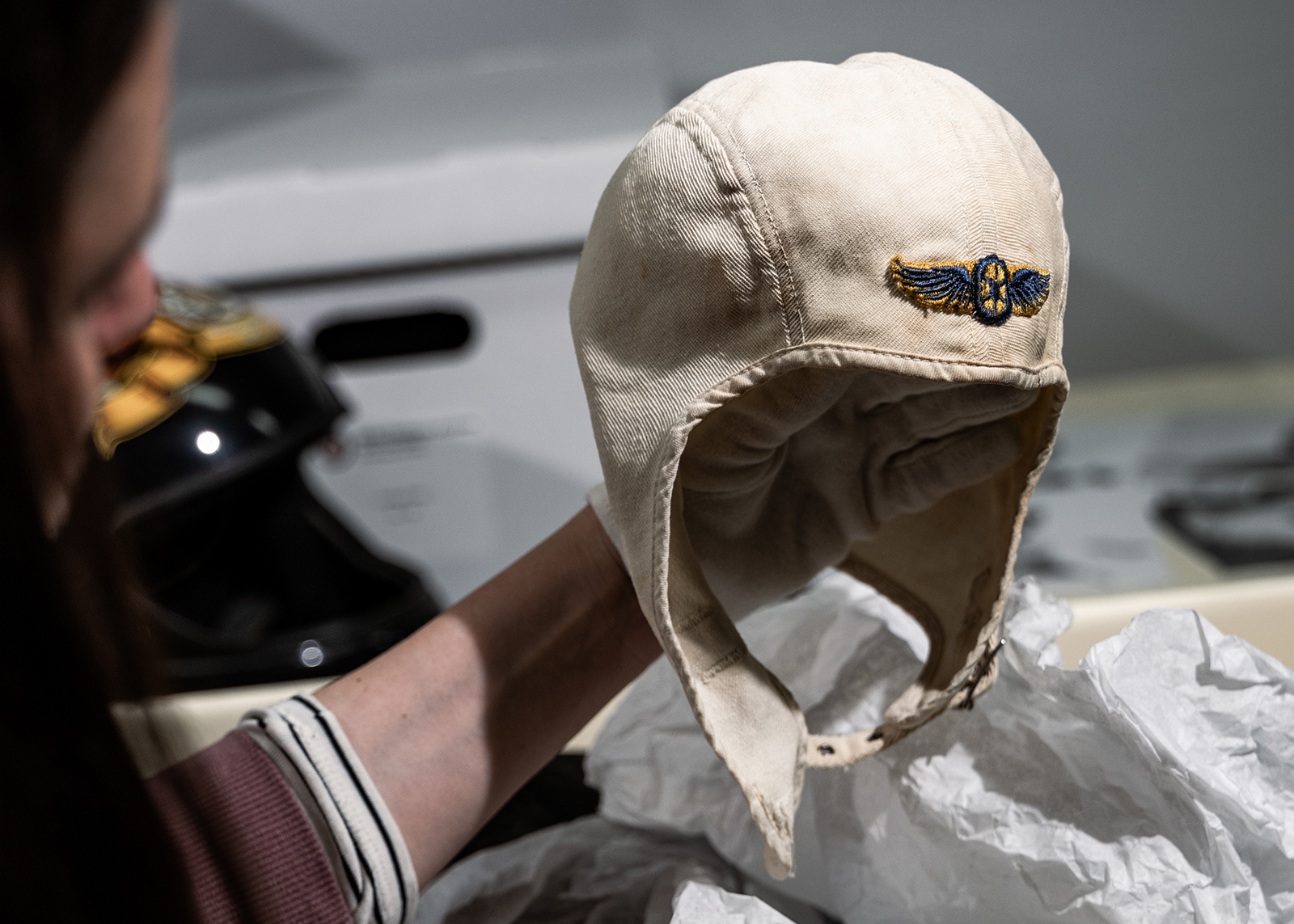
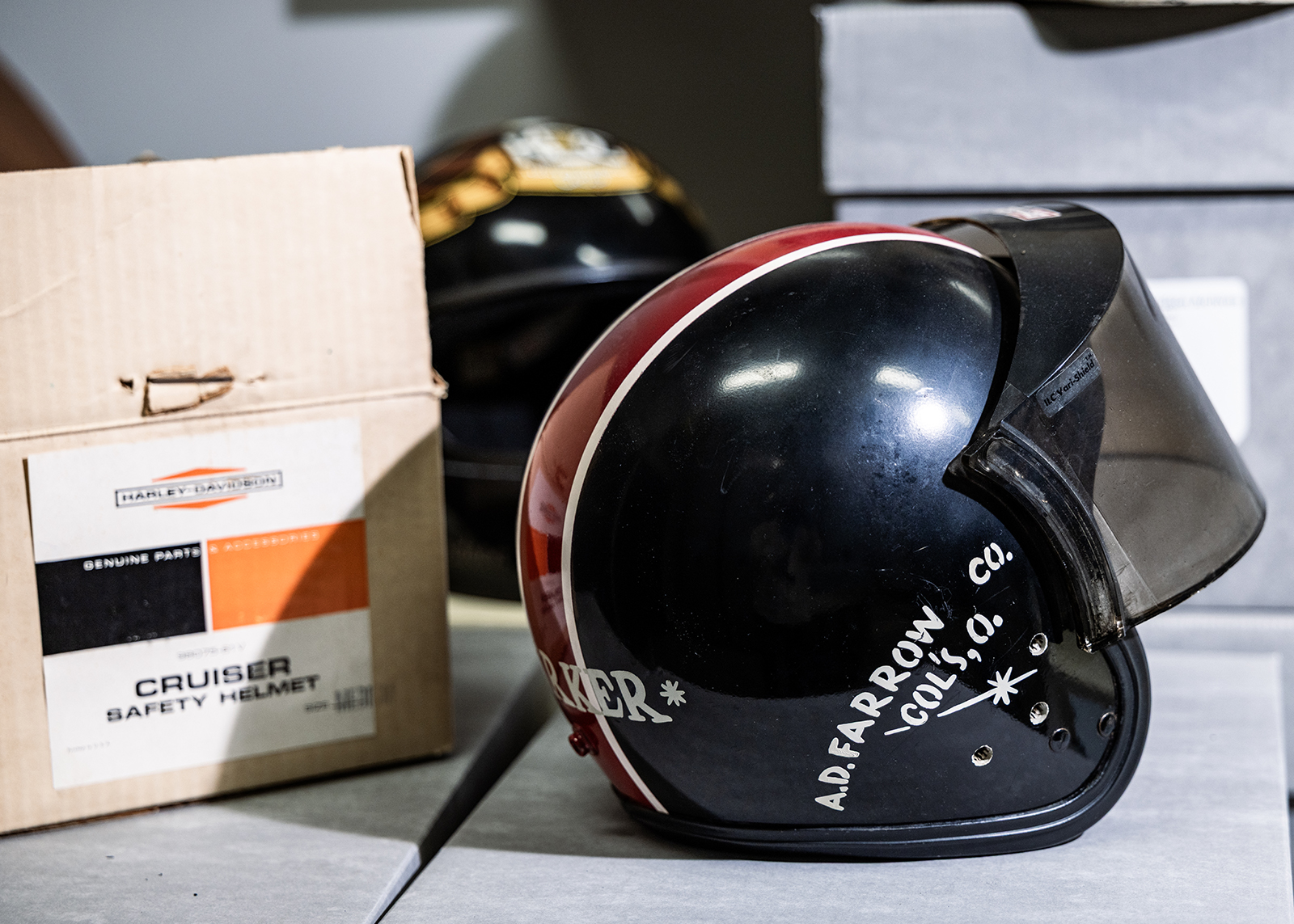
BY THE 1950S AND ‘60S, HELMETS AS WE THINK OF THEM TODAY WERE TAKING SHAPE, FIRMLY ESTABLISHED AS SAFETY GEAR. BY 1971, MULTIPLE COLORS WERE OFFERED, BUT THE STYLES REMAINED LIMITED. TODAY, THE VARIETY CAN FEEL ALMOST LIMITLESS.
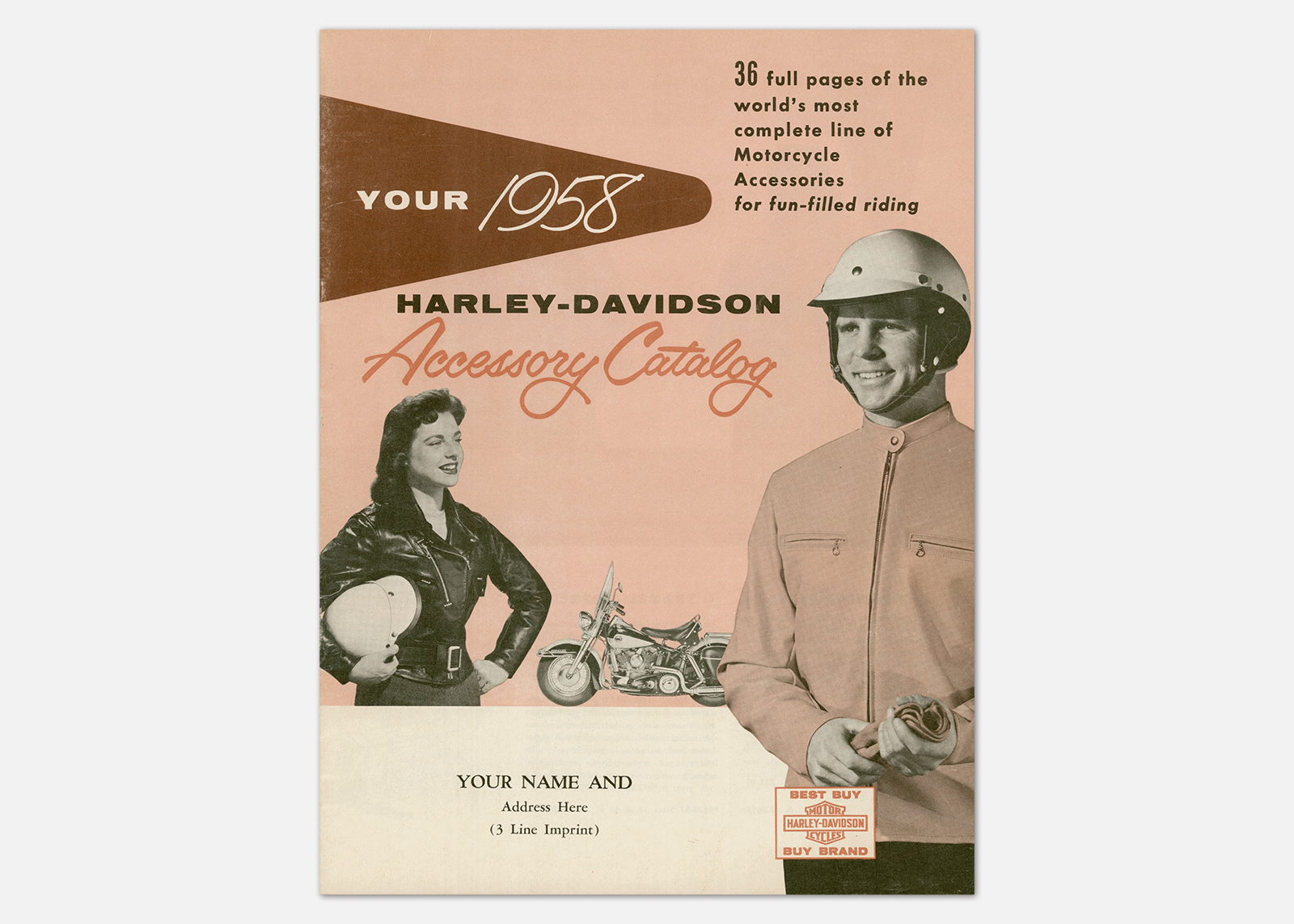
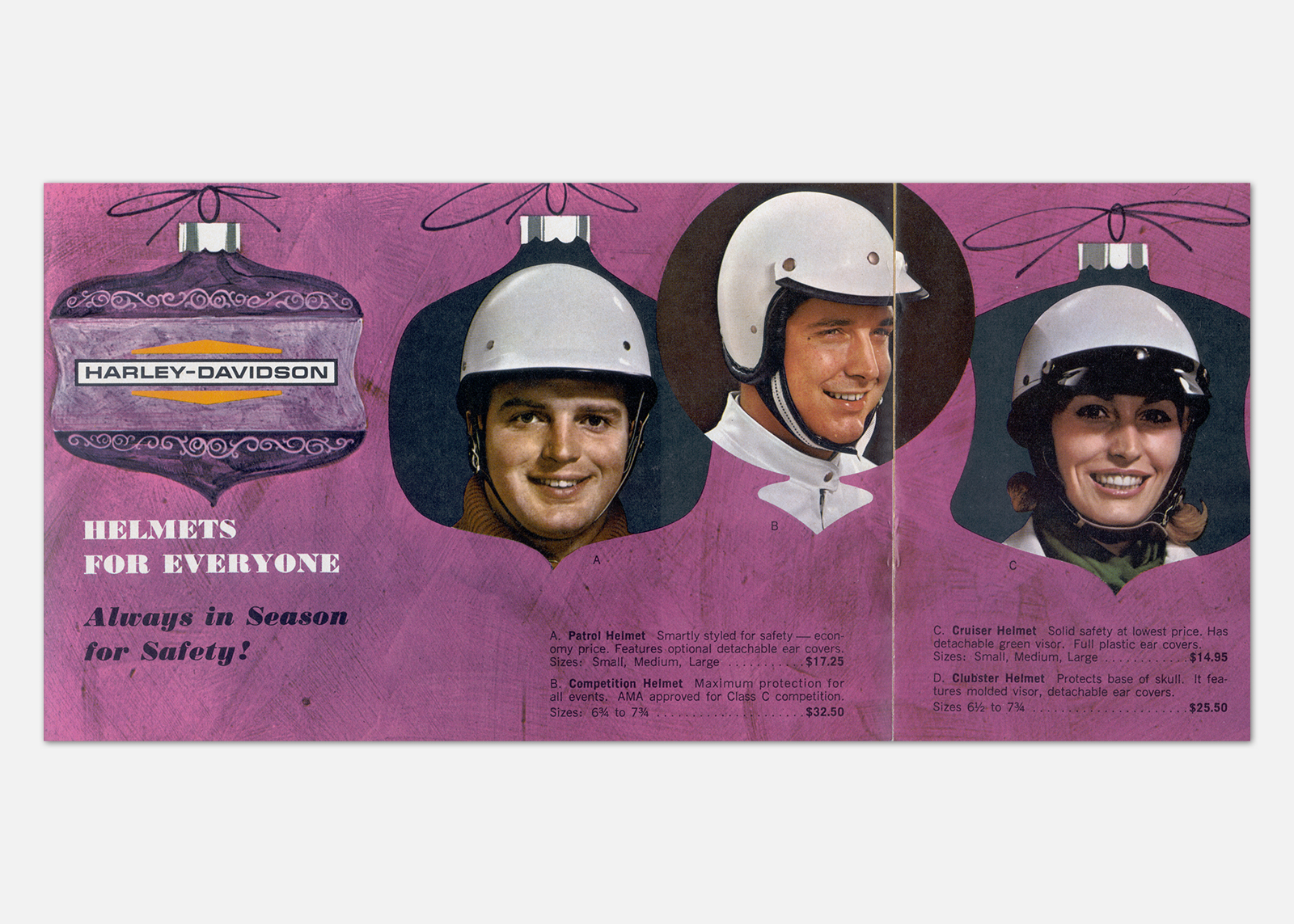
By the 1950s and ’60s, helmets as we think of them today were taking shape, firmly established as safety gear. In the first years that Harley-Davidson offered a hard-shell helmet, two of three total choices were aimed specifically at police officers and racers; H-D catalogs the gear was often called “safety helmets.”
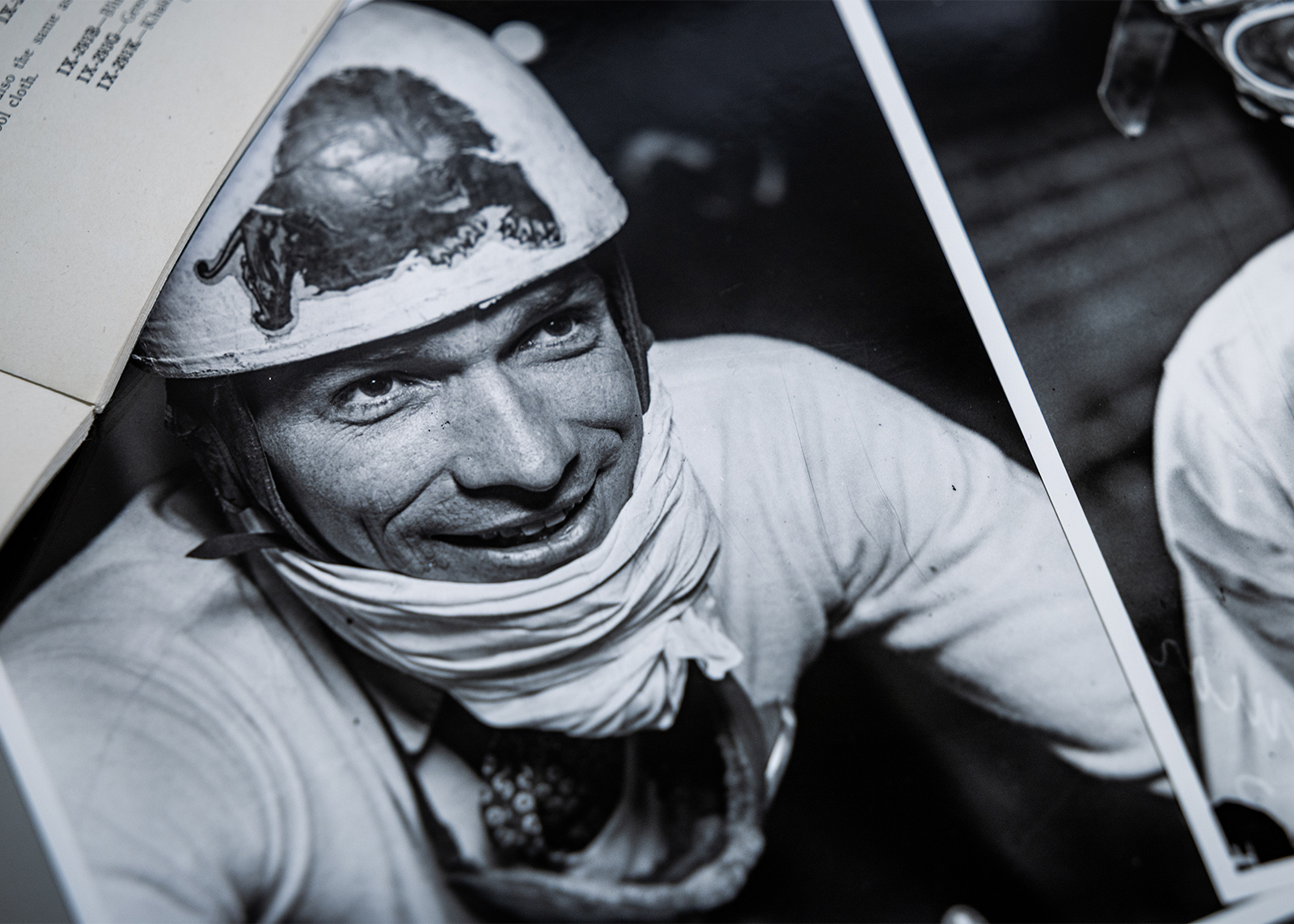
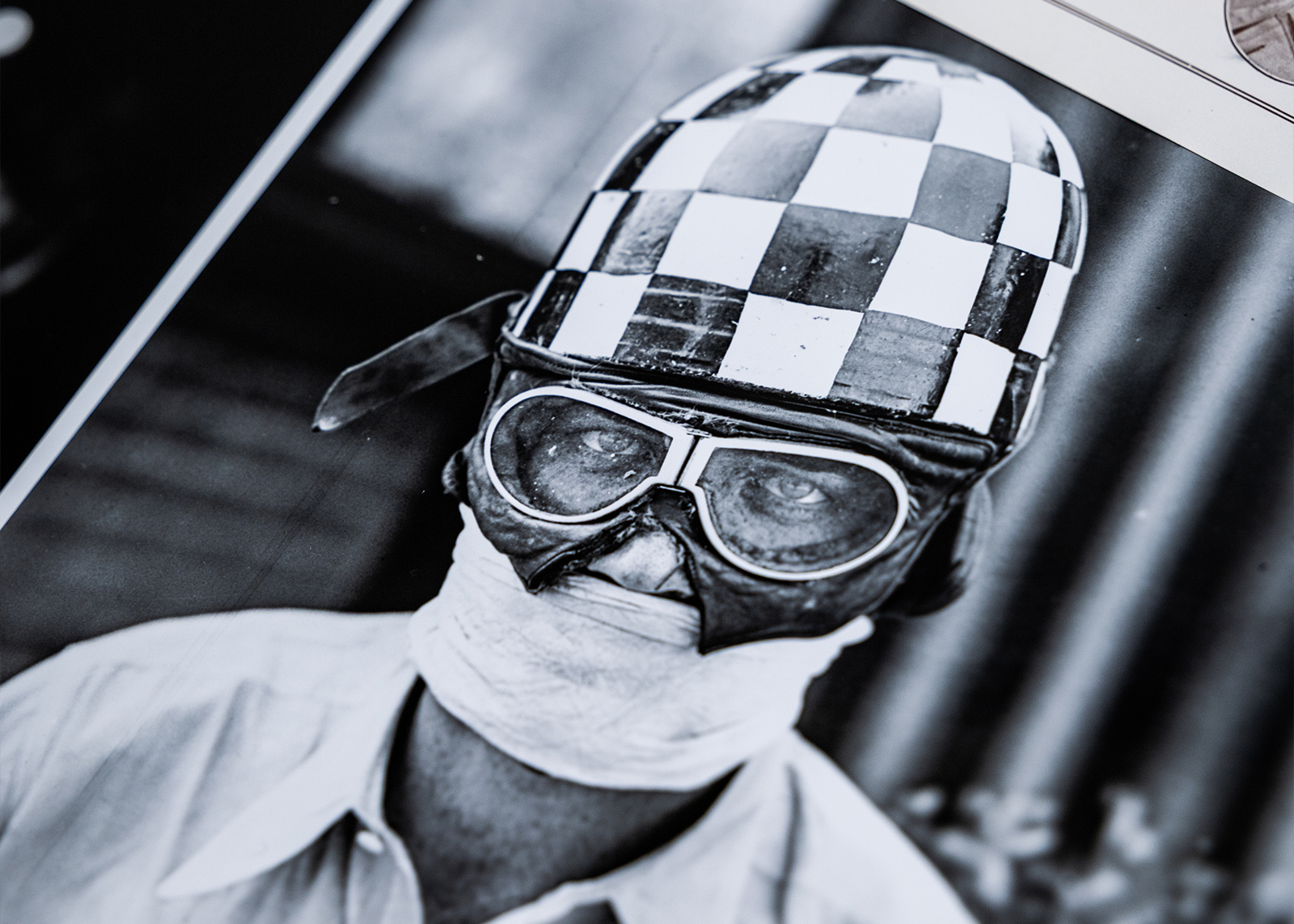
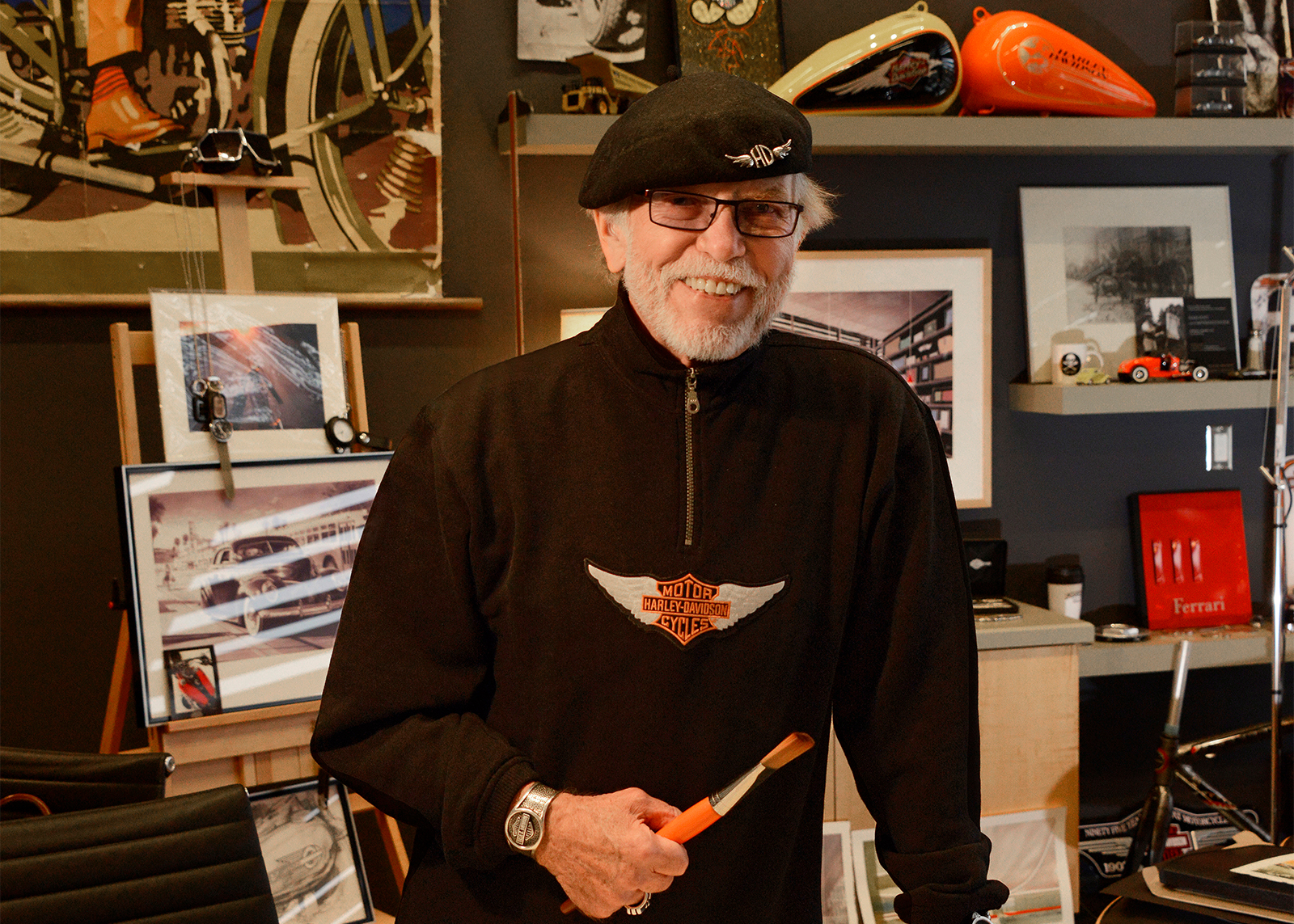
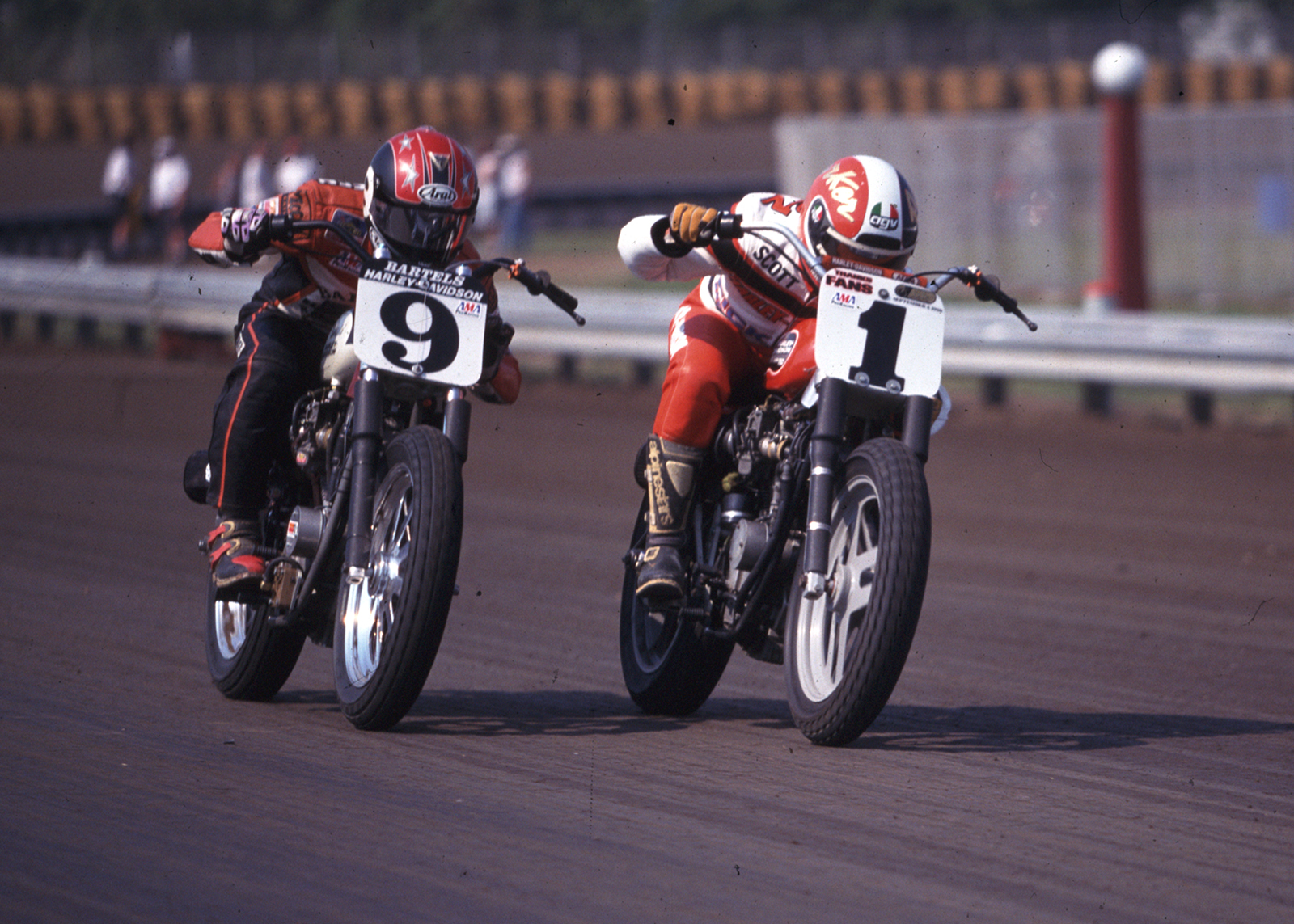
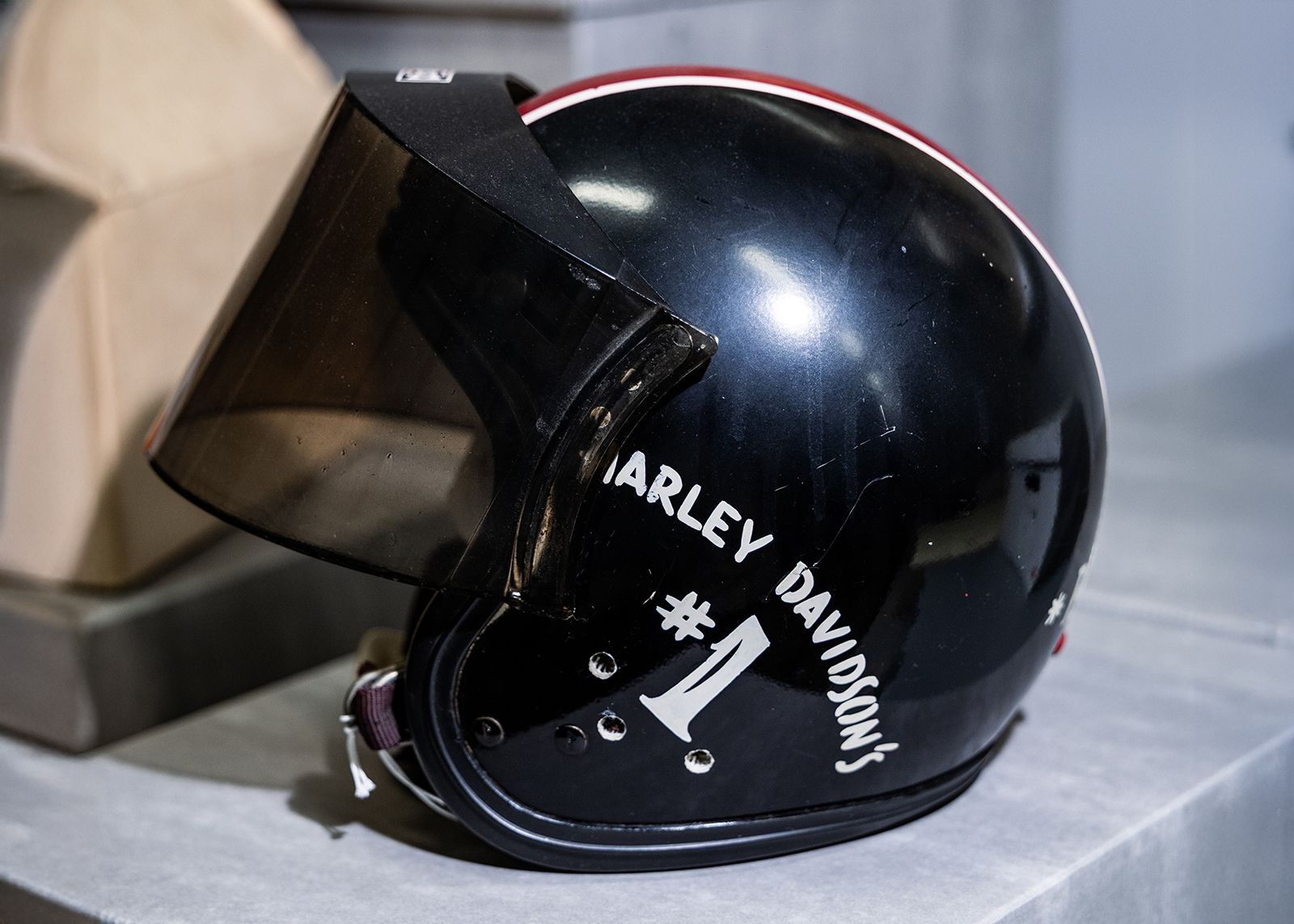
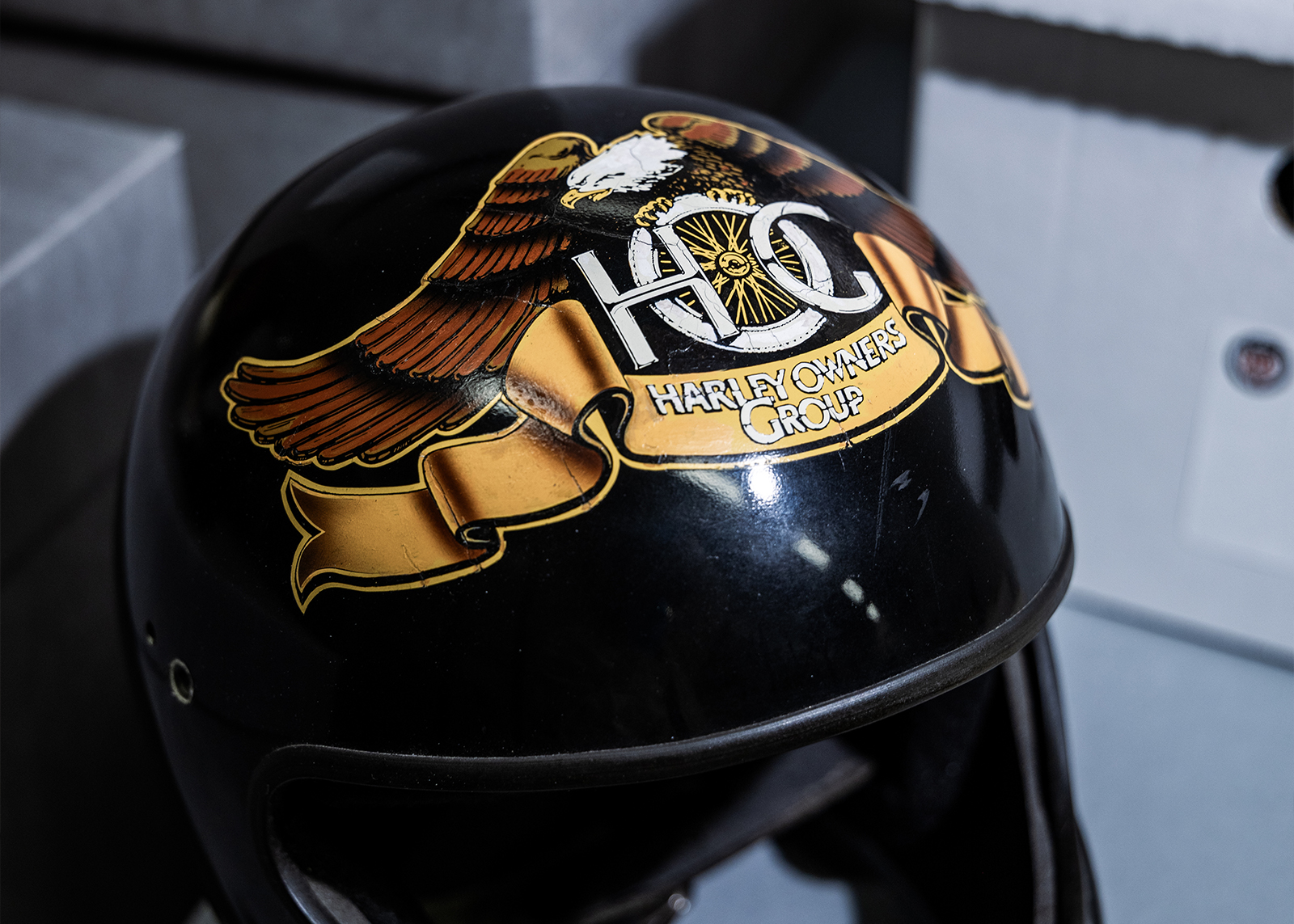
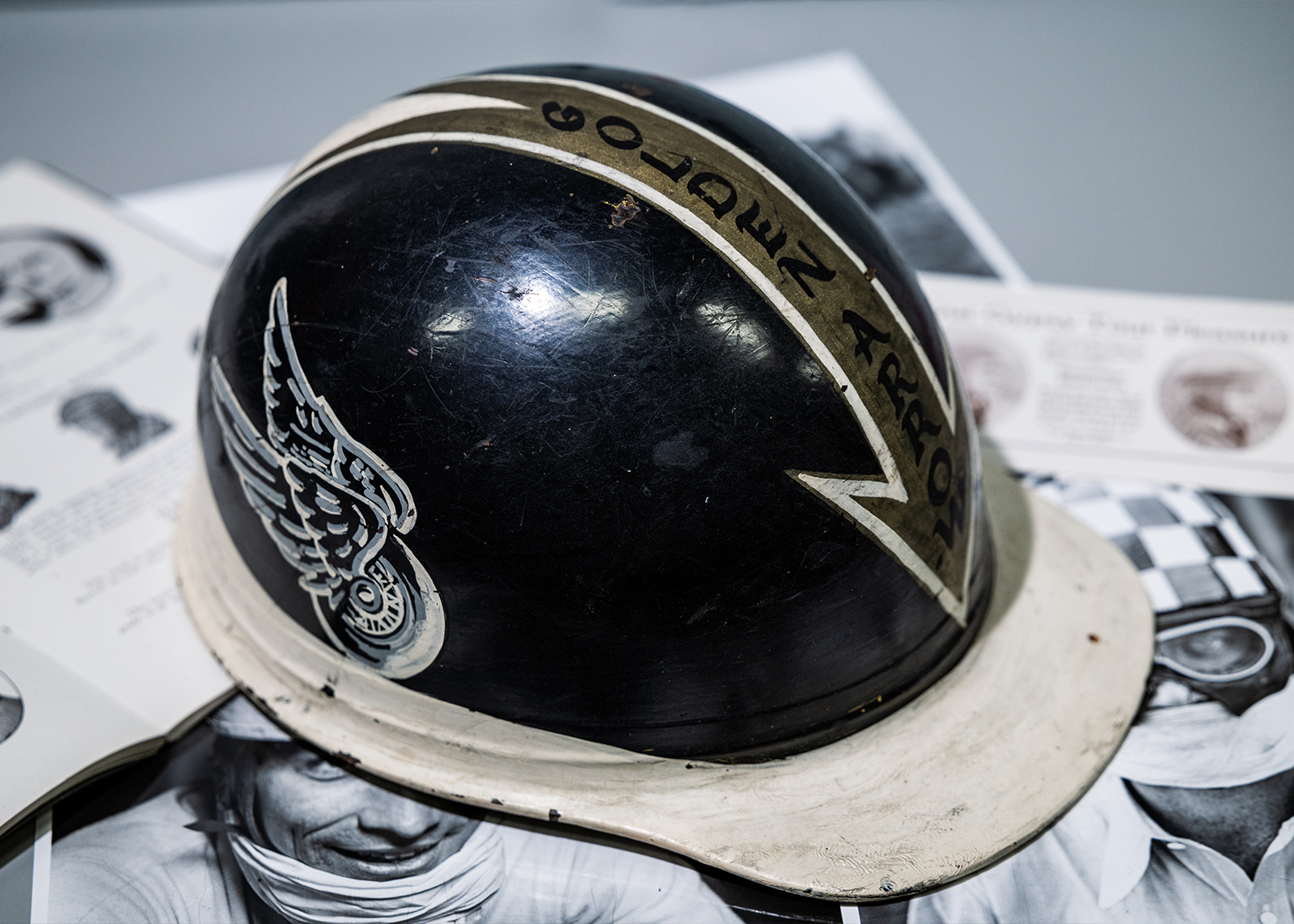
For the next 13 years, self-expression took a back seat to safety: all H-D helmets came in white. By 1971, multiple colors were offered, but the styles remained limited. Today, the variety can feel almost limitless, especially when you consider the role that custom designs and personal style play. But even in the past, color, pattern, patches and other customizations were applied to headwear to stand out—whether to aid with identification on the race track, demanding attention in a crowd, or simply letting people know a little about who you are. From H-D produced gear to truly custom creations, helmets and their early predecessors are an eye-catching part of the Harley-Davidson Archives.
EXPERIENCE THE HISTORY OF HARLEY-DAVIDSON
Discover culture and history through stories and exhibits that celebrate expression, camaraderie and love for the sport.
EXPLORE MORE FROM THE ARCHIVES

RAY PRICE AND THE FUNNY BIKE
Discover the remarkable story of Ray Price, the Harley-Davidson drag racing pioneer whose groundbreaking Funny Bike innovations helped shape the future of motorcycle drag racing.
SPRINGSTEEN’S RISE: THE MAKING OF A FLAT TRACK LEGEND
Jay Springsteen overcame early adversity to become one of flat track racing's most successful riders, earning three consecutive Grand National titles and a place among Harley-Davidson legends.
THE EAGLE, THE NUMBER ONE, AND THE RETURN OF THE BAR & SHIELD
How a Bicentennial-era design idea from Willie G. Davidson gave rise to the eagle and modern Bar & Shield that continue to define Harley-Davidson today.
KNIGHTS OF THE HIGHWAY: THE STORY BEHIND MOTORCYCLE CLUB UNIFORMS
From tailored uniforms to patch-covered vests, motorcycle riders have long used what they wear to shape their identity, build community, and challenge public perceptions of the sport.
ROUTE 66: A TESTAMENT TO THE SPIRIT OF THE OPEN ROAD
Route 66 has evolved from a simple stretch of pavement into a defining experience for generations of Harley-Davidson riders.
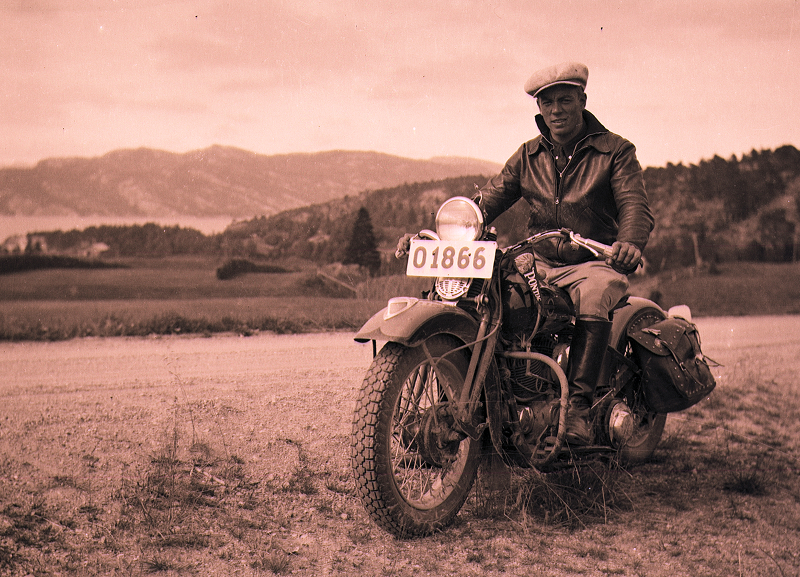
“MOTORCYCLING IS THE LIFE”: THE LEGACY OF GUSTAF STENMARK
Driven by an obsession with motorcycles, Gustaf Stenmark pushed himself through every race and mile with competitive grit, chasing the limits of endurance on two wheels.
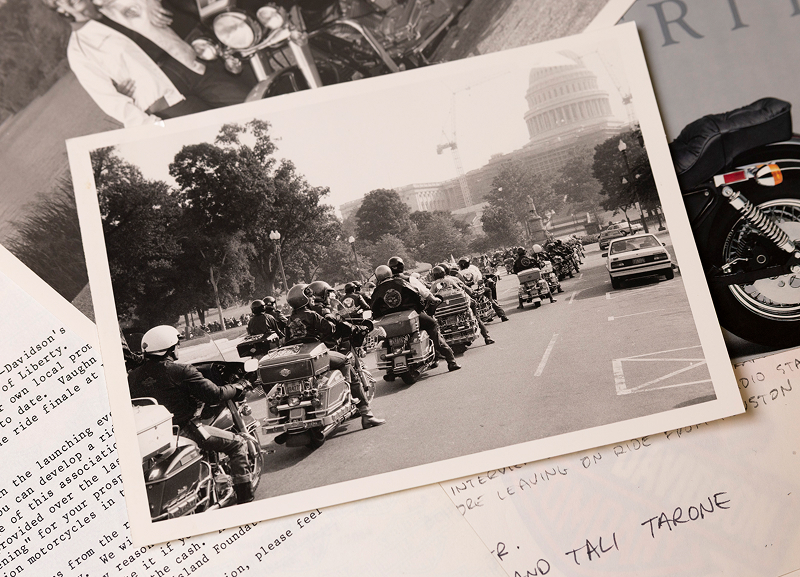
HARLEY-DAVIDSON RIDES FOR LIBERTY
As the Statue of Liberty prepared for her 100th anniversary, Harley‑Davidson riders united coast to coast to celebrate freedom and help restore an American icon.
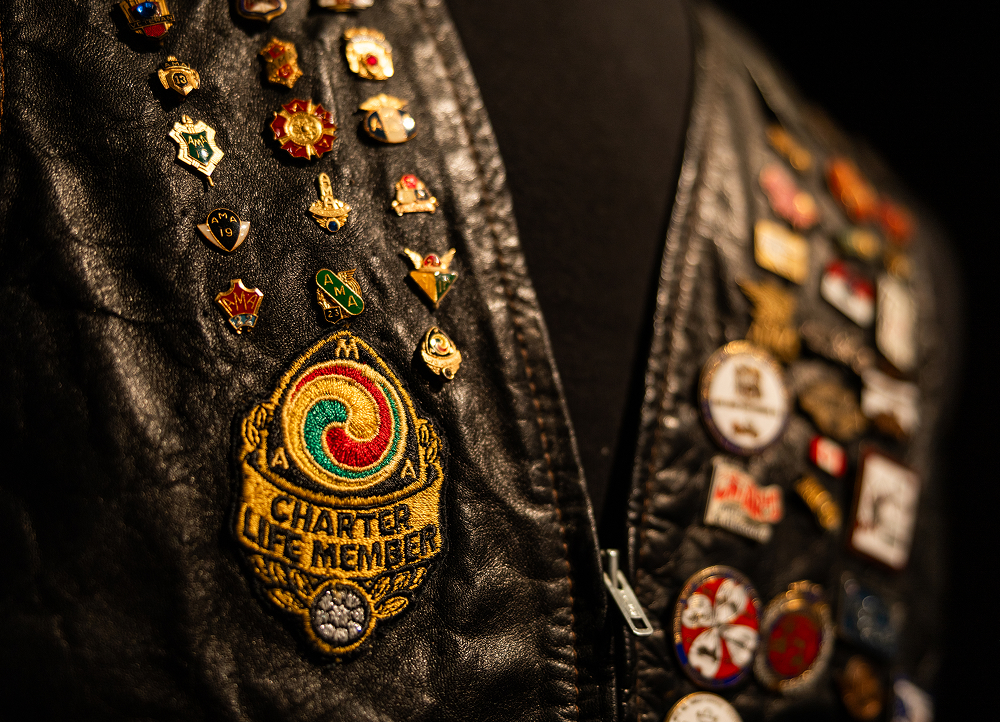
FROM WAISTCOAT TO CUT: THE EVOLUTION OF THE MOTORCYCLE VEST
The vest may have started out as a practical piece of clothing worn by aristocrats and soldiers, but today, it's one of the most iconic symbols of motorcycle culture.
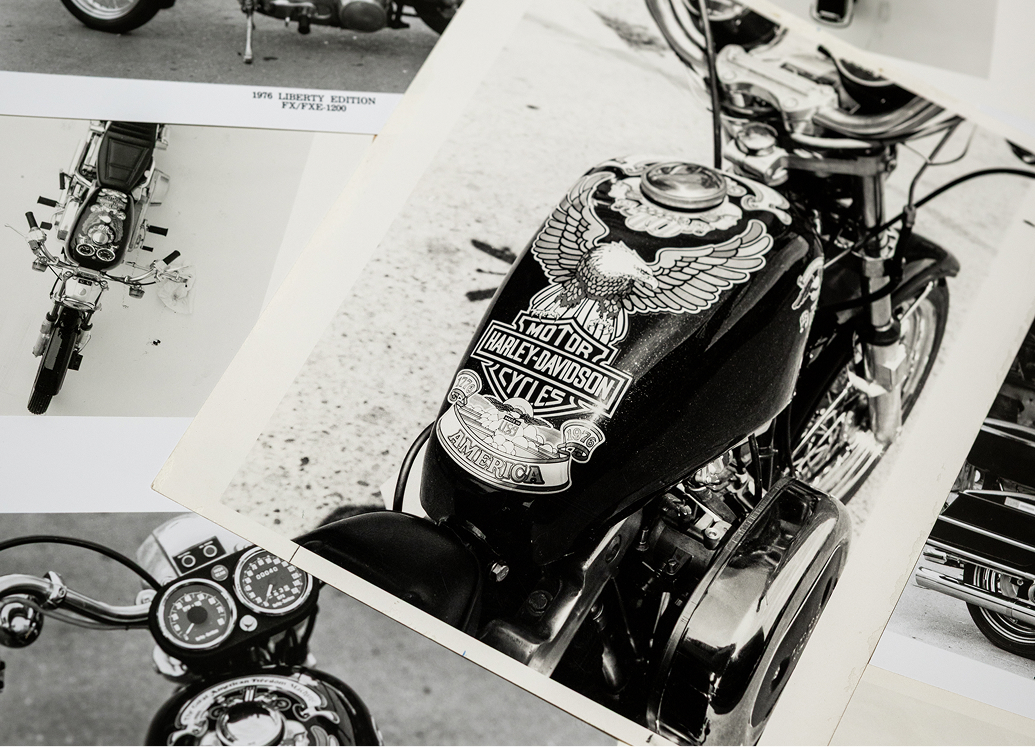
THE '76 BICENTENNIAL EDITION: THE BIRTH OF AN ICON
The 1976 Liberty Edition fused American patriotism with Harley‑Davidson craftsmanship, creating a landmark design that still resonates as a symbol of freedom and identity.
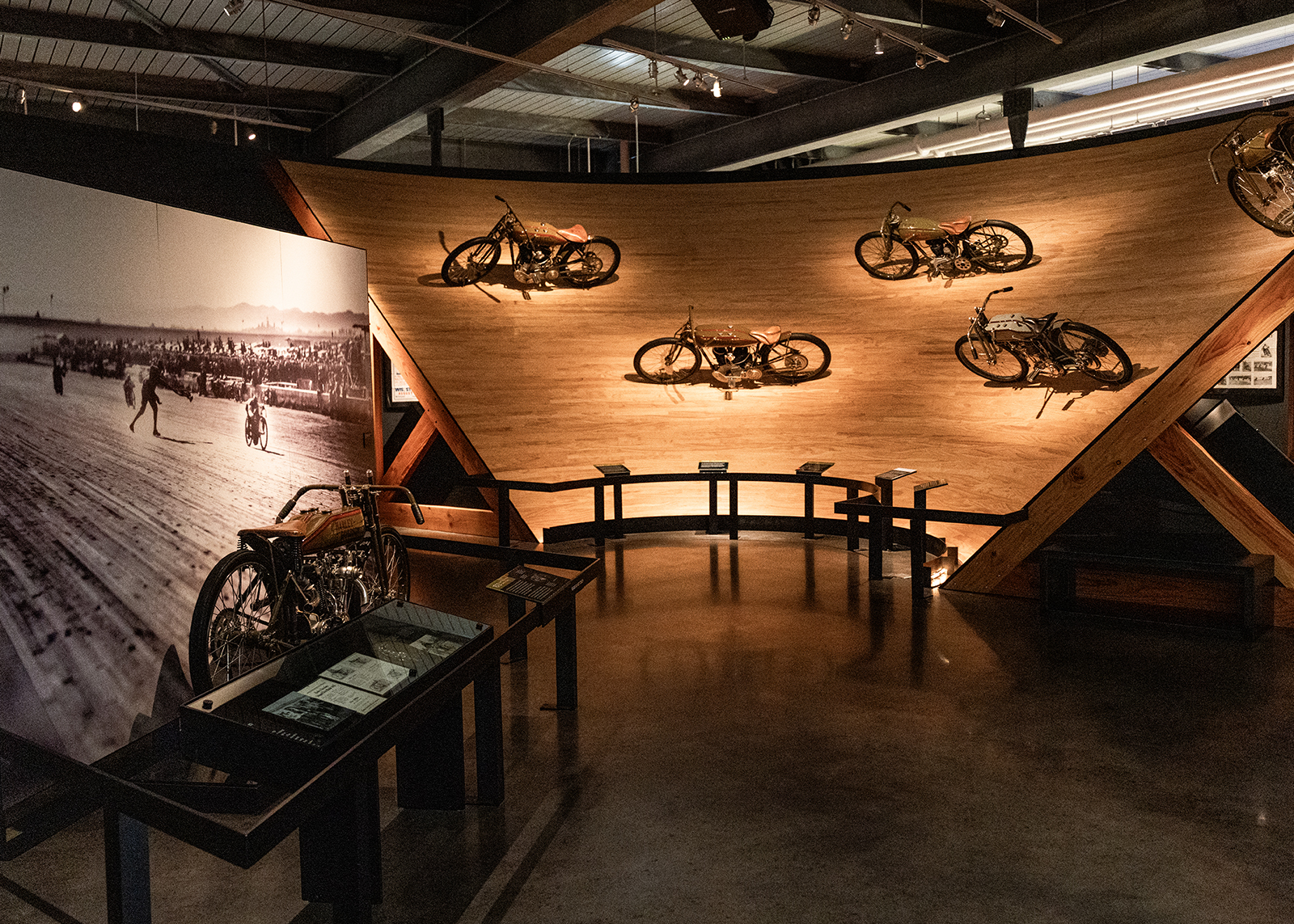
LIFE ON THE MURDERDROME: H-D AND THE SPORT THAT TERRIFIED EVERYONE
Long before racing glory, Harley-Davidson’s uneasy entry into board track competition was lived on the edge by riders like L.E. Bowen.
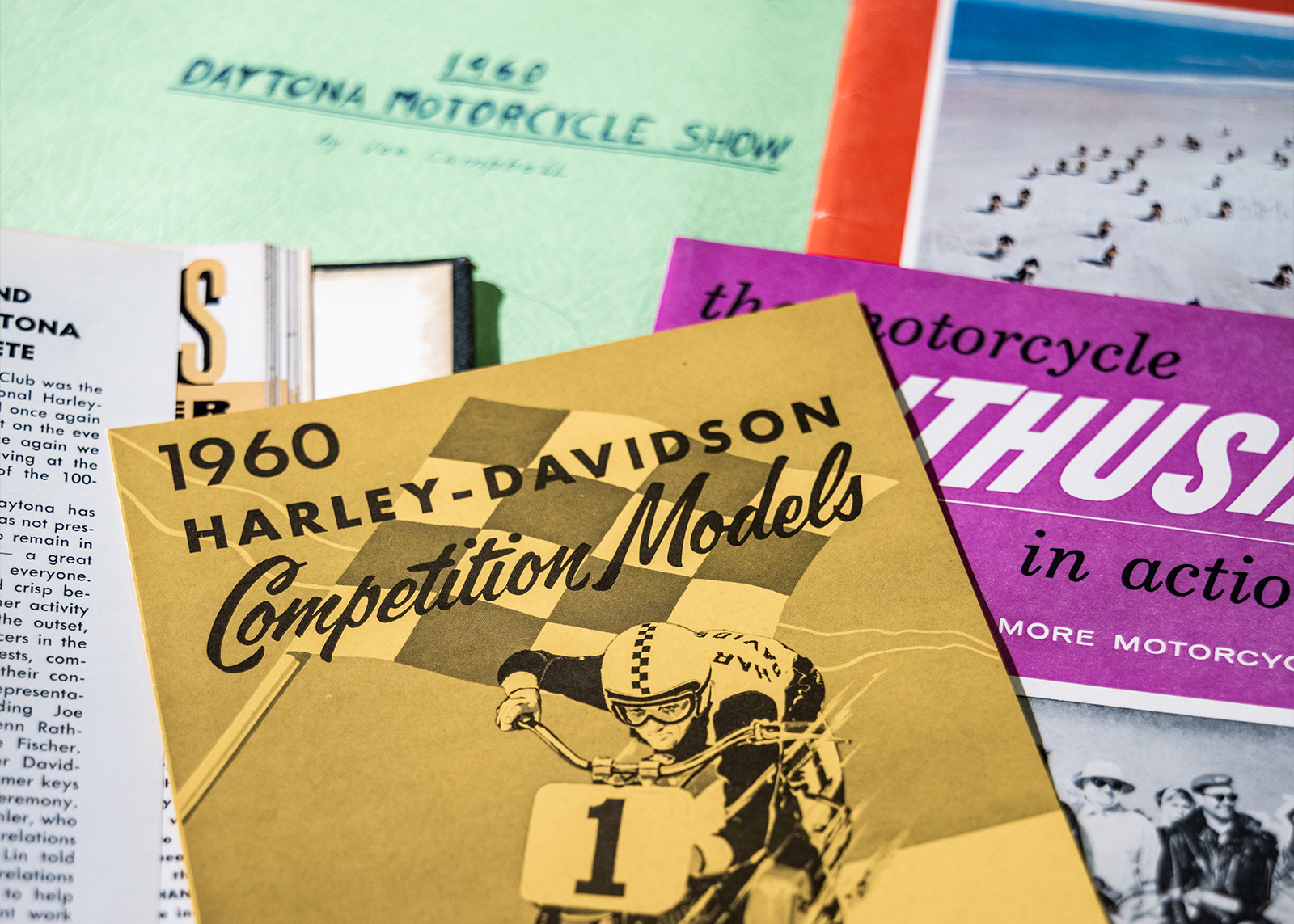
FLASHBACK: STEP INSIDE THE DAYTONA 1960 MOTORCYCLE SHOW
Daytona Bike Week celebrates its 85th year, offering the perfect moment to look back at the rally’s iconic 1960 roots.
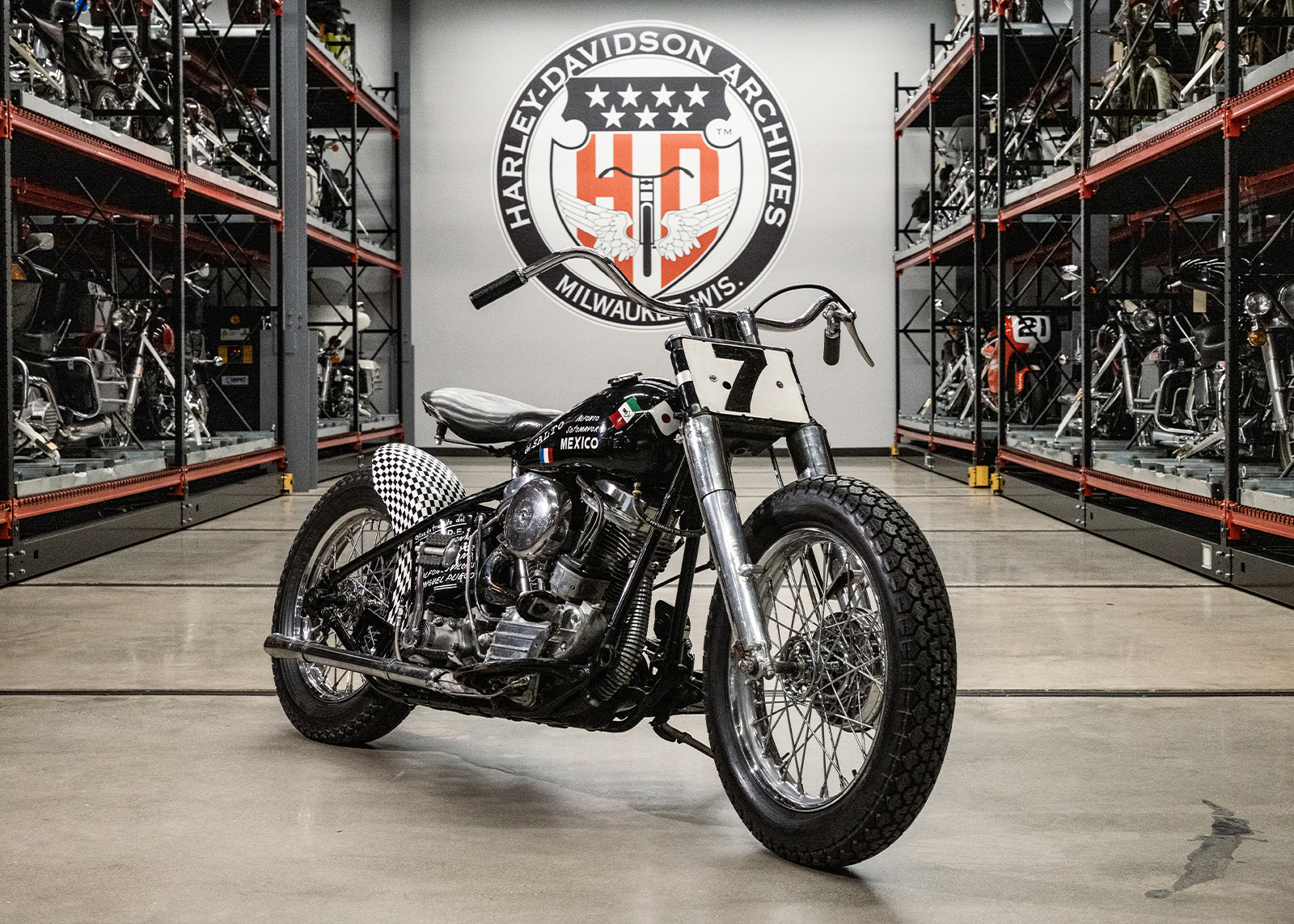
ALFONSO SOTOMAYOR AND MEXICAN STUNT RIDING
Harley-Davidson’s century-long history in Mexico is filled with pioneering riders and legendary stunt performers like Alfonso Sotomayor.
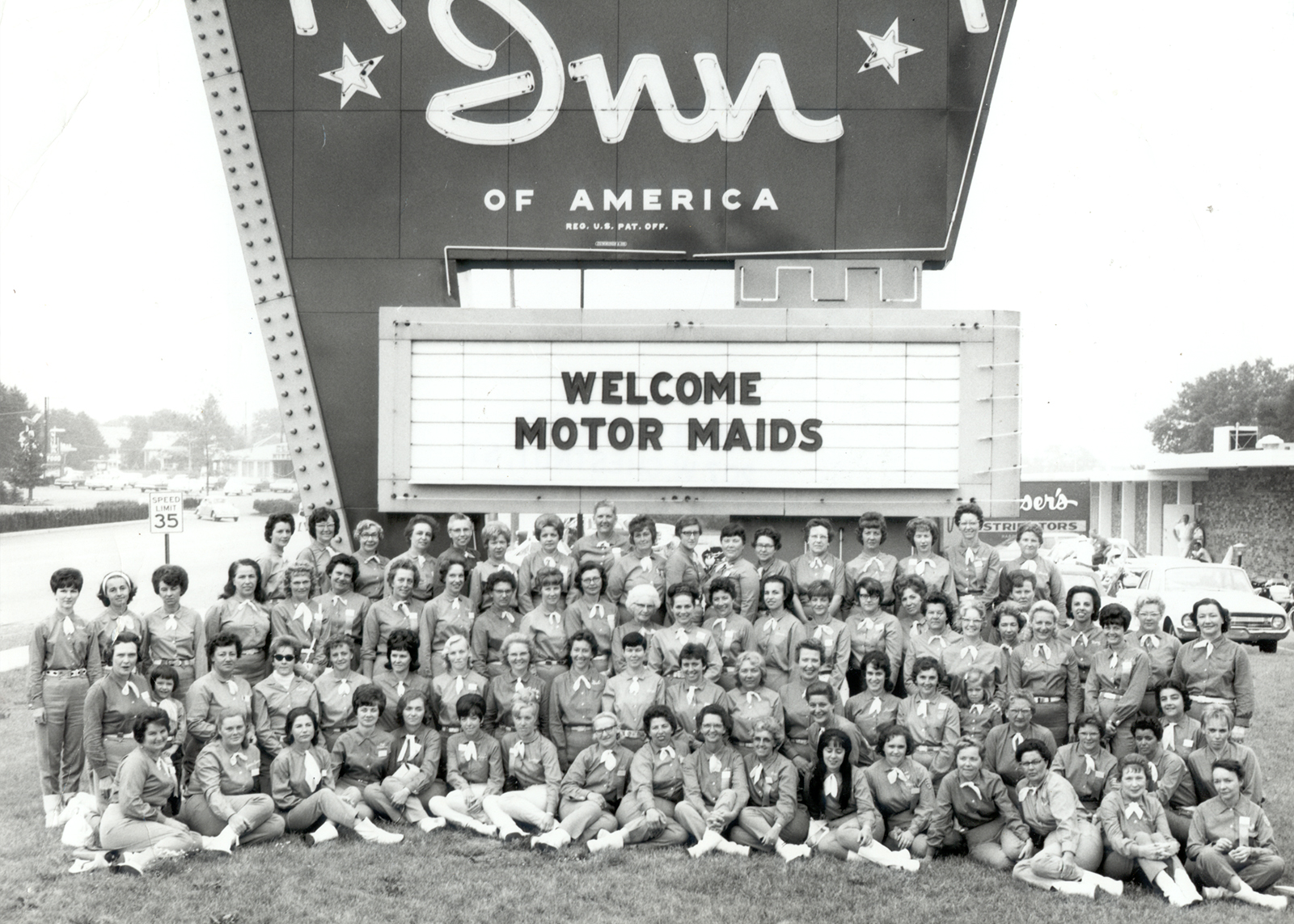
RIDING FORWARD: 85 YEARS OF THE MOTOR MAIDS
Founded in 1940 by pioneers Dorothy “Dot” Robinson and Linda Dugeau, the Motor Maids became the first women’s national motorcycle club.
RIDING THROUGH HISTORY: ELDRED R. HARRINGTON’S HARLEY-DAVIDSON ADVENTURES
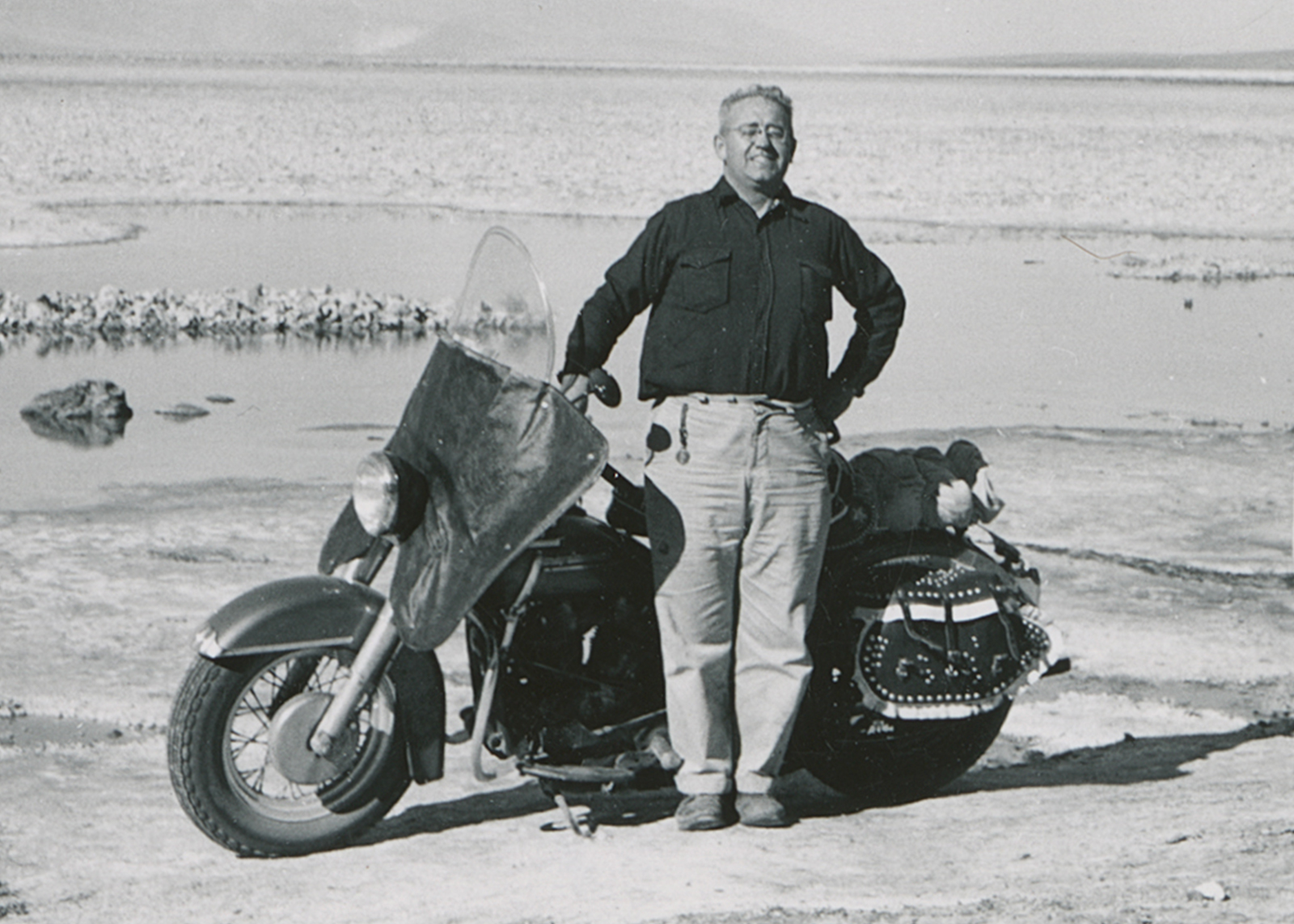
Eldred R. Harrington, a prolific Enthusiast writer from 1944–1965, was revisited by Harley-Davidson archives during the Hydra-Glide’s 75th anniversary.
EARLY RIDING WEAR
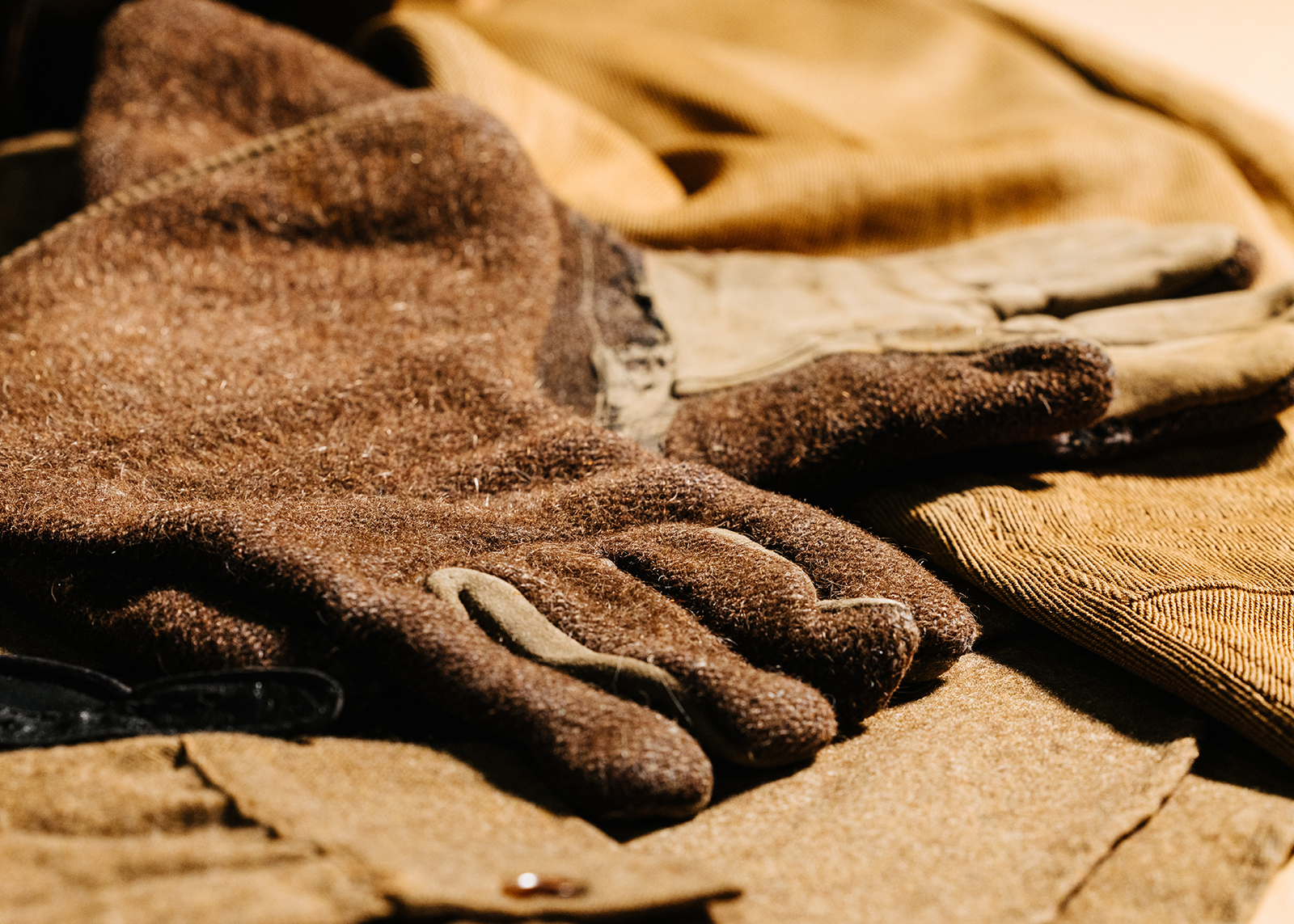
In the earliest images in the Harley-Davidson archives, riders’ clothing always stands out.
LESLIE “RED” PARKHURST
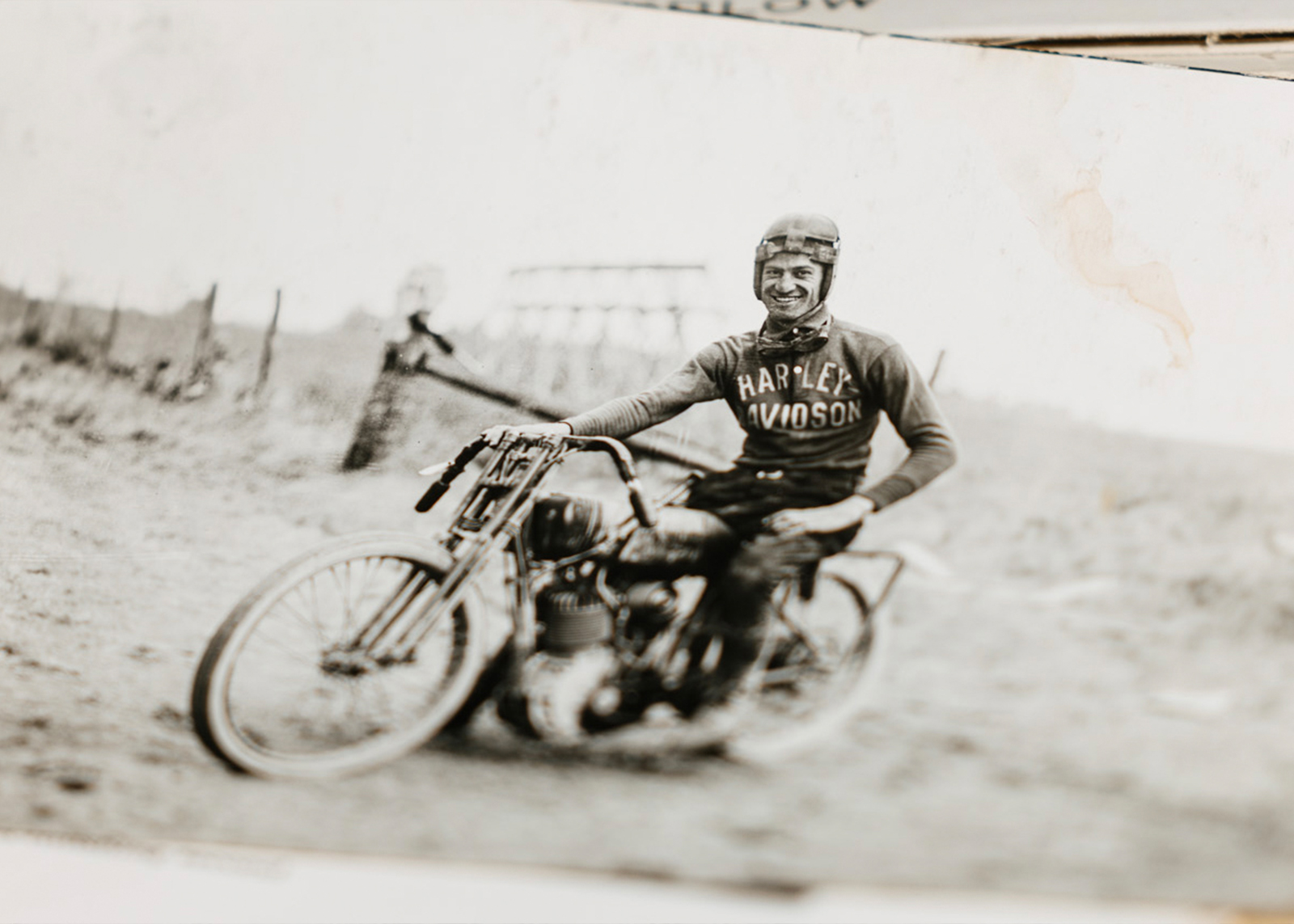
Parkhurst was a good-natured athlete whose enthusiasm made him a real crowd-pleaser, both on and off the track.
THE WORLD'S FASTEST HARLEY-DAVIDSON
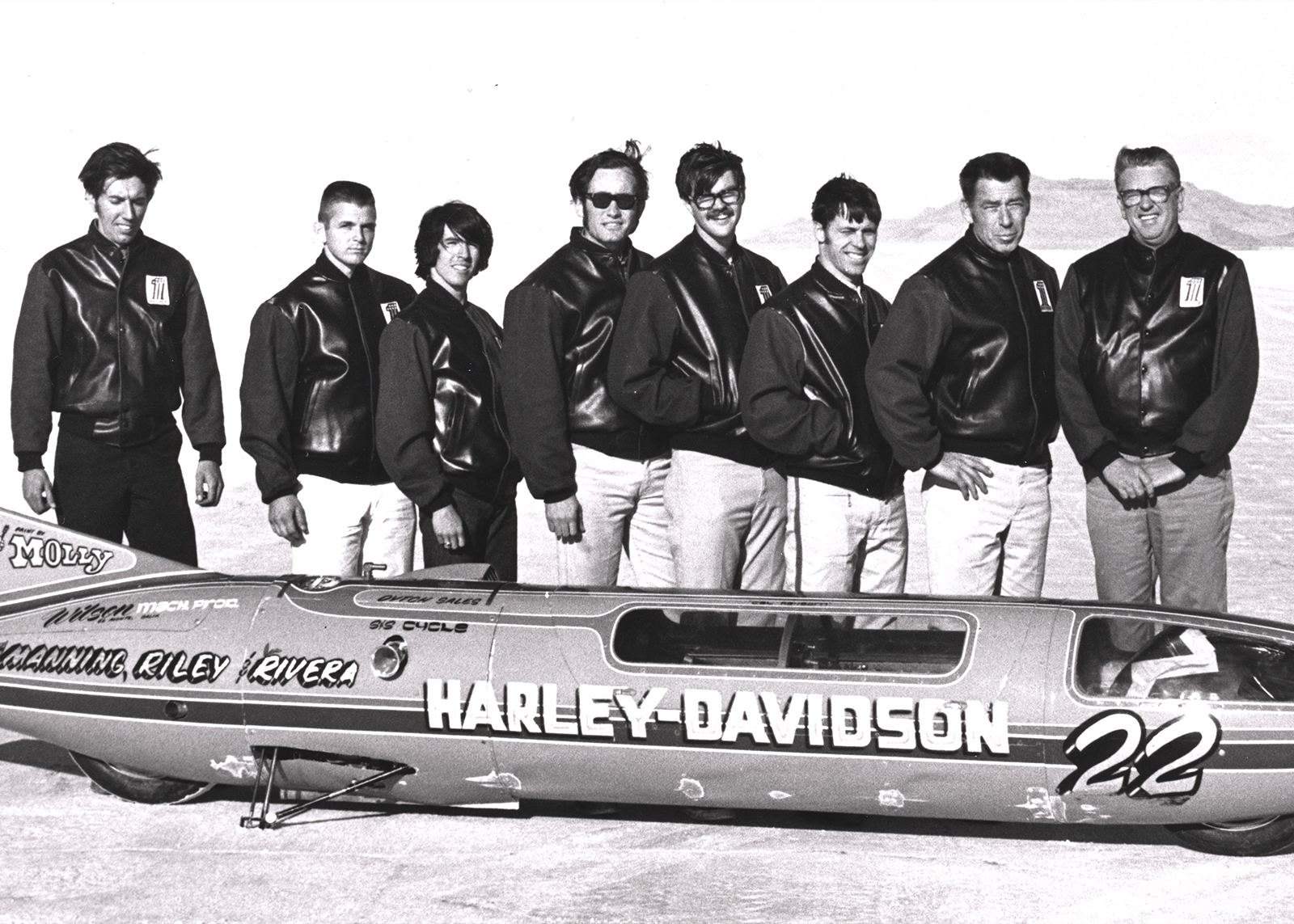
Built for Speed. Born for Glory. The Return of a Legend.