KNIGHTS OF THE HIGHWAY: THE STORY BEHIND MOTORCYCLE CLUB UNIFORMS
Written by The Harley-Davidson Museum
Photos by Josh Kurpius Archival photos courtesy of H-D Museum
“Well dressed riders, wherever they go, singly or in groups, always receive favorable comment.”
LOOKING BACK AT MOTORCYCLE CLUB UNIFORMS
Have you ever thought about someone else: “You’re ruining it for the rest of us?”
Some of the earliest motorcycle clubs in the United States shared the same frustration: a handful of reckless riders were giving everyone else a bad name.
Their response wasn't just to encourage better behavior, but to look the part, too. Uniforms became a way to project discipline, respectability and a shared identity, signaling to the public that these riders represented something different.
The idea wasn't unique to motorcycling. During America's bicycle boom in the late 19th century, riders formed clubs for competition and a shared love of the sport, often adopting club uniforms as symbols of identity and camaraderie.
As motorcycles began to dot the landscape in the early 20th century, the evolution of motorcycle gear followed, with many groups adopting coordinated styles to set themselves apart. Industry writers argued that motorcycling could take a page from organized sports like baseball and American football, using uniforms to foster pride, strengthen club identity, and elevate the public image of the sport.
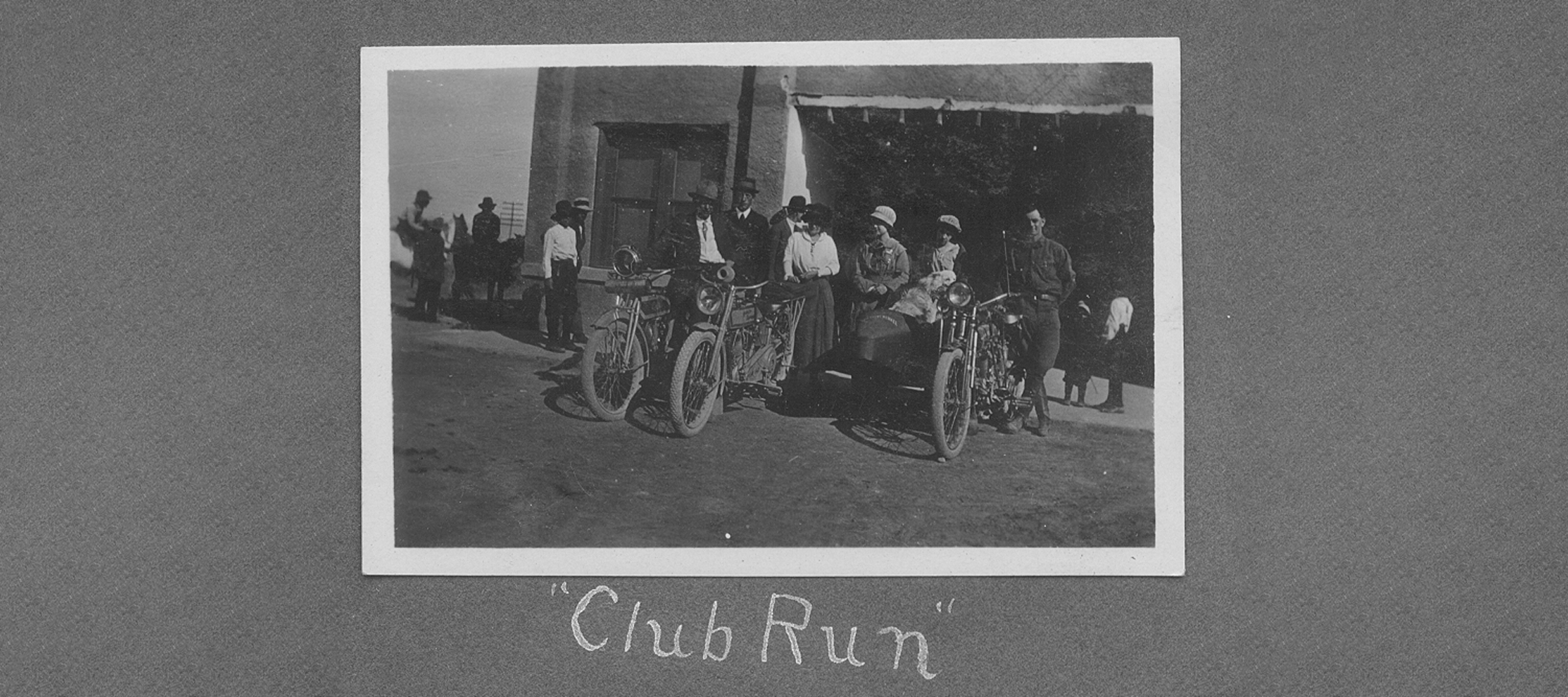
UNIFORMS BECAME A WAY TO PROJECT DISCIPLINE, RESPECTABILITY AND A SHARED IDENTITY, SIGNALING TO THE PUBLIC THAT THESE RIDERS REPRESENTED SOMETHING DIFFERENT.
The other reason for adopting uniforms was to distinguish themselves from another type of rider. Many club members believed that irresponsible motorcyclists were shaping public opinion, and that clubs had a responsibility to present a different image.
In 1916, Indian Motorcycle's Frank Weschler echoed that sentiment in Motorcycle Illustrated, writing that the public had become prejudiced against motorcyclists because of behaviors like excessive speed, loud pipes and a lack of proper dress and appearance.
He argued, "The clubs can assist to this end by constantly fostering the spirit of safe and sane riding, neat attire and careful conduct of the riders."
Some clubs were ahead of the curve. By 1912, the Providence Motorcycle Club of Rhode Island had adopted a formal uniform consisting of Norfolk jackets, olive fustian breeches and puttees.
That same year, Motorcycle Illustrated reported that the Rochester (New York) Motorcycle Club, “To merit continued approbation, the riders discussed at the last meeting the matter of a club uniform, particular stress being laid on utility and neatness.”
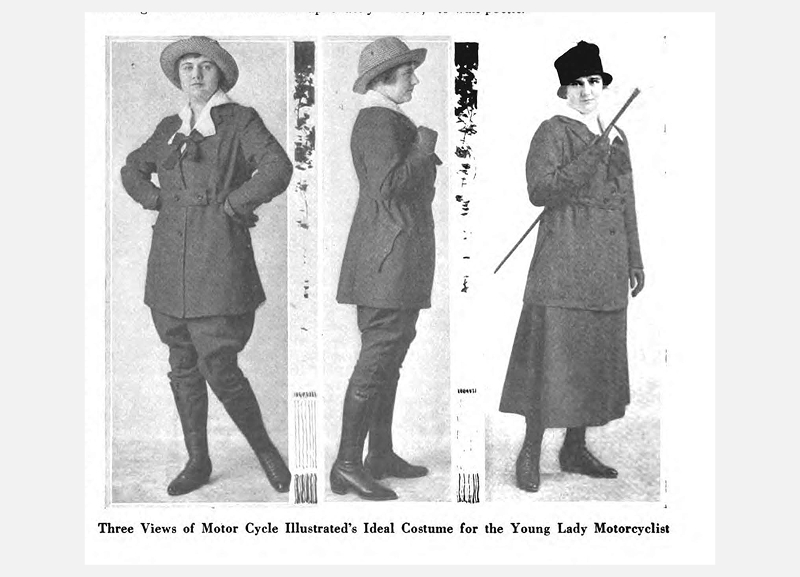
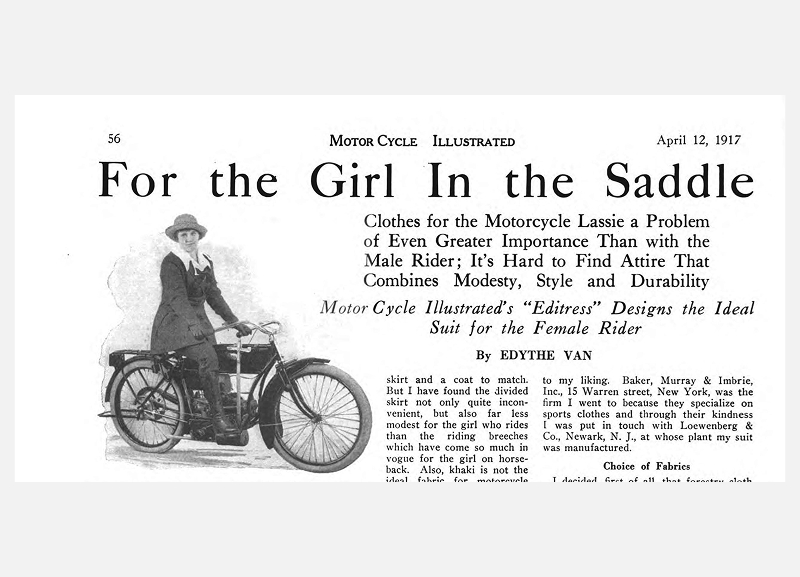
Some women riders felt an even greater responsibility to uphold the image of motorcycling. In April 1917, Motorcycle Illustrated editor Edythe Van argued that clubs should distance themselves from members whose behavior reflected poorly on the sport, writing, "Riders who do not give any thought to their own personal appearance keep far more desirable prospective members from joining the clubs."
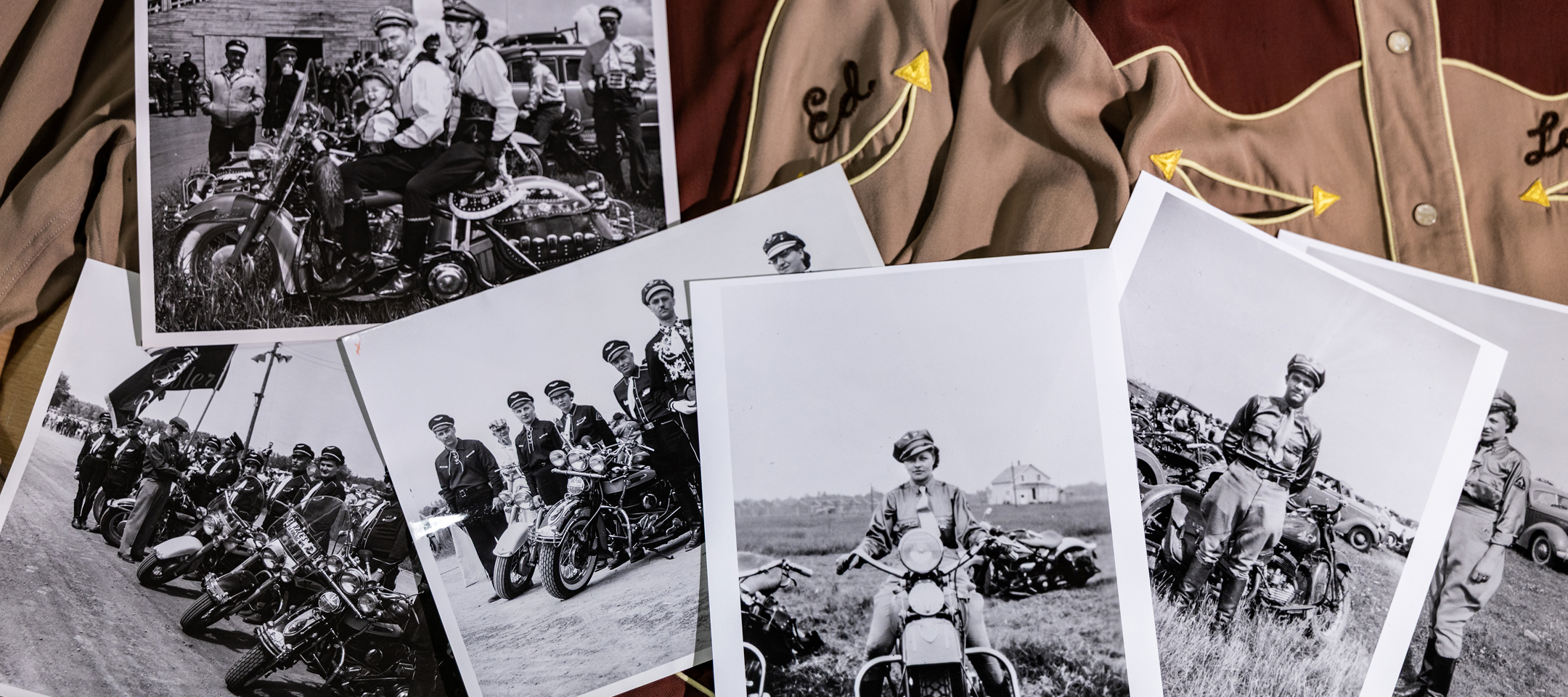
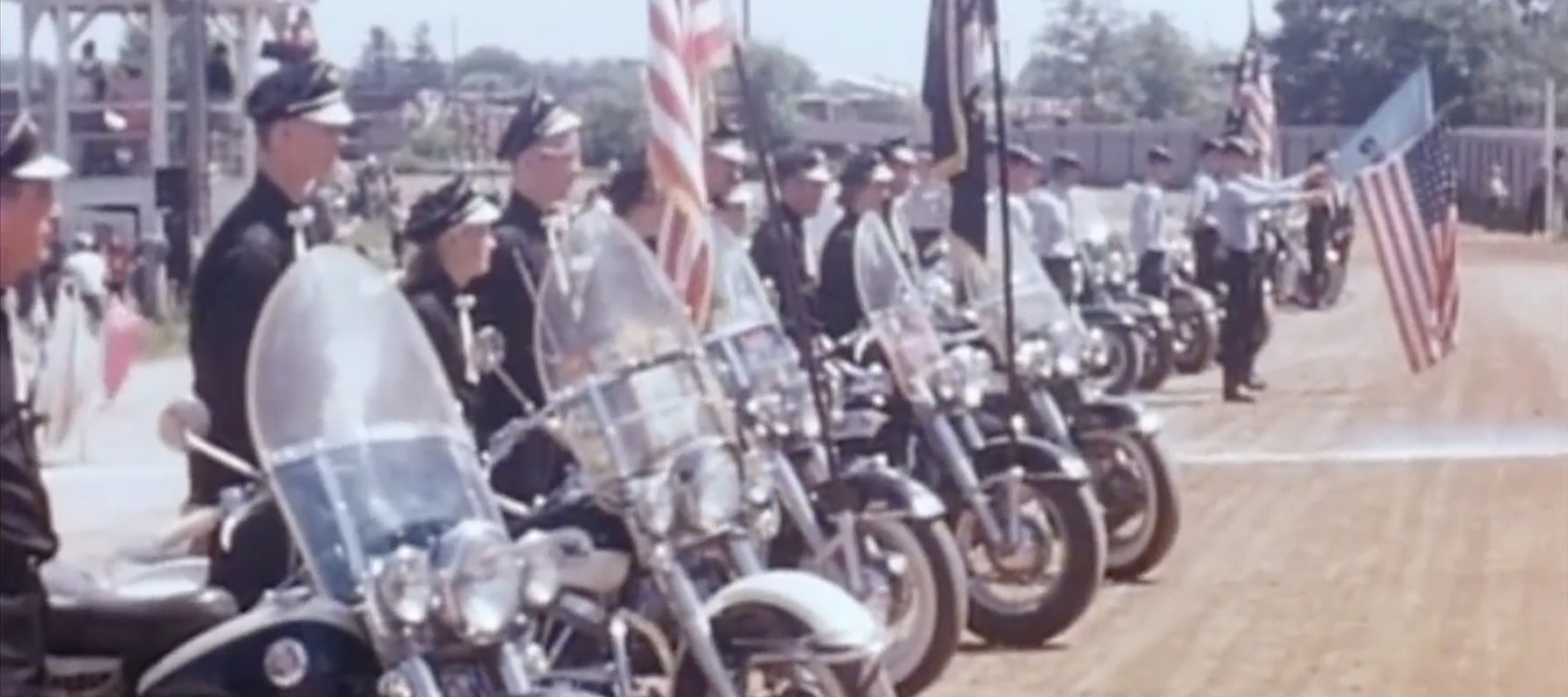
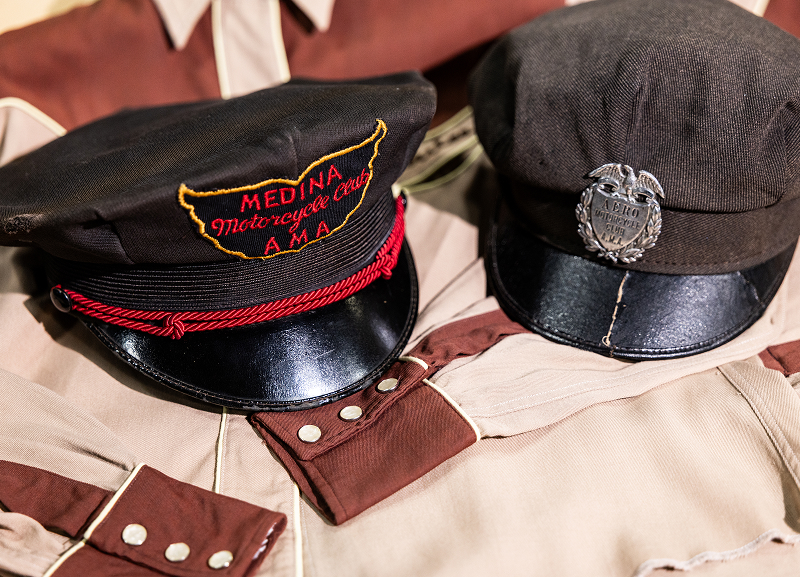
Club uniforms became increasingly popular throughout the 1920s and '30s. Many took on a formal, military-inspired look, complete with embroidered details and police-style caps.
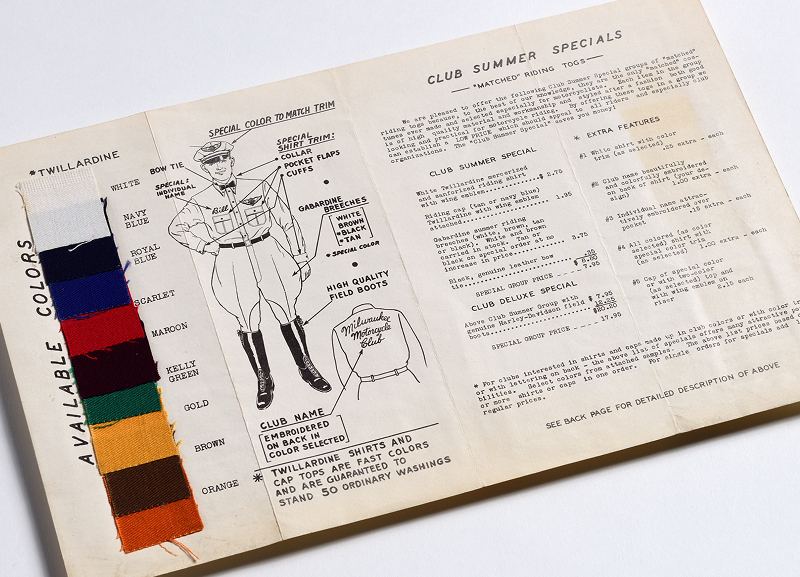
Harley-Davidson embraced the trend, offering complete club uniforms along with embroidered logos and accessories. Riders could even order leather neckties and bow ties, while shirts featured decorative piping and coordinated color schemes. By 1937, the H-D accessories catalog showcased complete uniform options with color swatches, matching breeches or jodhpurs and boots to complete the look.
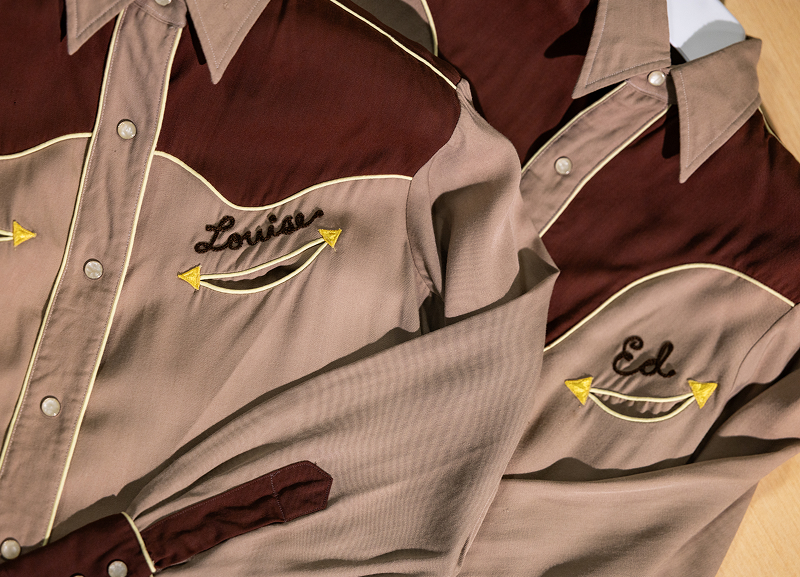
At some rallies and field meets, trophies were given out to clubs and riders. These included tallest and shortest riders, the person who rode the longest distance and of course, the best dressed rider.
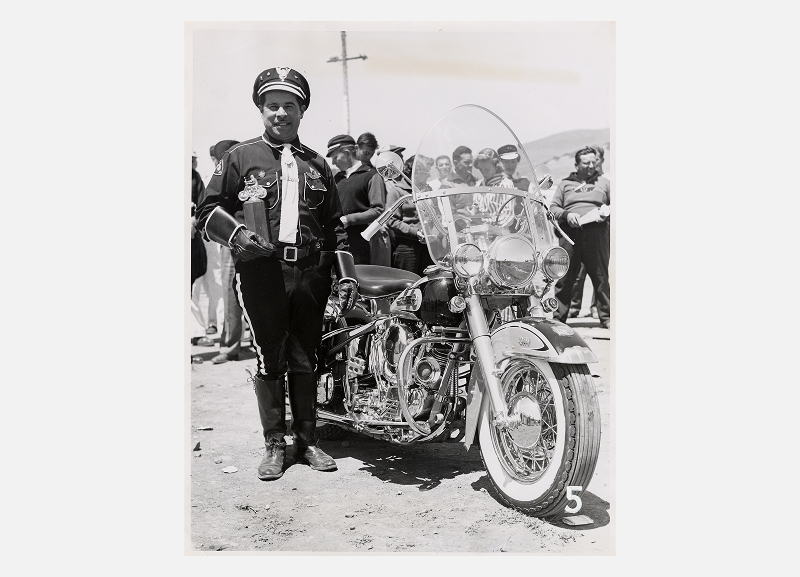
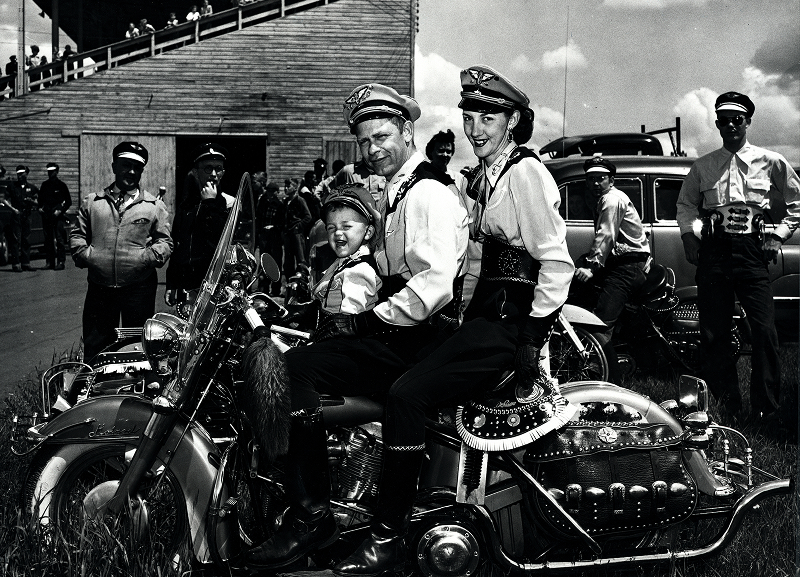
By the late 1930s, efforts to improve the public image of motorcycling had reached a high point. Clubs, manufacturers, and industry publications were all encouraging riders to represent the sport with pride and professionalism.
Writing in its May 1939 issue, The Motorcyclist credited the movement with helping fuel the sport's growing popularity, adding, "We feel that the rapid growth of our so-called clean-up program has done much to create that desire on the part of these various organizations."
Among the hopes of the writer were that newspapers across the US might start reporting more about riders than just accidents and speeding.
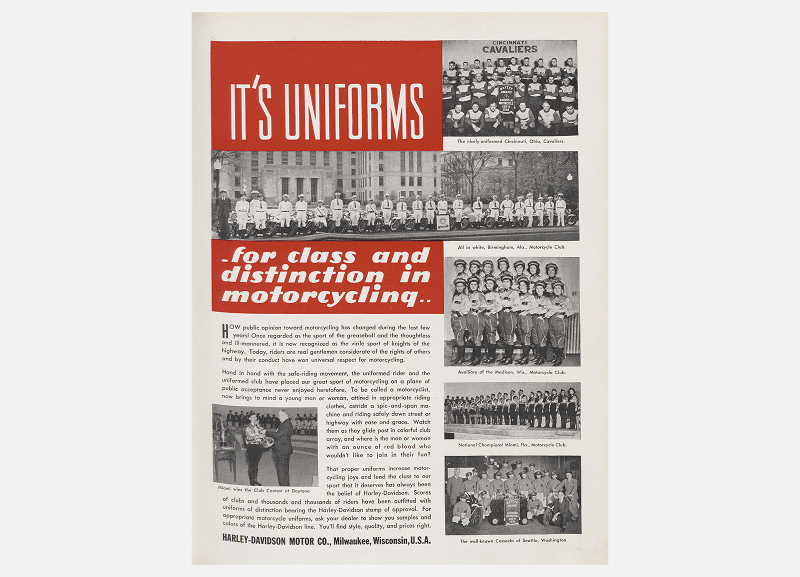
A month later, a Harley-Davidson advertisement in the same magazine announced, “It’s club uniforms for class and distinction in motorcycling.”
The copy also mentioned, “Once regarded as the sport of the greaseball and the thoughtless and ill-mannered, it is now recognized as the virile sport of knights of the highway. Today, riders are real gentlemen considerate of the rights of other and by their conduct have won universal respect for motorcycling.”
BY THE LATE 1930S, EFFORTS TO IMPROVE THE PUBLIC IMAGE OF MOTORCYCLING HAD REACHED A HIGH POINT. CLUBS, MANUFACTURERS, AND INDUSTRY PUBLICATIONS WERE ALL ENCOURAGING RIDERS TO REPRESENT THE SPORT WITH PRIDE AND PROFESSIONALISM.
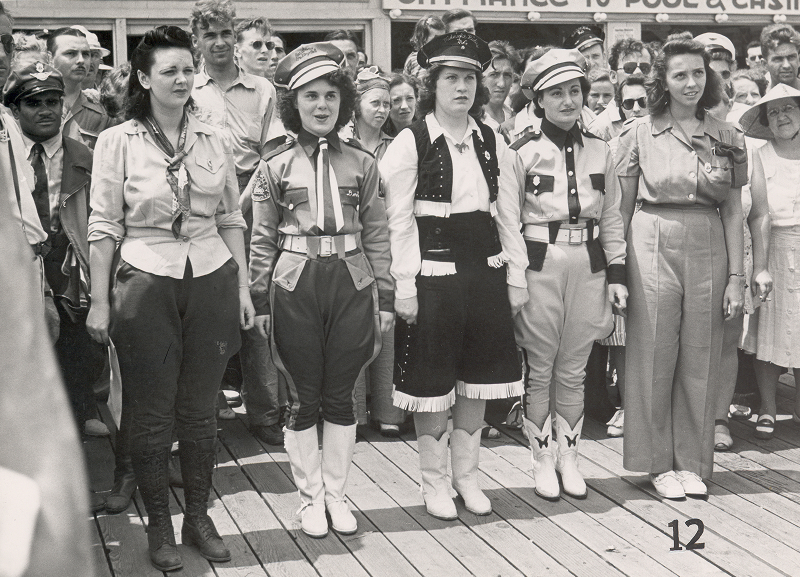
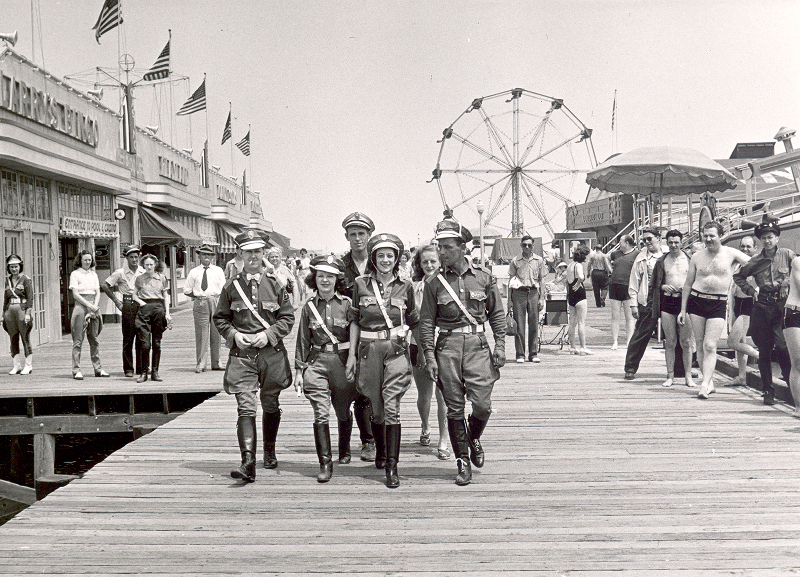
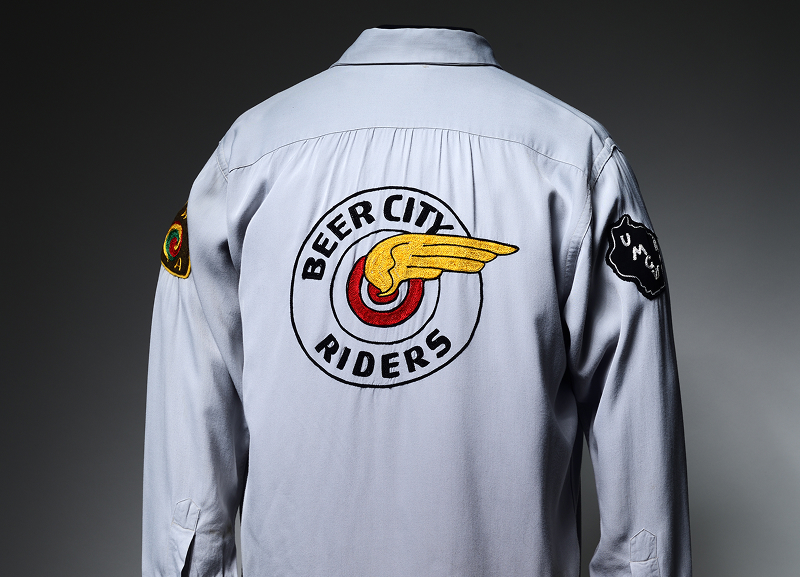
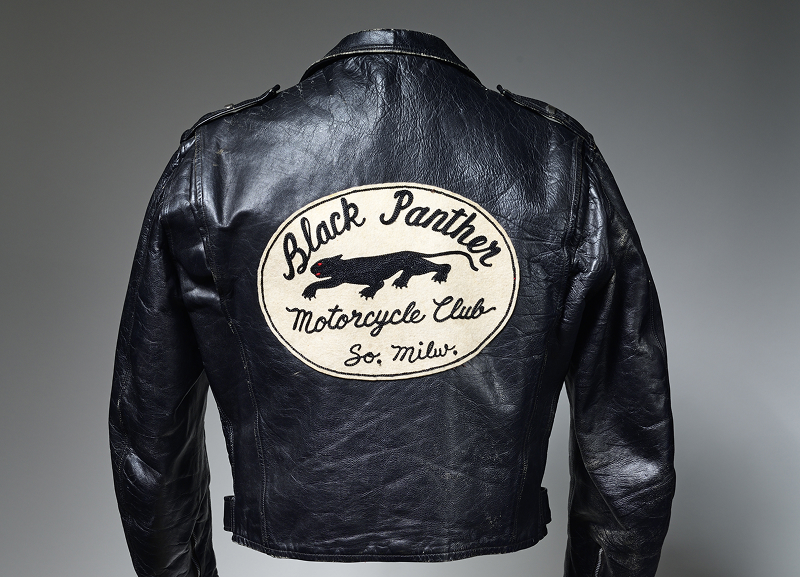
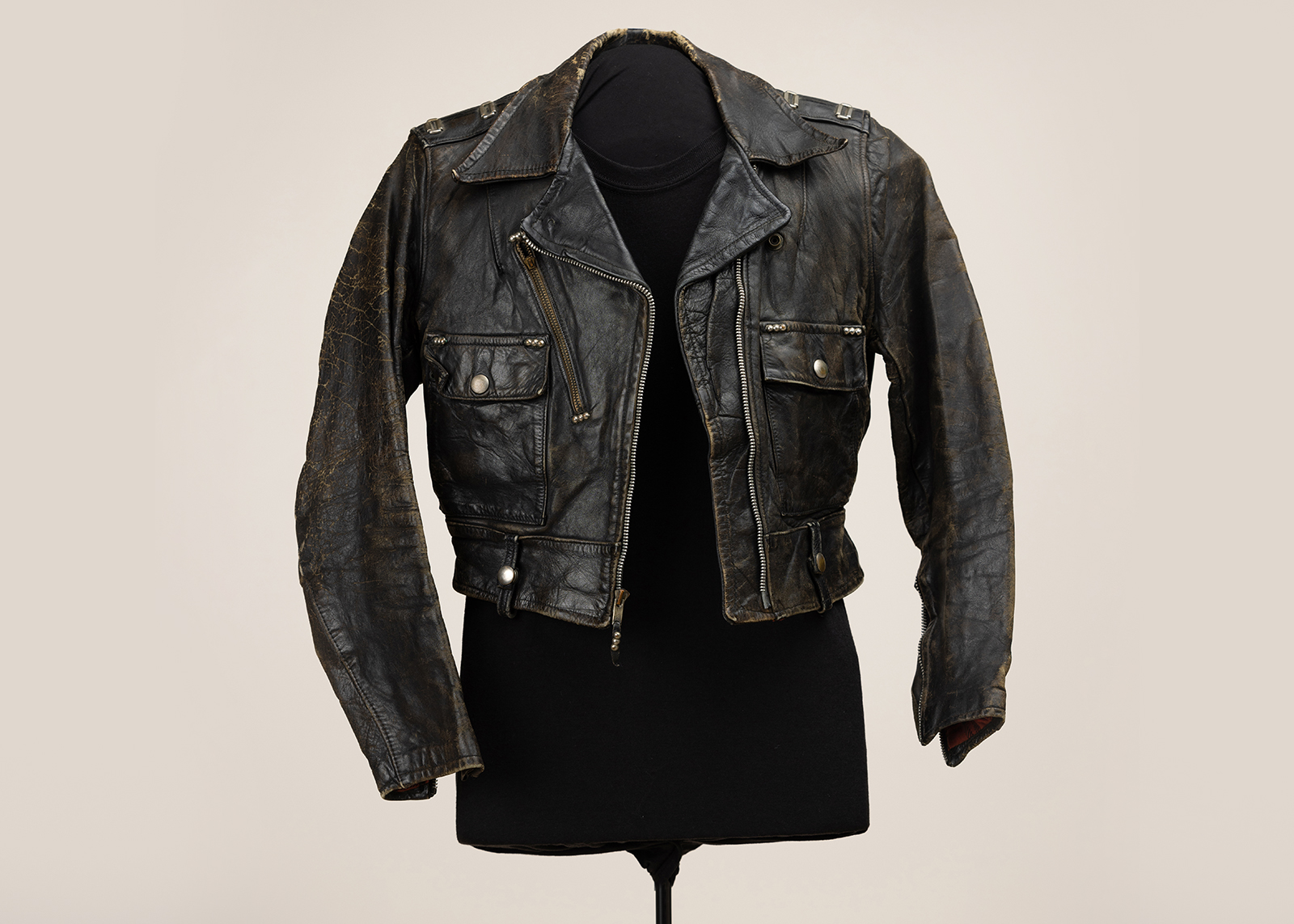
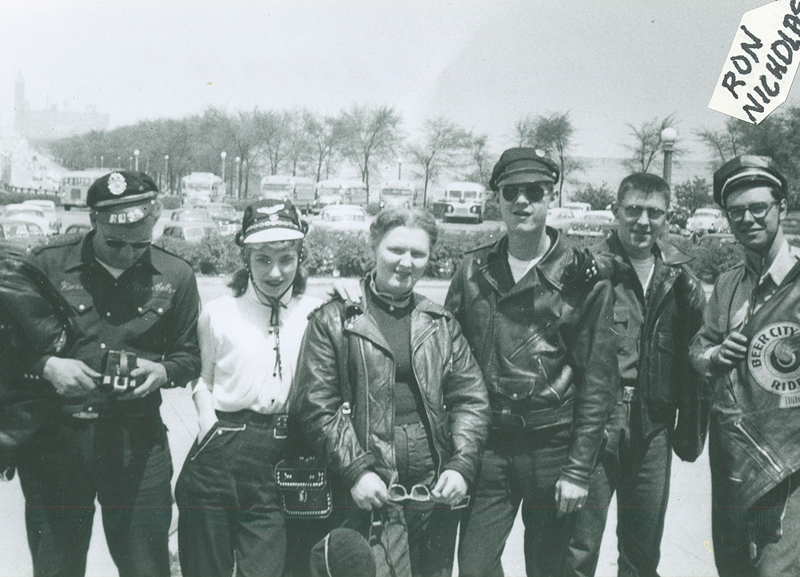
After World War II, the black leather jacket became increasingly common in motorcycling, inspired in part by the waist-length jackets worn by U.S. Army Air Forces pilots and crew. Some clubs incorporated leather jackets into their uniforms, while others continued wearing more traditional shirts, sweaters, breeches, and caps. But for many riders, the leather jacket wasn't just about style—it offered warmth, protection, and practicality on the road.
Clubs and industry press became concerned prior to the release of the Columbia Pictures movie The Wild One in 1953. The response after release wasn’t much better.
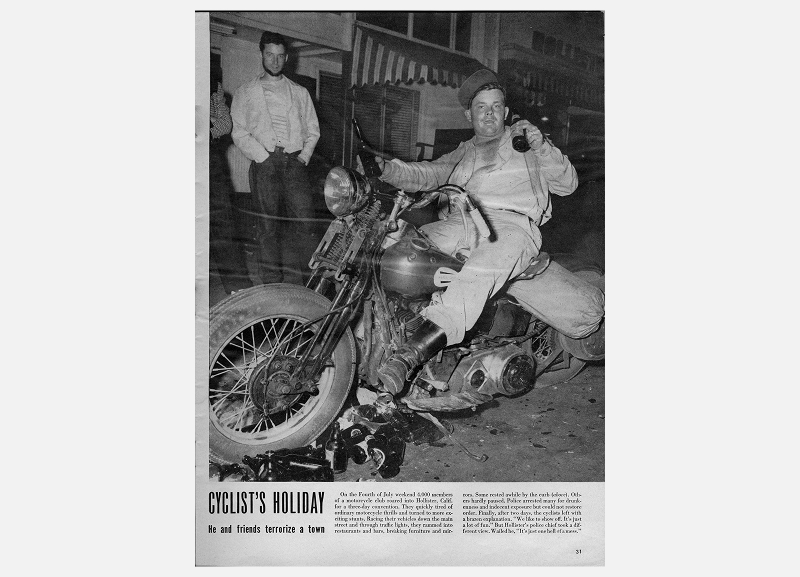
The Wild One was inspired in part by the events of the 1947 Hollister Rally in California. During that July weekend, visiting motorcycle clubs drank, raced, and performed stunts in the streets, drawing national attention. A now-famous Life magazine photo showing a rider astride a motorcycle amid a sea of beer bottles became one of the defining images of the rally, though it was later revealed to have been staged.
In fact, a Western US states distributor for Triumph motorcycles wrote a letter to Columbia during production, asking for the movie to be halted.
In The Wild One, the Black Rebels are portrayed as leather-clad troublemakers who terrorize a small town, while their rival gang, the Beetles, appear even more unruly. The contrast wasn't subtle: the less "respectable" a rider appeared, the more threatening they were portrayed on screen.
It was a familiar stereotype. Since the earliest days of motorcycling, industry leaders had argued that irresponsible riders could often be recognized by their untidy appearance and disregard for convention. Following the film's release, many motorcycle publications criticized The Wild One for reinforcing those stereotypes, even as some acknowledged that the story contained kernels of truth.
But Hollywood didn’t always present jacketed riders as a problem. A 1955 episode of the American television police drama Highway Patrol depicted two riders of the “Lightning Bugs Motorcycle Club” (one of them a young Clint Eastwood) riding into a small town. They were stereotyped as “bums” by a diner operator, whose wife was injured in the past by a reckless rider.
An altercation follows and the viewer learns over the course of the episode that the Lightning Bugs are law-abiding and “certified” by the “motorcycle association.”
As the 1960s progressed, clubs made more of a transition to vests and jackets for identity. H-D and many others were producing far more leather apparel from the post-WWII onward.
The sheer functionality of leather jackets also played a role in the change. After the creation of the Harley Owners Group (H.O.G.) in 1983 the chapters worldwide continued the tradition of chapter patches on vests and jackets.
While a handful of motorcycle clubs still wear traditional uniforms, most modern riders express their identity in different ways. Harley Owners Group (H.O.G.) members proudly wear chapter rocker patches and pins, other enthusiast groups favor branded shirts and jackets and one-percenter clubs continue to wear cuts bearing the familiar "MC" patch.
The styles have changed dramatically over the past century, but the purpose remains much the same. Whether it's a tailored club uniform, a leather jacket or a patch-covered vest, what riders wear has always been about more than clothing — it's a way to express identity, build community and show where they belong.
EXPERIENCE THE HISTORY OF HARLEY-DAVIDSON
Discover culture and history through stories and exhibits that celebrate expression, camaraderie and love for the sport.
EXPLORE MORE FROM THE ARCHIVES

RAY PRICE AND THE FUNNY BIKE
Discover the remarkable story of Ray Price, the Harley-Davidson drag racing pioneer whose groundbreaking Funny Bike innovations helped shape the future of motorcycle drag racing.
SPRINGSTEEN’S RISE: THE MAKING OF A FLAT TRACK LEGEND
Jay Springsteen overcame early adversity to become one of flat track racing's most successful riders, earning three consecutive Grand National titles and a place among Harley-Davidson legends.
THE EAGLE, THE NUMBER ONE, AND THE RETURN OF THE BAR & SHIELD
How a Bicentennial-era design idea from Willie G. Davidson gave rise to the eagle and modern Bar & Shield that continue to define Harley-Davidson today.
ROUTE 66: A TESTAMENT TO THE SPIRIT OF THE OPEN ROAD
Route 66 has evolved from a simple stretch of pavement into a defining experience for generations of Harley-Davidson riders.
“MOTORCYCLING IS THE LIFE”: THE LEGACY OF GUSTAF STENMARK
Driven by an obsession with motorcycles, Gustaf Stenmark pushed himself through every race and mile with competitive grit, chasing the limits of endurance on two wheels.
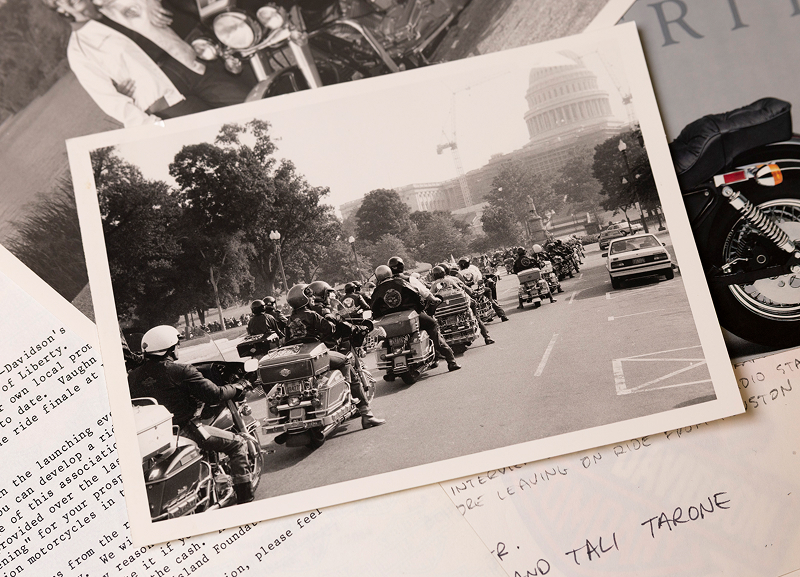
HARLEY-DAVIDSON RIDES FOR LIBERTY
As the Statue of Liberty prepared for her 100th anniversary, Harley‑Davidson riders united coast to coast to celebrate freedom and help restore an American icon.
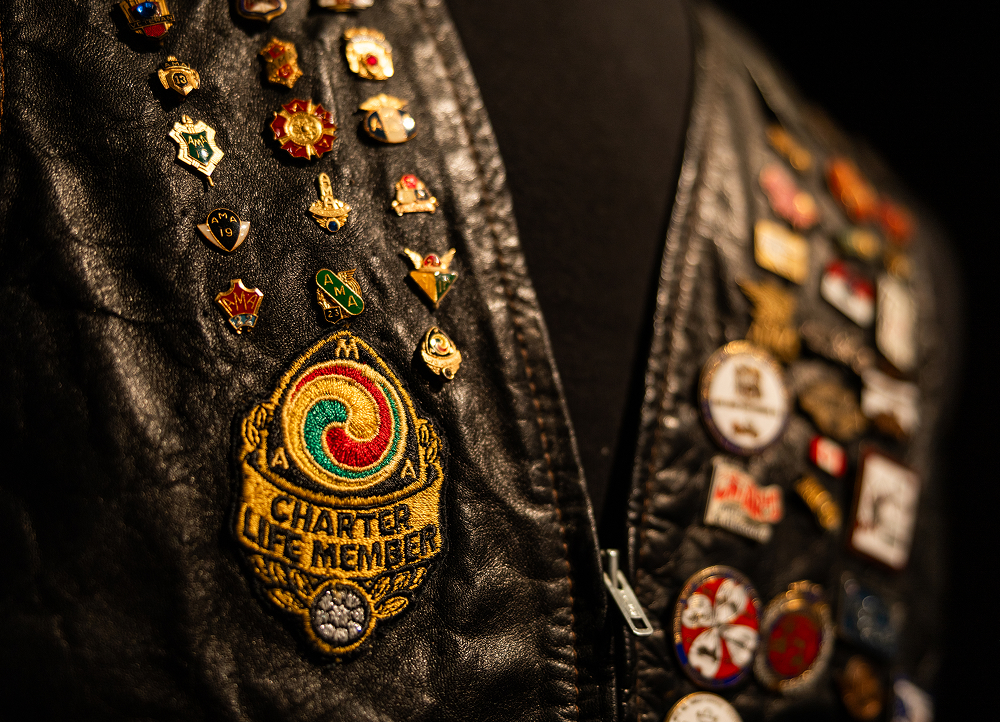
FROM WAISTCOAT TO CUT: THE EVOLUTION OF THE MOTORCYCLE VEST
The vest may have started out as a practical piece of clothing worn by aristocrats and soldiers, but today, it's one of the most iconic symbols of motorcycle culture.
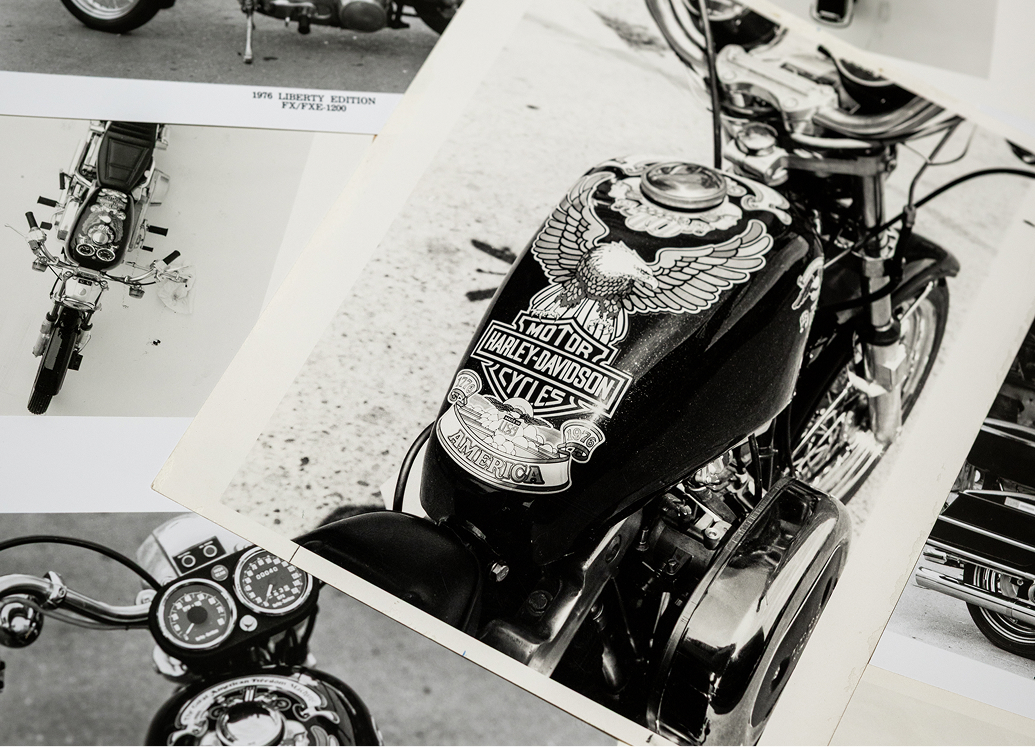
THE '76 BICENTENNIAL EDITION: THE BIRTH OF AN ICON
The 1976 Liberty Edition fused American patriotism with Harley‑Davidson craftsmanship, creating a landmark design that still resonates as a symbol of freedom and identity.
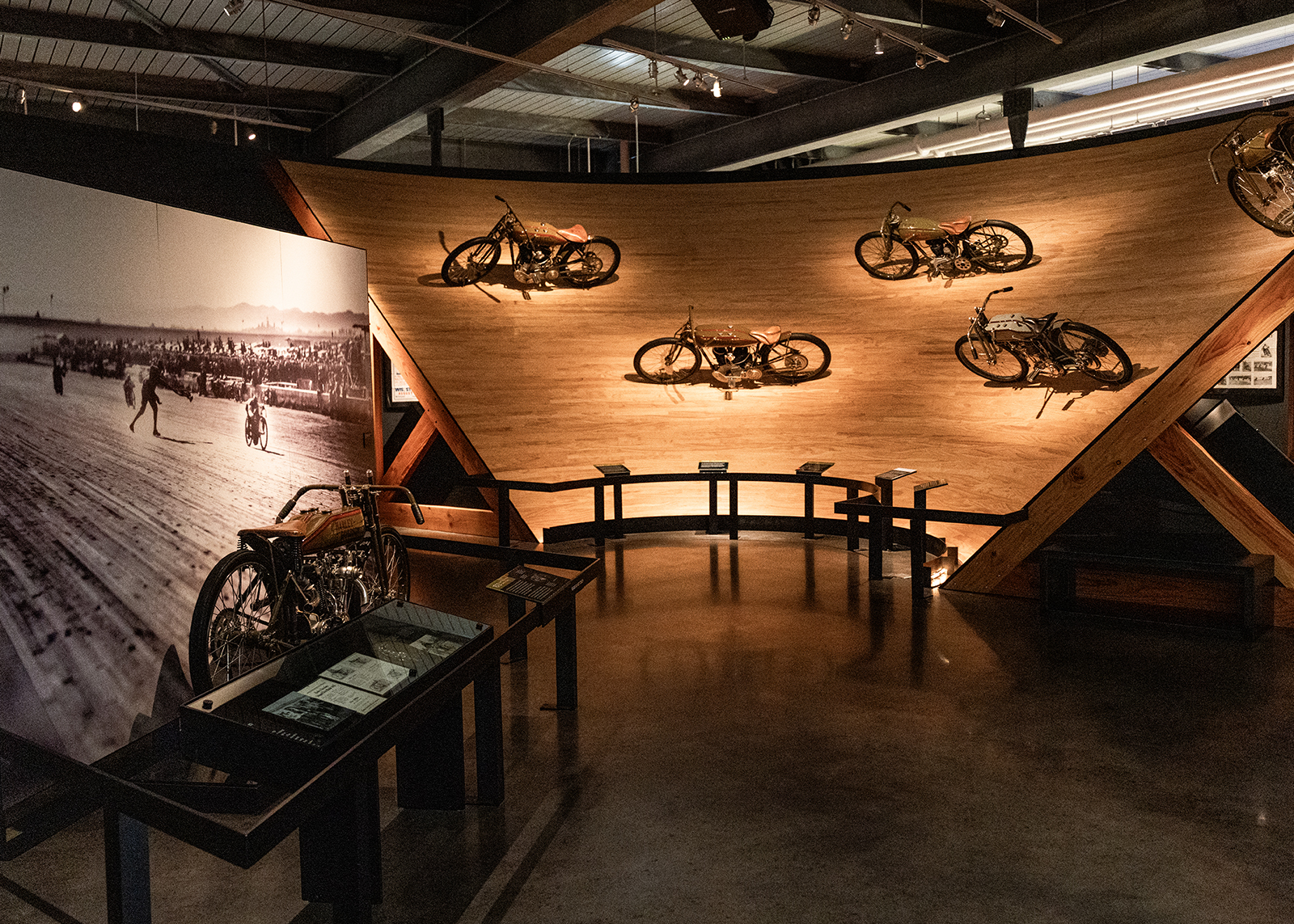
LIFE ON THE MURDERDROME: H-D AND THE SPORT THAT TERRIFIED EVERYONE
Long before racing glory, Harley-Davidson’s uneasy entry into board track competition was lived on the edge by riders like L.E. Bowen.
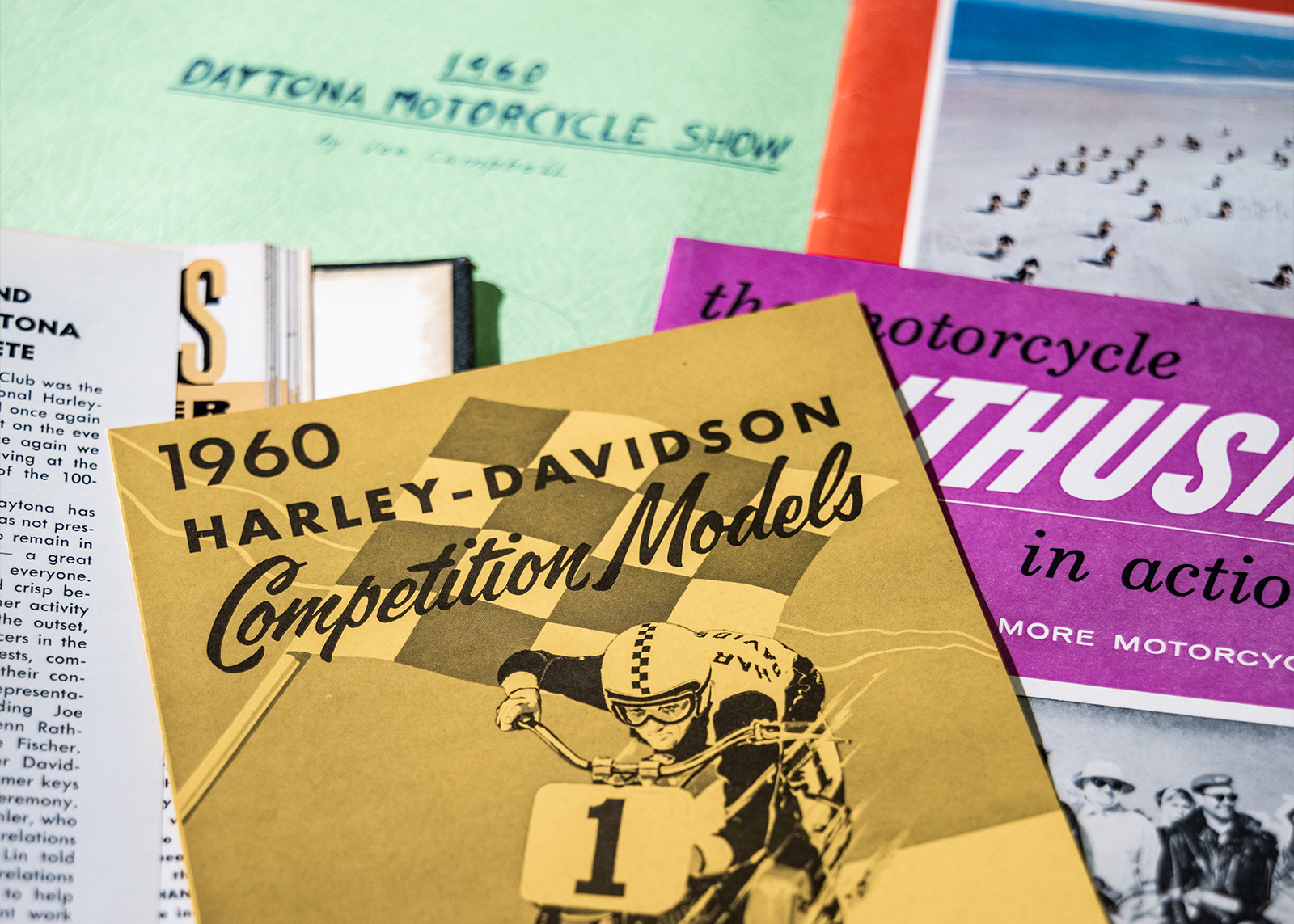
FLASHBACK: STEP INSIDE THE DAYTONA 1960 MOTORCYCLE SHOW
Daytona Bike Week celebrates its 85th year, offering the perfect moment to look back at the rally’s iconic 1960 roots.
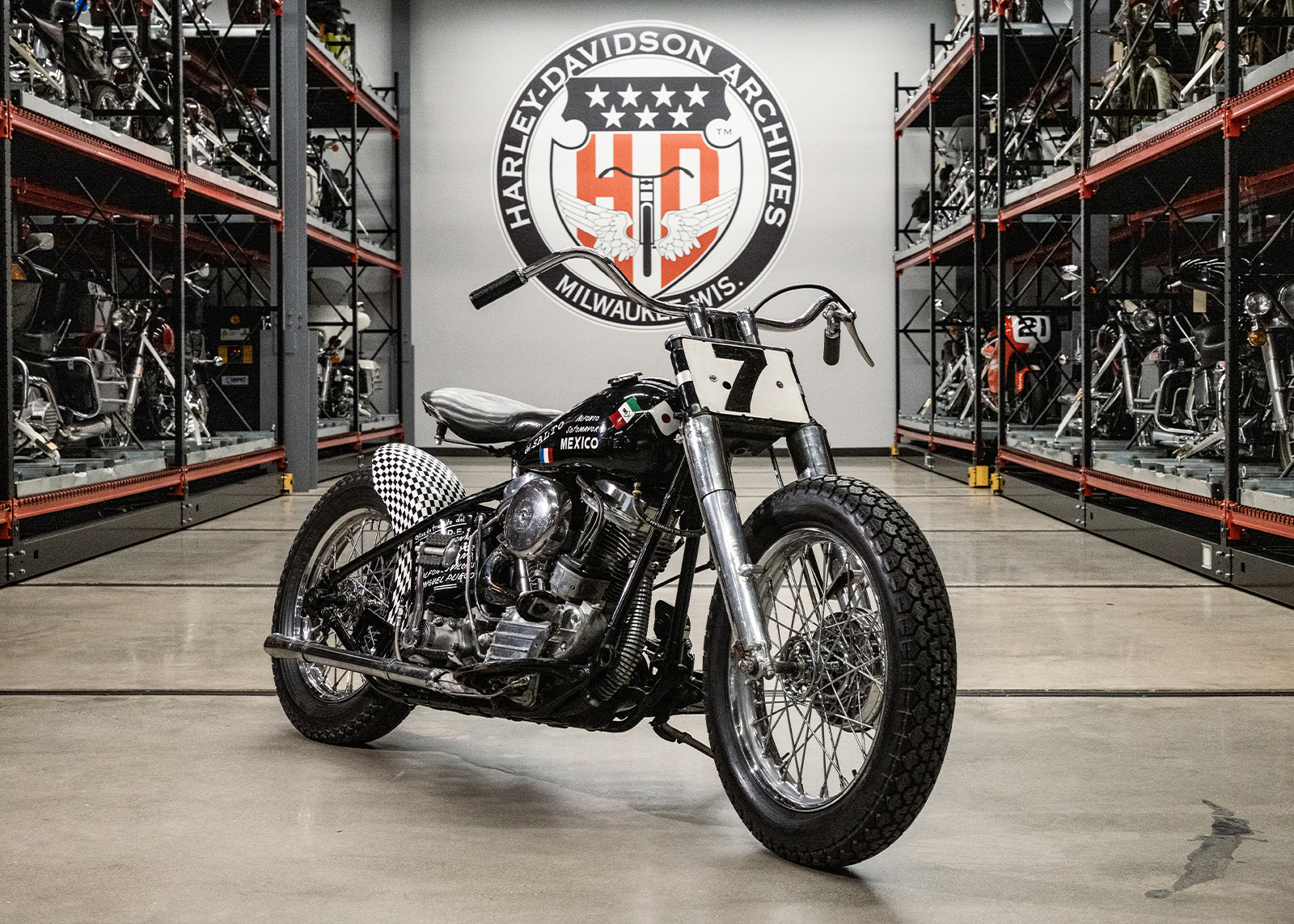
ALFONSO SOTOMAYOR AND MEXICAN STUNT RIDING
Harley-Davidson’s century-long history in Mexico is filled with pioneering riders and legendary stunt performers like Alfonso Sotomayor.
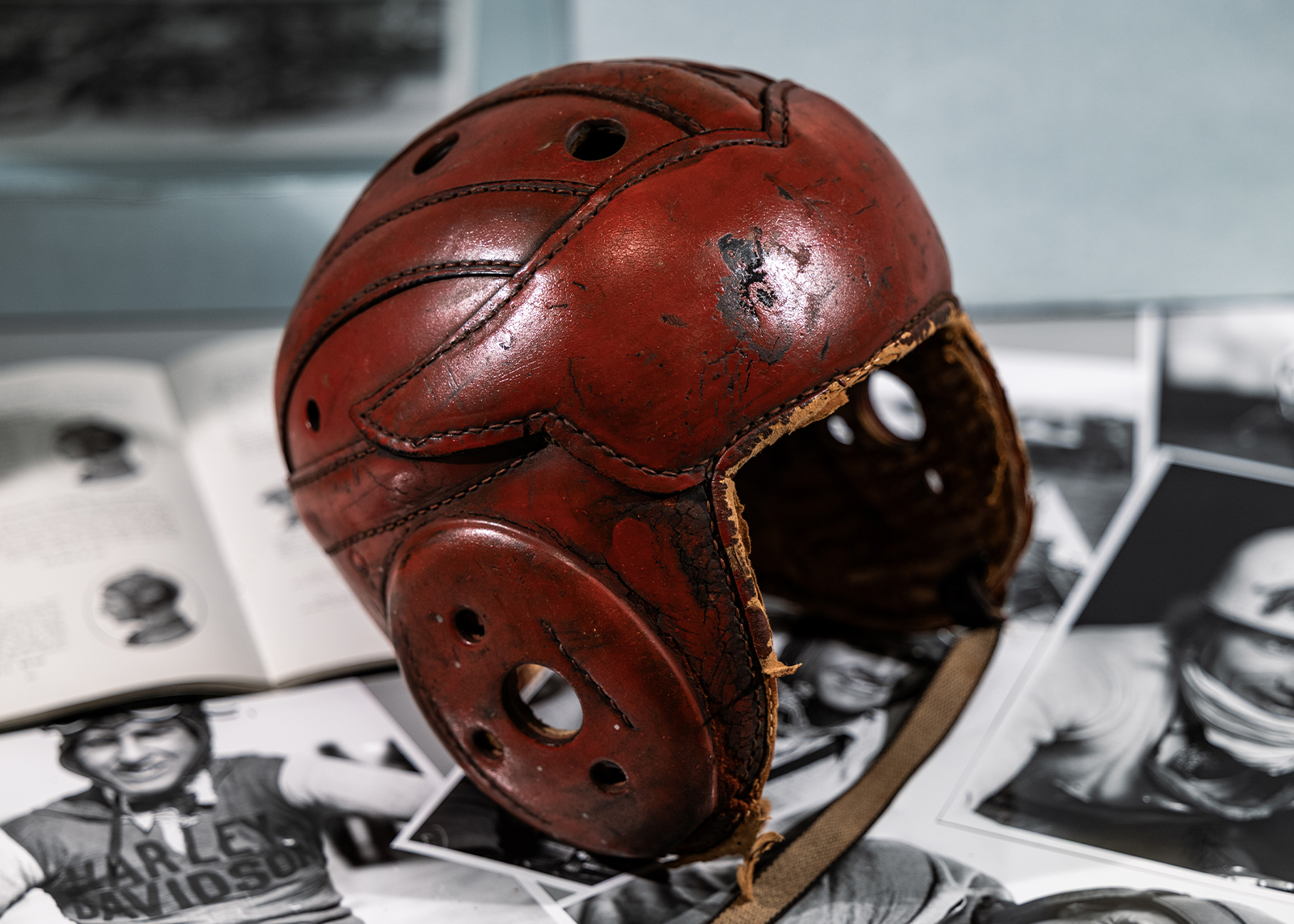
HELMETS THROUGH HISTORY
From humble leather caps to modern safety gear, the evolution of motorcycle helmets balances protection, performance, and pure self-expression.
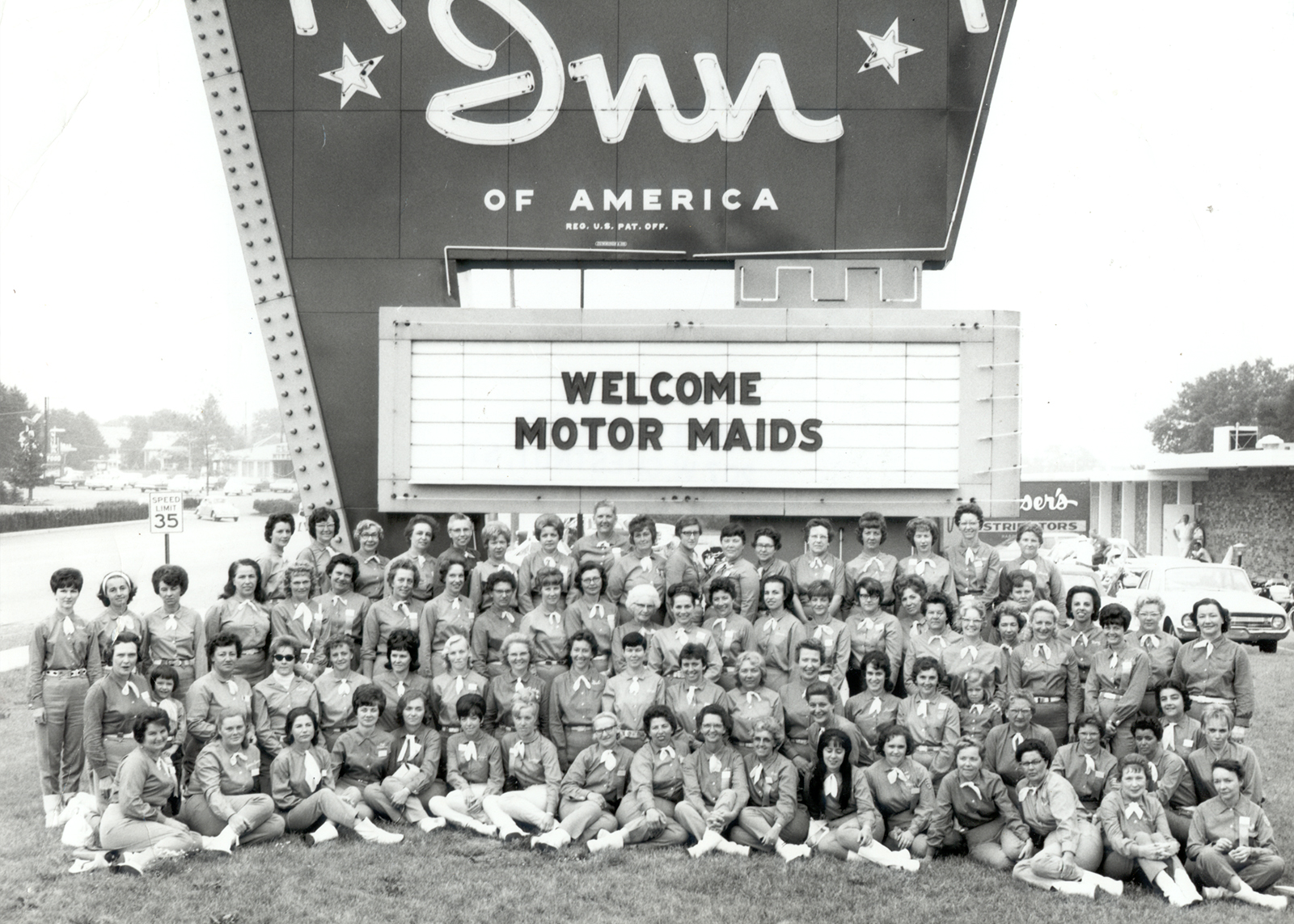
RIDING FORWARD: 85 YEARS OF THE MOTOR MAIDS
Founded in 1940 by pioneers Dorothy “Dot” Robinson and Linda Dugeau, the Motor Maids became the first women’s national motorcycle club.
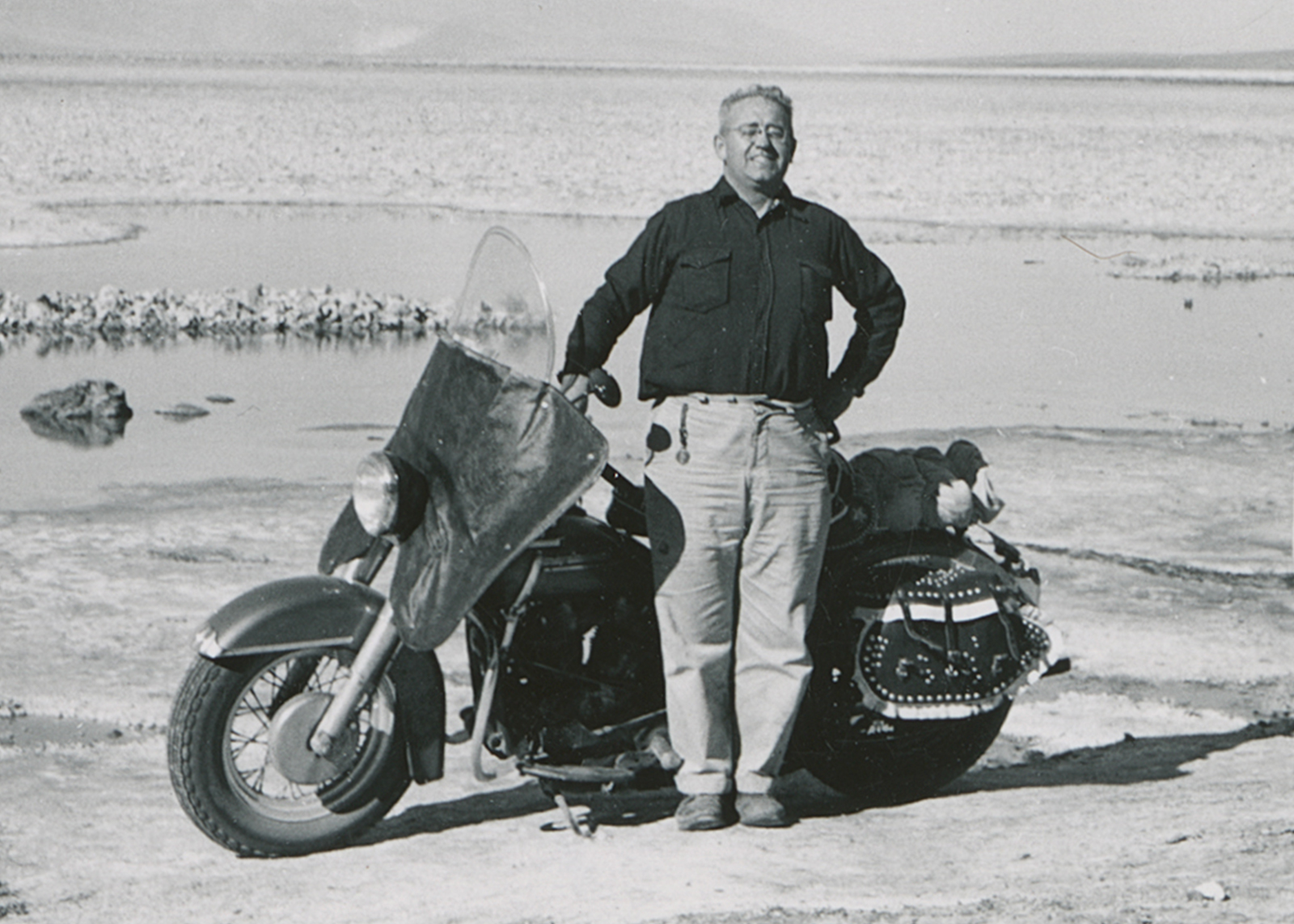
RIDING THROUGH HISTORY: ELDRED R. HARRINGTON’S HARLEY-DAVIDSON ADVENTURES
Eldred R. Harrington, a prolific Enthusiast writer from 1944–1965, was revisited by Harley-Davidson archives during the Hydra-Glide’s 75th anniversary.
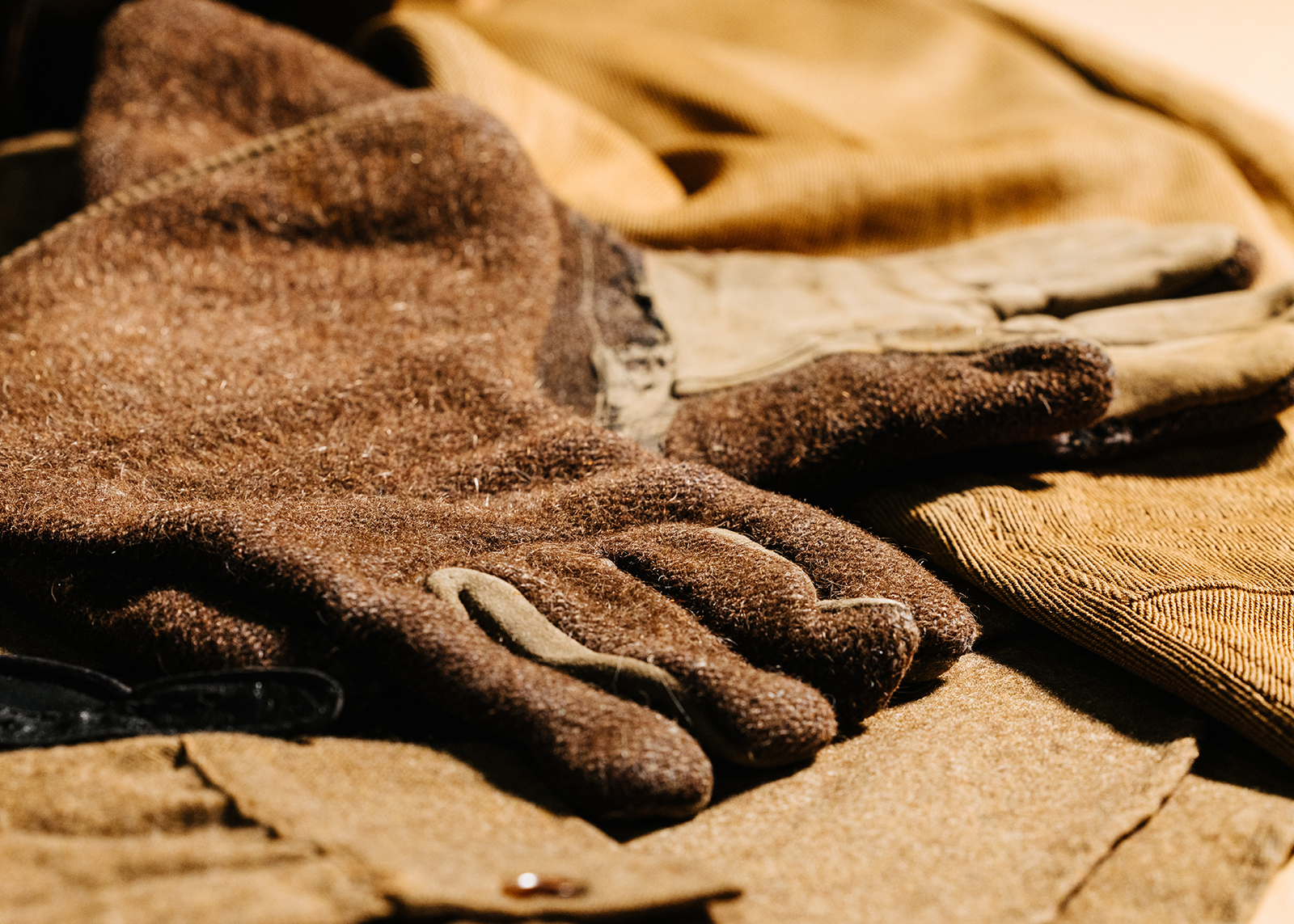
EARLY RIDING WEAR
In the earliest images in the Harley-Davidson archives, riders’ clothing always stands out.
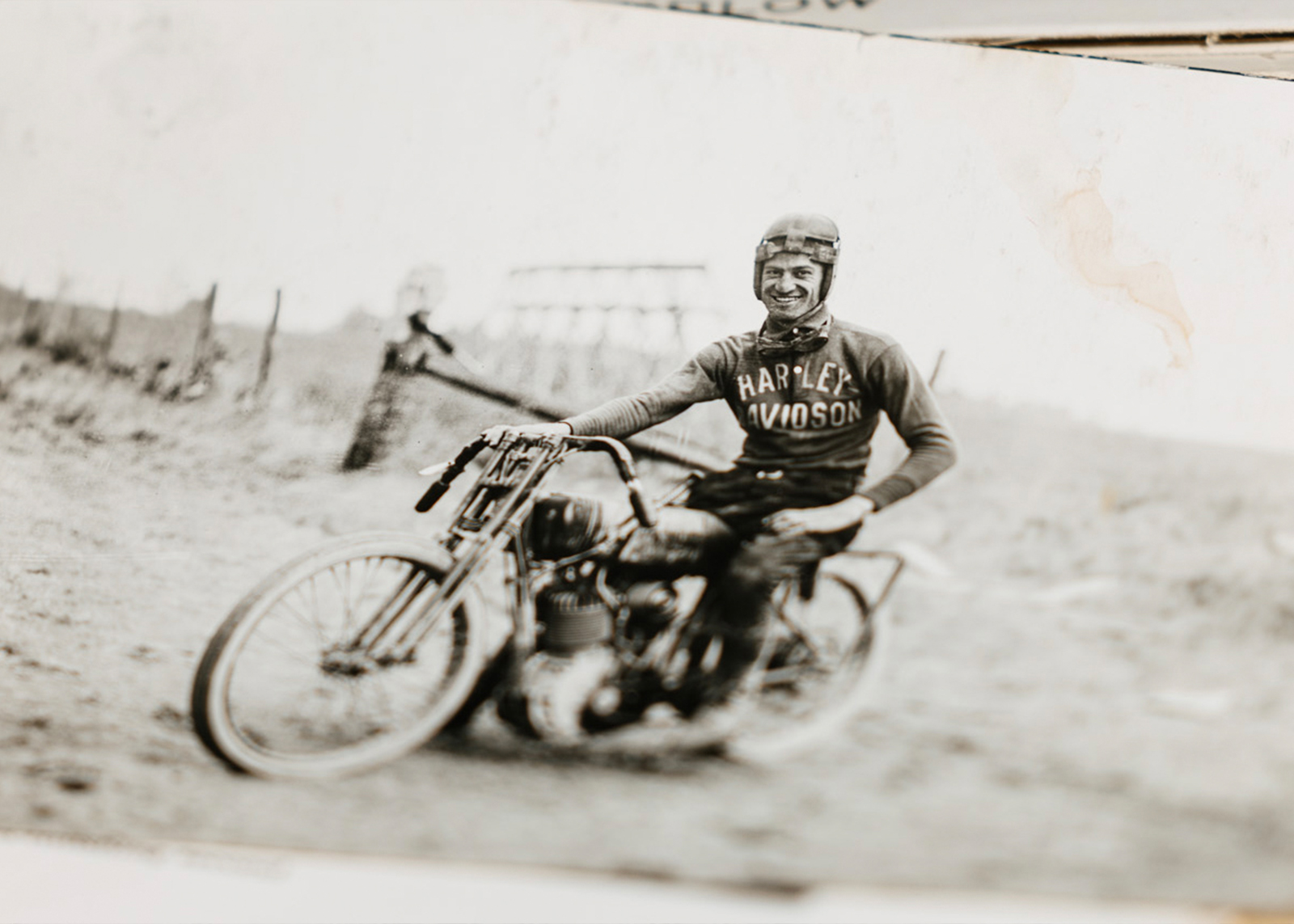
LESLIE “RED” PARKHURST
Parkhurst was a good-natured athlete whose enthusiasm made him a real crowd-pleaser, both on and off the track.
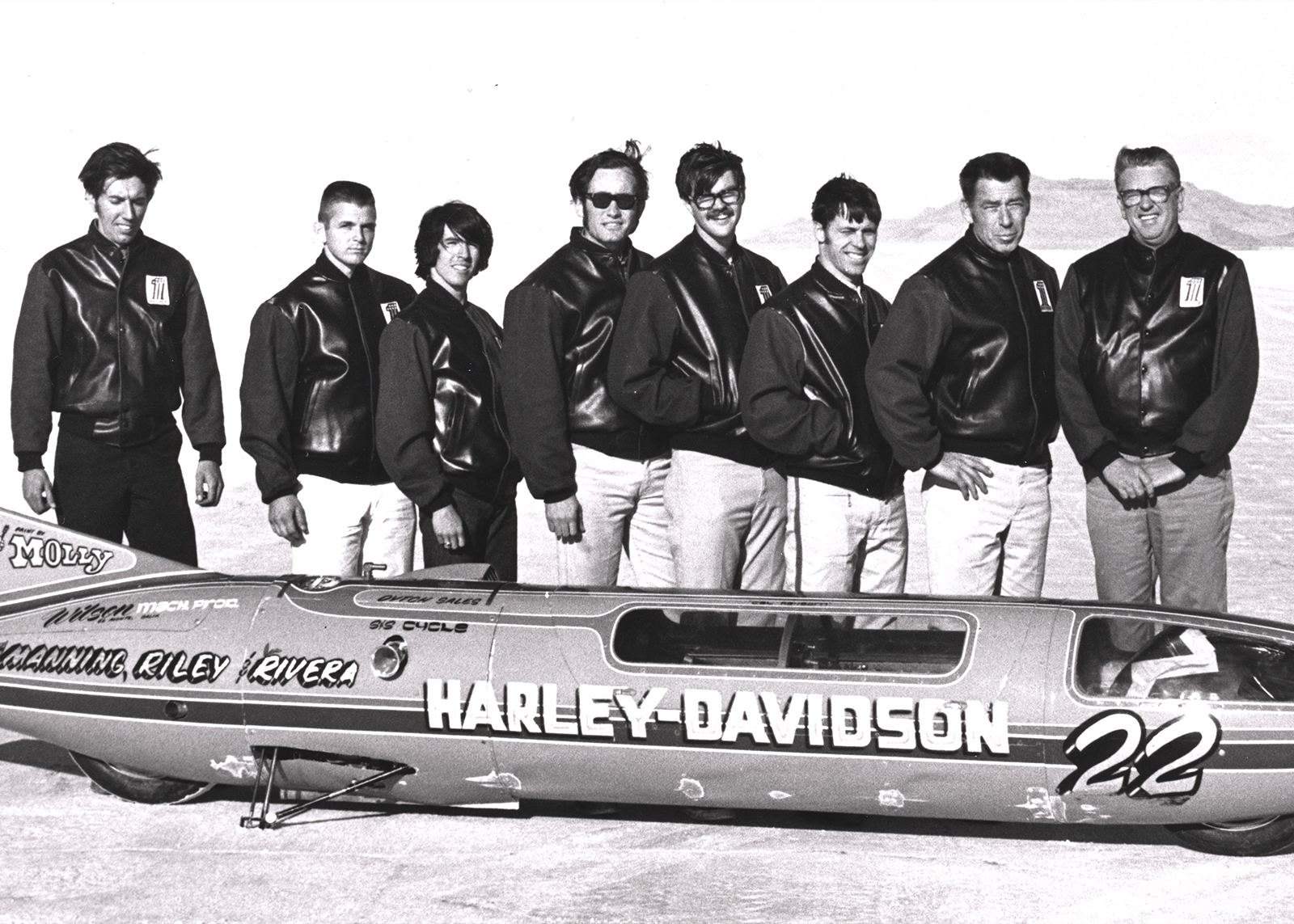
THE WORLD'S FASTEST HARLEY-DAVIDSON
Built for Speed. Born for Glory. The Return of a Legend.