THE EAGLE, THE NUMBER ONE, AND THE RETURN OF THE BAR & SHIELD
Written by The Harley-Davidson Museum
Photos by Josh Kurpius Archival photos courtesy of H-D Museum
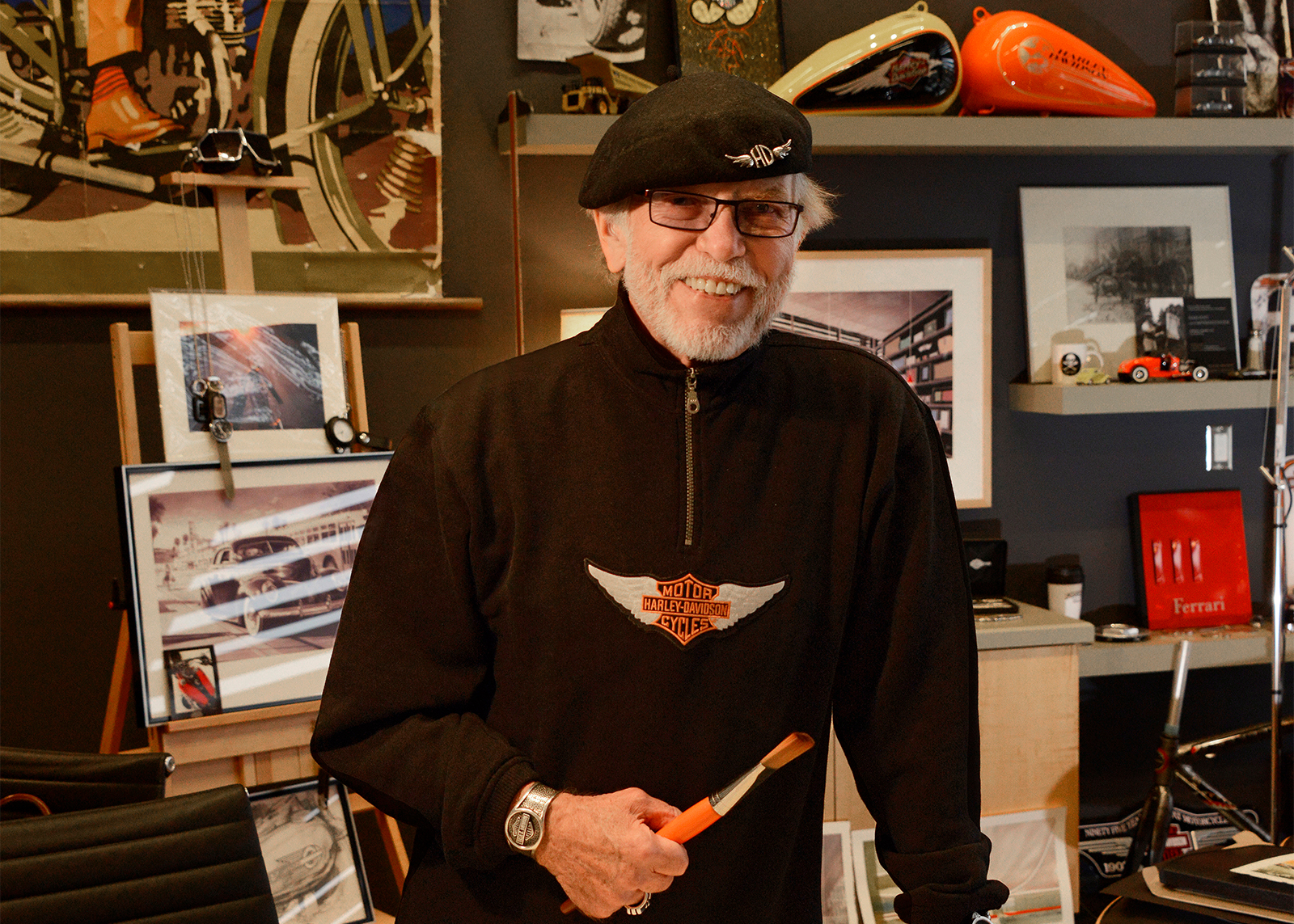
In 1975, Willie G. Davidson, Harley-Davidson’s legendary motorcycle designer, was trying to come up with something different for the upcoming models.
“Suddenly, it hit me all at once,” he wrote to dealers in a memo. “The coming year will be America’s 200th, and Harley-Davidson, as America’s only remaining motorcycle manufacturer, has a great history and a feel for tradition. The nostalgia ‘trip’ is really in right now, especially with the bi-centennial, with everything from collectable to clothing. And, in motorcycles, mural gasoline art has become very expressive, popular custom bike technique. Somehow these elements could be combined in one dynamite package.”
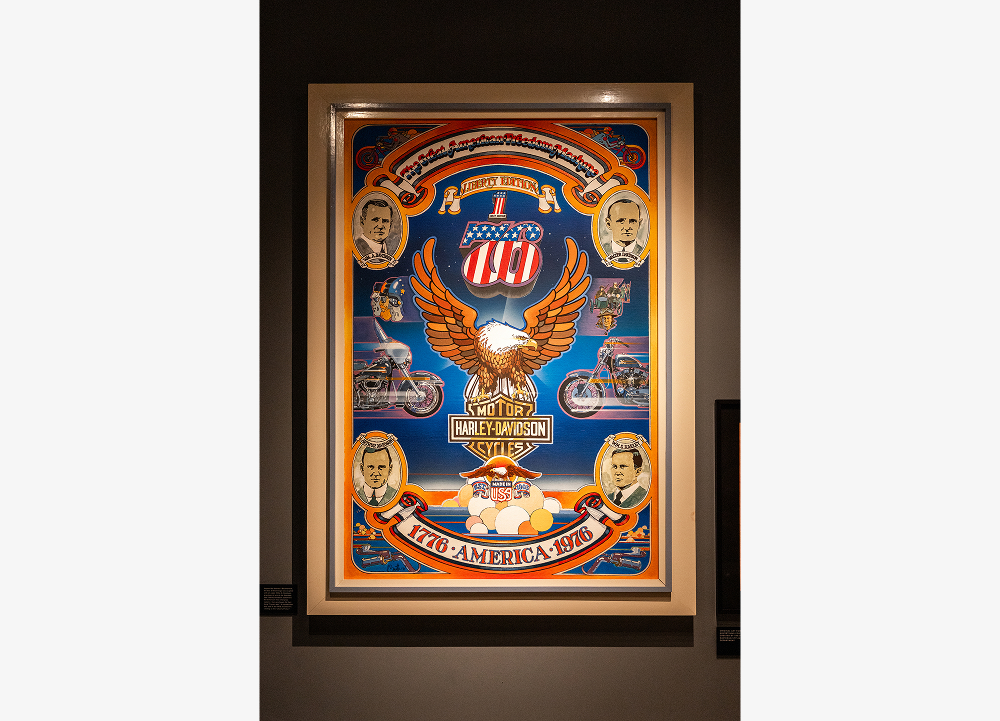
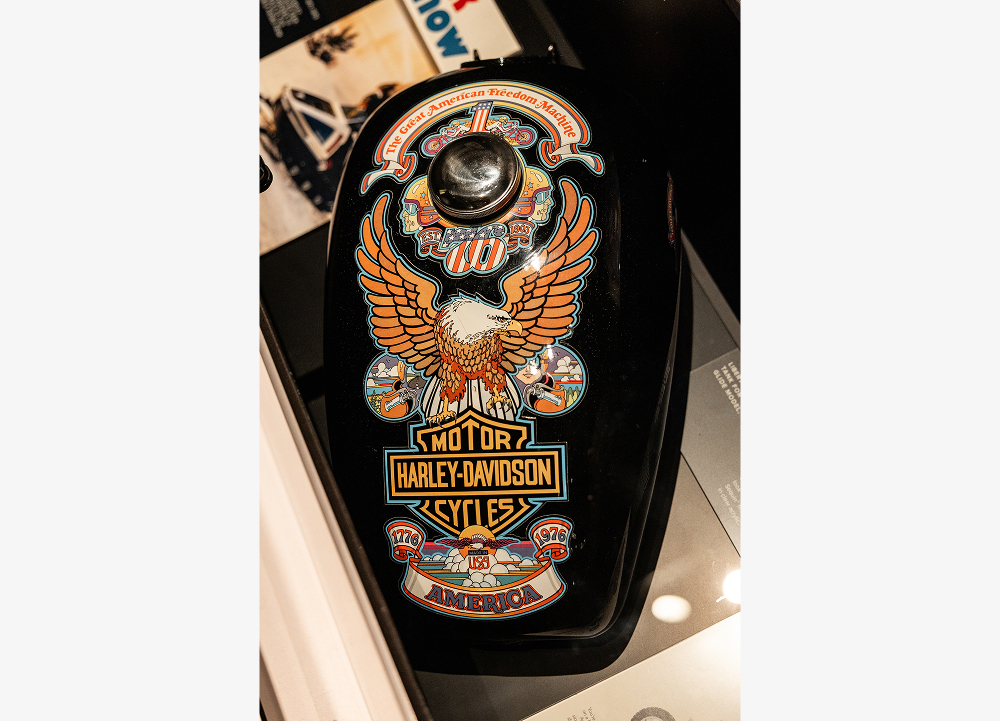
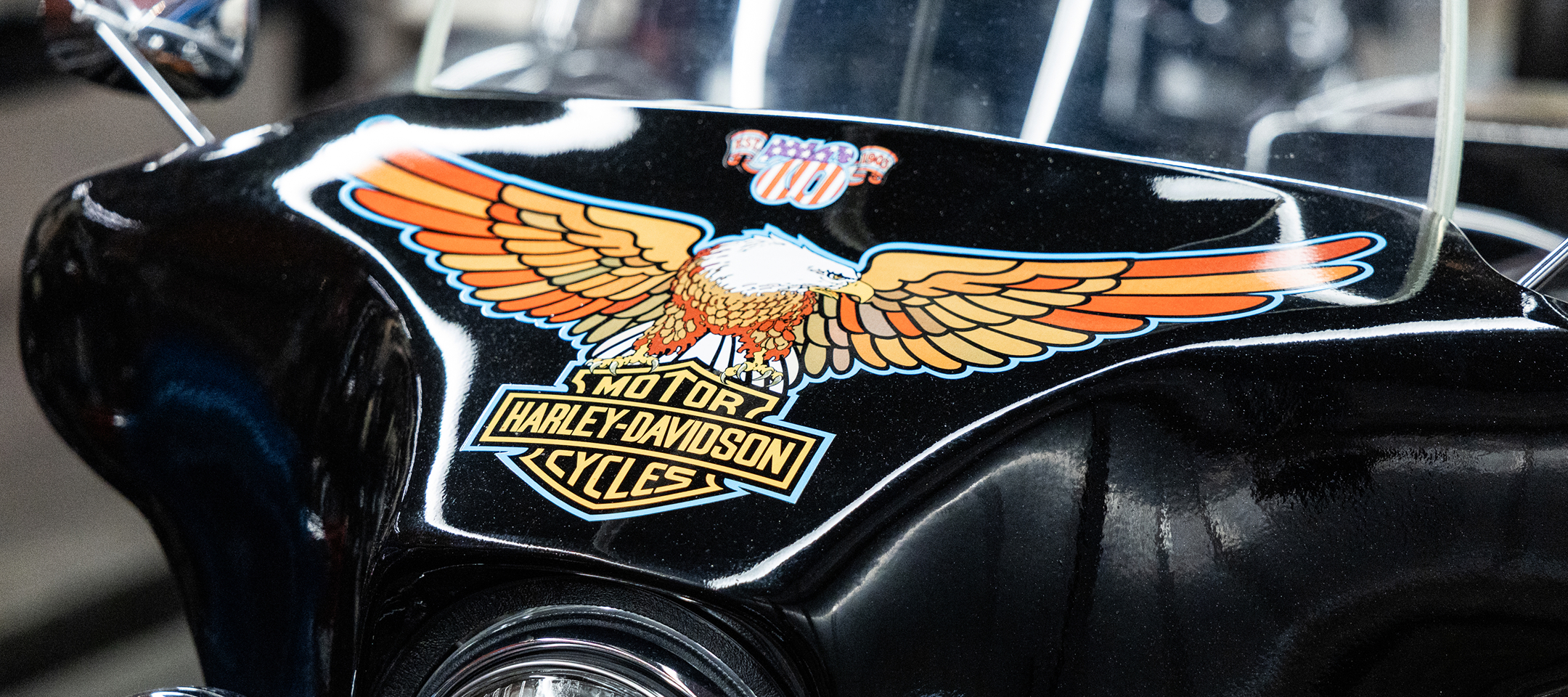
He outlined three important design elements: an eagle, the “original” Bar & Shield trademark, and the Number One logo.
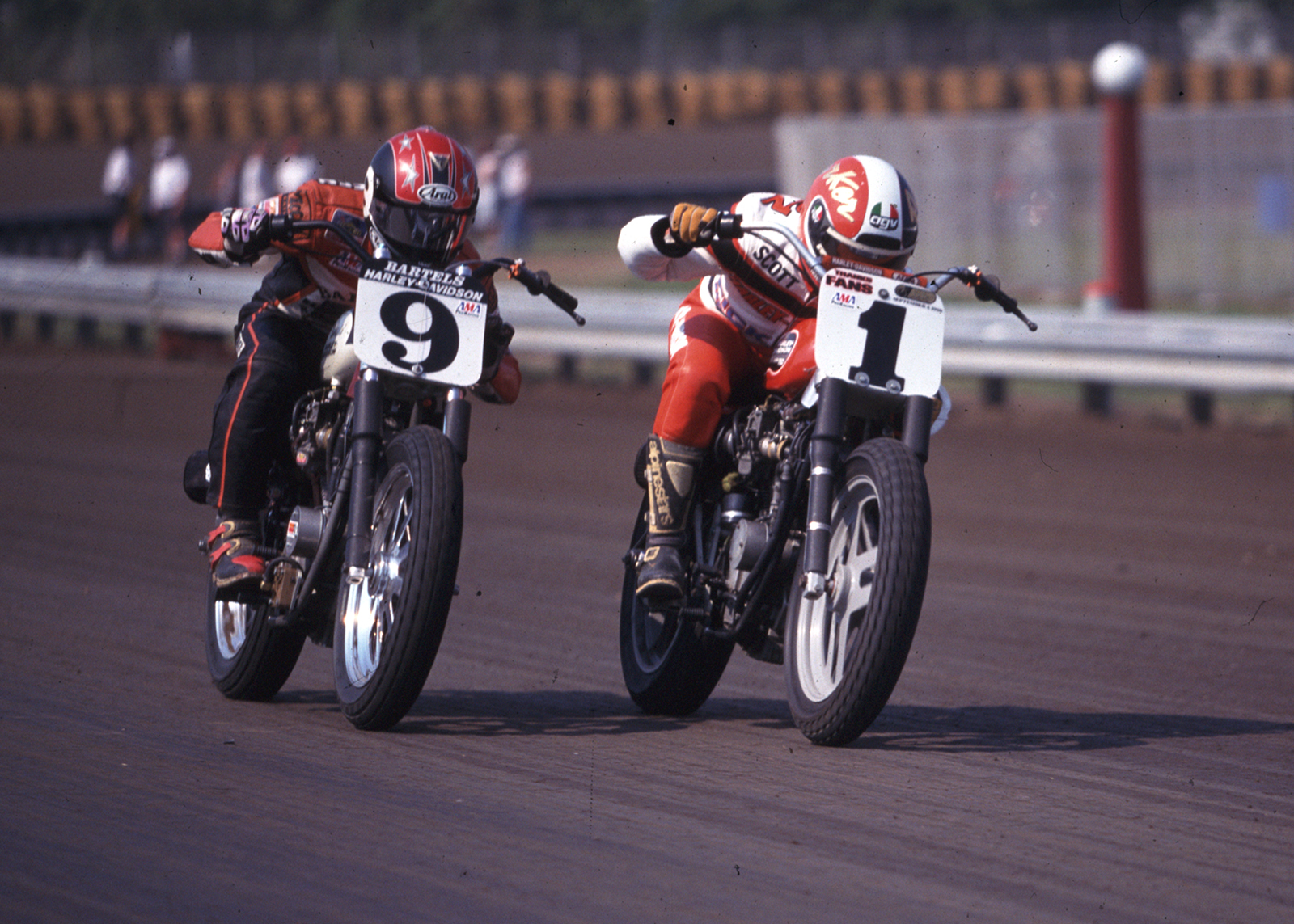
Looking back, using the eagle and the Number One logo were obvious inclusions. Since 1969, the primary trademark used by the Motor Company was the Harley-Davidson Number One, inspired by the American flag and Mert Lawill’s Grand National Championship winning season. In his memo, Willie even noted that “the Number One shall definitely be included because it obviously says it all and has become a universal, instantly recognizable symbol.” In other words, the Number One logo was perfect for the Bicentennial celebrations.
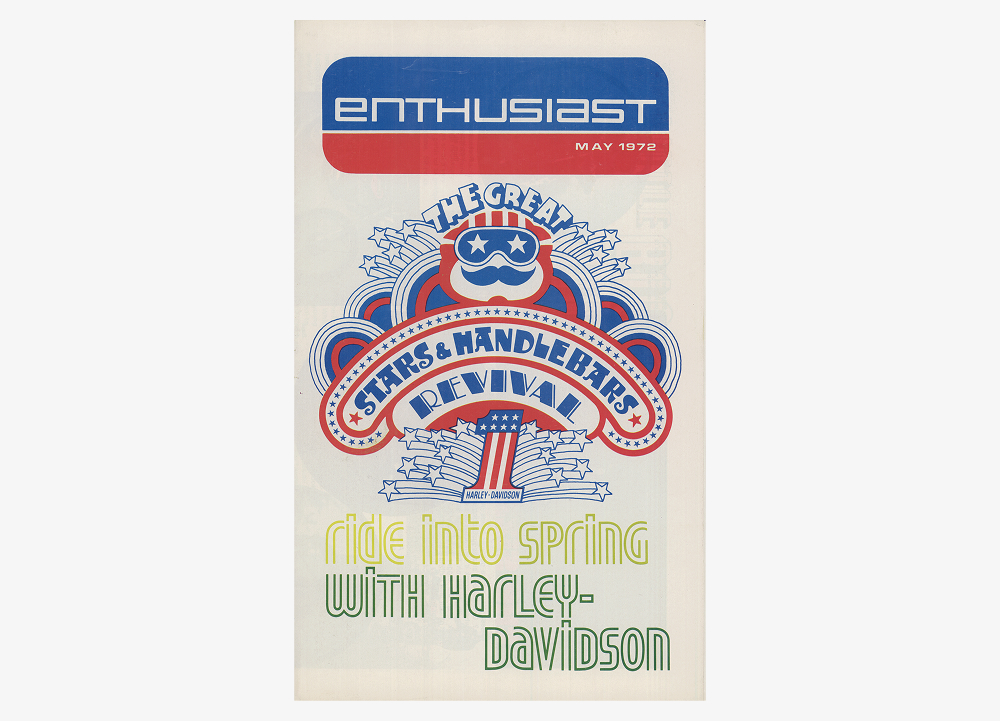
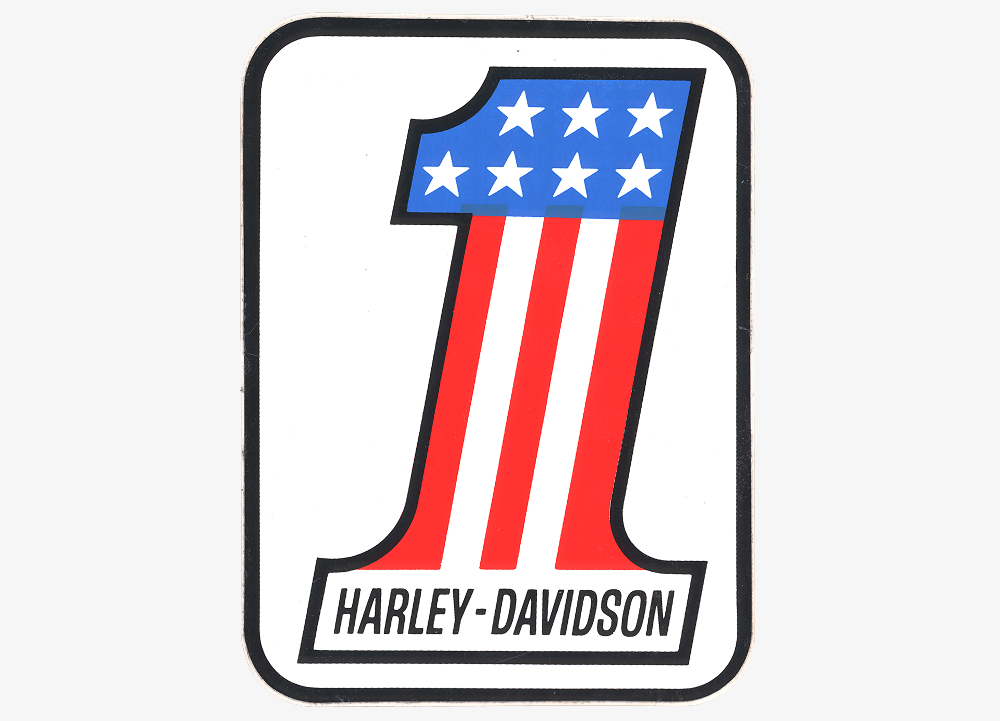
USING AN EAGLE AND THE HARLEY-DAVIDSON NUMBER ONE LOGO WERE OBVIOUS CHOICES FOR THE 1975 MODEL YEAR. BUT USING THE “ORIGINAL” BAR & SHIELD MAY NOT HAVE BEEN.
The bald eagle, too. It was adopted as the national bird in 1782 when it became the center figure on the Great Seal of the United States. The symbol has been in constant use ever since. For example, four states – New York, Pennsylvania, Illinois, and Iowa – have bald eagles on their state flags. The Apollo 11 moon lander was named ‘eagle,’ which is why Neil Amstrong said, “The eagle has landed.” Heck, during the American Civil War, the 8th Wisconsin Infantry Regiment carried a live bald eagle named Old Abe into battle.
In hindsight, using an eagle and the Harley-Davidson Number One logo were obvious choices. But using the “original” Bar & Shield may not have been.
By the time Willie started mulling a change, it had been over a decade since Harley-Davidson had used the classic Bar & Shield. From 1964, the Motor Company had used a version called nicknamed the “diamond logo.” Streamlined and simplified, it had been adopted to live on a host of products, not just its typical motorcycles. After all, these were the years that Harley-Davidson was a leader in the golf car industry.
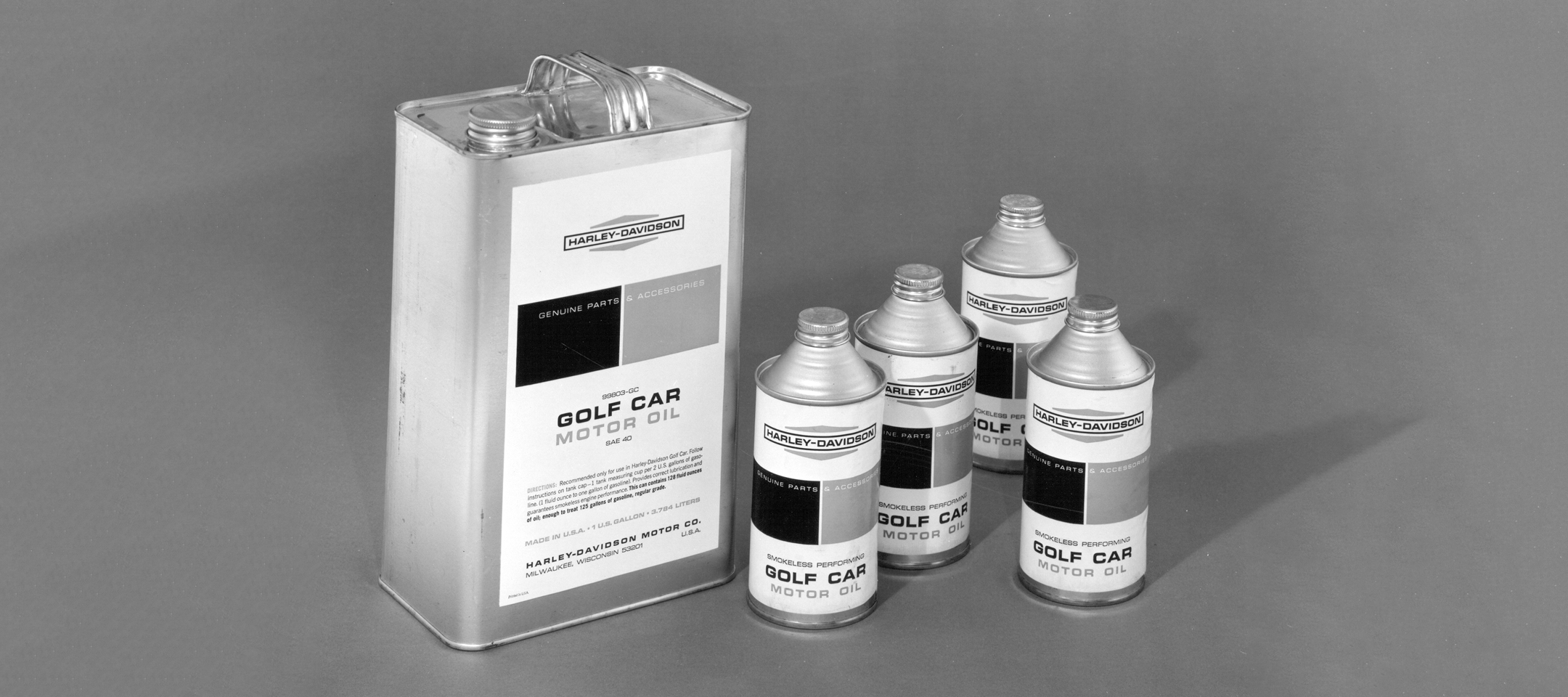
When Willie suggested embracing the old version of the Bar & Shield, he was reaching back in time. However, the “original” version he was suggesting, wasn’t the primary version of the Bar & Shield that had been used before. Although the shape and colors had varied slightly through the years, the primary logo from 1910 to 1964 had included a thinner shield drawn more straight lines than curves. Willie wanted a different Bar & Shield. A deep cut version.
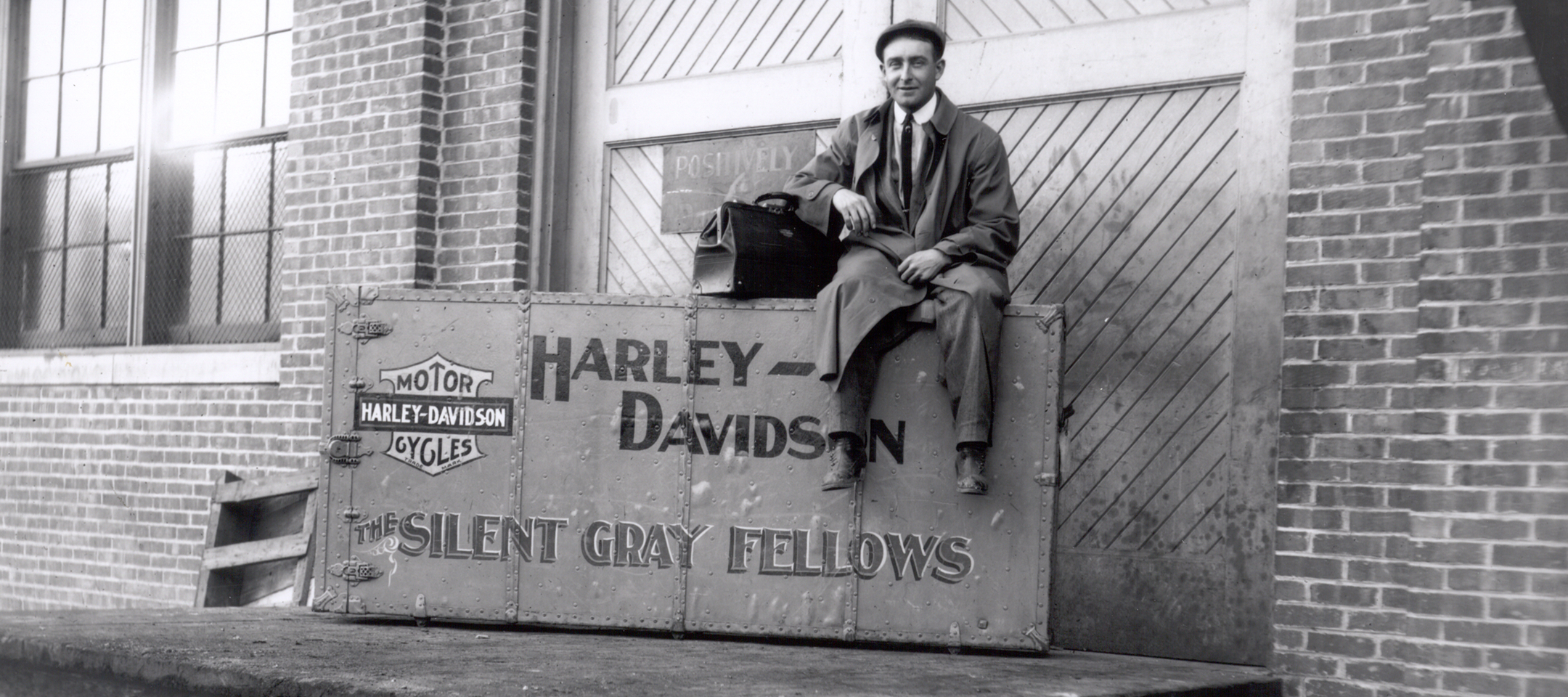
WHEN WILLIE SUGGESTED EMBRACING THE OLD VERSION OF THE BAR & SHIELD, HE WAS REACHING BACK IN TIME. WILLIE WANTED A DIFFERENT BAR & SHIELD. A DEEP CUT VERSION.
To the knowledge of the Harley-Davidson Archives, the “modern” Bar & Shield– the same version the Motor Company uses today – had only been used twice before 1976: once in 1917 on a flyer and again in 1931 and 1932 when it was sold as a monogram patch.
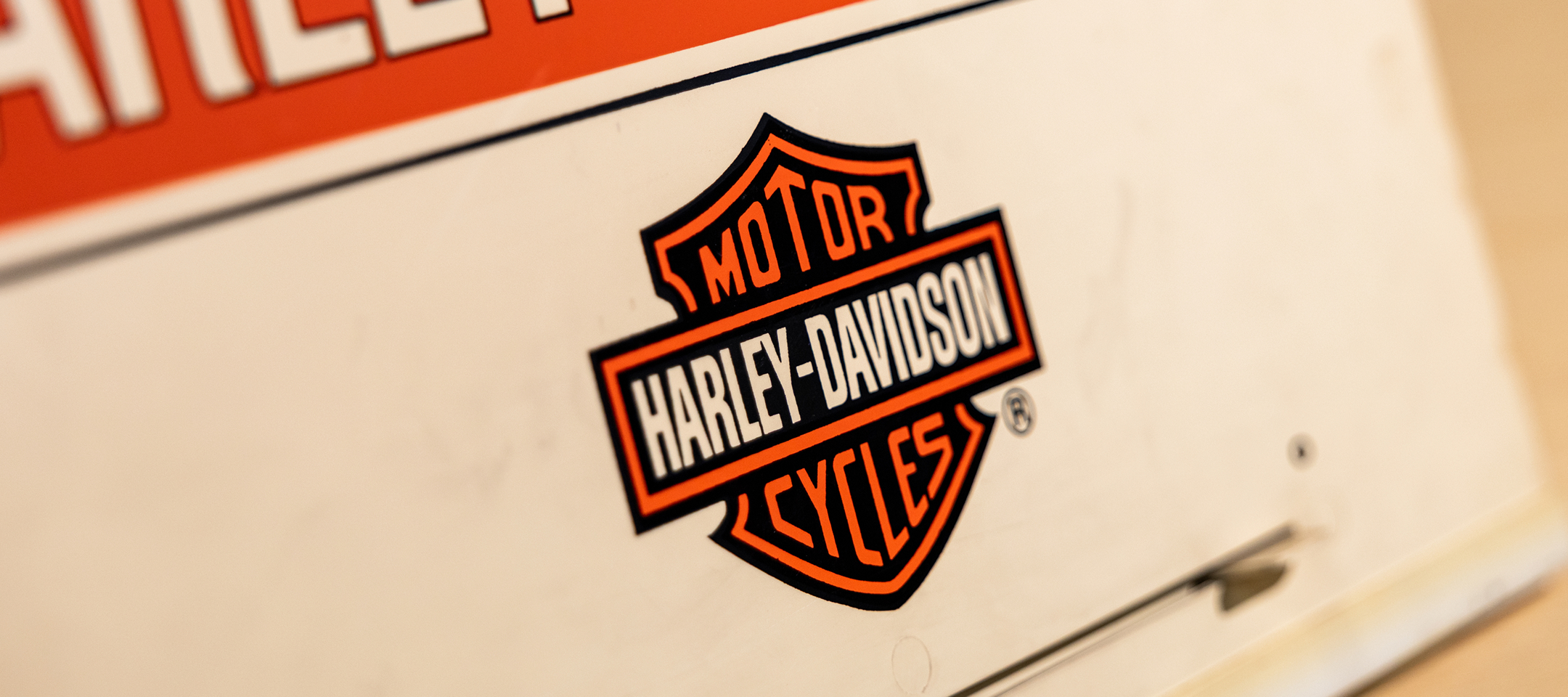
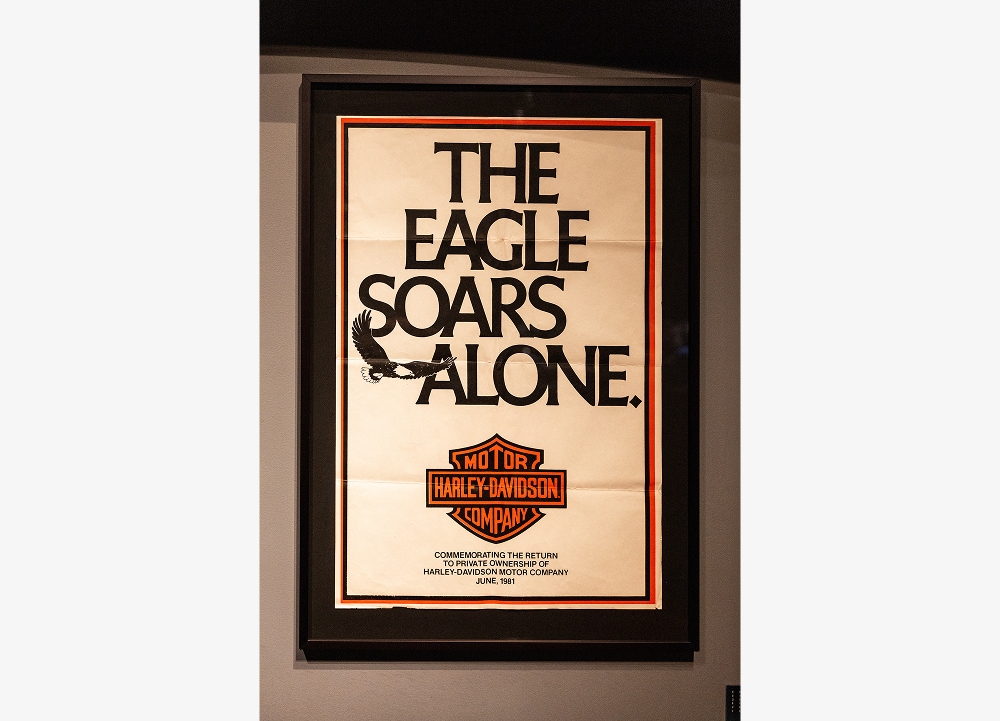
Willie hired a local Milwaukee artist named Paul Smith to bring the eagle and the Bar & Shield together into one package. What was created was instantaneously iconic. Separately and together, the modern Bar & Shield and eagle became synonymous with Harley-Davidson. The Bar & Shield has been in use for fifty years. The eagle? Well, four years later when thirteen company executives (including Willie G.) bought the company from AMF and made it independent once more, the rallying cry was “The Eagle Soars Alone.” The Harley Owners Group and Screamin’ Eagle™ performance parts both use the eagle as prominent parts of its logo.
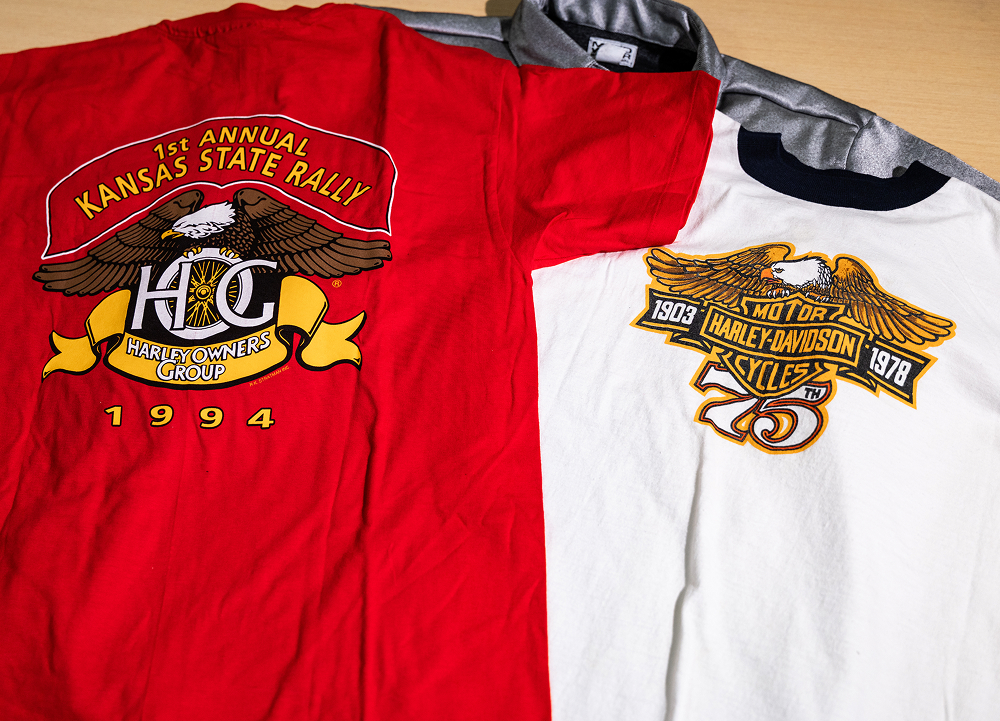
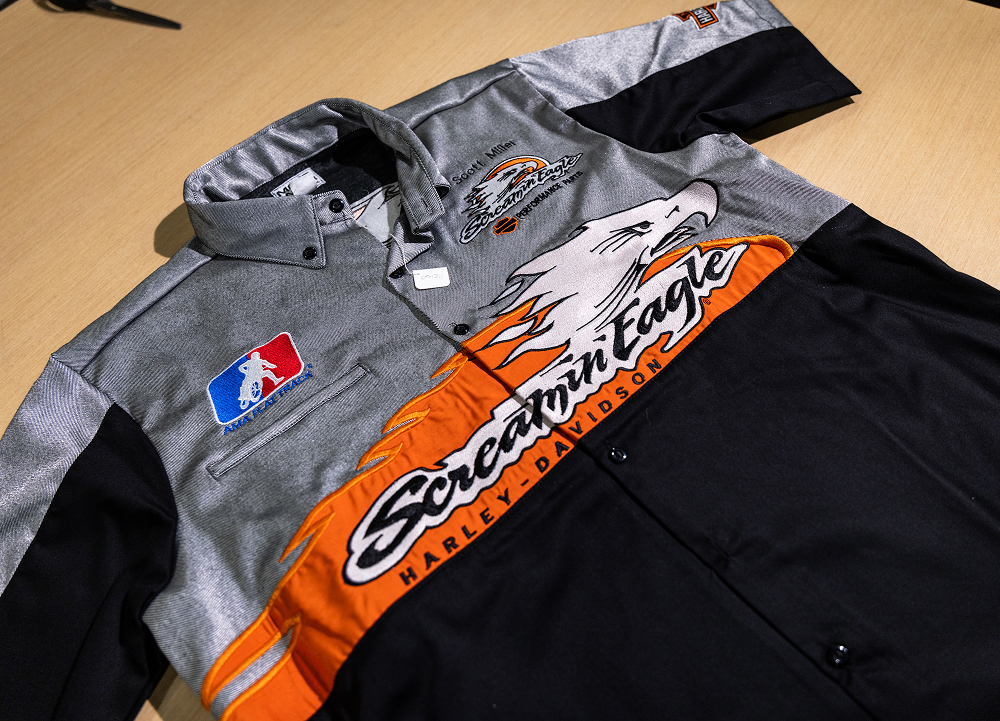
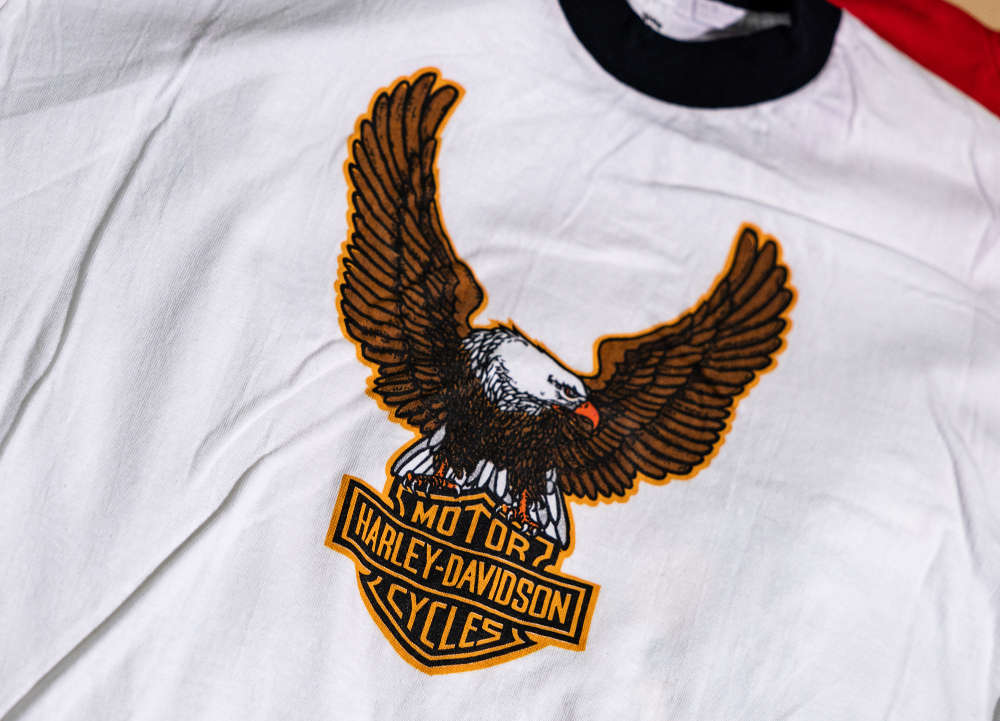
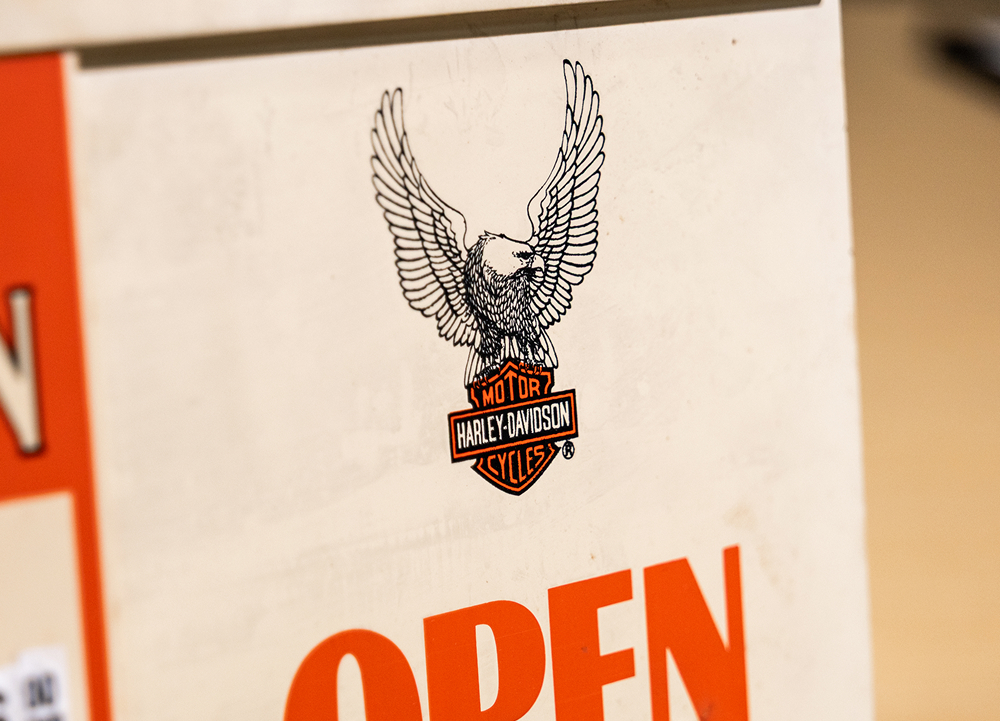
All those decades ago, Willie was looking for a dynamite package. It’s safe to say that he hit the mark.
EXPERIENCE THE HISTORY OF HARLEY-DAVIDSON
Discover culture and history through stories and exhibits that celebrate expression, camaraderie and love for the sport.
EXPLORE MORE FROM THE ARCHIVES

RAY PRICE AND THE FUNNY BIKE
Discover the remarkable story of Ray Price, the Harley-Davidson drag racing pioneer whose groundbreaking Funny Bike innovations helped shape the future of motorcycle drag racing.
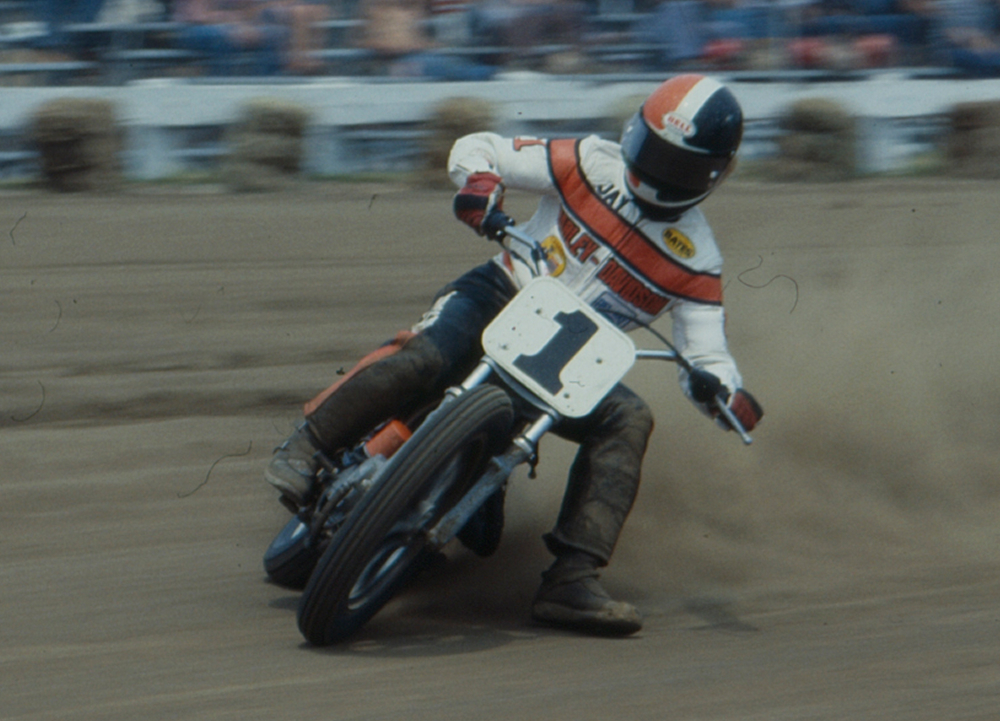
SPRINGSTEEN’S RISE: THE MAKING OF A FLAT TRACK LEGEND
Jay Springsteen overcame early adversity to become one of flat track racing's most successful riders, earning three consecutive Grand National titles and a place among Harley-Davidson legends.
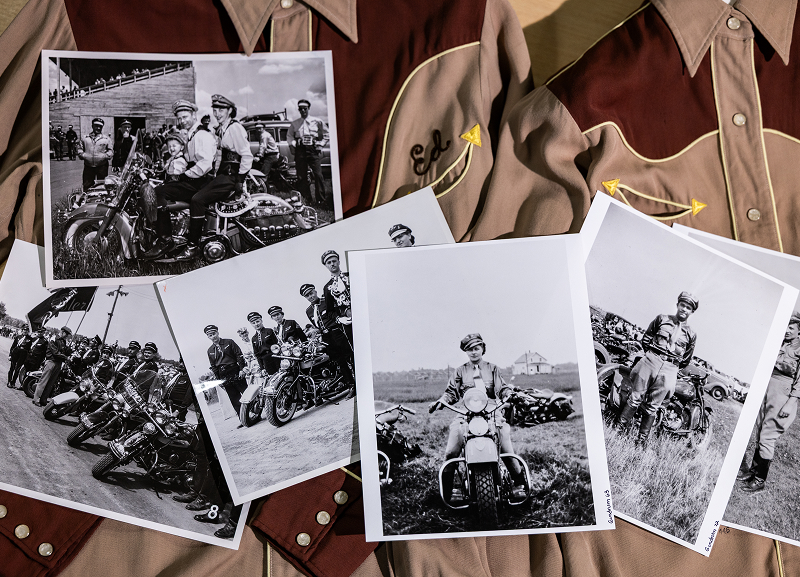
KNIGHTS OF THE HIGHWAY: THE STORY BEHIND MOTORCYCLE CLUB UNIFORMS
From tailored uniforms to patch-covered vests, motorcycle riders have long used what they wear to shape their identity, build community, and challenge public perceptions of the sport.
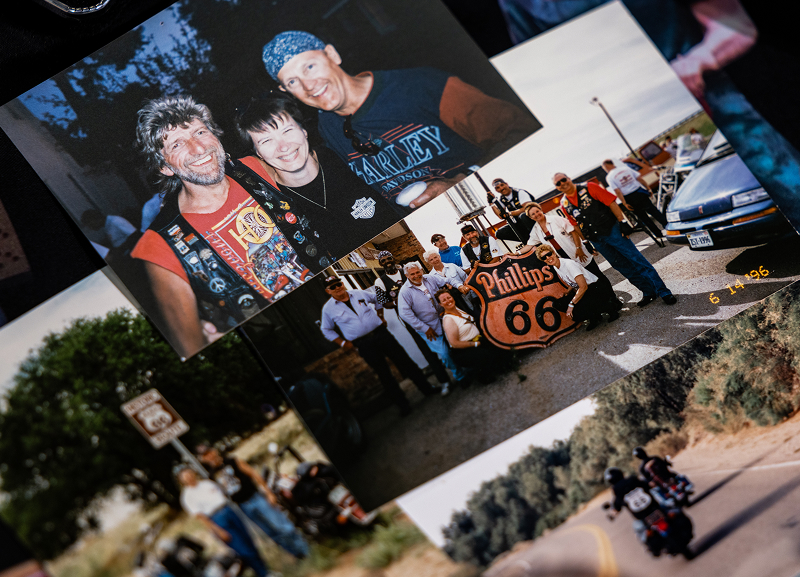
ROUTE 66: A TESTAMENT TO THE SPIRIT OF THE OPEN ROAD
Route 66 has evolved from a simple stretch of pavement into a defining experience for generations of Harley-Davidson riders.
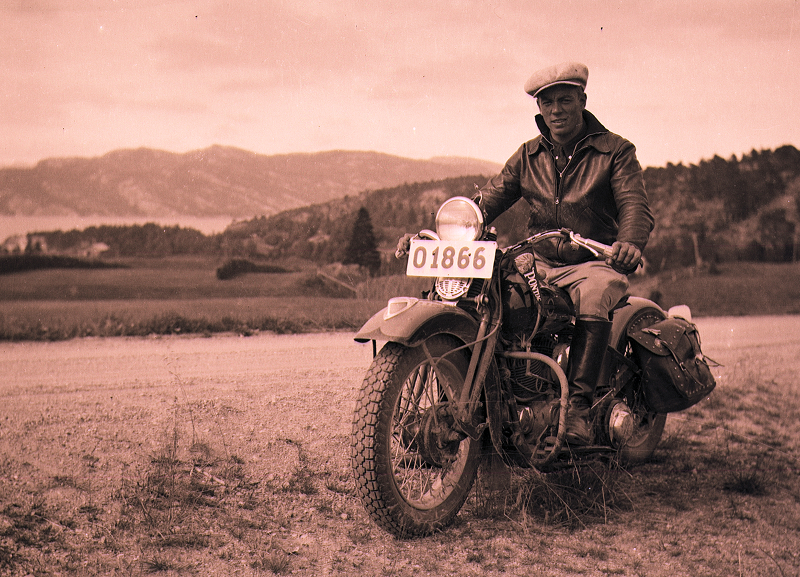
“MOTORCYCLING IS THE LIFE”: THE LEGACY OF GUSTAF STENMARK
Driven by an obsession with motorcycles, Gustaf Stenmark pushed himself through every race and mile with competitive grit, chasing the limits of endurance on two wheels.
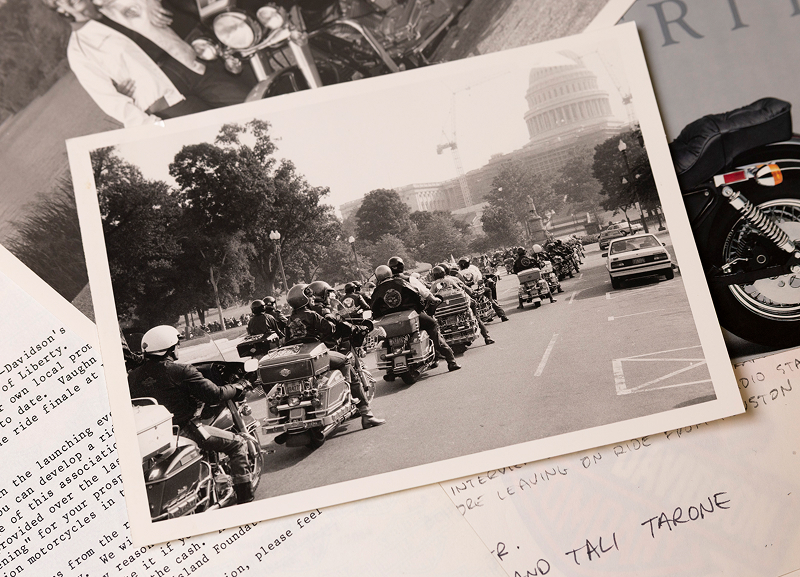
HARLEY-DAVIDSON RIDES FOR LIBERTY
As the Statue of Liberty prepared for her 100th anniversary, Harley‑Davidson riders united coast to coast to celebrate freedom and help restore an American icon.
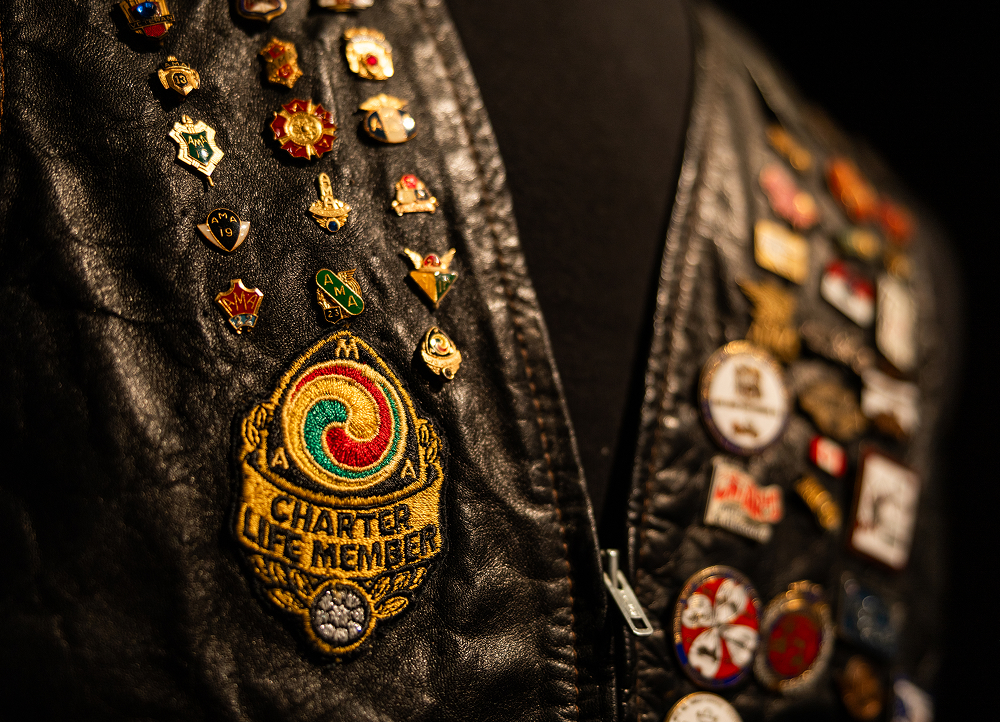
FROM WAISTCOAT TO CUT: THE EVOLUTION OF THE MOTORCYCLE VEST
The vest may have started out as a practical piece of clothing worn by aristocrats and soldiers, but today, it's one of the most iconic symbols of motorcycle culture.
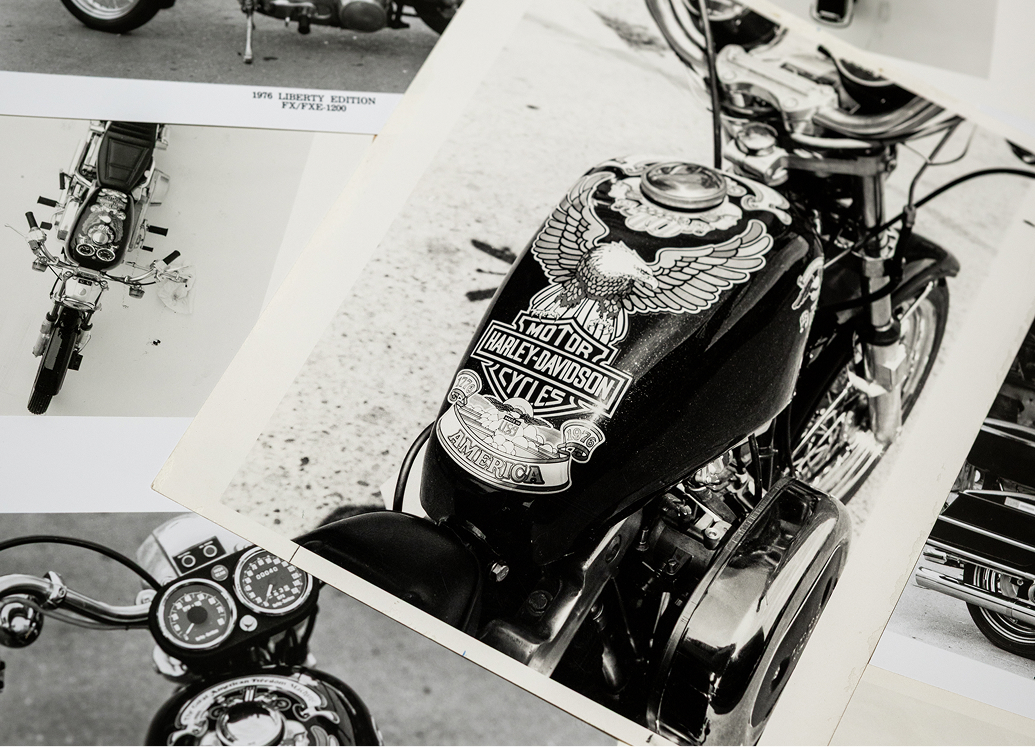
THE '76 BICENTENNIAL EDITION: THE BIRTH OF AN ICON
The 1976 Liberty Edition fused American patriotism with Harley‑Davidson craftsmanship, creating a landmark design that still resonates as a symbol of freedom and identity.
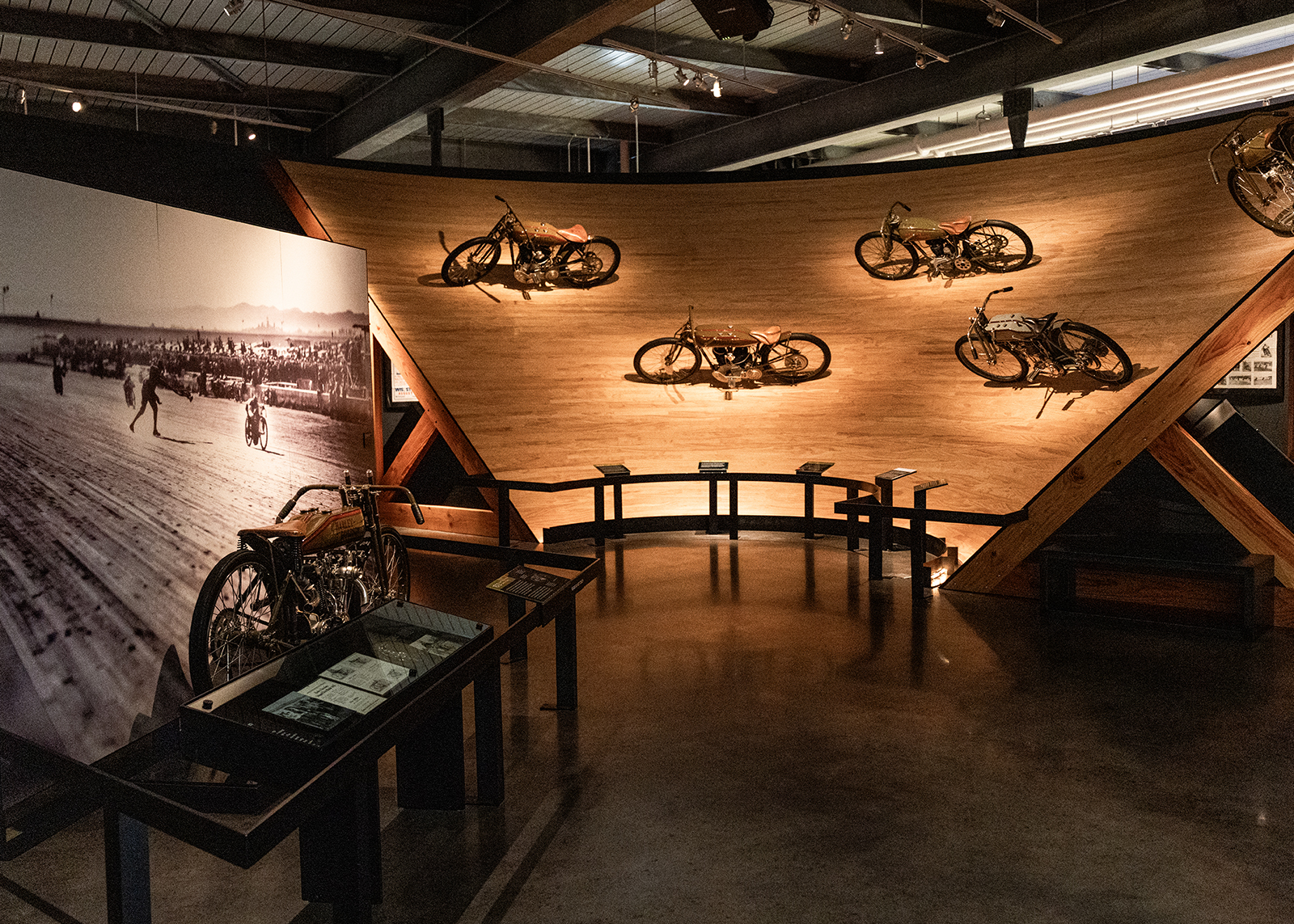
LIFE ON THE MURDERDROME: H-D AND THE SPORT THAT TERRIFIED EVERYONE
Long before racing glory, Harley-Davidson’s uneasy entry into board track competition was lived on the edge by riders like L.E. Bowen.
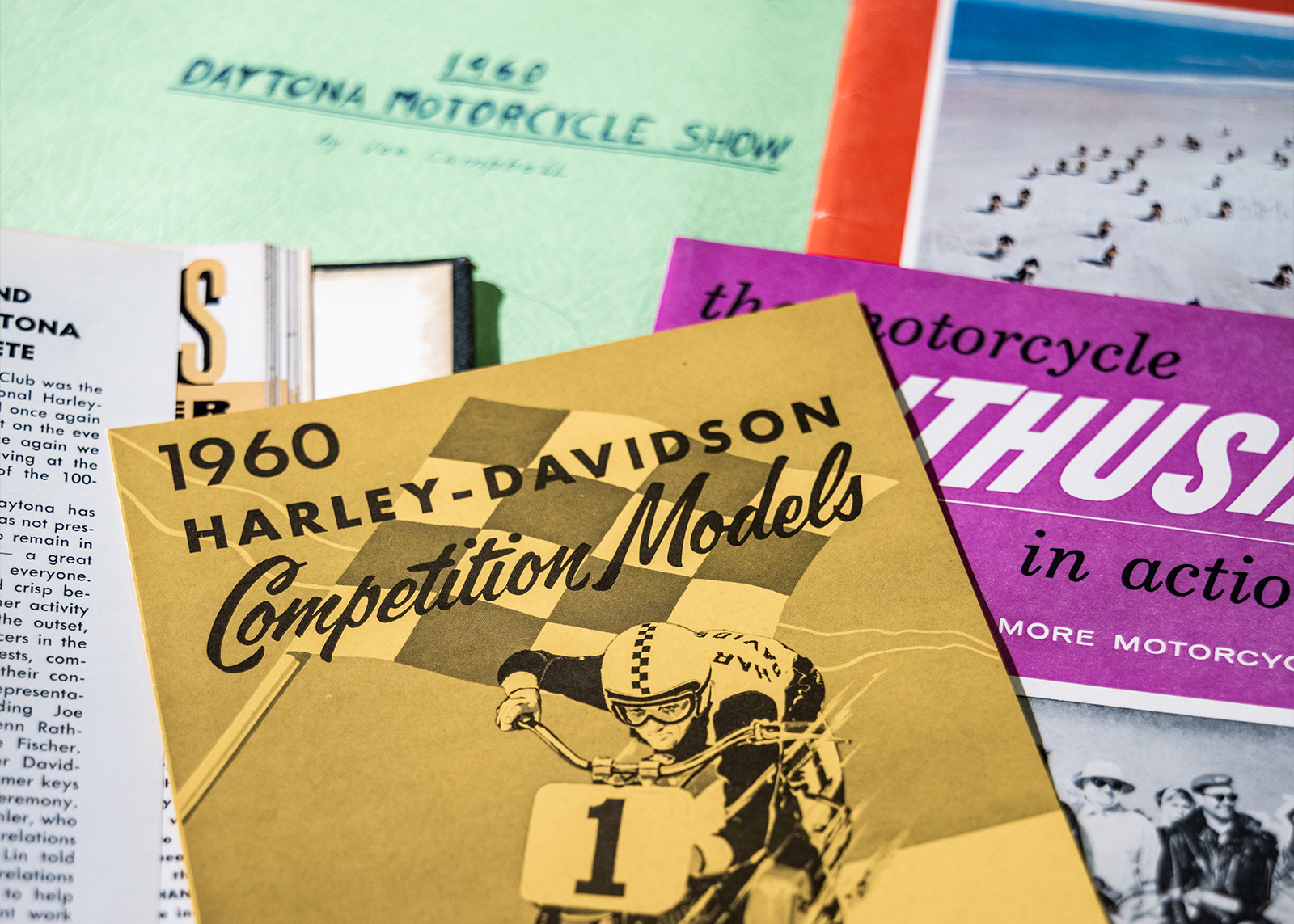
FLASHBACK: STEP INSIDE THE DAYTONA 1960 MOTORCYCLE SHOW
Daytona Bike Week celebrates its 85th year, offering the perfect moment to look back at the rally’s iconic 1960 roots.
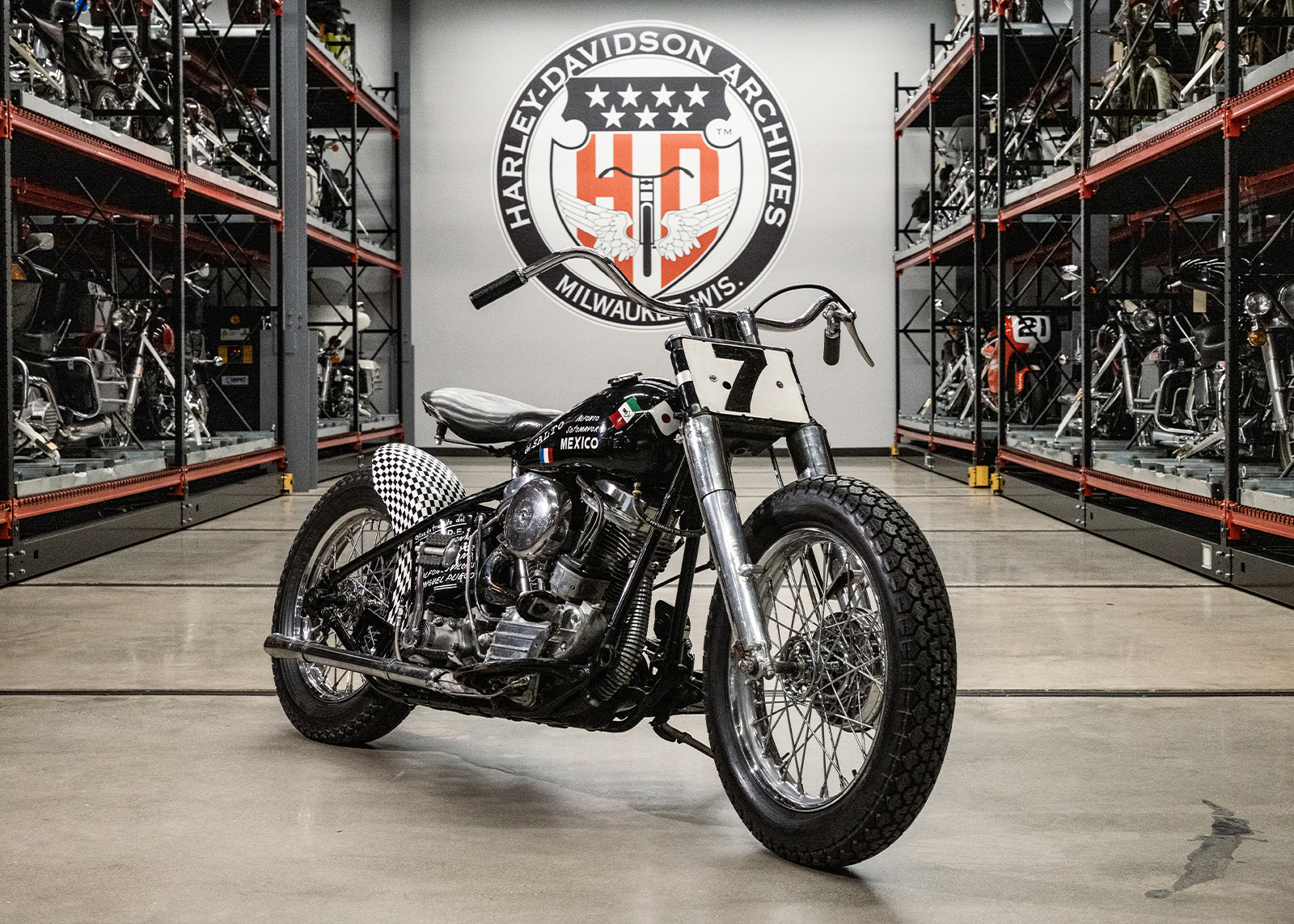
ALFONSO SOTOMAYOR AND MEXICAN STUNT RIDING
Harley-Davidson’s century-long history in Mexico is filled with pioneering riders and legendary stunt performers like Alfonso Sotomayor.
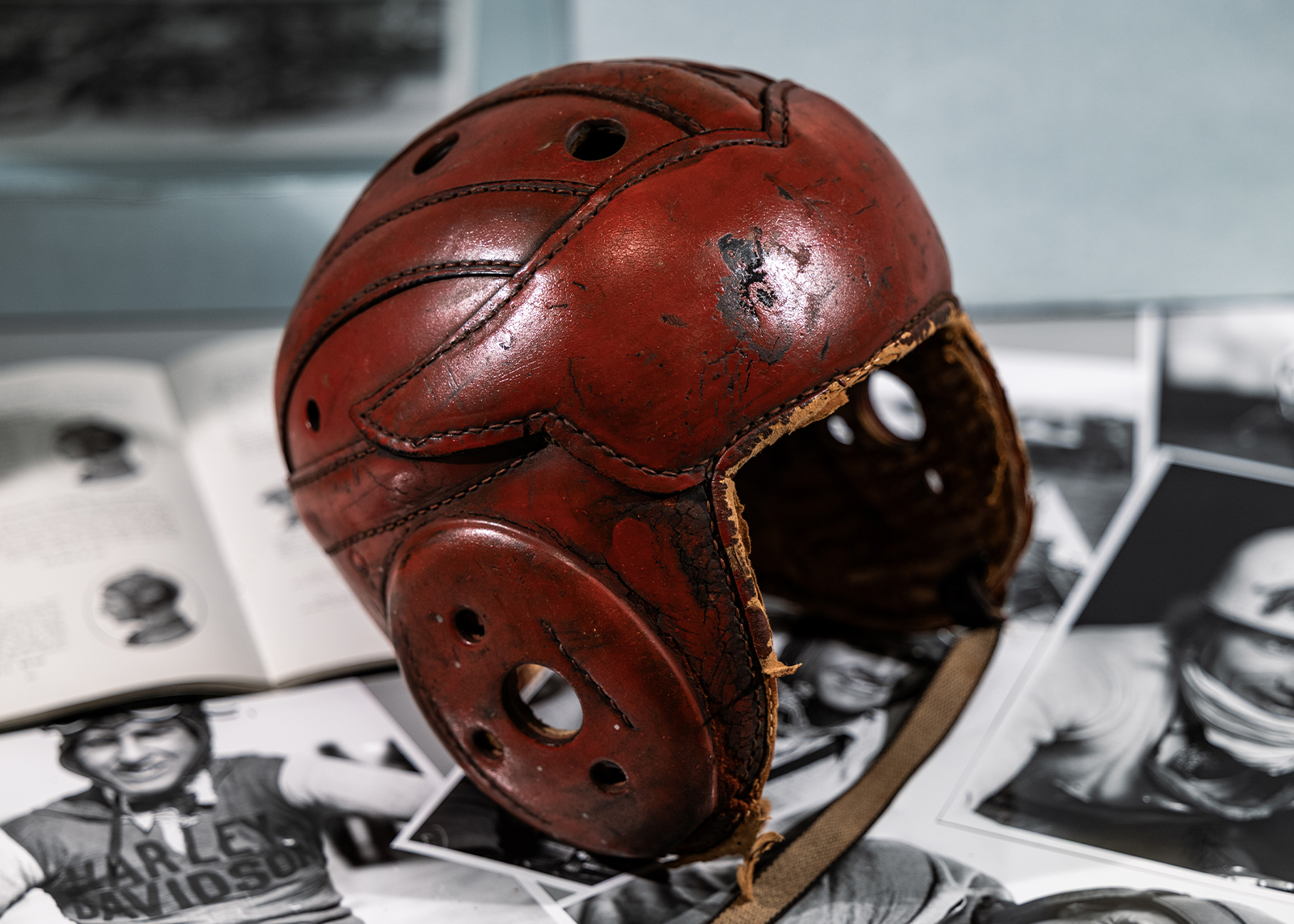
HELMETS THROUGH HISTORY
From humble leather caps to modern safety gear, the evolution of motorcycle helmets balances protection, performance, and pure self-expression.
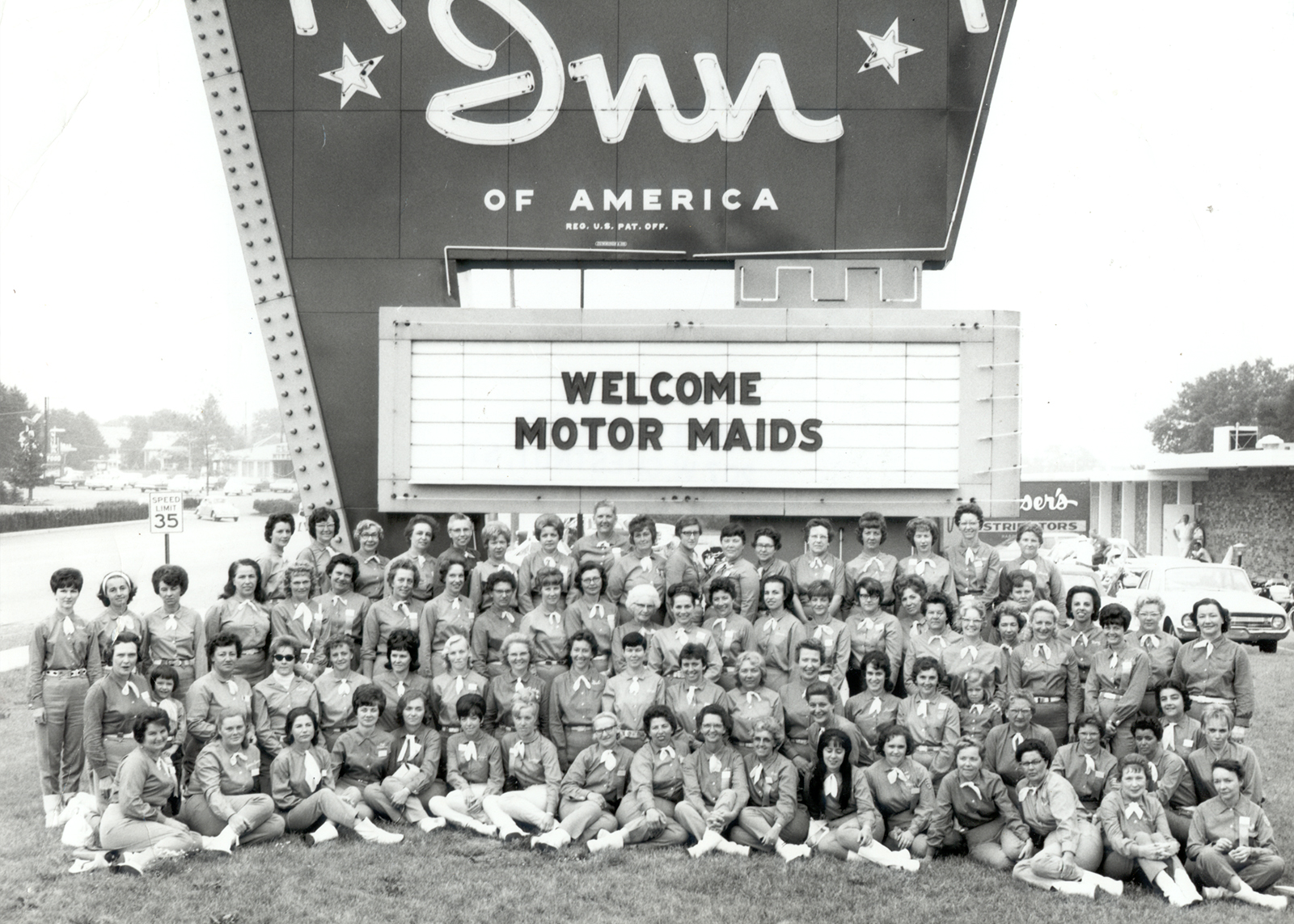
RIDING FORWARD: 85 YEARS OF THE MOTOR MAIDS
Founded in 1940 by pioneers Dorothy “Dot” Robinson and Linda Dugeau, the Motor Maids became the first women’s national motorcycle club.
RIDING THROUGH HISTORY: ELDRED R. HARRINGTON’S HARLEY-DAVIDSON ADVENTURES
Eldred R. Harrington, a prolific Enthusiast writer from 1944–1965, was revisited by Harley-Davidson archives during the Hydra-Glide’s 75th anniversary.
EARLY RIDING WEAR
In the earliest images in the Harley-Davidson archives, riders’ clothing always stands out.
LESLIE “RED” PARKHURST
Parkhurst was a good-natured athlete whose enthusiasm made him a real crowd-pleaser, both on and off the track.
THE WORLD'S FASTEST HARLEY-DAVIDSON
Built for Speed. Born for Glory. The Return of a Legend.