HARLEY-DAVIDSON RIDES FOR LIBERTY
Written by The Harley-Davidson Museum
Photos by Josh Kurpius Archival photos courtesy of H-D Museum
Forty years ago, Harley-Davidson riders across America showed their love for Lady Liberty.
By the mid-1980s, after a century of wear and tear finally started catching up to her, the Statue of Liberty was in need of pretty hefty restoration. As Lady Liberty’s 100th anniversary approached in 1986, a nationwide fundraising effort was launched to help preserve the iconic symbol of freedom.
In 1985, Harley-Davidson® stepped up to the plate and partnered with the Statue of Liberty-Ellis Island Foundation to support that effort, joining a broader campaign to restore Lady Liberty for future generations.
“The Statue of Liberty. Its history and heritage have made it more than a statue, more than a monument. Lady Liberty has taken on a variety of meanings in the collective imagination of mankind.
She is America’s welcoming sign.
She is a symbol of equality, progress, and opportunity.
She is an expression of the struggle for the ideals of constitutional democracy.
Ultimately, she stands for America itself—its promise, prosperity, and freedom.
This freedom takes on a special meaning for all motorcyclists. It is the extra special sense of freedom that riders enjoy when they experience America through the sights, scents, and sounds of two-wheel travel.” - Hog Tales Volume 3, Number 4 August-September 1985.
IN 1985, HARLEY-DAVIDSON® STEPPED UP TO THE PLATE AND PARTNERED WITH THE STATUE OF LIBERTY-ELLIS ISLAND FOUNDATION TO SUPPORT THAT EFFORT, JOINING A BROADER CAMPAIGN TO RESTORE LADY LIBERTY FOR FUTURE GENERATIONS.
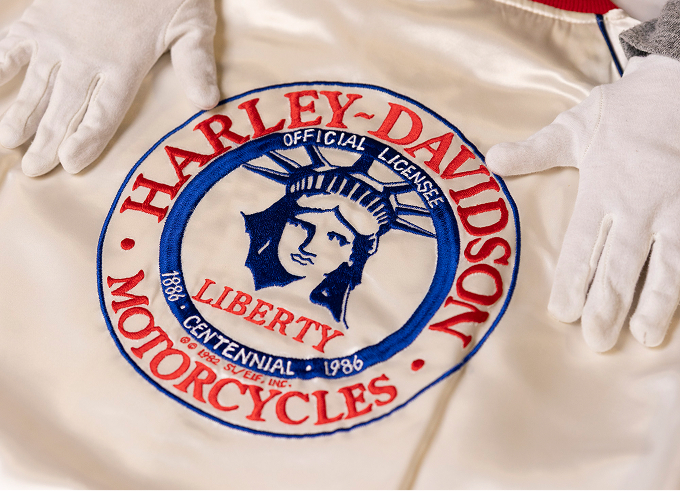
The partnership’s big kickoff was the Ride for Liberty, a cross-country motorcycle journey that encouraged Harley riders and enthusiasts from all over the country to dig into their pockets and support the restoration.
The Ride for Liberty began on Sept. 10, 1985, in Los Angeles. H-D CEO Vaughn Beals and his wife Eleanore led a northern route, rolling through cities like Las Vegas, Denver, Kansas City, Chicago, Detroit, and Pittsburgh.
Vice President of Styling Willie G. Davidson and his wife Nancy charted a southern course through Albuquerque, Dallas, Shreveport, Birmingham, Atlanta, and Greensboro.
In total, thirteen dedicated riders made the journey from coast to coast.
Thousands more joined along the way — some for just a few miles, others for several days — turning the ride into a moving show of support.
Not everyone could make the full ride, but plenty still found a way to be part of it. Riders chipped in by grabbing souvenir kits, turning support for the cause into something you could wear, carry, and take on the road.
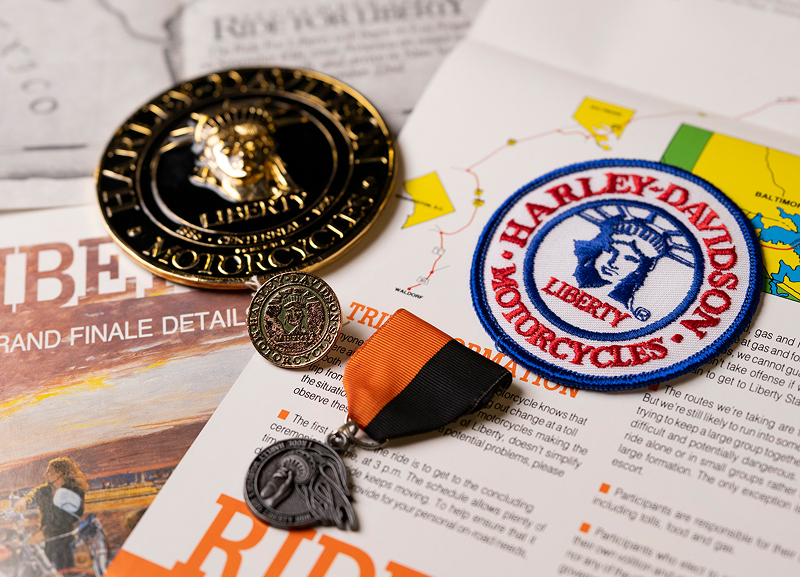
The “Keep the Torch Lit” kit, sold at participating U.S. dealers, was loaded with gear: a route map, baseball cap, pin, patch, participation certificate, and a nylon duffel bag.
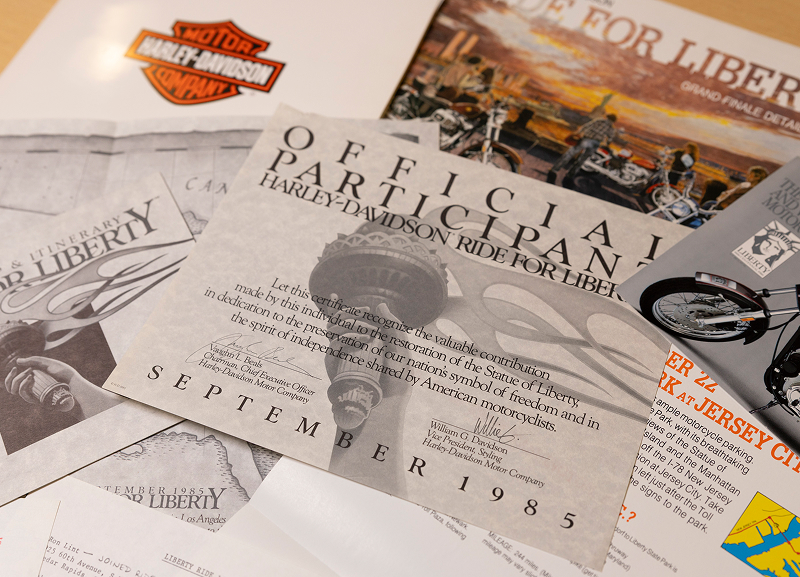
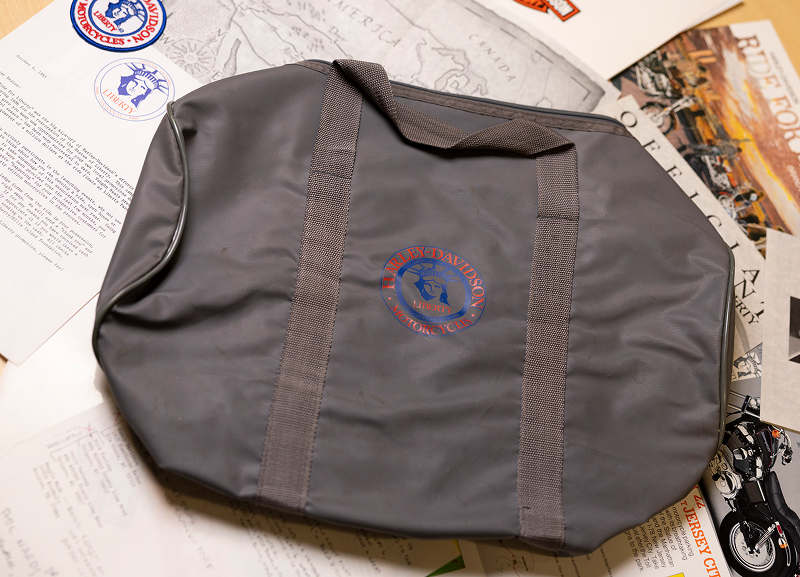
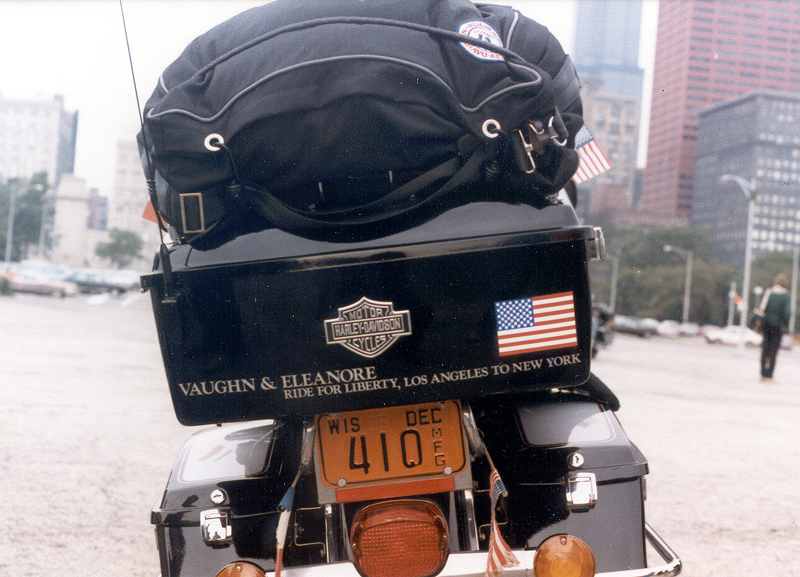
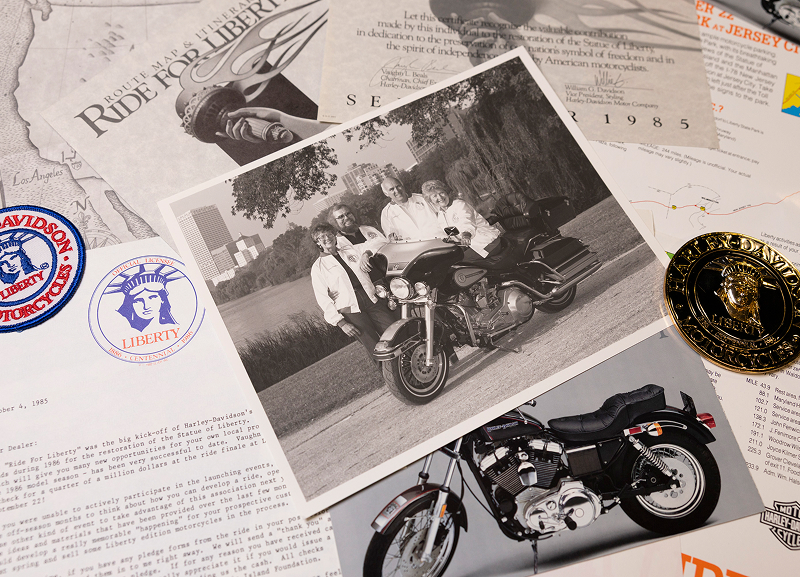
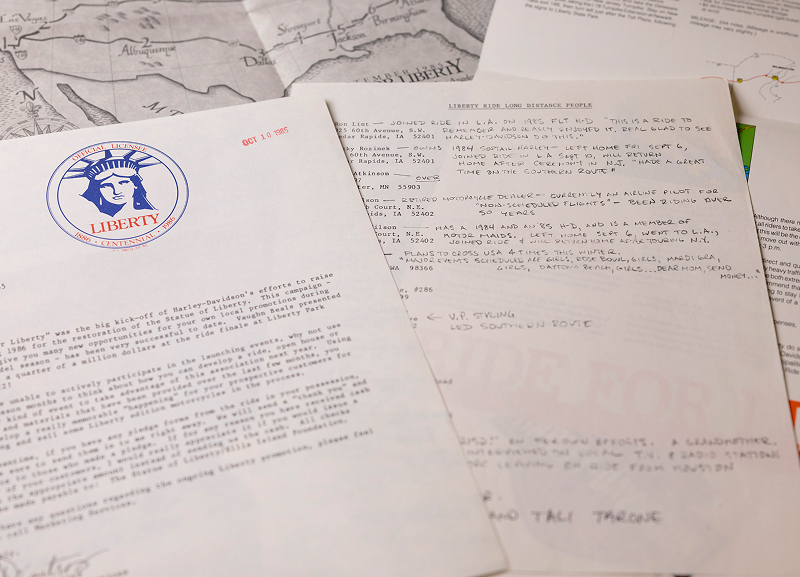
Some riders collected donations mile by mile, while others lined up pledges tied to the distance. At many stops, the fundraising took on a life of its own with impromptu auctions popping up, offering everything from Liberty Ride banners and Harley-Davidson history books to a collection of Reggie Jackson memorabilia.
And it even drew an international crowd. Five French riders, led by a Harley-Davidson dealer from Nice, joined in Atlanta, adding French wine to the fundraising mix.
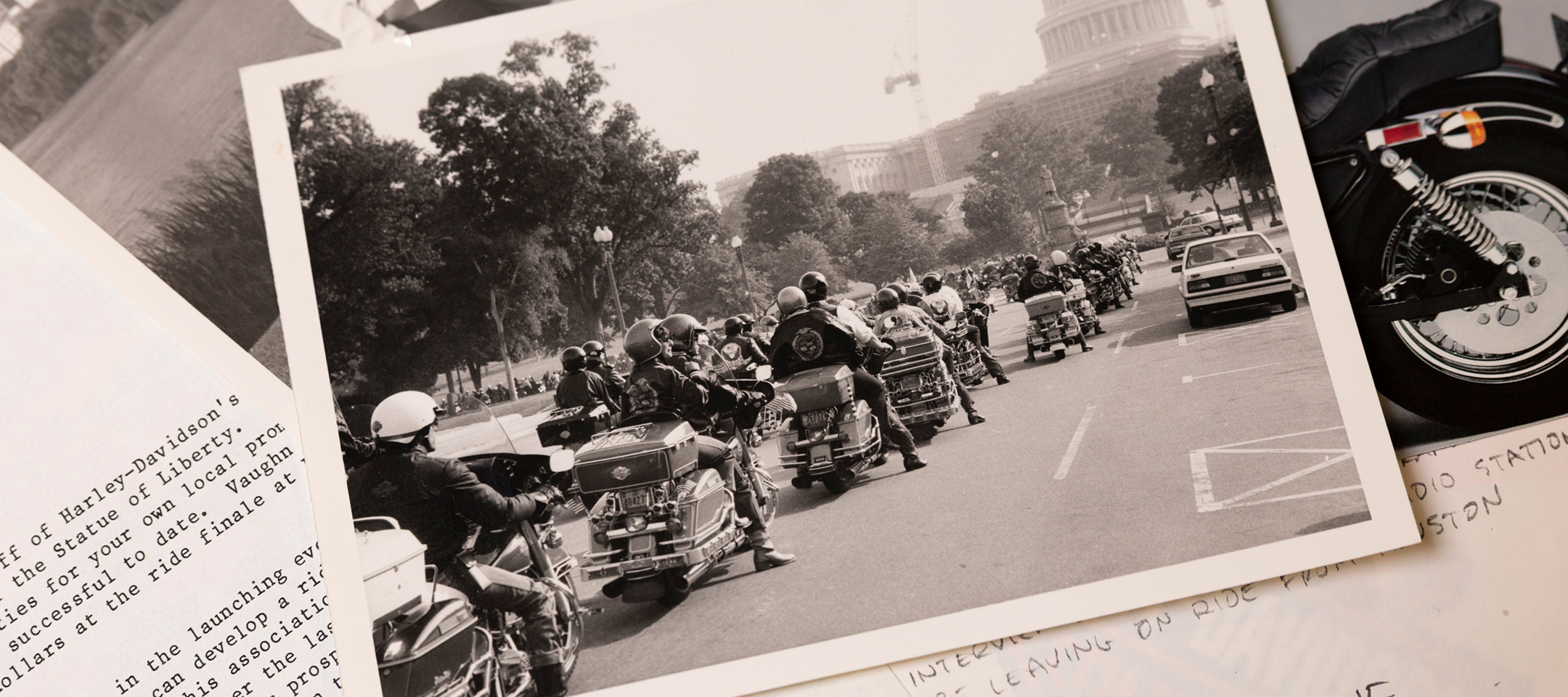
The two routes converged in Washington, D.C., where they met up with riders from the International Northeastern Harley-Davidson Dresser & Touring Association. On Sept. 21, an estimated 600 to 700 motorcycles paraded down Pennsylvania Avenue.
THE PARTNERSHIP’S BIG KICKOFF WAS THE RIDE FOR LIBERTY, A CROSS-COUNTRY MOTORCYCLE JOURNEY THAT ENCOURAGED HARLEY RIDERS AND ENTHUSIASTS FROM ALL OVER THE COUNTRY TO DIG INTO THEIR POCKETS AND SUPPORT THE RESTORATION.
HARLEY-DAVIDSON RIDES FOR LIBERTY
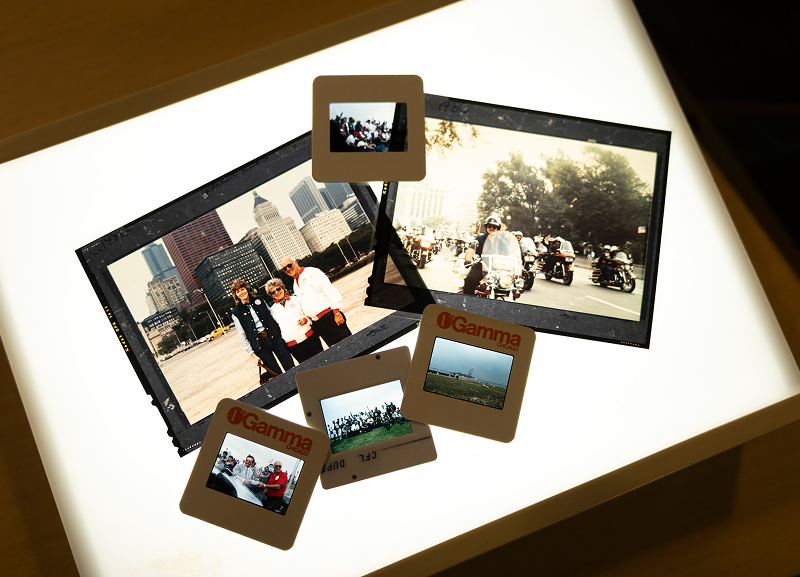
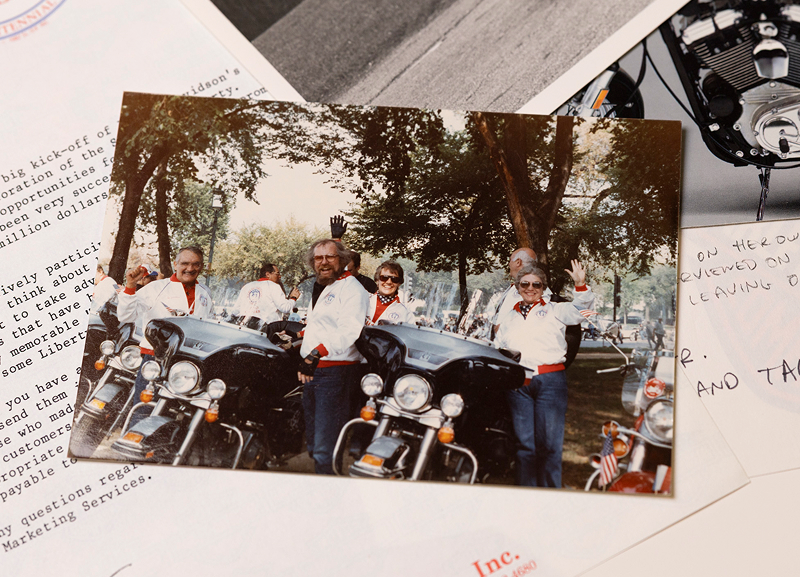
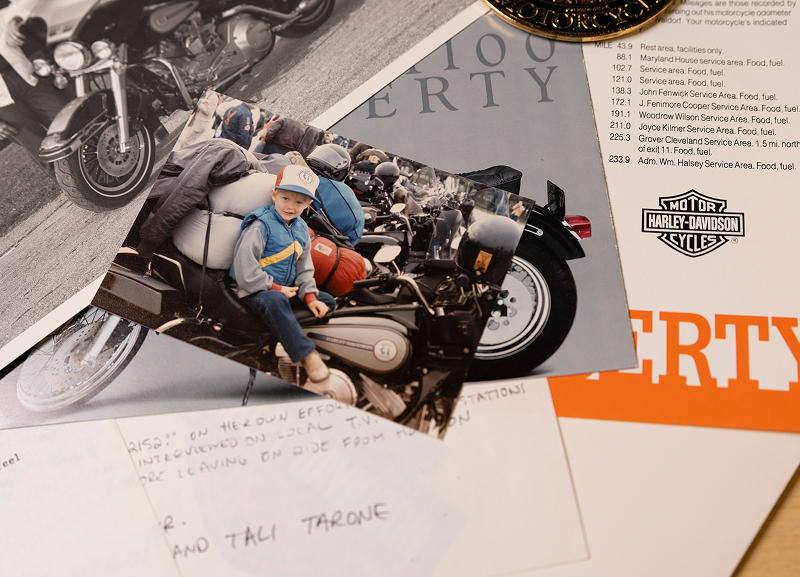
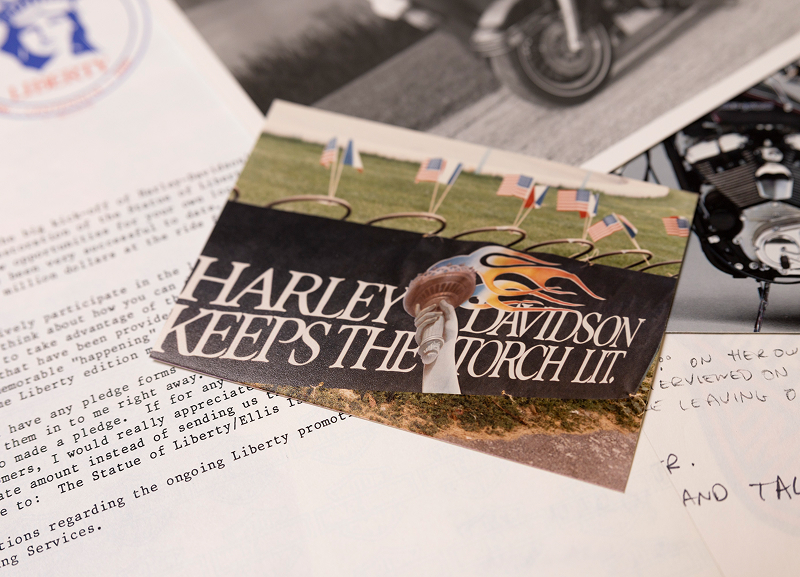
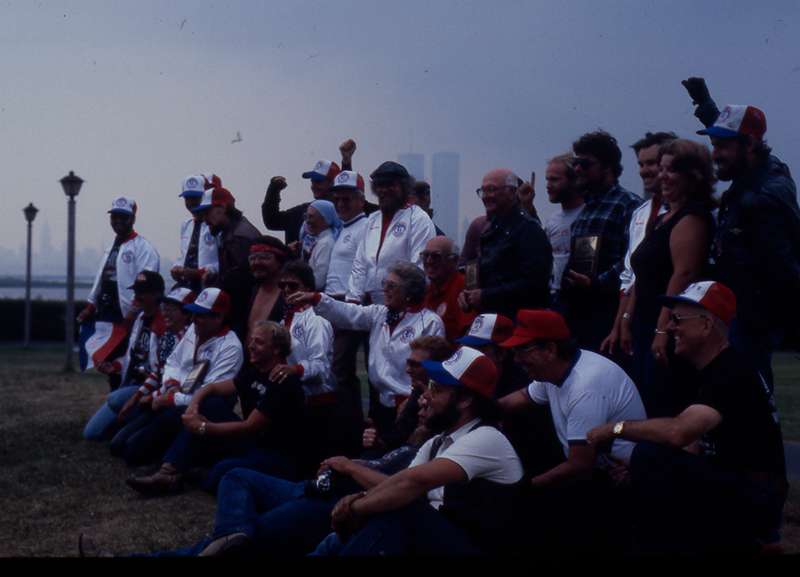
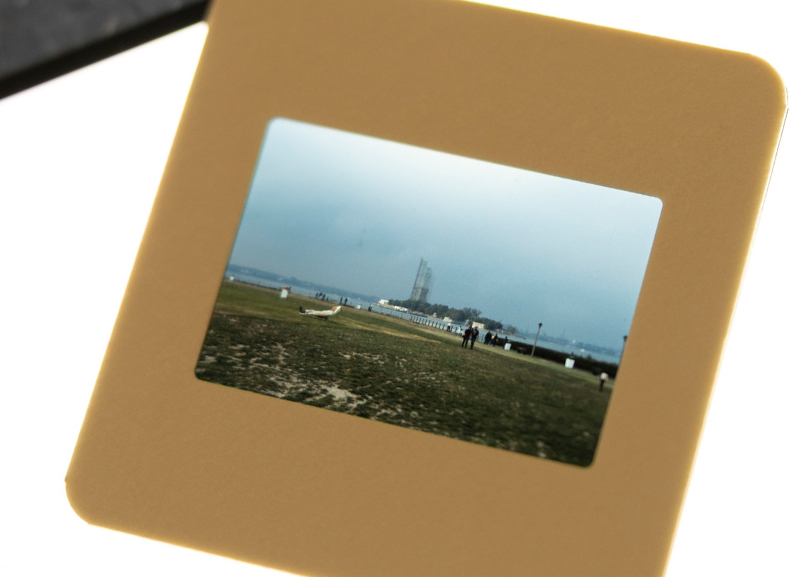
The ride reached its final destination on Sept. 22, 12 days after it began. More than 1,000 motorcycles (closer to 2,000, according to some reports) gathered at Liberty State Park in New Jersey.
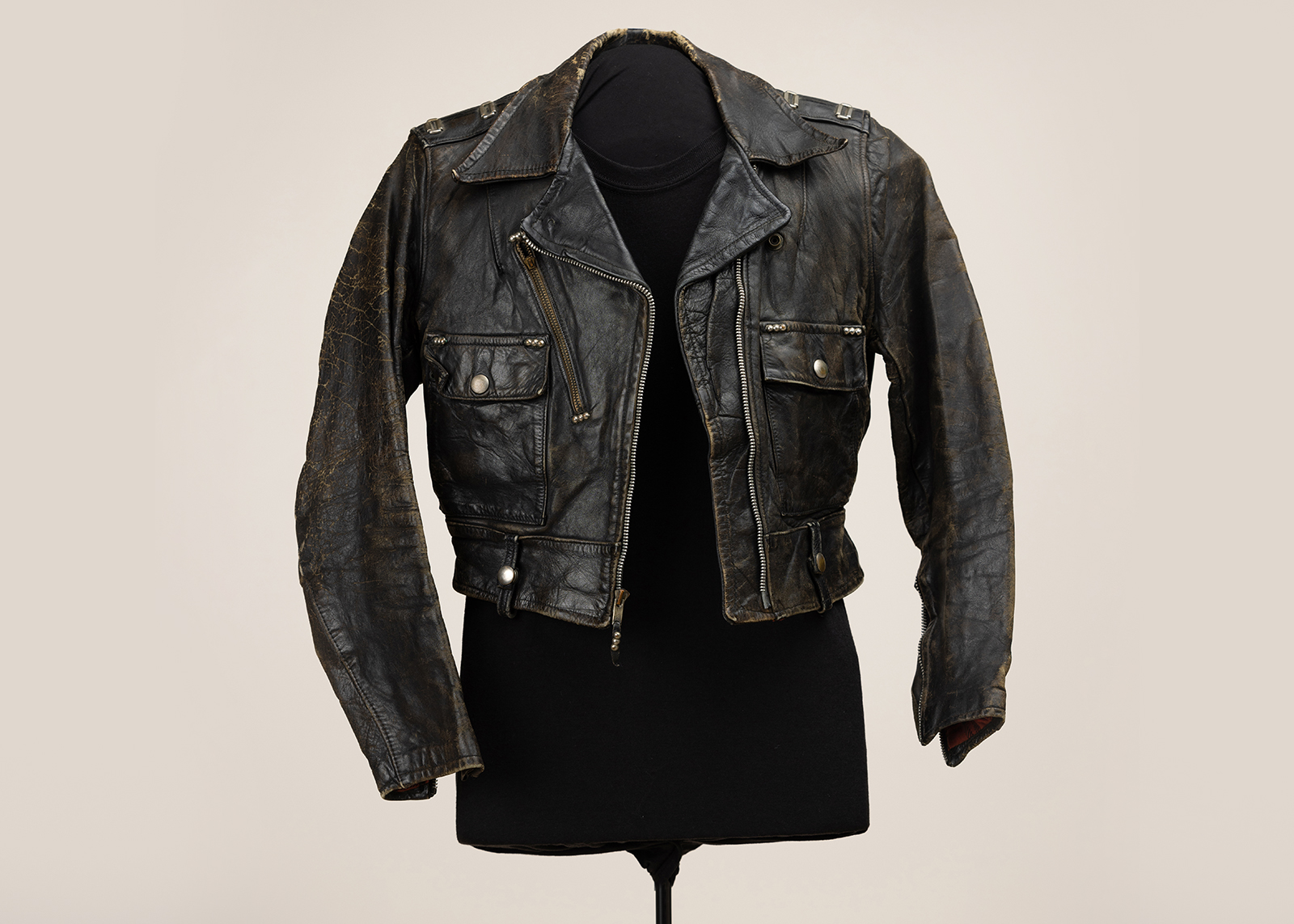
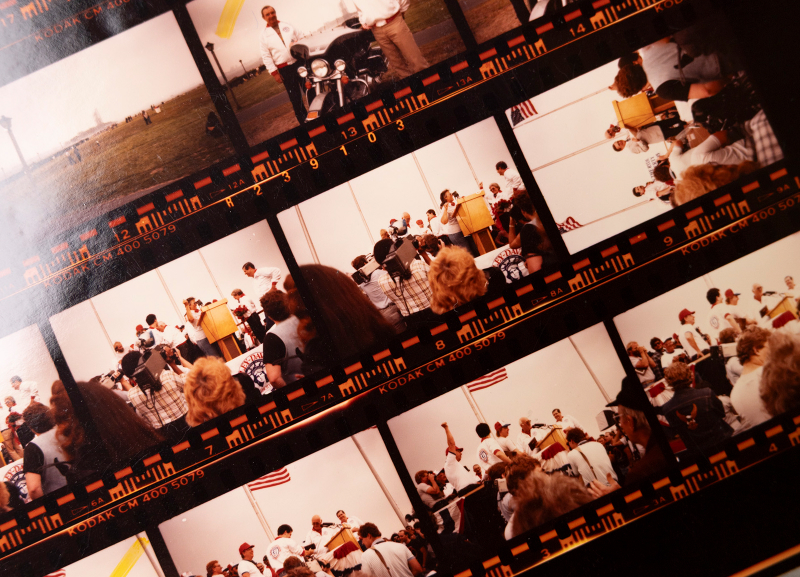
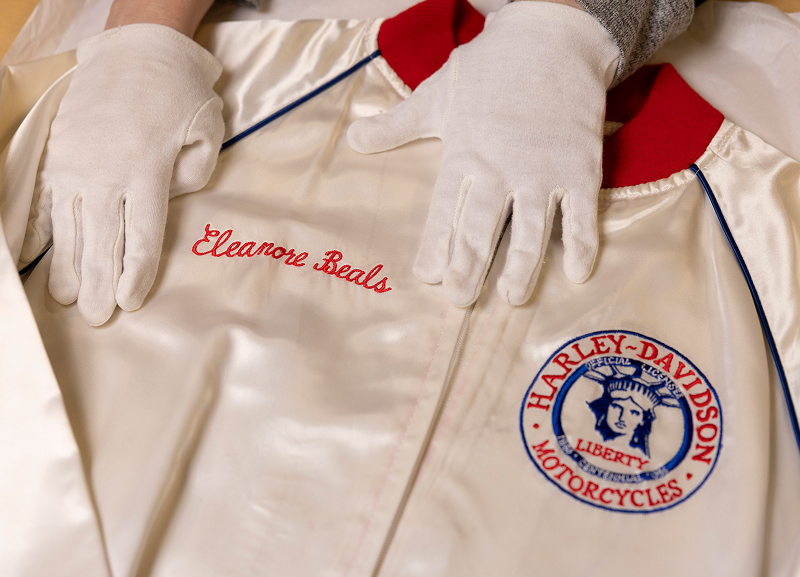
At the closing ceremony, Vaughn Beals, Willie G., and Nancy Davidson auctioned off their Liberty Ride jackets. Eleanore Beals’ jacket later made its way into the Harley-Davidson Archives. Vaughn Beals then presented a $250,000 check to a representative of the Statue of Liberty-Ellis Island Foundation, calling it a “minimum pledge to the restoration effort.”
Harley-Davidson’s Statue of Liberty fundraising efforts continued into 1986, with the company promoting the restoration project throughout the year, including during Daytona Bike Week, where Liberty graphics were featured prominently in marketing.
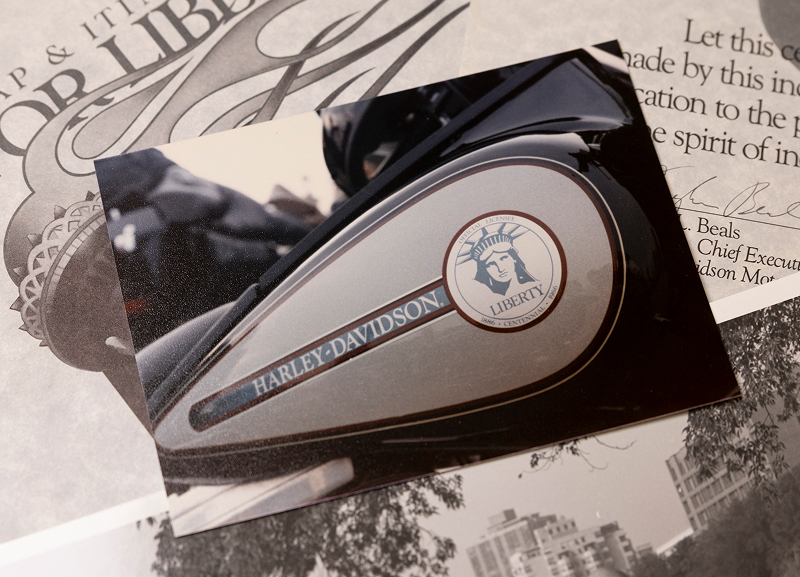
Licensed Statue of Liberty accessories were also sold, with a percentage of proceeds going toward the restoration fund. The centerpiece of the campaign, however, was the 1986 Liberty Edition motorcycles.
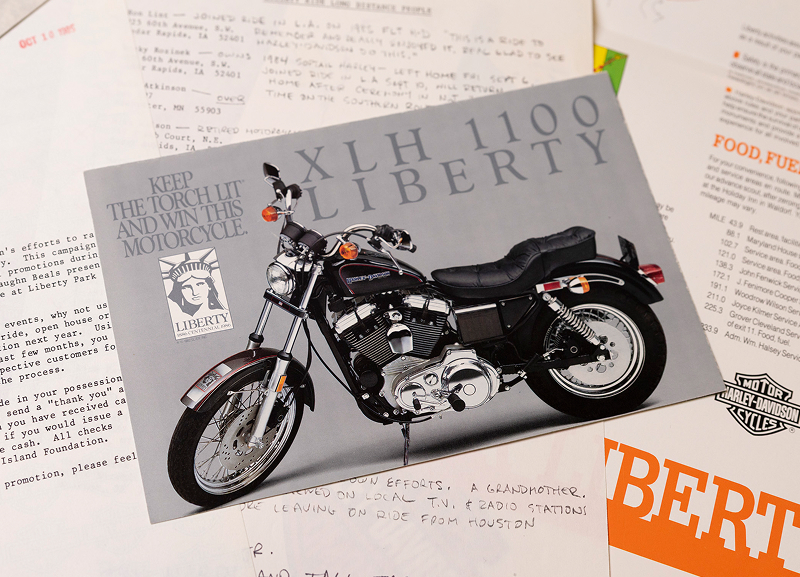
Following in the footsteps of the 1976 Bicentennial Liberty Edition models, the 1986 FLHT, FLTC, FXRS and XL-1100 were produced with a two-tone black and silver paint scheme, maroon pinstriping, and special Statue of Liberty and “Ride Free” graphics across the fenders, fairings and fuel tanks. An additional $100 from each motorcycle sold went directly to the restoration fund.
According to the July 1986 issue of The Bar & Shield, the company’s employee newsletter, the XL-1100 Sportster was the most popular model, while the FLTC was the rarest. Today, the Harley-Davidson Museum is home to Vaughn and Eleanore Beals’ Liberty Edition Electra Glide® from the Ride for Liberty.
“IF THERE’S A COMPANY THAT SHOULD BE INVOLVED WITH LIBERTY’S RESTORATION, IT SHOULD BE US. THE STATUE IS A WORLDWIDE SYMBOL OF LIBERTY, AND MOTORCYCLES ARE ONE OF THE STRONGEST EXPRESSIONS OF FREEDOM.”
- Vaughn Beals, CEO of Harley-Davidson 1981-1989
The Ride for Liberty was about more than the statue. As noted in the Winter 1985 issue of The Enthusiast, “One of the main reasons for this program, besides the obvious goal of raising money for the Lady’s restoration, is to promote a positive image of motorcycling—to show the general public that Harley riders are doing a lot of great things for this country.”
“If there’s a company that should be involved with Liberty’s restoration, it should be us. The statue is a worldwide symbol of liberty, and motorcycles are one of the strongest expressions of freedom,” Vaughn Beals said in a 1986 issue of The Bar & Shield, the company’s employee newsletter.
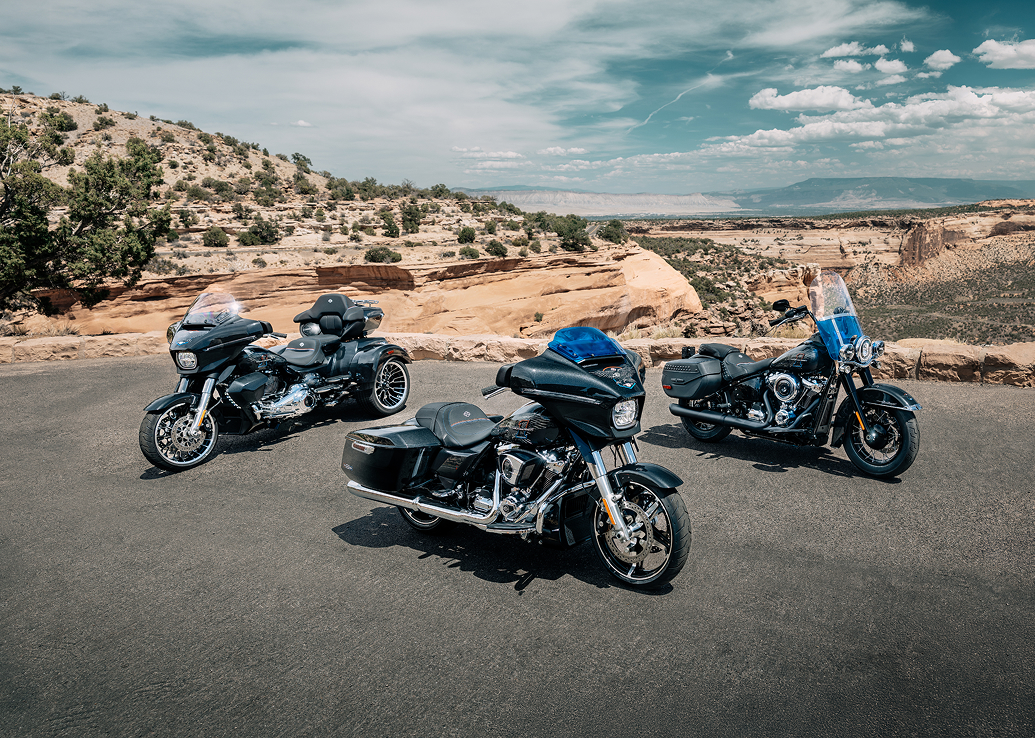
ENTHUSIAST COLLECTION: LIBERTY EDITION
A limited-run tribute to 250 years of American freedom with rare paint, bold details, and a story worth owning.
EXPERIENCE THE HISTORY OF HARLEY-DAVIDSON
Discover culture and history through stories and exhibits that celebrate expression, camaraderie and love for the sport.
EXPLORE MORE FROM THE ARCHIVES
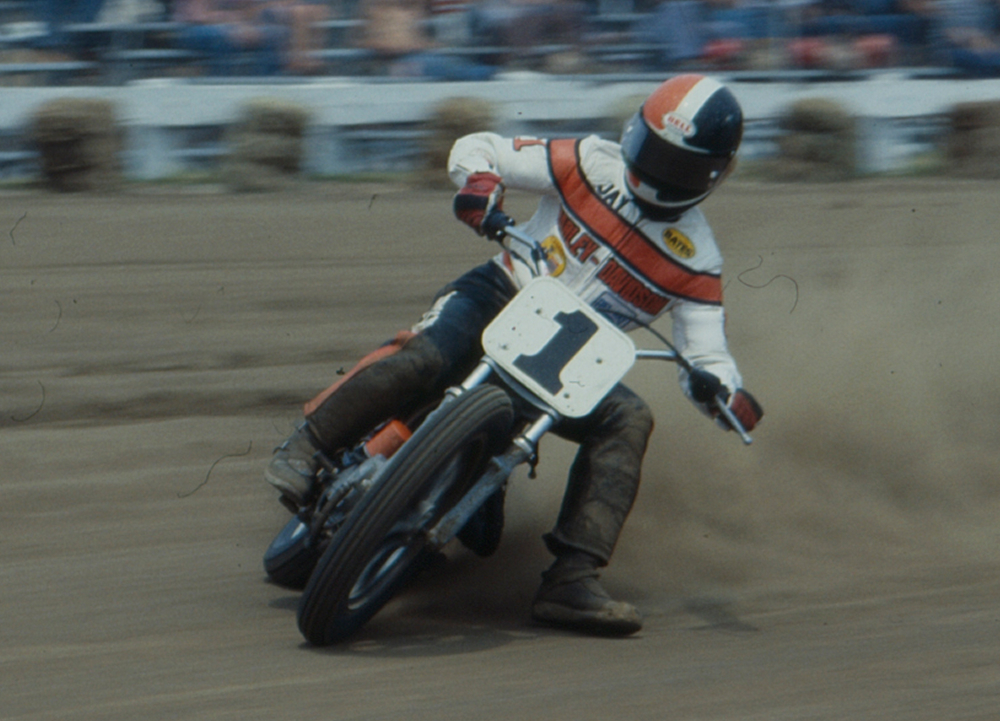
SPRINGSTEEN’S RISE: THE MAKING OF A FLAT TRACK LEGEND
Jay Springsteen overcame early adversity to become one of flat track racing's most successful riders, earning three consecutive Grand National titles and a place among Harley-Davidson legends.
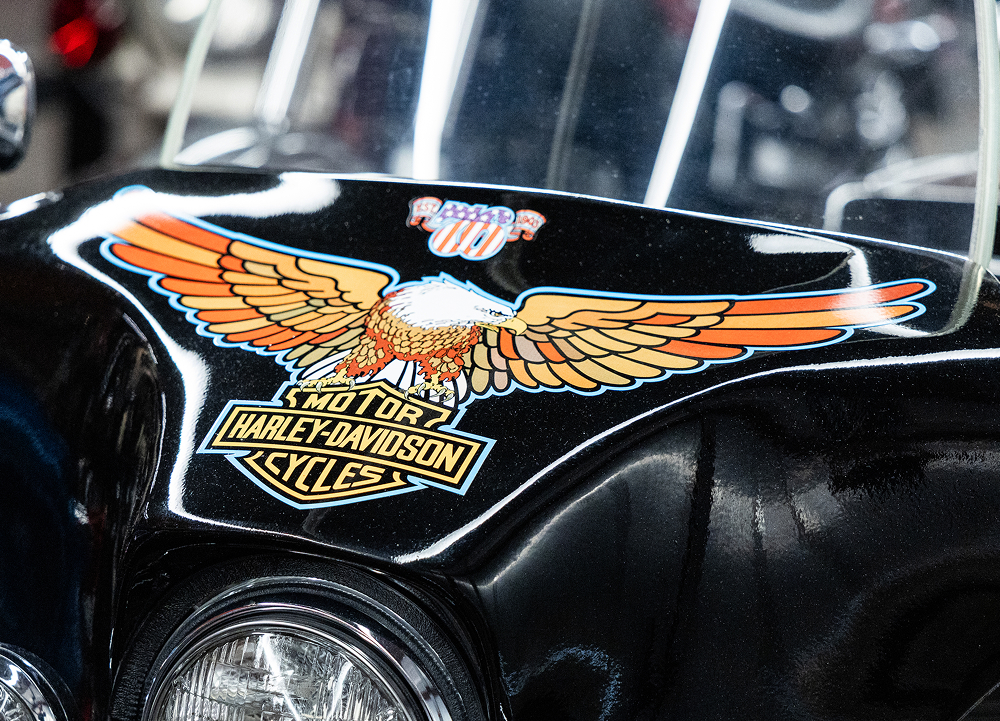
THE EAGLE, THE NUMBER ONE, AND THE RETURN OF THE BAR & SHIELD
How a Bicentennial-era design idea from Willie G. Davidson gave rise to the eagle and modern Bar & Shield that continue to define Harley-Davidson today.
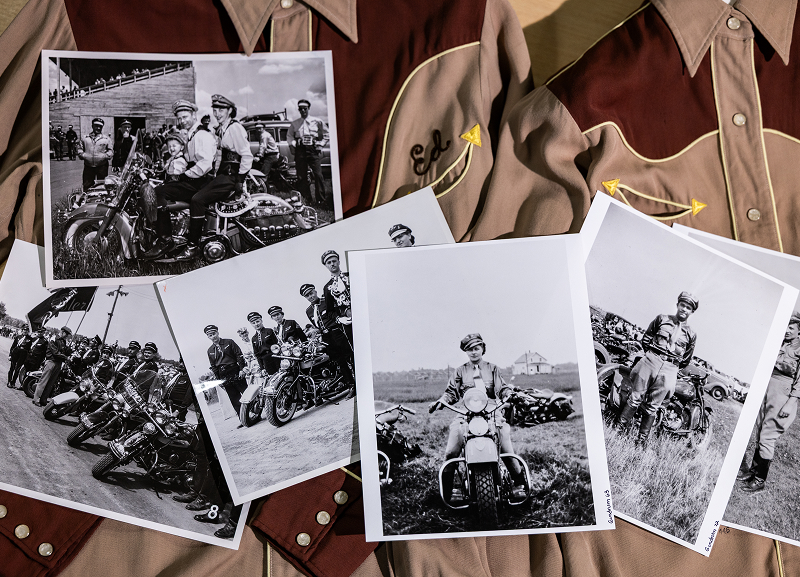
KNIGHTS OF THE HIGHWAY: THE STORY BEHIND MOTORCYCLE CLUB UNIFORMS
From tailored uniforms to patch-covered vests, motorcycle riders have long used what they wear to shape their identity, build community, and challenge public perceptions of the sport.
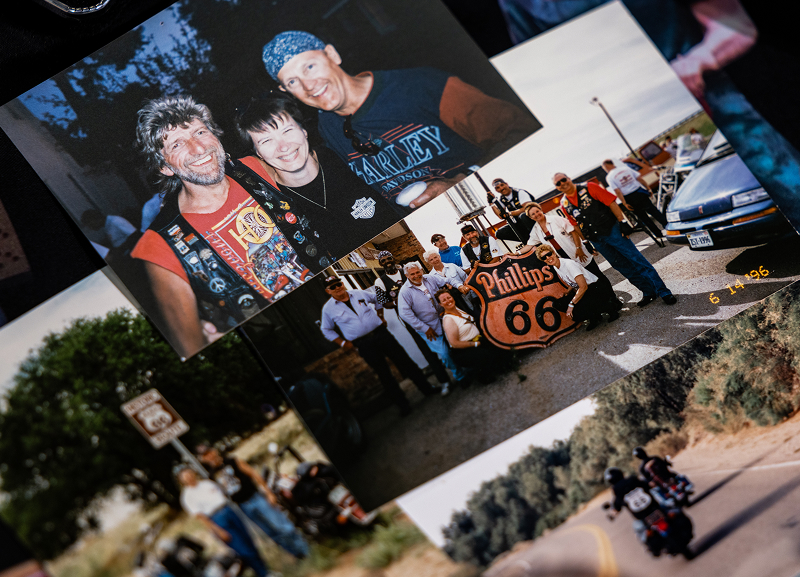
ROUTE 66: A TESTAMENT TO THE SPIRIT OF THE OPEN ROAD
Route 66 has evolved from a simple stretch of pavement into a defining experience for generations of Harley-Davidson riders.
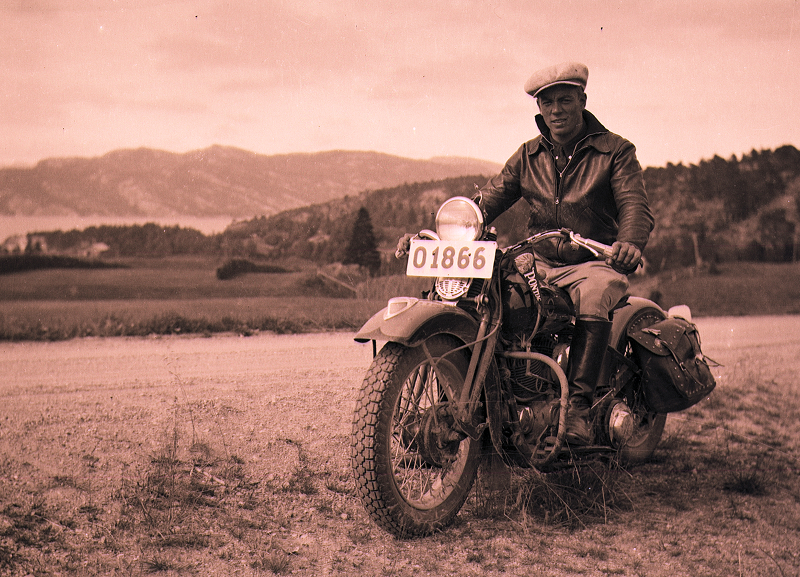
“MOTORCYCLING IS THE LIFE”: THE LEGACY OF GUSTAF STENMARK
Driven by an obsession with motorcycles, Gustaf Stenmark pushed himself through every race and mile with competitive grit, chasing the limits of endurance on two wheels.
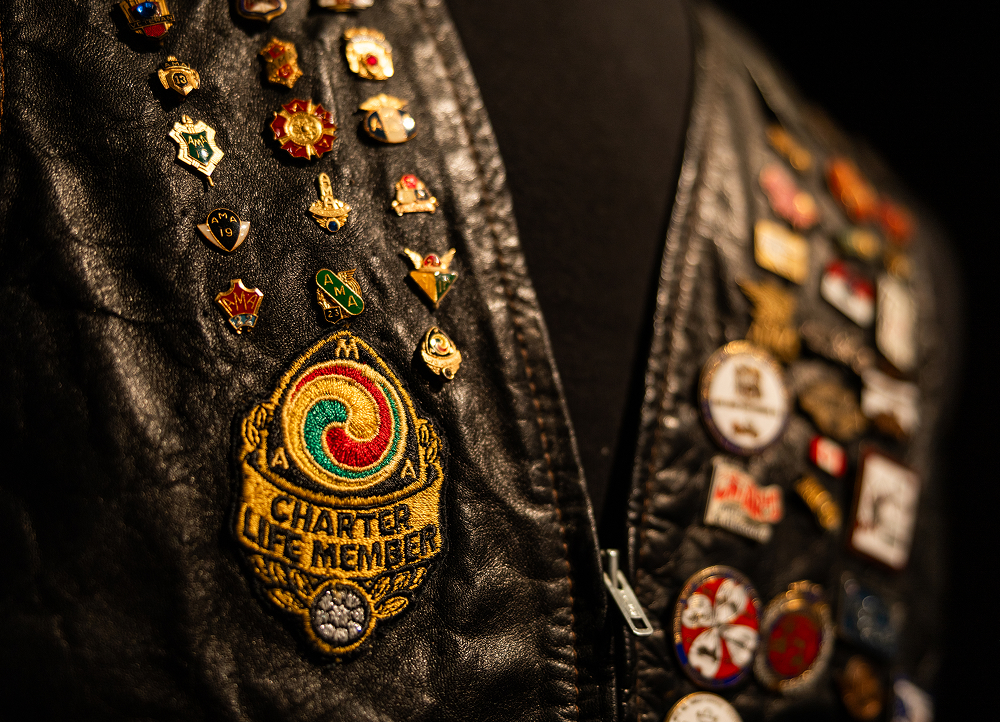
FROM WAISTCOAT TO CUT: THE EVOLUTION OF THE MOTORCYCLE VEST
The vest may have started out as a practical piece of clothing worn by aristocrats and soldiers, but today, it's one of the most iconic symbols of motorcycle culture.
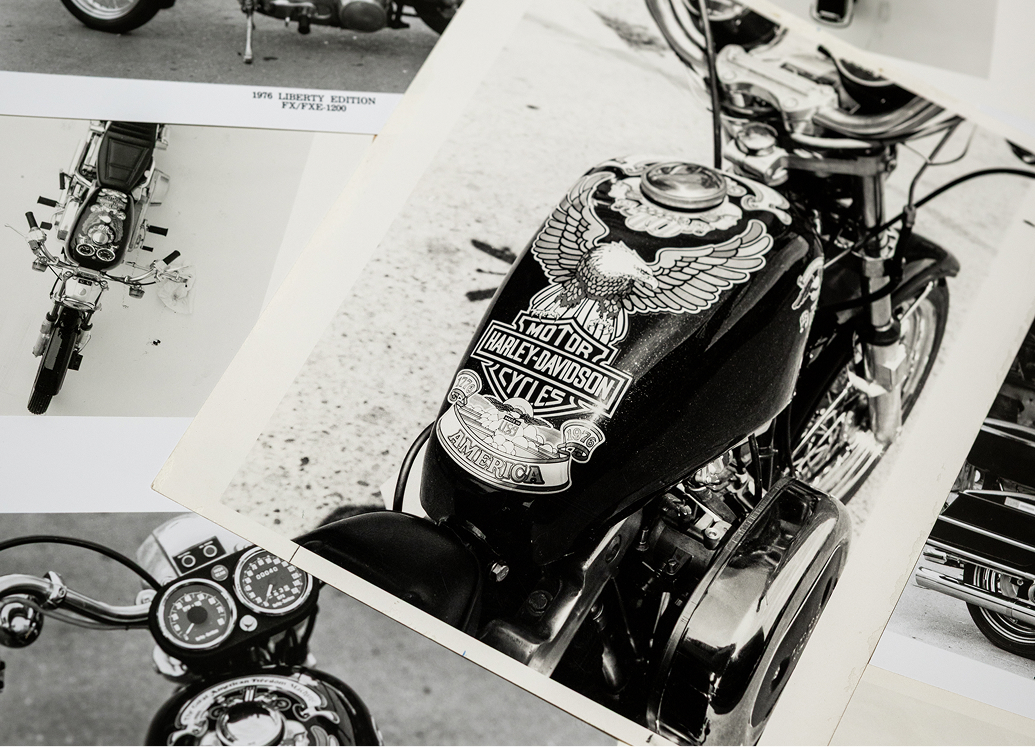
THE '76 BICENTENNIAL EDITION: THE BIRTH OF AN ICON
The 1976 Liberty Edition fused American patriotism with Harley‑Davidson craftsmanship, creating a landmark design that still resonates as a symbol of freedom and identity.
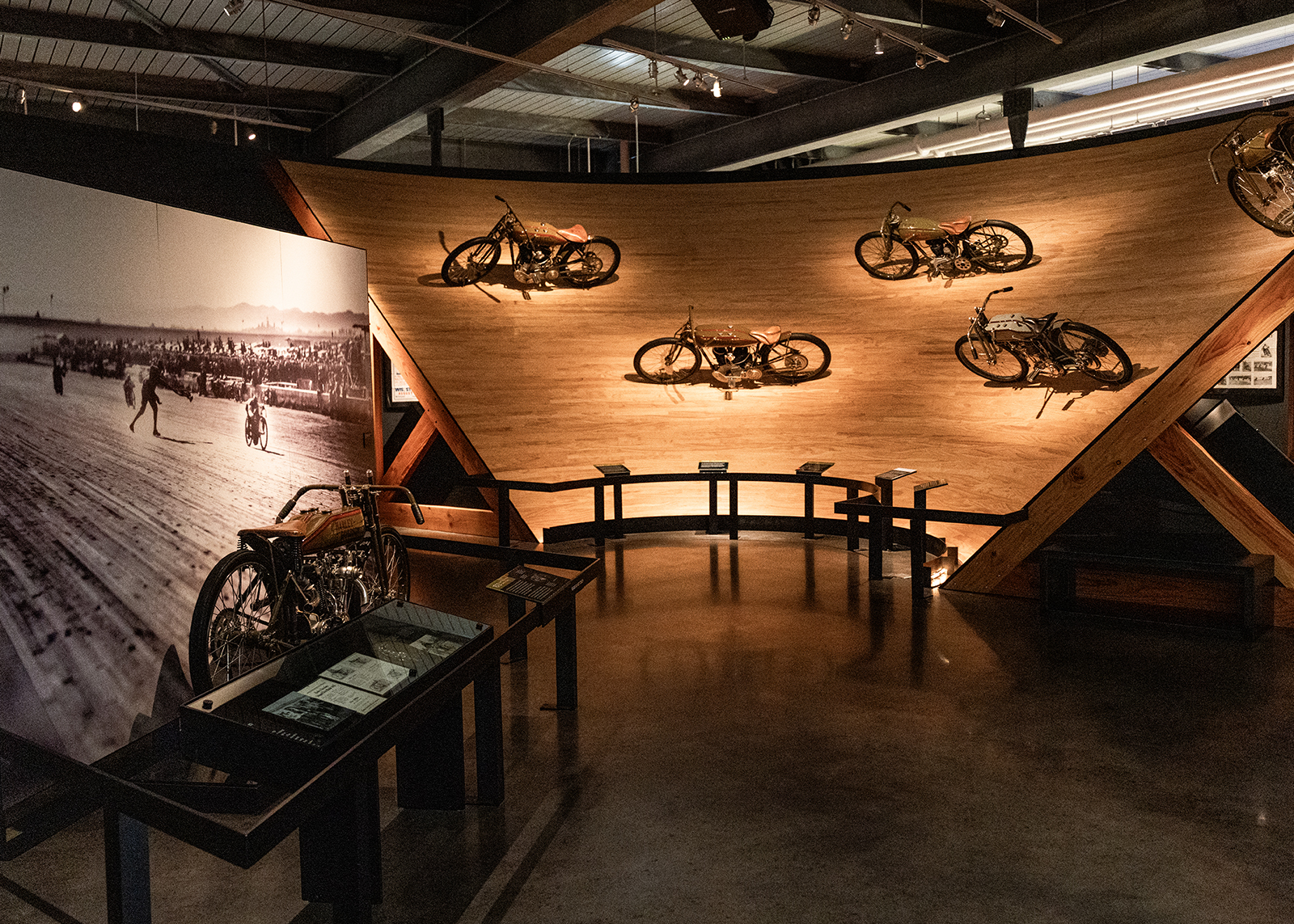
LIFE ON THE MURDERDROME: H-D AND THE SPORT THAT TERRIFIED EVERYONE
Long before racing glory, Harley-Davidson’s uneasy entry into board track competition was lived on the edge by riders like L.E. Bowen.
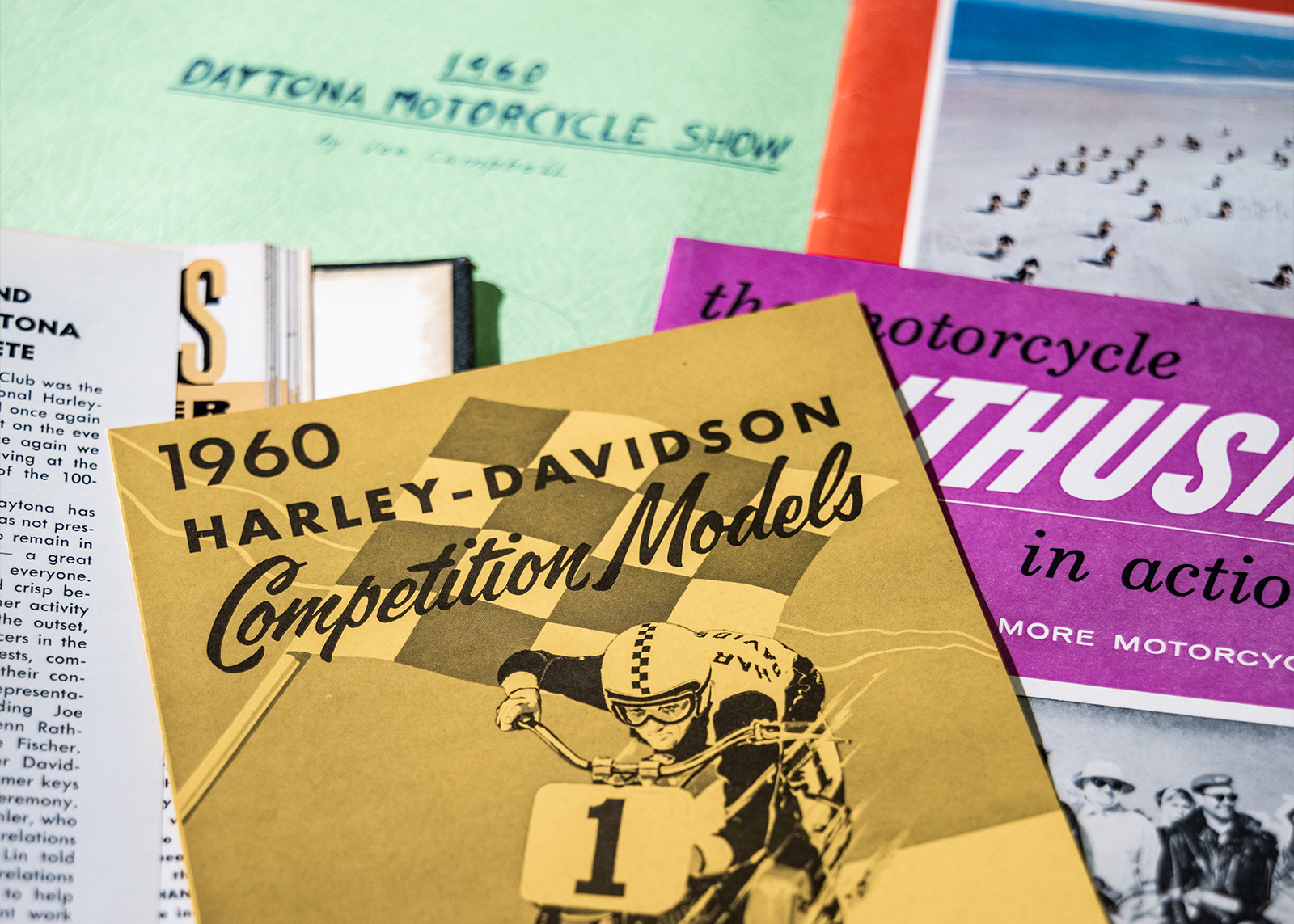
FLASHBACK: STEP INSIDE THE DAYTONA 1960 MOTORCYCLE SHOW
Daytona Bike Week celebrates its 85th year, offering the perfect moment to look back at the rally’s iconic 1960 roots.
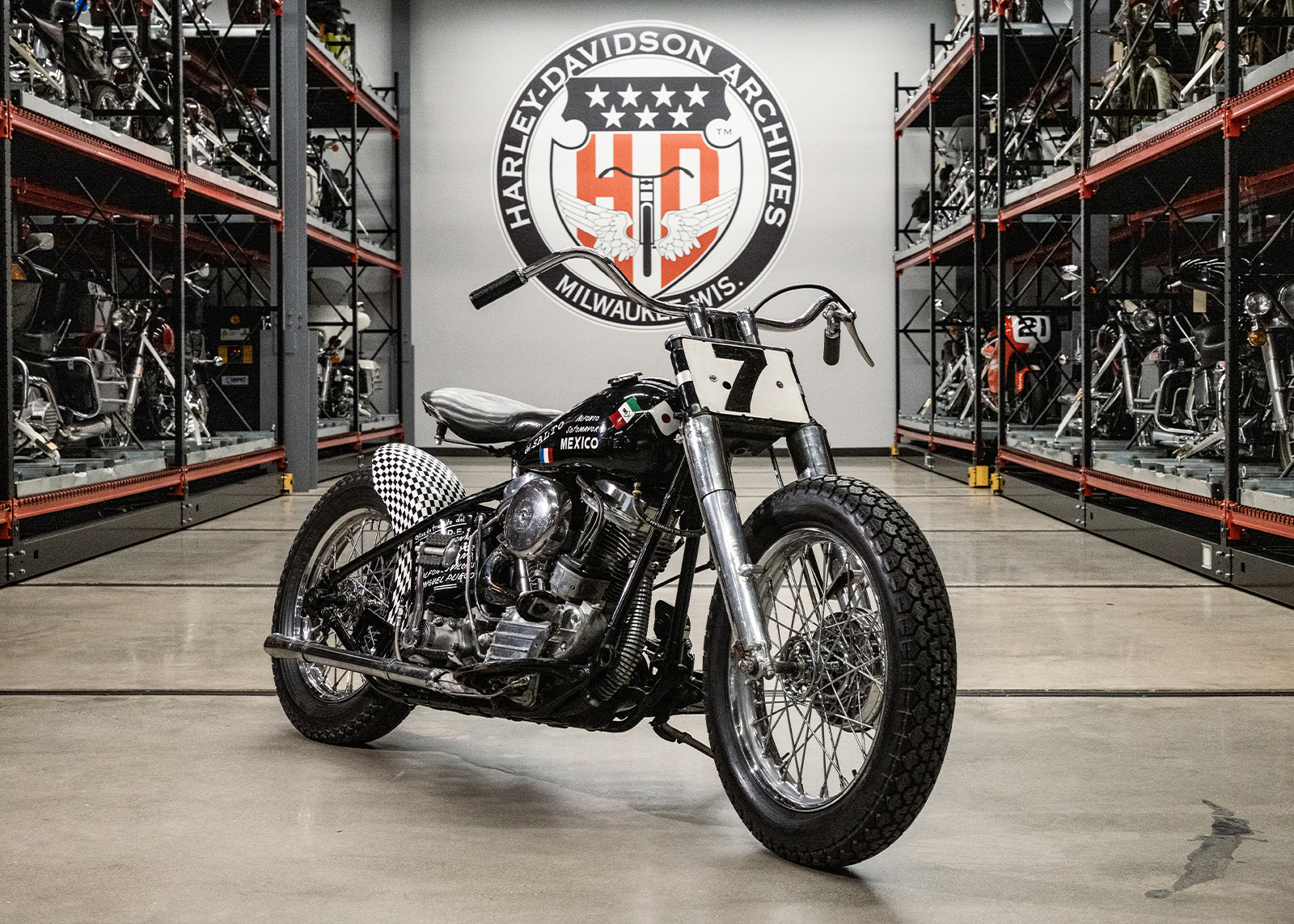
ALFONSO SOTOMAYOR AND MEXICAN STUNT RIDING
Harley-Davidson’s century-long history in Mexico is filled with pioneering riders and legendary stunt performers like Alfonso Sotomayor.
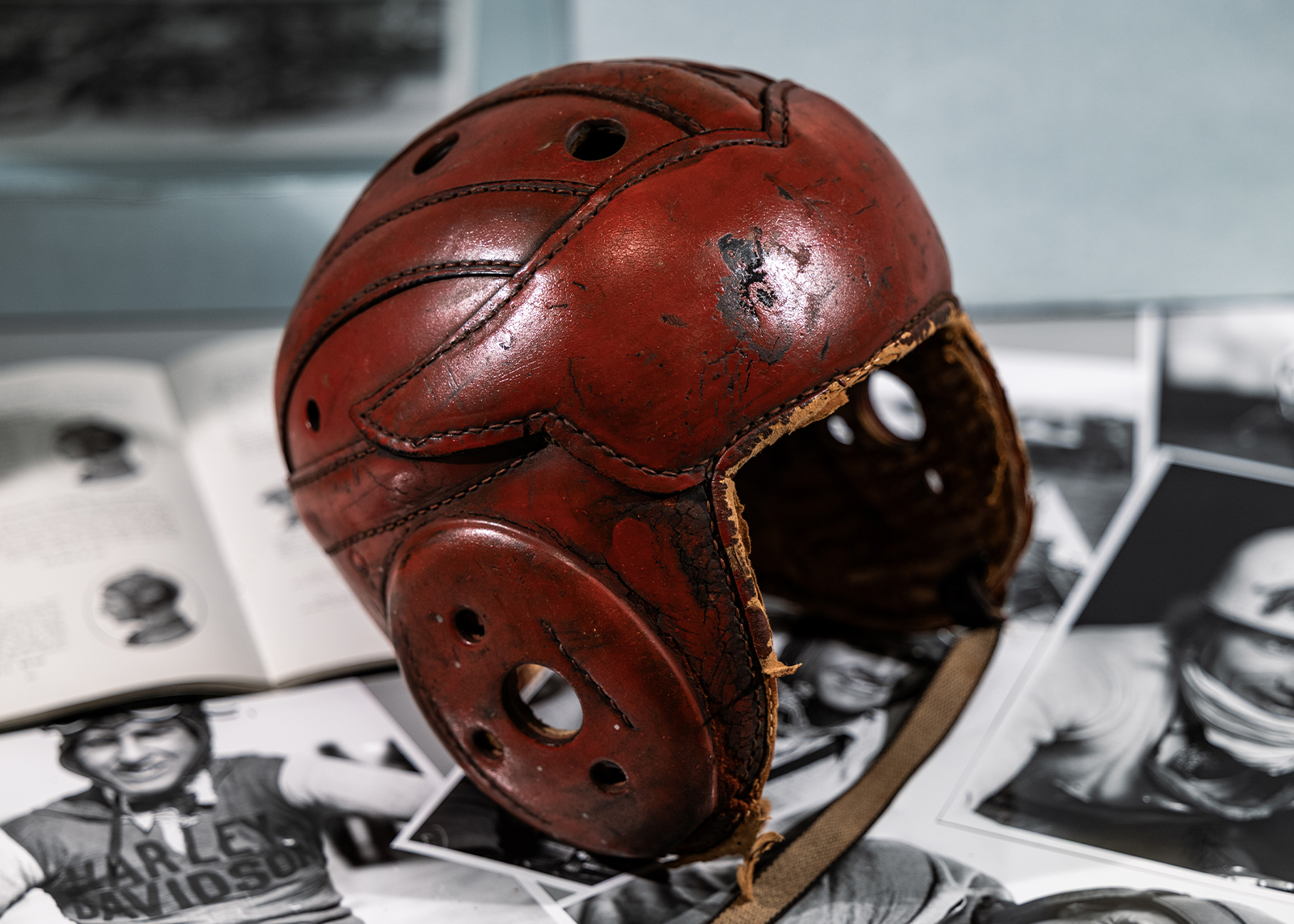
HELMETS THROUGH HISTORY
From humble leather caps to modern safety gear, the evolution of motorcycle helmets balances protection, performance, and pure self-expression.
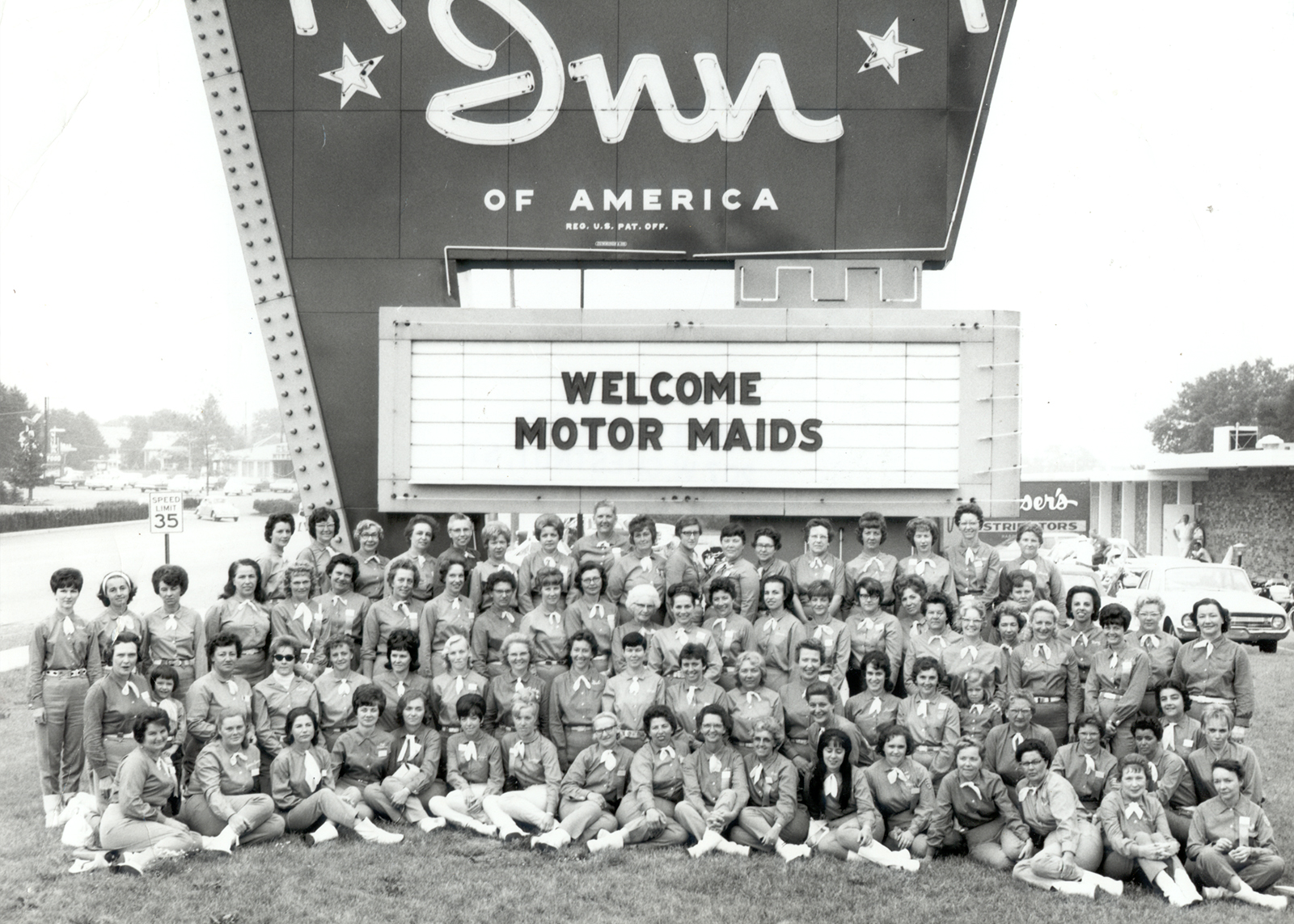
RIDING FORWARD: 85 YEARS OF THE MOTOR MAIDS
Founded in 1940 by pioneers Dorothy “Dot” Robinson and Linda Dugeau, the Motor Maids became the first women’s national motorcycle club.
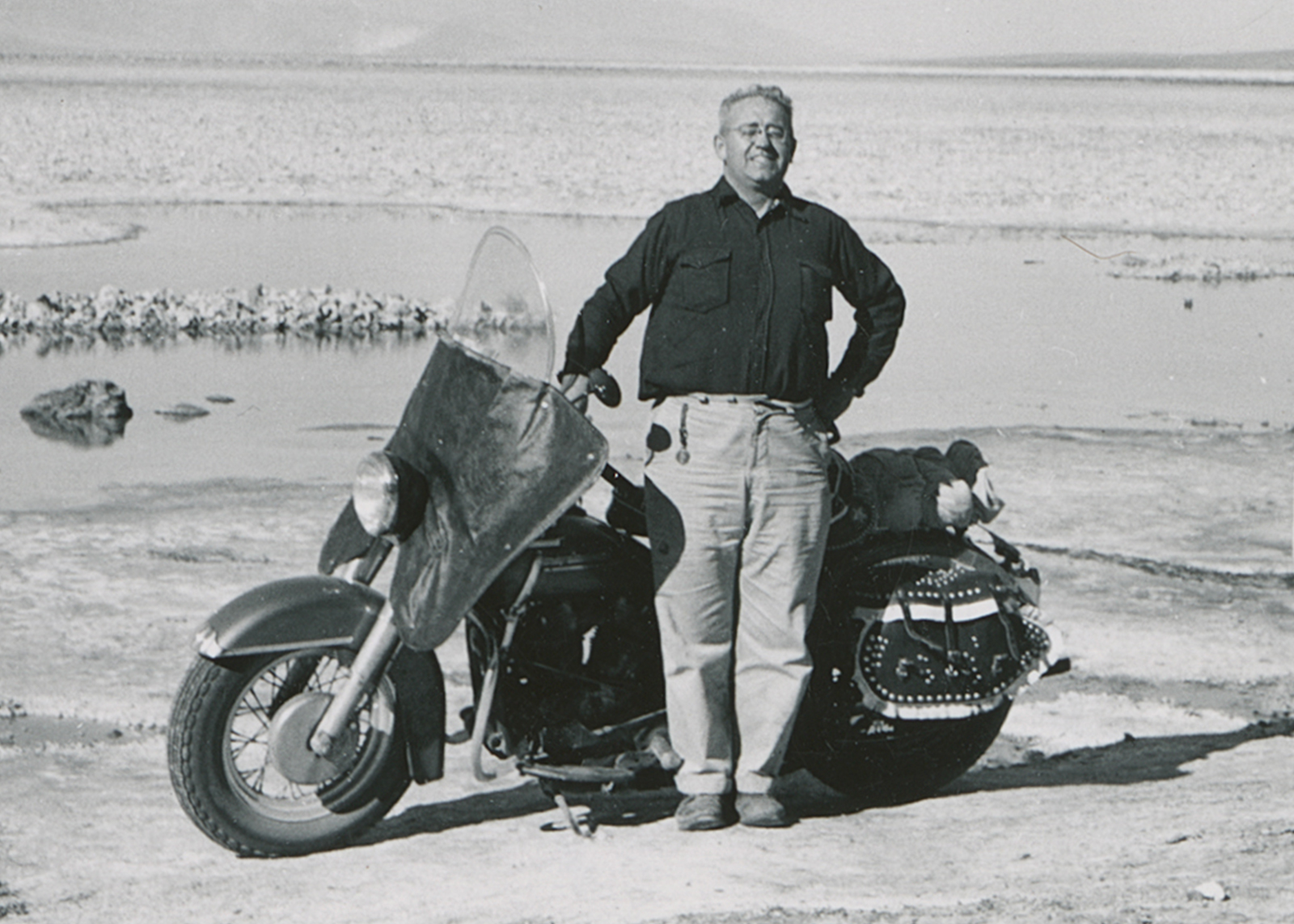
RIDING THROUGH HISTORY: ELDRED R. HARRINGTON’S HARLEY-DAVIDSON ADVENTURES
Eldred R. Harrington, a prolific Enthusiast writer from 1944–1965, was revisited by Harley-Davidson archives during the Hydra-Glide’s 75th anniversary.
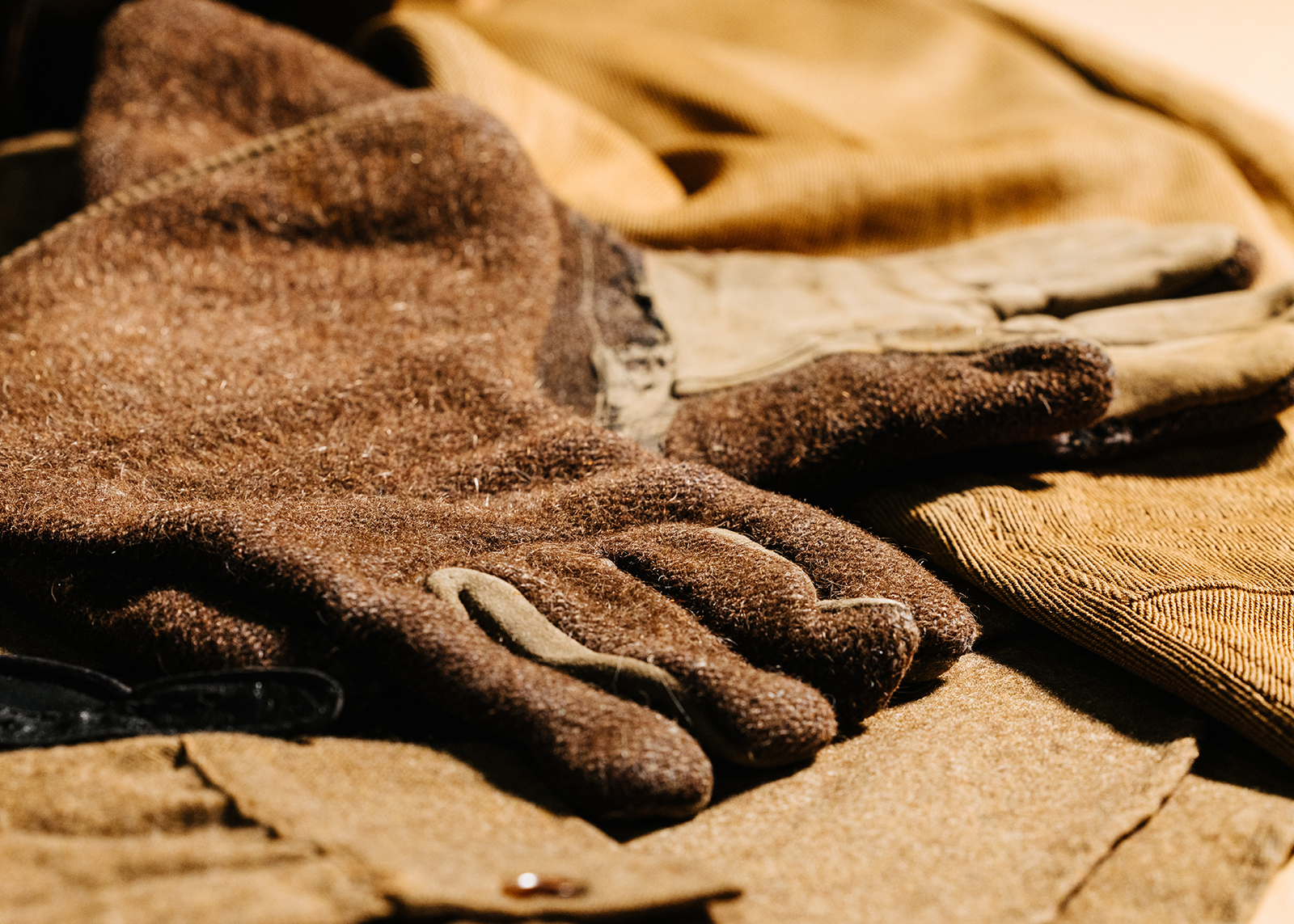
EARLY RIDING WEAR
In the earliest images in the Harley-Davidson archives, riders’ clothing always stands out.
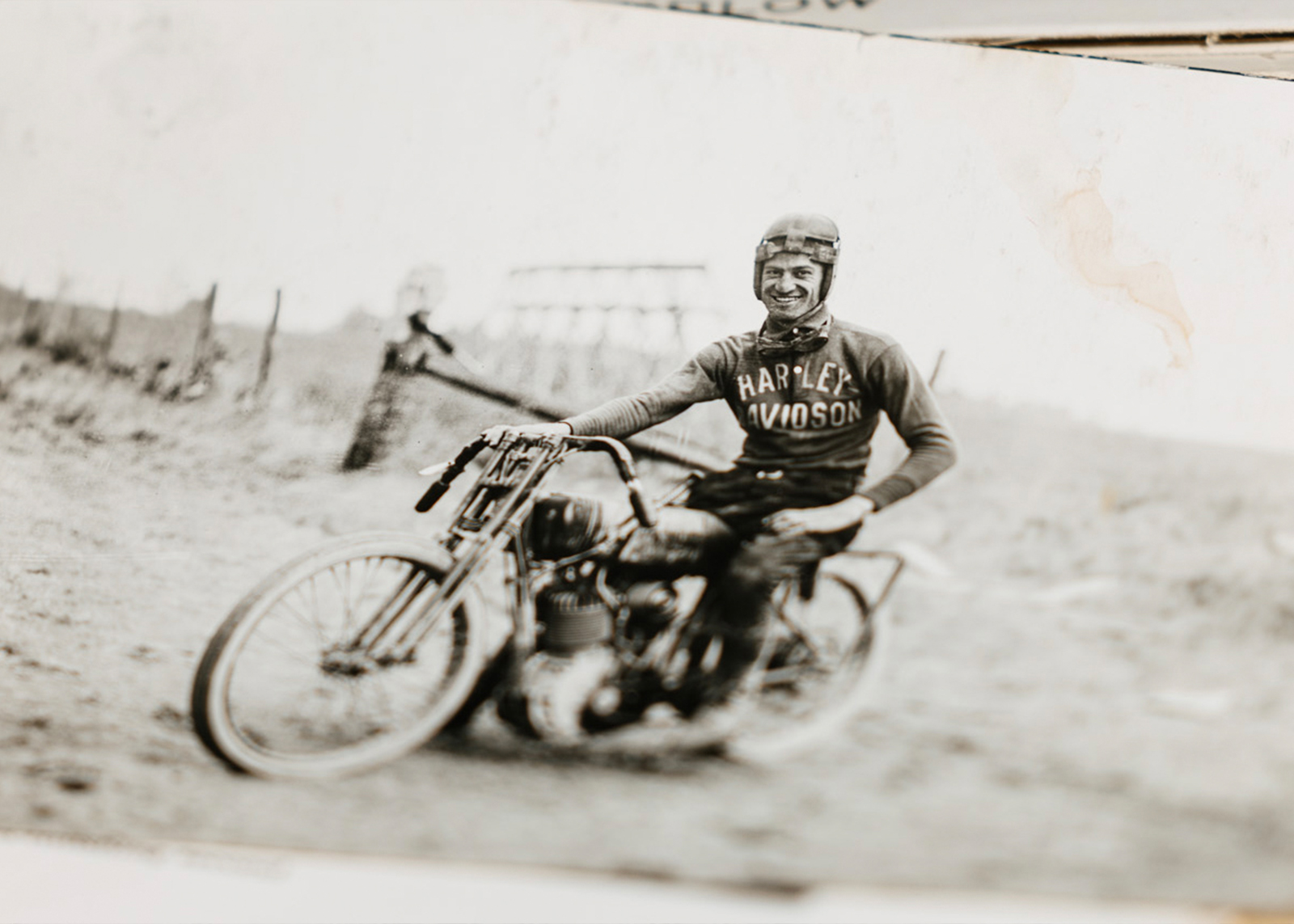
LESLIE “RED” PARKHURST
Parkhurst was a good-natured athlete whose enthusiasm made him a real crowd-pleaser, both on and off the track.
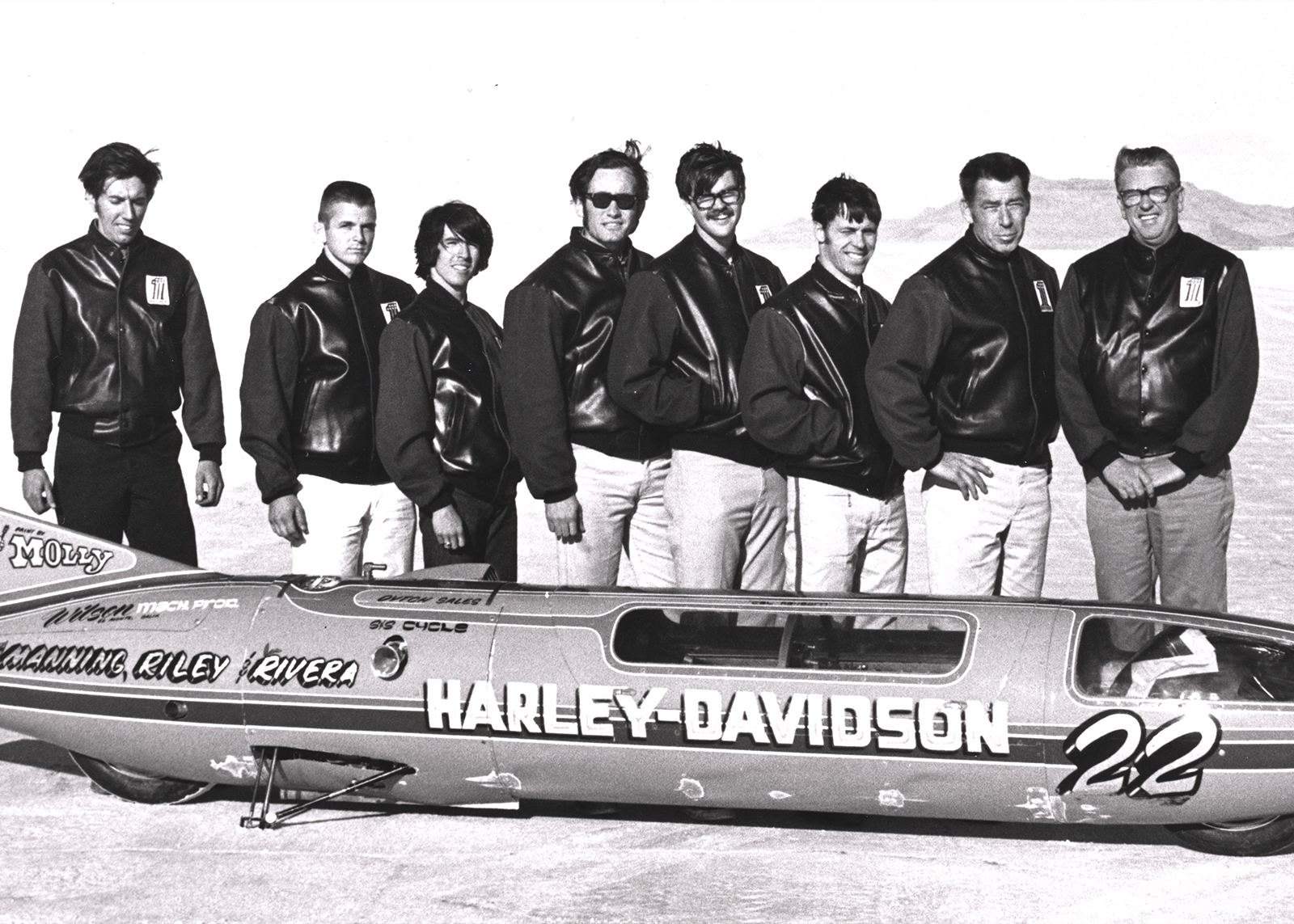
THE WORLD'S FASTEST HARLEY-DAVIDSON
Built for Speed. Born for Glory. The Return of a Legend.