HOW-TO GUIDES
Learn How to Ride a Motorcycle
Looking to start riding but don’t know where to start? Learning how to ride a motorcycle can’t be done overnight, but following these steps can help you get prepped and become a new and licensed rider before you know it.
1. GET GEARED UP
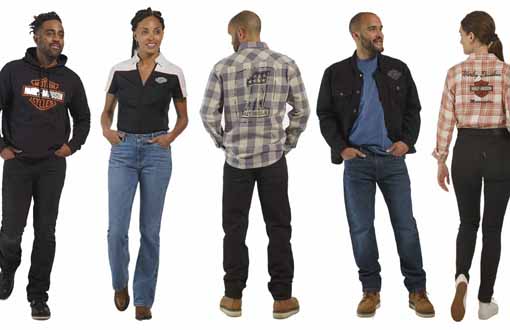
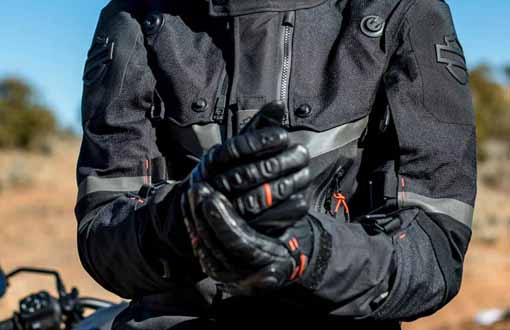
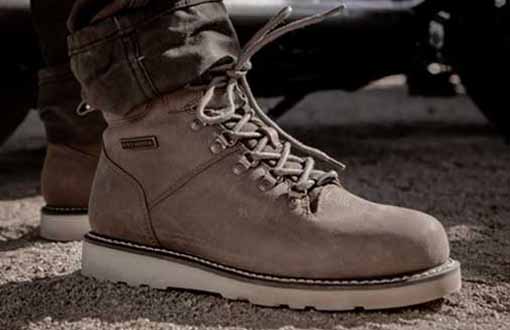
Before you throw your leg over the saddle of a motorcycle, you’ve got to get the proper gear. Remember that most training courses will provide a motorcycle, but for many classes you will need your own gear. Proper gear is essential to safe riding, and quality motorcycle gear is available from an authorized Harley-Davidson® dealer and at H-D.com. Wearing the right motorcycle clothing makes the sport more enjoyable and more comfortable. Gear basics include:
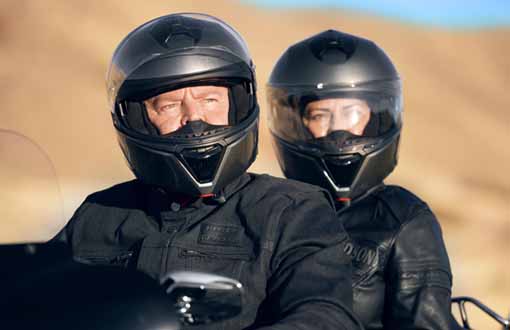
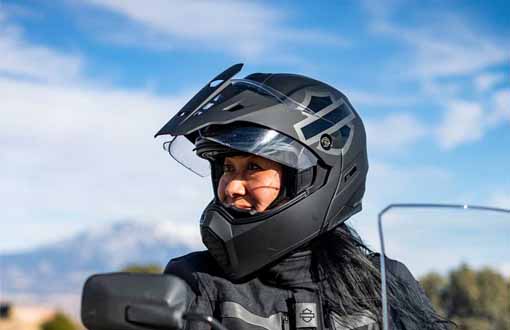
Helmet – riders should wear motorcycle helmets that are DOT certified or better.
Eye Protection – eye protection includes goggles, gaskets, sunglasses or glasses. some helmets include a visor, which serves as eye protection when lowered or closed to cover your eyes as well. For range sessions, regular eyeglasses or sunglasses are sufficient.
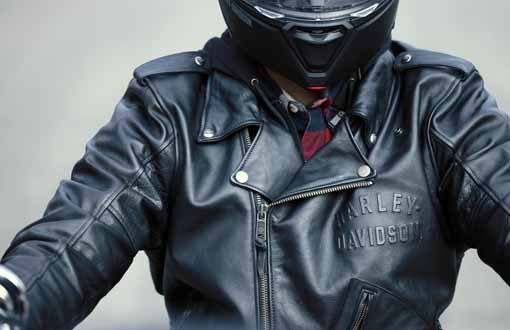
Long Sleeve Shirt or Jacket – a motorcycle jacket helps provide the most protection, but at a training session a long sleeve shirt is sufficient.
Pants – a pair of sturdy riding pants should be worn. Pants with holes, tights and leggings, or not sufficient in length or do not cover the entire leg are not recommended.
Gloves – it's recommended to wear motorcycle gloves that were designed specifically for riding, with full finger gloves providing the most protection.
Boots – a pair of motorcycle boots that go over the ankle are required.
Learn more about finding the right motorcycle gear in the following motorcycle gear guides.
2. GET FAMILIAR WITH THE CONTROLS OF A MOTORCYCLE
For the most part, the primary controls on modern motorcycles are standardized. Your motorcycle operator’s manual will detail the control functions on your motorcycle. Here are the functions of some key motorcycle controls.
Key Switch or Proximity Fob is used to activate the ignition. Many newer motorcycles, like automobiles, have a digital proximity fob that activates the ignition when the fob is near the motorcycle. Other motorcycles will have a key. Unlike an automobile, turning the key does not start the motorcycle.
Engine On/Off Switch is usually bright red and located on the right-hand control module. When this switch is in the OFF position the ignition is disabled and the engine will not start. Move the switch to ON to start the motorcycle.
Start Button is on the right-hand control module. Pushing this button actually engages the electric starter to bring the engine to life.
Throttle is controlled by the twist grip on the right handlebar. Rotating the throttle twist group controls the engine speed of the motorcycle.
Clutch is actuated by the lever on the left-hand control. The clutch connects the engine to the transmission. When the lever is pulled toward the hand grip, the clutch is disengaged, and the engine and transmission are disconnected so no power is reaching the rear wheel. A controlled release of the clutch lever engages the clutch and sends power to the rear wheel.
Shift Lever is located forward of the left foot peg. Shifting is sequential, meaning that after you use the lever to shift up or down a gear, the shifter lever returns to center and is ready to shift to the next gear.
Front Brake is controlled by the lever in front of the right-hand grip.
Rear Brake is controlled by the lever in front of the right foot peg.
3. LEARN THE BASICS
The Harley-Davidson® Riding Academy has created a series short New Rider Tips videos that demonstrate basic riding procedures and skills. These videos are not a substitute for taking a training course, but they can help get you familiar with how a motorcycle functions before you begin taking a training course. Key videos in the series include:
How to Start a Motorcycle demonstrates activating the ignition, proper position of clutch and transmission, and starting the engine.
How to Shift a Motorcycle explains clutch engagement and shifting up and down through the gears.
How to Stop a Motorcycle covers the essentials of making a hard stop in an emergency.
Motorcycle Cornering and Counter Steering explains the basics of motorcycle counter steering and how it plays into cornering your motorcycle.
How to Turn a Motorcycle From a Stop demonstrates the best technique to make a tight right and left turns from a complete stop.
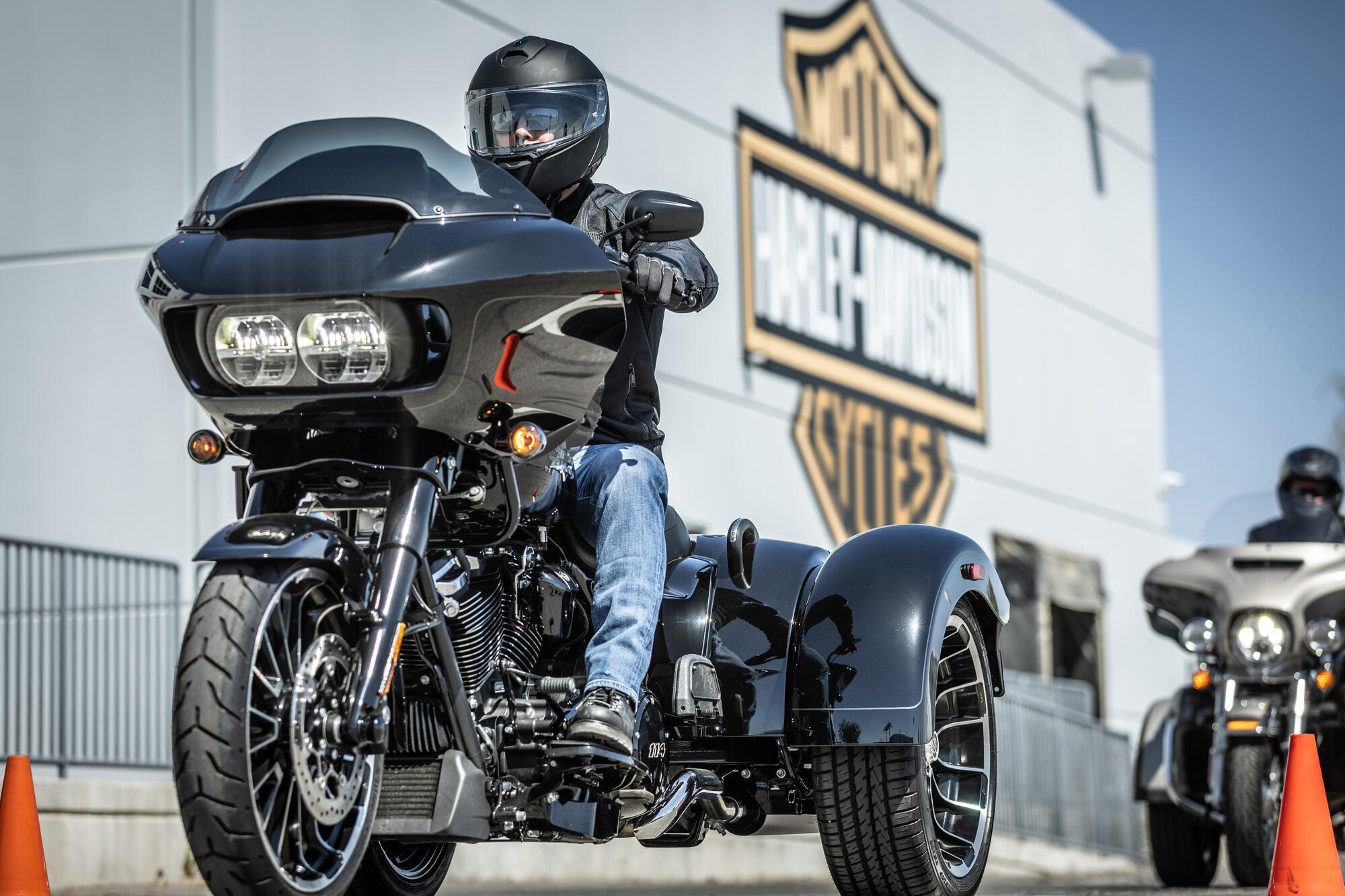
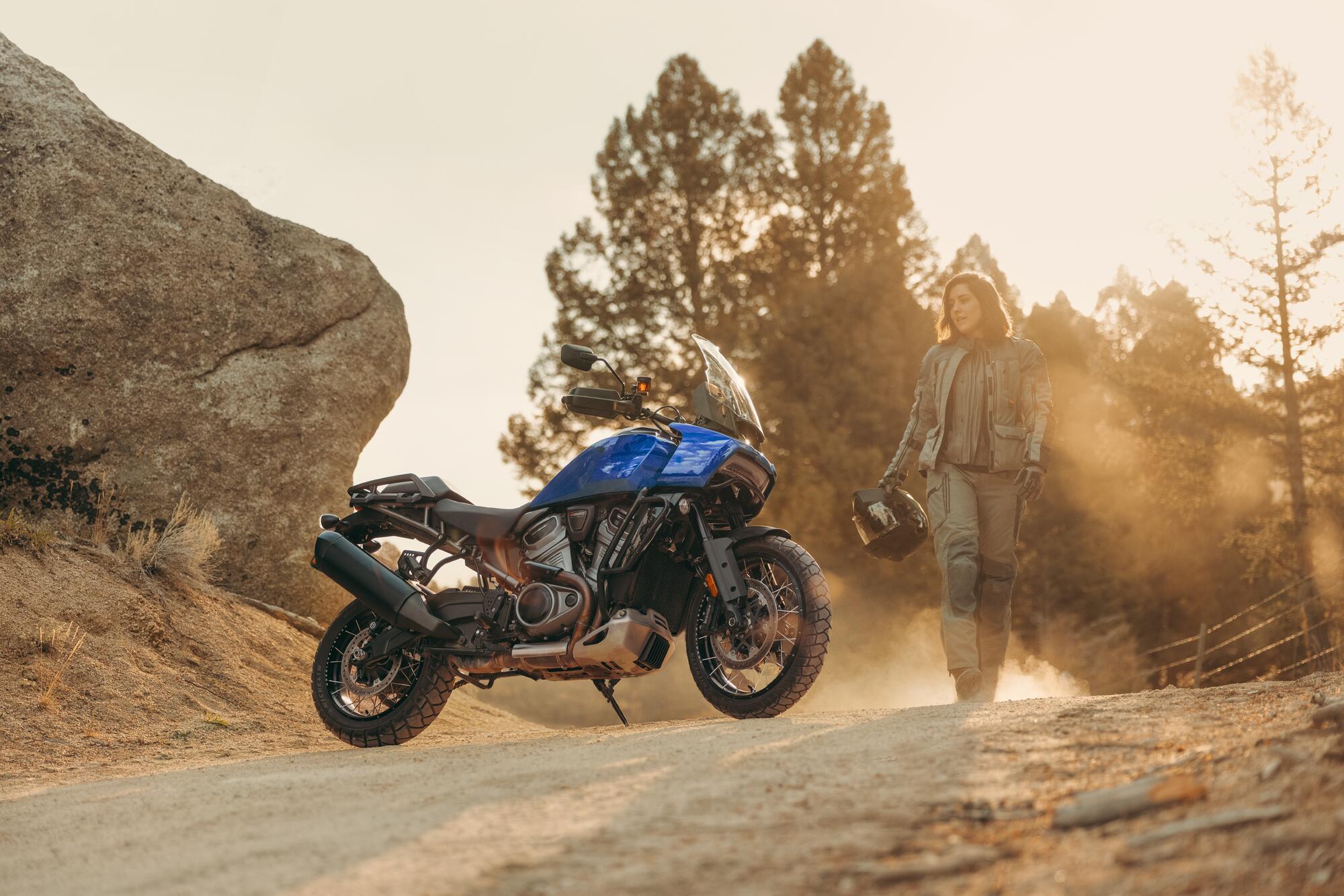
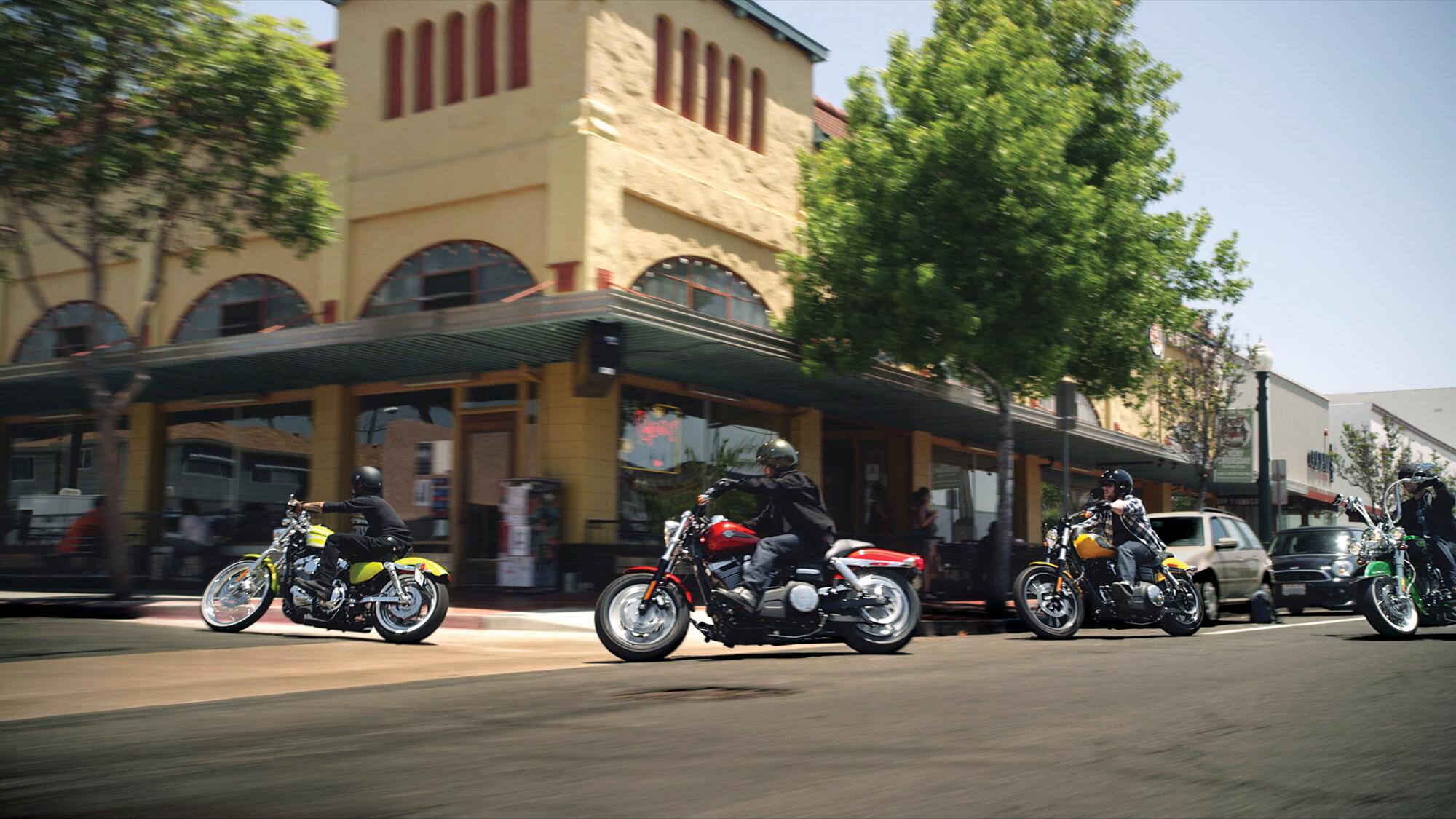
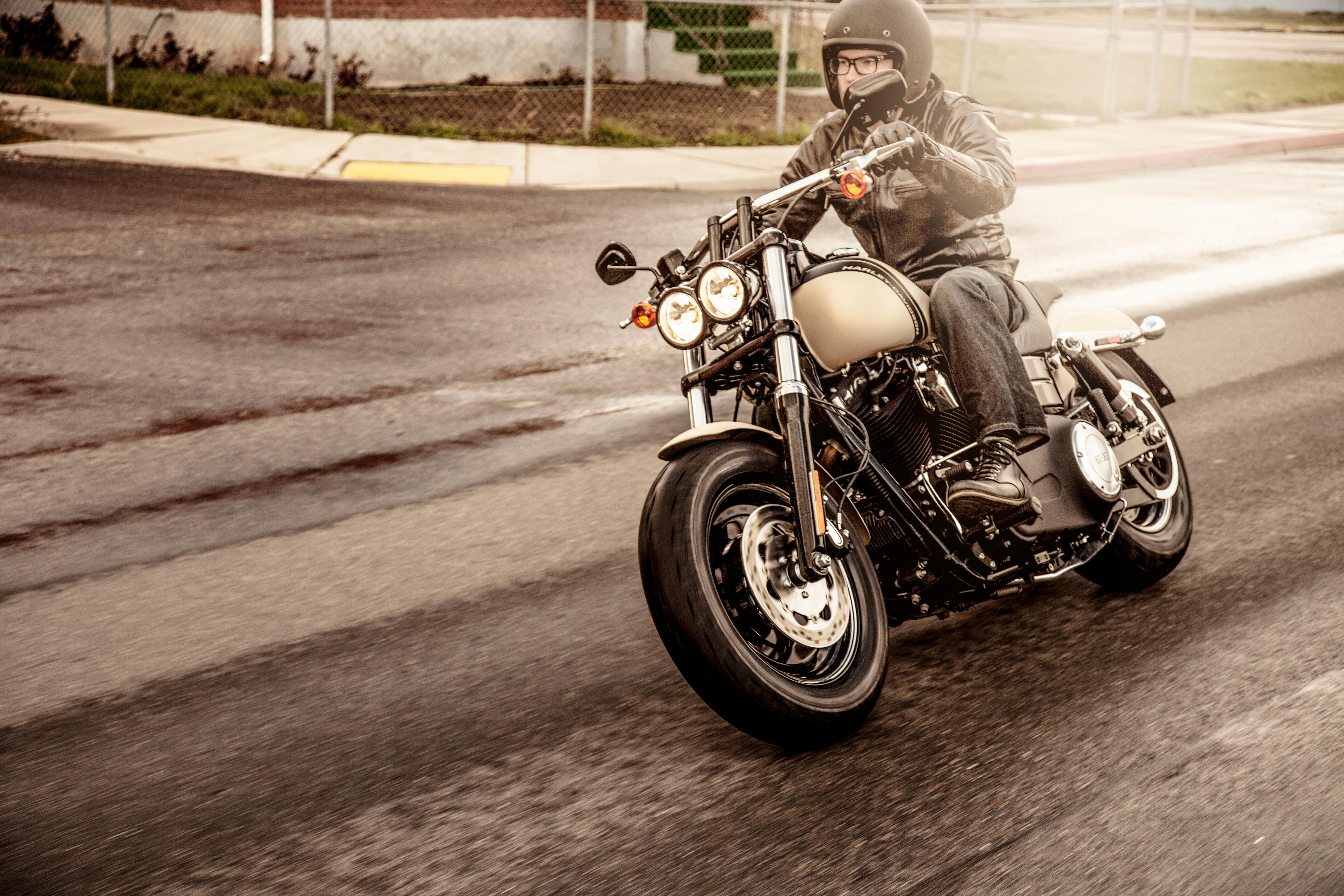
If you're brand new to riding or want to know if motorcycling is for you, you can get familiar with the gears and learn what it feels like to operate a motorcycle on our stationary Jumpstart™ motorcycle. No previous riding experience is required. All you need to ride are closed toe shoes, long pants and the desire to feel the rumble of a motorcycle. Reach out to your local Harley-Davidson® dealer to find a Jumpstart motorcycle near you.
Find a Jumpstart Motorcycle Near You
Reach out to your local Harley-Davidson® dealer to find a Jumpstart motorcycle near you.
4. TAKE A RIDER TRAINING COURSES
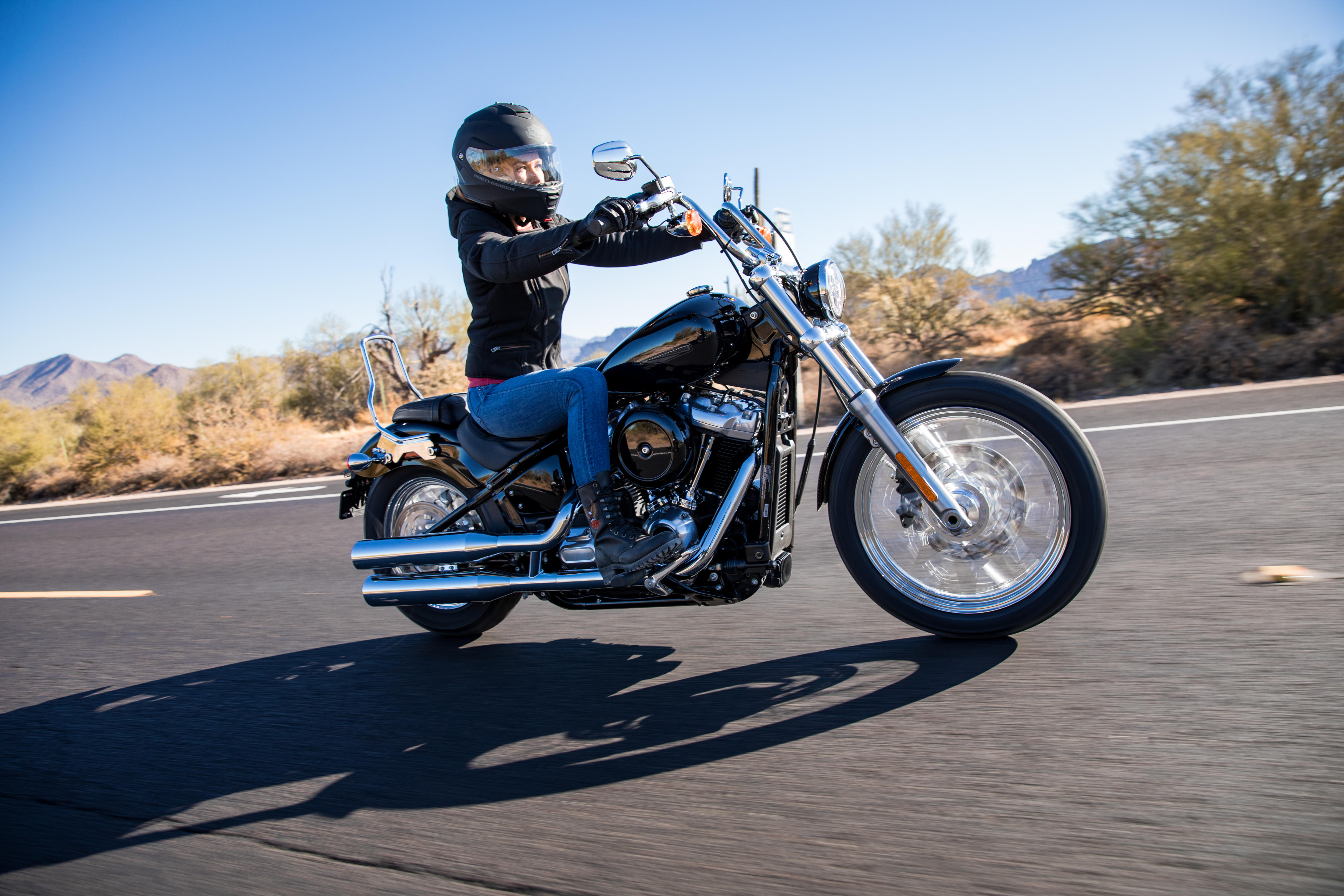
In most states, you can complete a rider training course that will assist in earning your license. You can learn riding skills and earn your license through a training program that may be held at a driving school or at a local technical college. Many dealers host the Harley-Davidson® Riding Academy, which offers a New Rider Course that gives a formal and fun way to learn how to ride a motorcycle. The course includes instruction and coaching that will teach you the riding skills and techniques to accelerate your progress as a new rider. These programs are in most cases certified and licensed by your state and issue a license waiver to successful graduates. This eliminates the road test and simplifies getting a license for those who do not yet own a motorcycle. The program will offer classroom or on-line instruction and rider skills training on a range led by expert instructors. The program is usually designed to be completed over a few days, often on a weekend.
A rider training program offers several advantages over learning to ride a motorcycle on your own:
Professional training, which will help you develop good skills while avoiding bad habits.
The program will provide a motorcycle for the skills portion, and that motorcycle will be one that is easy to handle while you build up your confidence. You will probably be required to show up with your own riding gear.
Students who successfully complete the classroom and range sessions will be issued a completion document. In many states this document will excuse you from taking a motorcycle operator skills test through the DMV. However, it does not count as a license and is not recognized by law enforcement as a license to ride. You will need to visit the DMV and sometimes take a quiz to convert the completion document into a license.
If you take the course and decide that motorcycling is not for you, you have not made the investment of buying a motorcycle.
Learning how to ride a motorcycle can unlock the experience of a lifetime. There’s no greater sensation of freedom. Check out all the instructional opportunities offered by the Harley-Davidson® Riding Academy.
EXPLORE THE LATEST MOTORCYCLES, PARTS & APPAREL
MOTORCYCLES
Embrace the spirit of the open road and get ready to ride with Harley-Davidson.
GEAR & APPAREL
Show the world who you ride with. Get all your H-D riding and casual gear here.

PARTS & ACCESSORIES
Throw it into high gear. Now is the perfect time to revamp your ride.
HARLEY-DAVIDSON® RIDING ACADEMY | Check out all the instructional opportunities offered by Harley-Davidson.