CLOSE ENOUGH TO RETURN. FAR ENOUGH TO BREATHE: A PAN AMERICA ESCAPE FROM LOS ANGELES.
Words and images by Greg Flack
Riding in Los Angeles can be a ton of fun. On any given day, you can carve through canyon roads in the morning, grab lunch by the ocean, and still make it home before dark. but it can also be stressful, loud, and mentally exhausting. Constantly splitting traffic and dealing with unprotected left turns can make riding feel more like a pinball game than an adventure.
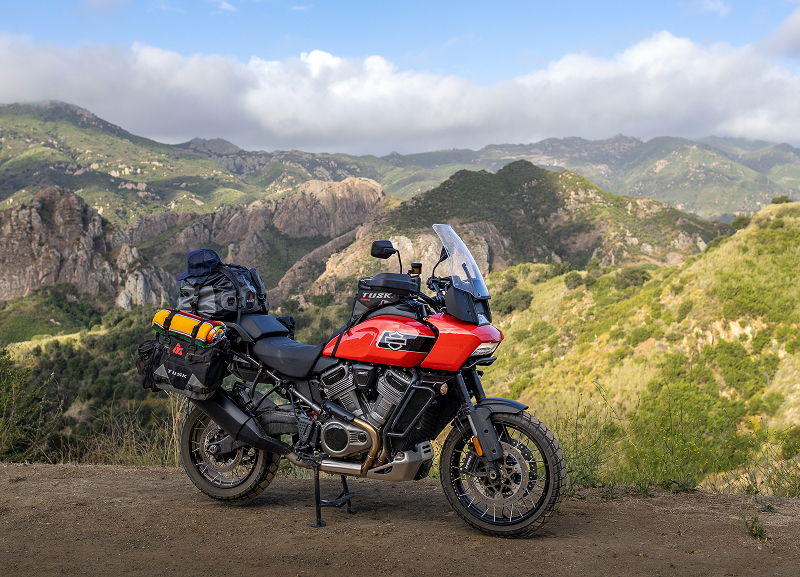
And that’s exactly where the Harley-Davidson Pan America really shines.
It’s a blast around the city and even better through the canyons to the PCH at night — but this trip would take things in a different direction: into the dirt.
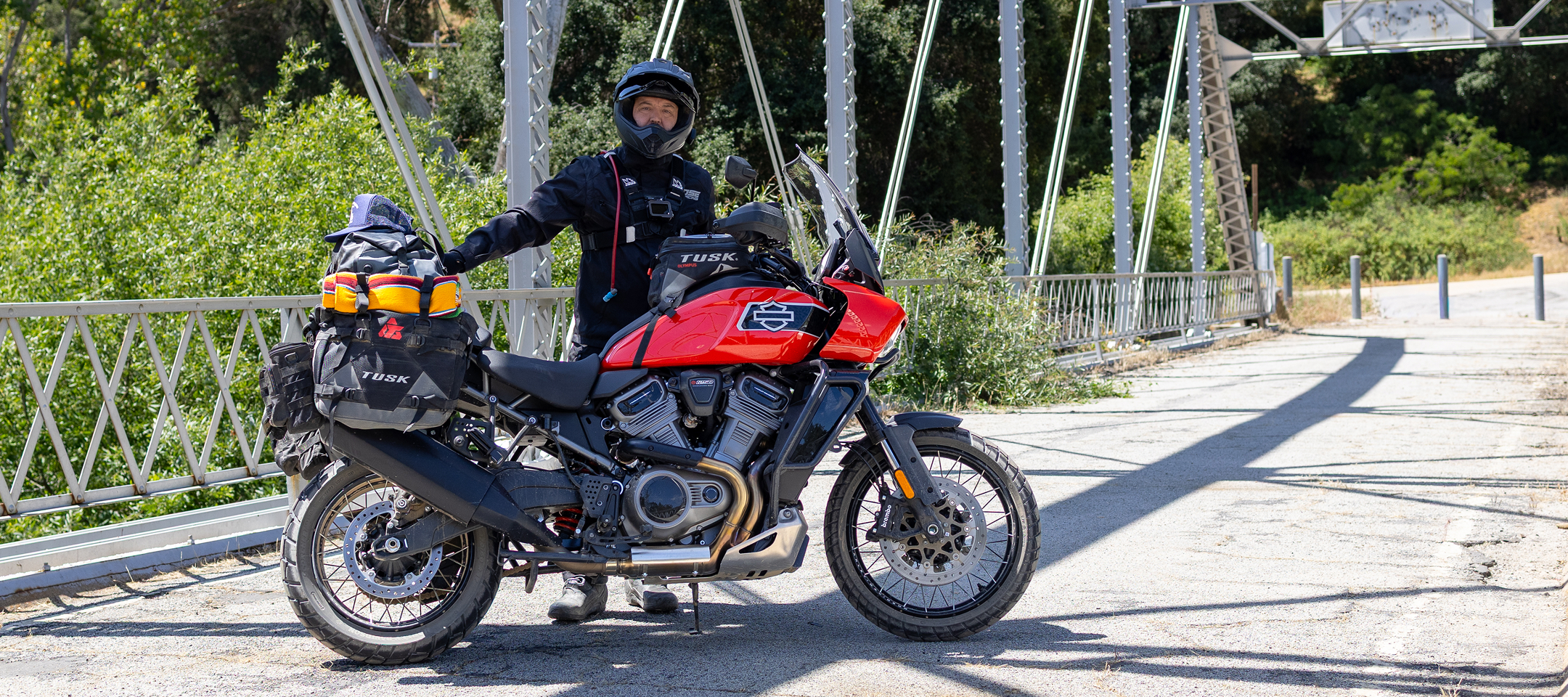
I grew up around dirtbikes and still spend time off-road, which gave me the idea for this ride out of the city. I packed my camping gear, loaded up the bike, and headed north on Highway 5 with Los Angeles disappearing in the mirrors.
About 60 miles up the 5 brought me to Gorman and into Hungry Valley SVRA. After paying the $5 entry fee, I headed down Gold Hill Road — a partially paved, mostly dirt road through the park.
Surrounded by hill climbs and single track better suited for dedicated dirt bikes, I made my way through Hungry Valley and into Los Padres National Forest. Gold Hill connects to Forest Road 8N01, and after about 12 miles I ended up on top of Alamo Mountain near Dutchman Campground. 8N01 is technically a forest road, but high-clearance 4x4s are recommended.
THE H-D PAN AMERICA IS A BLAST AROUND THE CITY AND EVEN BETTER THROUGH THE CANYONS TO PCH AT NIGHT — BUT THIS TRIP WOULD TAKE THINGS IN A DIFFERENT DIRECTION: INTO THE DIRT.
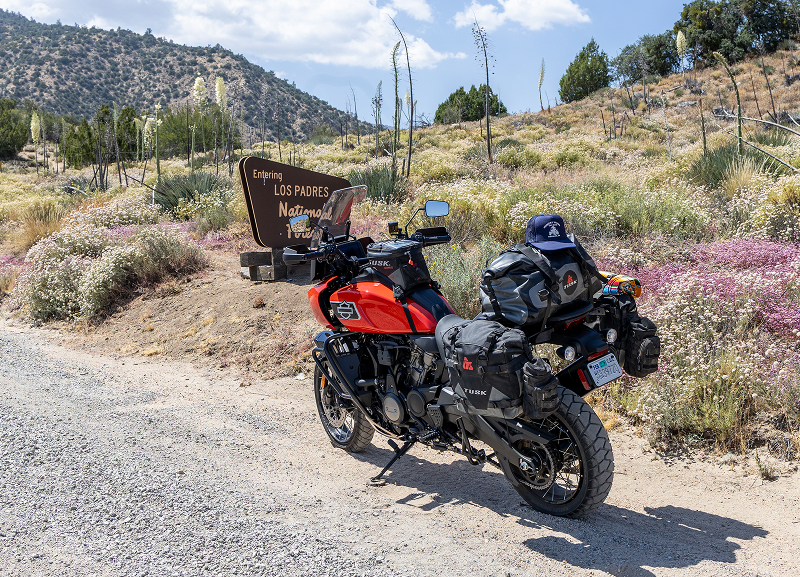
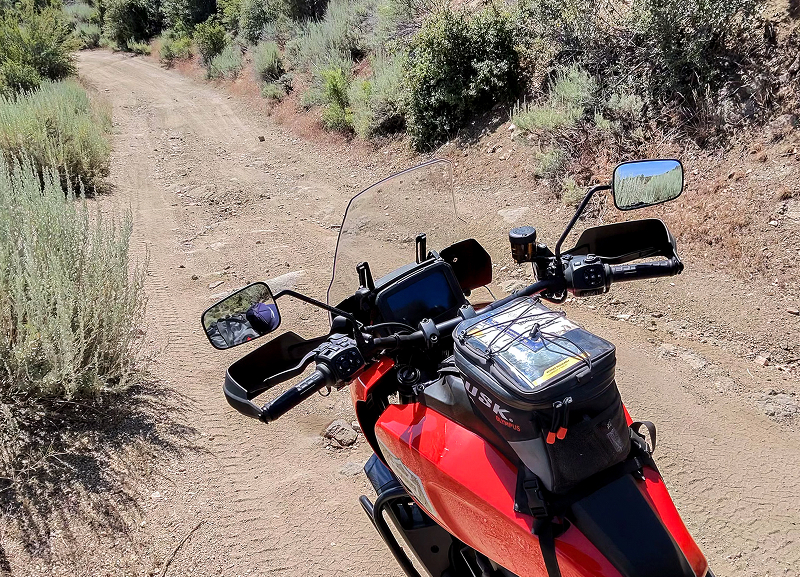
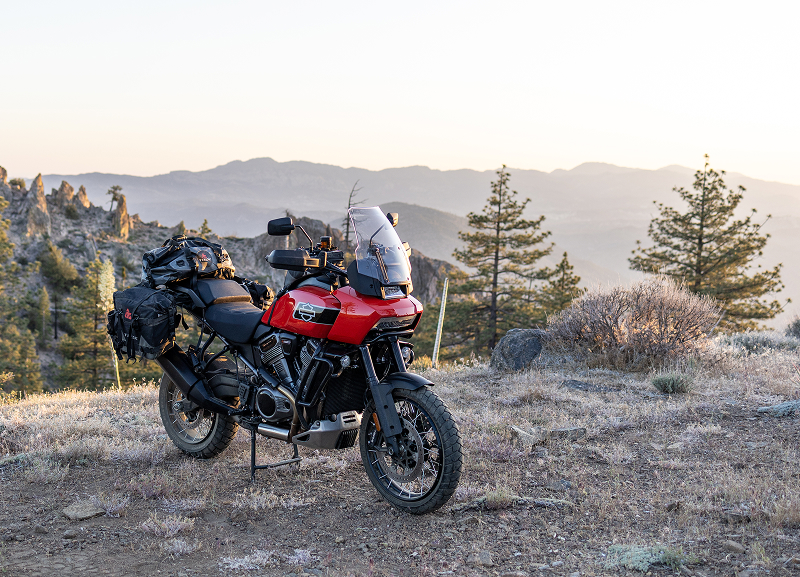
I aired the tires down, switched the bike into Off-Road mode, and made it up without issue — although some off-road experience definitely helps on this route.
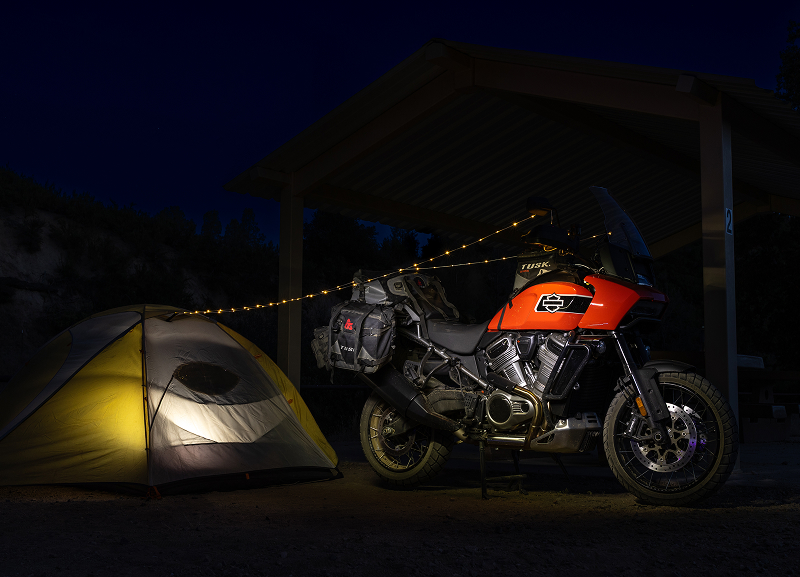
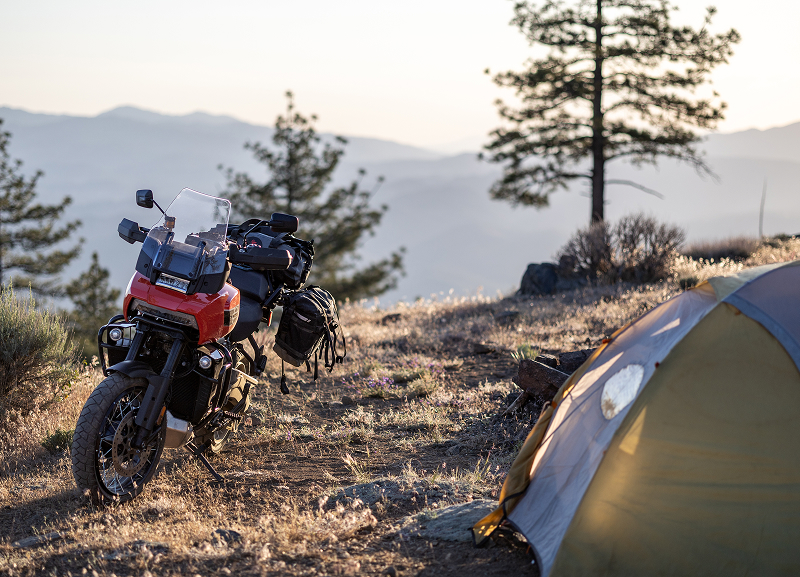
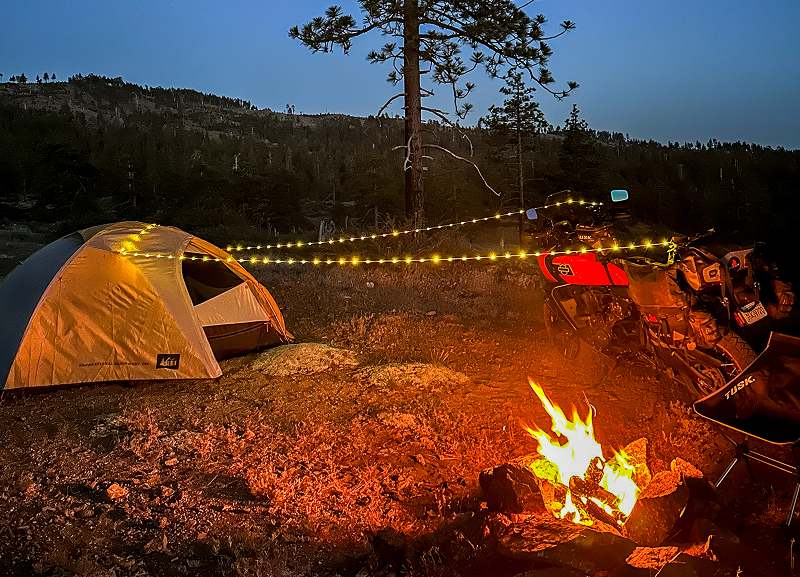
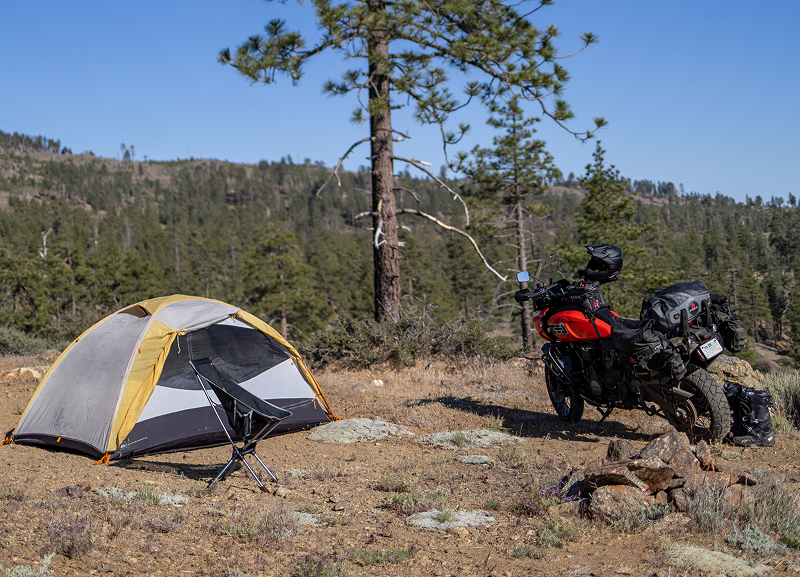
At the top, I passed a couple overland trucks and found a spot overlooking the valley. Even though it’s called a campground, there are no amenities. I set up camp, gathered pinecones and fallen branches for a fire, and settled in for the night.
The contrast in scenery was one of the best parts. Hungry Valley feels dry and rugged — sand, rocks, cacti — but once you climb into the mountains, it turns into pine trees and wide-open views. Seeing the sunset from camp made the ride worth it. The next morning I packed up, headed back down 8N01, aired the tires back up, and kept moving north.
After stopping for fuel and supplies, I headed east on Frazier Mountain Road. After the heat and chaos of the city, spending a night alone on top of a mountain felt incredibly refreshing.
Riding over Pine Mountain was calming in a way that’s hard to describe, with its empty roads, cool air, and endless pines. I can’t speak for everyone, but having nowhere to be and nothing demanding my attention felt like a much-needed reset, and for a little while, life’s problems faded into the background.
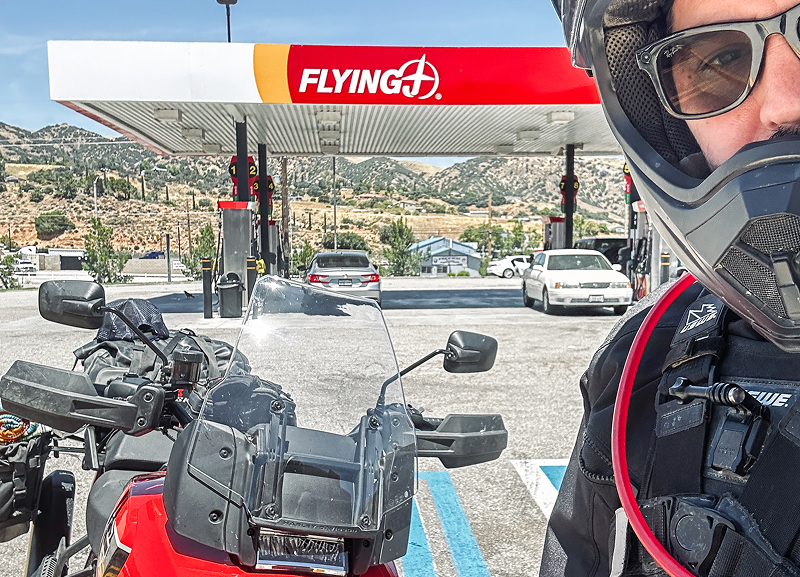
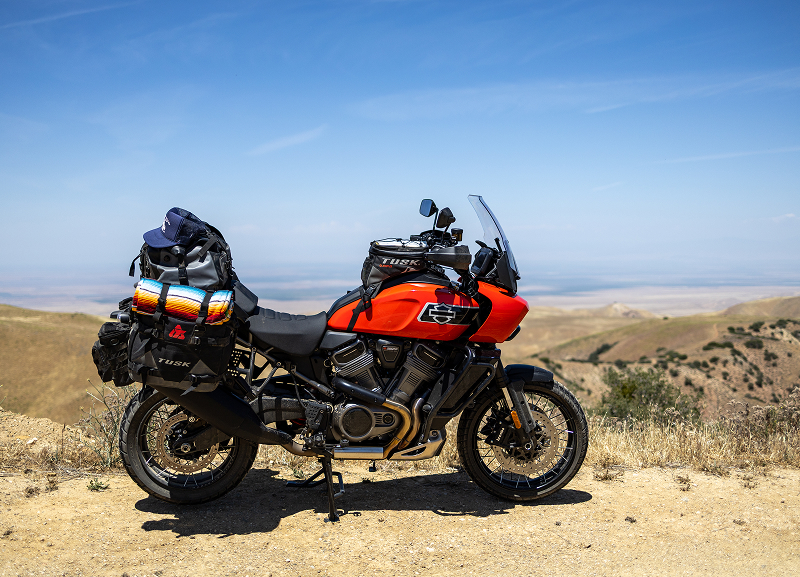
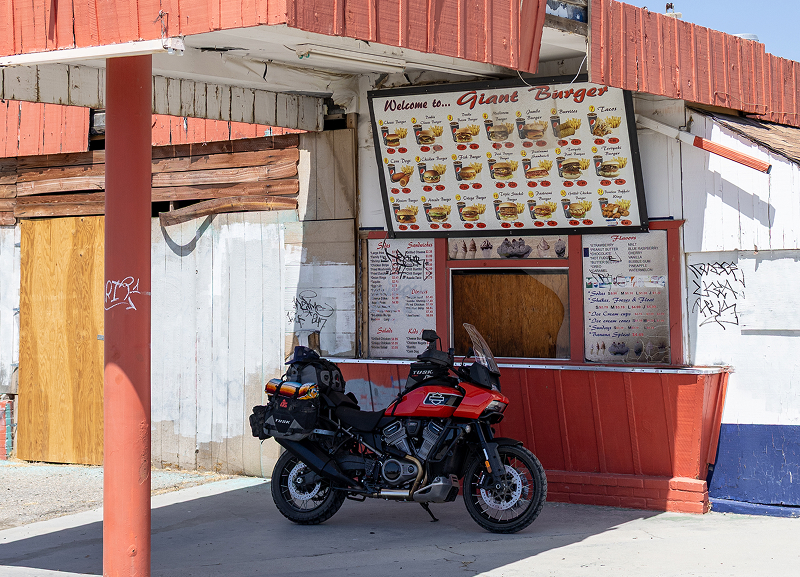
From there, I made my way toward Carrizo Plain National Monument with a quick stop in Maricopa. Unless you catch Carrizo during wildflower season, it’s pretty boring — about 50 miles of dirt across a wide-open valley. But that was the point of this trip: escaping the crowds, congestion, and noise.
There were a few sandy sections, so I aired the tires down again and kept moving.
Once I reached California Valley, I stopped, aired back up, and found an OHV area east of Highway 58 to camp for the night. This campground had actual amenities — a picnic table, fire pit, and vault toilets — which felt pretty luxurious after the night before.
While packing up the next morning, I realized San Luis Obispo was only about an hour away. After a few days in the mountains, the ocean sounded perfect.
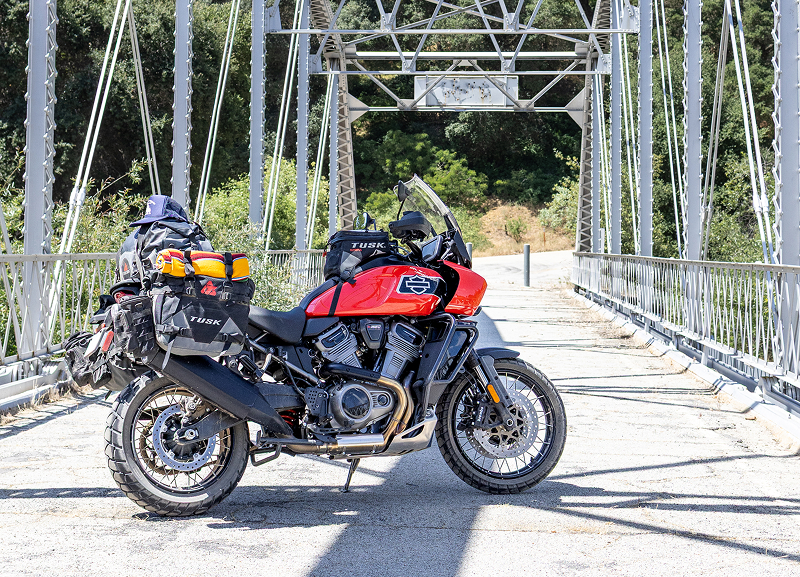
RIDING OVER PINE MOUNTAIN WAS CALMING IN A WAY THAT’S HARD TO DESCRIBE, WITH ITS EMPTY ROADS, COOL AIR, AND ENDLESS PINES. HAVING NOWHERE TO BE AND NOTHING DEMANDING MY ATTENTION FELT LIKE A MUCH-NEED RESET.
Highway 58 delivered some great twisty roads before dropping me onto 101 and eventually into Morro Bay. I’ve camped there many times over the years. Growing up, my family spent time camping around Big Sur, and being along this stretch of coast always feels familiar and comforting.
I set up camp and headed north on Highway 1. I thought about riding all the way to Big Sur, but ended up stopping too many times at overlooks along the Central Coast. It’s one of my favorite places, and I never get tired of experiencing it from a motorcycle.
Eventually, I turned back south, down past Hearst Castle, San Simeon, and the elephant seal covered beaches before returning to camp for the night.
That evening I ended up talking with another rider, an older gentleman who had traveled all the way from Colorado on an adventure bike. It felt like a glimpse into my future. The next morning brought the usual Central Coast fog and cool air.
I had a Zoom call coming up, so I rode to Sand Spit Beach near Montaña de Oro and took it from a picnic bench.
Not a bad office.
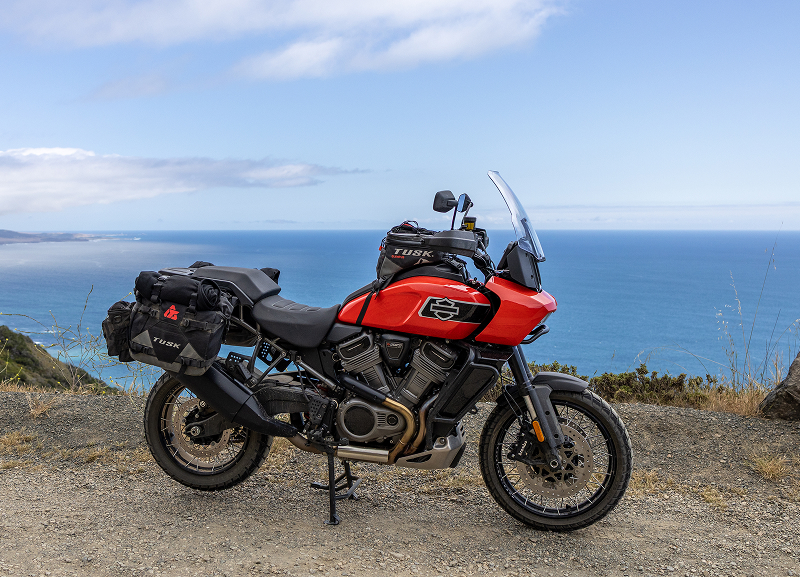
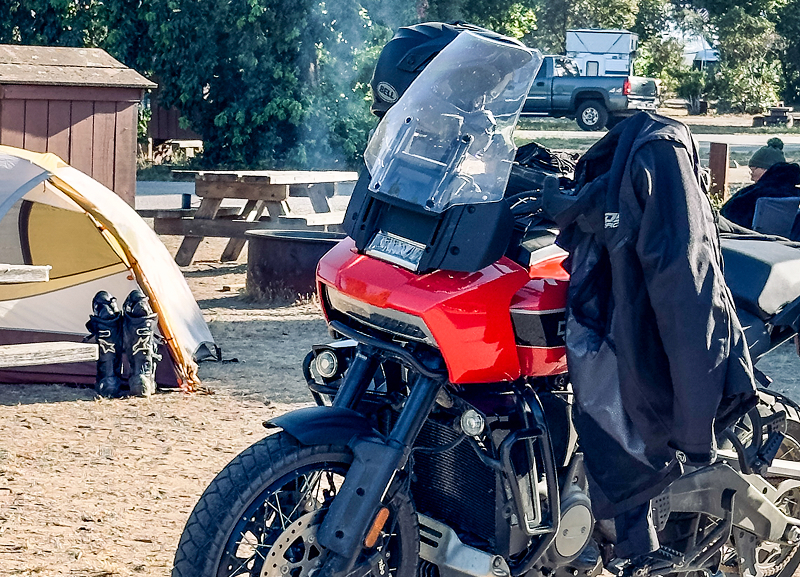
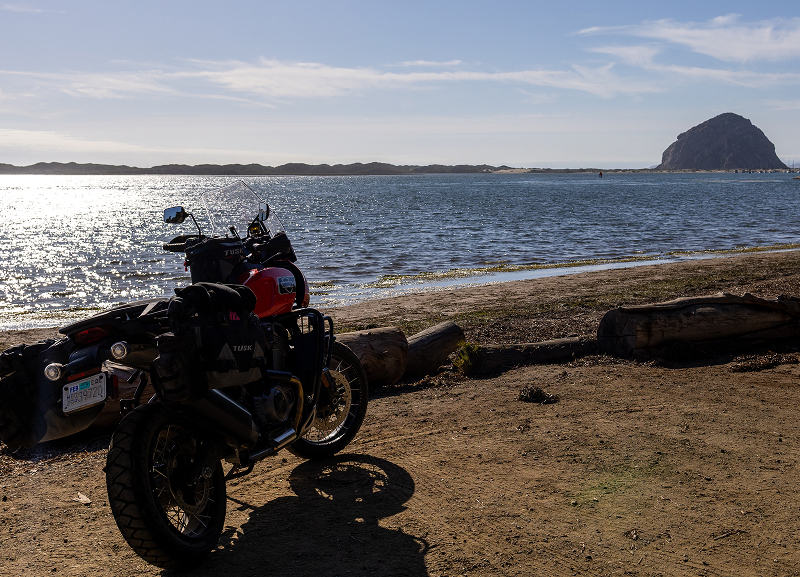
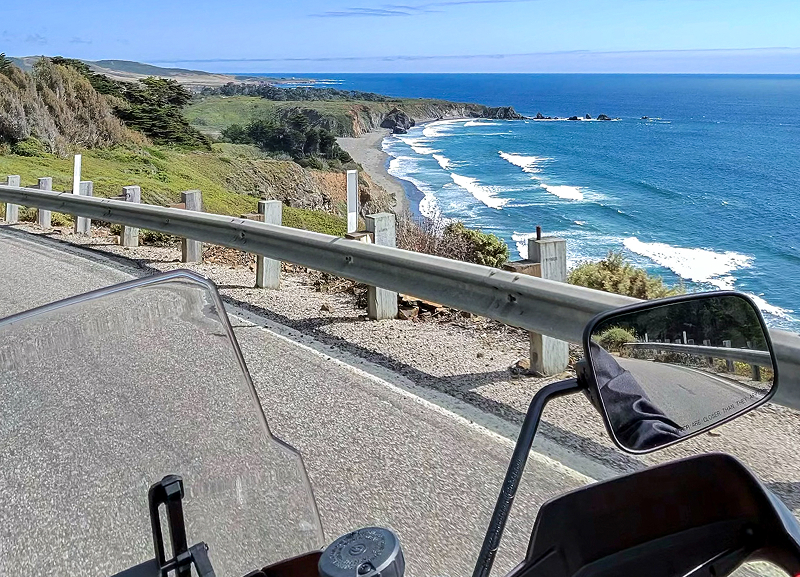
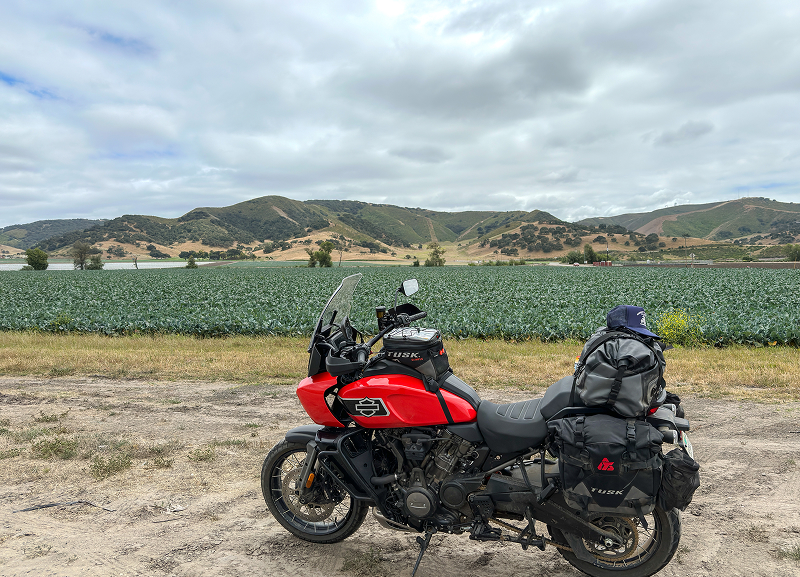
From there, I had about 175 miles to my final stop near Malibu. I stayed off the 101 as much as possible. It added time, but it was absolutely worth it. The PCH winds through farmland and small towns you’d never see from the freeway.
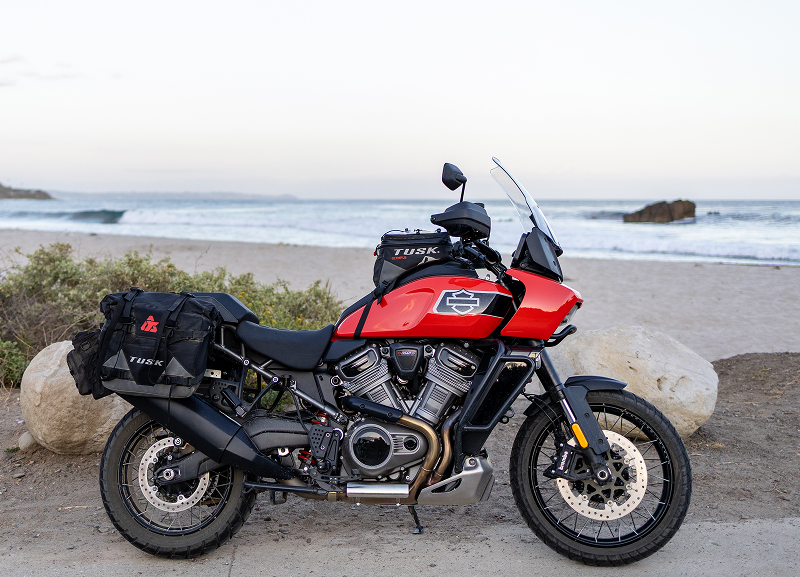
By late afternoon I rolled into Leo Carrillo, set up camp, grabbed firewood, and rode down to the beach for sunset. What’s funny about camping there is how far away it feels, even though Los Angeles is so close.
Close enough to return. Far enough to breathe.
Watching the waves and feeling the cool ocean air is something I’ll never take for granted — especially knowing I’d be heading back to real life the next day and already thinking about the next trip.
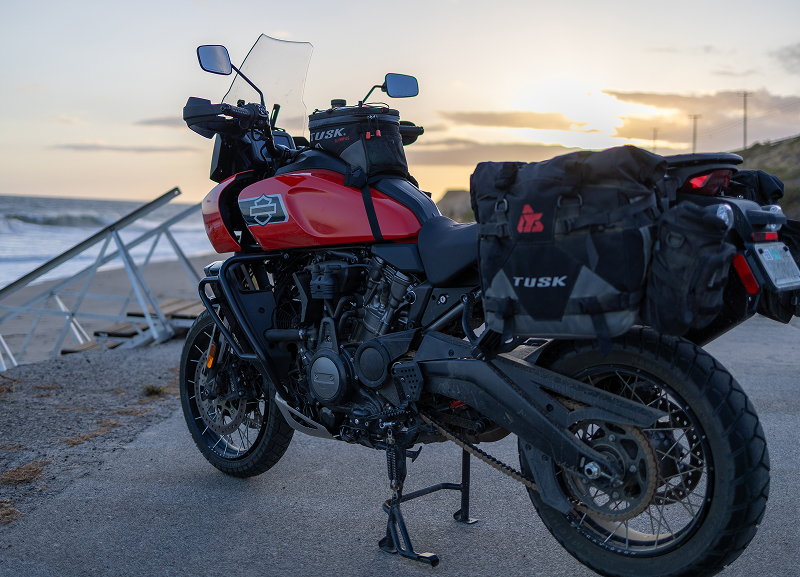
I got up early to enjoy one last ride. South on the PCH, up Kanan, through cool air and empty canyon roads. Then one final detour onto Cornell before popping out near Mulholland and reluctantly merging back onto the 101.
A few minutes later, I dove back into the sea of commuters and disappeared back into Los Angeles.
ESCAPE LOS ANGELES
PLAN YOUR OWN RIDE
Create your custom journey and explore maps, plan where to stay, where to eat and more.

EXPLORE MORE RIDES
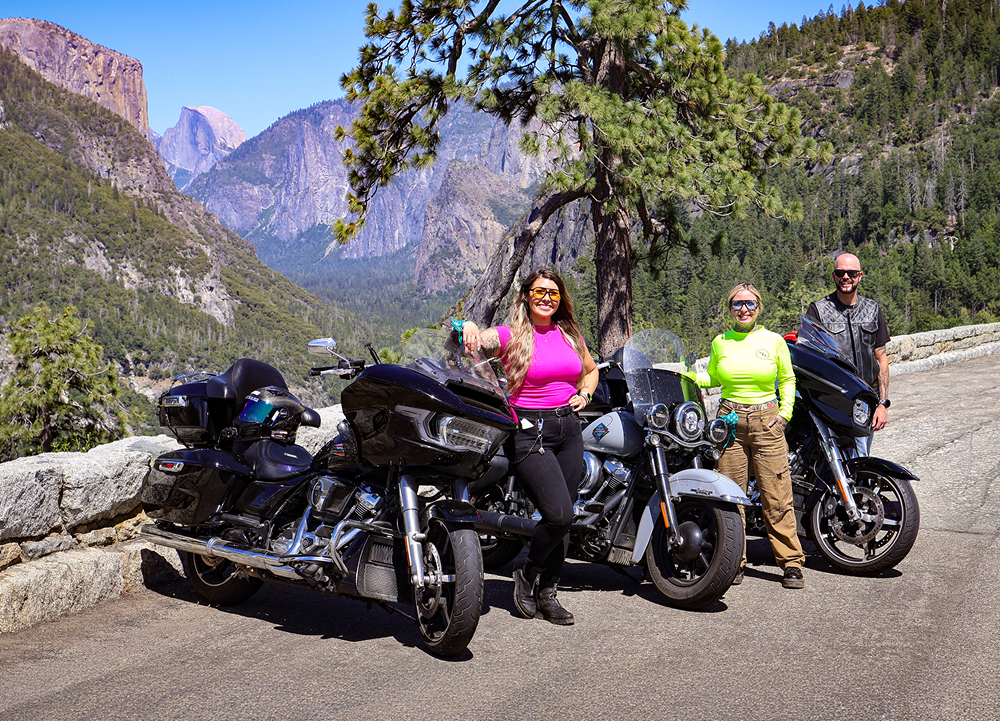
1,357 MILES, AND A TRIP I’LL NEVER FORGET
With bikes reserved and almost no itinerary, four friends set off on a 1,357-mile Harley-Davidson adventure through the redwoods, Yosemite, and some of California’s most incredible roads.
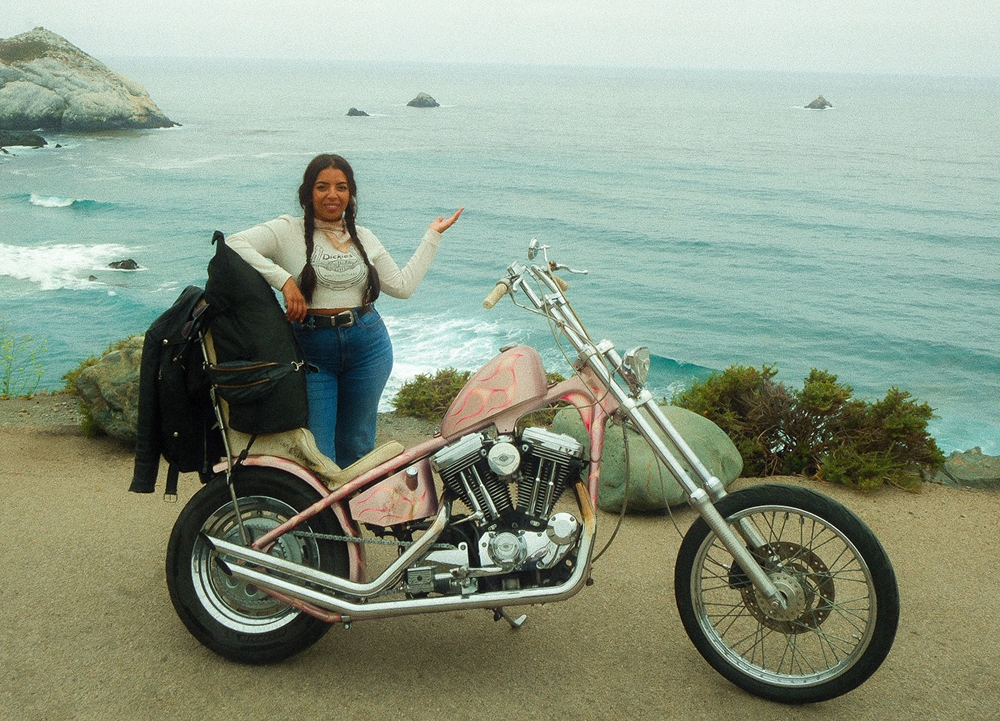
TWO EPIC CALIFORNIA ROADS, ONE SOLO TRIP
A weekend ride to Los Angeles turns into an epic solo journey through mountain passes, desert highways, and the legendary curves of Highway 1.
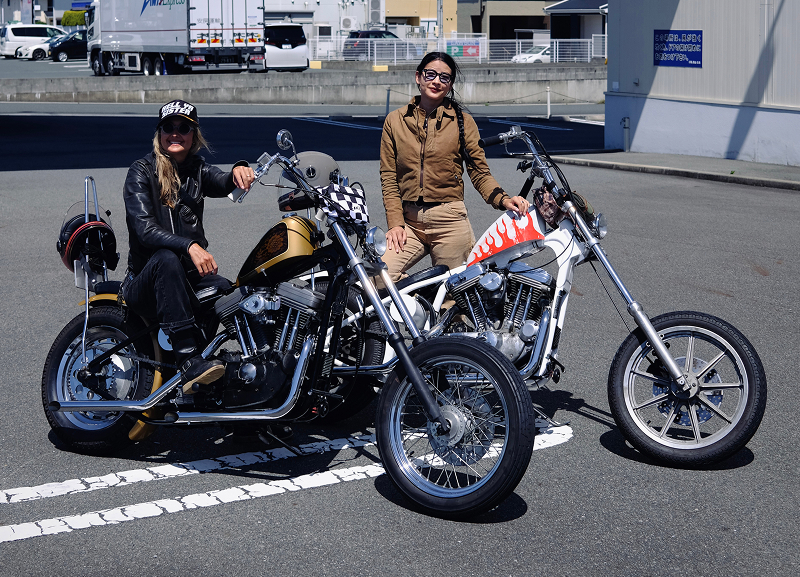
INTENTIONAL RIDING IN JAPAN RAIN OR SHINE
What started as a dream trip to Japan turned into an unforgettable chopper ride. Chasing roads, leaning into the unknown, and soaking up moments we’ll be talking about forever.
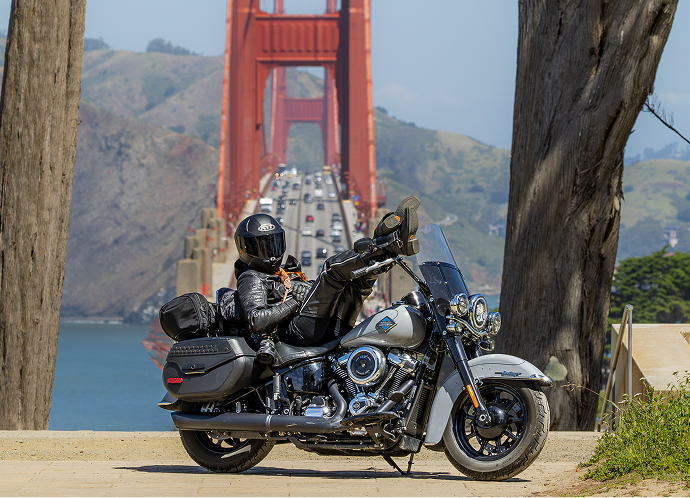
HIGHWAY 1 TO THE ONE SHOW
A group ride up Highway 1 to The One Moto Show unfolds into a coastal journey defined by shifting plans, roadside repairs, and the raw connection between rider, machine, and the open road.
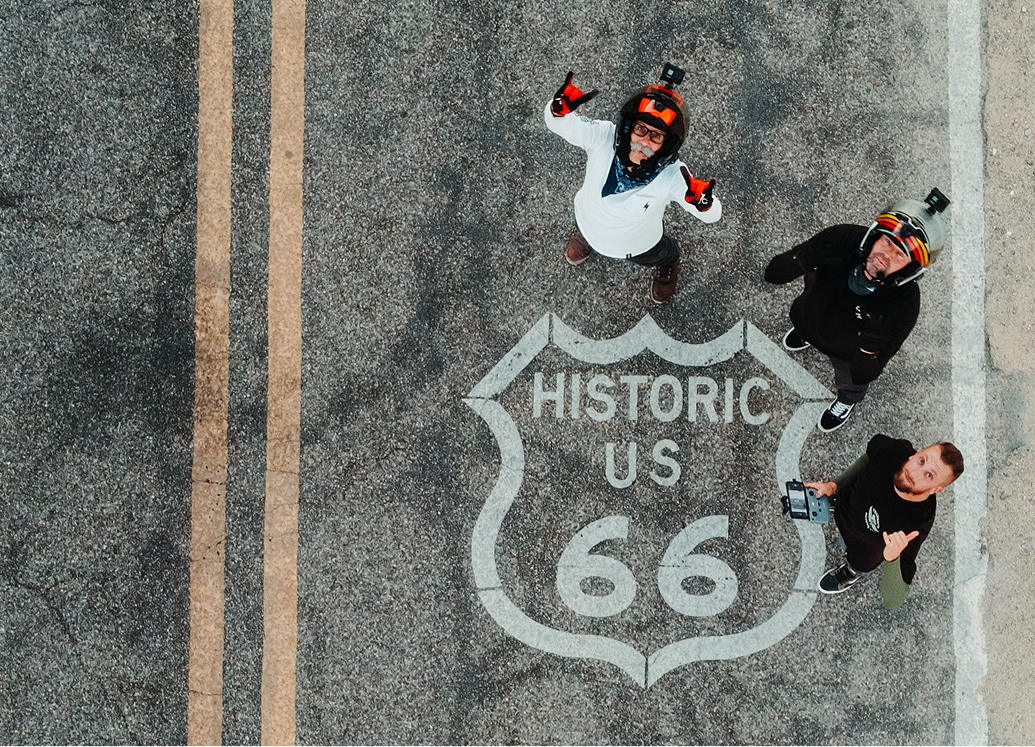
ON THE ROAD AGAIN: 2LANELIFE’S ROUTE 66 RUN
A century after its creation, Route 66 continues to define the American road trip—and in 2026, we’ll be retracing its full length to rediscover what makes it iconic.
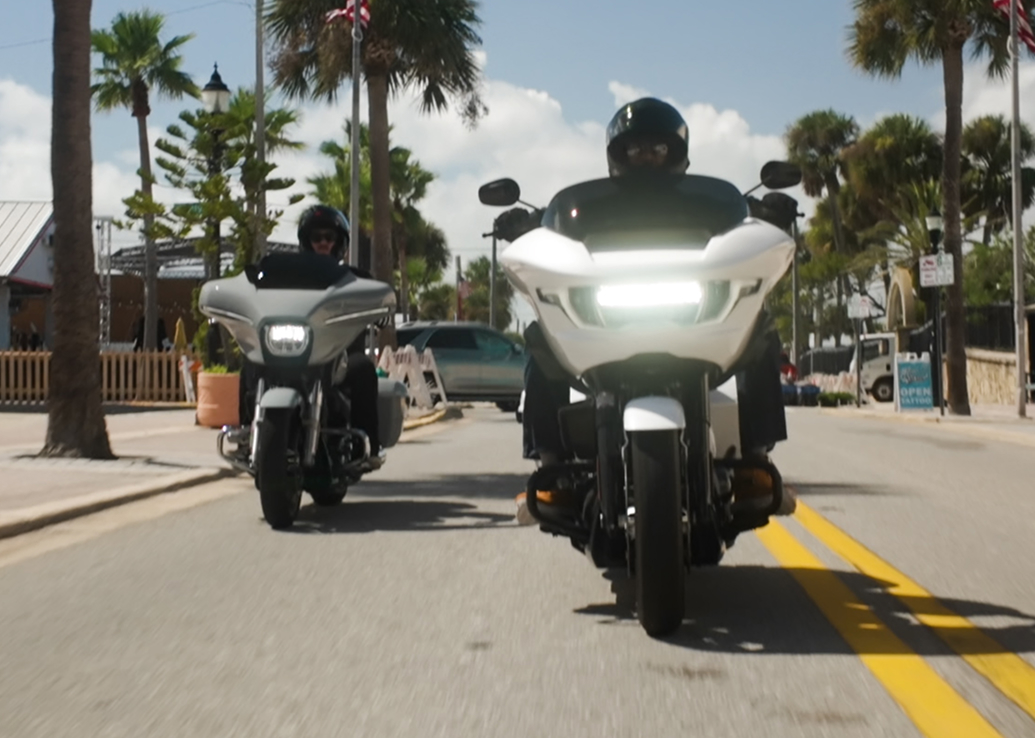
RIDES, DIVES, AND VIBES: DAYTONA EDITION 2026
All the best restaurants, rides, and activities, sourced for our H.O.G. members.
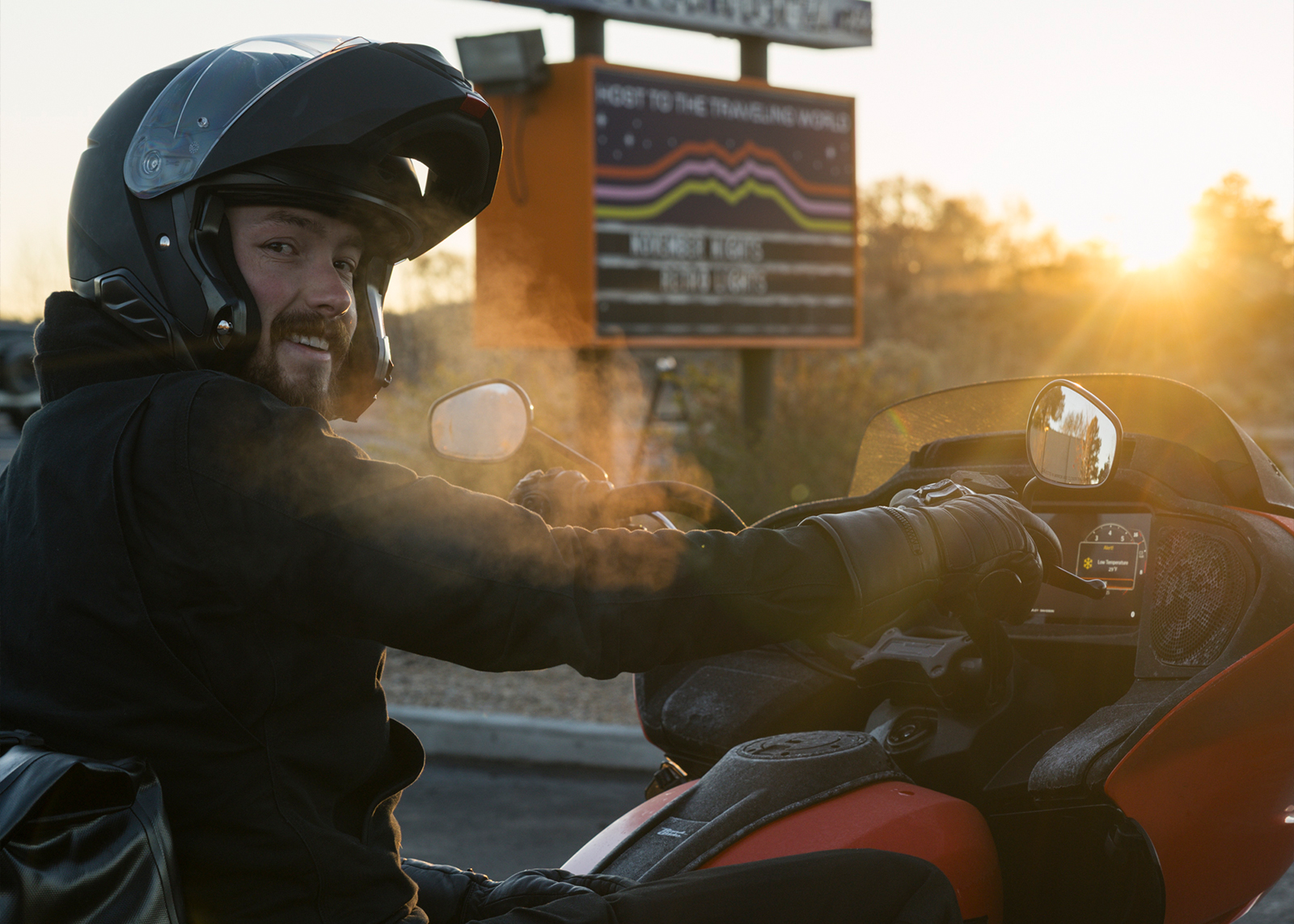
ROUTE 66 IN NOVEMBER: HOW HEATED GEAR SAVED MY RIDE
I signed up for bragging rights. What I got was frostbite-level temps and a new respect for heated gear.
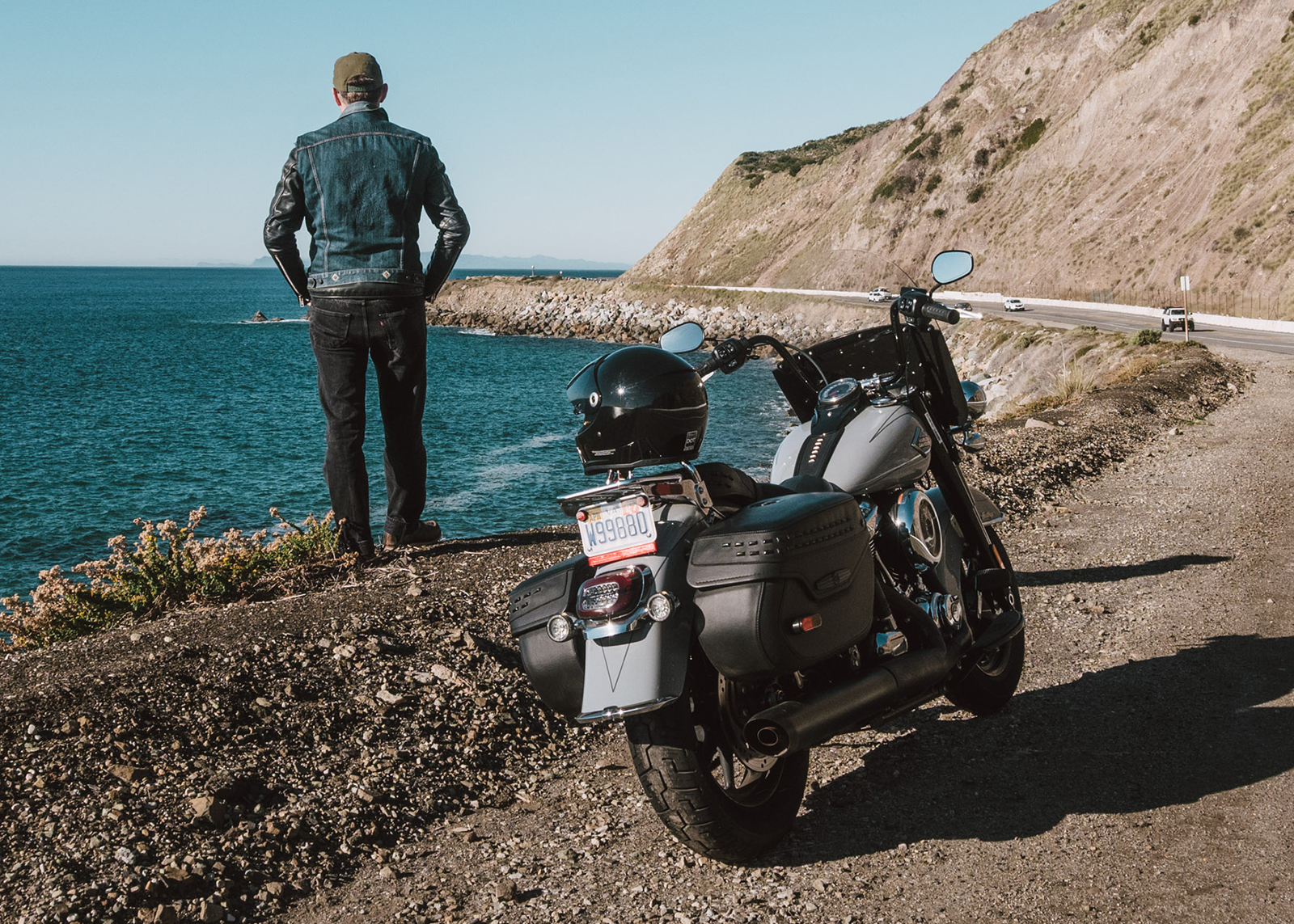
ESCAPE FROM LA: A MOTORCYCLIST'S GUIDE
Scott Toepfer tears through three legendary Southern California motorcycle routes that are packed with jaw-dropping views, endless curves, and pit stops you’ll brag about for years.
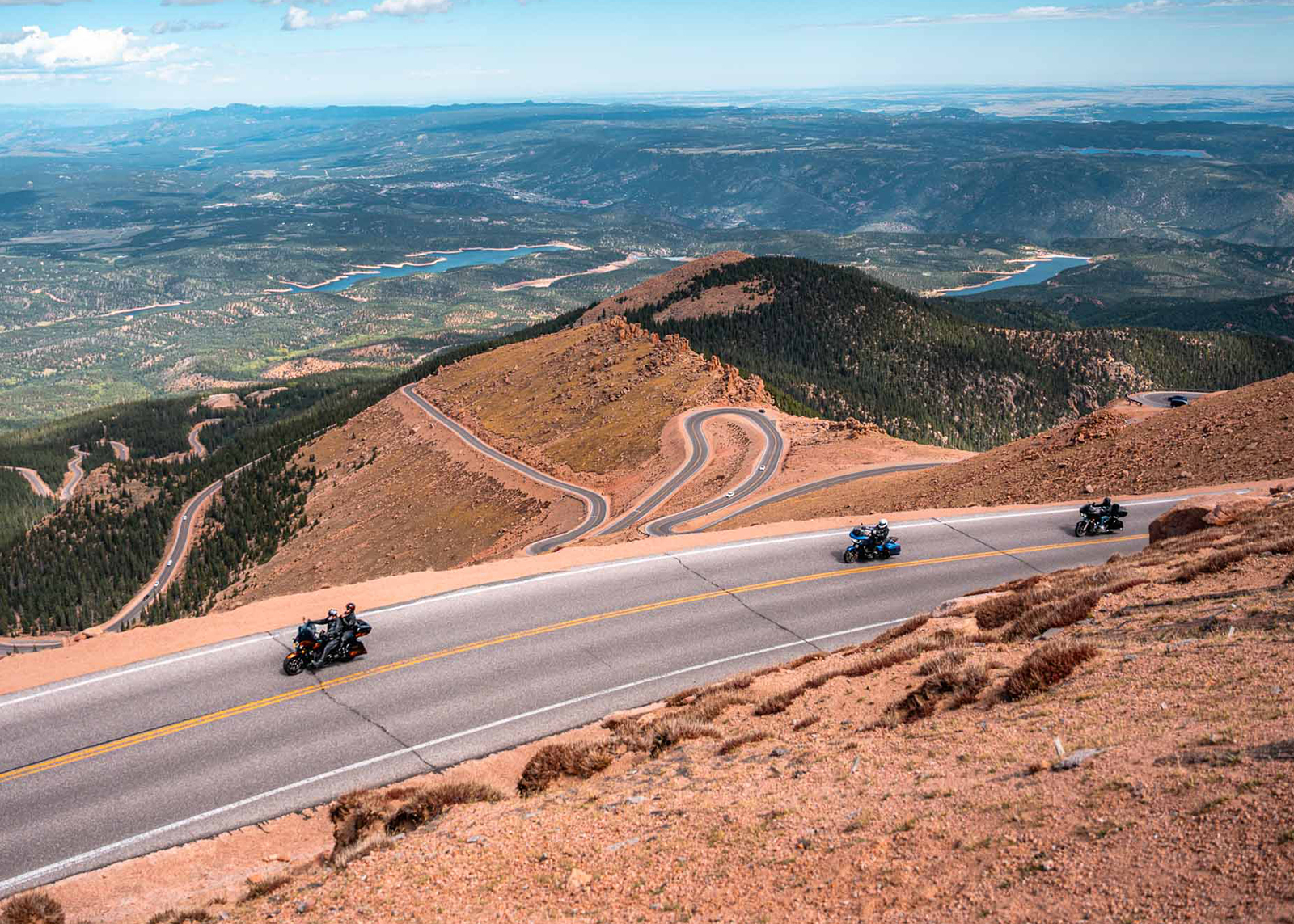
TWO DAYS OF EPIC RIDING: MY ROCKY MOUNTAIN H.O.G. RALLY ADVENTURE
During the 2025 Mountain H.O.G. Rally, I explored Colorado Springs’ best rides—from Pikes Peak to Royal Gorge and Skyline Drive—for two unforgettable days on the road.
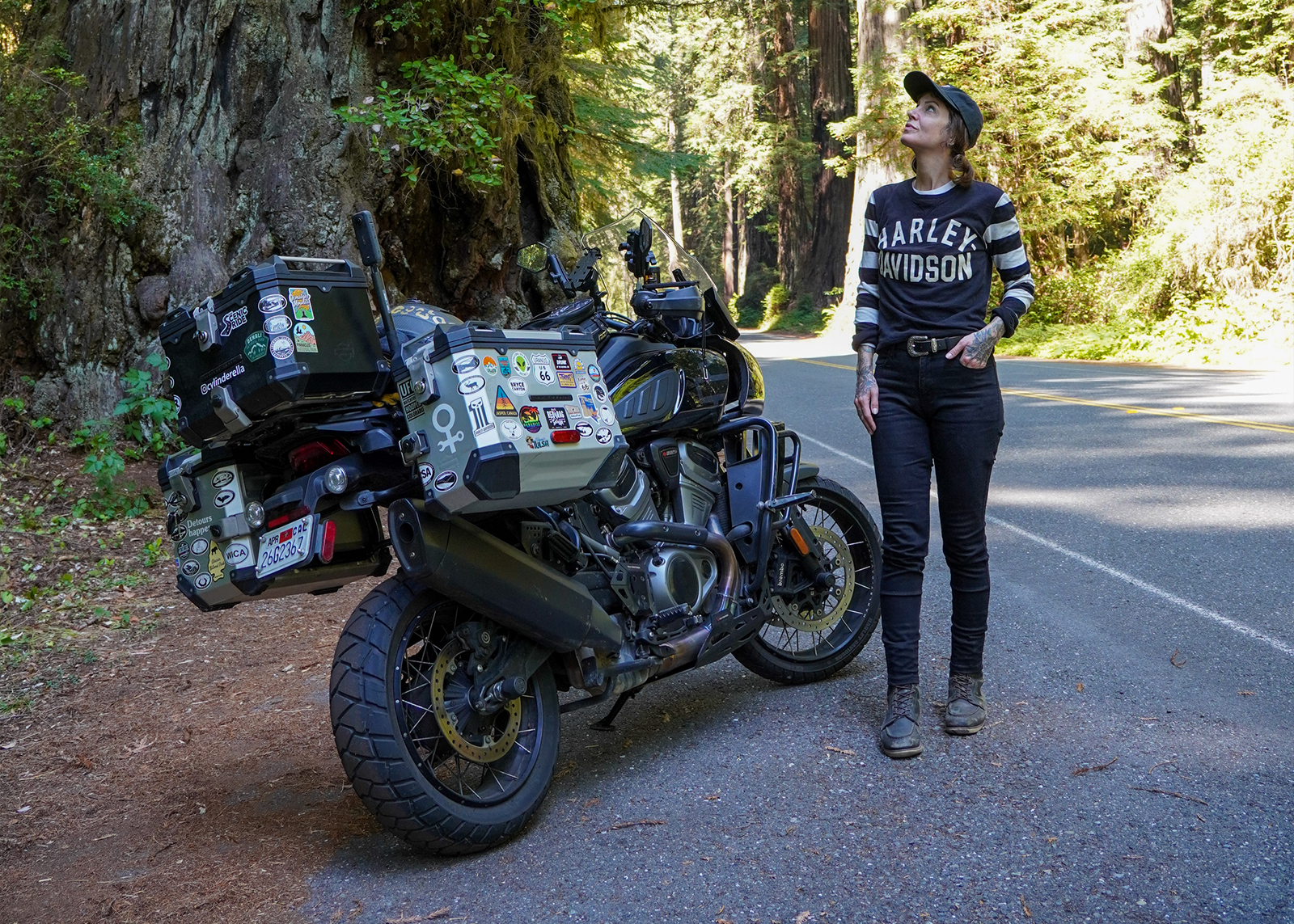
A SOLO TRIP FROM CALIFORNIA TO OREGON, VISITING FOUR NATIONAL PARKS IN FOUR DAYS
I set out on a ride that would take me from San Diego to Oregon and back—reminding myself why California and its neighbors offer some of the best riding on earth.

THE FINAL 48 — CROSSING THE COUNTRY ON TWO WHEELS
There were only a handful of the Lower 48 I hadn’t ridden in yet. That itch turned into a mission: The Final 48. One trip. One go. The last states on my map.
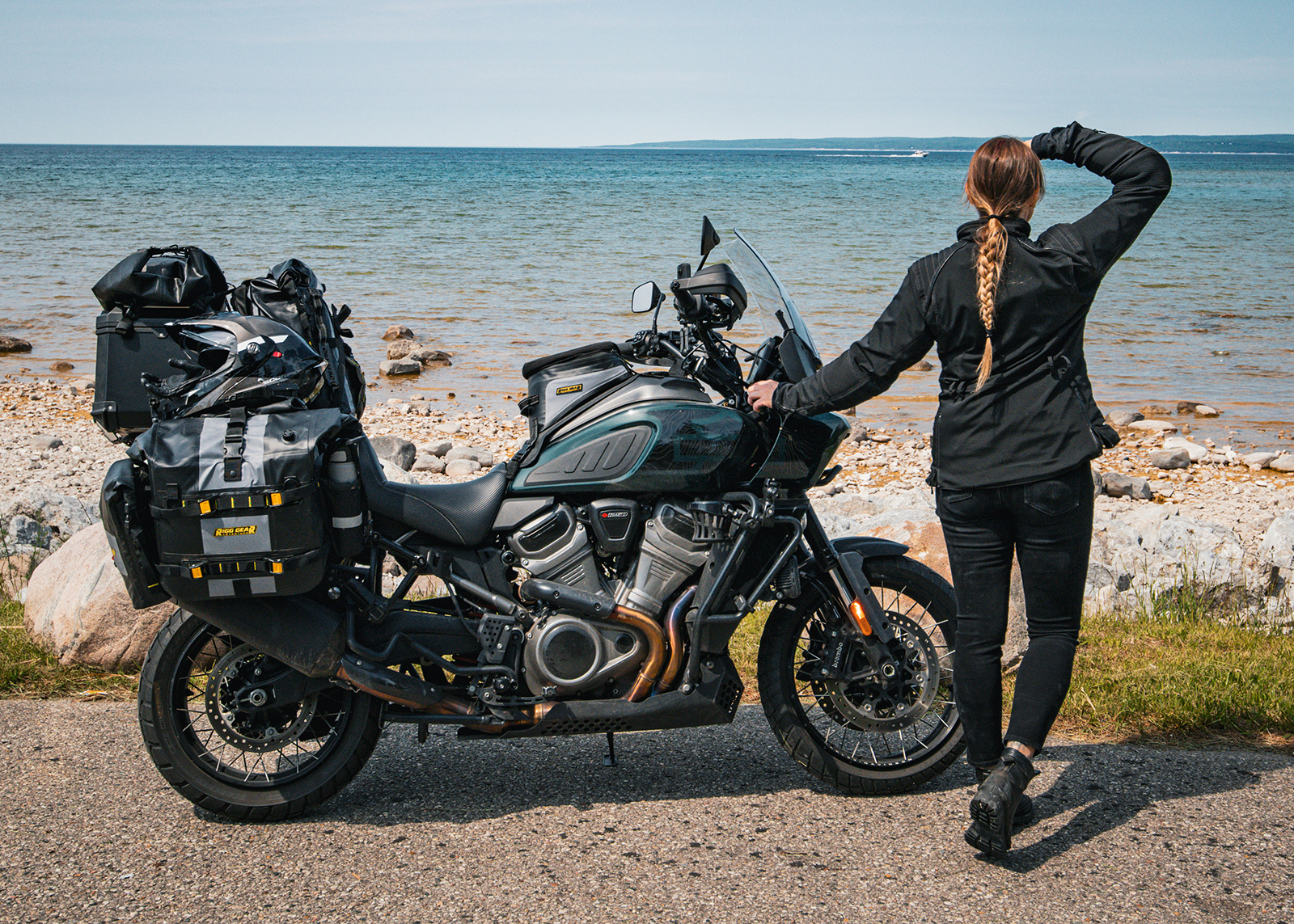
THE GREAT LAKES ESCAPE — MY SOLO RIDE AROUND THE SHORES
I packed up my bike and set out on my Great Lakes Escape — a solo ride through two countries, 5 Great Lakes, and LOADS of history.

THE ULTIMATE STURGIS ONE-DAY RIDE
If you only have one day to ride in the Black Hills, make it this one. Twisty, scenic, historic, and best of all, unforgettable.

RIDES, DIVES, AND VIBES: STURGIS EDITION 2025
All the best restaurants, rides, and places to stay, sourced for our H.O.G. members.


A WEEK TOURING YELLOWSTONE
Steven Richards explores the awe-inspiring natural wonders and wildlife of Yellowstone National Park.