ROUTE 66 IN NOVEMBER: HOW HEATED GEAR SAVED MY RIDE
Words by Max Barna and images by Josh Kurpius featuring Patrick Murphy
I’ve been riding motorcycles for a long time. I’ve done plenty of 75-and-sunny pleasure cruises, I’ve done thousands of miles in the rain, I’ve dodged salt trucks. There was even that one time I did two hours home in the middle of the night in a surprise snow storm.
But this isn’t a story about me or my many, many riding achievements (although it could be, because I am obviously very cool and everyone should know it). It’s a story about heated riding gear.
Really, it’s a story of redemption — about a salty old biker who let his ego take a nap and decided that winter riding shouldn’t be about achieving the “I Suffered For It” merit badge as much as it should be about enjoying every ride, whenever, wherever, and however it happens.
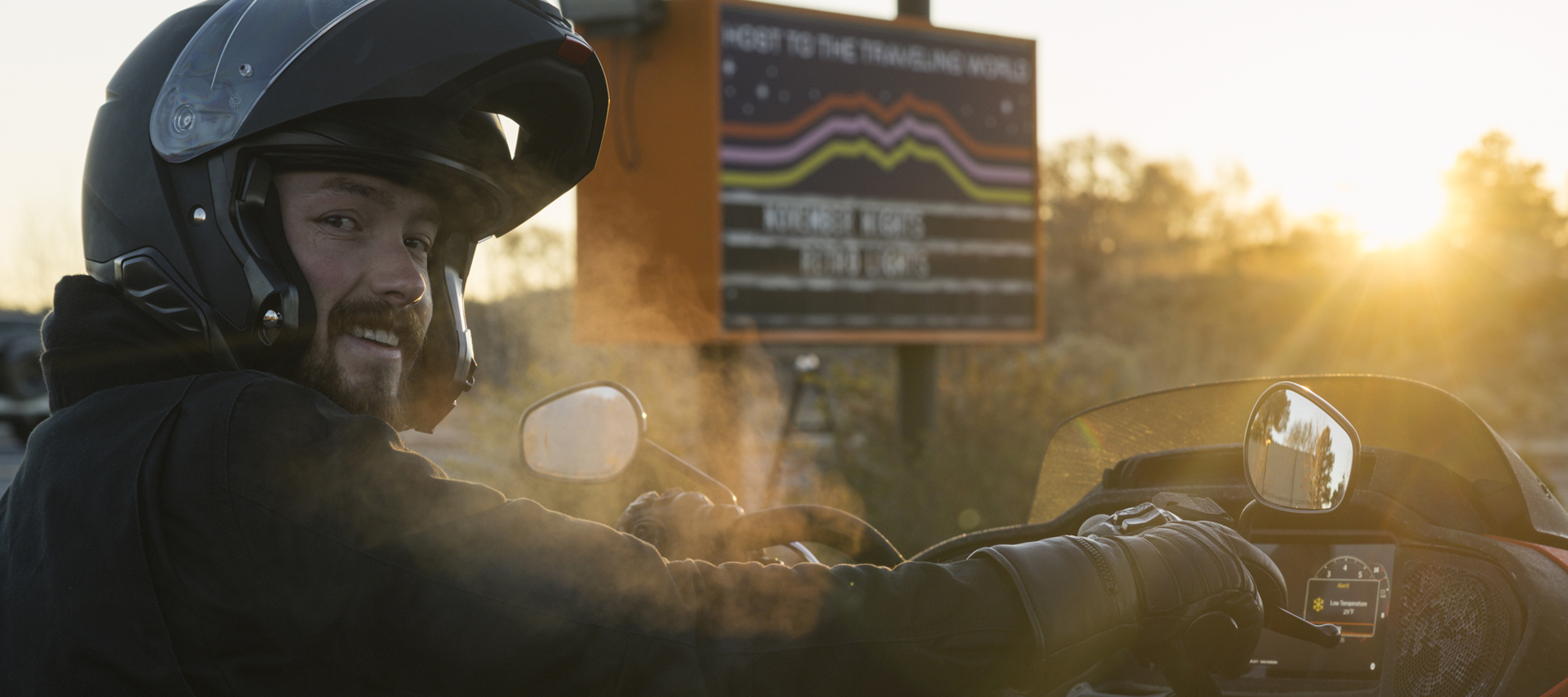
I’VE ALWAYS BEEN ANTI-HEATED RIDING GEAR. BUT THEN, A FEW WEEKS BACK, I DECIDED LATE NOVEMBER WOULD BE A PERFECT TIME TO RIDE A MOTORCYCLE ACROSS ALL OF HISTORIC ROUTE 66. AND MY OPINION CHANGED.
I’ve always been anti-heated riding gear. Like most people in the anti-heated riding gear camp, I considered it “cheating.” If you can’t suffer through the cold weather in the winter, then maybe you should park it and wait until Spring.
It’s a silly take, up there in silliness with, “If you don’t like your steak rare, maybe you should try a nice wedge salad” and “three-in-one body wash is all a man really needs.”
But then, a few weeks back, I decided late November would be a perfect time to ride a motorcycle across all of historic Route 66. And my opinion changed.
Look... Is a run down Rt. 66 at the end of November something I would have chosen for myself if I was the guy in charge of making the plans?
Honestly? Probably not. The Internet says the best time to do Rt. 66 is either late spring or early fall. It’s warm (but not brutal) through the Midwest and Southwest, and the headlock that is the desert heat isn’t enough to make you tap out. The winds coming south out of Chicago are tamer, and the temperatures are, too.
But we had to work with what we had, which was: my bosses at Harley-Davidson approved a company-sponsored long-distance, mile-munch of a ride, starting in the Windy City, running straight through America’s heartland, and ripping through her picturesque Southwest — painted deserts, wide open plains, tumbleweeds, the whole deal — straight through California to the Pacific Ocean in Santa Monica.
This was a big deal. It was a bucket list run for me and the two fellas I’d be riding with, and none of us would have to use vacation days to make it happen. There was no way we were going to turn down the opportunity, but we also had to be strategic. And when I say “strategic,” I mean strategic.
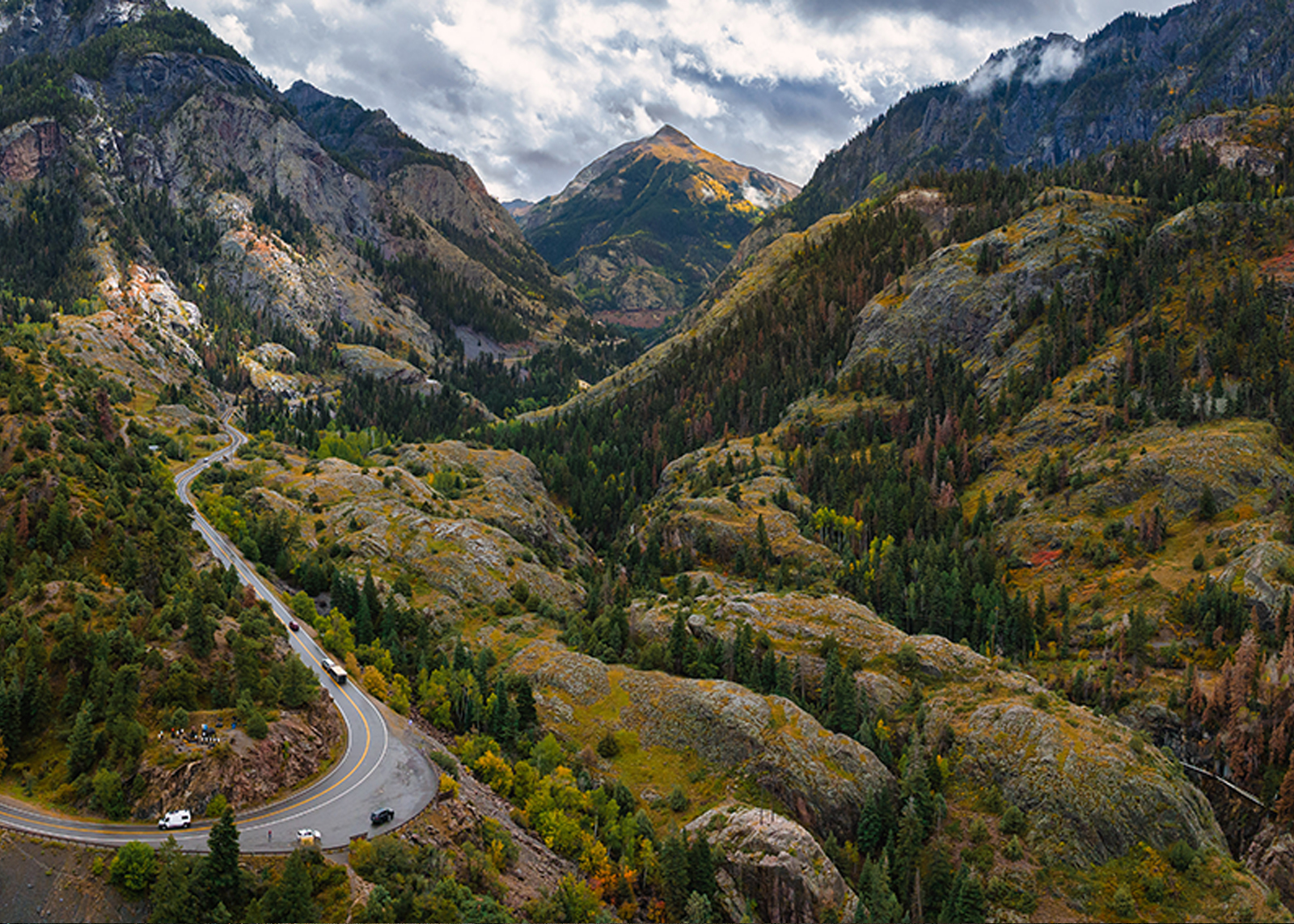
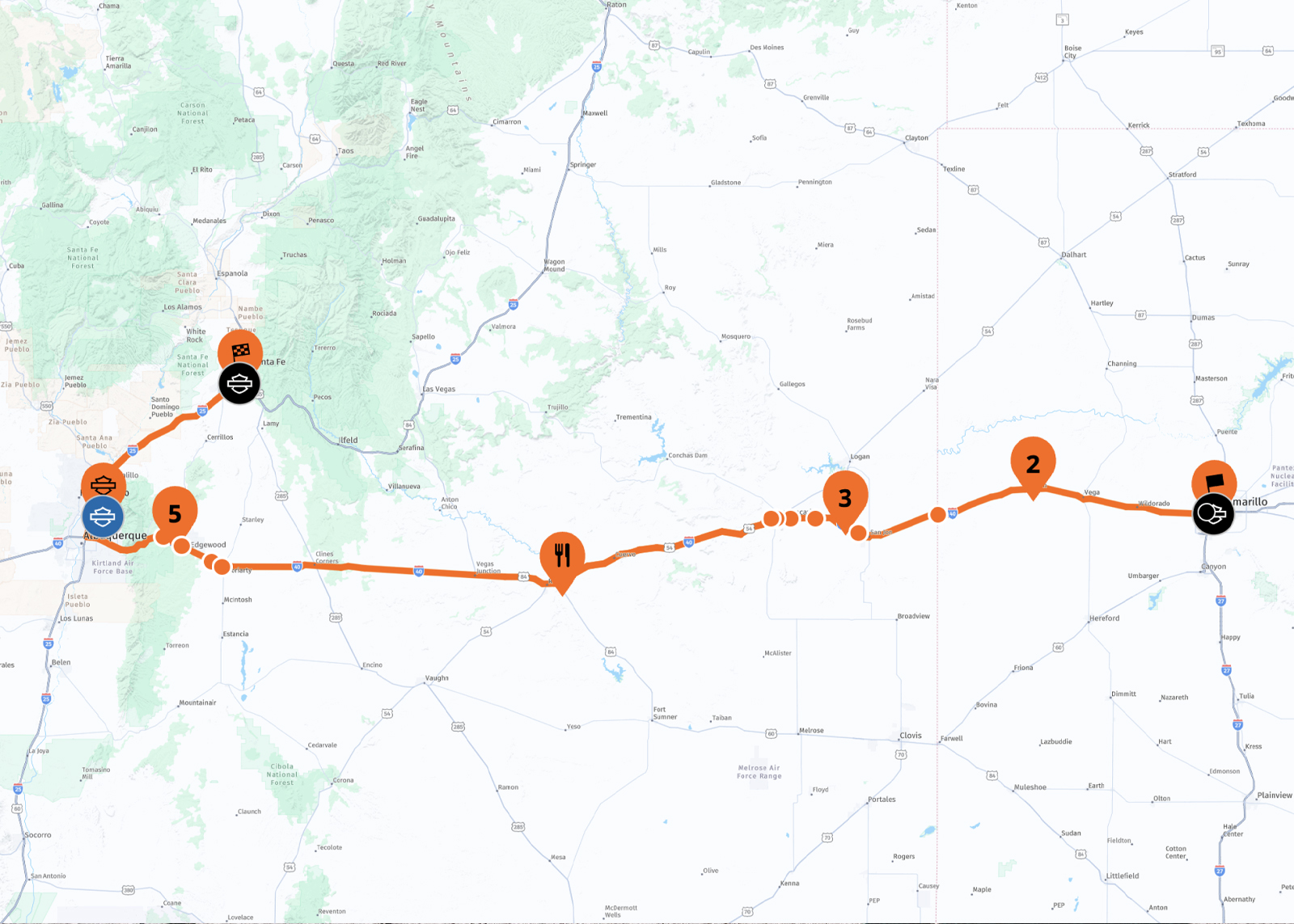
Because Rt. 66 in late November is a bit of a bear trap. It’s not uncommon to hit snow or rain coming out of Chicago (which we did). Between Amarillo, Texas and Santa Fe, New Mexico, the elevation literally doubles. The air gets thinner and the weather becomes rougher and more unpredictable.
I was just a guy looking at a map and thinking, “270 miles from Amarillo to Santa Fe? That’s a short, easy day.” I practically considered it a rest day. I had no idea how wrong I was.
Luckily, somebody smarter than me did. My H-D colleague, Scott Toepfer, has spent more time on this iconic stretch of road and in this unbelievably beautiful part of the country in his life than I could ever hope to. He grew up and cut his teeth out here.
I was just a tourist. And while I was waving off our potential weather woes, Scott was busy insisting that we take some precautions.
One that he wouldn’t budge on? Heated gear.
I resisted. I remember a meeting where I said, “Scott, chill out, man. The weather looks good this time of year. We’ll be fine.”
But Scott wouldn’t let down.
So, myself and the two other guys in the group gave him our sizing and he politely asked the folks on H-D's Parts & Accessories team to bless us with some heated gear. At the time, I didn’t even intend on using it. I was going to keep it wrapped in the plastic inside the saddle bag and give it back to them once we returned. Using it wasn’t even on my radar.
I WANT THIS IN WRITING AND ON THE RECORD: THERE WASN’T A SINGLE DAY ON RT. 66 WHEN I DIDN’T HAVE AT LEAST ONE MOMENT OF THANKING MY LUCKY STARS FOR HEATED GEAR.
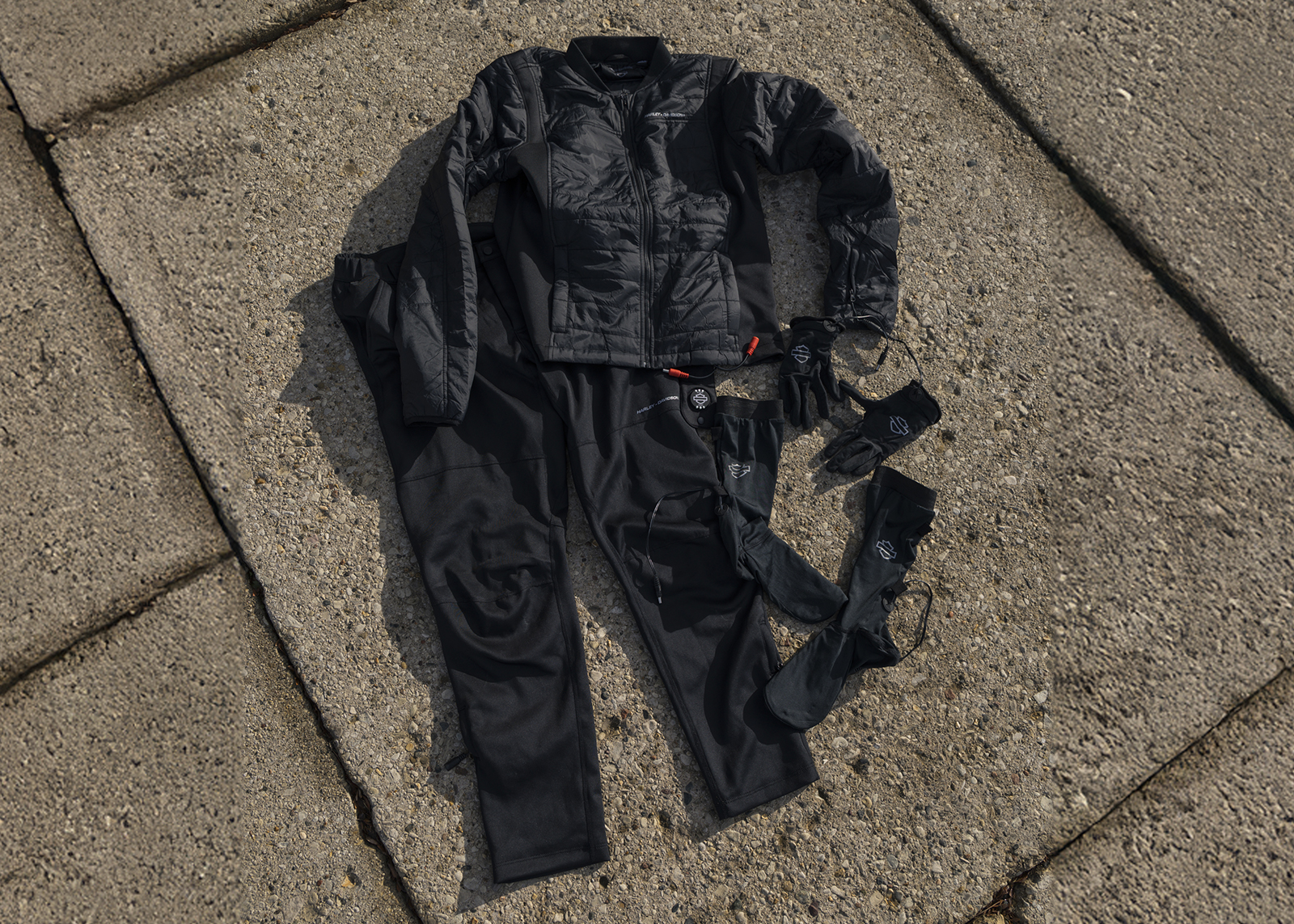
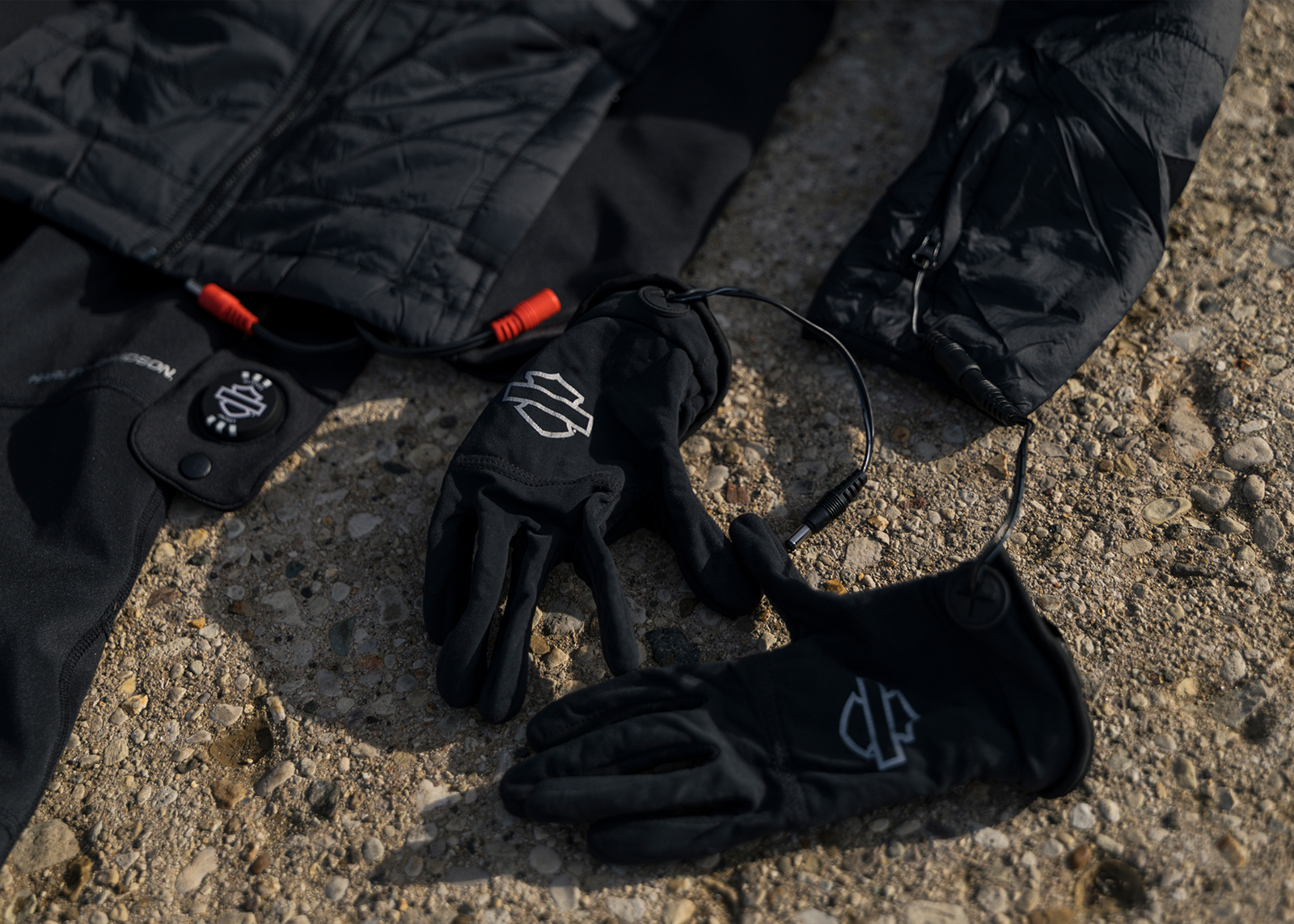
But I want this in writing and on the record: there wasn’t a single day on Rt. 66 when I didn’t have at least one moment of thanking my lucky stars for heated gear (and for Scott’s stubbornness — love you, bud).
Take everything you think you know about heated gear and throw it out the window.
Harley-Davidson kitted us out with everything — the heated jacket liner, the heated bottoms, the heated glove liners, and the heated sock liners.
And there was nothing in the lineup that didn’t pull its weight.
When anti-heated gear people think of heated gear, one word usually comes to mind: bulk.
Jacket liners that make leathers impossible to zip, boot liners so thick you need to size up a pair of boots just to wear them, bottoms that might as well be called pants... It’s a thing.
But what I wound up actually enjoying most about the gear is that it wasn’t cumbersome.
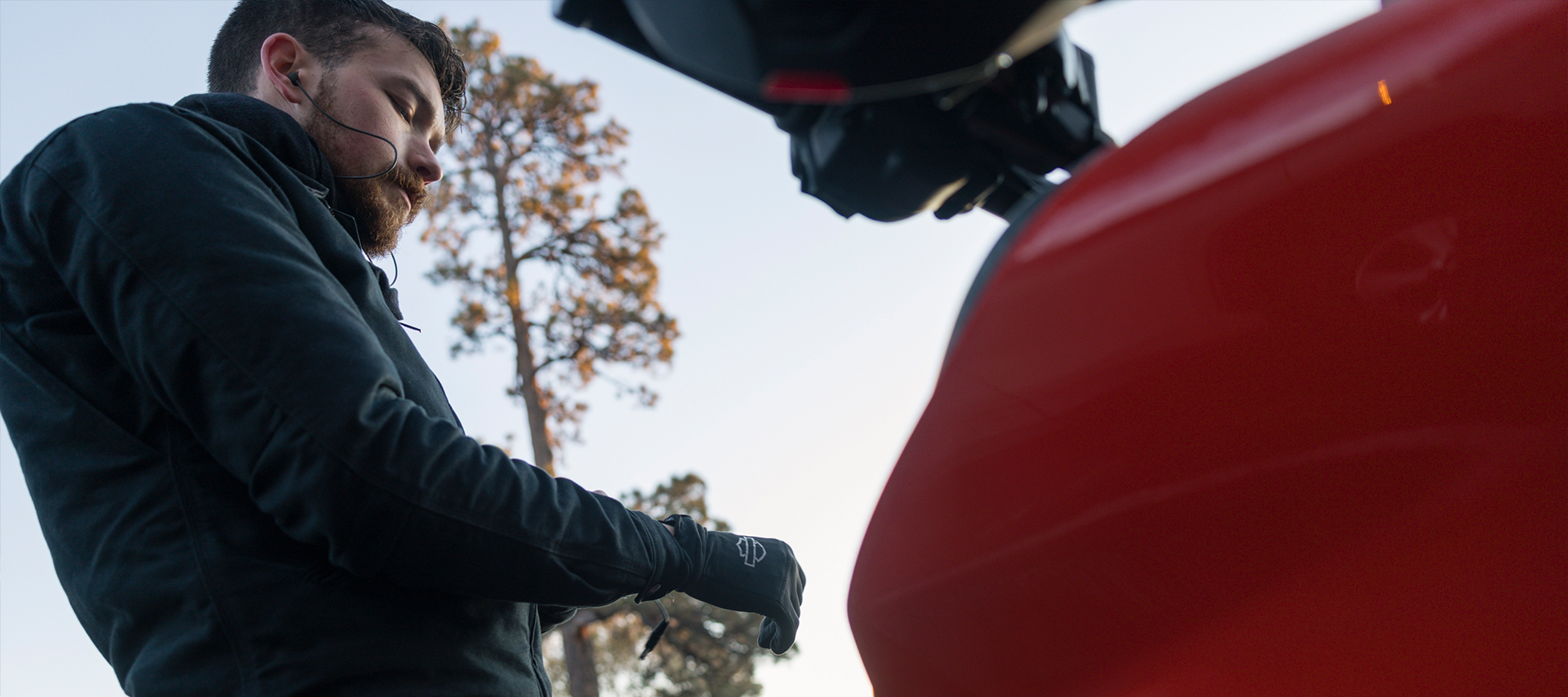
Everything fit snug, but it wasn’t restrictive. I wore my bottoms under my jeans, my boot liners over my socks, my glove liners under my gloves, and my jacket liner under my leather jacket and vest. I didn’t buy new riding gear. I wore exactly what I normally would, with the addition of the heated gear. And I was impressed. It fit real well.
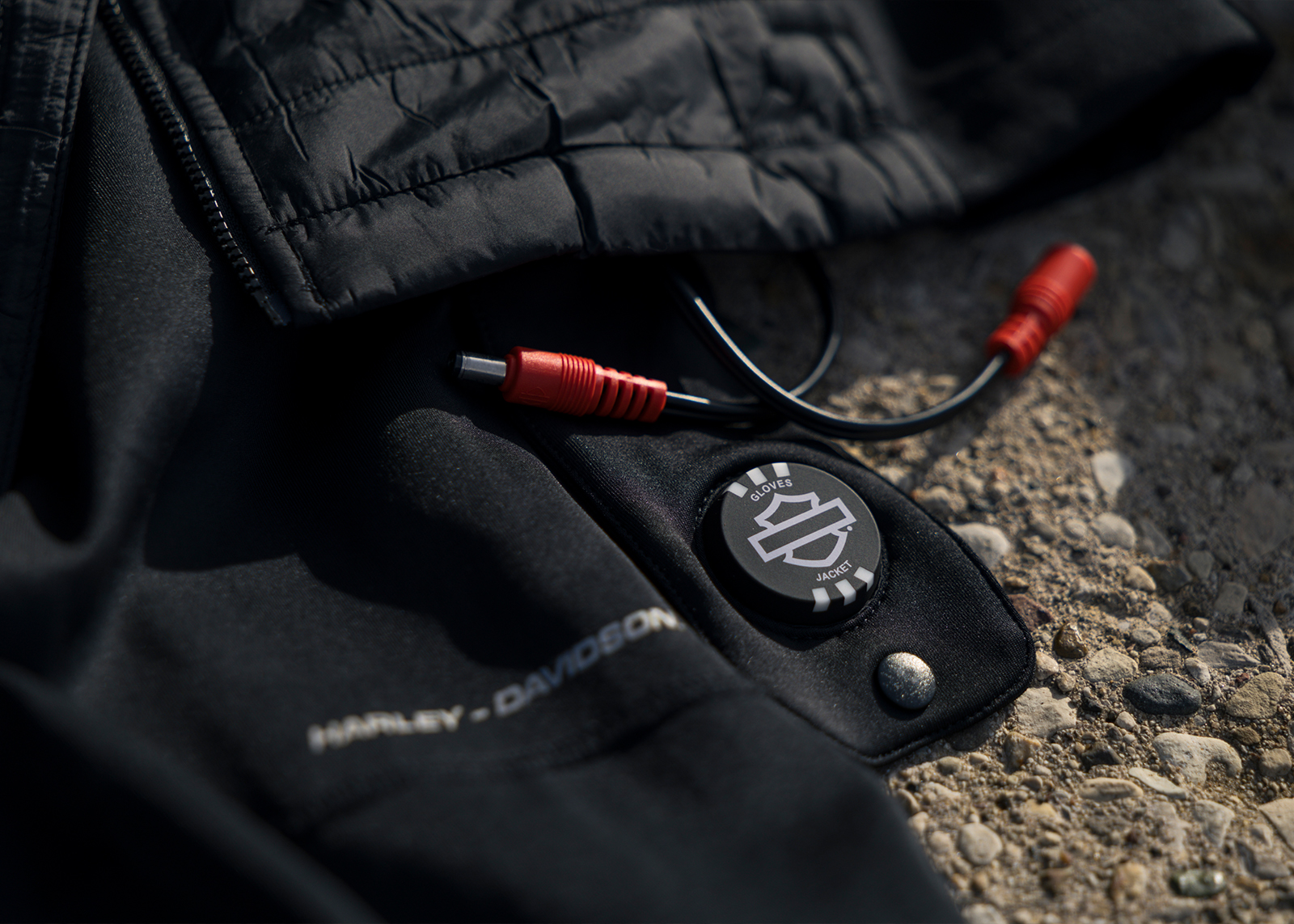
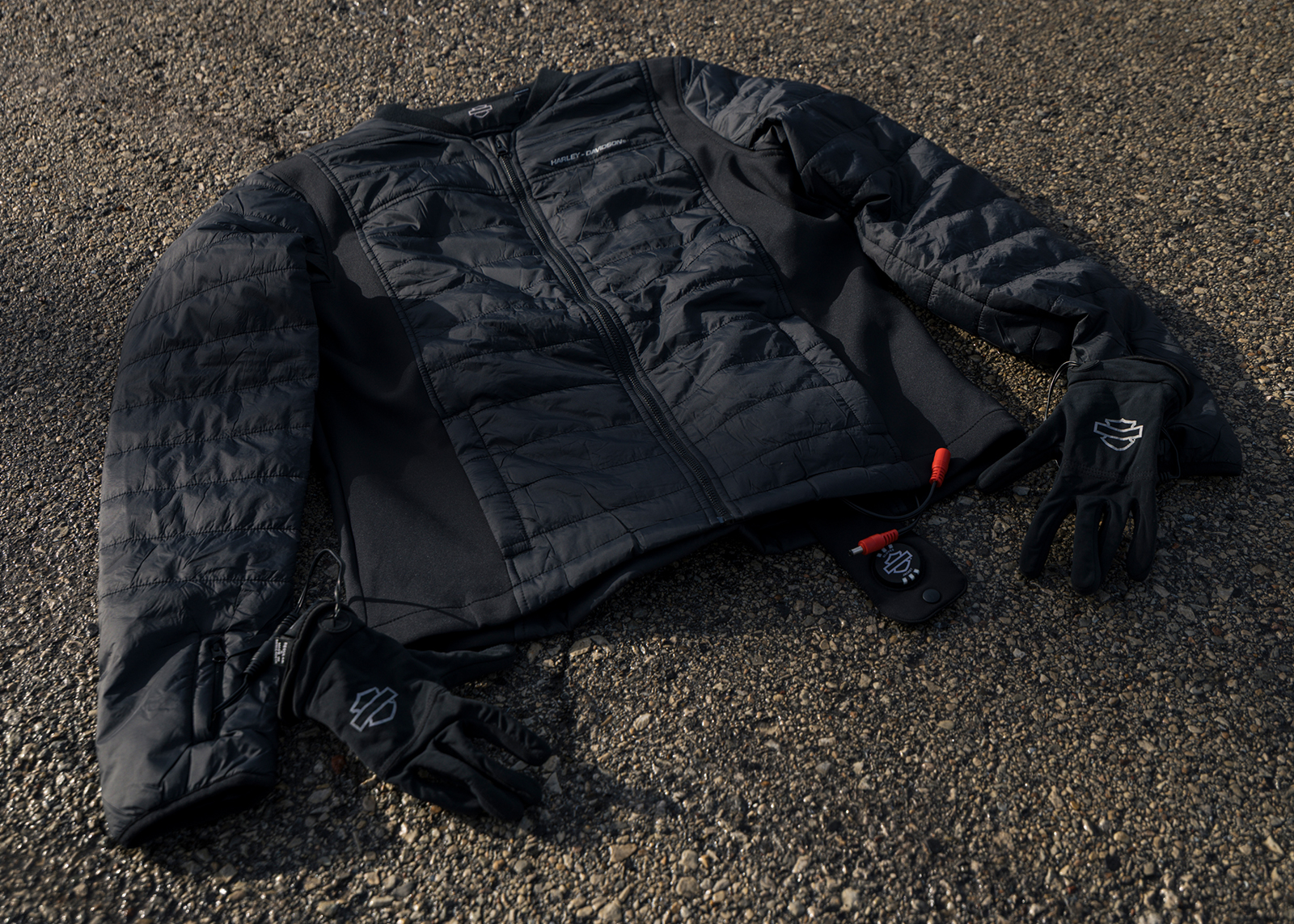
What I liked second-best was the convenience. The glove liners plugged into the jacket, the sock liners plugged into the bottoms, the bottoms plugged into the jacket, and the jacket plugged into the main harness from the battery.
I was under the impression that heated gear would make me feel like a fly trapped in a spider web. That it would be confusing, inconvenient, and hard to manage.
The reality was much different. If we pulled off to gas up and I wanted to grab a water or use the restroom, I unplugged my jacket liner from the battery harness and went about my business. When we were gearing up to hit the road in the mornings, it didn’t take me extra time to throw the heated gear on. It wound up being surprisingly practical.
And finally, what I loved third-most about the heated gear was how customizable it was. The gear came with three settings from warm to medium and hot, and each piece of gear — the glove liners, the sock liners, the jacket liner, and the bottoms — had its own set of controls.
So, if it was chilly out and I wanted my pants to be hot on setting three, but my jacket was feeling toasty and I only wanted it to be at one, it was a simple click of a button. If my hands got chilly but my feet felt fine, I could leave the boots off and keep the gloves on.
It was cozy when and where I wanted it to be, and cooler where and when I didn’t. That was huge.
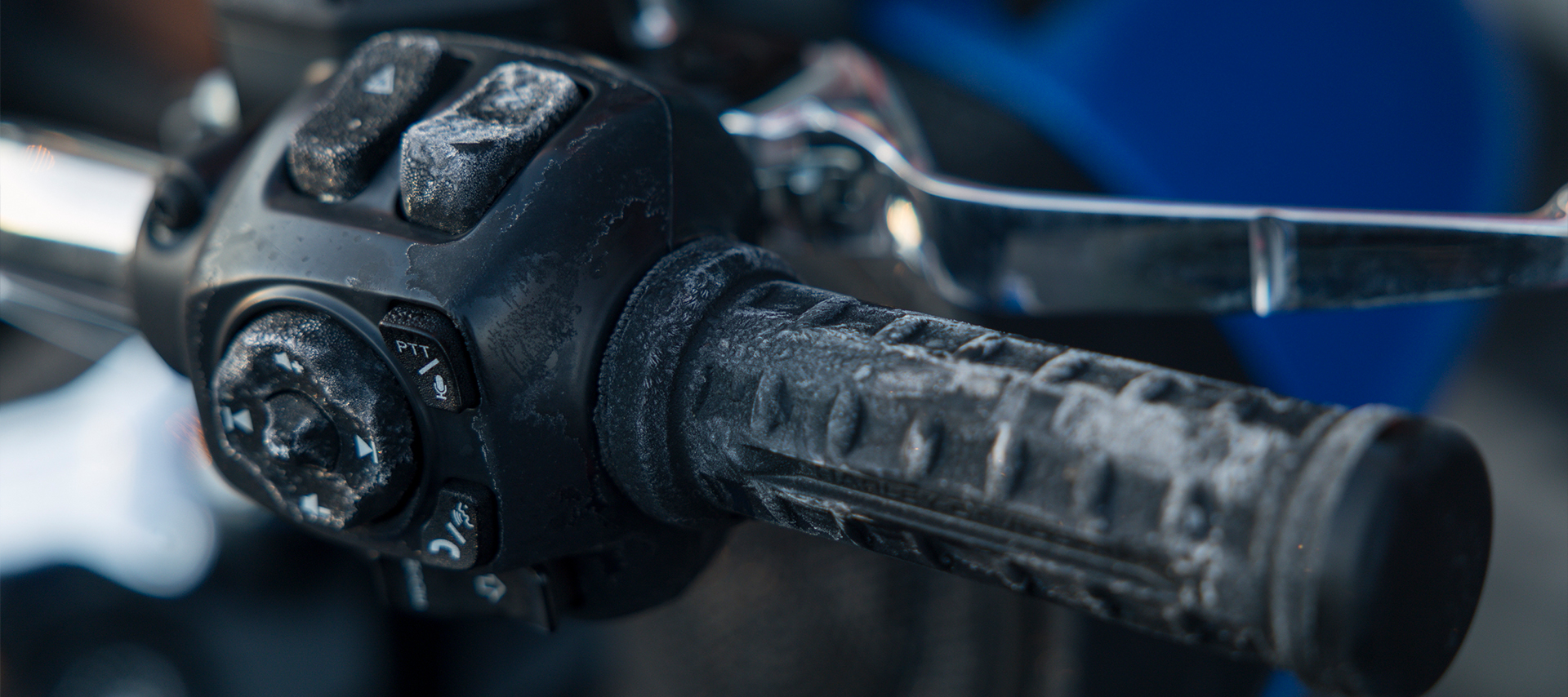
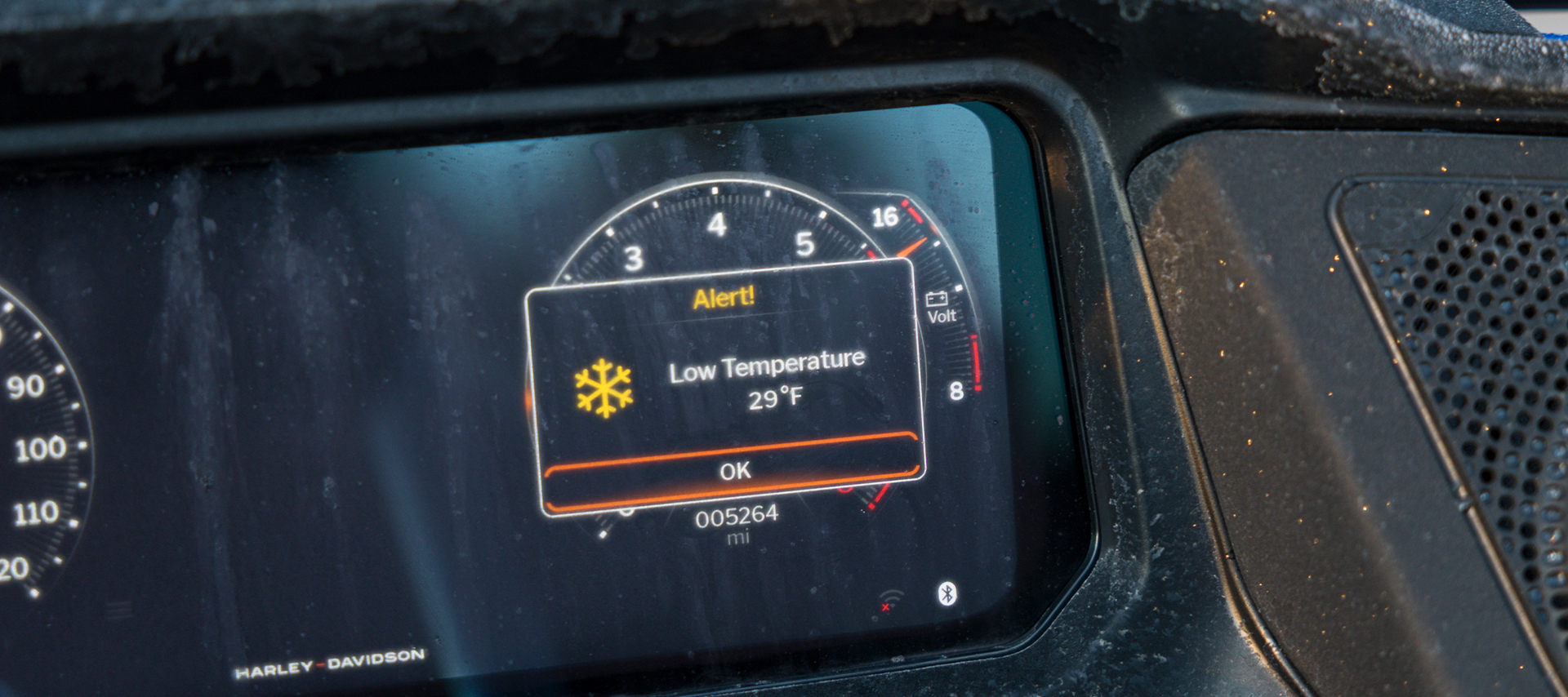
WHETHER IT WAS A BRISK MORNING WHERE I JUST HAD THE HEATED GLOVE AND SOCK LINERS ON, OR A 29-DEGREE MORNING ICE SKATING OUT OF FLAGSTAFF AND RUNNING THE WHOLE KIT AND CABOODLE ON FULL BLAST, THERE WASN’T A SINGLE DAY I DIDN’T USE IT.
When I really think about it, I have one complaint. Just one.
To run this gear, you need a 12-volt heated gear battery harness that hooks up to the battery terminals and comes with a female connector to plug into the male connector in the jacket liner (or the bottoms, if you’re not running the jacket liner).
(Quick aside, for clarity: You can’t run the boot liners without the bottoms or the glove liners without the jacket. The jacket liner and bottoms can plug directly into the harness, but the glove liners need to be connected to the jacket, and the boot liners to the bottoms.)
The newer bikes technically come with this harness from the factory. It’s located under the seat, near the battery box. However, be warned: that harness cable is way too short, and makes it dang-near impossible to plug in the jacket (or the pants) effectively.
Luckily, Harley not only sells these extended battery harnesses separately, but they also include an extra one with the jacket (and the bottoms, I believe). The harness swap is quick and easy, and only takes 15 minutes to “install,” even for folks who don’t typically spin their own wrenches.
Once I swapped the harness, I had ample room to move around freely and never had a single problem.
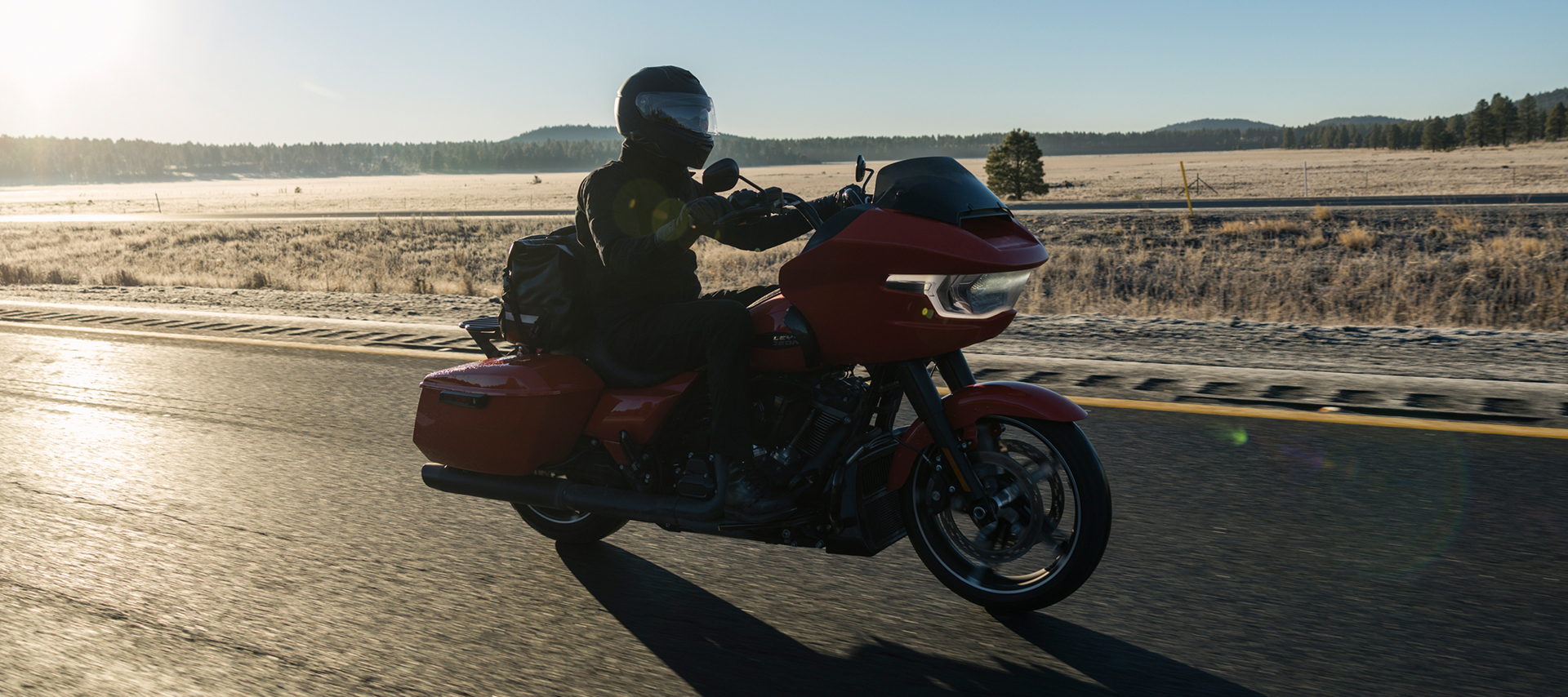
All in, we were on Rt. 66 for eight days, including a weather day we had to take to let a snow storm pass in Flagstaff. I ran the heated gear to one extent or another the entire way.
Whether it was a brisk morning where I just had the heated glove and sock liners on, or a 29-degree morning ice skating out of Flagstaff and running the whole kit and caboodle on full blast, there wasn’t a single day I didn’t use it.
All of this is to say that I was a complete non-believer in heated gear before we took off down Rt. 66. But now? I’m sold. The gear is well worth the investment, whether you’re trying to tackle America’s Mother Road, or simply trying to get around town comfortably when the temps drop.
I may not understand why anyone would want to eat a steak that isn’t cooked rare (yet), but I absolutely understand why everyone should try heated gear. Buy the ticket and take the ride. You won’t regret it.
PLAN YOUR OWN RIDE
Create your custom journey and explore maps, plan where to stay, where to eat and more.

EXPLORE MORE RIDES
1,357 MILES, AND A TRIP I’LL NEVER FORGET
With bikes reserved and almost no itinerary, four friends set off on a 1,357-mile Harley-Davidson adventure through the redwoods, Yosemite, and some of California’s most incredible roads.
TWO EPIC CALIFORNIA ROADS, ONE SOLO TRIP
A weekend ride to Los Angeles turns into an epic solo journey through mountain passes, desert highways, and the legendary curves of Highway 1.
CLOSE ENOUGH TO RETURN. FAR ENOUGH TO BREATHE: A PAN AMERICA ESCAPE FROM LOS ANGELES.
A quick escape from Los Angeles, this ride trades traffic and noise for dirt roads, mountain air, and coastal reset on a H-D Pan America.
INTENTIONAL RIDING IN JAPAN RAIN OR SHINE
What started as a dream trip to Japan turned into an unforgettable chopper ride. Chasing roads, leaning into the unknown, and soaking up moments we’ll be talking about forever.
HIGHWAY 1 TO THE ONE SHOW
A group ride up Highway 1 to The One Moto Show unfolds into a coastal journey defined by shifting plans, roadside repairs, and the raw connection between rider, machine, and the open road.
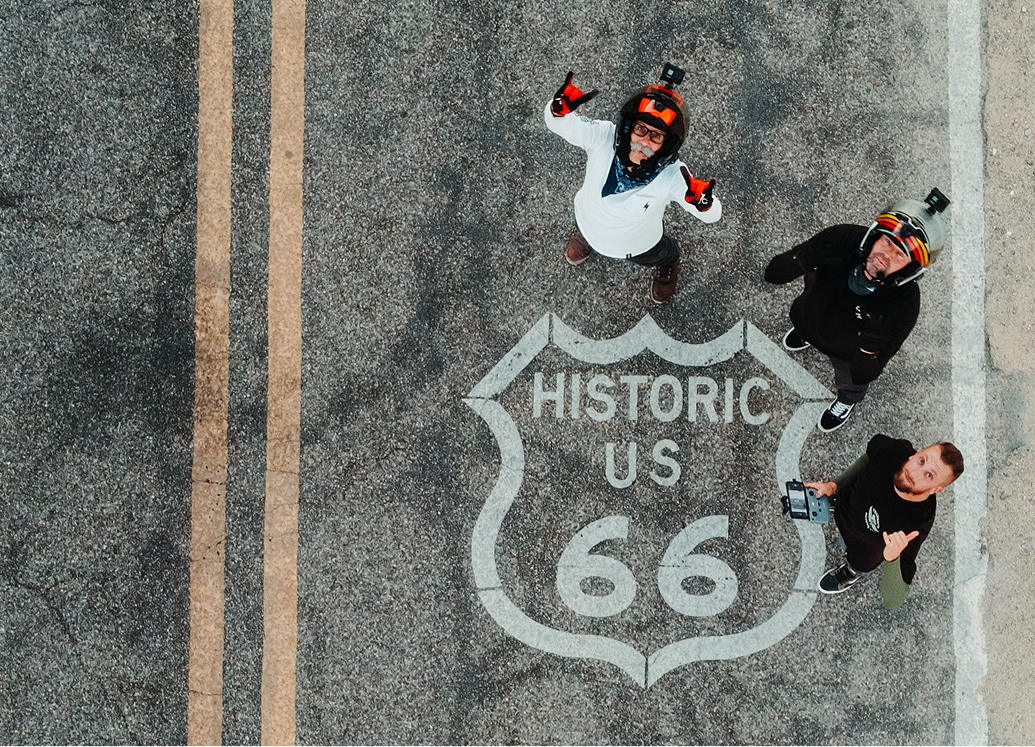
ON THE ROAD AGAIN: 2LANELIFE’S ROUTE 66 RUN
A century after its creation, Route 66 continues to define the American road trip—and in 2026, we’ll be retracing its full length to rediscover what makes it iconic.
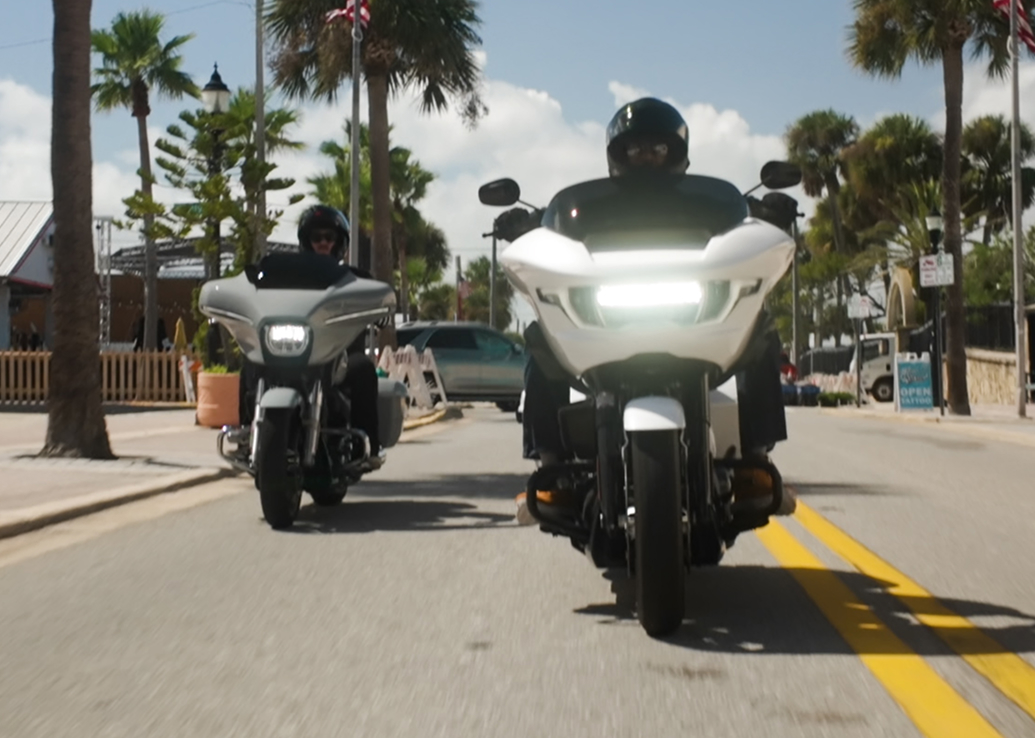
RIDES, DIVES, AND VIBES: DAYTONA EDITION 2026
All the best restaurants, rides, and activities, sourced for our H.O.G. members.
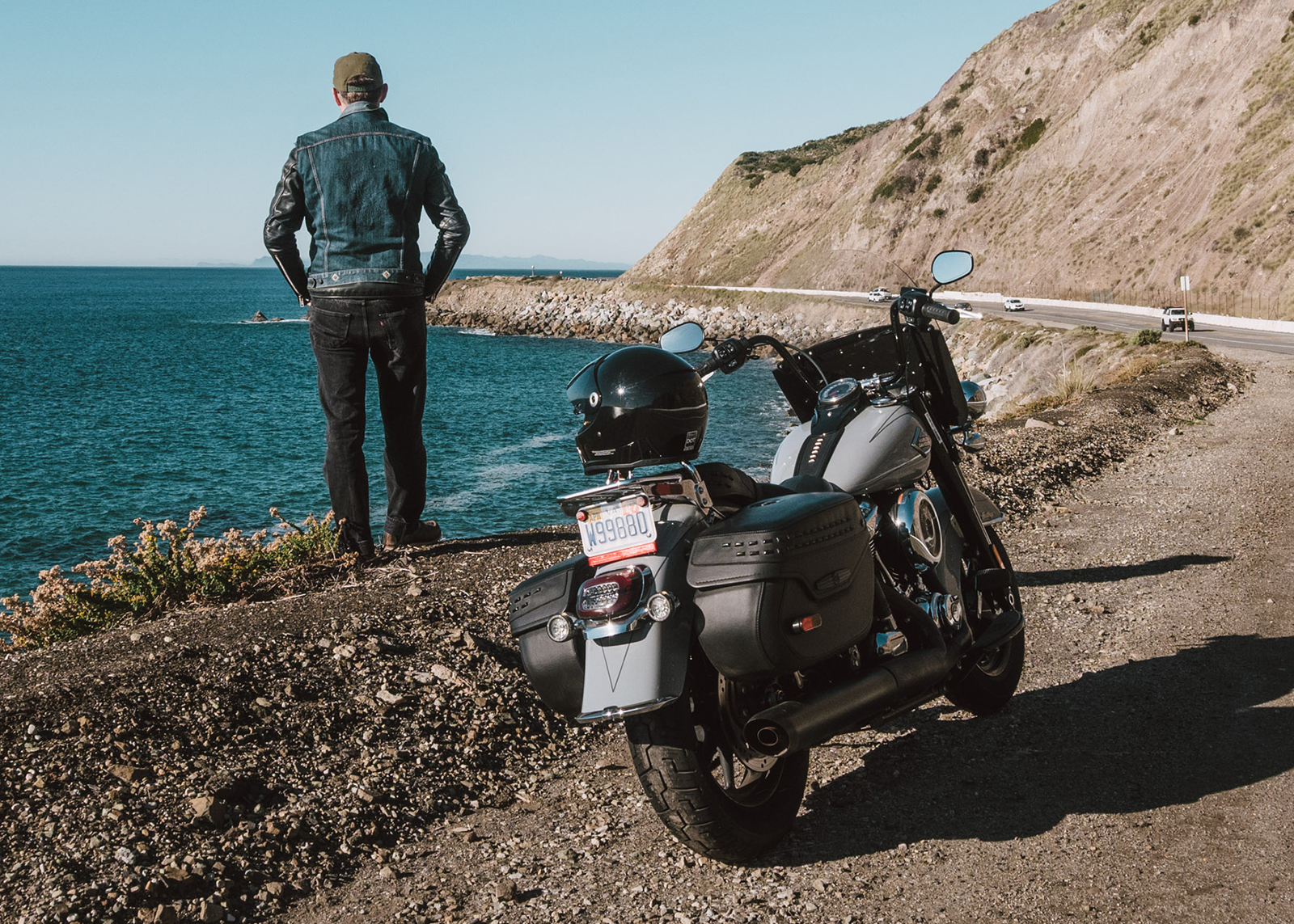
ESCAPE FROM LA: A MOTORCYCLIST'S GUIDE
Scott Toepfer tears through three legendary Southern California motorcycle routes that are packed with jaw-dropping views, endless curves, and pit stops you’ll brag about for years.
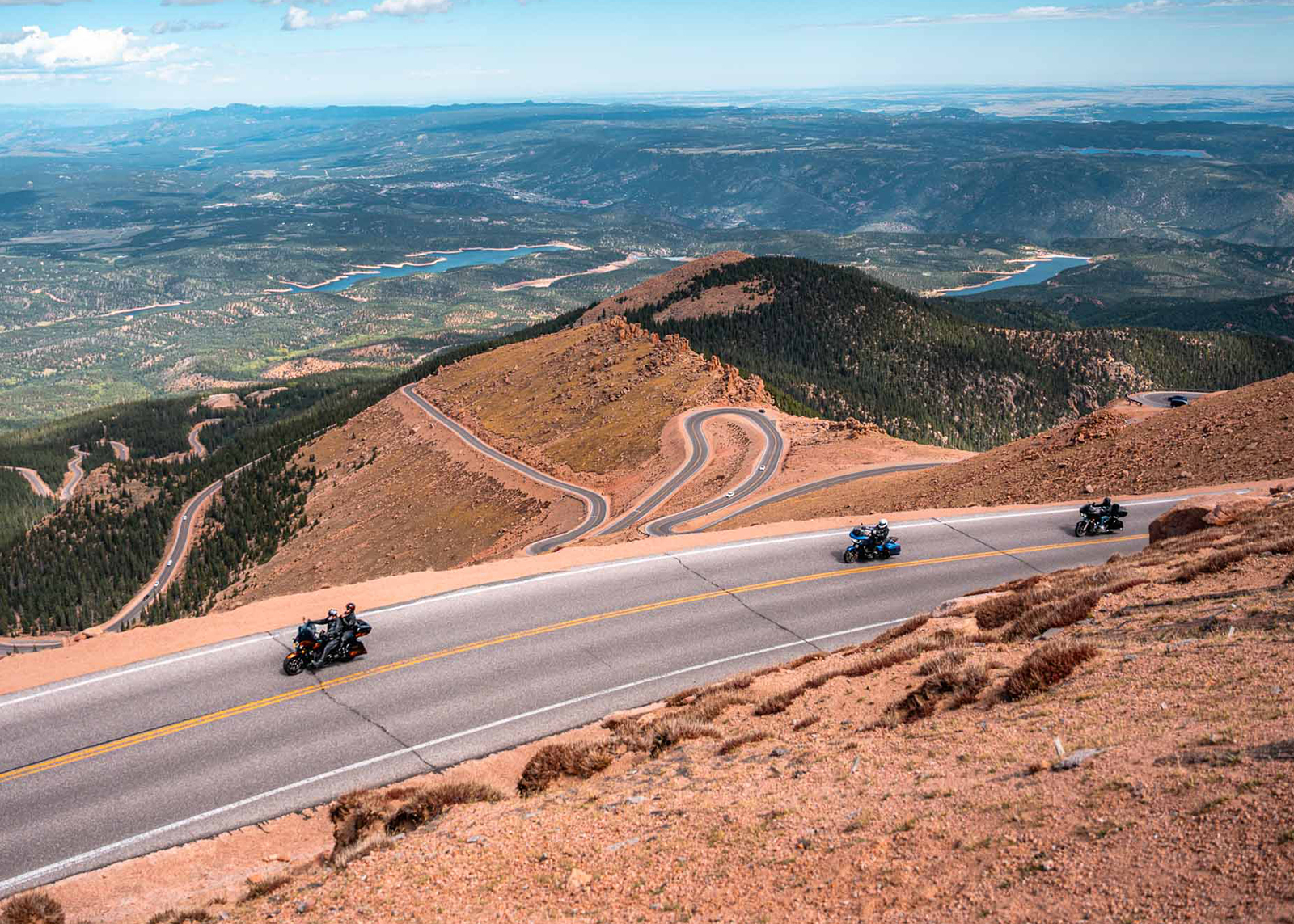
TWO DAYS OF EPIC RIDING: MY ROCKY MOUNTAIN H.O.G. RALLY ADVENTURE
During the 2025 Mountain H.O.G. Rally, I explored Colorado Springs’ best rides—from Pikes Peak to Royal Gorge and Skyline Drive—for two unforgettable days on the road.
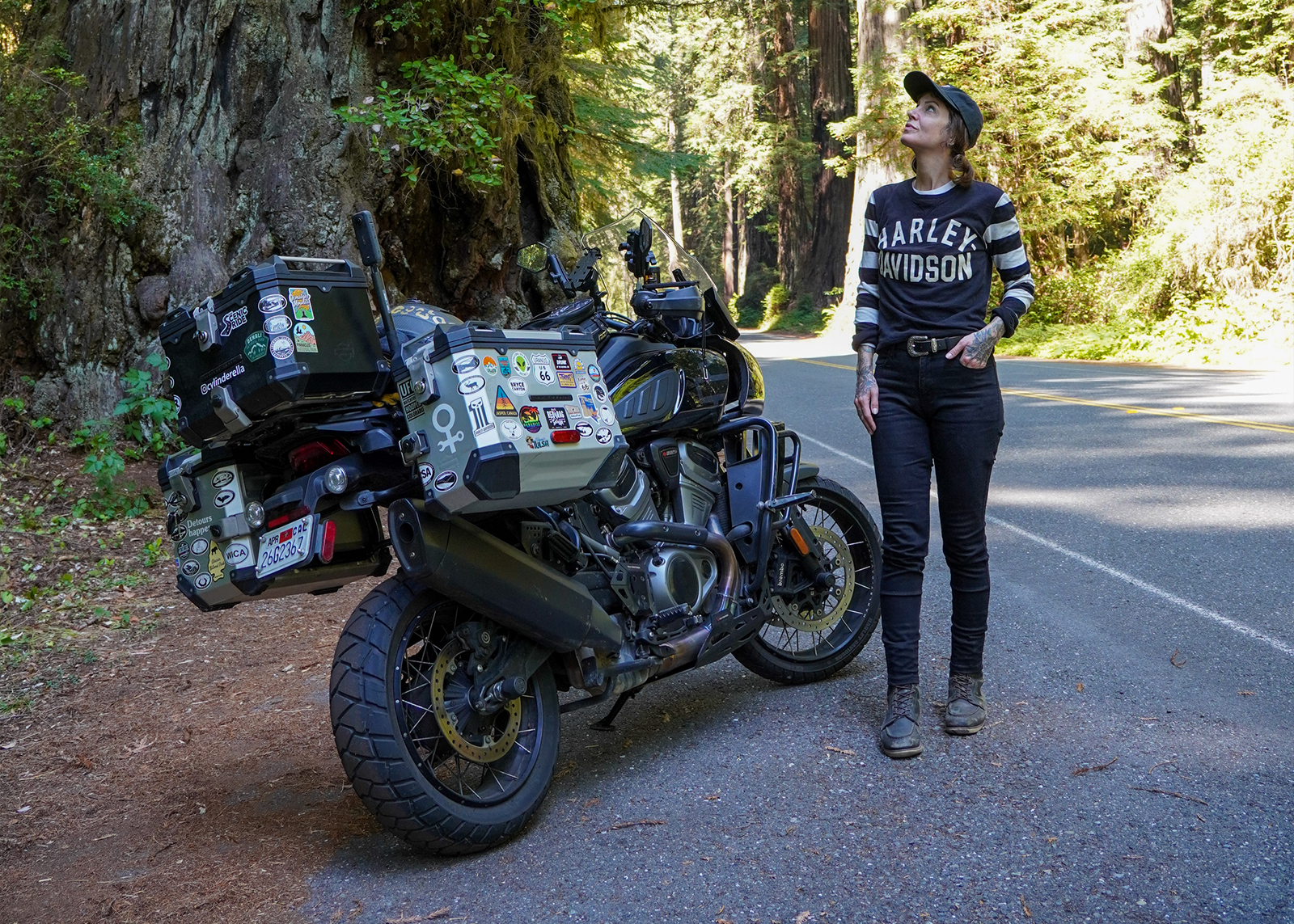
A SOLO TRIP FROM CALIFORNIA TO OREGON, VISITING FOUR NATIONAL PARKS IN FOUR DAYS
I set out on a ride that would take me from San Diego to Oregon and back—reminding myself why California and its neighbors offer some of the best riding on earth.

THE FINAL 48 — CROSSING THE COUNTRY ON TWO WHEELS
There were only a handful of the Lower 48 I hadn’t ridden in yet. That itch turned into a mission: The Final 48. One trip. One go. The last states on my map.
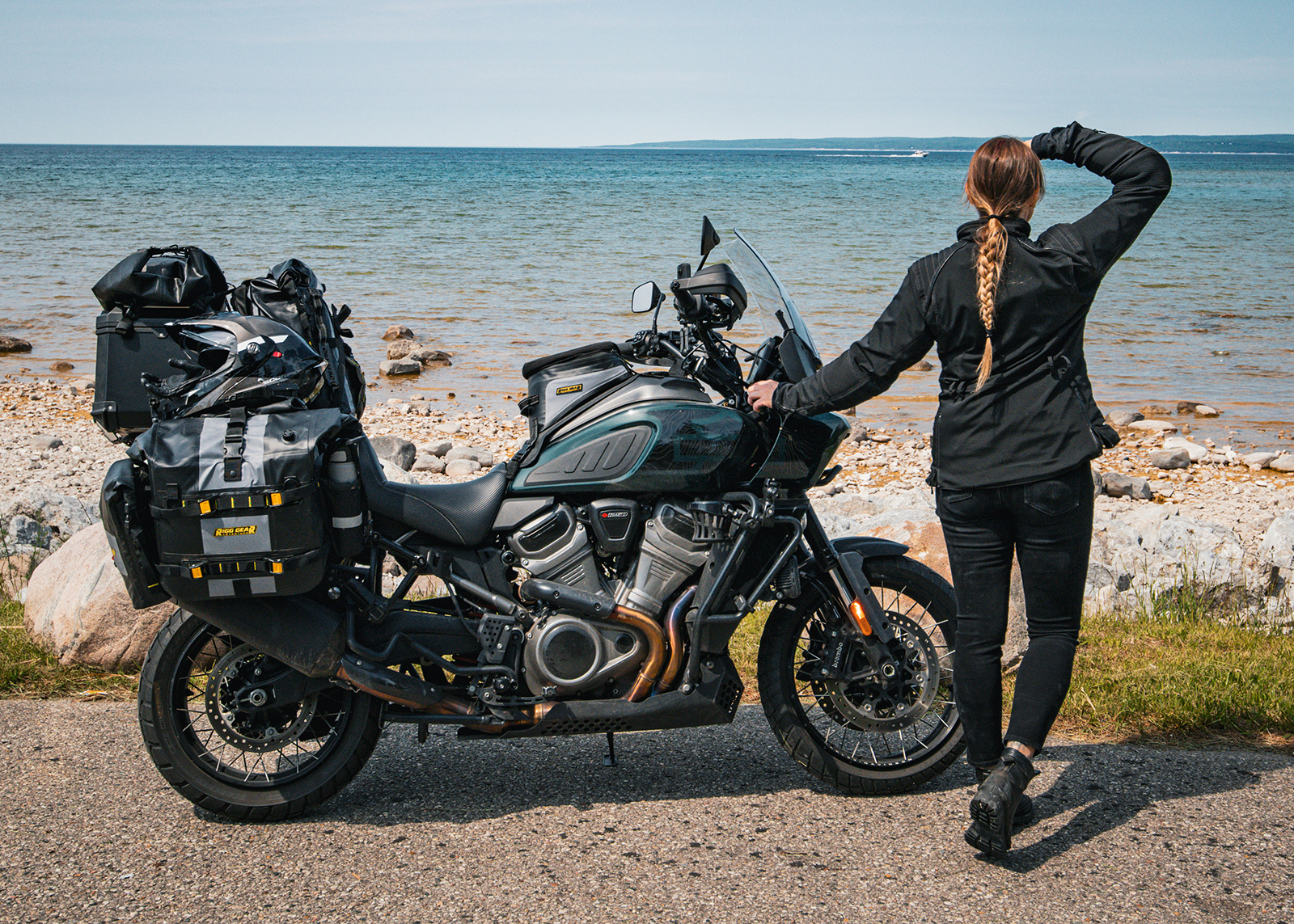
THE GREAT LAKES ESCAPE — MY SOLO RIDE AROUND THE SHORES
I packed up my bike and set out on my Great Lakes Escape — a solo ride through two countries, 5 Great Lakes, and LOADS of history.

THE ULTIMATE STURGIS ONE-DAY RIDE
If you only have one day to ride in the Black Hills, make it this one. Twisty, scenic, historic, and best of all, unforgettable.

RIDES, DIVES, AND VIBES: STURGIS EDITION 2025
All the best restaurants, rides, and places to stay, sourced for our H.O.G. members.


A WEEK TOURING YELLOWSTONE
Steven Richards explores the awe-inspiring natural wonders and wildlife of Yellowstone National Park.