A THINK PIECE ABOUT BEING ON ROUTE 66
Words and images by Yorick Serriere, @whereisyorick
My first motorcycle memory is a sound: the rumble of the V-Twin engine on my dad’s 1990 Heritage Softail. The bike he used to take us riding through the French countryside when I was a kid. His passion for motorcycles took us far beyond Europe. At home, the concept of riding Harleys is deeply intertwined with the American road-trip culture, and the epitome of road-trips is Route 66. It wasn’t long until he packed his dreams into his saddle bags and shipped his bike across the Atlantic. I was 17 and on the backseat of his Heritage when we first did the Mother Road in 2013.
Fast-forward 10 years, 2023, I had just gotten my license. No more back-seating; we’re hitting the road again, and I’m behind my own handlebars this time. That year we wrapped up our first US trip with two bikes in the Southeast, leaving us thinking: “without a doubt, this is the first of many”. But life is notorious for throwing stuff at you when you least expect it. Right after the trip, my dad got diagnosed with cancer. And when news like that hits you, all the things that seem so important vanish right into the air. While he was in the hospital, the one thing we kept talking about was those trips we took. But what really kept him going were the ones we were going to take when he’d be back on his feet. And make it back on his feet he did. To think we crossed America this summer as Route 66 turned 100 is a real full-circle moment for us.
America’s highway always had the DNA for a perfect trip: from a city to a coastline, ever-changing landscapes, vintage identity, roadside attractions and a mix of eclectic cultures.

THE MOTHER ROAD IS DOTTED WITH PASSIONATE PEOPLE EAGER TO TAKE TIME TO TELL YOU TALES ABOUT ROUTE 66. THEY ARE THE BACKBONE OF THE ROUTE, PRESERVING ITS STORIES, SPIRIT, AND LEGACY.
In 2026, Route 66 has the opportunity to remind the world what it’s really about on its 100th anniversary. It still delivers on what you expect: Diners, Americana, the scenic riding in Arizona, the sun-drenched roads of California and the greener stretches of the Oklahoma heartland. The Mother Road still stands to remind us of what can be bypassed when people take the fastest way as opposed to the scenic way. I can’t imagine crossing the country on I-40 and skipping out on staying the night at the Blue Swallow, tasting the Mexican flavors of Santa Fe, riding the Oatman Highway at sunset, or watching a movie at the 66 Drive-In in Carthage. It would mean missing out on the scenery, on the small towns, the local boutiques, but more importantly, on the human interactions. When building a 66 itinerary, a rider might factor-in milage, maybe weather, or stops for the daily ride… but one must not forget to account for the chats. The Mother Road is dotted with passionate people eager to take time to tell you tales about Route 66. They are the backbone of the route, preserving its stories, spirit, and legacy.

Before the trip, I had heard about the Blue Whale of Catoosa and admittedly I may have looked down on it. I saw it as this corny, kitschy roadside stop. But stopping there on this trip and learning about the man behind the Blue Whale really made this Oklahoma stop grow on me. Hugh S. Davis was a character I wish I had met. He was a zoologist who spent decades traveling the world studying animals. He turned his property in Catoosa into a miniature nature park, creating attractions like an alligator ranch and a snake pit to entertain and educate the local youth about wildlife. The whale itself was a gift to his wife for their 34th wedding anniversary. Back in the day, the pond was open to the public as a swimming hole and playground for locals and 66 travelers. People could climb through the whale, dive from its tail and slide into the water. It made me nostalgic to a time I didn’t know, having me wish I could have experienced it in its heyday.
It is people like Hugh or Bob Waldmire that attracted travelers from all walks of life to come and experience Route 66. We heard the story of Bob Waldmire when visiting Pontiac, IL. We had noted Pontiac as a stop for its famous murals, but ended up spending an extra hour visiting its Route 66 Museum where Waldmire’s work was exposed. He was an iconic artist & traveler of Route 66 who painted some of Pontiac’s murals. His lifestyle, personality and his 1972 Volkswagen bus inspired the character of Fillmore in Pixar’s classic movie “Cars”. His work expands beyond Pontiac, and you will find his drawings, maps and artwork all along the Mother Road. As the son of the owner, he notably sketched the logo for the Cozy Dog Drive-In, one of the original corn dogs. Route 66 runs through this family.
IT IS THE PEOPLE OF TODAY WHO HAVE KEPT THE SPIRIT OF THE ROAD ALIVE. WE ENCOUNTERED MORE THAN I COULD LIST HERE. IT IS ALWAYS THE UNEXPECTED THAT LEAVES THE LONGEST LASTING MEMORIES.

These were the people of yesterday, telling the tales of what Route 66 used to be. But it is the people of today who keep the spirit of the road alive. We encountered more than I could list here, but to name a few: the enthusiastic volunteers at Pontiac’s Route 66 museum (donation based), the passionate staff of Joplin’s visitor center whose tips made our visit memorable, and Michael and Teresa of Sapulpa’s Gasoline Alley. This shop is a testament to no matter how well you can plan a trip, it is always the unexpected that leaves the longest lasting memories. Located on Main Street, one block off Old Route 66, this is both the shortest and most worthwhile detour of the trip.

Housed in an early 1900’s Ford-T factory, it has everything travelers look for in a vintage shop, plus an exquisite taste for decor. Every detail has been thought through, from a Route 66 map engraved into the wooden floors to preserving the original factory ceiling - and even displaying two Ford-T models in pristine condition. The minute you start speaking to Michael and Teresa you feel how contagious their passion for what they created is. The two hours we spent talking to them about the story of their shop and their experience driving down to California in vintage vehicles wasn’t in the plans that day, but I remember leaving that conversation and hopping back on the Harley feeling like the spirit of Route 66 we had traveled all this way for was very much still alive.
FROM HIGHWAY TO AN ICON, SINCE 1926 ROUTE 66 HAS DEFINED THE AMERICAN ROAD-TRIP, AND THERE IS NO BETTER WAY TO SEE IT THAN FROM THE SEAT OF A HARLEY-DAVIDSON.

100 years later, its spirit is still untouched: a road that teaches us to slow down, to not rush for the fastest route as there is beauty in taking the scenic way. A lesson that in 2026 we need more than ever and reminder that is worth all the miles combined. From a highway to an icon, since 1926 Route 66 has defined the American road-trip, and there is no better way to see it than from the seat of a Harley-Davidson.

ROUTE 66
PLAN YOUR OWN RIDE
Create your custom journey and explore maps, plan where to stay, where to eat and more.

EXPLORE MORE RIDES
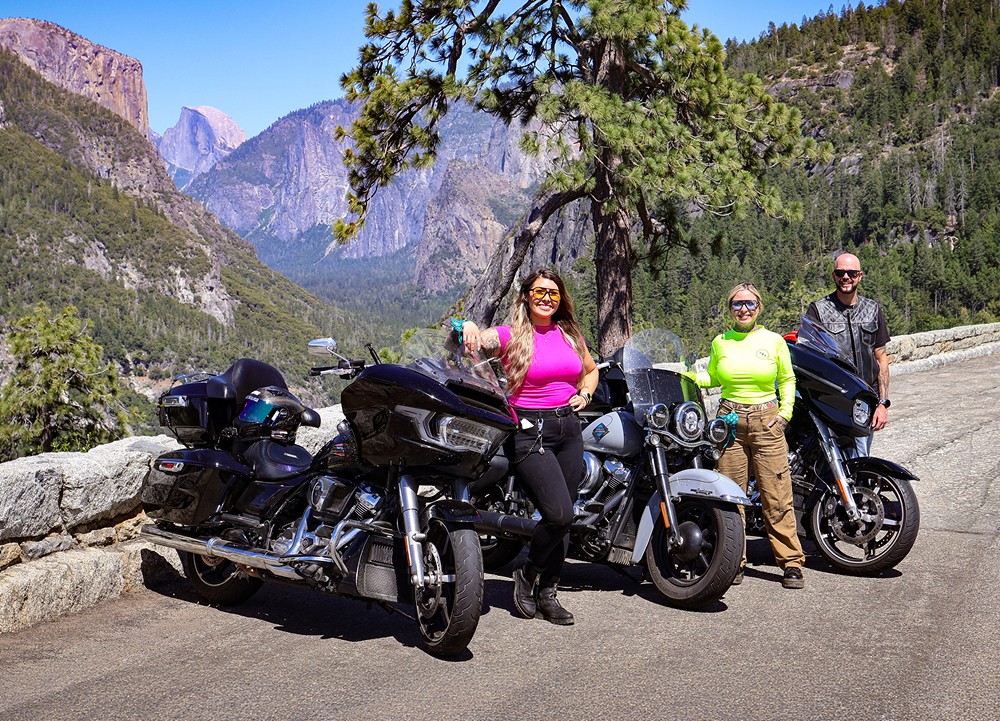
1,357 MILES, AND A TRIP I’LL NEVER FORGET
With bikes reserved and almost no itinerary, four friends set off on a 1,357-mile Harley-Davidson adventure through the redwoods, Yosemite, and some of California’s most incredible roads.
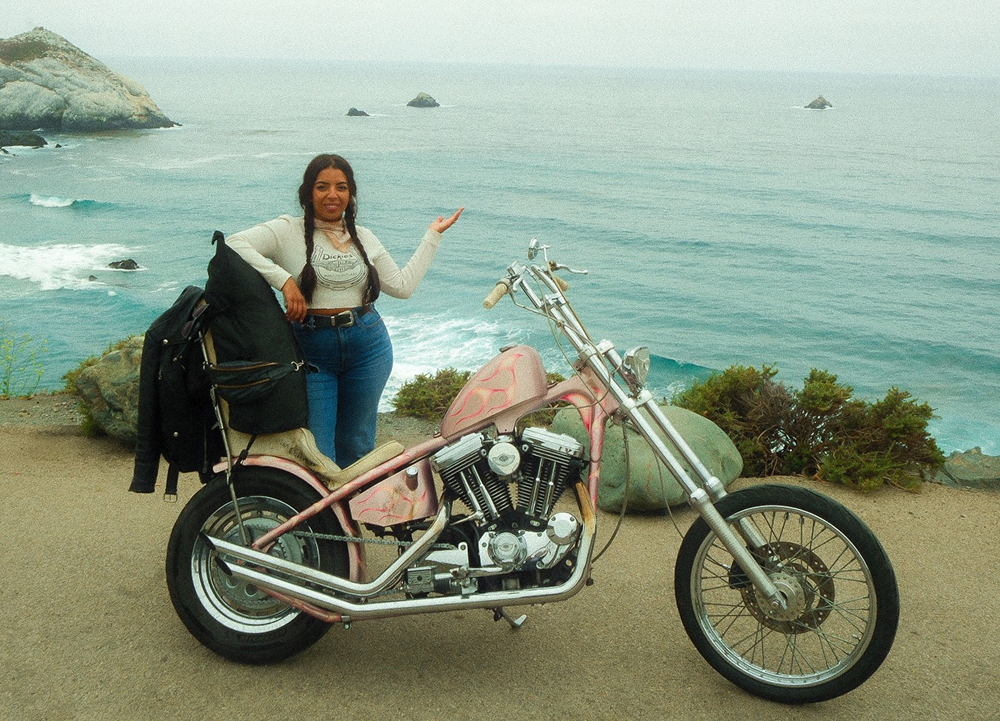
TWO EPIC CALIFORNIA ROADS, ONE SOLO TRIP
A weekend ride to Los Angeles turns into an epic solo journey through mountain passes, desert highways, and the legendary curves of Highway 1.
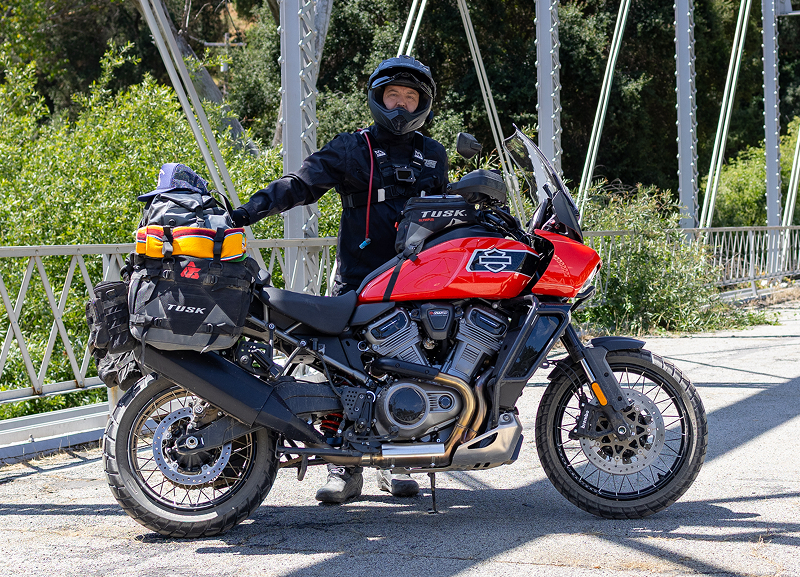
CLOSE ENOUGH TO RETURN. FAR ENOUGH TO BREATHE: A PAN AMERICA ESCAPE FROM LOS ANGELES.
A quick escape from Los Angeles, this ride trades traffic and noise for dirt roads, mountain air, and coastal reset on a H-D Pan America.
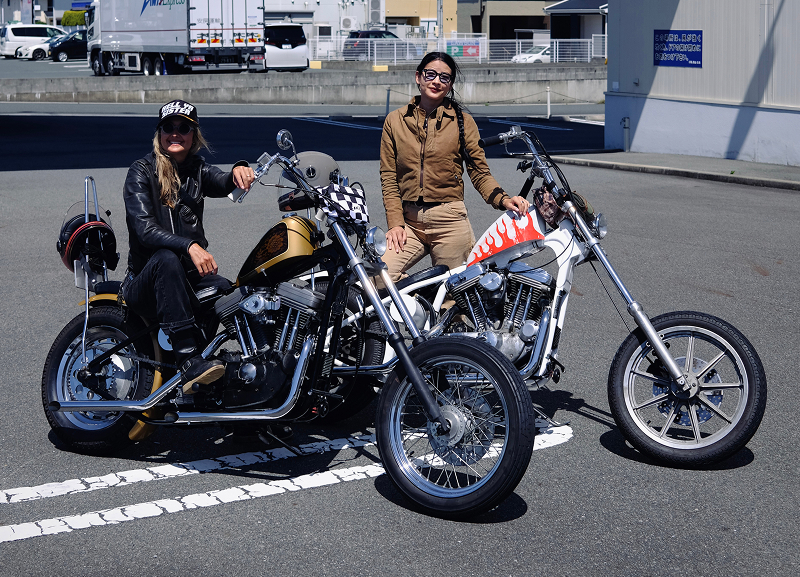
INTENTIONAL RIDING IN JAPAN RAIN OR SHINE
What started as a dream trip to Japan turned into an unforgettable chopper ride. Chasing roads, leaning into the unknown, and soaking up moments we’ll be talking about forever.
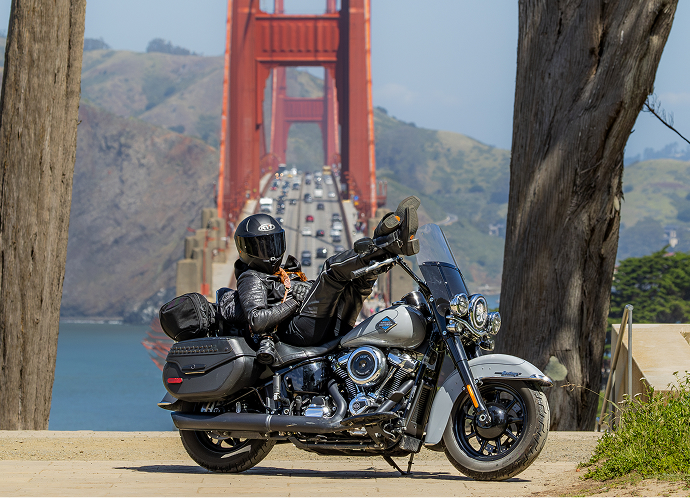
HIGHWAY 1 TO THE ONE SHOW
A group ride up Highway 1 to The One Moto Show unfolds into a coastal journey defined by shifting plans, roadside repairs, and the raw connection between rider, machine, and the open road.
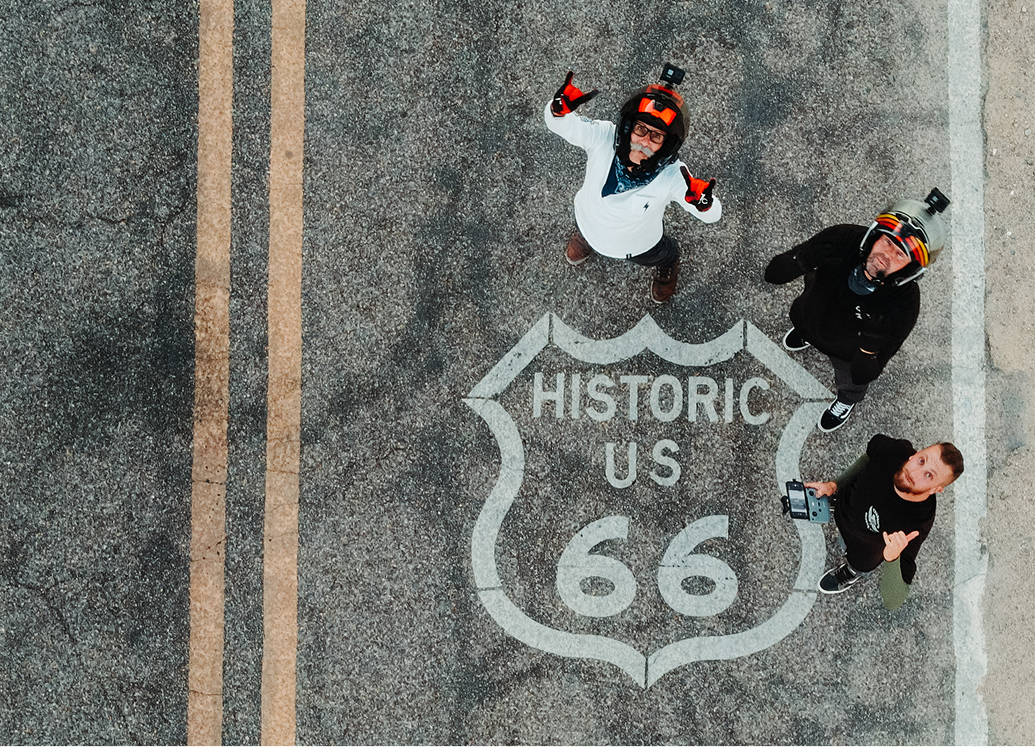
ON THE ROAD AGAIN: 2LANELIFE’S ROUTE 66 RUN
A century after its creation, Route 66 continues to define the American road trip—and in 2026, we’ll be retracing its full length to rediscover what makes it iconic.
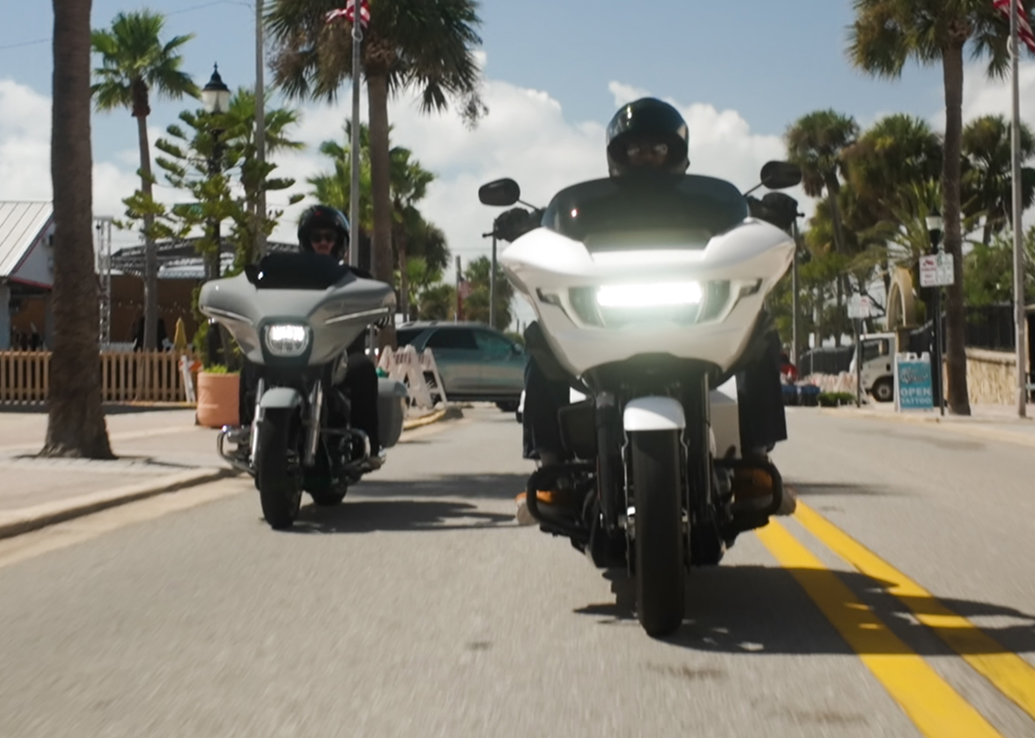
RIDES, DIVES, AND VIBES: DAYTONA EDITION 2026
All the best restaurants, rides, and activities, sourced for our H.O.G. members.
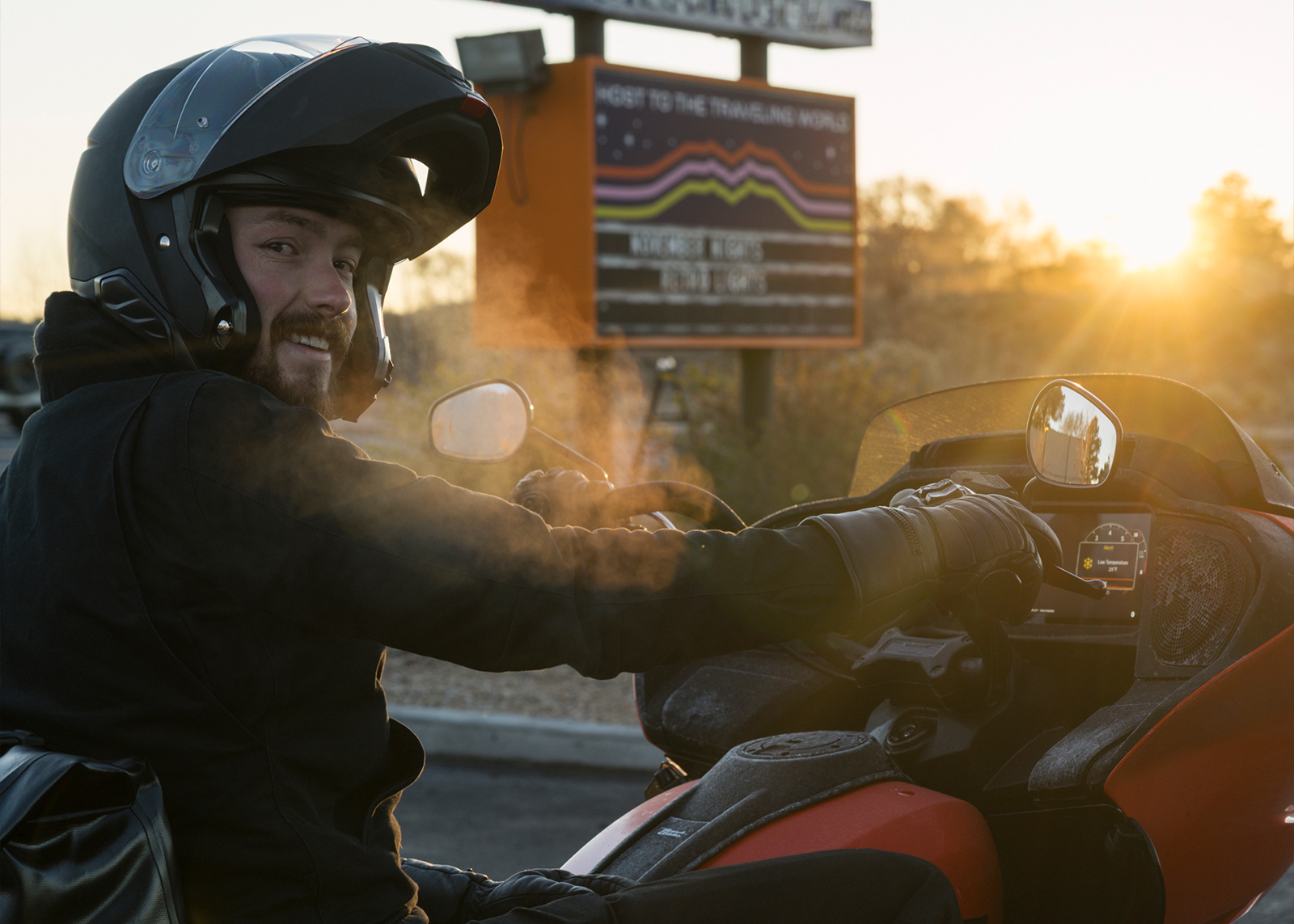
ROUTE 66 IN NOVEMBER: HOW HEATED GEAR SAVED MY RIDE
I signed up for bragging rights. What I got was frostbite-level temps and a new respect for heated gear.
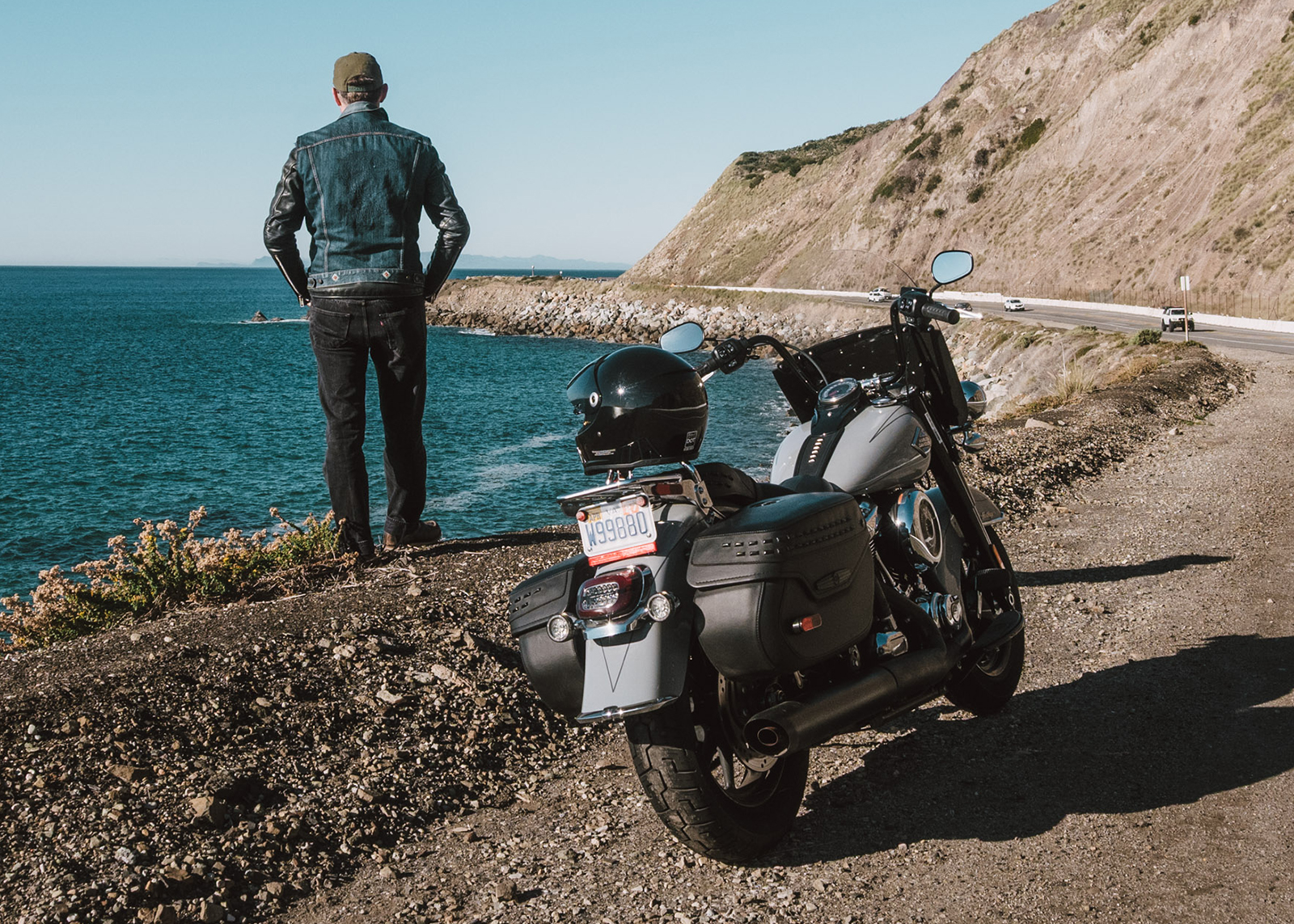
ESCAPE FROM LA: A MOTORCYCLIST'S GUIDE
Scott Toepfer tears through three legendary Southern California motorcycle routes that are packed with jaw-dropping views, endless curves, and pit stops you’ll brag about for years.
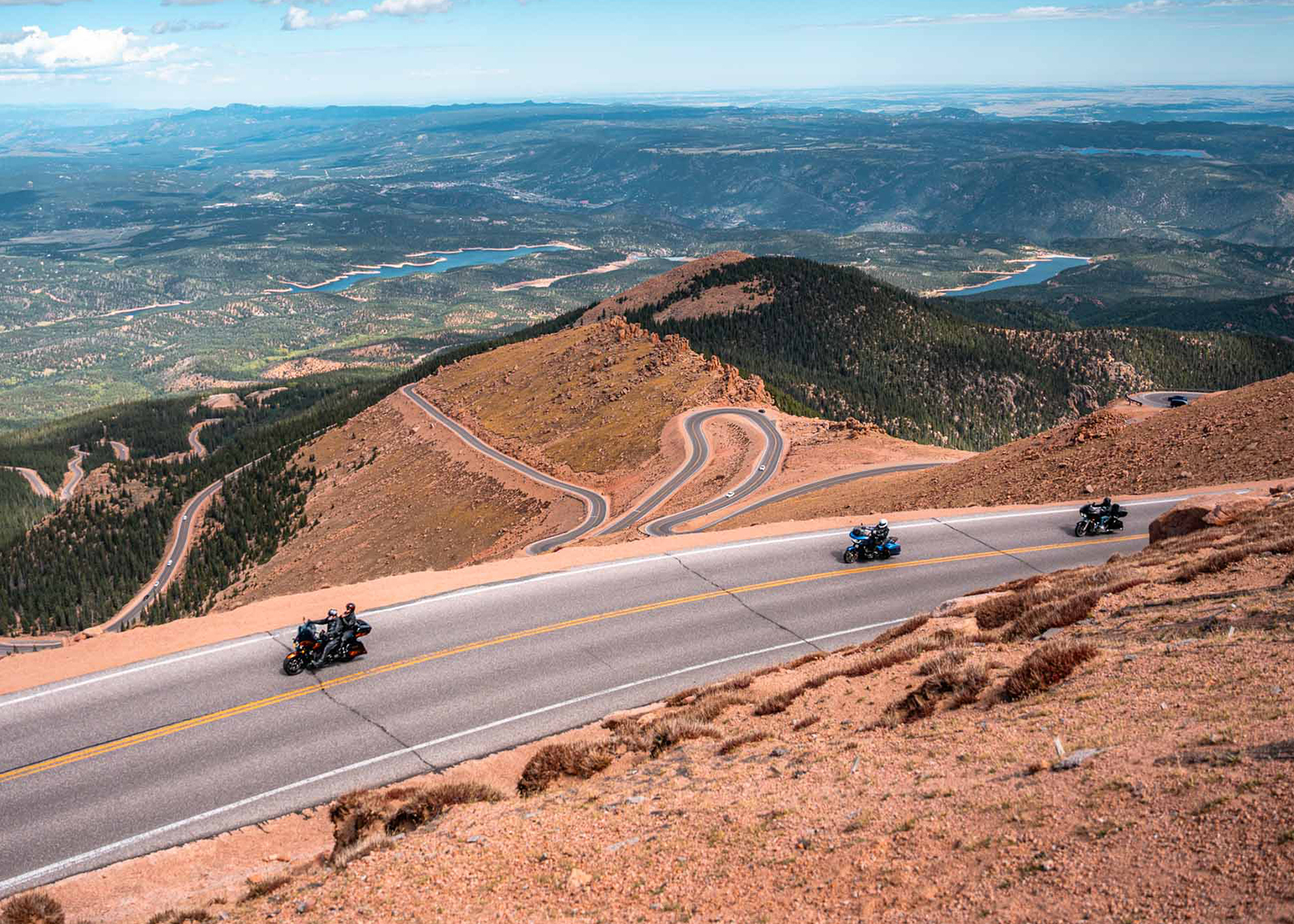
TWO DAYS OF EPIC RIDING: MY ROCKY MOUNTAIN H.O.G. RALLY ADVENTURE
During the 2025 Mountain H.O.G. Rally, I explored Colorado Springs’ best rides—from Pikes Peak to Royal Gorge and Skyline Drive—for two unforgettable days on the road.
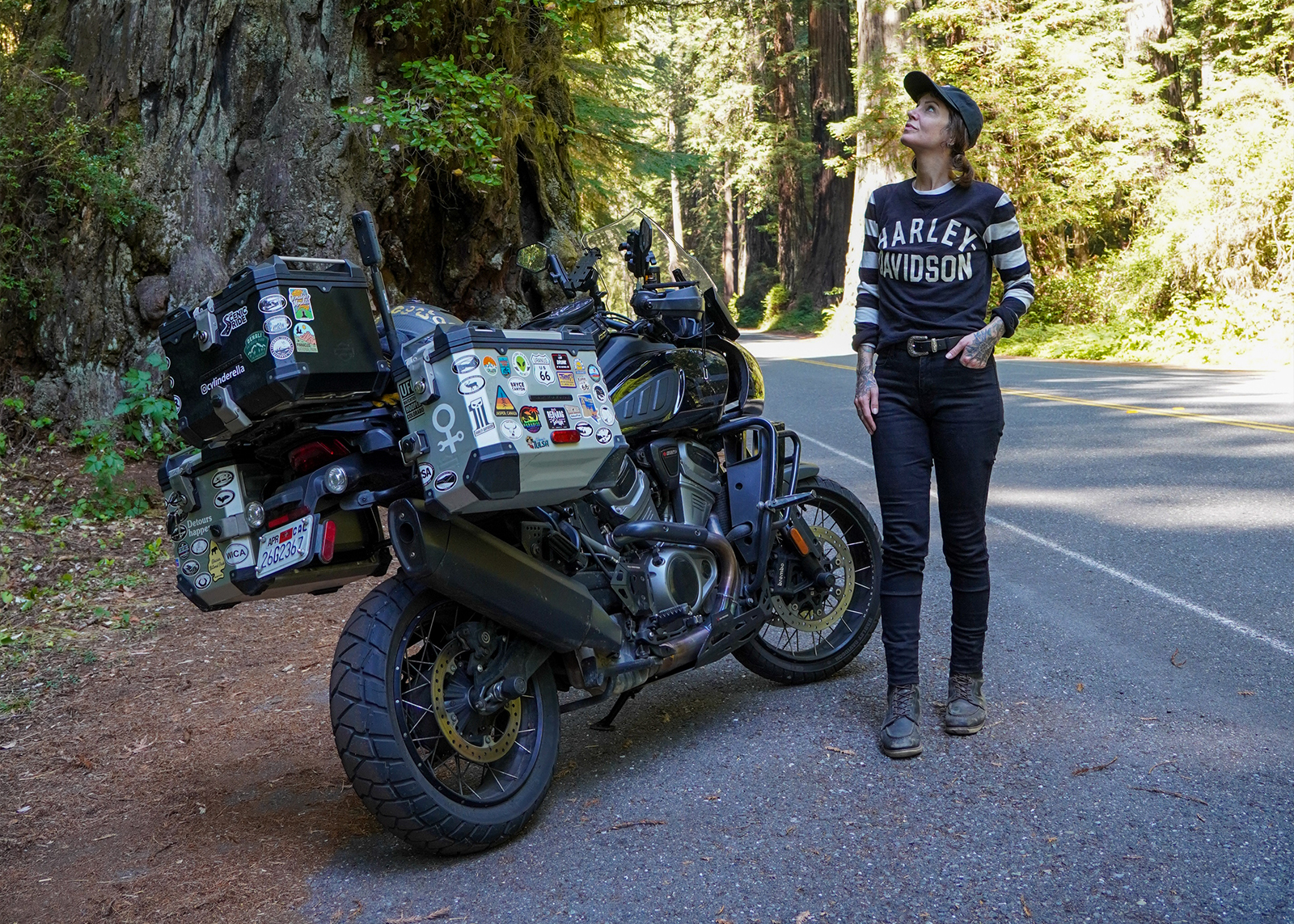
A SOLO TRIP FROM CALIFORNIA TO OREGON, VISITING FOUR NATIONAL PARKS IN FOUR DAYS
I set out on a ride that would take me from San Diego to Oregon and back—reminding myself why California and its neighbors offer some of the best riding on earth.

THE FINAL 48 — CROSSING THE COUNTRY ON TWO WHEELS
There were only a handful of the Lower 48 I hadn’t ridden in yet. That itch turned into a mission: The Final 48. One trip. One go. The last states on my map.
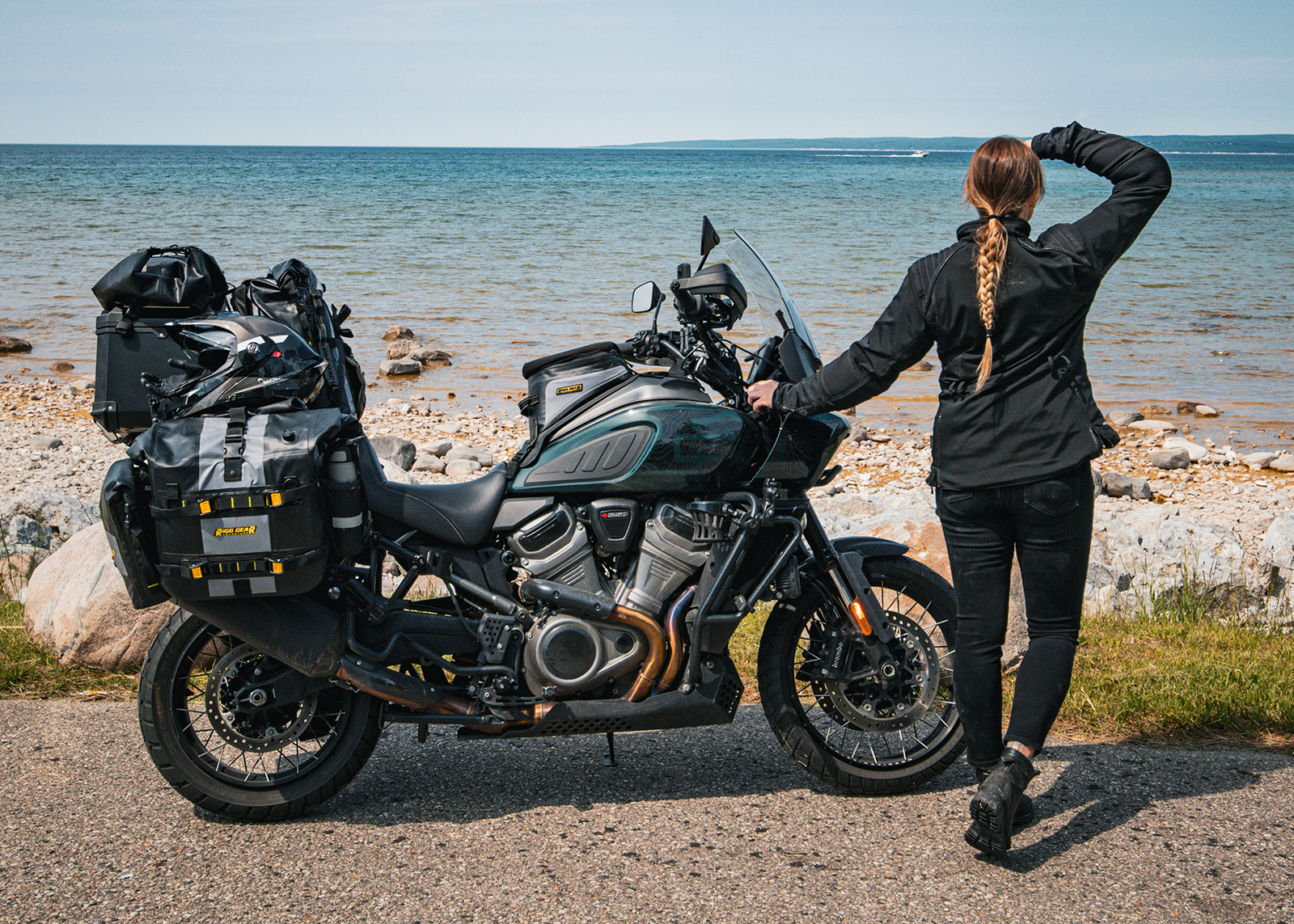
THE GREAT LAKES ESCAPE — MY SOLO RIDE AROUND THE SHORES
I packed up my bike and set out on my Great Lakes Escape — a solo ride through two countries, 5 Great Lakes, and LOADS of history.

THE ULTIMATE STURGIS ONE-DAY RIDE
If you only have one day to ride in the Black Hills, make it this one. Twisty, scenic, historic, and best of all, unforgettable.

RIDES, DIVES, AND VIBES: STURGIS EDITION 2025
All the best restaurants, rides, and places to stay, sourced for our H.O.G. members.


A WEEK TOURING YELLOWSTONE
Steven Richards explores the awe-inspiring natural wonders and wildlife of Yellowstone National Park.