HOW-TO GUIDES
Pre-Ride Motorcycle Inspection Checks: TCLOCS
Before you rev up your engine and hit the open road, conducting a pre-ride motorcycle inspection is crucial. This essential first step helps to ensure the motorcycle's readiness to ride but also the longevity of your beloved motorcycle.
In this guide, we’ll delve into the comprehensive yet quick Tires, Controls, Lights & Electronics, Oils & Fluids, Chassis, and Stands (TCLOCS) inspection method—a checklist designed for Harley® riders to perform before every ride. By embracing this routine, you can enjoy peace of mind and a smooth ride every time you set out.
MOTORCYCLE PRE-RIDE CHECKS
Pre-ride inspections are fundamental for every motorcycle journey. They allow you to identify and address potential issues before they escalate into potentially dangerous situations on the road. Performing these checks before every ride helps to ensure that your motorcycle is not just ready but in optimal condition for the journey ahead.
A thorough inspection can also spot early signs of wear and tear, helping to prevent breakdowns and costly repairs. The beauty of the TCLOCS approach outlined here is its efficiency: it covers all critical aspects of your motorcycle in just a few minutes.
WHAT IS TCLOCS?
TCLOCS stands for Tires, Controls, Lights & Electronics, Oils & Fluids, Chassis, and Stands. This mnemonic device helps riders remember the essential areas to inspect before riding. Each component plays a vital role in the motorcycle's performance and safety. The TCLOCS method helps ensure nothing is overlooked, providing riders with a structured and comprehensive approach to pre-ride inspections.
TIRES INSPECTION
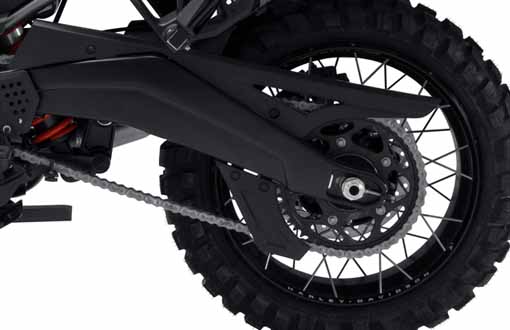
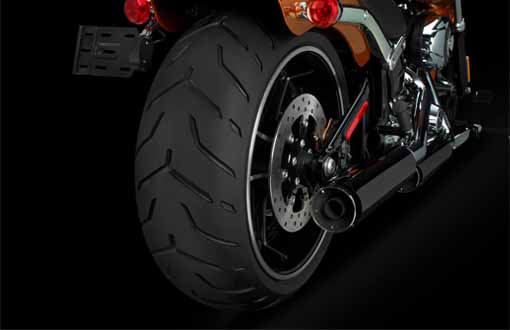
Motorcycle tires are your motorcycle's primary contact with the road, making their inspection crucial for riding. Improper air pressure levels can affect handling and increase wear and tear on your tires.
Start your inspection by using a tire gauge to check for proper pressure. Your owner’s manual will contain information on the proper pressure levels. Next, inspect the tire treads for any signs of wear, weathering, or damage, such as cuts or embedded objects, which can compromise grip and stability. Also, look for uneven seating—or any signs of uneven wear, which might indicate alignment or suspension issues.
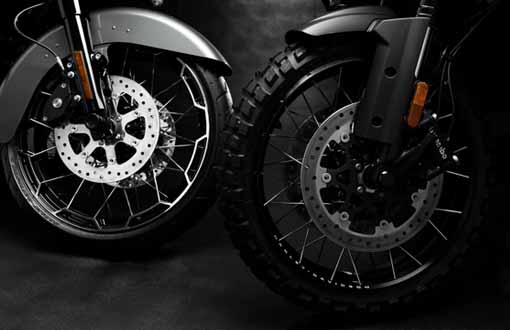
While you’re down there, you also need to check your spokes for tightness. If you have cast wheels, be sure that you check the rim for cracks and dents.
As a final check, grab hold of your wheel and give it a strong pull to check for any play in the positioning. This will give you an idea of whether your bearings are still in good shape.
Well-maintained tires and wheels provide the necessary traction and stability for riding, while neglect can lead to unintended situations like blowouts or loss of control. Kick off your pre-ride inspection with the steps above to gain peace of mind, and protect your motorcycle and yourself, on your next ride.
CONTROLS INSPECTION
Motorcycle controls are your direct link to the motorcycle's operation, making their inspection vital. Effective controls are essential for maneuvering and stopping your motorcycle. Any issues with the controls can lead to delayed or inadequate responses in critical situations.
Run through your clutch, front brake, rear brake, throttle, and shifter to make sure everything is working correctly. Controls should operate smoothly, with the proper tension, and snap back to their closed or original position when released.
In addition to the controls themselves, you should also inspect all cables for fraying, kinks or other damage, and ensure that they are properly lubricated.
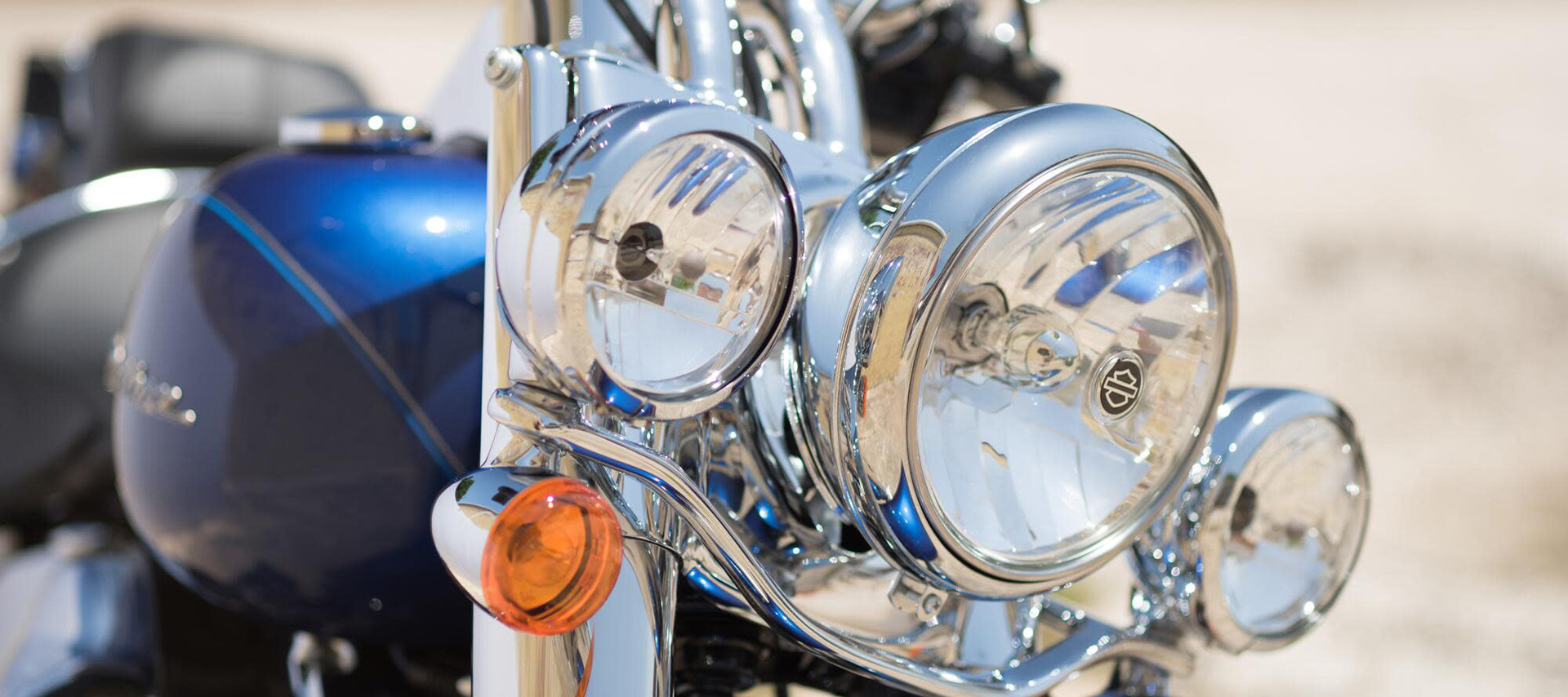
LIGHTS & ELECTRONICS INSPECTION
When preparing for a ride, checking your motorcycle's lights and electronics is as vital as fueling up.
Turn the main switch to “On” and thoroughly inspect your electronics across the motorcycle. Start with your motorcycle headlight, high and low beam, front-left and -right turn signals, and rear-left and -right turn signals, ensuring they are all functioning correctly and are free from damage. You also need to check that your brake lights and horn respond correctly. This is crucial not only for night rides but also for daytime visibility to others on the road.
Next, inspect your instrument panel for any warning lights or malfunction indicators. Turn your motorcycle on to check that your traction control and ABS system indicators are on. (You may need to ride a short distance to ensure that they stop flashing.) Regular checks of these elements can help ensure a responsive ride.
OILS & FLUIDS
The lifeblood of your motorcycle, your motorcycle’s oils and fluids demand regular attention.
You should consult your owner’s manual for a pre-ride inspection routine that may be unique to your particular motorcycle. Generally speaking, riders should check their motorcycle oil and fluid levels and look for any signs of leaks.
Making sure your motorcycle is on level ground, inspect the cooling fluid in liquid-cooled engines. Typically, this needs to be done when the motorcycle is cool. Many motorcycles’ coolant plugs have a dipstick attached; other riders may need to use their own dipstick to ensure the coolant is at the proper level. Also, ensure that brake fluid is above the minimum levels in both the front and the rear.
To inspect your oil, you typically need to start and warm your engine by idling it for a few minutes or taking a short ride at low speeds. Once the motorcycle is warmed up, turn the engine off and check your engine oil levels according to the instructions provided in your owner’s manual.
Inadequate fluid levels or dirty oils can lead to engine overheating, poor brake performance or other mechanical failures. Regular maintenance of these fluids not only helps to prolong the life of your motorcycle but also ensures an efficient ride. Learn more about motorcycle oil basics.
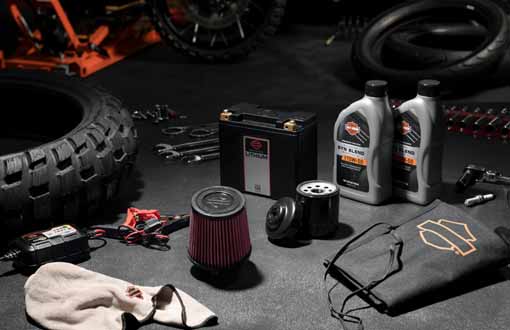
Discover a range of products designed to help you manage your motorcycle’s oils and fluids with ease.
CHASSIS
The chassis, the framework of your motorcycle, plays a pivotal role in your motorcycle's performance and safety.
Begin your inspection of the chassis with the suspension, checking for smooth operation and proper alignment. Pay close attention to the swingarm, forks and shocks for any signs of wear or damage. Next, examine the frame for any cracks or rust, particularly in weld areas. Tighten any loose bolts or fasteners, as these can impact ride quality. A well-maintained chassis ensures a stable, responsive ride and helps to reduce the risk of structural failures.
MOTORCYCLE STANDS
For this final (and fast) portion of your pre-ride motorcycle inspection, start by checking the motorcycle kickstand for any signs of bending or damage. Ensure it retracts fully and holds the motorcycle securely when deployed. A malfunctioning stand can lead to your motorcycle toppling over, resulting in damage or even potential injury. Regularly lubricate the stand's pivot points to prevent stiffness or squeaking.
Embracing the TCLOCS method for your motorcycle’s pre-ride inspection ensures that every journey on your Harley-Davidson® motorcycle is enjoyable and worry-free.
Remember, your local Harley-Davidson® dealer is always ready to assist with expert advice and top-quality maintenance services.

EXPLORE THE LATEST MOTORCYCLES, PARTS & APPAREL


Customize the motorcycle you like.