MOTORCYCLE GUIDES
Dual Sport vs Adventure Motorcycles: Which is Best for You?
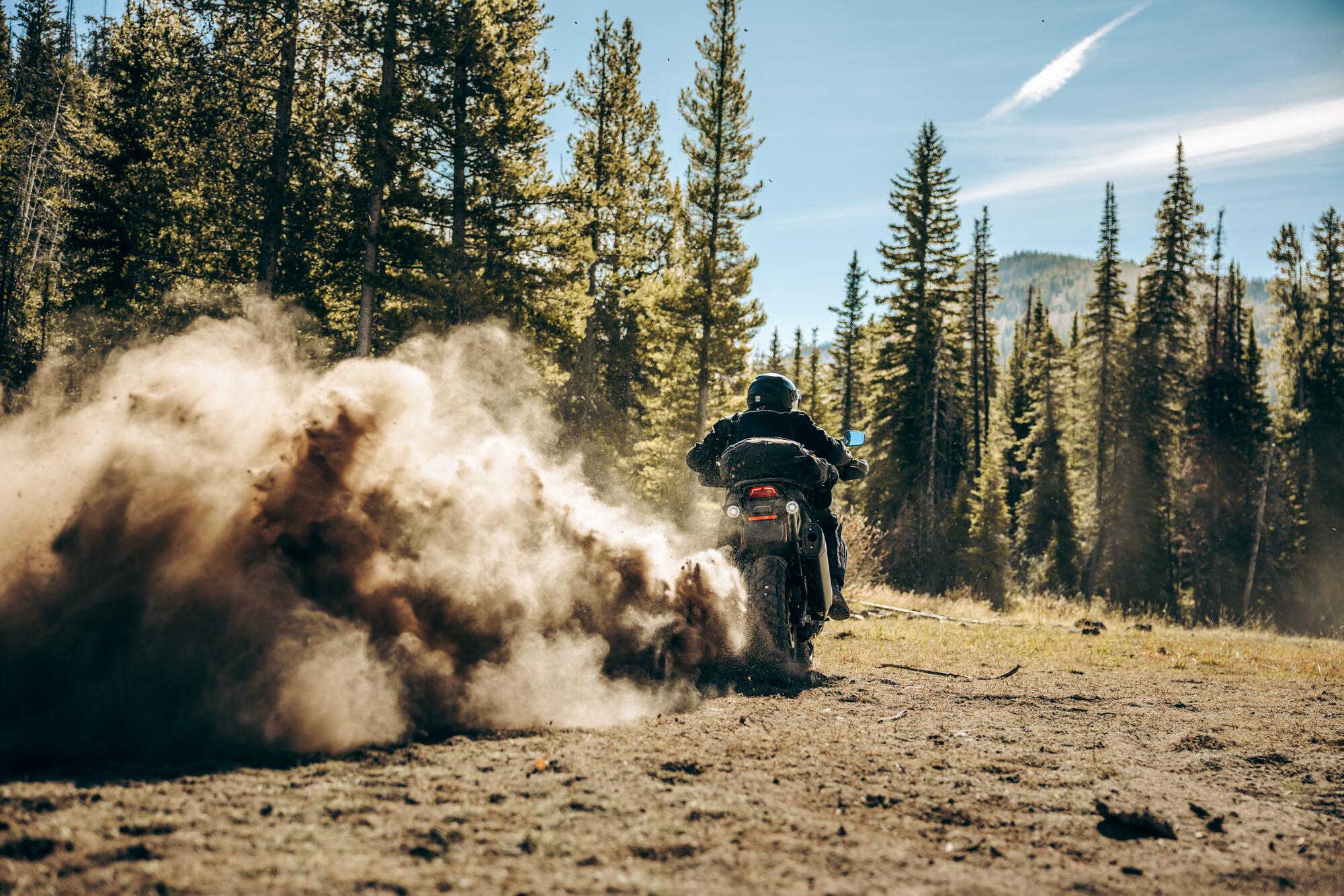
Dual sport and adventure motorcycles both offer riders the option of traveling on paved or unpaved surfaces. This opens endless opportunities for exploration to places that would be difficult to reach on a standard street motorcycle. When comparing dual sport vs. adventure motorcycles, each offers advantages and disadvantages, and each is designed for a different mission and a specific rider. Let’s consider the pros and cons of each of these motorcycle types to help you determine whether a dual sport or adventure motorcycle is best for your riding style and preferences.
Off-road riding is regulated in some areas. Check state and local laws before riding to ensure your motorcycle meets applicable regulations.
DUAL SPORT VS ADVENTURE MOTORCYCLE: SIMILARITIES & DIFFERENCES
Distilled to basics, a dual sport motorcycle is a street-legal dirt bike, while an adventure touring motorcycle is a street motorcycle modified for riding off pavement. Let’s compare the design and features of dual sport vs adventure motorcycles to determine how these motorcycles are similar and how they are different.
SIZE AND WEIGHT:
Dual Sport motorcycles typically weigh between 300 and 360 pounds and are very slim, so they can maneuver on narrow trails and are easy to recover if they tip over.
Adventure motorcycles tend to be a bit heavier – weighing anywhere from around 450 pounds to 580 pounds - and are wider and bulkier than a dual sport motorcycle. They have a larger engine, more fuel capacity and more bodywork than a Dual Sport and are designed to carry luggage. This often makes adventure touring motorcycles more comfortable and versatile, yet also less agile off road and a challenge to right when tipped over or stuck in mud.
ENGINE:
A dual sport motorcycle is typically powered by a single-cylinder engine from 250cc to 650cc. The engine is designed to be compact and lightweight.
Adventure motorcycle engines range from 650cc to 1250cc and are usually multi-cylinder – a twin-cylinder engine is most common. The added displacement and multi-cylinder design makes the adventure engine much more powerful and smoother than a Dual Sport single, and more capable of prolonged high-speed travel. Harley-Davidson® Pan America® 1250 models are powered by the 1250cc liquid-cooled Revolution® Max 1250 engine, a narrow V-Twin designed to offer flexible, engaging performance with a broad powerband that builds to a rush of high-RPM power.
TRANSMISSION:
The dual sport transmission has very low first and second gears designed for riding at low speeds on steep and rugged trails and to make it easier to lift the front wheel to ride over larger obstacles.
Adventure motorcycles have broader gearing designed for street use, with high-top gear for fast highway travel. They also are built with the ability to easily maneuver at slow speeds and challenging terrain.
WHEELS:
A dual sport motorcycle often have strong laced wheels and a 21-inch diameter front wheel that rolls easier over rough terrain. This larger wheel, however, slows down steering reaction at speed on pavement.
Adventure motorcycles may have cast aluminum wheels (although stronger laced wheels are almost always an option). While some have a 21-inch diameter front wheel, like dual sport, many others have a 19-inch front wheel for better handling on pavement.
TIRES:
Both dual sport and adventure motorcycles are equipped with tires designed – and DOT approved – for use on pavement and off-road. Adventure tires will be less aggressive and tend to perform better on pavement, while dual sport tires will have a more aggressive tread that works well on loose surfaces but may provide less grip and ride quality on pavement. Tire manufacturers offer a wide range of motorcycle tires that skew the off-road/pavement advantages in both directions, so it’s possible to fit a tire to either style motorcycle that best performs in your riding situation.
FUEL CAPACITY:
With a fuel tank capacity of around 6 gallons or more, an adventure motorcycle tends to have much greater range than is offered by the 2.5-to-3-gallon fuel tank typical of a dual sport motorcycle. Dual sport range is limited to around 100 to 150 miles, compared to more than +200 miles for adventure motorcycles.
SUSPENSION AND GROUND CLEARANCE:
Dual sport motorcycles have up to 12 inches of suspension travel and up to 13 inches of ground clearance, enough to ride over the roughest trails, but this added clearance also increases seat height, which can make a Dual Sport motorcycle too tall for some riders.
Adventure motorcycles offer about 7 to 8 inches of suspension travel and about 7 inches of ground clearance, much more than a street motorcycle and enough to cover most off-road terrain. Harley-Davidson® Pan America® adventure models feature Semi-Active Front and Rear Suspension which automatically controls damping to suit the prevailing conditions and riding activity. It can also come equipped with Adaptive Ride Height (ARH) which automatically transitions the motorcycle between a low stopped position and optimal ride height when the motorcycle is in motion. This allows the rider to mount the motorcycle with ease, and to confidently put feet down to the ground at a stop, by lowering the seat height 1 to 2 inches.
RIDER COMFORT:
Adventure motorcycles typically come equipped with several rider comfort features, including a windshield or windscreen for protection at highway speeds, a wide and comfortable touring seat with room for a passenger, adjustable or electronically controlled suspension, and heated hand grips.
A Dual sport motorcycle offers very little in the way of rider comfort features. The dirt-bike style seat is hard and narrow, great for maneuverability, but not ideal for hours on the highway. Most dual sport models offer no wind protection other than hand guards.
ELECTRONIC AIDS:
On a dual sport motorcycle, anti-lock braking (ABS) is the only rider aid you are likely to find.
Most modern adventure motorcycles are equipped with a suite of electronic rider aids including multiple ride modes. For example, the Harley-Davidson® Pan America® 1250 model features five ride modes – Sport, Road, Rain, Off-Road, or Off-Road Plus – and Custom modes the rider can pre-program. This allows the rider to adjust motorcycle performance for prevailing conditions. Selectable traction control and ABS are features of most adventure motorcycles. Adventure motorcycles are also equipped with either on-board or streaming navigation.
LUGGAGE OPTIONS:
Most adventure motorcycles have a frame and suspension designed to carry quite a bit of luggage in either weather-proof hard top and side cases or rugged soft luggage, which can attach directly to the motorcycle.
Dual sport motorcycles aren’t really designed for luggage, and even those with a small rear rack have very limited capacity, usually about 6 pounds. To tour on a Dual Sport motorcycle, riders usually use throw-over soft luggage, but the rear sub-frame may need to be reinforced to support much weight.
BODYWORKS AND GUARDS:
Like a dirt bike, a dual sport motorcycle is designed to survive low-speed tip-overs with little damage – the chassis protects the narrow engine and radiator, and the minimal bodywork is flexible. They usually have a high front fender to keep trail mud from packing around the tire. This high fender, however, can create a lot of wind resistance and affect handling at highway speed.
A wider, heavier adventure motorcycle is usually fitted with strong guards to protect vital components in a tip-over event, in part because it has more bodywork that could be damaged. The front fender hugs the tire and is aerodynamic but also prone to mud packing off road.
HOW TO CHOOSE BETWEEN A DUAL SPORT VS ADVENTURE MOTORCYCLE?
Dual sport and adventure motorcycles are both great tools for exploration. How and where you’d like to explore will determine which is the best style motorcycle for you.
A dual sport motorcycle is best for riders who live close to off-road and trail-riding access and don’t intend to cover much distance at highway speeds on pavement. On narrow goat trails, single-track and rugged terrain, the dual sport motorcycle will be more capable and maneuverable. Its light weight makes it easy to recover when stuck or in the event of a tip-over.
An adventure motorcycle is the better choice for a rider who wants to cover many miles comfortably on pavement while having the option to ride on unpaved roads and moderate to intense off-road terrain. Adventure motorcycles can be equipped with substantial luggage for long tours and include the latest electronic rider aids. Size and weight make an adventure motorcycle a challenge to ride on the most technical routes, and the better choice for a more-experienced rider or the on-road rider who doesn’t want to stop when the pavement ends.
Browse Harley-Davidson® adventure touring motorcycles or see these fantastic motorcycles and schedule a test ride at your local authorized Harley-Davidson dealer.
Explore Adventure Touring Motorcycles
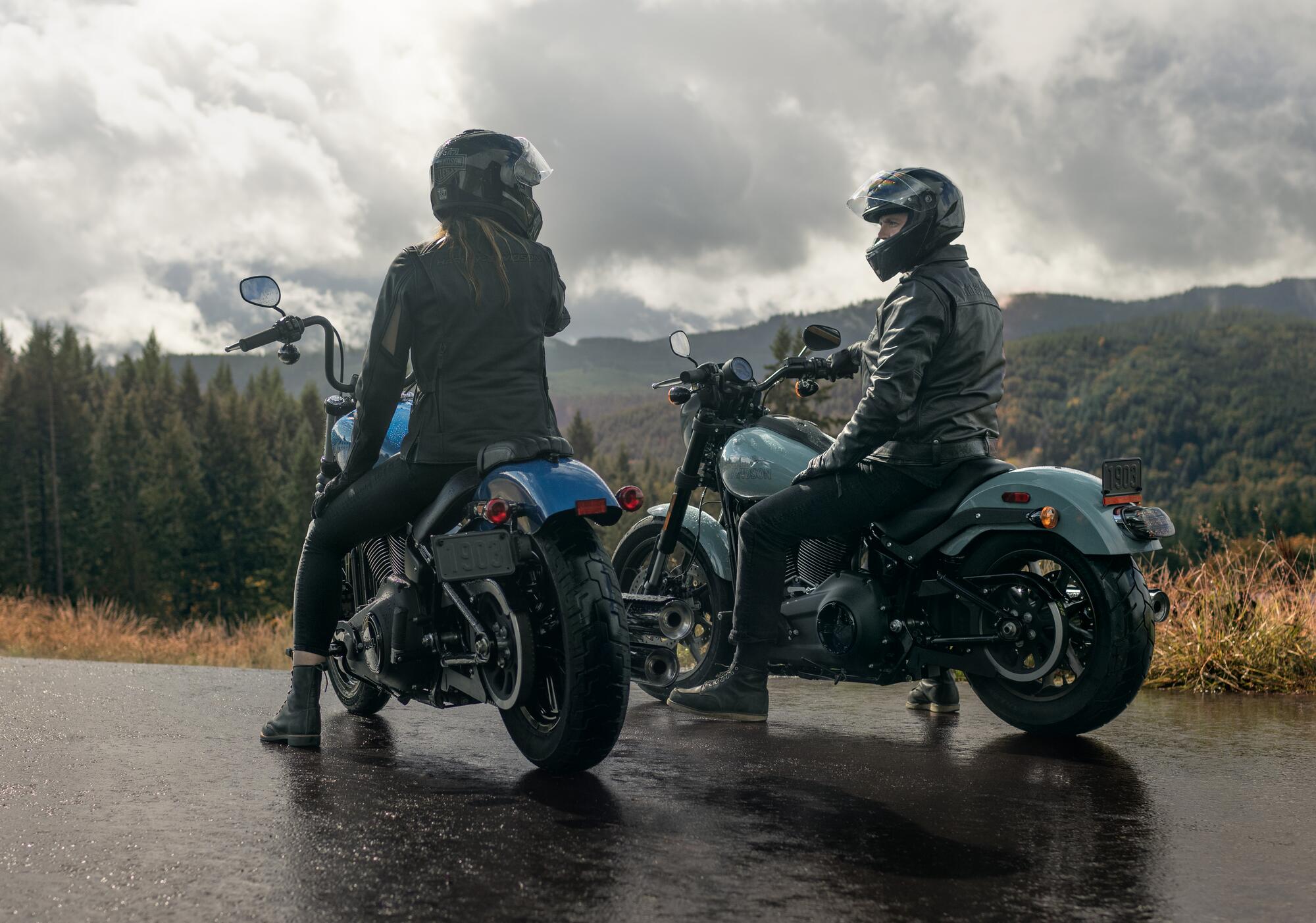
EXPLORE THE LATEST MOTORCYCLES, PARTS & APPAREL
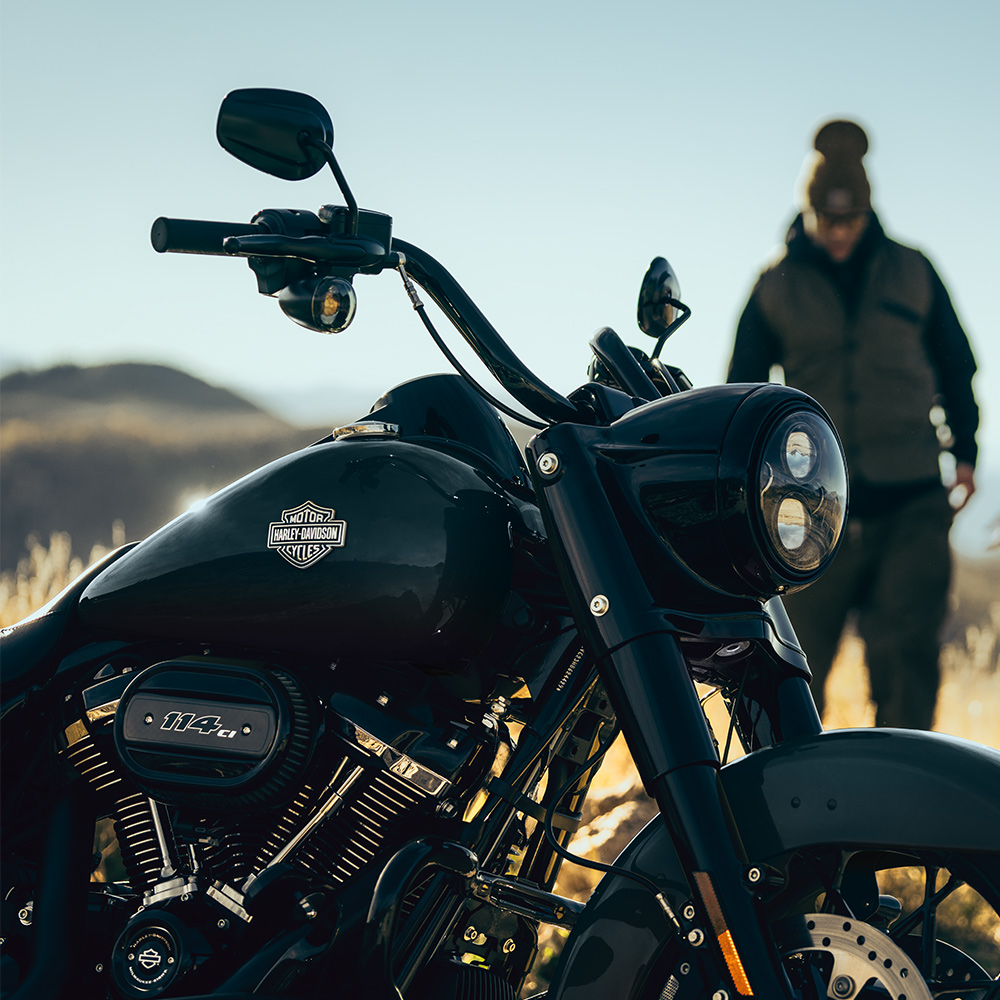
MOTORCYCLES
Embrace the spirit of the open road and get ready to ride with Harley-Davidson.
GEAR & APPAREL
Show the world who you ride with. Get all your H-D riding and casual gear here.

PARTS & ACCESSORIES
Throw it into high gear. Now is the perfect time to revamp your ride.
HARLEY-DAVIDSON® RIDING ACADEMY | Check out all the instructional opportunities offered by Harley-Davidson.