OPENING THE DOOR: AUSTIN CHANGED THE CONVERSATION
Words by H-D Staff & images by Tim Fritzsch/Apex Agency/Brian J Nelson
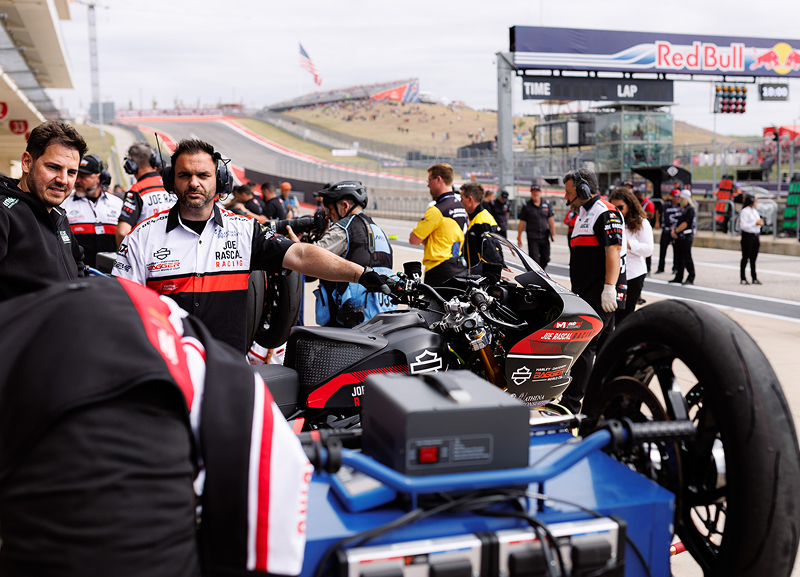
After the Bagger World Cup debut, growing interest from teams and riders confirms that once people see these bikes race, perceptions change fast.
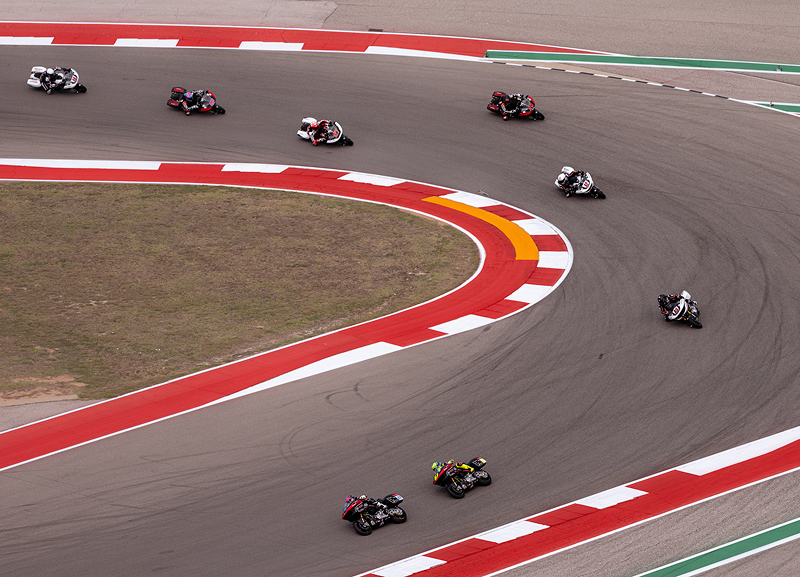
The FIM Harley-Davidson Bagger World Cup officially kicked off with its first round at the MotoGP Grand Prix of the Americas in Austin, Texas, and for many it proved to be a real eye-opener. A few weeks on, with the initial excitement settled, we sat down with Jeffrey Schuessler, Director of the Global Racing Programs for Harley-Davidson and one of the key figures behind the creation of the championship, to reflect on what we saw. If anything, the early momentum has not faded. On the contrary, it is continuing to build, with growing interest from teams, riders, and across the wider racing community.
Q: Jeffrey, what changed after Austin?
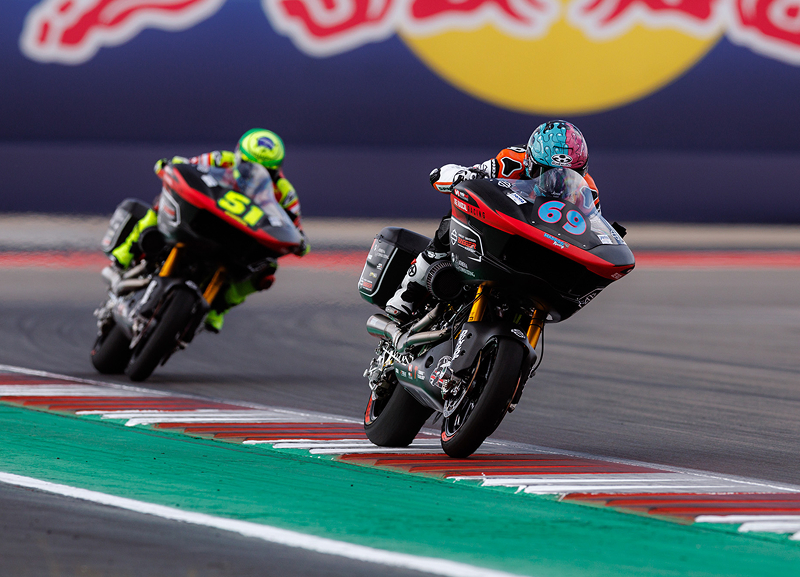
Austin changed the conversation. From the beginning, we believed that once people actually saw the Bagger World Cup on track, they would understand what this series really is. That is exactly what happened.
We have seen this before. When King of the Baggers first launched with MotoAmerica, there was a lot of skepticism. People judged it before they ever saw it. But once the bikes hit the track and the racing proved itself, everything changed. Today, it is one of the most watched and talked about classes in MotoAmerica.
We believed the Bagger World Cup would follow a similar path, just on a global stage. Partnering with MotoGP brings incredible visibility, but it also comes with scrutiny. We accepted that, because we believe in the product.
In Austin, people saw it for themselves. Real race bikes. Real competition. And once that happened, perceptions started to shift very quickly.
FROM THE BEGINNING, WE BELIEVED THAT ONCE PEOPLE ACTUALLY SAW THE BAGGER WORLD CUP ON THE TRACK, THEY WOULD UNDERSTAND WHAT THIS SERIES REALLY IS. THAT IS EXACTLY WHAT HAPPENED.
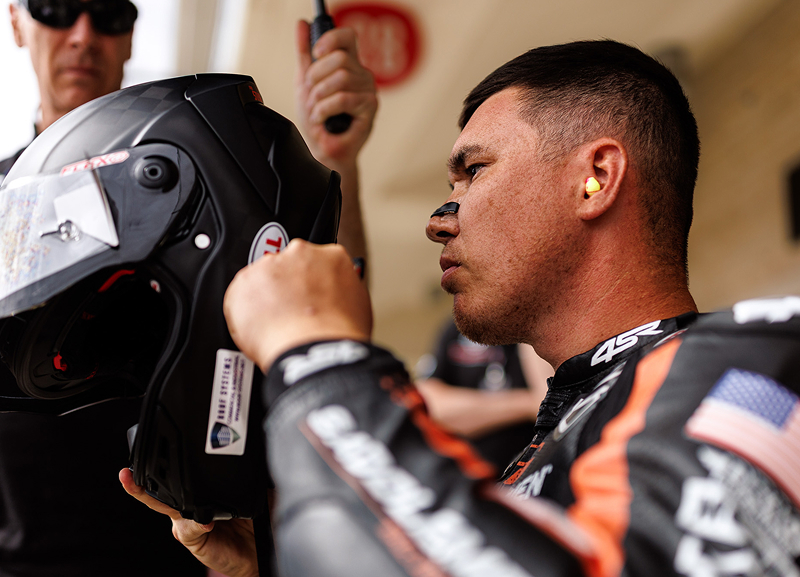
Q: Was the response broader than just fans in the grandstands?
Yes, much broader. That was one of the most encouraging aspects. What stood out was how consistent the reaction was across completely different audiences.
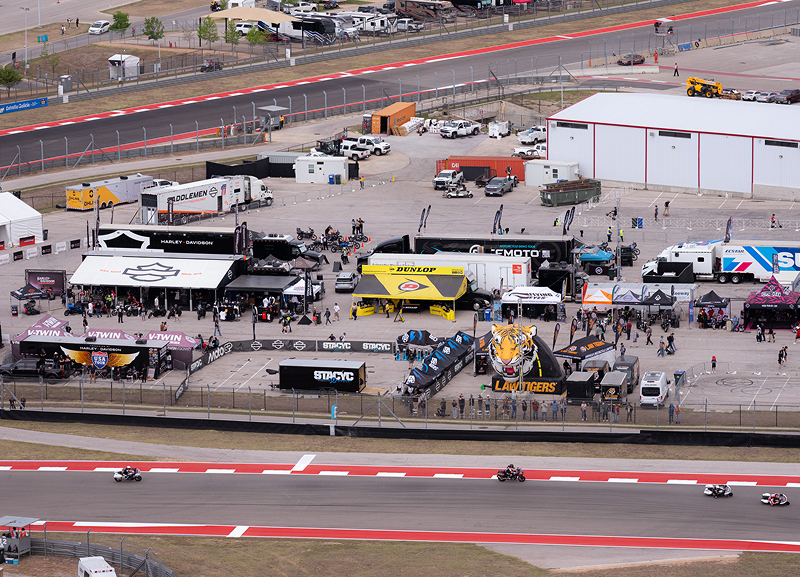
The MotoGP paddock, including engineers, technicians, and team personnel, engaged with it seriously. At the same time, Harley-Davidson riders, dealers, H.O.G. members, and even our internal leadership all leaned in. That does not happen often. It showed us that this series can connect across very different worlds at once, from hardcore racing audiences to the Harley-Davidson community.
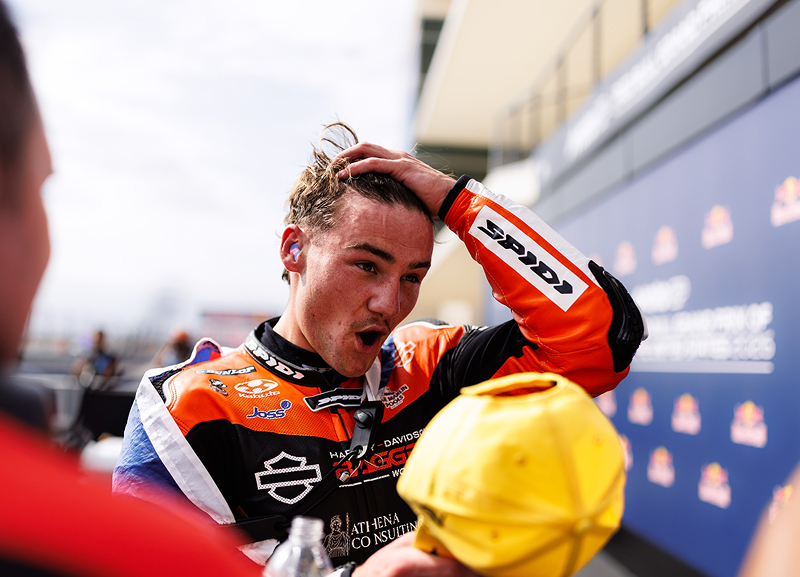
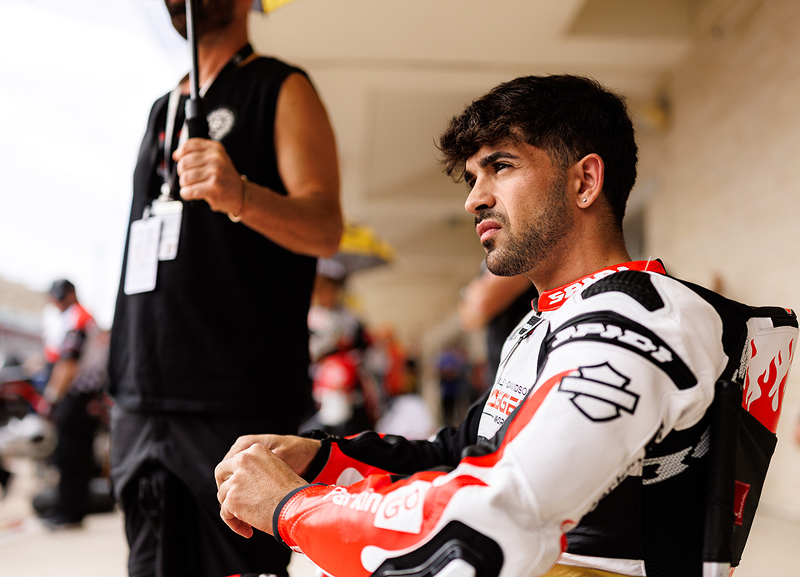
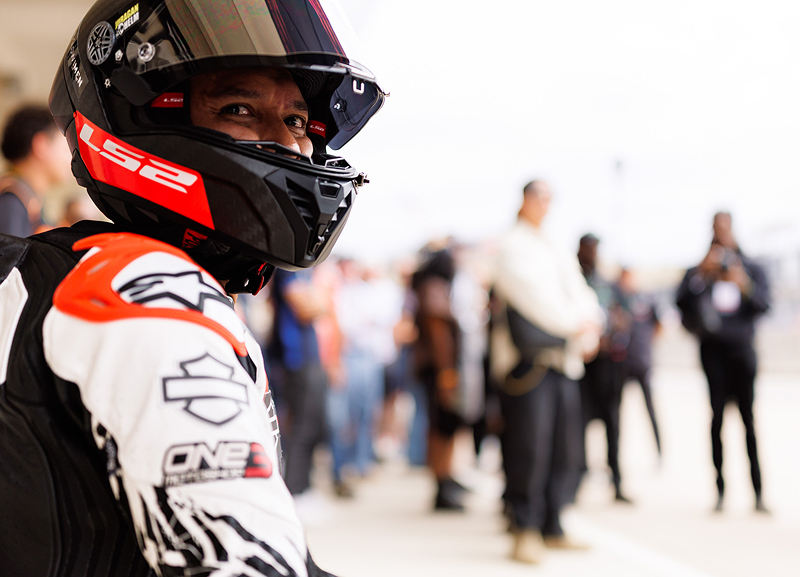
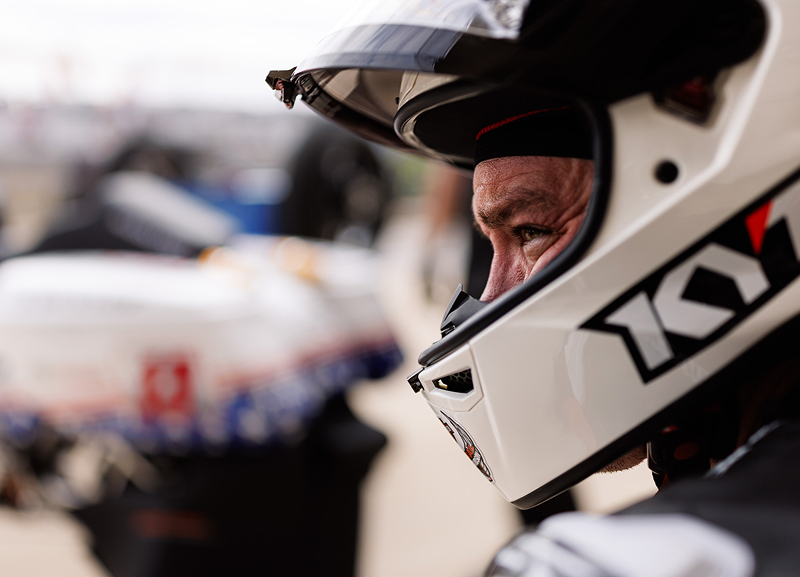
A big part of that is how we have built the experience. This is a riders first championship. We are putting the riders, their personalities, and their stories at the center. In Austin, that came through clearly. Fans were not just watching the bikes, they were connecting with the competition and the people behind it.
For many, it was the first time they truly understood what these machines are. These are not modified street bikes, they are purpose built race bikes. Once people saw the speed and the level of competition, the shift in perception was immediate.
That is exactly what we believed would happen. Austin confirmed it.
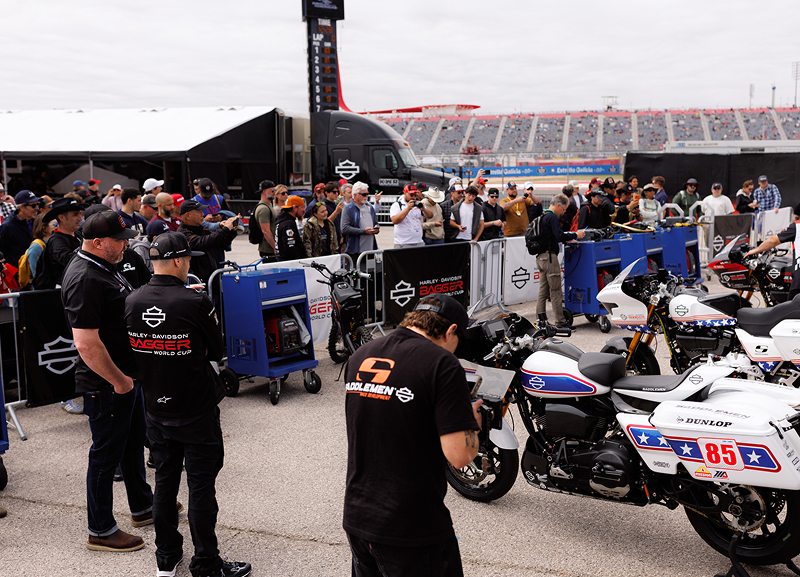
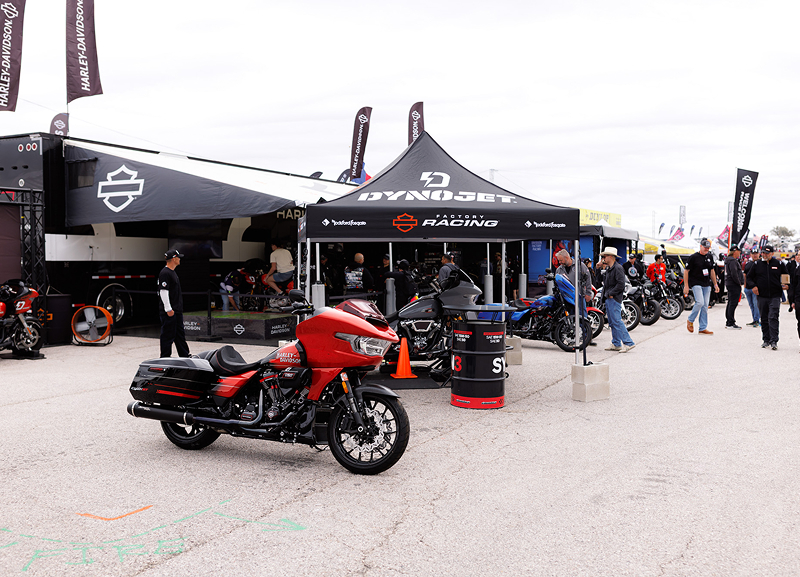
Q: From a sporting and technical point of view, how satisfied were you with the first round?
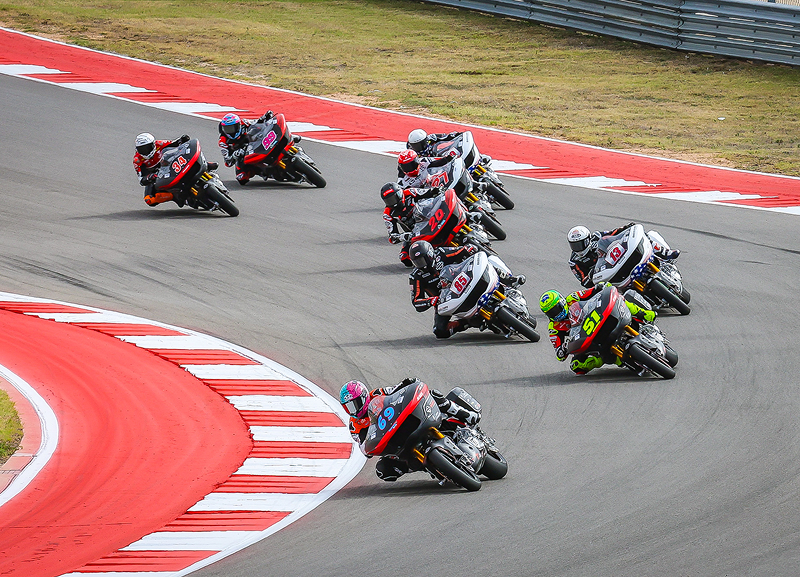
Very satisfied. We had spectacular racing and a very high level of competition, but more importantly we saw exactly what we were hoping for from a sporting standpoint.
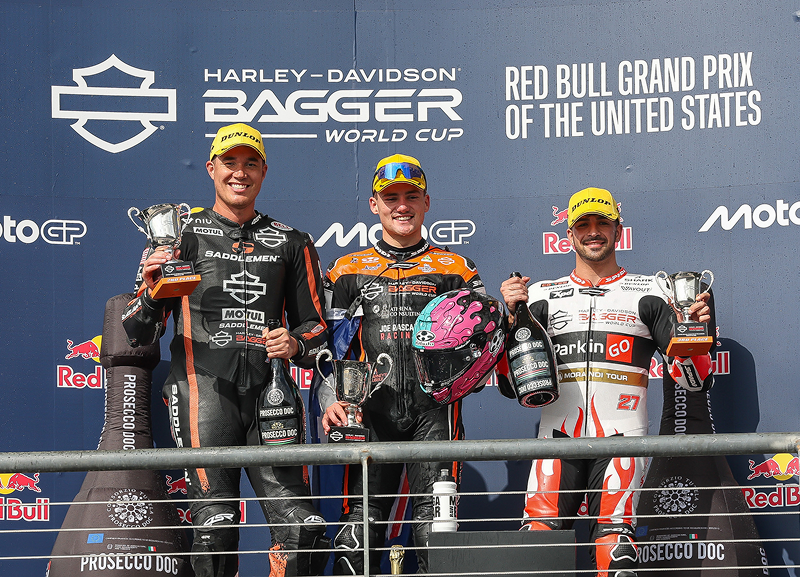
Every team on the grid achieved a podium finish over the weekend. That says everything about the competitiveness of the series, the bikes, and the level of the teams and riders.
From a technical perspective, the motorcycles performed exactly as intended. In a spec championship, that is critical. The platform has to be equal so the racing can develop naturally.
Our goal has always been to create a series where the difference is made by team preparation, rider talent, and execution on track, not by equipment advantages. Austin delivered that. The racing was close, fair, and authentic. That is a very strong foundation to build from.
WE HAD SPECTACULAR RACING AND A VERY HIGH LEVEL OF COMPETITION, BUT MORE IMPORTANTLY WE SAW EXACTLY WHAT WE WERE HOPING FOR FROM A SPORTING STANDPOINT.
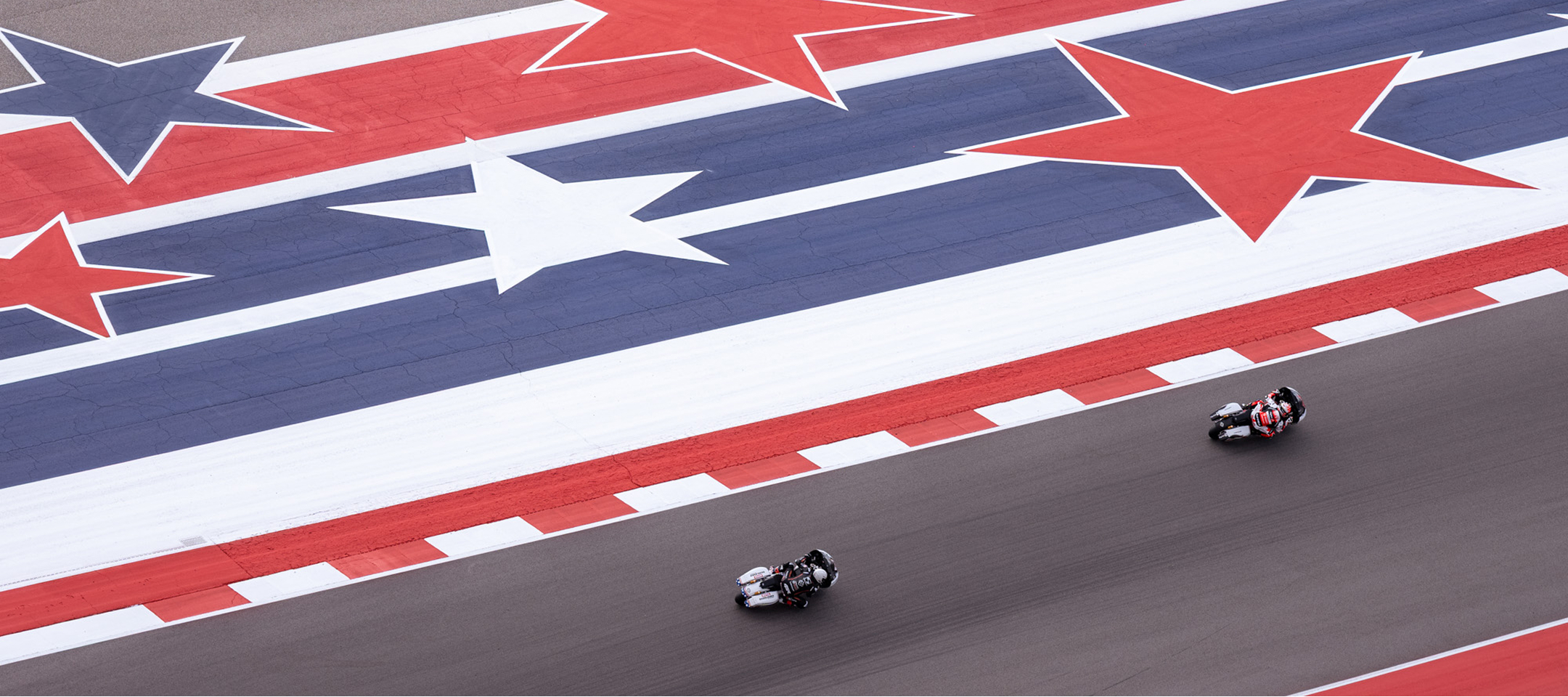
Q: And now teams are starting to come back to you?
Yes, and that is probably the clearest validation of what we saw in Austin.
Over the winter, we had a lot of conversations with teams. Most took a cautious approach, which was understandable. It is a new championship, and many wanted to see it on track before committing.
After Austin, that changed quickly.
We have already had teams come back to us asking about joining, not next season, but as early as Mugello. That tells you everything about the impact of that first round.
We are very open to that interest, but we are also being thoughtful about how we grow the grid. The priority is maintaining the level of competition we saw in Austin. Teams that can bring strong riders, especially those with recent world championship experience, are a great fit for where we want to take this.
Ultimately, that level of inbound interest this early shows that the Bagger World Cup is already being recognized as a serious and competitive platform.
Q: Do you think some of that hesitation came from confusion about costs?
Yes, that definitely played a role.
Early on, there were a lot of rumors around the cost of the championship, and quite honestly, most of them were inaccurate. From our side, we have been very transparent.
The entry is 150,000 euros per bike for the full season, but what matters is what that actually includes.
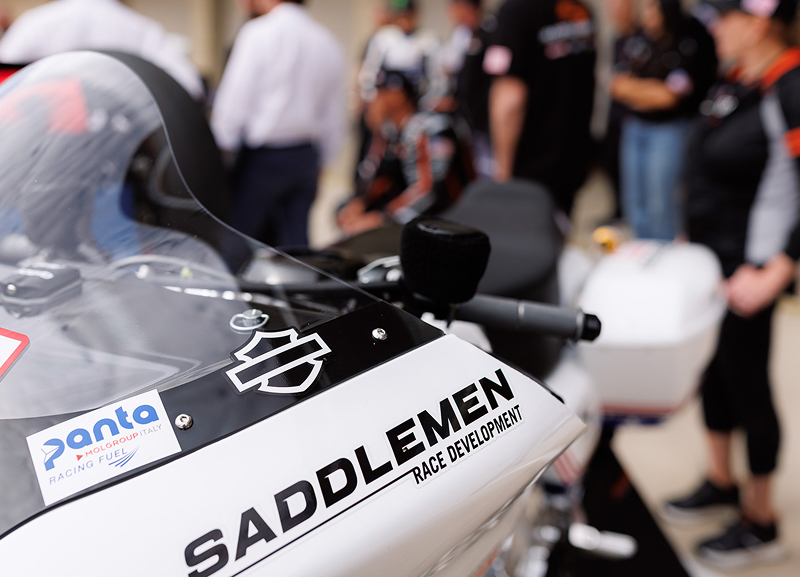
Teams receive a fully prepared, race ready Harley-Davidson Bagger, along with ongoing technical support from our engineering group. On top of that, there are spare parts allocations, fuel and oil, and full tire support through Dunlop.
Operationally, we have removed a huge amount of complexity. MotoGP handles all international freight and logistics between rounds. Teams are provided with paddock garages, infrastructure, and team access passes. A significant portion of what would normally be major cost centers and logistical challenges is already covered.
When you break it down, a large part of that entry fee is offset by costs teams simply do not have to carry themselves.
Now that teams are seeing the full picture and experiencing the level of competition and exposure, the conversation is changing. The reality of the value is starting to cut through the noise, and that is why we are seeing teams come back to us.
IF THE CURRENT LEVEL OF INTEREST CONTINUES, THIS SERIES WILL KEEP GROWING IN PROFILE AND IN CONNECTION WITH FANS. AUSTIN WAS NOT THE END OF THE STORY. IT WAS THE BEGINNING OF A PROCESS.
Q: What do you expect from here?
If the current level of interest continues, this series will keep growing in profile and in connection with fans. Austin was not the end of the story. It was the beginning of a process.
That momentum is already translating into concrete developments. One of the teams is currently in the final stages of negotiations with a high-profile rider with recent MotoGP and WorldSBK experience, a move that would bring a tenth rider onto the grid and further underline the growing appeal of the championship.
People have now seen what the Bagger World Cup really is. And once they see it, they want to be part of it.
HARLEY-DAVIDSON RACING
Racing has always been Harley-Davidson's proving ground. From the cinder tracks of the early 1900’s to today’s King of the Baggers™, Super Hooligan®, and Progressive® American Flat Track™, our bikes have carried the fight.
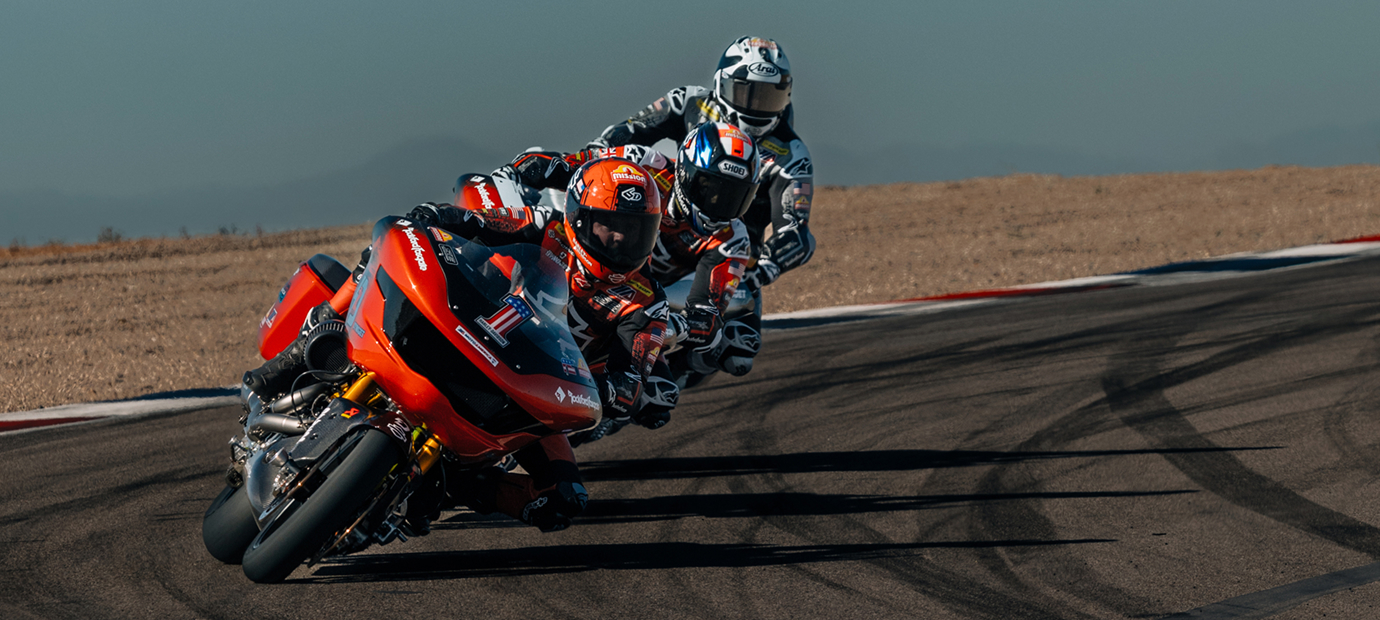
EXPLORE THE PERFORMANCE LINEUP
CVO™ Road Glide® ST
Starting at $44,999
Pan America® 1250 ST
Starting at $19,999
CVO™ Street Glide® ST
Starting at $44,999
Low Rider® ST
Starting at $23,999
Sportster® S
Starting at $15,999
SHOP PERFORMANCE PARTS & ACCESSORIES


EXPLORE MORE RACING

SIX ROUNDS THAT BUILT YEAR ONE
From historic firsts and hometown heroes to title-deciding drama, relive the defining moments that shaped the inaugural FIM Harley-Davidson Bagger World Cup season.

THE LATUS AND GREATEST: KODY KOPP AIMS TO CLAIM HIS DESTINY
Fresh off a record-setting rookie season, Harley-Davidson’s Kody Kopp is chasing a championship that could cement the Kopp family name in flat track history.
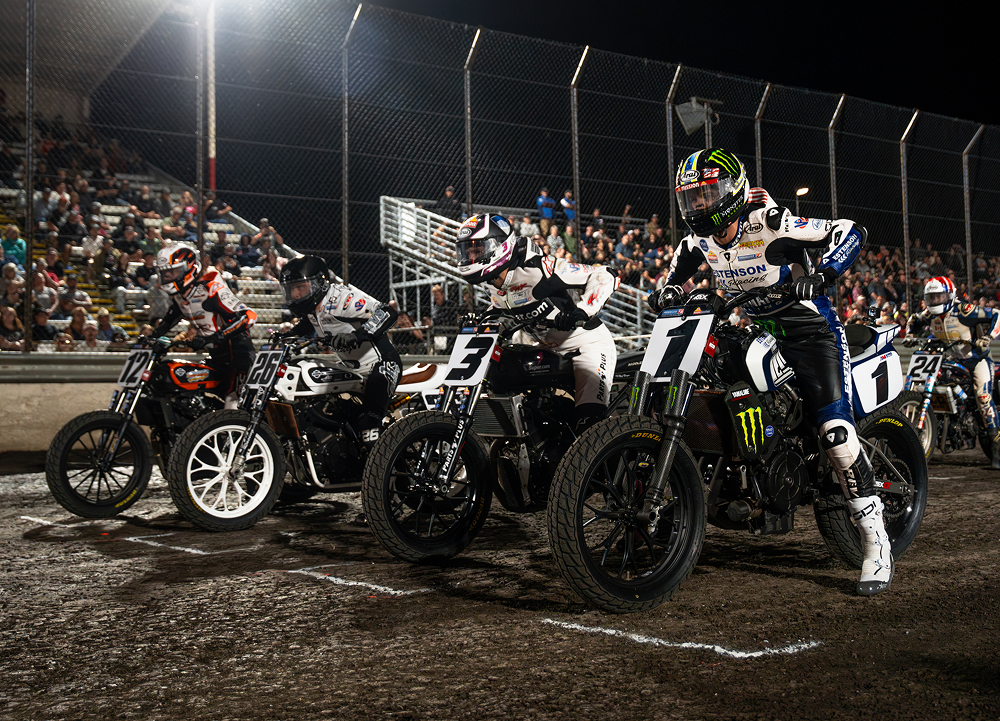
THE RACE TO 700
As Harley-Davidson closes in on its historic 700th premier-class Grand National Championship win, take a look back at the legendary race bikes that built one of the most dominant records in American Flat Track history.
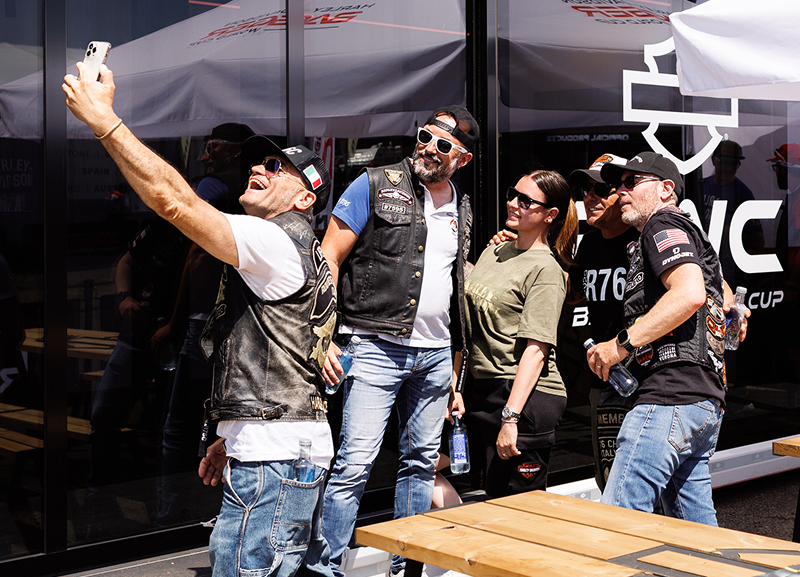
RACING WAS ALWAYS MEANT TO BE SHARED
More than a championship, the FIM Harley-Davidson Bagger World Cup is building a global community united by racing and riding.
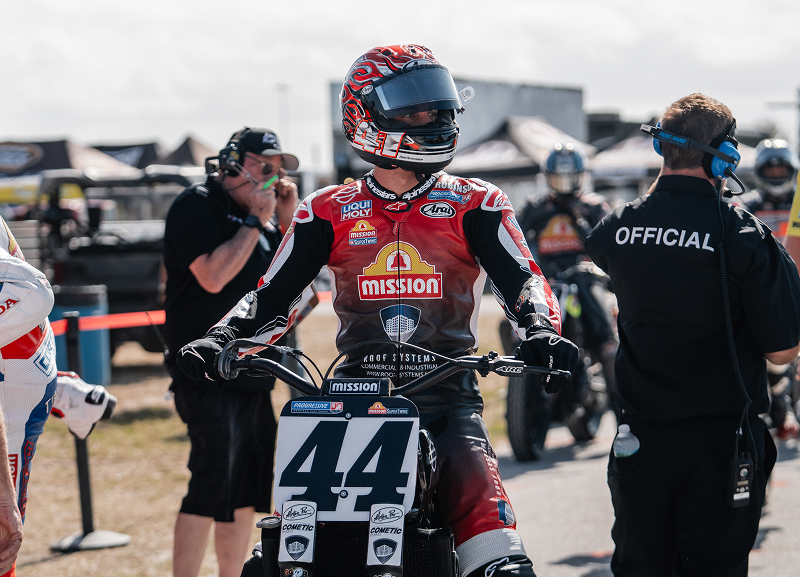
ROBINSON ON THE REBOUND
After a season-ending crash, Harley-Davidson racer Brandon Robinson discusses his recovery, the XG750R’s success, and what comes next.
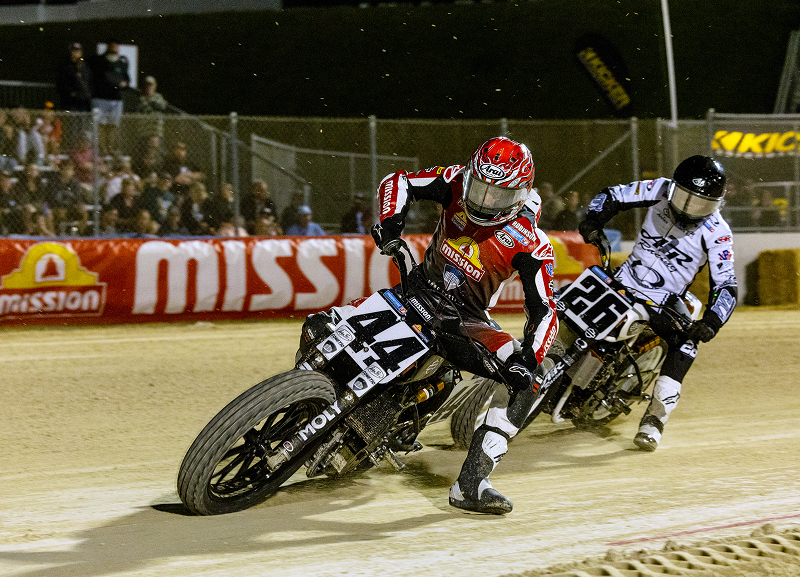
AN ALL-NEW WRECKING CREW
Harley-Davidson’s American Flat Track Racing legacy charges into a new era as the XG750R begins rewriting the history books.
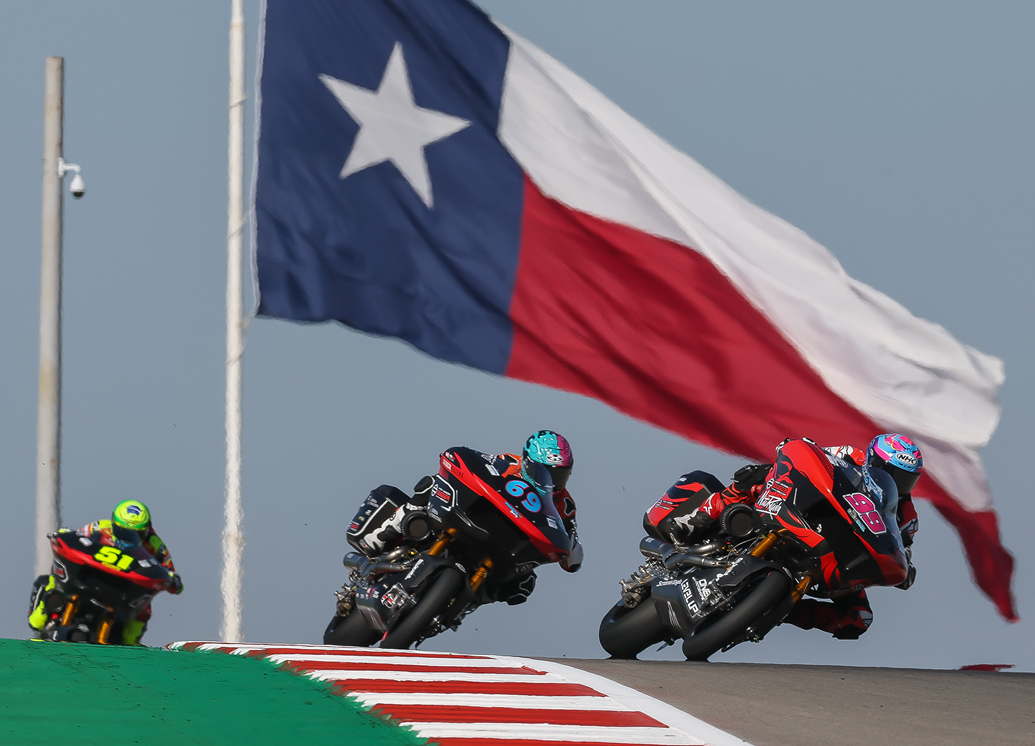
BAGGER WORLD CUP: EXPECT THE UNEXCPECTED
The first round of the FIM Harley‑Davidson Bagger World Cup in Austin was more than a debut—it was a statement on motorsport’s biggest stage.
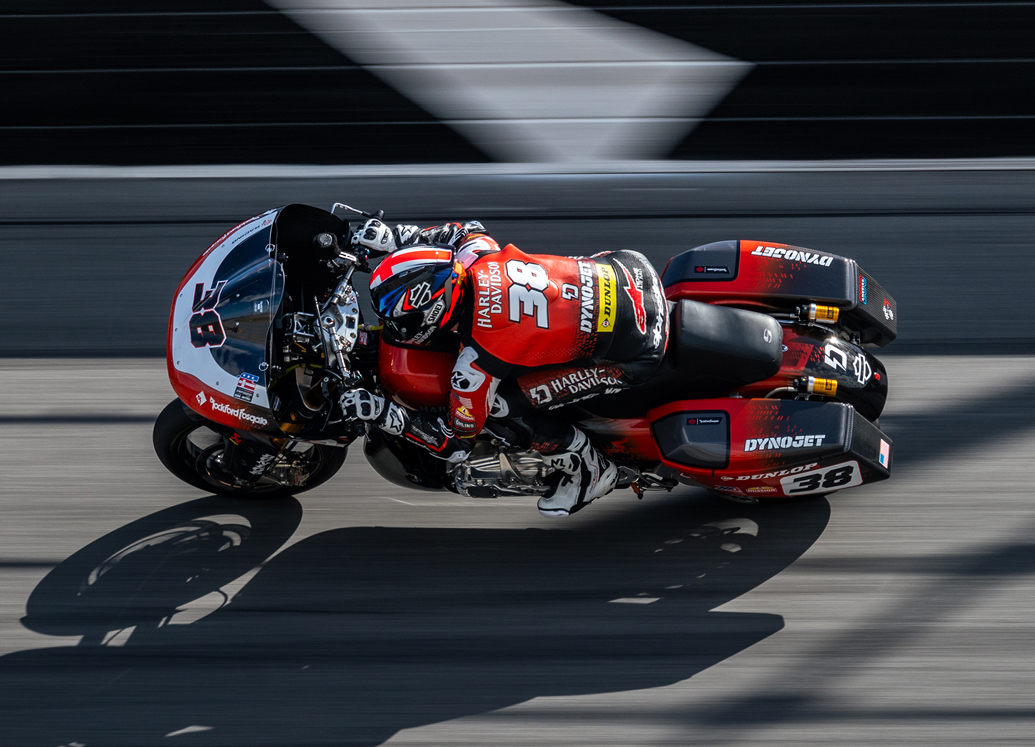
BACK ON THE BANKS: KING OF THE BAGGERS AND SUPER HOOLIGANS SEASON OPENER AT DAYTONA
Harley‑Davidson Racing electrified Daytona with fierce battles and dominant podium sweeps that set the stage for an adrenaline‑packed season.
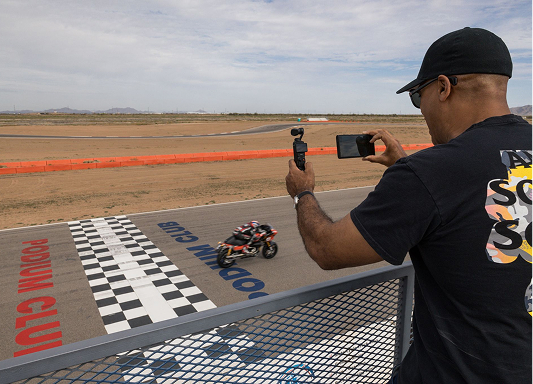
KING OF THE BAGGERS: DESERT THUNDER AT PODIUM CLUB
A surprise day at a remote Arizona track delivered an up-close look at Harley-Davidson’s King of the Baggers race motorcycles, the tech behind them, and the riders pushing them to the edge.
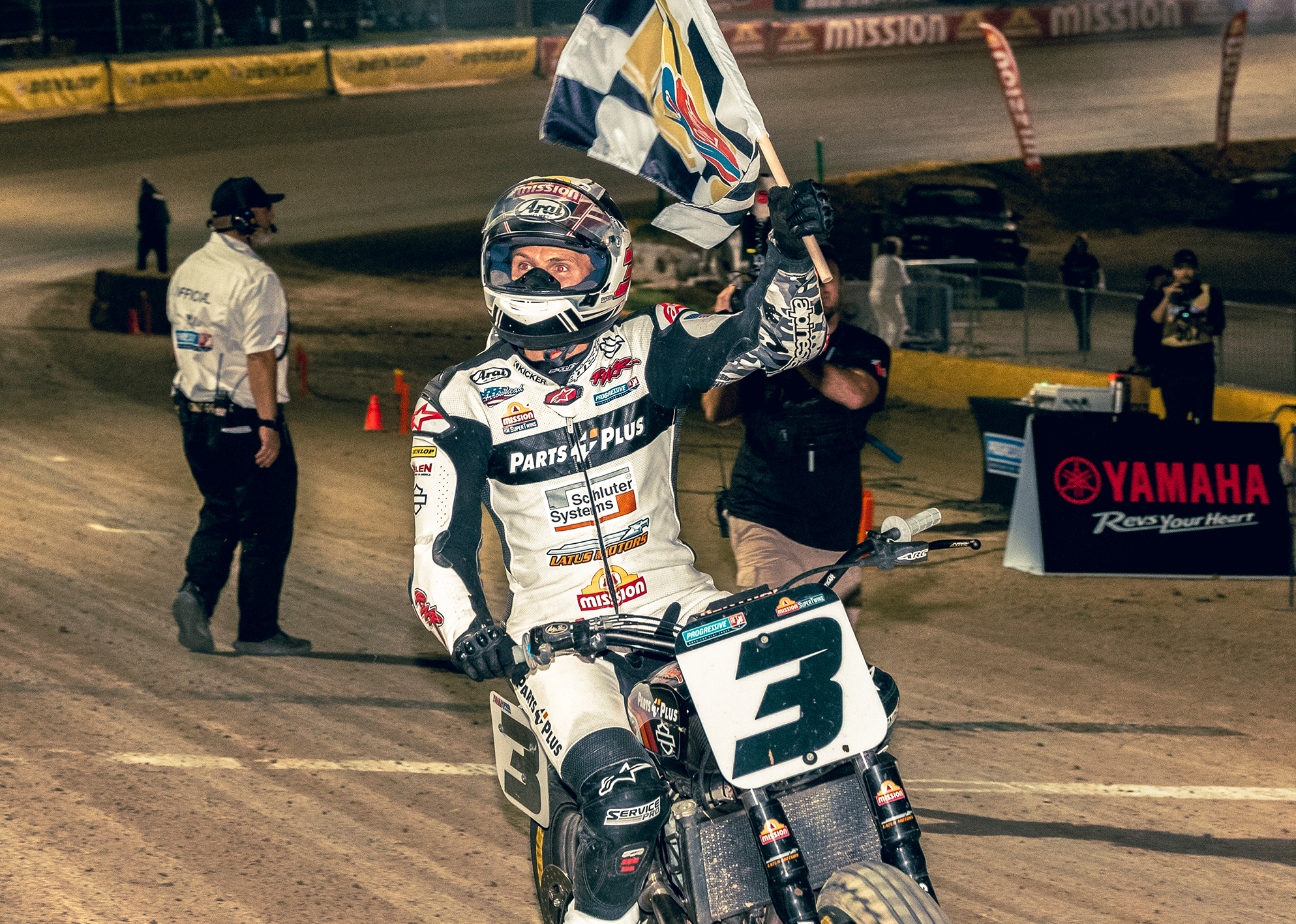
BRIAR BAUMAN – FATHER – FIGHTER – CHAMPION
He balances the raw spirit and energy of an old school racer with the athleticism and acute intelligence of the modern competitor. It’s a sight to see, and when he’s on, it’s on.

THE CREW BEHIND THE KINGS: INSIDE HARLEY-DAVIDSON FACTORY RACING
This Q&A highlights the dedicated crew behind Harley-Davidson Factory Racing, revealing the people, work, and nonstop commitment that fuel every victory.
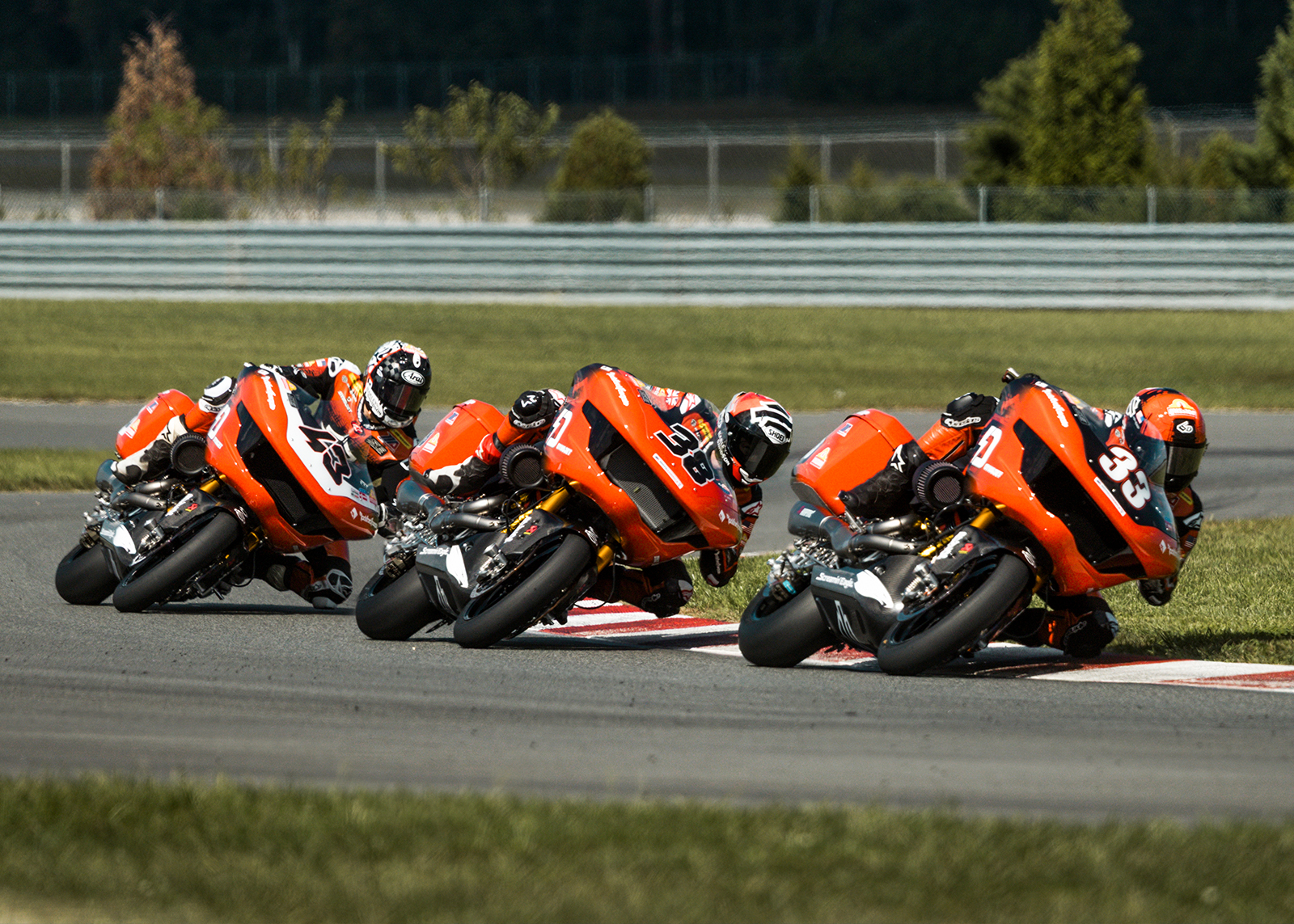
HARLEY-DAVIDSON FACTORY RACING CLOSES OUT A MONSTER 2025
Wyman crowned King, Rispoli the Hooligan champ, two Manufacturer titles stacked on top. Harley’s 2025 season of dominance is complete.
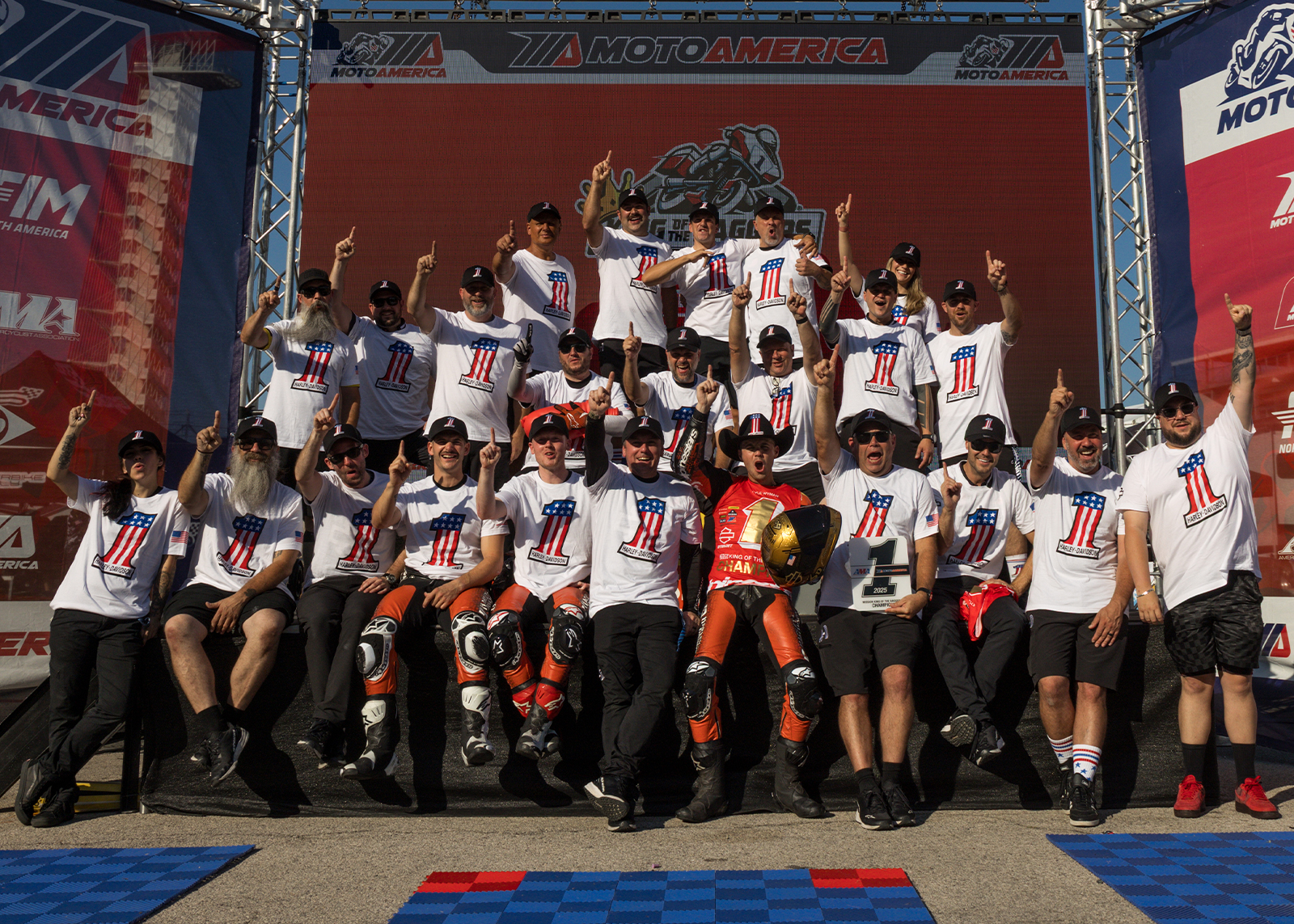
KYLE WYMAN LOCKS DOWN 2025 KING OF THE BAGGERS TITLE
The H-D Factory Racing performance throughout the season was dominant, resulting in securing the championship well before the end of the season.

RISPOLI STUNS, TAKES SUPER HOOLIGAN CROWN ON H-D PAN AMERICA ST
Solid performances throughout the weekend translated into the points required to leapfrog both rivals in the final tally, securing his first Mission Super Hooligan National Championship.

HARLEY-DAVIDSON BAGGER RACING GOES GLOBAL IN 2026
Welcome to Harley-Davidson BaggerGP.


HARD RACING, HEAVY WEATHER, AND HIGH STAKES AT ROAD ATLANTA
Relive the weekend’s top moments from the race track with H-D Staff Photographer Josh Kurpius’ photos from the track and in the paddock.


KYLE WYMAN XR750 AT ELKHORN
Kyle Wyman takes his old XR750 out of hibernation and onto the track.


