KING OF THE BAGGERS: DESERT THUNDER AT PODIUM CLUB
Words by 650ib & images by Josh Kurpius
I didn’t know what to expect when my friends from Harley-Davidson® x DynoJet® Factory Racing invited me to a private track event in Arizona. Details were scarce, but I was more than happy to trade frigid – 4°F temperatures in (filthy) Cleveland for some warm desert sun. All I was told was, “There might be an opportunity for you to talk with some of our racers from the King of the Baggers™ series.”
That was more than enough. Bags packed, flights, hotel, and rental car booked — I was on my way.
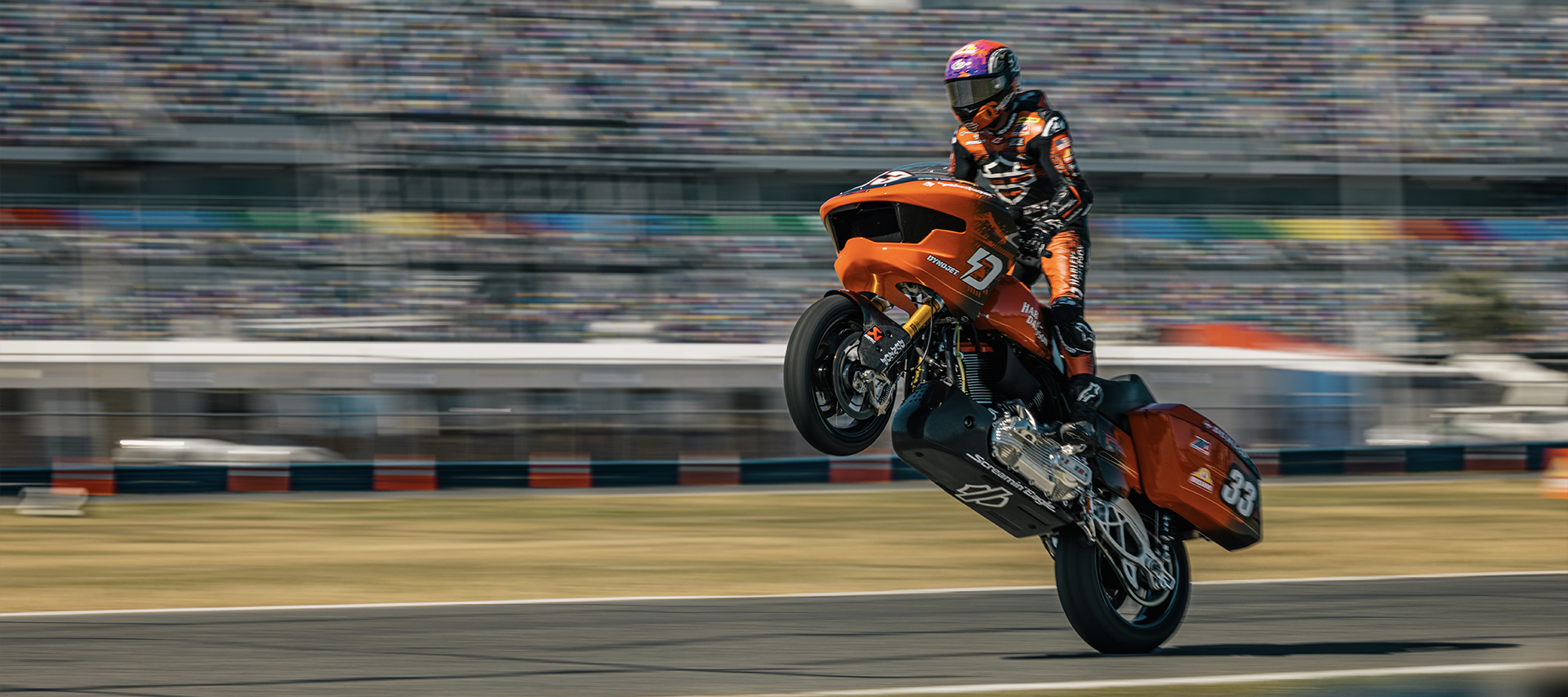
I’ve been to race tracks all over the country and abroad, but Podium Club Raceway is one of the most remote locations I can remember. The moment I stepped out of my rental car, I was greeted by the sound of Harley-Davidson bagger race bikes ripping around the circuit. Absolute music to my ears. Maybe it was the lack of hundreds of spectators, or maybe it was the desert air, but I don’t remember those Harley race bikes sounding this good during the MotoAmerica® rounds I attended last year. Out here, being pushed to their limits, they sounded incredible.
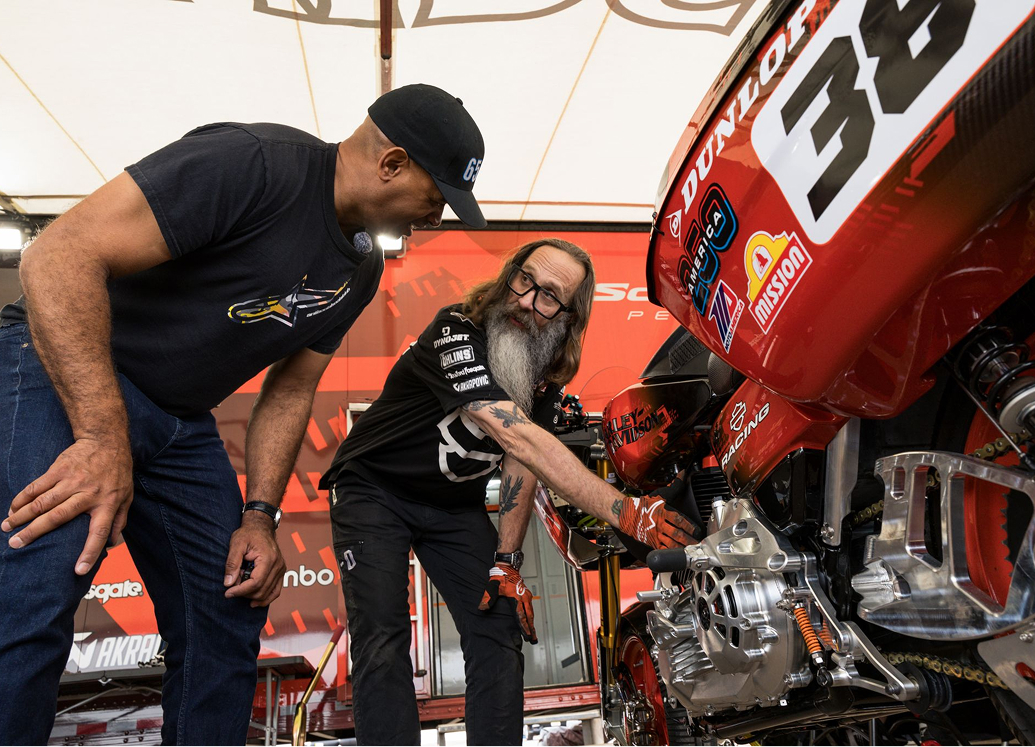
I WAS GREETED BY THE SOUND OF HARLEY-DAVIDSON BAGGER RACE BIKES RIPPING AROUND THE CIRCUIT. ABSOLUTE MUSIC TO MY EARS. OUT HERE, BEING PUSHED TO THEIR LIMITS, THEY SOUNDED INCREDIBLE.
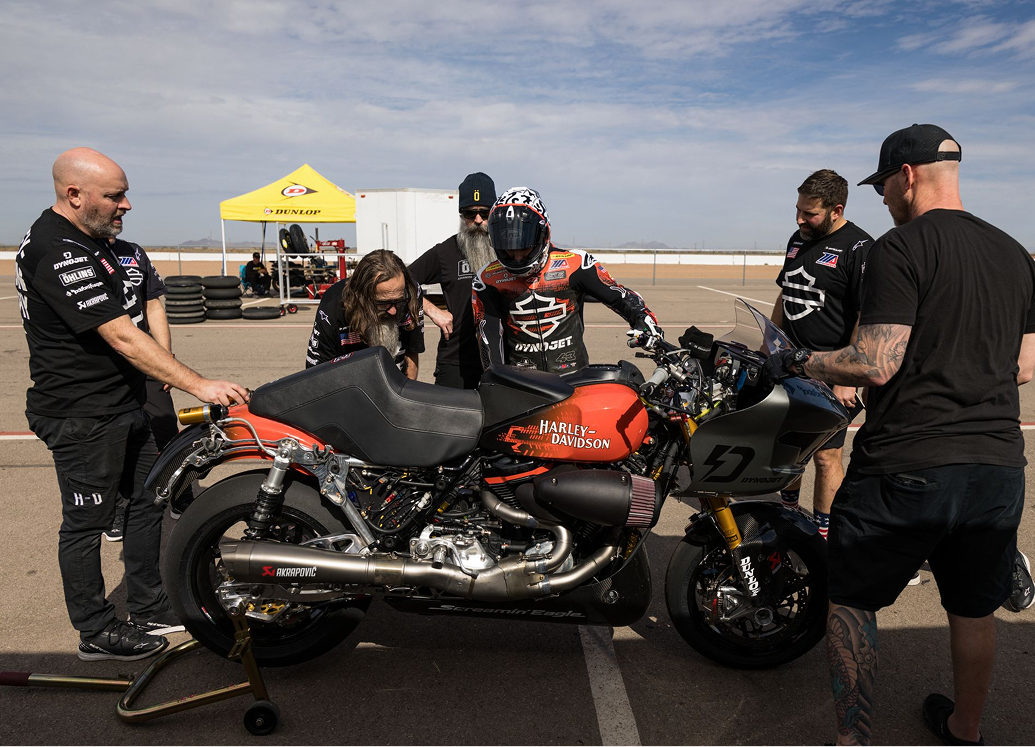
Having spent a lot of time around professional motorcycle racing, I know the etiquette: don’t crowd the riders. Let them approach you when they’re ready. My immediate mission was simple — get close to the bikes and geek out over the technology and high-quality parts adorning them. One thing immediately caught my eye: a race bike fitted with what looked like rain tires. With no rain anywhere in the Arizona forecast, I asked one of the master mechanics, Jason Motal, about it. He explained that the bike was a spare/swap machine, and the orange wheels with rain tires were a visual cue that it wasn’t track-ready. Simple, smart, and effective. Despite the fast pace and high-stress environment, Jason was incredibly generous with his time. He’s been involved in King of the Baggers since before the series even officially began, and it showed. We talked about how long it can take for race-developed parts and technology to trickle down to consumer bikes — longer than you might expect — and, on the flip side, how quickly he and the team can make changes to the race bikes when needed. Watching that level of efficiency up close was impressive.
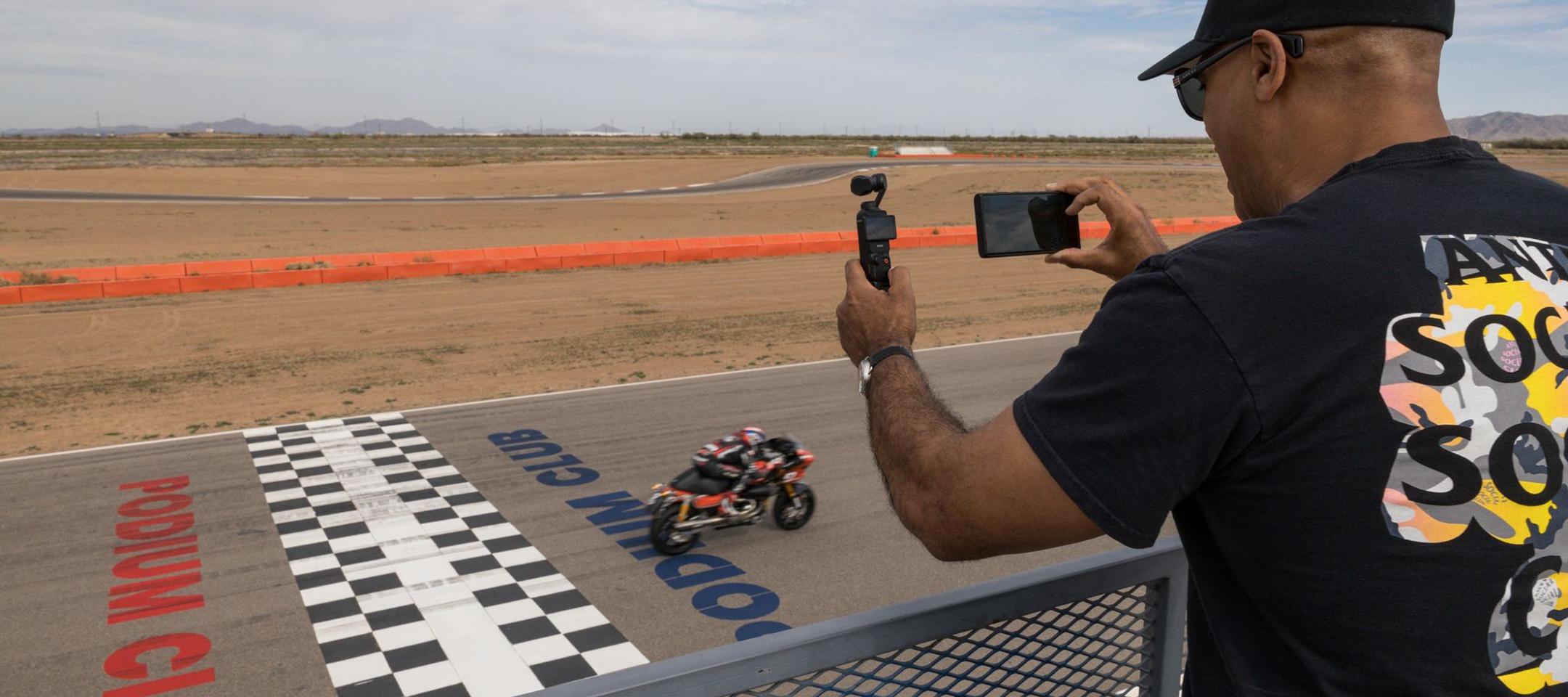
Throughout the day, the riders cycled in and out of the pits and garage. Sometimes they’d only do a couple of laps before coming back in for adjustments. Other times, they’d stay out for 20 minutes or more, putting on an incredible show in the process. Either way, it was nonstop action. I watched these racers do things on 600-plus-pound Harley baggers that honestly didn’t seem possible. I’m convinced they could lap an advanced-group track rider on a superbike — and sound better doing it. I had been pushing the event organizers for some Q&A time with the three racers, but as the sun began to set and the track lighting proved limited, I wasn’t sure it would happen. That said, I shifted gears and focused on filming and documenting the incredible parts and technology on the race bikes.
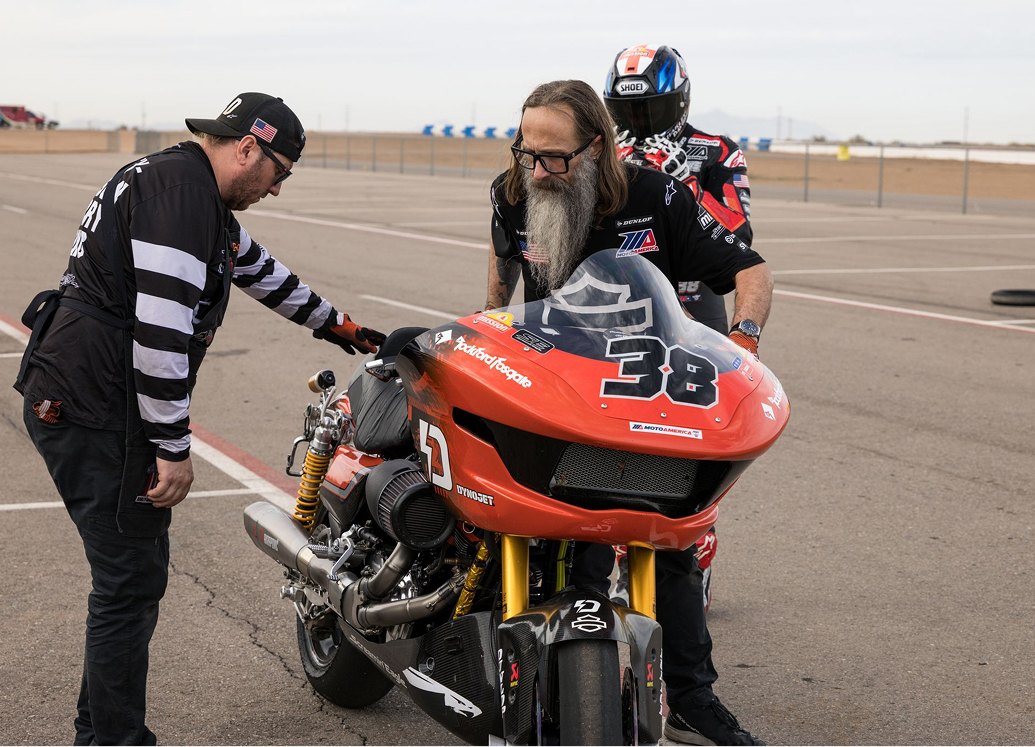
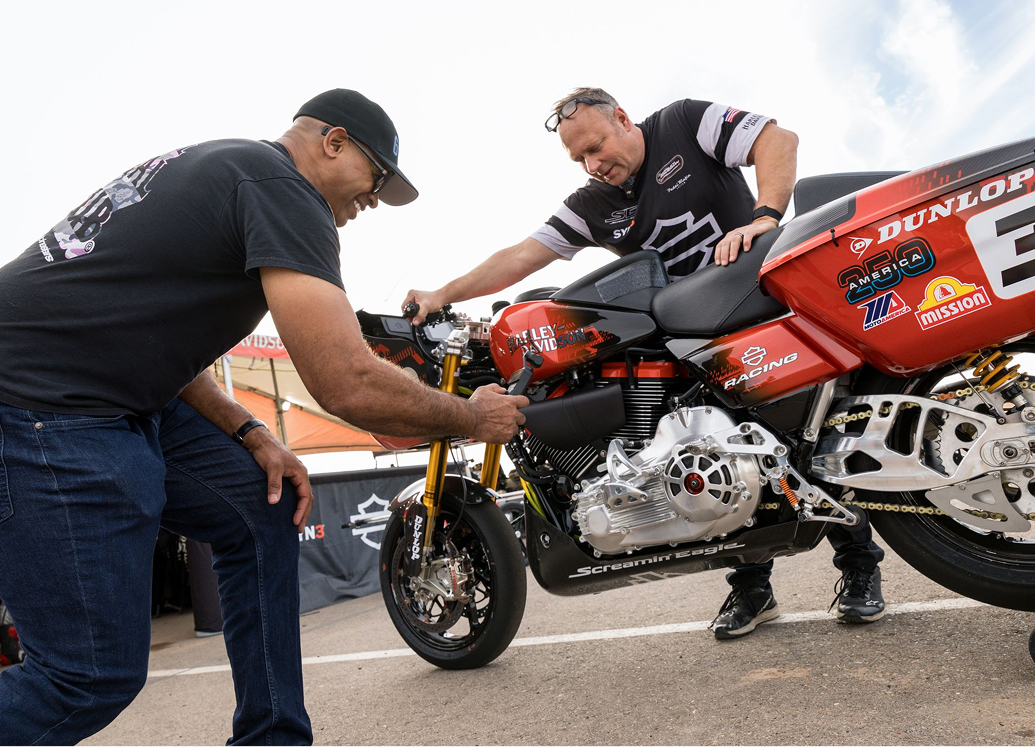
Then came the surprise. At the end of the day, I was given a few minutes with each racer. First up was James Rispoli. I asked him how riding on the track compares to riding on the street. Without hesitation, he said, “Nothing compares to riding on the track.” That said, he did mention owning a Harley-Davidson Road Glide and how much he enjoys riding it on the street. I later followed him on Instagram and saw the custom paintwork on his bike — it looks absolutely incredible. After a long day of riding, he was enthusiastic, approachable, and genuinely happy to speak with me.
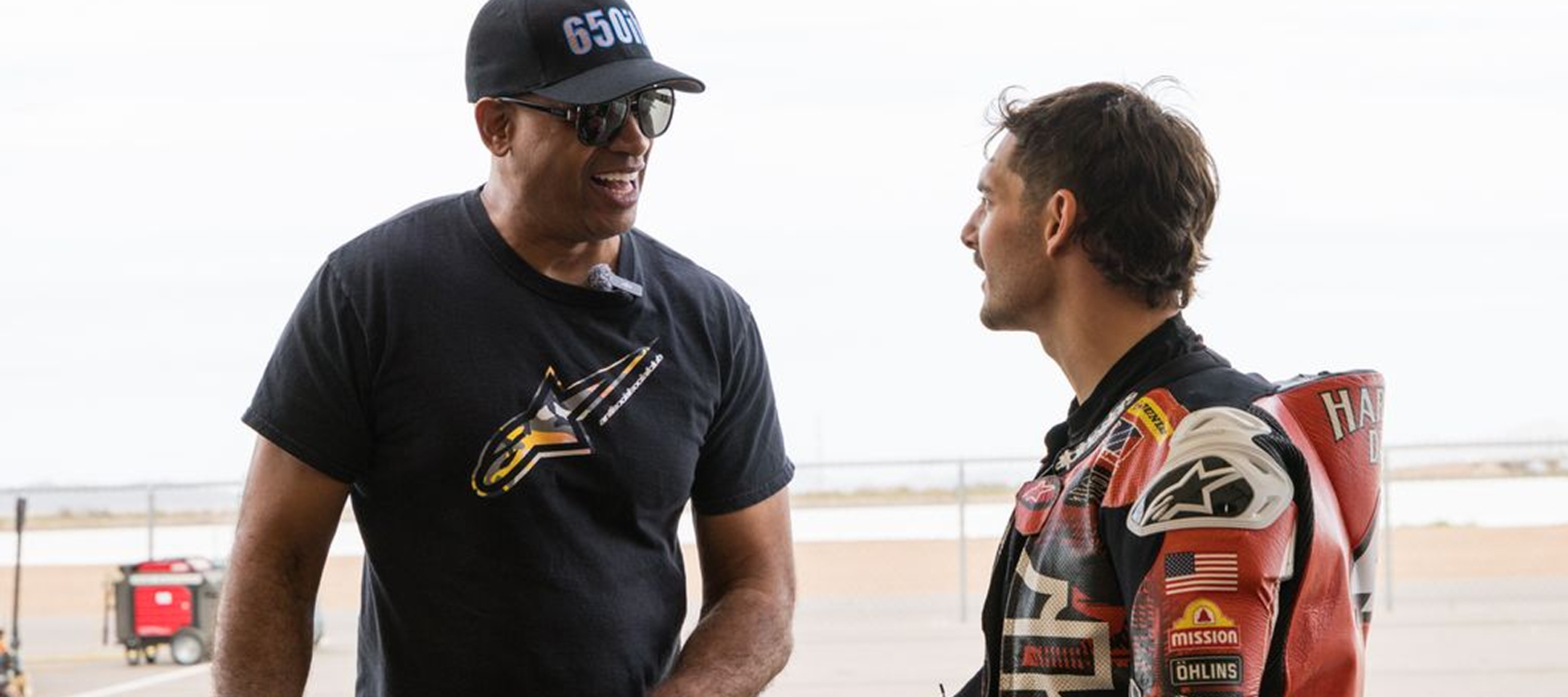
Next was Kyle Wyman, who I’d met years ago at ChampSchool. I’ll never forget him giving me a two-up ride on a Yamaha® naked bike — on a wet track — in upstate New York. I may or may not have questioned my life choices during that ride. Knowing his role in developing the Harley-Davidson CVO™ RR, I asked how much feedback he provided to the engineering team. His answer? “A lot.” He went into detail explaining how the CVO RR was born directly from racing. I couldn’t agree more — it was the bike that made me fall in love with the CVO Road Glide® ST. Hearing that his racing knowledge was welcomed and valued by Harley-Davidson was awesome. I also asked him about the development of technologies like quick shifters and auto-blippers on the bikes he races, and whether that kind of tech could eventually make its way to consumer models. He was understandably guarded in his response, but he did hint that it’s maybe a possibility down the road. Hearing that was exciting — I’d love to see that technology make its way onto my own CVO ST someday.
KNOWING KYLE WYMAN’S ROLE IN DEVELOPING THE HARLEY-DAVIDSON CVO RR, I ASKED HOW MUCH FEEDBACK HE PROVIDED TO THE ENGINEERING TEAM. HIS ANSWER? “A LOT.”
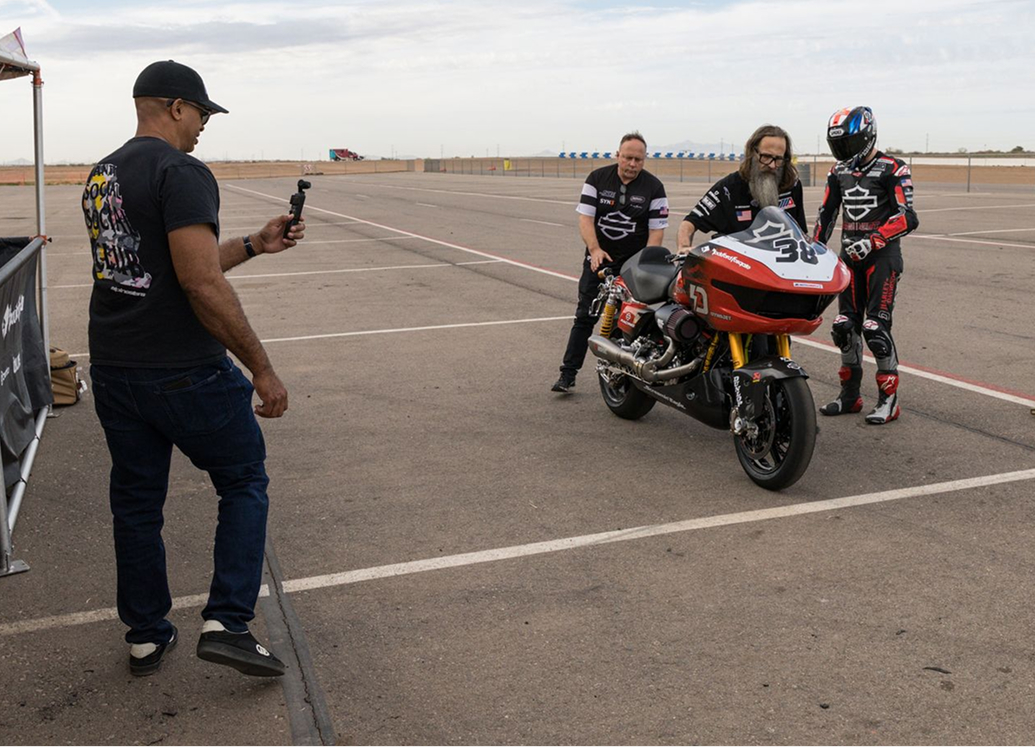
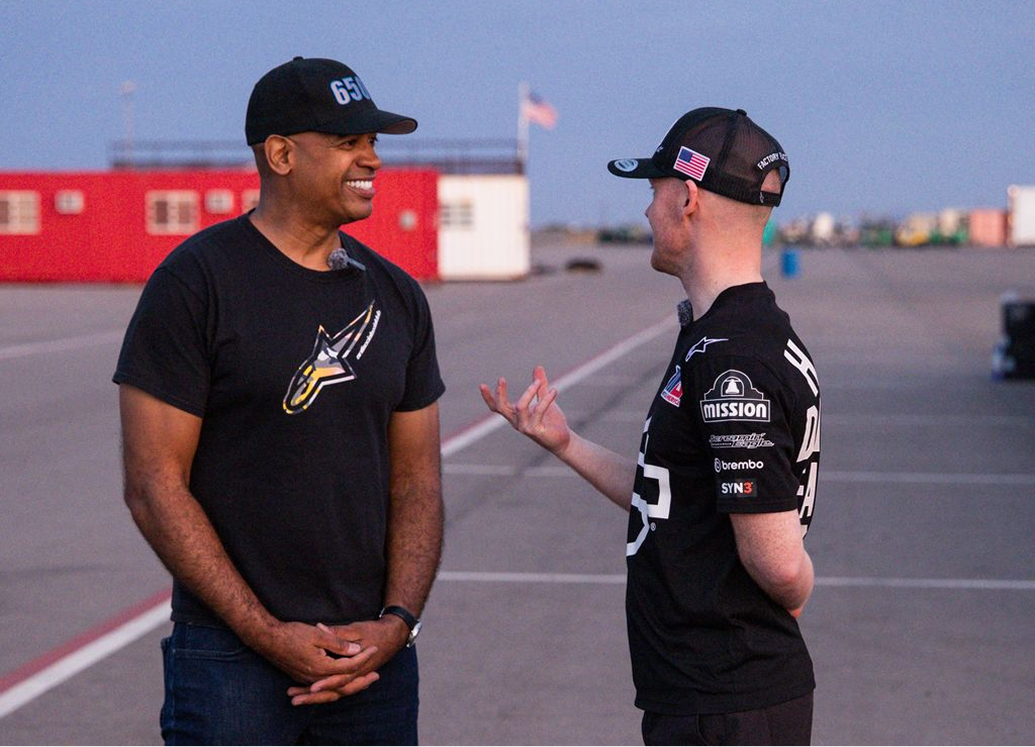
Lastly, I spent some time with Bradley Smith. I asked him how racing a 620-pound Harley bagger compares to the superbikes he’s raced throughout his career. He laughed and said the difference in weight, rumble, and sound is massive. He’s hoping to get more friends and family from the UK to the U.S. to watch him race this season — and I really hope that happens. After the interview, we talked motorcycles for quite a while. That shared passion made for an instant connection, and I’m genuinely excited to watch him race this year. Hopefully, I’ll be in the paddock with his family and friends, cheering him on.
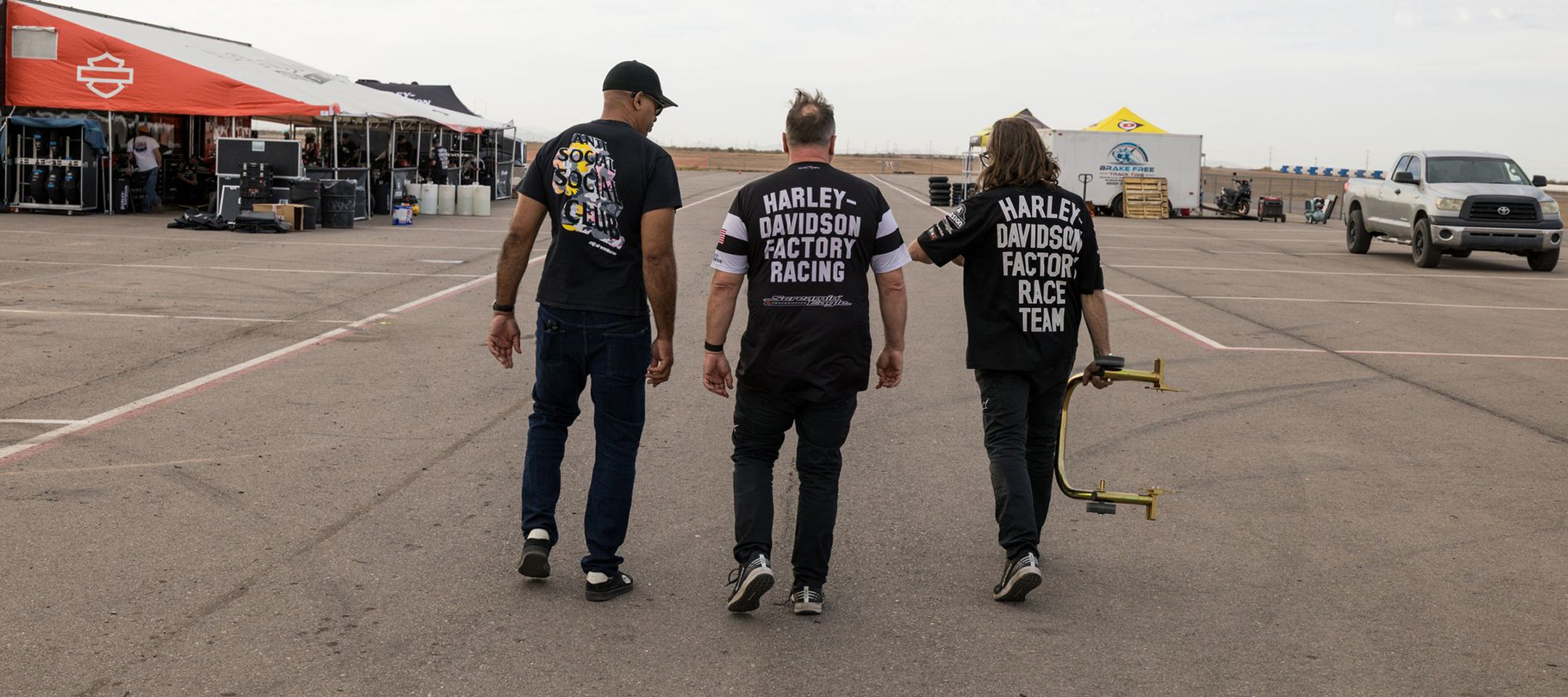
There aren’t enough words — or enough video footage (coming soon) to my YouTube channel — to fully describe what I felt that day. Watching those massive bagger race bikes do things I never thought possible was EPIC. The sound alone should be sold on Spotify. The King of the Baggers series was the missing piece of MotoAmerica racing. Now that it’s here, we get to watch these machines perform at an unbelievable level.
2026 is shaping up to be a must-watch year for this phenomenal series.
HARLEY-DAVIDSON RACING
Racing has always been Harley-Davidson's proving ground. From the cinder tracks of the early 1900’s to today’s MotoAmerica® Mission® King of the Baggers™, Mission® Super Hooligan®, and Progressive® American Flat Track™, our bikes have carried the fight.
EXPLORE THE PERFORMANCE LINEUP
Pan America® 1250 ST
Starting at $19,999
CVO™ Road Glide® ST
Starting at $44,999
Road Glide®
Starting at $27,999
Low Rider® ST
Starting at $24,199
Low Rider® S
Starting at $19,999
Sportster® S
Starting at $15,999
SHOP PERFORMANCE PARTS & ACCESSORIES


EXPLORE MORE RACING

SIX ROUNDS THAT BUILT YEAR ONE
From historic firsts and hometown heroes to title-deciding drama, relive the defining moments that shaped the inaugural FIM Harley-Davidson Bagger World Cup season.

THE LATUS AND GREATEST: KODY KOPP AIMS TO CLAIM HIS DESTINY
Fresh off a record-setting rookie season, Harley-Davidson’s Kody Kopp is chasing a championship that could cement the Kopp family name in flat track history.
THE RACE TO 700
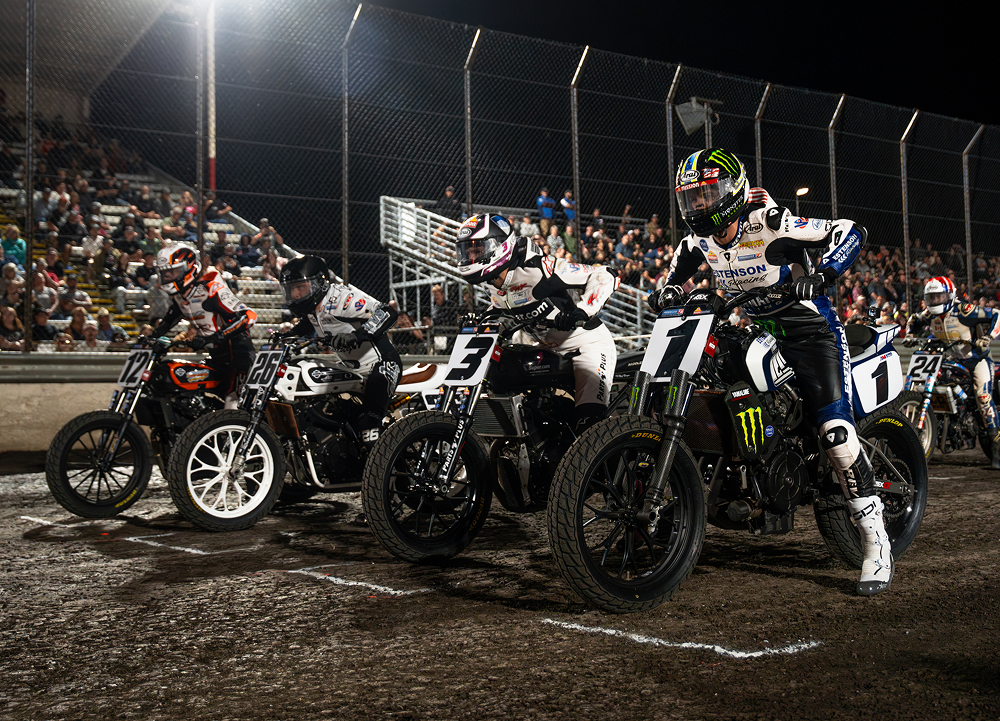
As Harley-Davidson closes in on its historic 700th premier-class Grand National Championship win, take a look back at the legendary race bikes that built one of the most dominant records in American Flat Track history.
RACING WAS ALWAYS MEANT TO BE SHARED
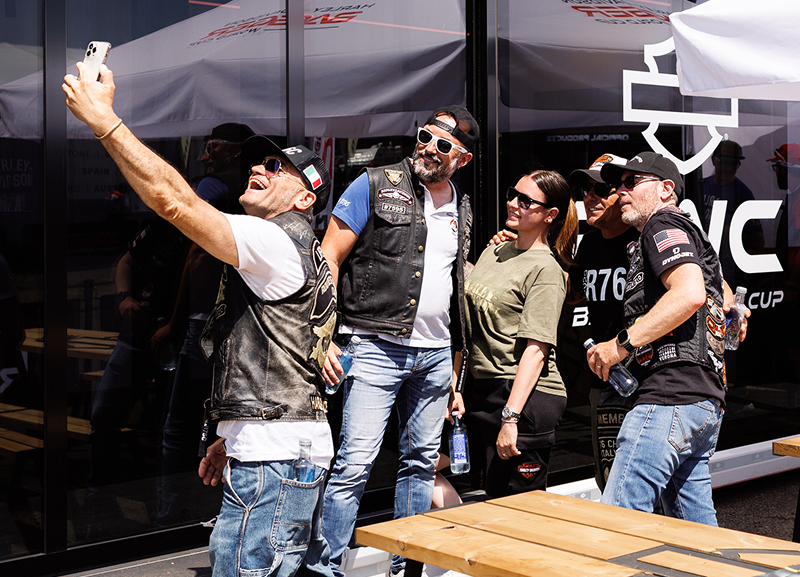
More than a championship, the FIM Harley-Davidson Bagger World Cup is building a global community united by racing and riding.
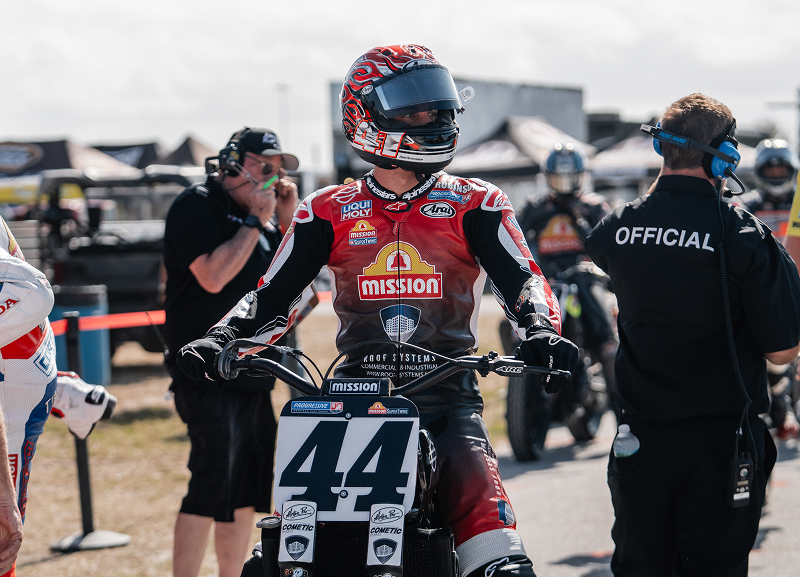
ROBINSON ON THE REBOUND
After a season-ending crash, Harley-Davidson racer Brandon Robinson discusses his recovery, the XG750R’s success, and what comes next.
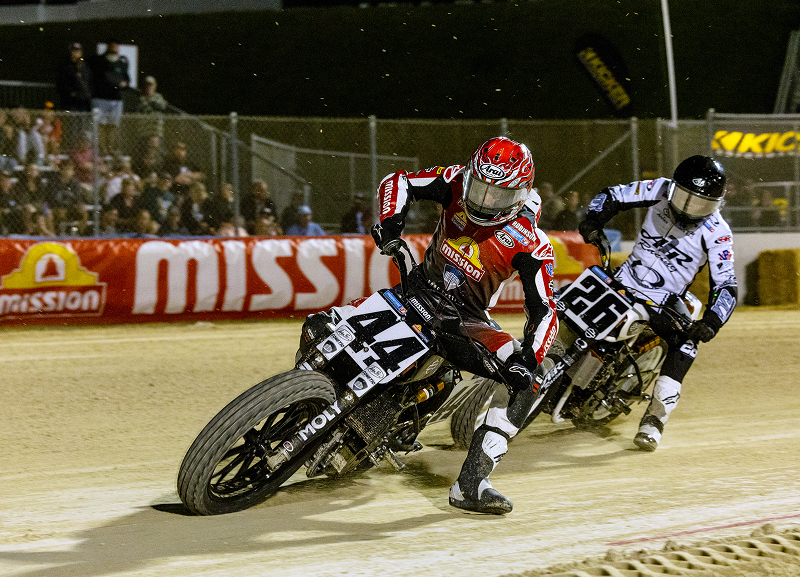
AN ALL-NEW WRECKING CREW
Harley-Davidson’s American Flat Track Racing legacy charges into a new era as the XG750R begins rewriting the history books.
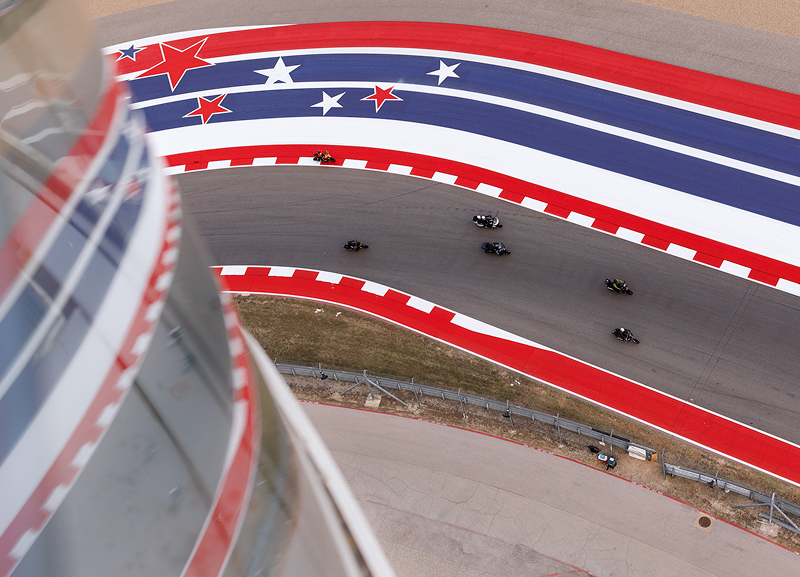
OPENING THE DOOR: AUSTIN CHANGED THE CONVERSATION
Jeffrey Schuessler, Director of Global Racing Programs for Harley-Davidson, reflects on how the Bagger World Cup’s Austin debut sparked immediate momentum for the series.
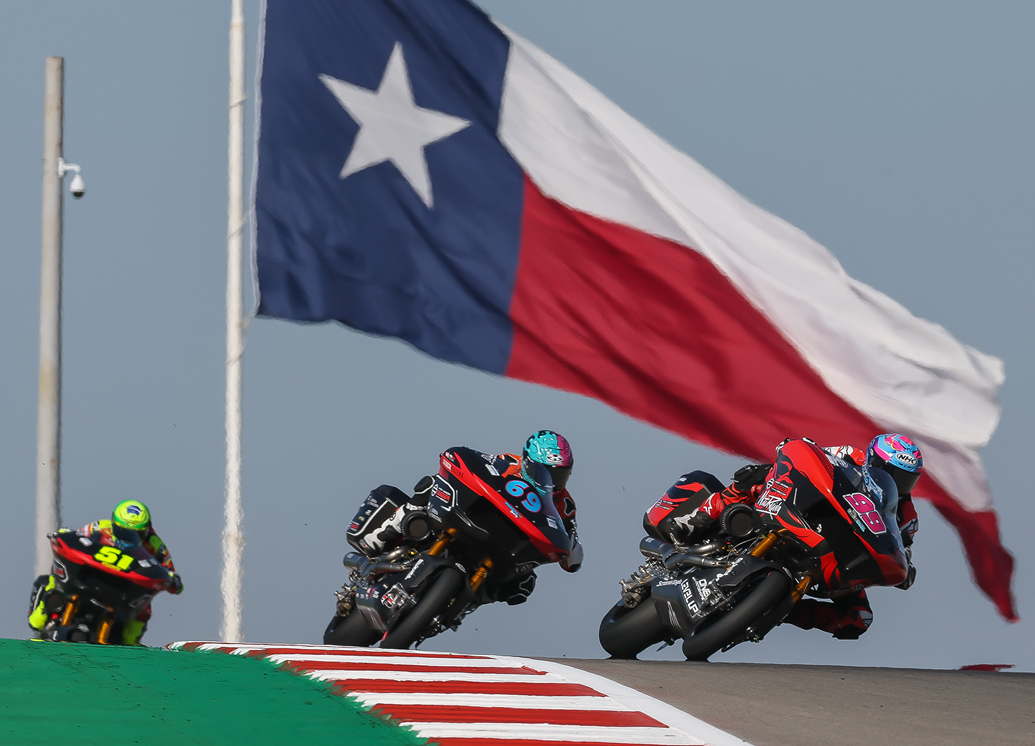
BAGGER WORLD CUP: EXPECT THE UNEXCPECTED
The first round of the FIM Harley‑Davidson Bagger World Cup in Austin was more than a debut—it was a statement on motorsport’s biggest stage.
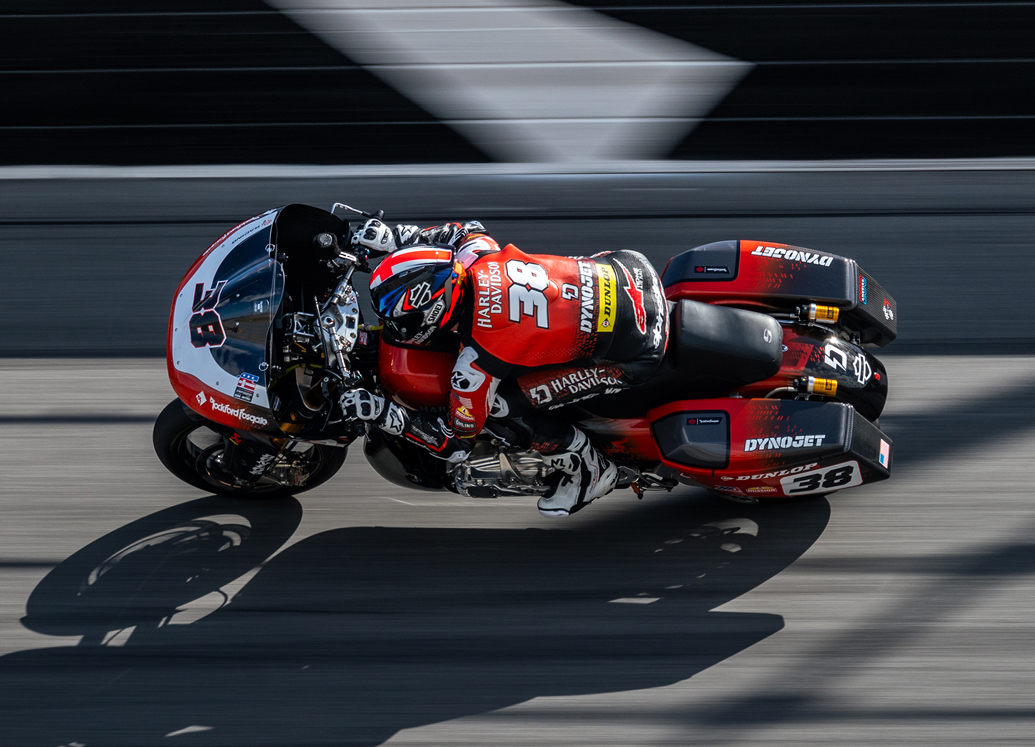
BACK ON THE BANKS: KING OF THE BAGGERS AND SUPER HOOLIGANS SEASON OPENER AT DAYTONA
Harley‑Davidson Racing electrified Daytona with fierce battles and dominant podium sweeps that set the stage for an adrenaline‑packed season.
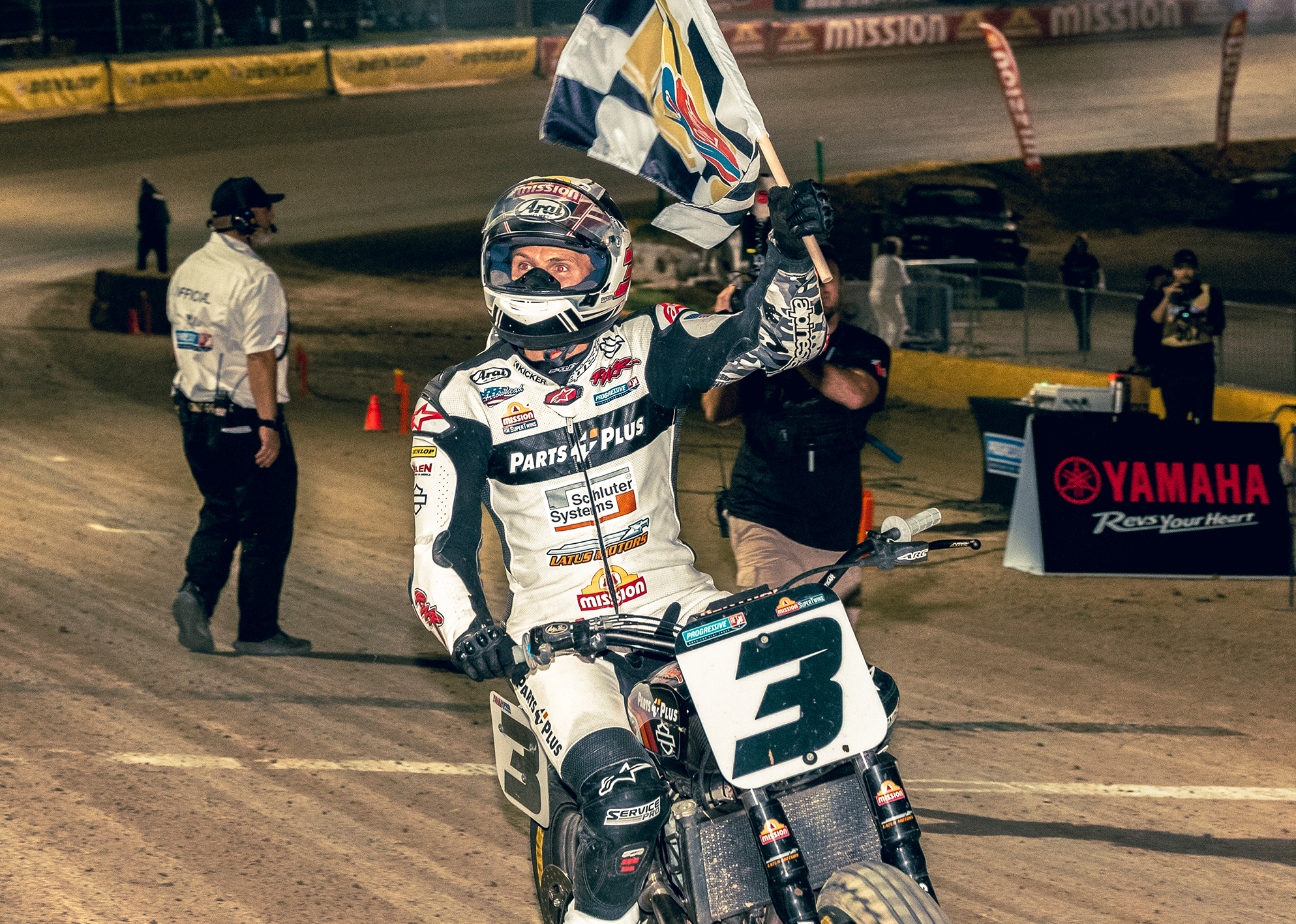
BRIAR BAUMAN – FATHER – FIGHTER – CHAMPION
He balances the raw spirit and energy of an old school racer with the athleticism and acute intelligence of the modern competitor. It’s a sight to see, and when he’s on, it’s on.

THE CREW BEHIND THE KINGS: INSIDE HARLEY-DAVIDSON FACTORY RACING
This Q&A highlights the dedicated crew behind Harley-Davidson Factory Racing, revealing the people, work, and nonstop commitment that fuel every victory.
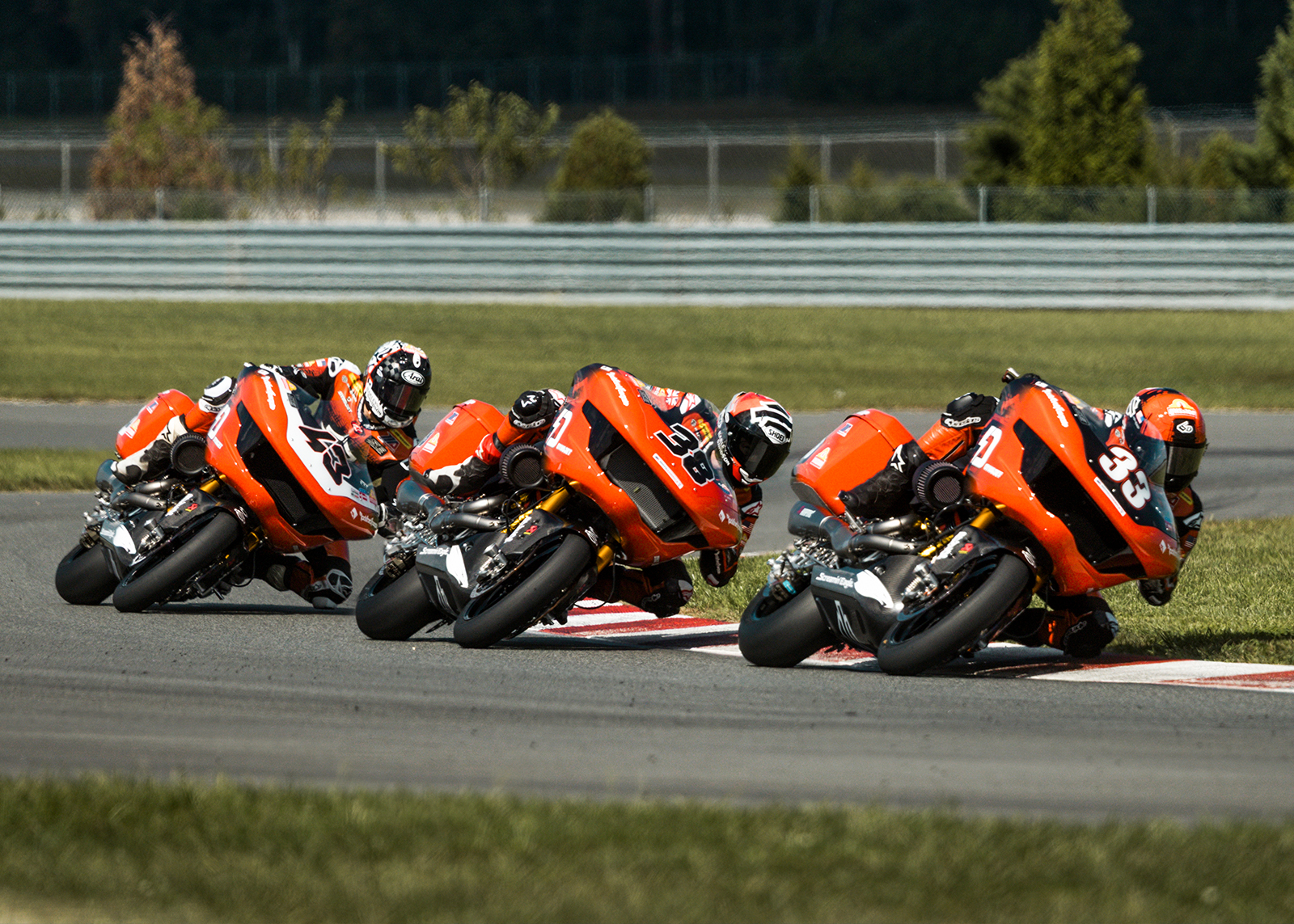
HARLEY-DAVIDSON FACTORY RACING CLOSES OUT A MONSTER 2025
Wyman crowned King, Rispoli the Hooligan champ, two Manufacturer titles stacked on top. Harley’s 2025 season of dominance is complete.
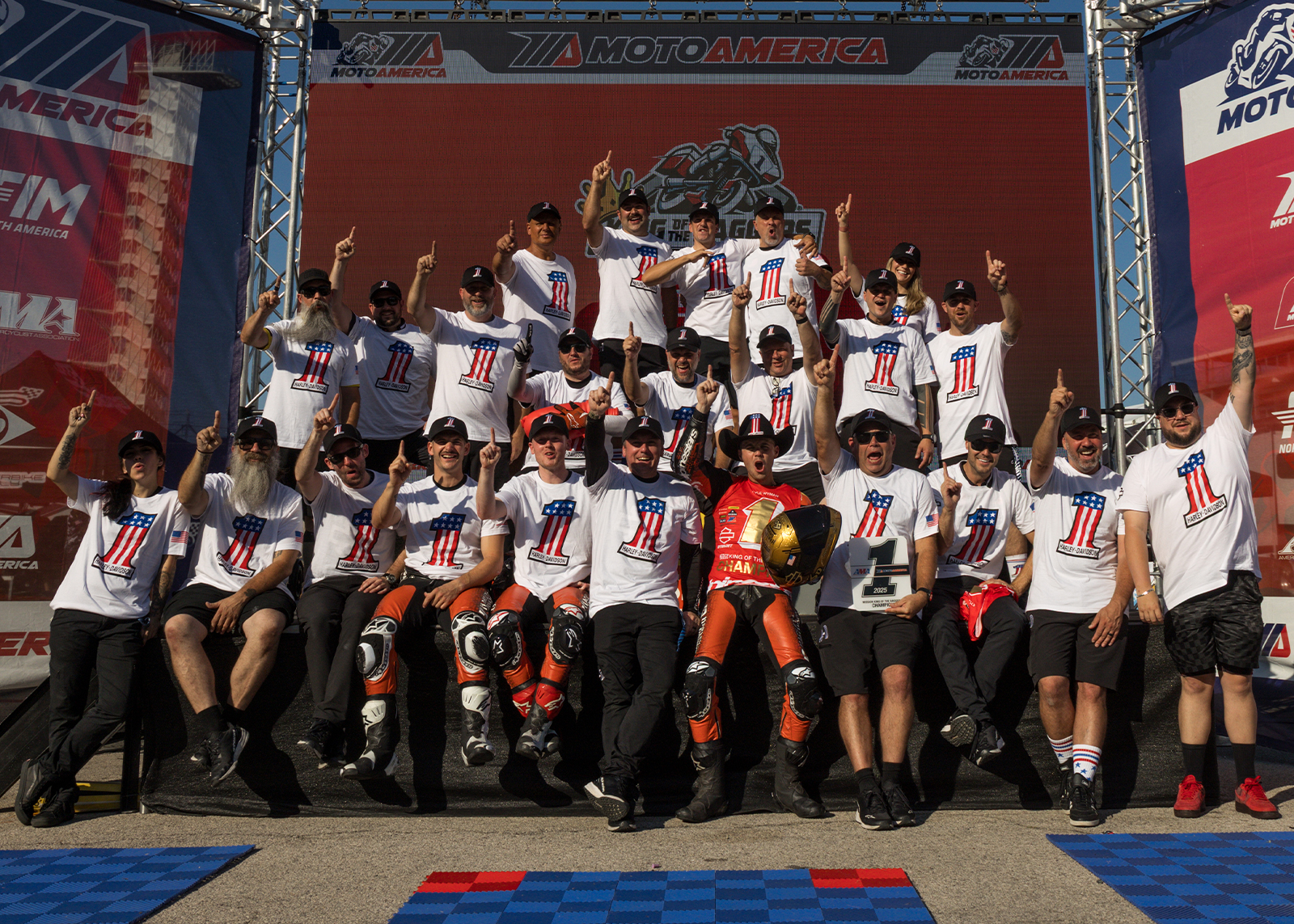
KYLE WYMAN LOCKS DOWN 2025 KING OF THE BAGGERS TITLE
The H-D Factory Racing performance throughout the season was dominant, resulting in securing the championship well before the end of the season.

RISPOLI STUNS, TAKES SUPER HOOLIGAN CROWN ON H-D PAN AMERICA ST
Solid performances throughout the weekend translated into the points required to leapfrog both rivals in the final tally, securing his first Mission Super Hooligan National Championship.

HARLEY-DAVIDSON BAGGER RACING GOES GLOBAL IN 2026
Welcome to Harley-Davidson BaggerGP.


HARD RACING, HEAVY WEATHER, AND HIGH STAKES AT ROAD ATLANTA
Relive the weekend’s top moments from the race track with H-D Staff Photographer Josh Kurpius’ photos from the track and in the paddock.


KYLE WYMAN XR750 AT ELKHORN
Kyle Wyman takes his old XR750 out of hibernation and onto the track.


