
MOTORCYCLE GUIDES
Why Are Motorcycles So Loud?
If you’re wondering, “Why are motorcycles loud?” The answer is twofold. First, they’re designed to be that way to thrill riders who love the rumble. But more practically, motorcycles produce a lot of noise due to their engine and exhaust system components, both from the factory and after owner modifications. Did you know that a motorcycle can put out 100+ decibels (dB)? That’s 15 more than the noise level you’d experience as a passenger in a car in heavy traffic. Since loudness increases by 10x for every 10dB jump, it’s easy to see why people perceive motorcycles as noisy. They are!
We’ll dive deeper into why motorcycles produce so much sound, explain how an overly noisy motorcycle can get you into trouble, and offer tips to keep the loudness at a respectable level. That way, you can protect your hearing, stay on good terms with your neighbors, and comply with applicable laws.
Key Takeaways
Motorcycles produce significantly more noise than passenger cars, primarily due to their engine and exhaust system designs.
Riders often install additional parts and accessories on their motorcycles to improve performance, which can even enhance sound.
Federal, state, and local laws govern motorcycle noise, so it’s wise to understand the rules that must be followed where you ride.
You can take steps to reduce the sound levels of your motorcycle and your exposure to it.
Mechanics Behind Motorcycle Noise
To understand why motorcycles are so loud, we must look at the motorcycle’s parts that produce the most noise.
ENGINE DESIGN
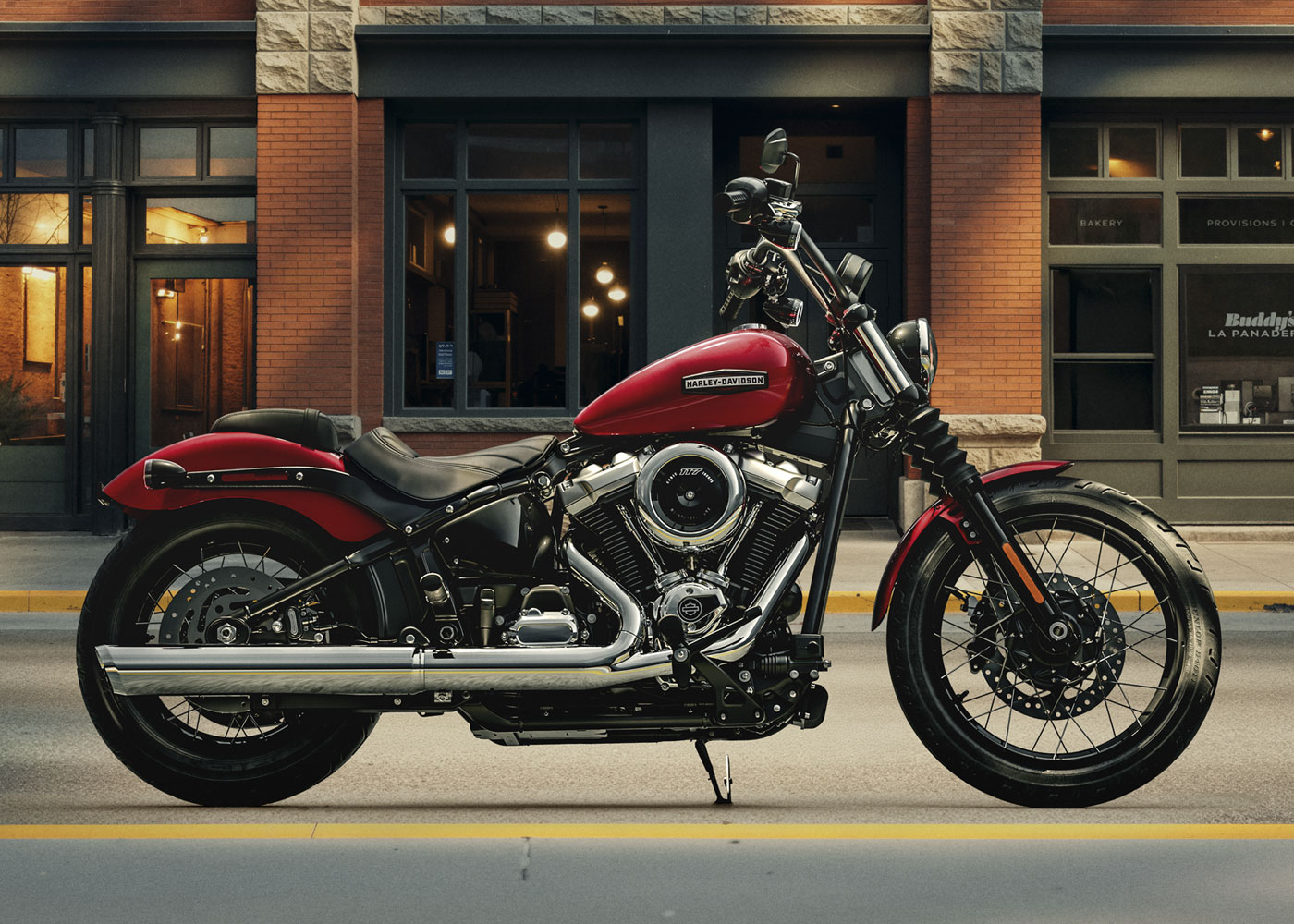
A car’s engine is under the hood, surrounded by several other vehicle components that dampen the noise it creates. A motorcycle’s engine, on the other hand, is out in the open. There’s nothing around it to help absorb the sound it’s generating. In addition, a motorcycle has a higher-revving engine with a higher compression ratio than a car, which can contribute to a noisier ride.
EXHAUST SYSTEMS
A motorcycle’s exhaust system generally consists of three feet of pipe or less. That’s up to 5x shorter than a car’s exhaust system. A motorcycle’s exhaust pipe diameter is also narrower than a car’s. The short run and the narrow pipe mean increased pressure in the system, which makes it louder. Plus, motorcycles typically have fewer sound-deadening features installed than passenger cars, further explaining why motorcycles are loud.
Rider Modifications and Customization
Owners often modify their motorcycles with new parts to enhance performance, achieve a louder, deeper tone, or both. Some examples of customizations include:
Installing Screamin’ Eagle® exhausts and mufflers
Installing an air intake that pumps more air into the engine, enhancing the sound it produces
Swapping internal engine components, such as pistons, valves, and camshafts, resulting in a more aggressive sound
Some riders feel like a noisy motorcycle offers an additional layer of protection. If other drivers can clearly hear your motorcycle coming despite all the other commotion on the road, they may be less likely to sideswipe or pull out in front of you.
Other riders simply enjoy the performance boost and enhance the sound. Check out Harley-Davidson’s Screamin’ Eagle line to customize your ride.
Sound Regulations and Legal Limits
Some riders like their motorcycle to be extra loud, but it’s important to be aware of and adhere to laws governing motorcycle noise. That way, you can avoid getting pulled over and having to pay expensive fines.
Here's some rules to keep in mind:
Federal: As of the 1986 model year, new motorcycles were limited to 80 dB of noise emissions from the factory.
State: Most states require motorcycles to have a muffler on the exhaust system, and many prohibit owners from modifying the stock exhaust system to increase noise output.
Local: City and county-based ordinances vary, but are likely to be enforced, particularly if area residents complain about noise.
Be sure any upgrades you make keep your motorcycle’s sound output within the legal range.
Design Innovation and Less Noise
While many riders modify their motorcycles to increase the rumble, you can also make changes to your motorcycle to make it less loud. Some things you could install include, but aren’t limited to:
An intake silencer
Exhaust inserts (sometimes called baffles)
A quieter exhaust system
You could also:
Apply sound-deadening paint
Adjust your carburetor, ignition timing, or fuel injectors
Perform routine maintenance on your engine and exhaust system
Avoid over-revving your engine in residential neighborhoods
In addition, a well-fitting motorcycle helmet with a visor and vents can help mitigate the noise heard from the motorcycle, road, and wind.
More Than Just Noise: Harley-Davidson 's Iconic Rumble
At the end of the day, a motorcycle’s roar is part physics, part personality. Air-cooled engines, short exhaust pipes, and rider modifications all play their part in why motorcycles are so loud.
But no one captures the music of the road quite like Harley-Davidson. That deep, throaty rumble isn’t just noise, it’s tradition. It signals freedom, rebellion, and craftsmanship wrapped in chrome.
If you crave more growl or want a smoother, quieter ride, explore the Harley-Davidson® lineup of Screamin’ Eagle® performance motorcycle parts and accessories. You can fine-tune your motorcycle’s sound, keeping it powerful, personal, and within the law.
Frequently Asked Questions
There are several parts you can install on a motorcycle to make it quieter, such as an intake silencer or exhaust inserts. You can also reduce the noise you hear while riding by wearing a high-quality, properly fitting helmet.
Motorcycles are generally much louder than cars because they have open engine compartments and short exhaust systems with few sound-deadening elements. Cars, on the other hand, have their engines tucked away under the hood and feature much longer exhaust systems with more noise-reducing components.
Loud motorcycles may be illegal where you ride. It’s important to understand and comply with your area’s noise pollution ordinances to avoid getting fined.