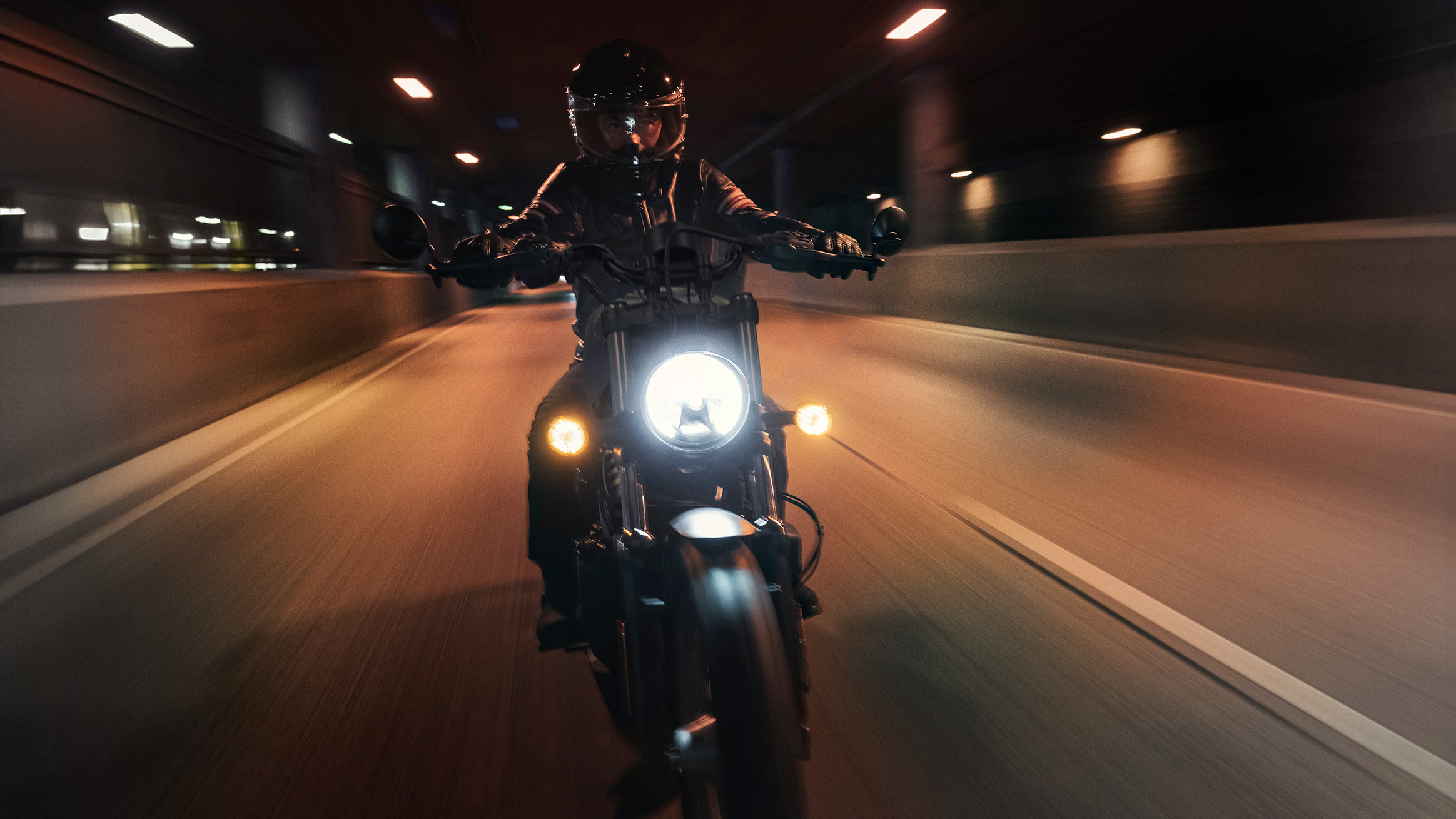
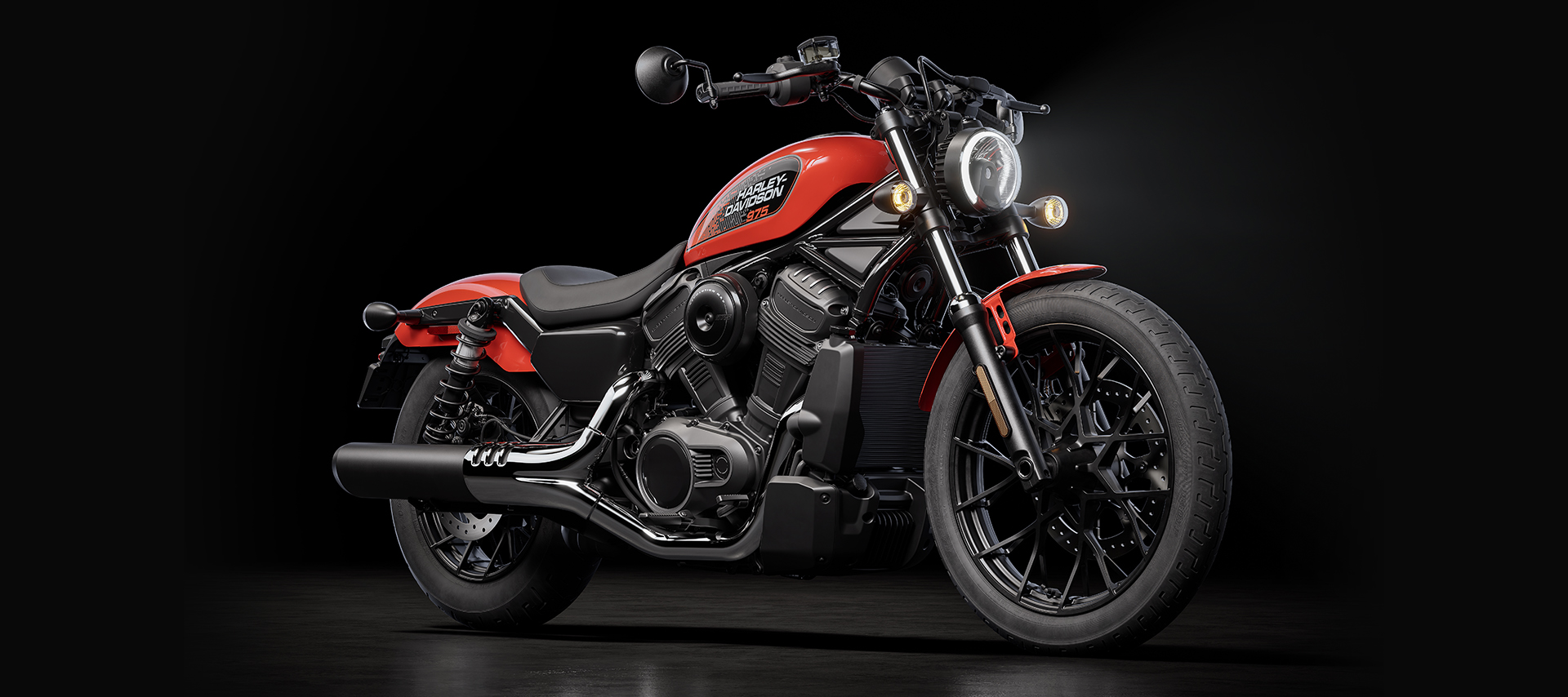
Light, low, and loaded, the 2026 Nightster is built to be the motorcycle you’ve been looking for.
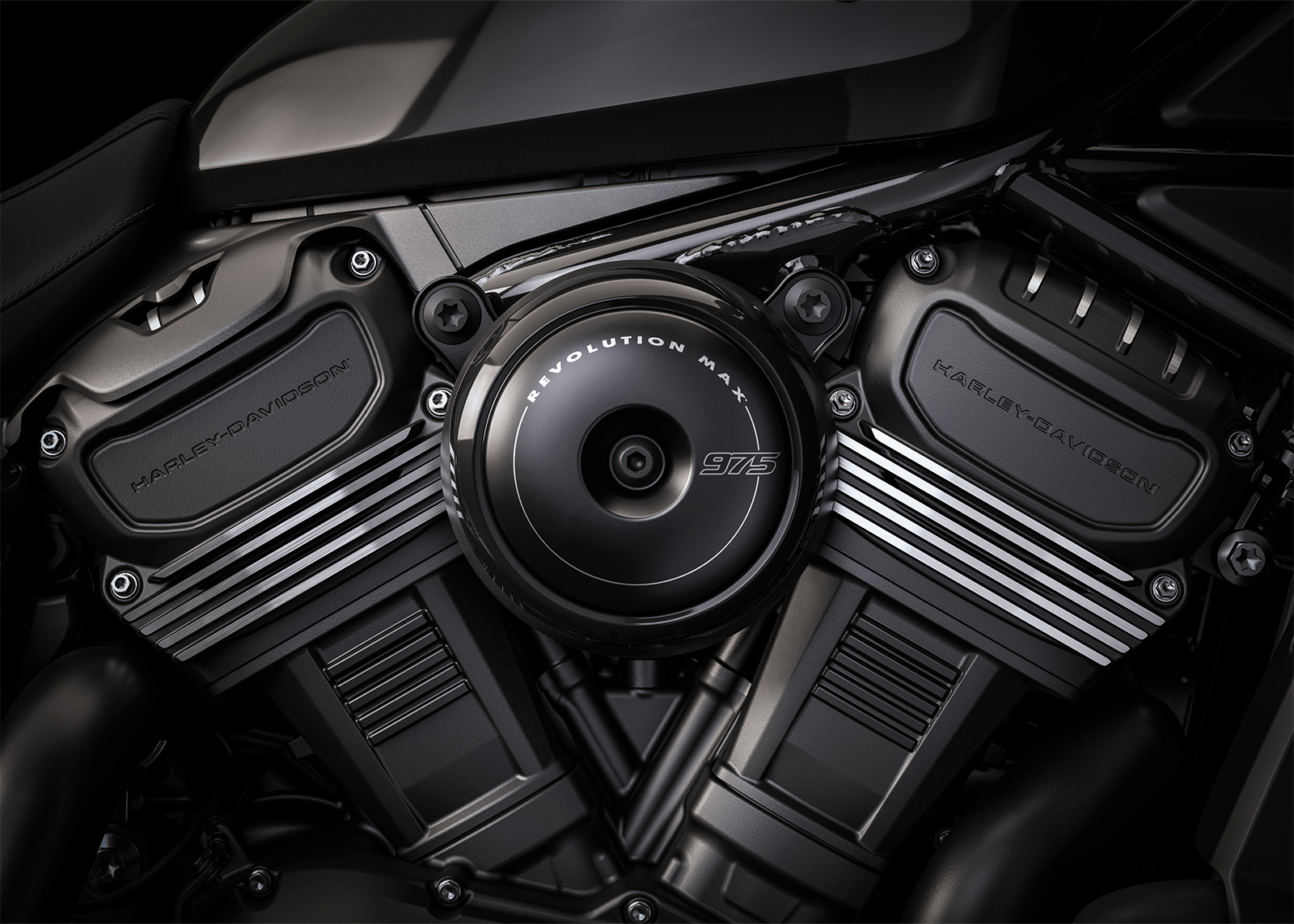
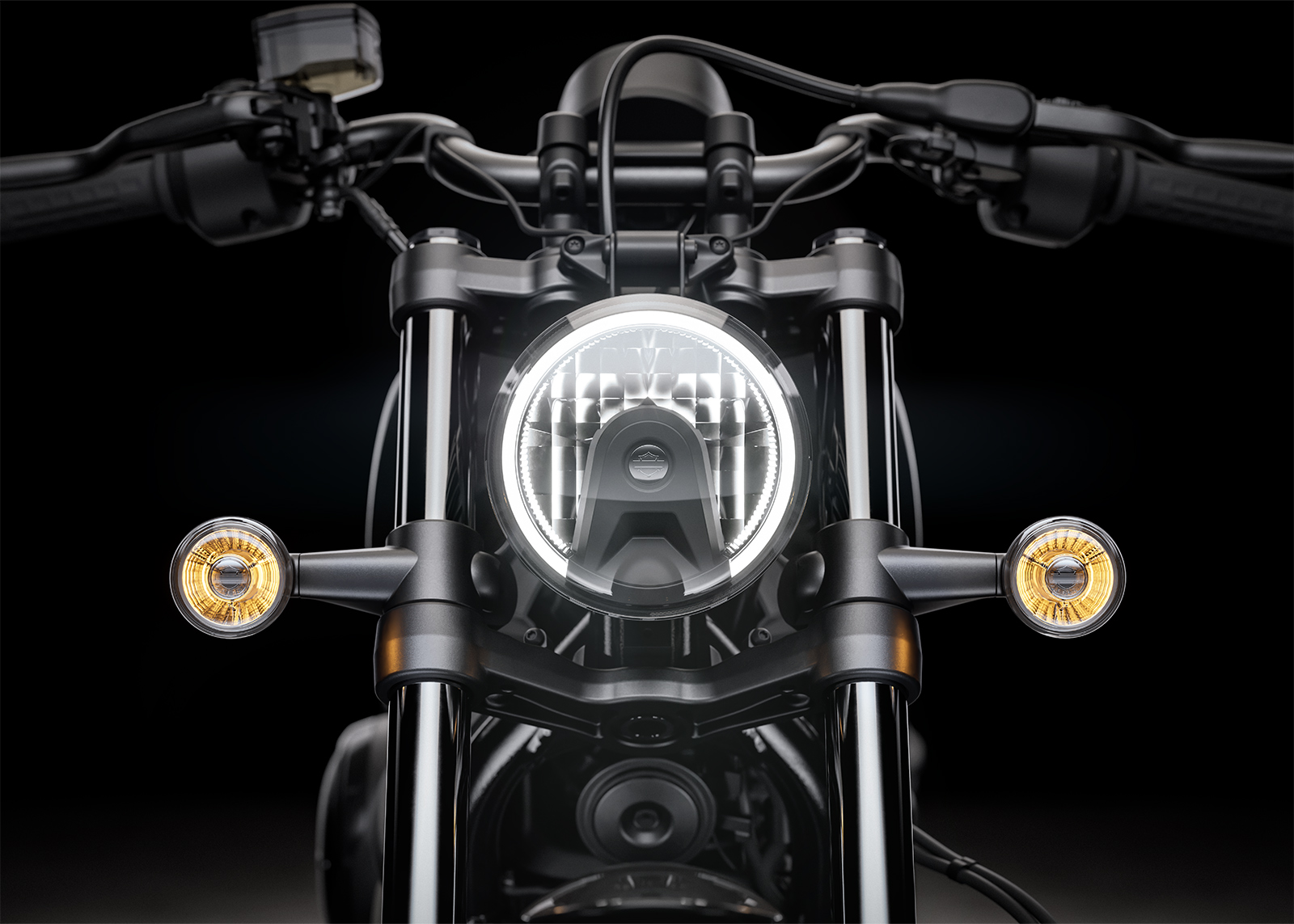
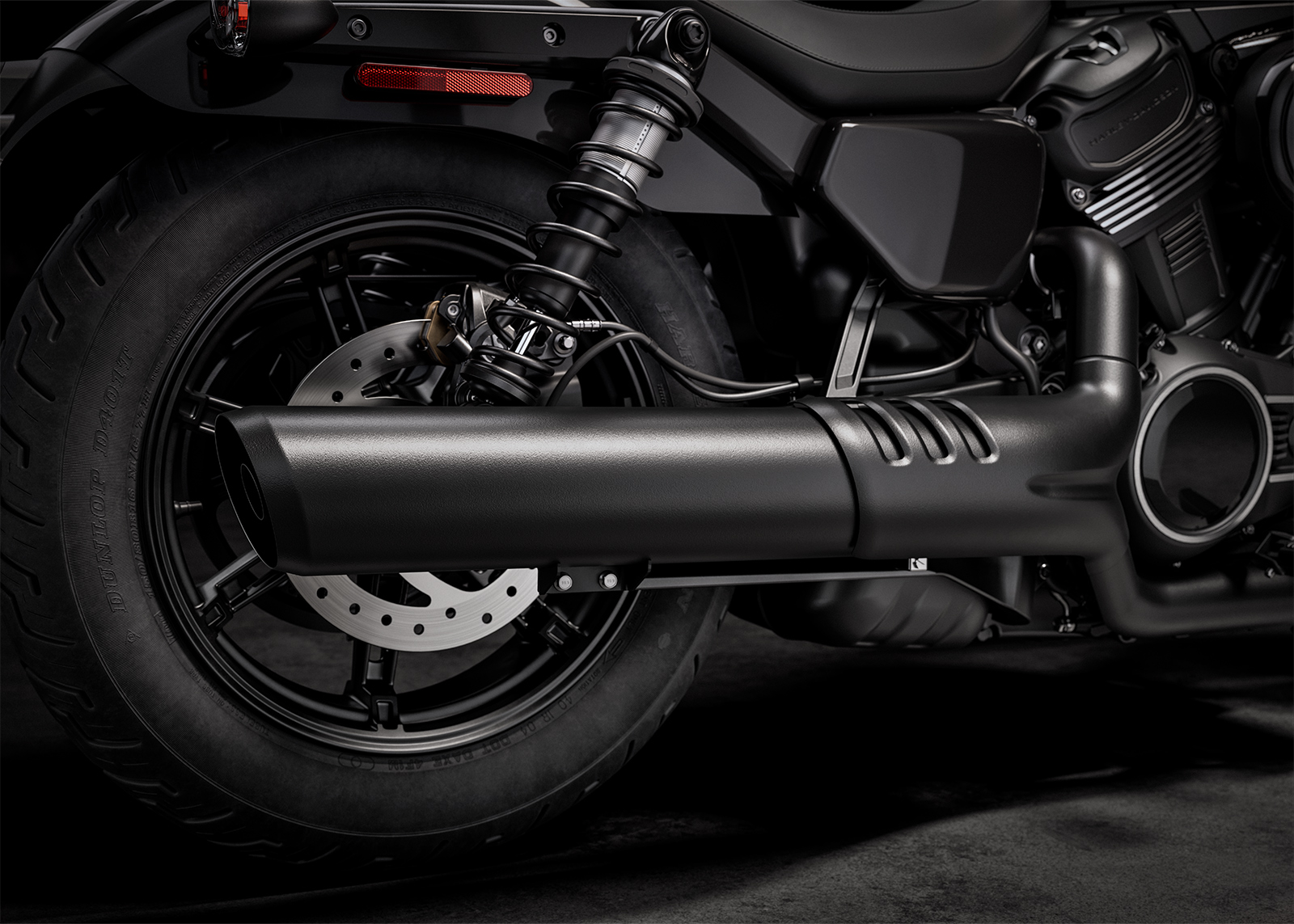
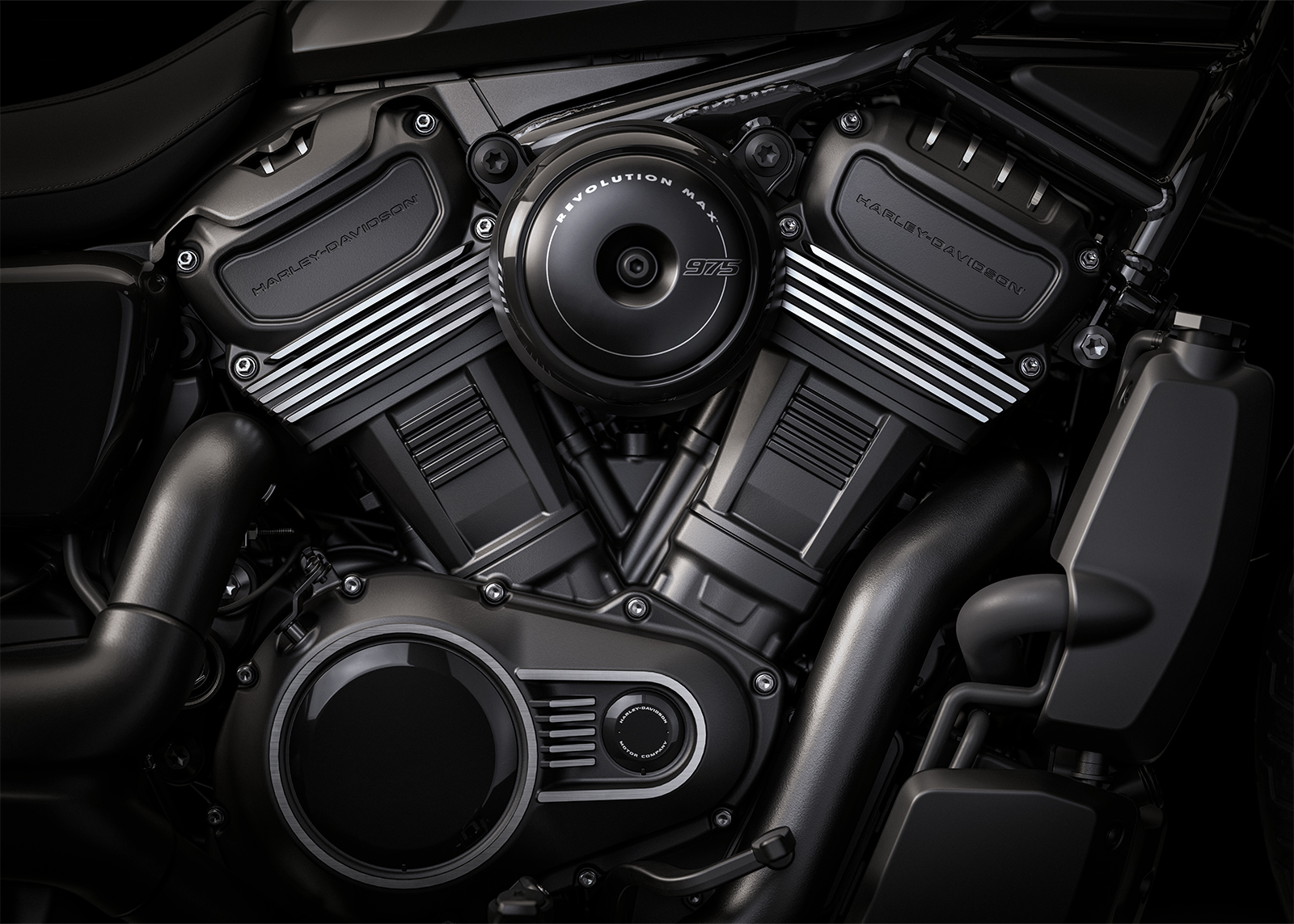
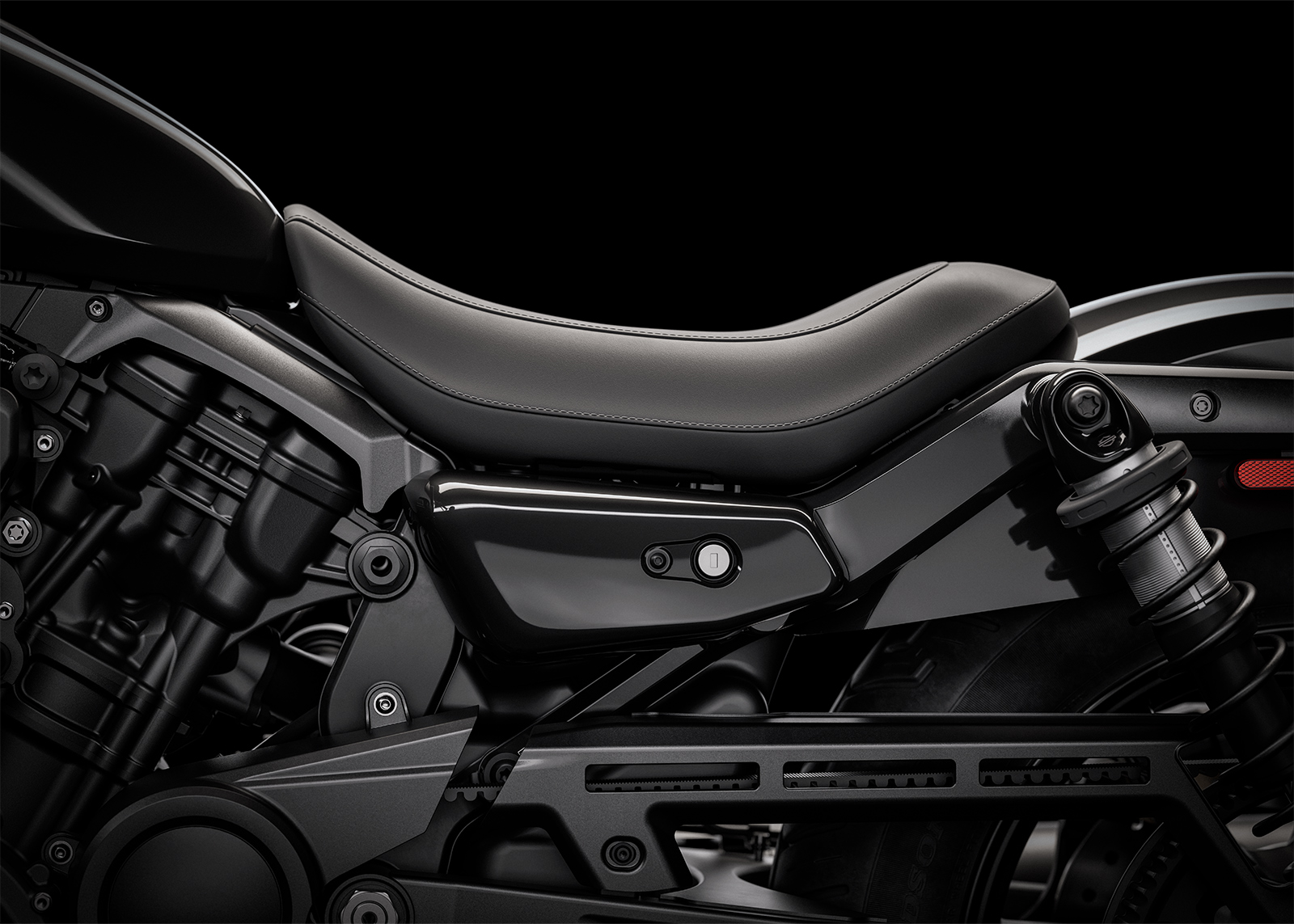
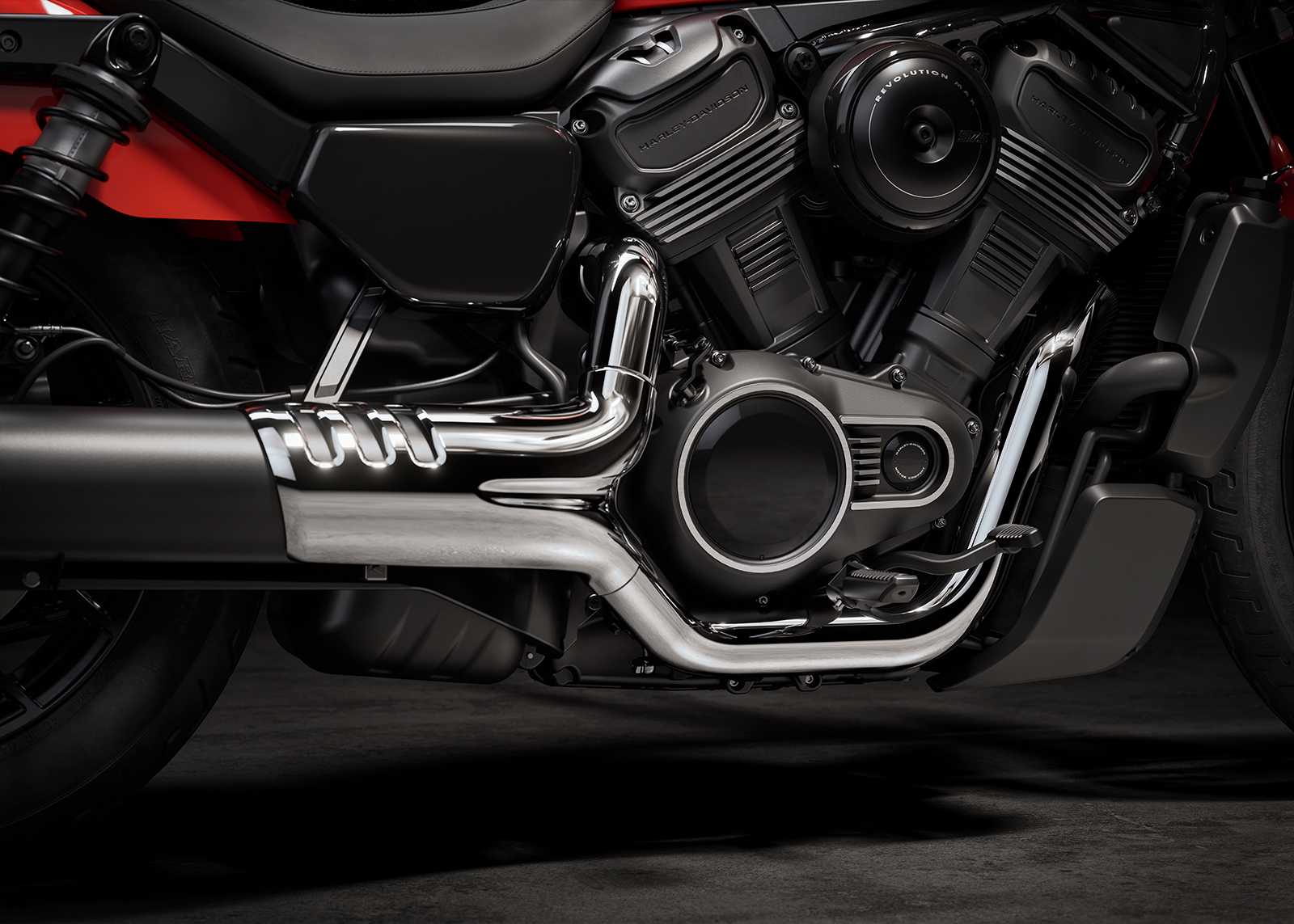
At 218 kg wet with a low 688 mm seat height, the 2026 Nightster carries its weight where it counts: low, centered, and in your control. Add a blacked-out 975T Revolution Max™ motor, selectable ride modes, LED lighting, and legacy Sportster™ styling, and you’ve got an incomparably capable machine, no matter where you’re coming from.
All (5)
Images (4)
Video (1)
“First ride, I realized it was the first motorcycle I didn’t have to fight with. The weight, the stance, the way it moves… It all just clicks.”
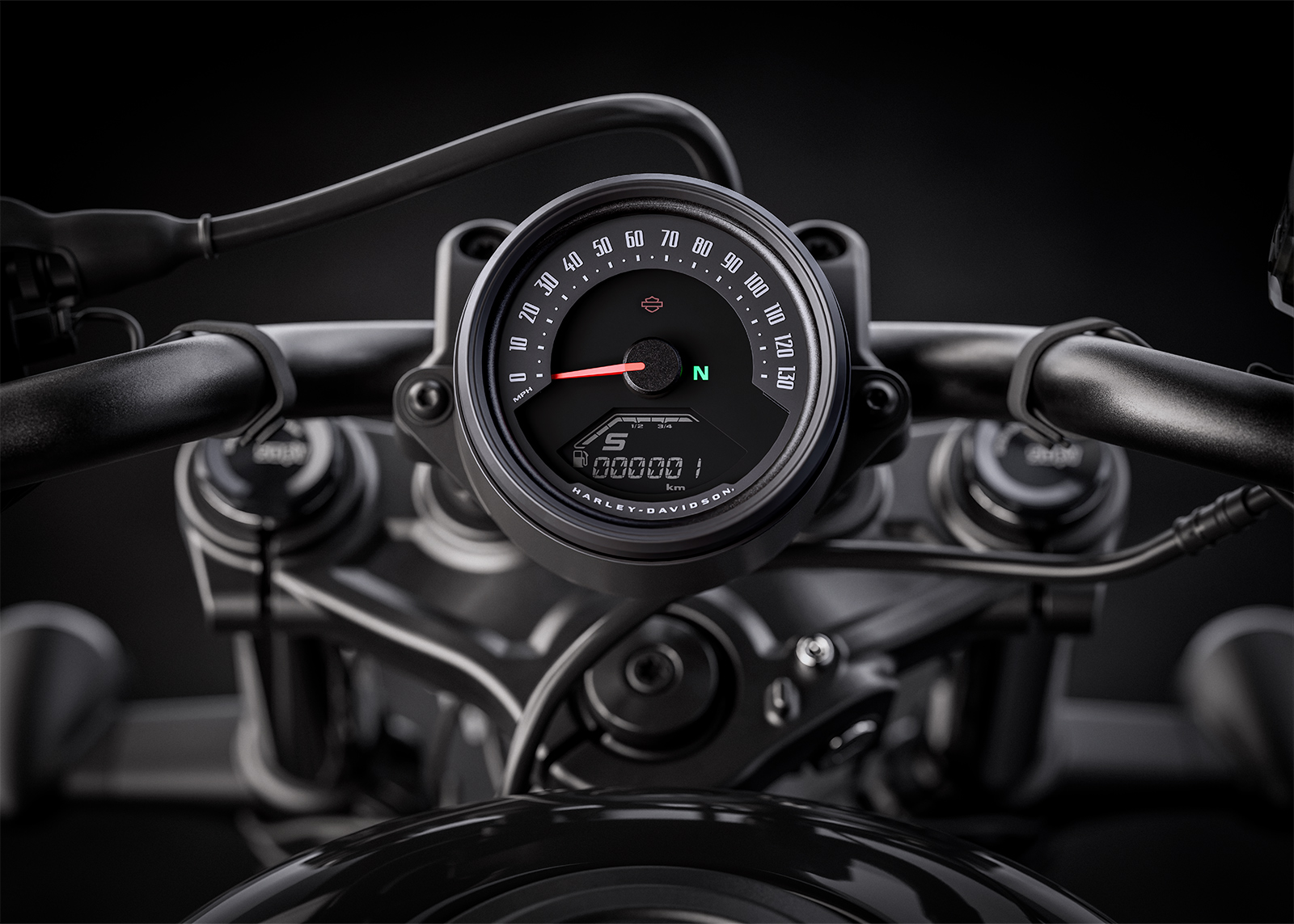
A lightweight build, torque-rich Revolution Max 975T, selectable ride modes, and built-in safety features give the 2026 Nightster razor-sharp control and blackout style to match. Add in LED lighting and vintage Harley cues, and you’ve got a motorcycle that rides (and looks) locked in.
Design
Performance
Innovation
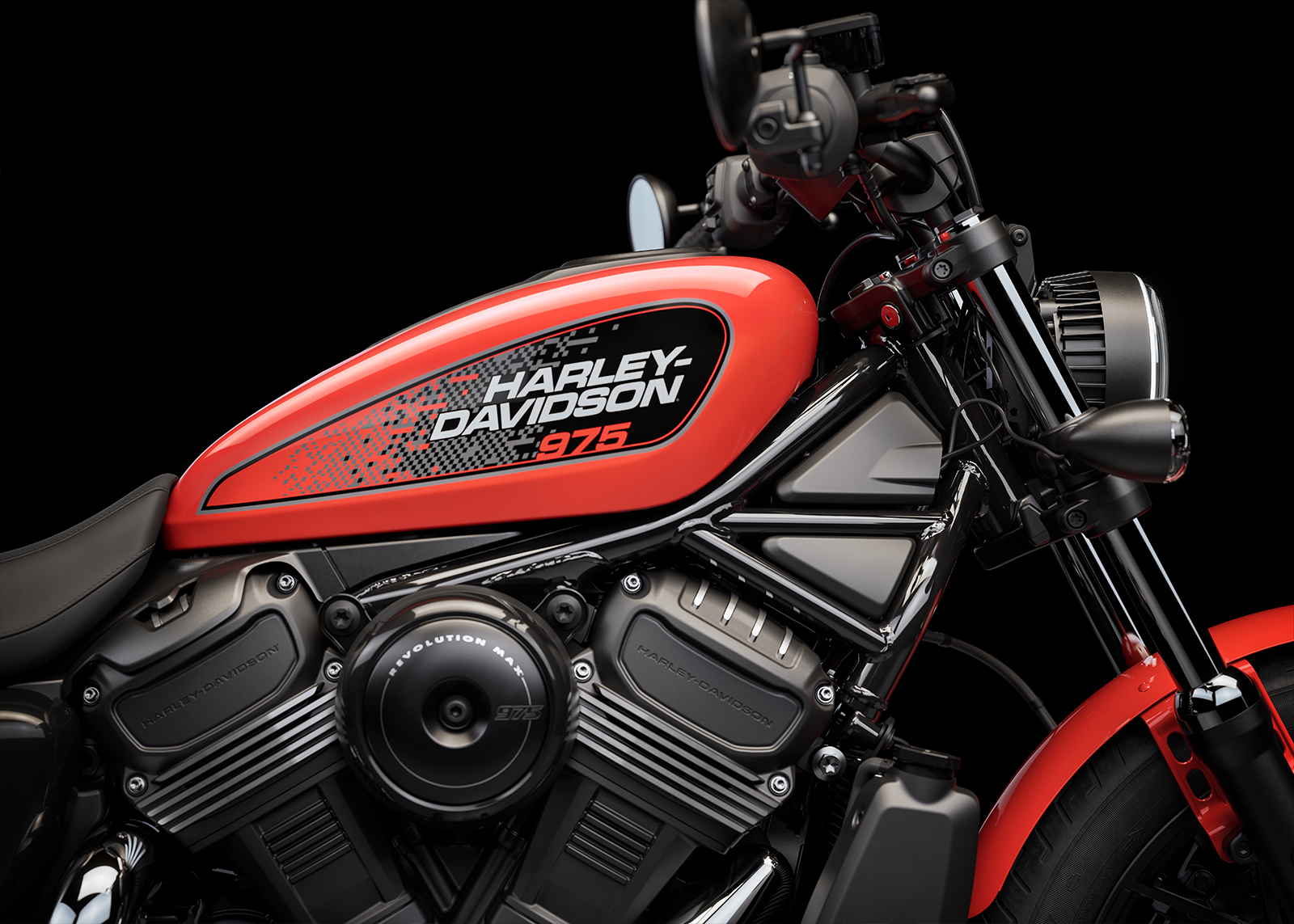
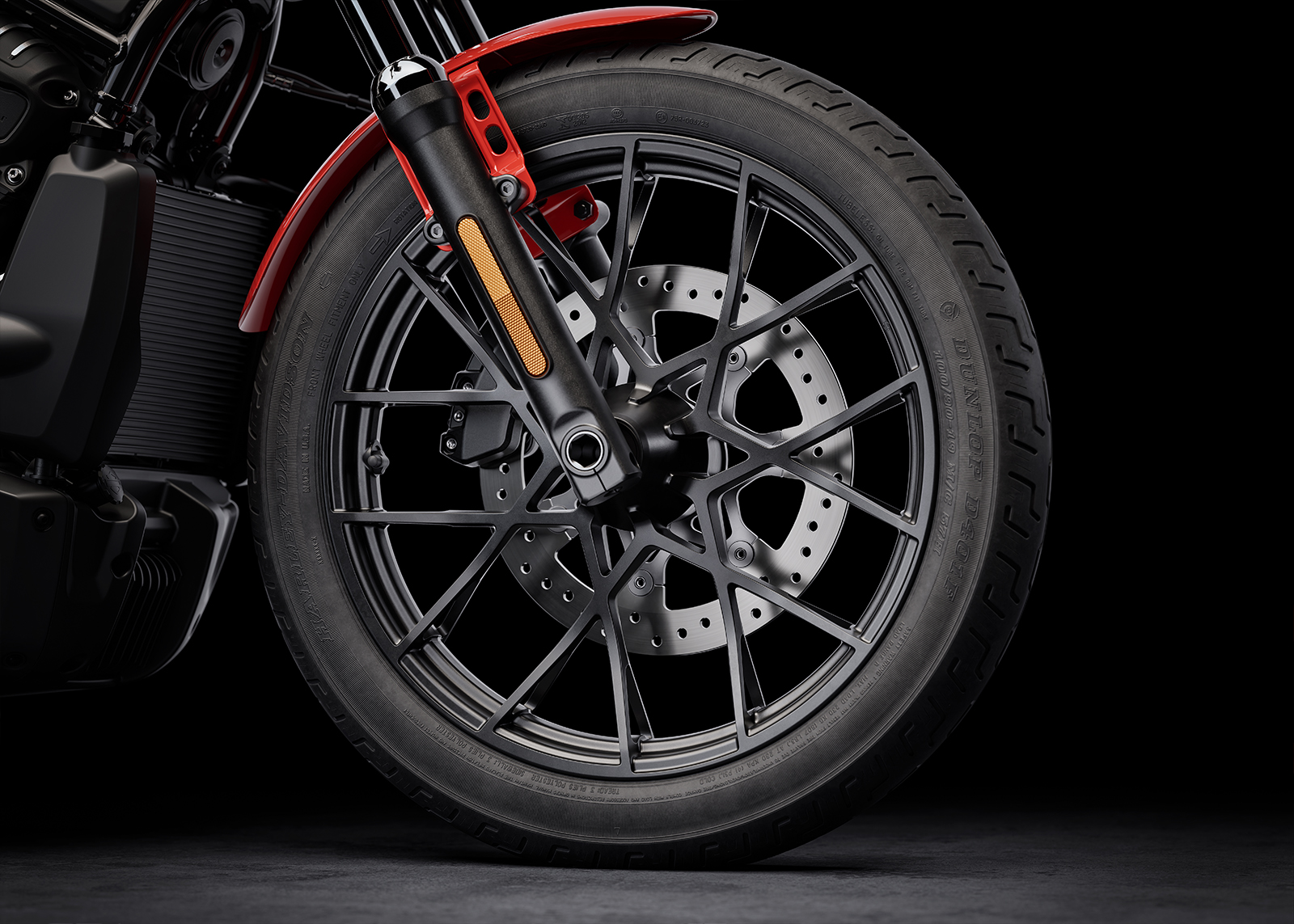
Nothing hits Harley heritage like the XR750 tank graphic. This wet-slide tribute brings a smile to the storied enthusiasts and turns new congregants into believers. In Blood Orange with color-matched fenders, black Nightster Special wheels, and a chrome exhaust shield, this special edition 2026 Nightster carries its lineage with pride.
Harley-Davidson’s Rider Safety Enhancements is all about giving you that extra peace of mind when things get a little unpredictable. It’s a set of smart tech that steps in during tricky situations, helping the Motorcycle handle traction while you’re accelerating, braking, or slowing down. With the Cornering Rider Safety Enhancements, the Motorcycle even adjusts for cornering, keeping things smooth and steady without you having to think twice.
ABS is designed to prevent the wheels from locking under braking and helps the rider maintain control when braking in a straight-line, urgent situation.
The TCS is designed to keep the rear wheel from “spinning out” when the motorcycle is accelerating in a straight line and enhances rider confidence.
DSCS is designed to reduce excessive rear-wheel slip and help prevent rear-wheel lock under powertrain-induced deceleration, which typically occurs when the rider makes an abrupt downshift gear change or quickly reduces the throttle while on wet or slippery road surfaces.