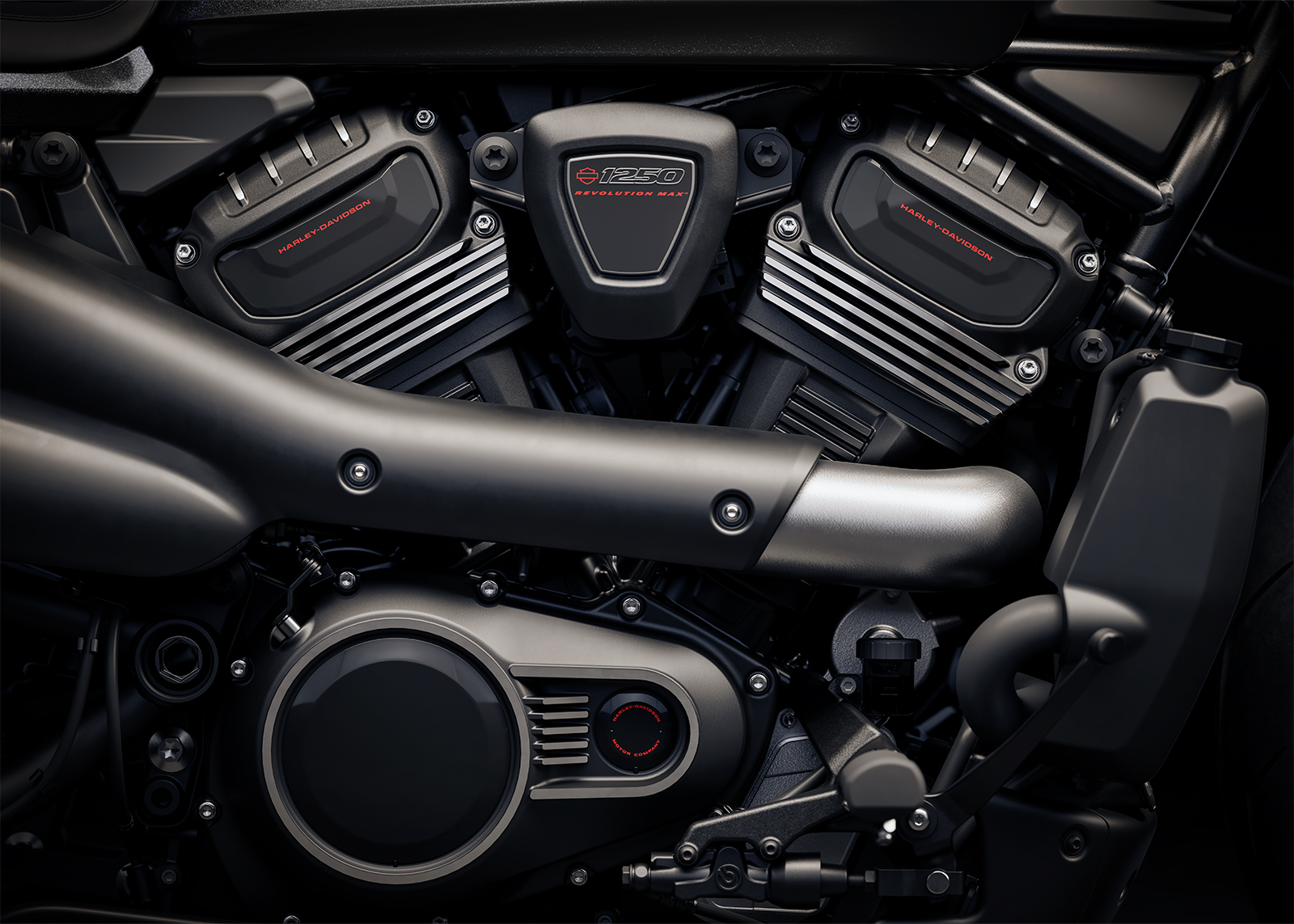
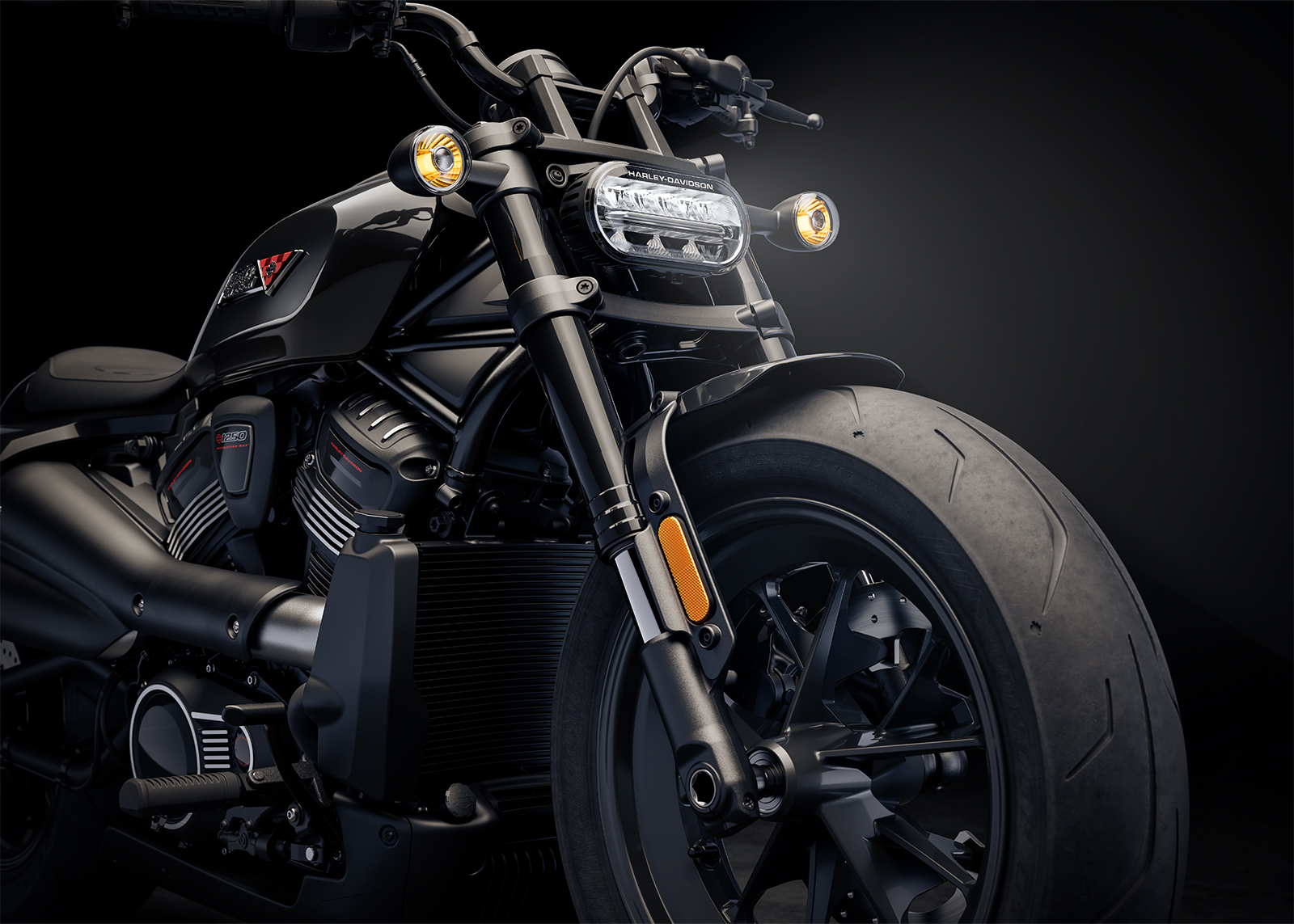
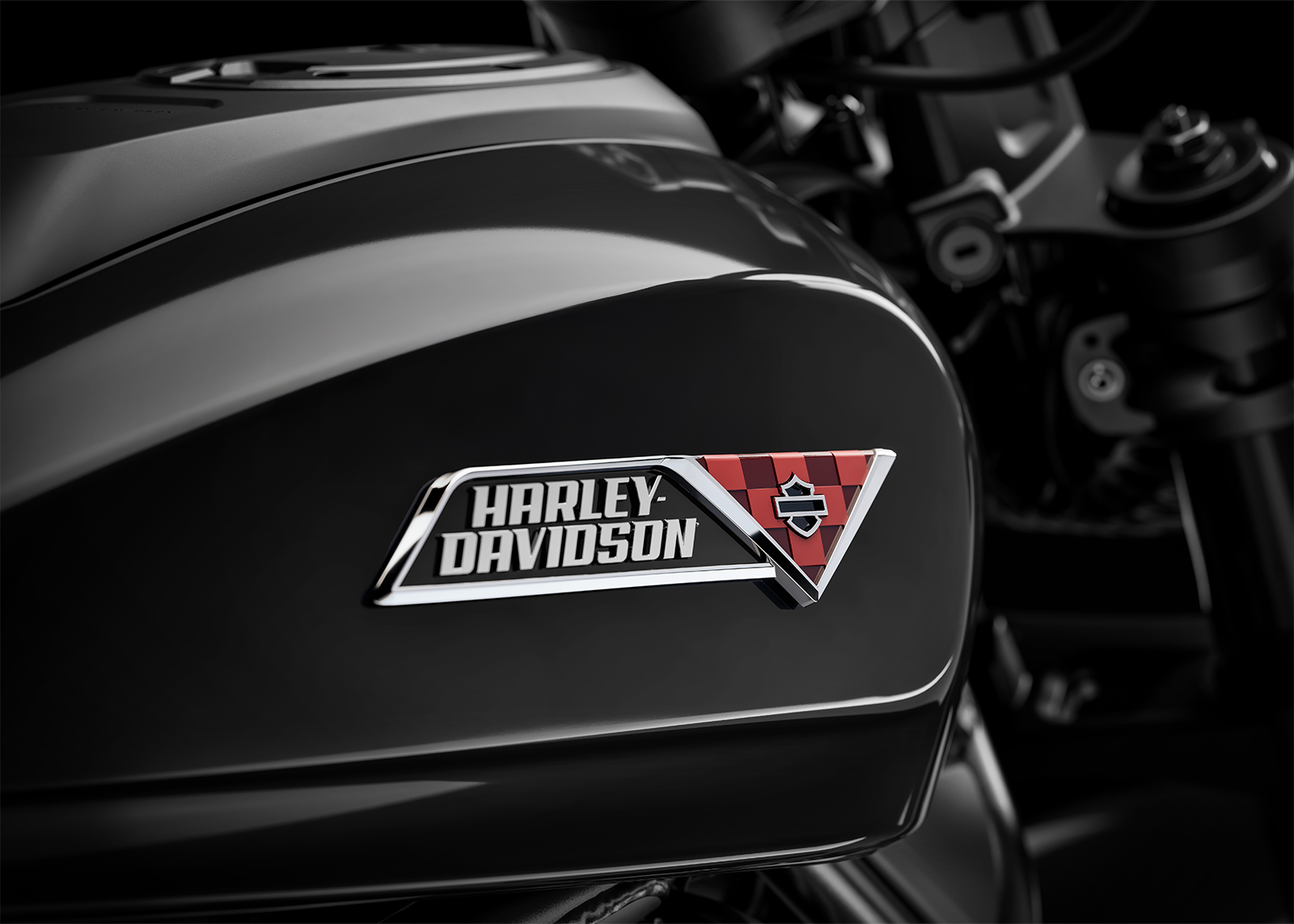
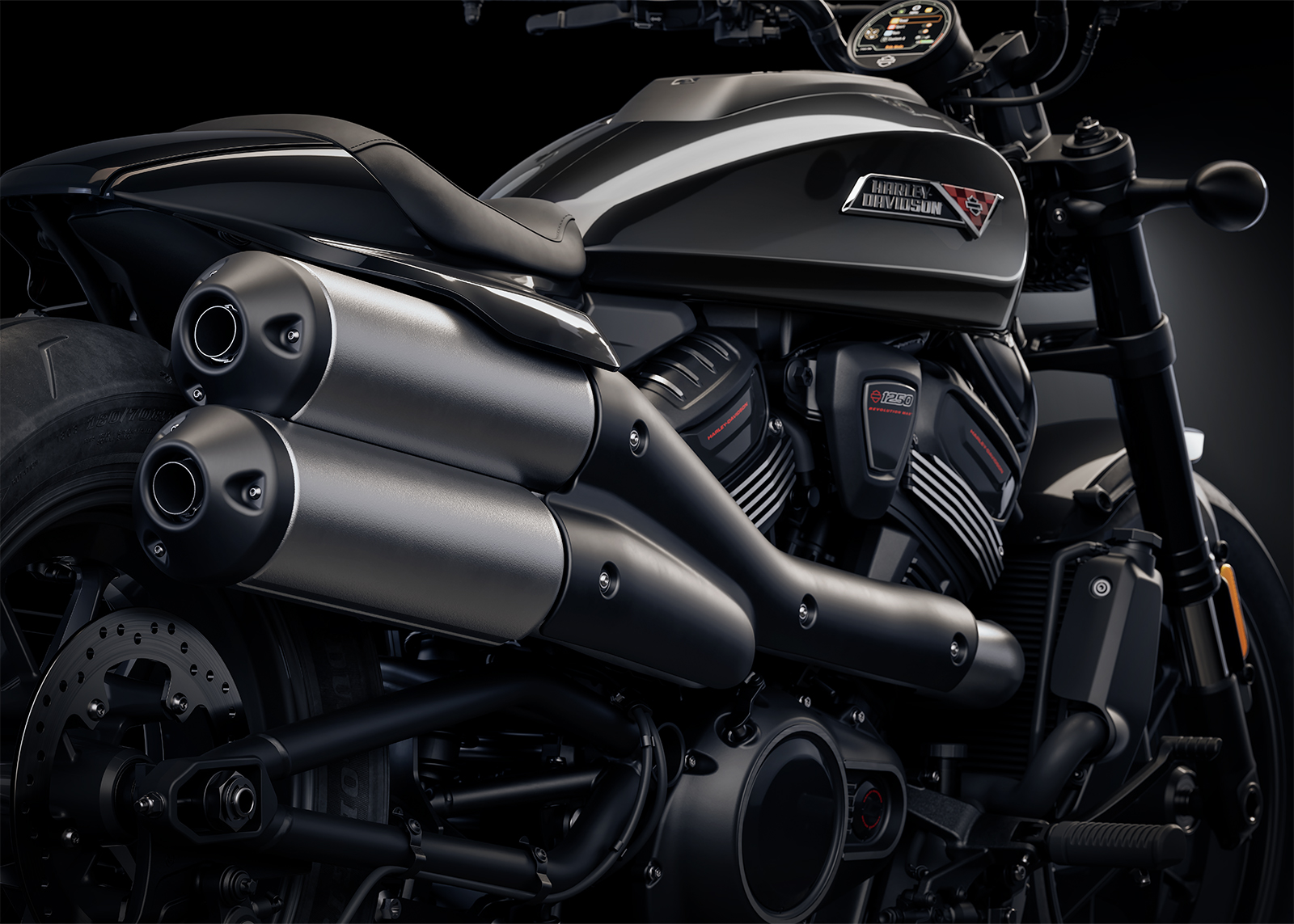
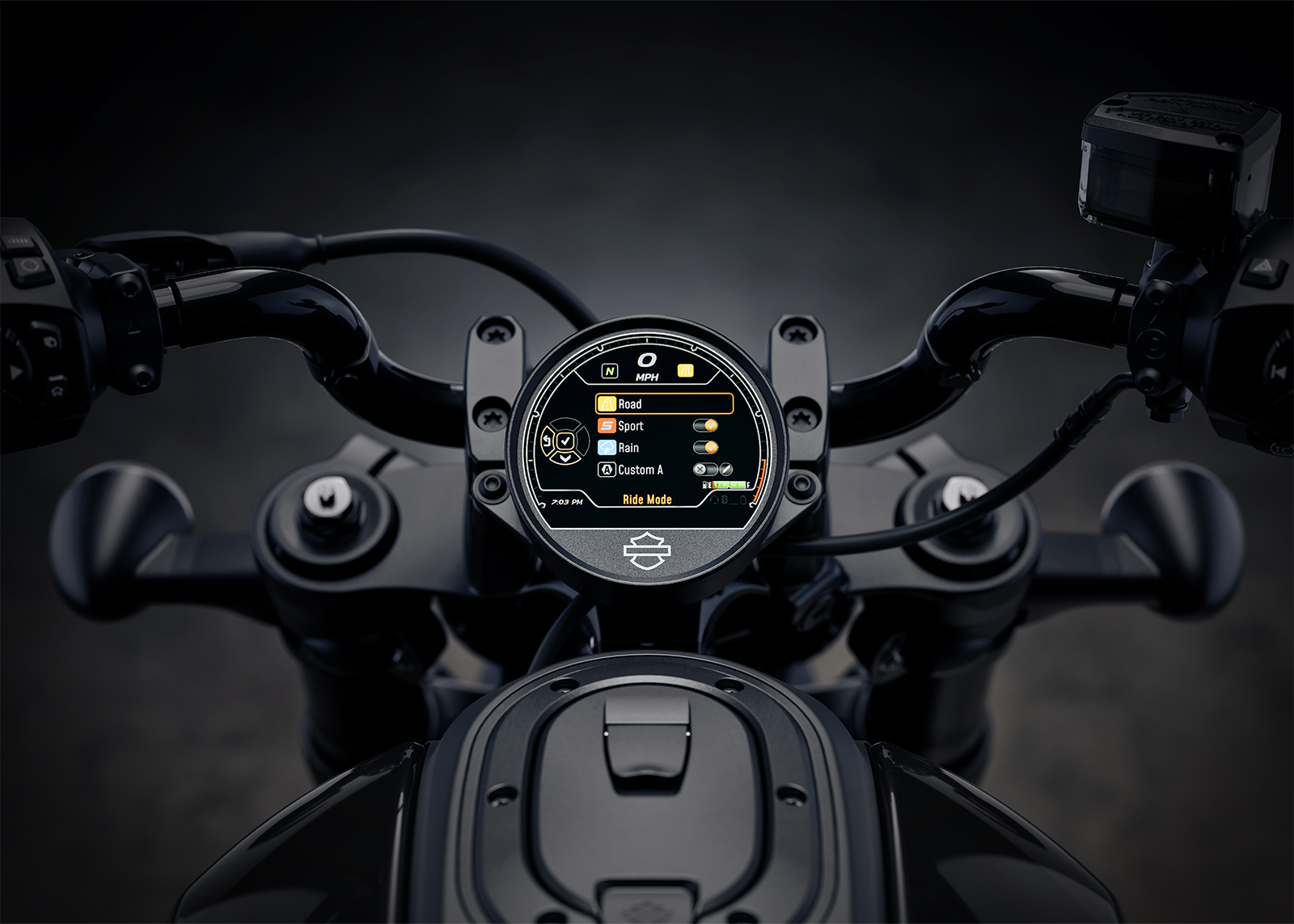
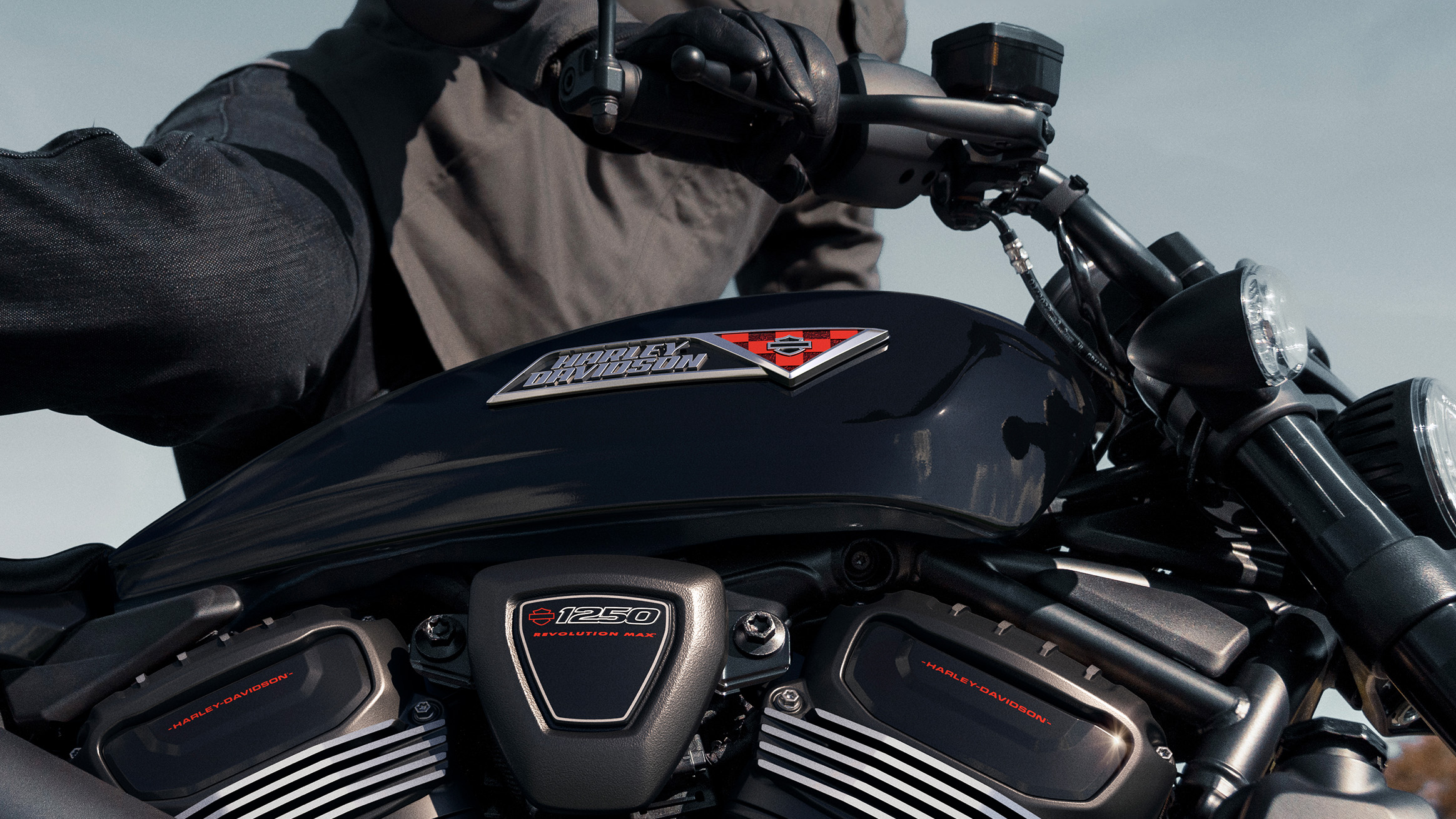
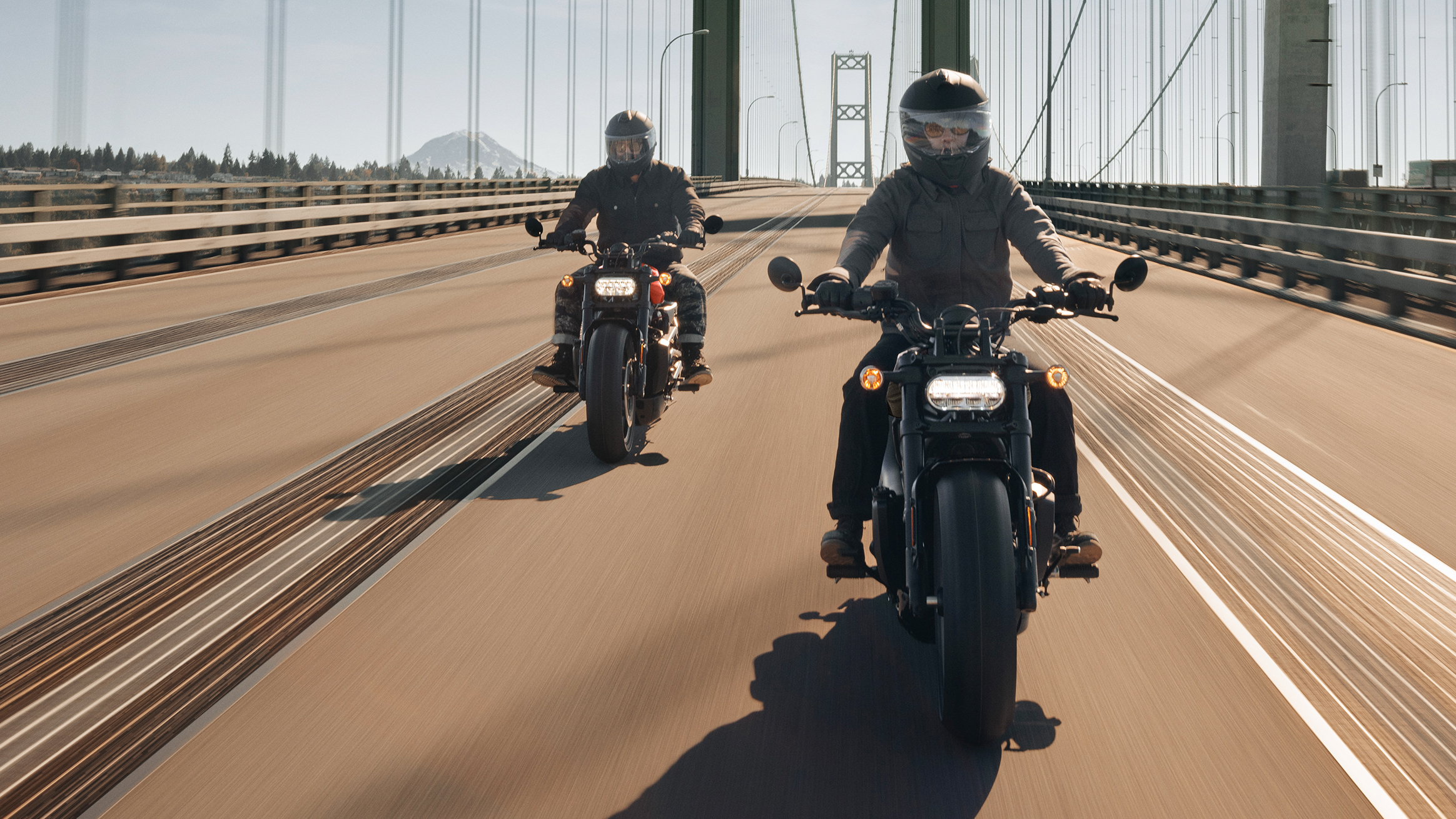
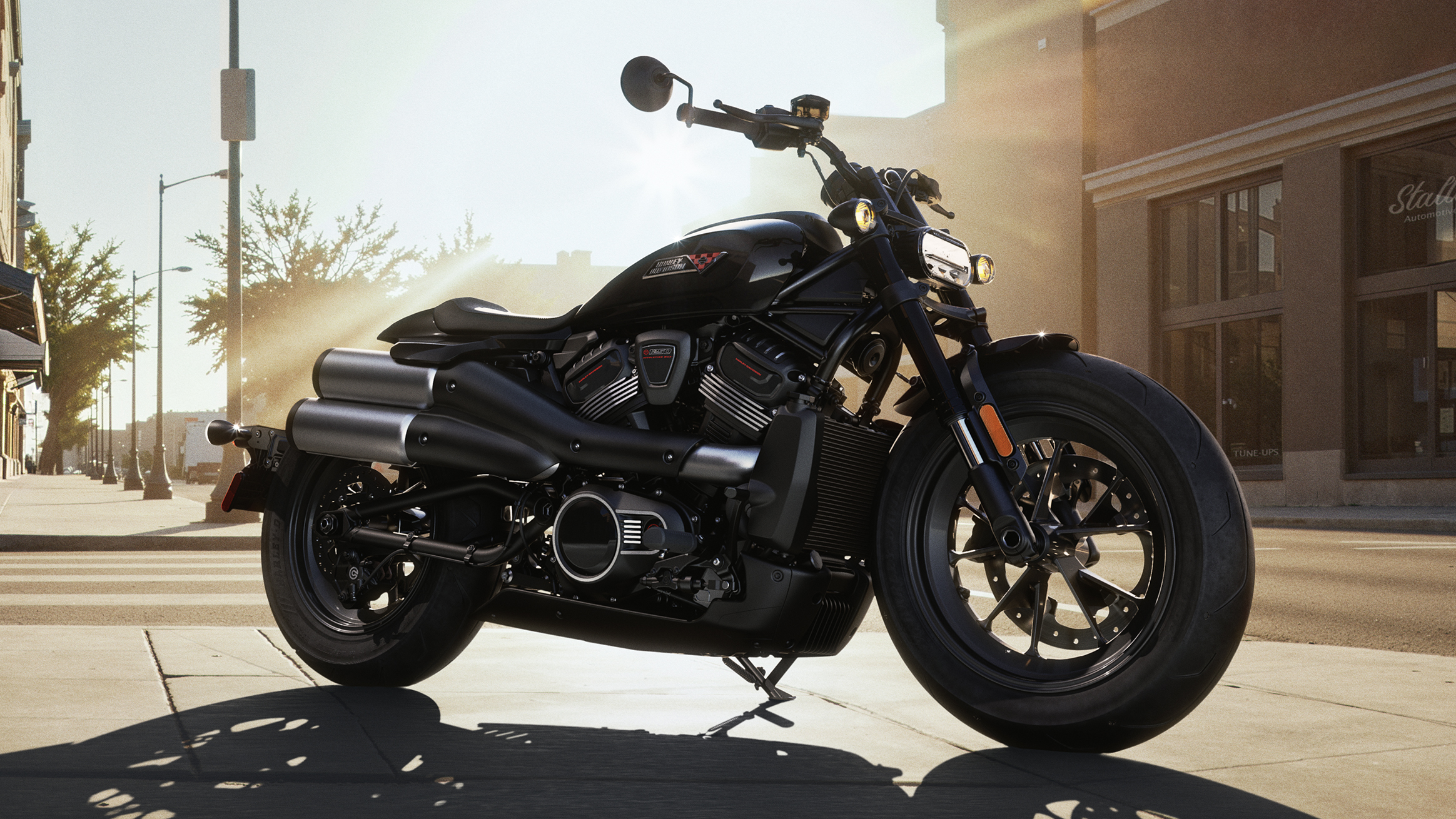
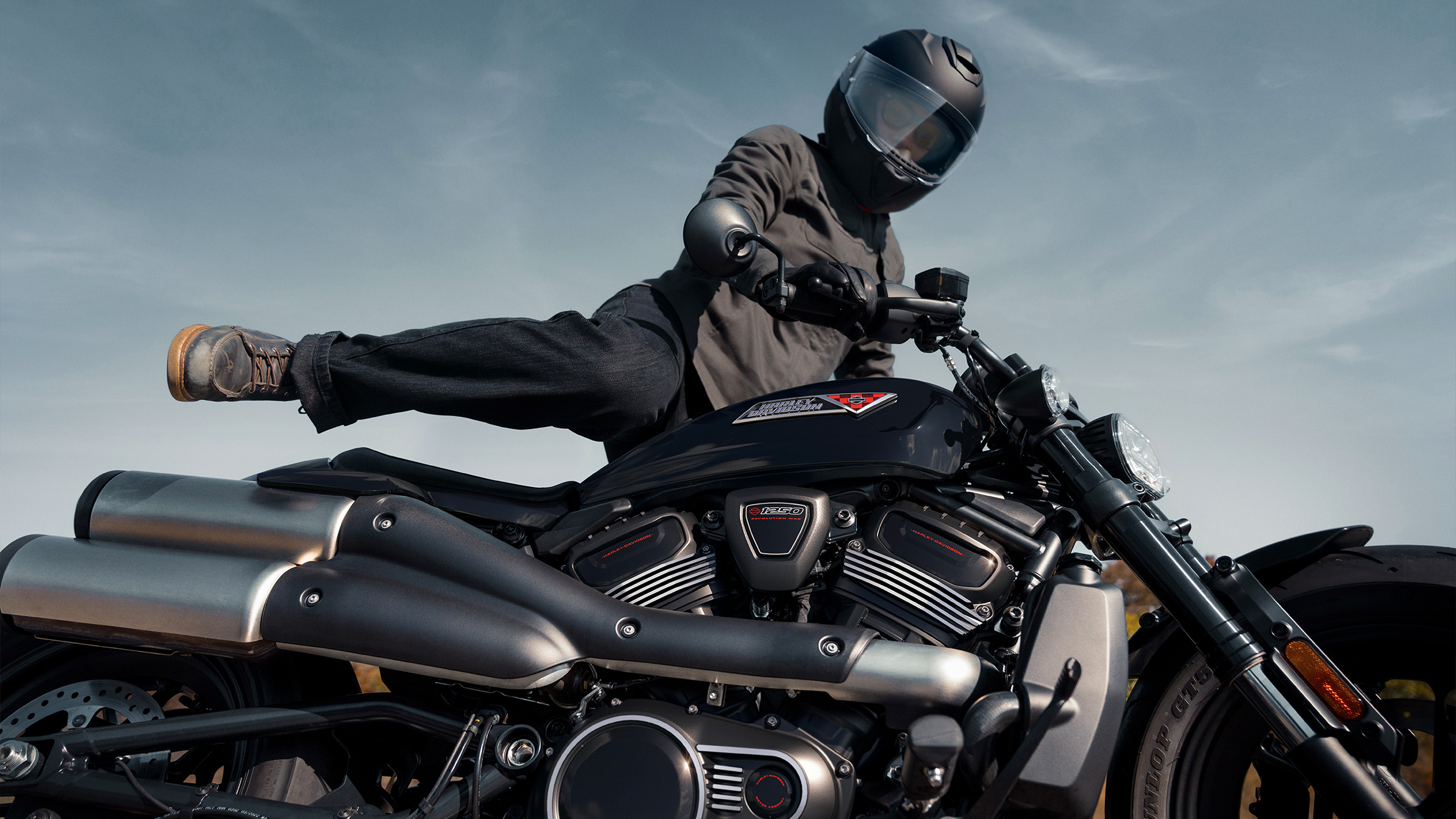
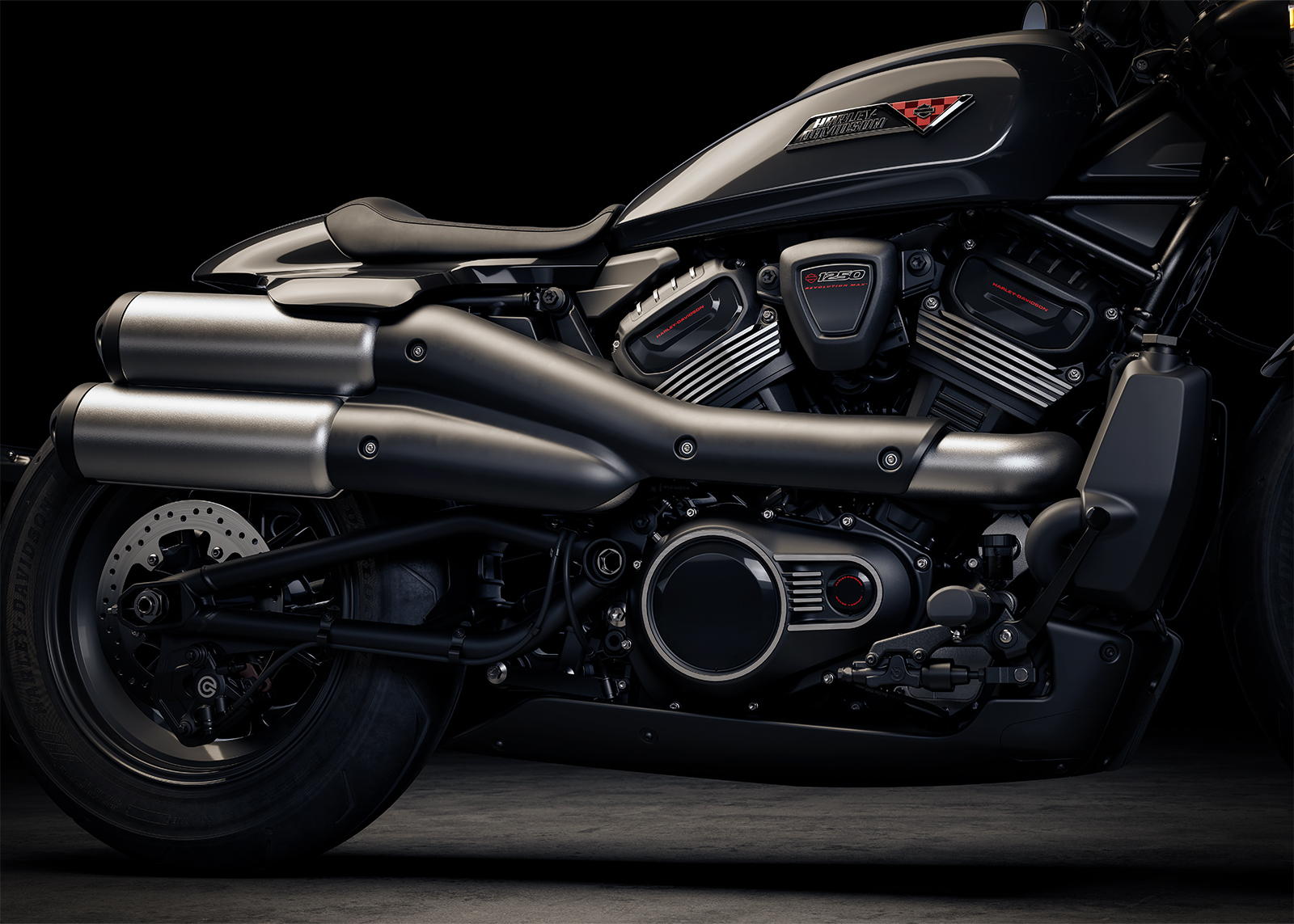
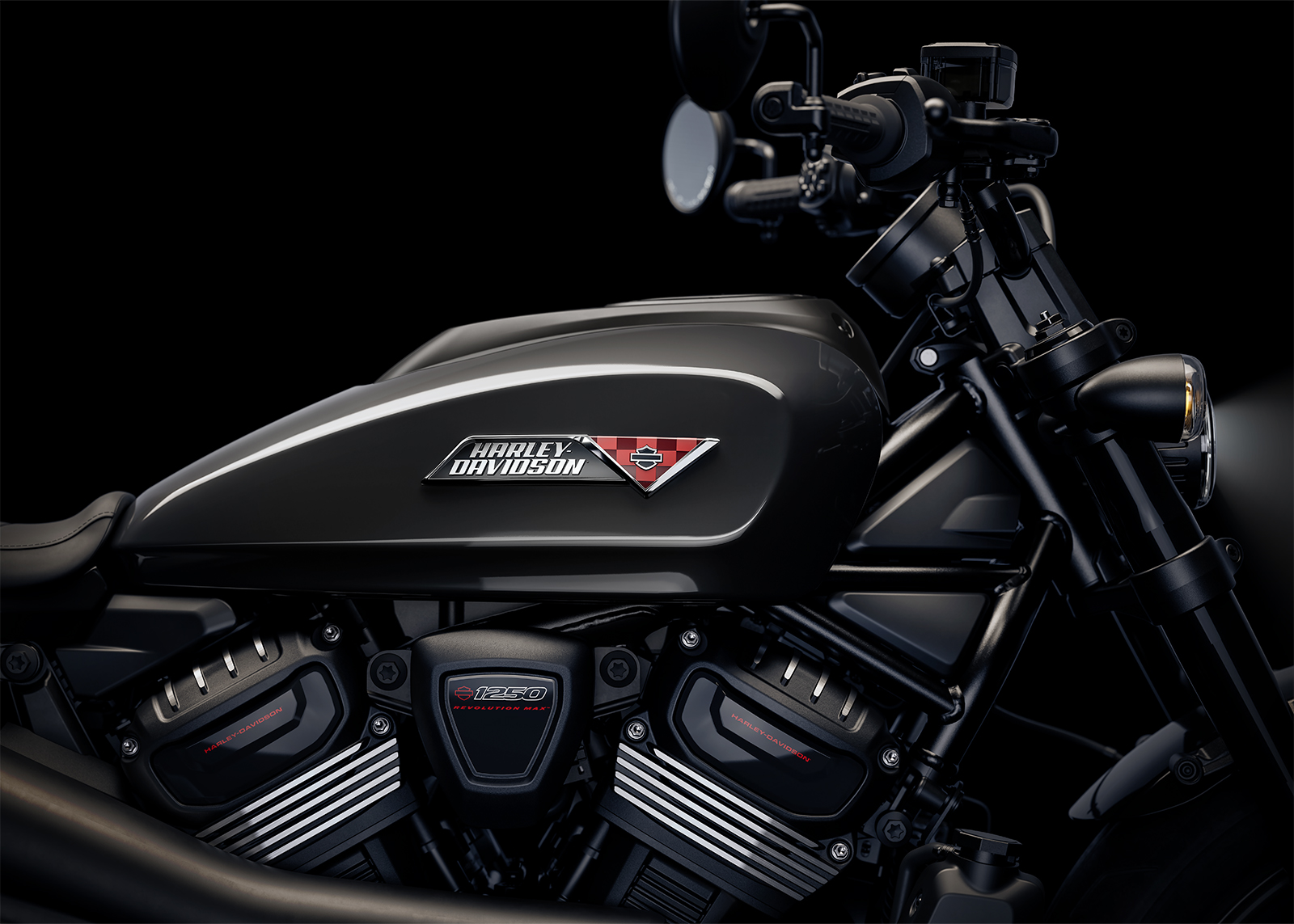
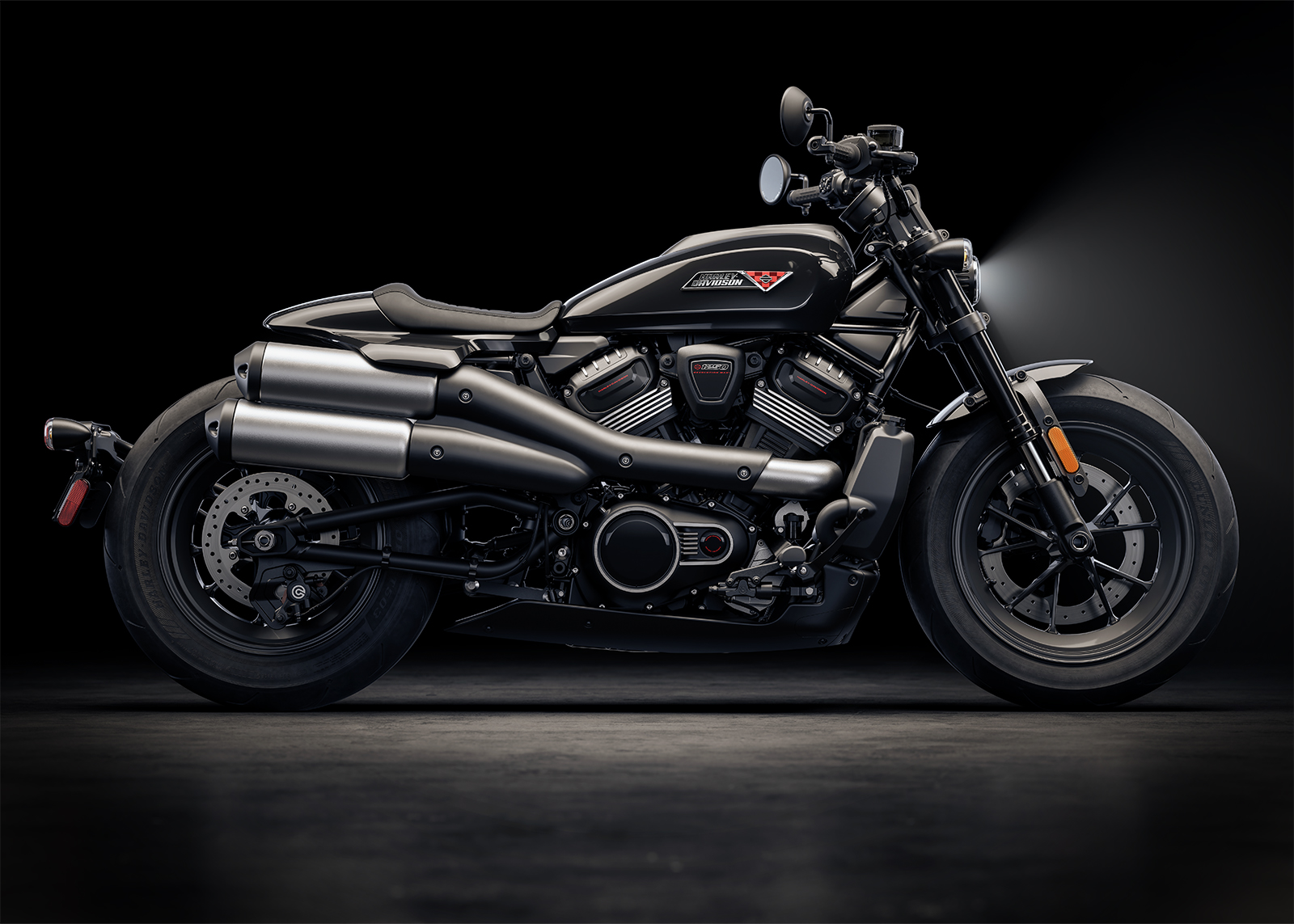
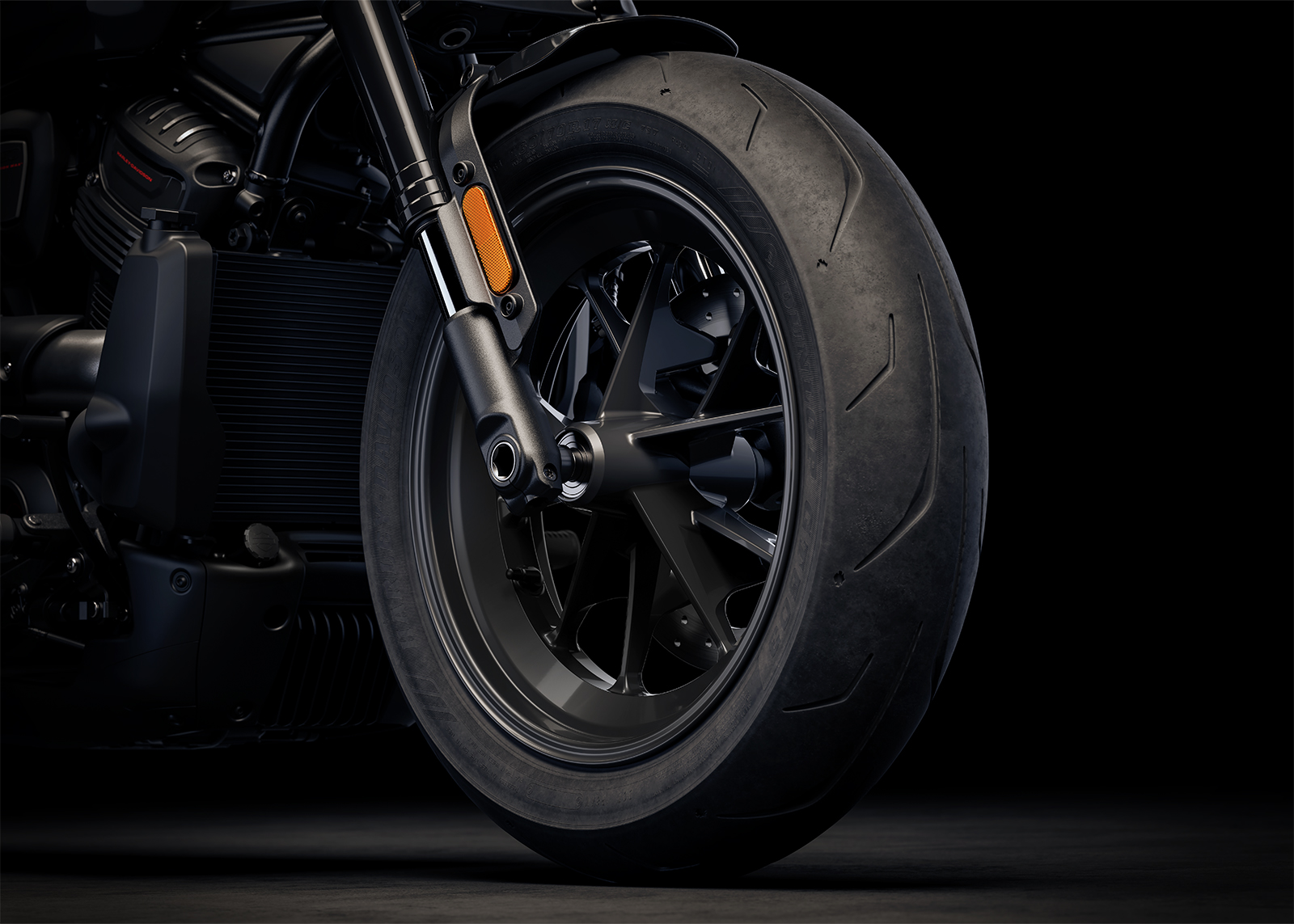
With 121 HP from the liquid-cooled Revolution Max™ 1250T motor, a wide front tire, 2-1-2 scrambler-style exhaust, and suspension tuned to optimize performance and rider comfort, the 2026 Sportster S reimagines classic styling with sharp, modern intent. Inspired by the iconic Sportster Forty-Eight, it channels Harley-Davidson heritage into a bike built to go harder, handle sharper, and look better doing it.
All (5)
Images (4)
Video (1)
Design
Performance
Innovation
Harley-Davidson’s Rider Safety Enhancements is all about giving you that extra peace of mind when things get a little unpredictable. It’s a set of smart tech that steps in during tricky situations, helping the bike handle traction while you’re accelerating, braking, or slowing down. With the Cornering Rider Safety Enhancements, the bike even adjusts for cornering, keeping things smooth and steady without you having to think twice.
ABS is designed to prevent the wheels from locking under braking and helps the rider maintain control when braking in a straight-line, urgent situation.
The TCS is designed to keep the rear wheel from “spinning out” when the motorcycle is accelerating in a straight line and enhances rider confidence.
DSCS is designed to reduce excessive rear-wheel slip and help prevent rear-wheel lock under powertrain-induced deceleration, which typically occurs when the rider makes an abrupt downshift gear change or quickly reduces the throttle while on wet or slippery road surfaces.
TPMS alerts the rider through the information display to low or high tire air pressure. Maintaining proper tire air pressure is important both for vehicle performance and tire life.
A system that helps keep both wheels grounded during intense riding. It has two functions: front wheel lift mitigation manages torque to prevent the front wheel from lifting during acceleration, while rear wheel lift mitigation controls brake pressure to keep the rear wheel down during hard braking, helping to ensure a stable and controlled ride.
C-ABS is a variant of ABS that takes into consideration the lean angle of a two-wheel motorcycle, or the lateral acceleration of a Trike model. The brake pressure required to limit wheel slip when cornering is typically or lower than the pressure required under straight line operation.
C-TCS is designed to prevent the rear wheel from excessive spinning under acceleration when going straight or cornering.
On bikes equipped with C-DSCS, the system helps keep the rear wheel from slipping or locking up when you quickly downshift or let off the throttle, especially on wet or slippery roads. When turning, it can adjust based on how much a two-wheel bike is leaning or the side-to-side motion on a Trike.
Does the same job as regular wheel lift control but with a bit more finesse. It taps into the bike’s Inertial Measurement Unit (IMU) to fine-tune its control. That means more precise control when you need it most.